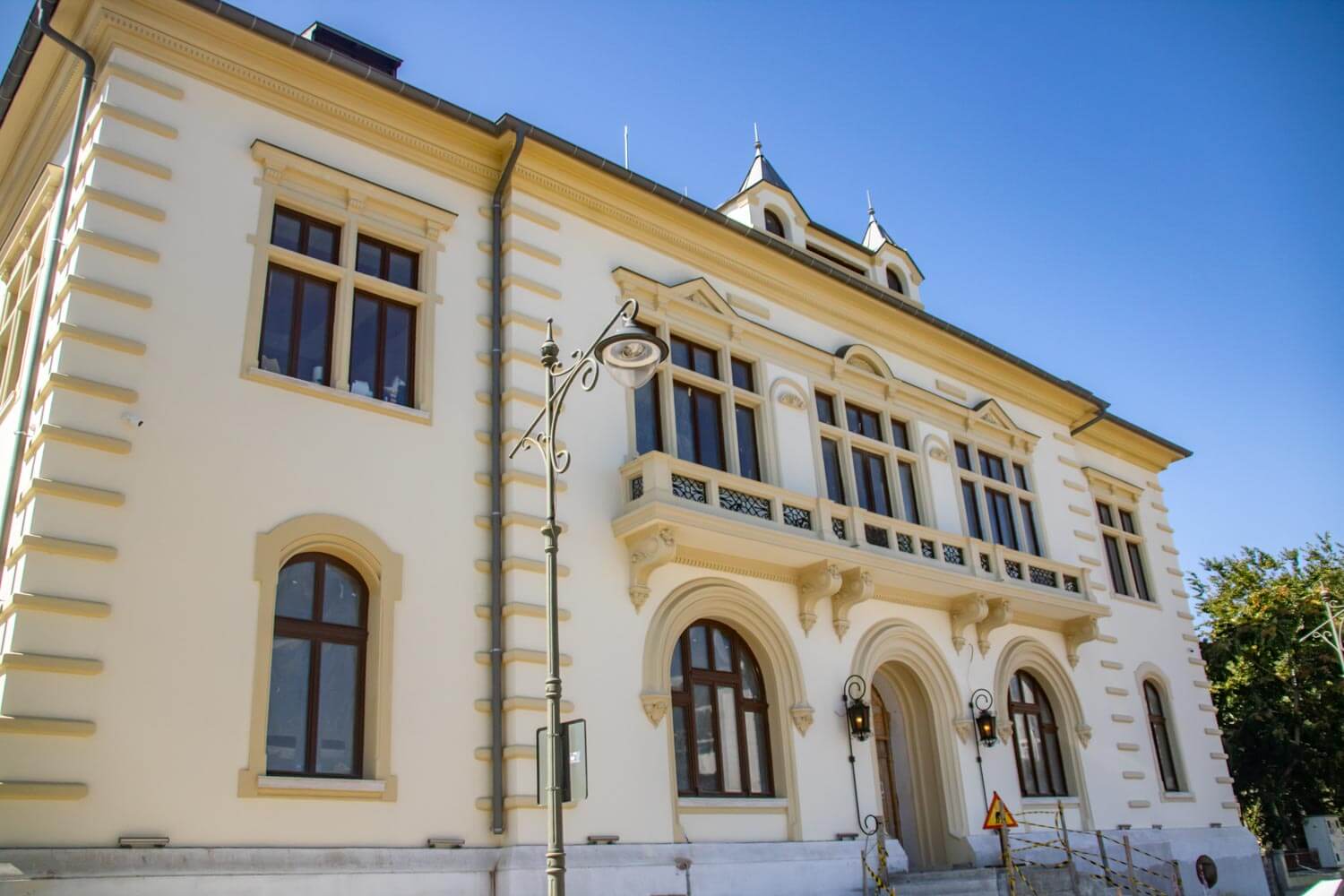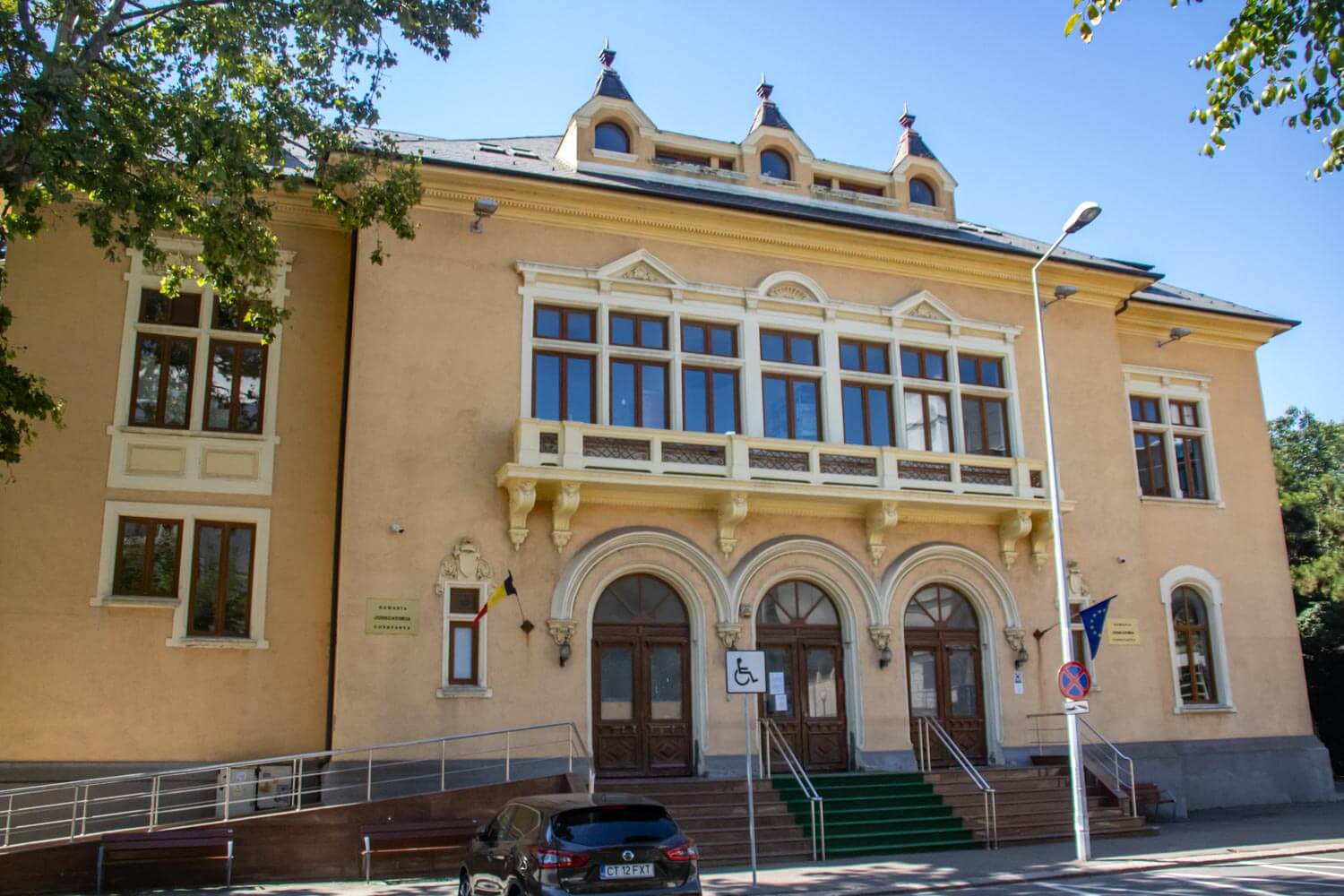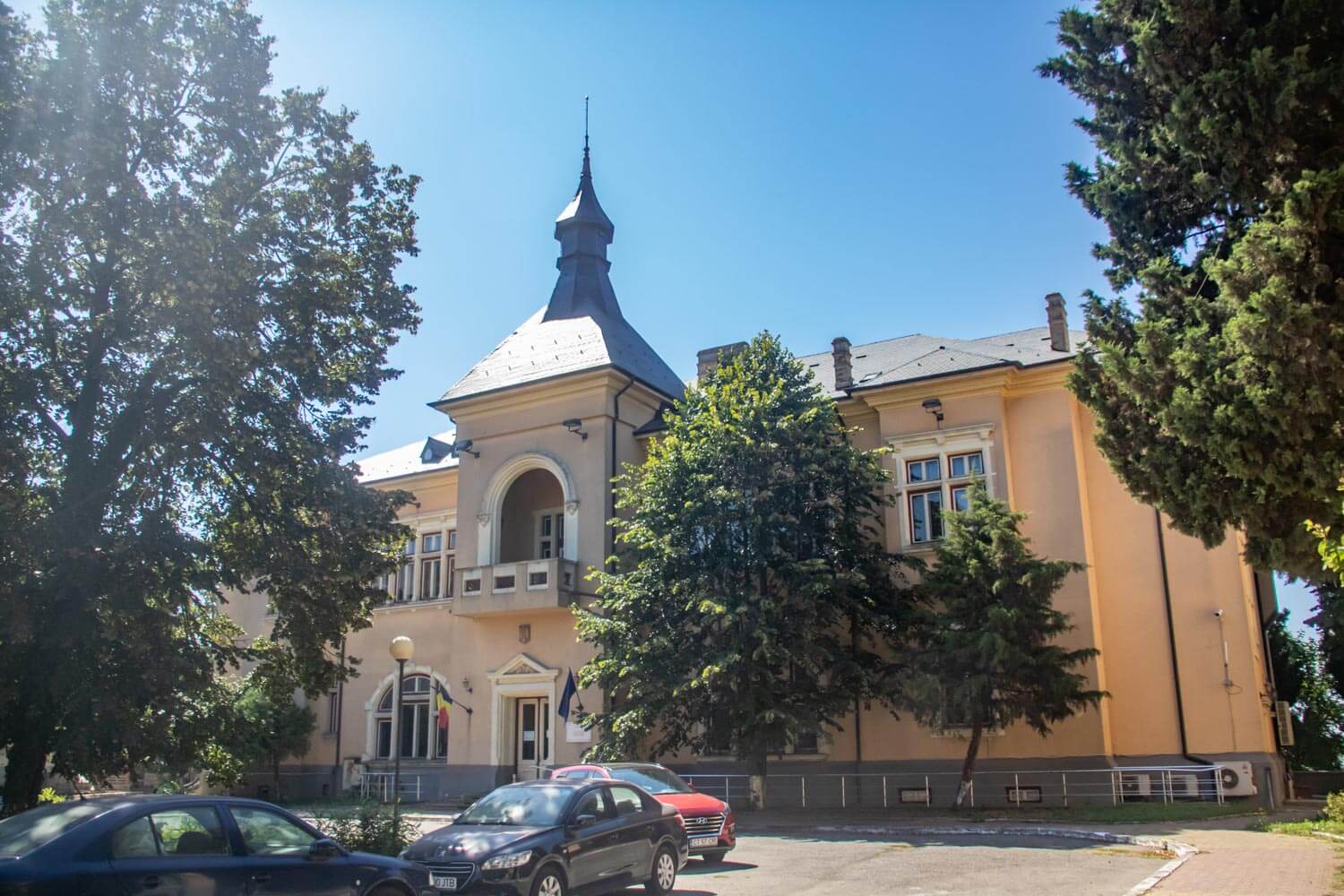
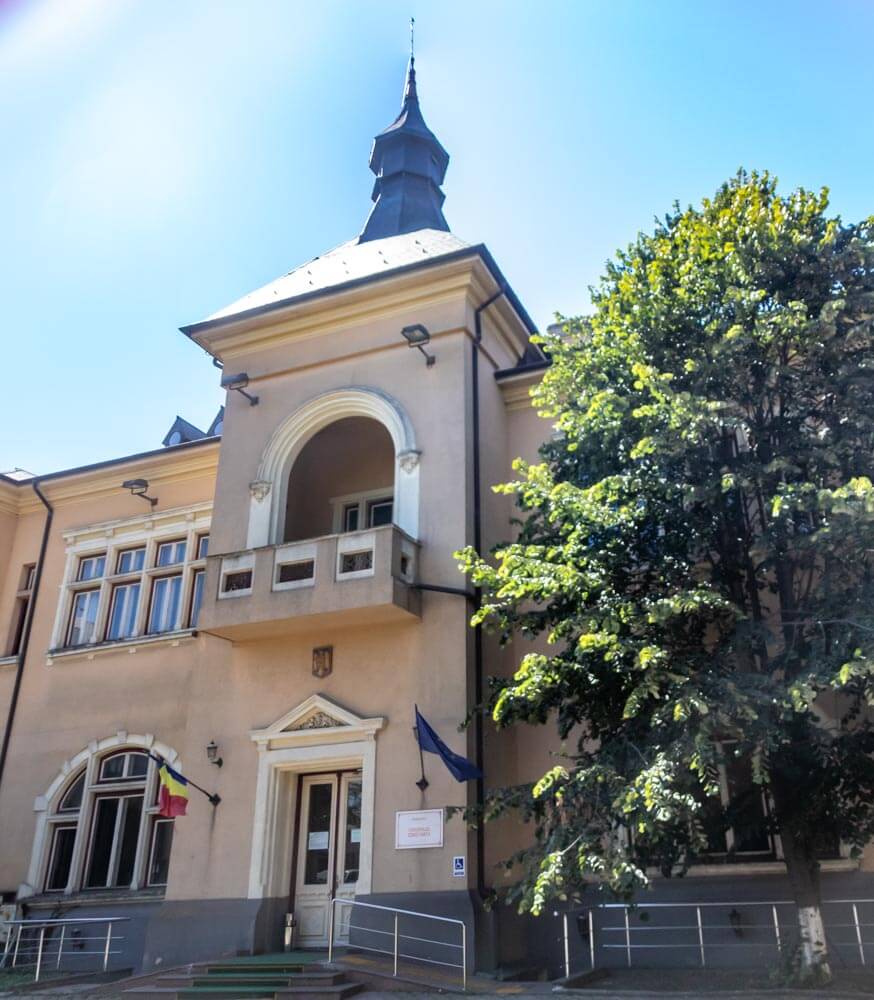
The Royal Palace of Constanța (Palatul Regal din Constanța) is a former royal residence in Constanța, built in the early 20th century as part of a new administrative ensemble near the city’s former railway station. The same group also included the county prefecture, now the Constanța Military Circle, and the neighboring Palace of Justice.
The wider complex was first planned by architect Louis Pierre Blanc in 1902. After his death the following year, Daniel Renard revised the project, while Petre Antonescu supervised construction of the royal residence when work on it began in 1905. Completed in 1906, the palace became the official Constanța residence of King Carol I and Queen Elisabeth, who stayed here regularly during visits to the Black Sea coast.
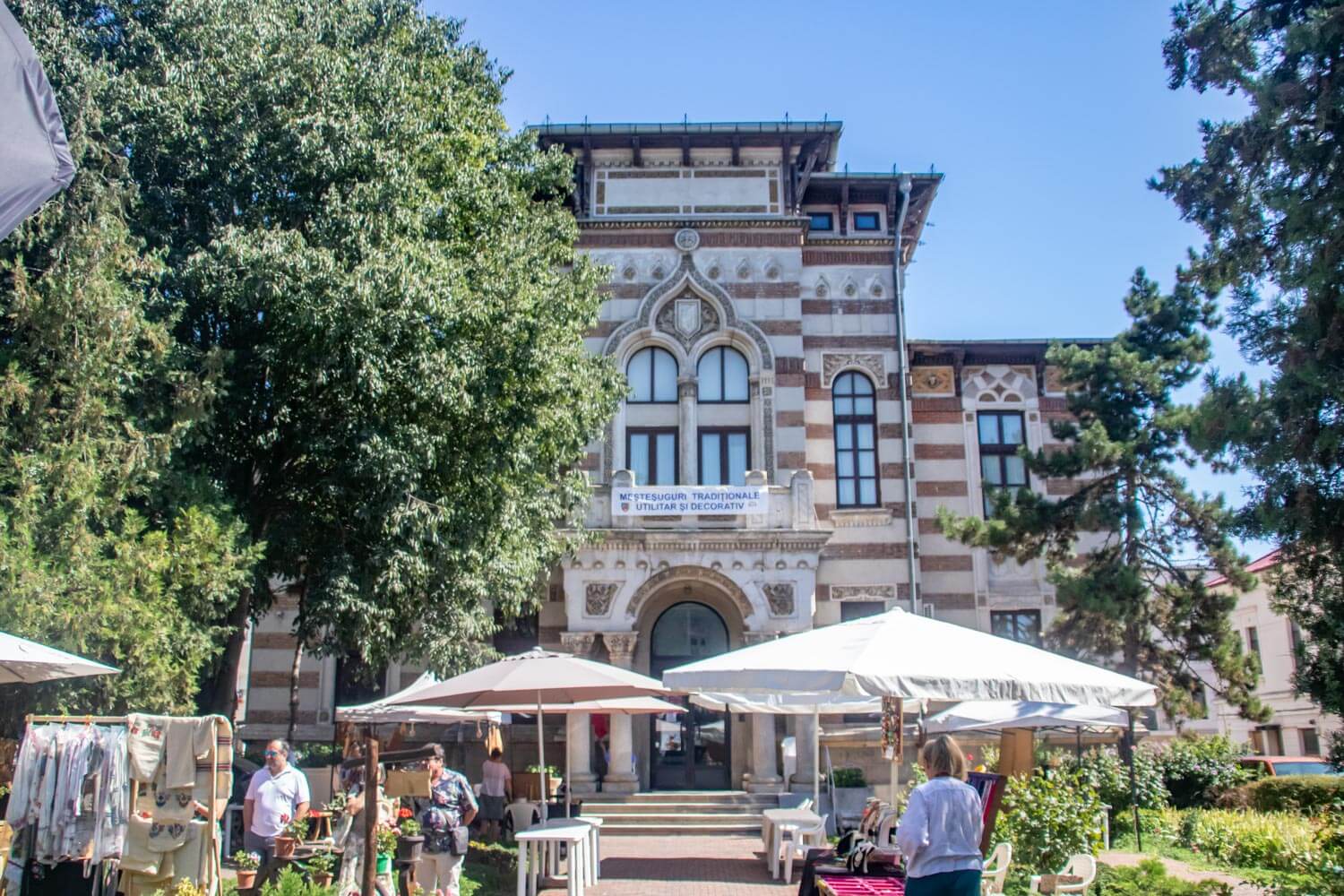
The building was deliberately restrained for a royal residence, with a semi-basement, ground floor, upper floor and attic. A central entrance pavilion and balcony organize the main façade, while terraces and a Neo-Romanian veranda opened toward the southern side. The reception rooms and the king’s working apartments originally contained painted interior decoration.
The palace also played a role in major royal visits to Constanța, including the June 1914 visit of Tsar Nicholas II of Russia and the Russian imperial family. During the First World War occupation, Field Marshal August von Mackensen used the building as his residence, while the German military command operated from the neighboring former prefecture.
The Romanian royal family gave up the palace after the war, and in 1923 it passed to the Ministry of Justice and became the seat of the Constanța Court of Appeal. It later served various military and administrative functions before returning to judicial use around 1990. Today, the former royal residence houses the Constanța Tribunal.