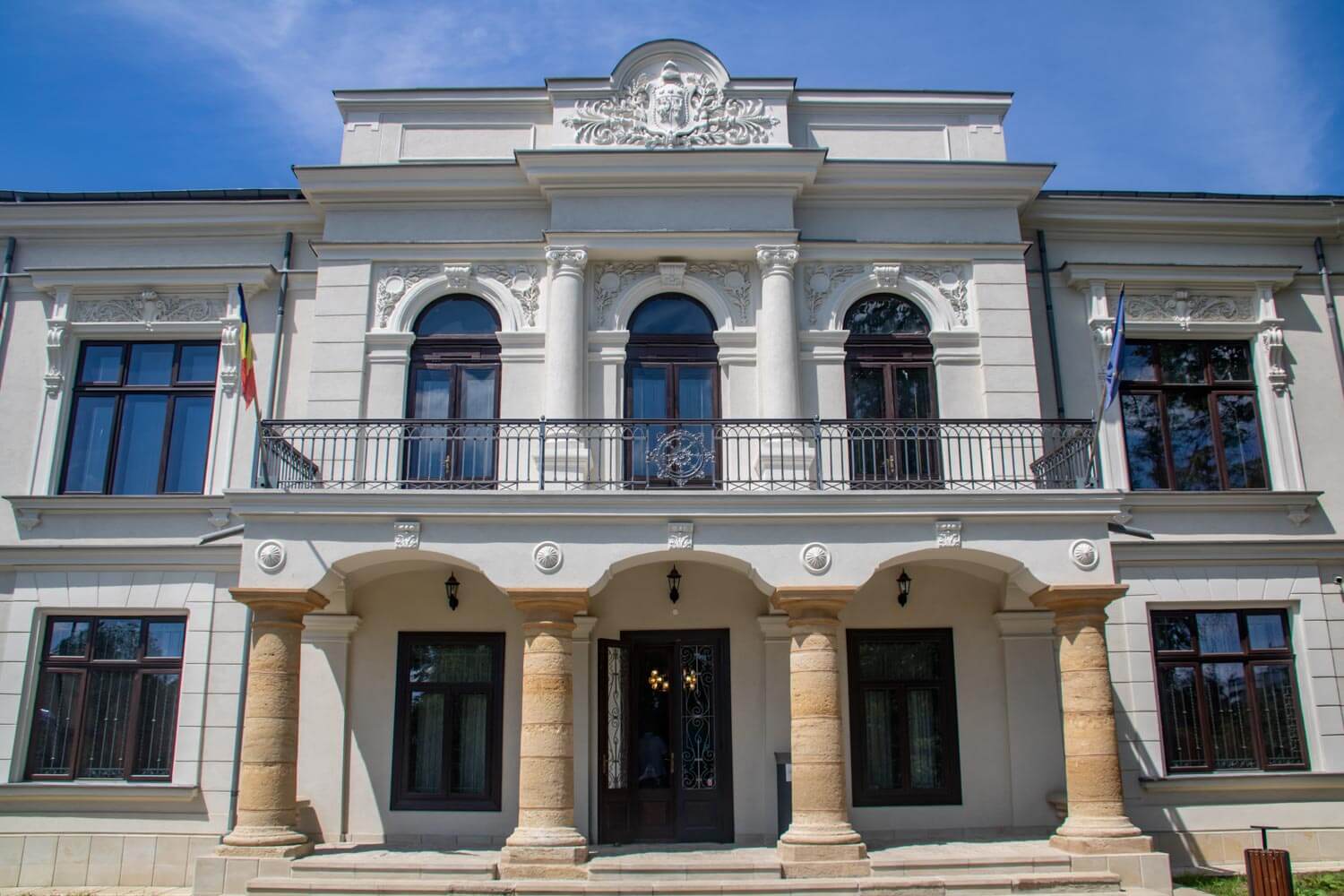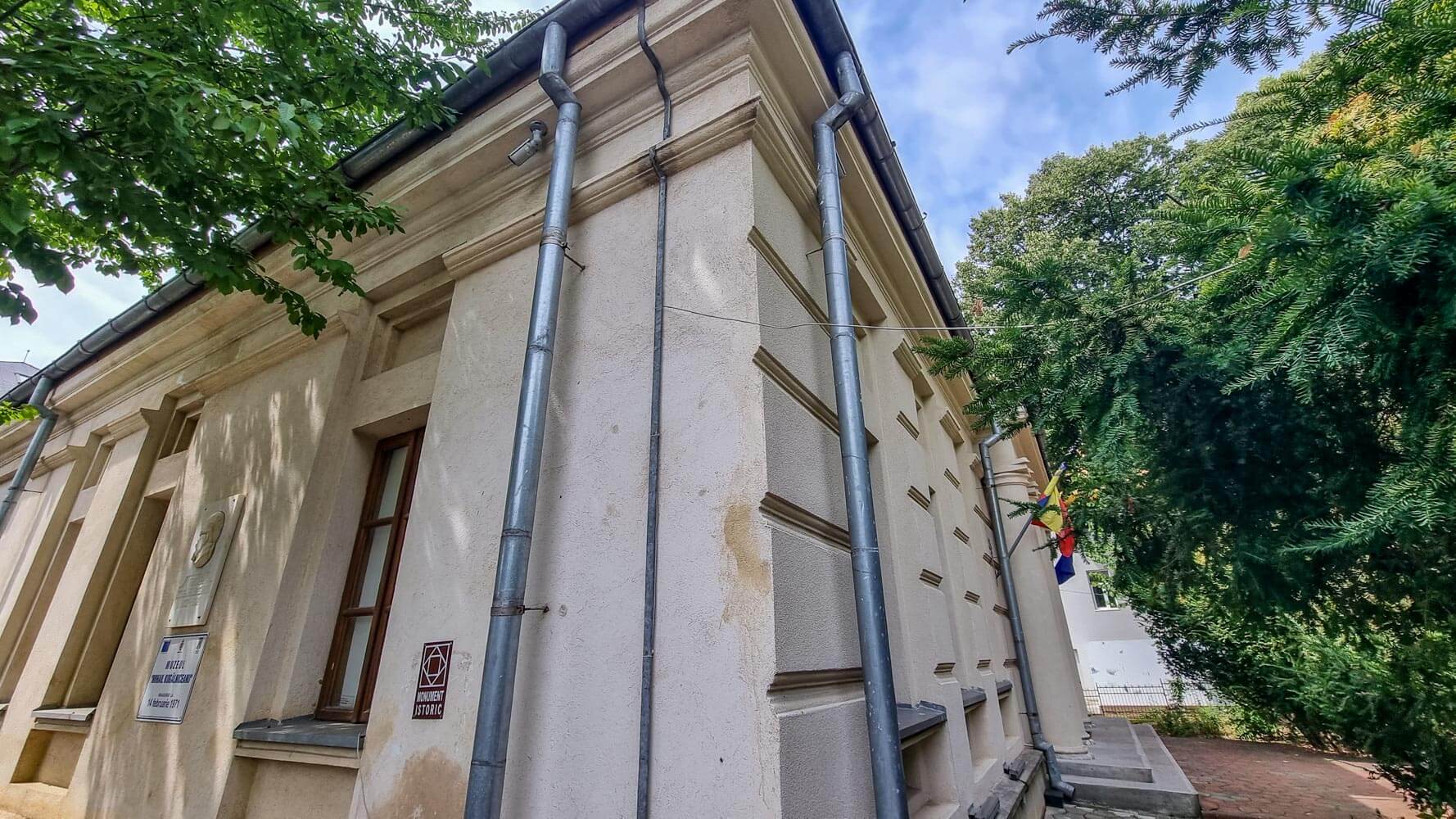
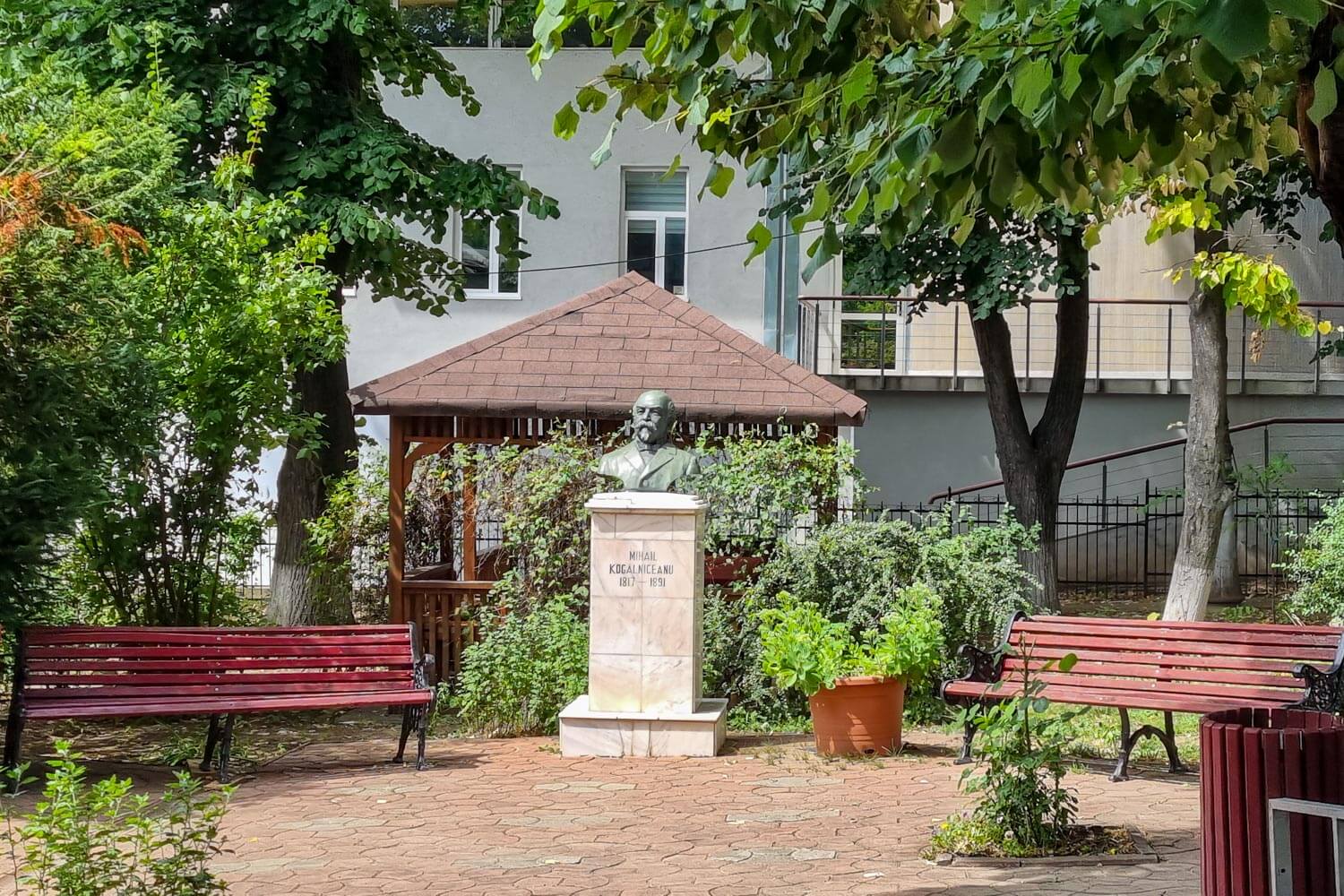
The Mihail Kogălniceanu Memorial Museum (Muzeul Memorial Mihail Kogălniceanu) is a historic house museum in Iași dedicated to the statesman, historian, writer, and journalist Mihail Kogălniceanu. He was born in the house in 1817 and later lived here with his family, making it an important surviving place from his personal and political life.
The property entered the Kogălniceanu family in the early 19th century, when his father, Ilie Kogălniceanu, acquired the house. It was later remodeled, including a major reconstruction in 1888 by architect Carol von Kugler, but retained the character of a substantial Moldavian urban residence. Over the course of the 19th century, the house became a meeting place for many of the leading figures of the period, including Vasile Alecsandri, Costache Negri, Alecu Russo, Prince Mihail Sturdza, and Prince Grigore Alexandru Ghica. Kogălniceanu was also here when news arrived that Alexandru Ioan Cuza had been chosen as candidate for the Moldavian throne, while Prince Carol stayed in the house during a visit to Iași in 1869.
Its function changed significantly after Kogălniceanu’s death. During World War I the building housed the Court-Martial, and in the interwar period it was used by organizations caring for war orphans. Bombing in 1944 caused extensive damage, after which the property was reconstructed in its original form. The house entered the Museum of Moldavian History in 1970 and was subsequently arranged as a memorial museum devoted to Kogălniceanu and his family.
The exhibition recreates the atmosphere of a 19th-century boyar residence through rooms such as the reception room, bedroom, lady’s salon, dining room, and study. Period furniture, family possessions, photographs, documents, manuscripts, and personal objects are used to present both Kogălniceanu’s public career and everyday domestic life, while the interiors also evoke the wider political and cultural world of mid-19th-century Iași.
The museum forms part of the National Museum Complex Moldova and occupies one of the city’s notable surviving 19th-century residences from the generation that shaped the union and modernization of the Romanian principalities..