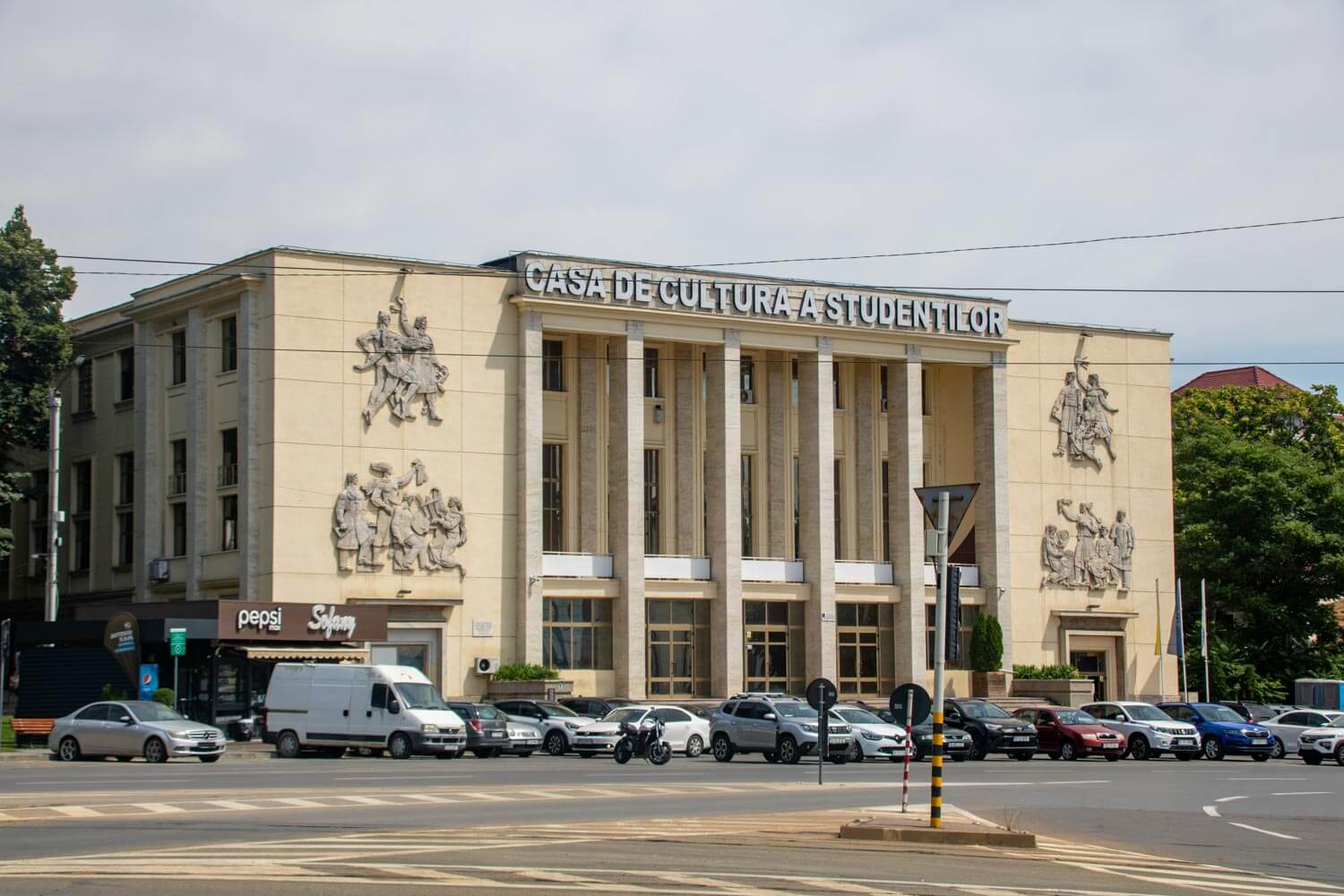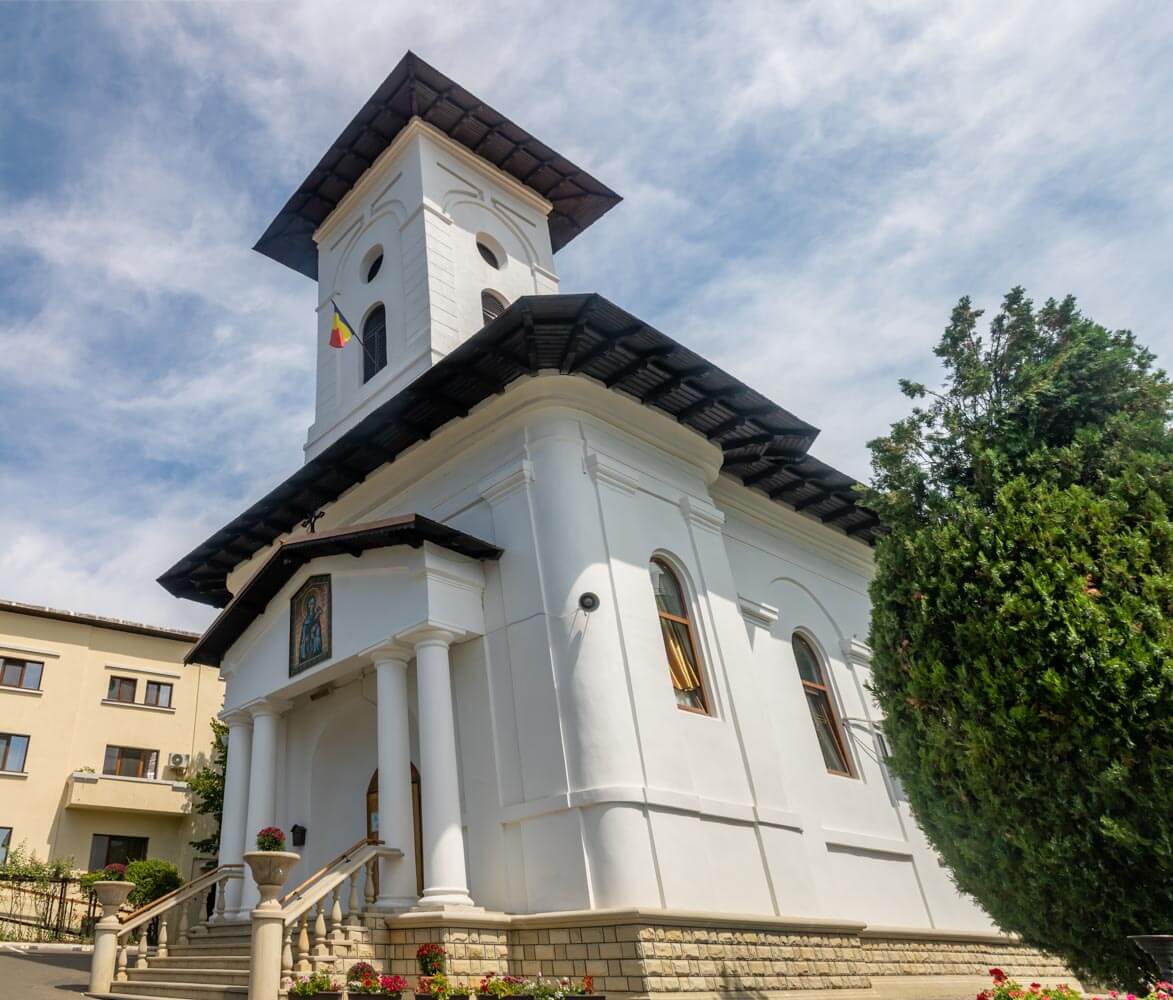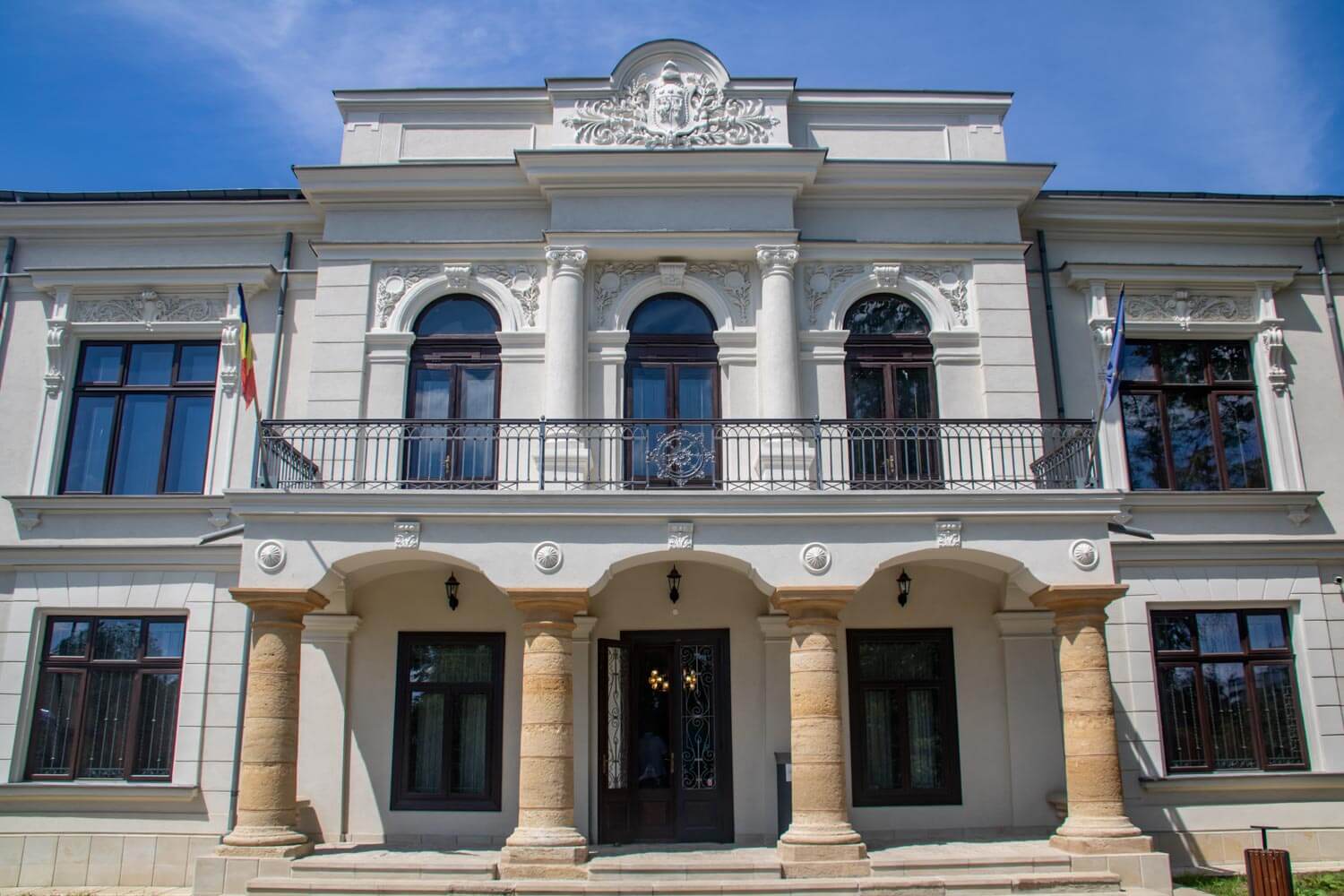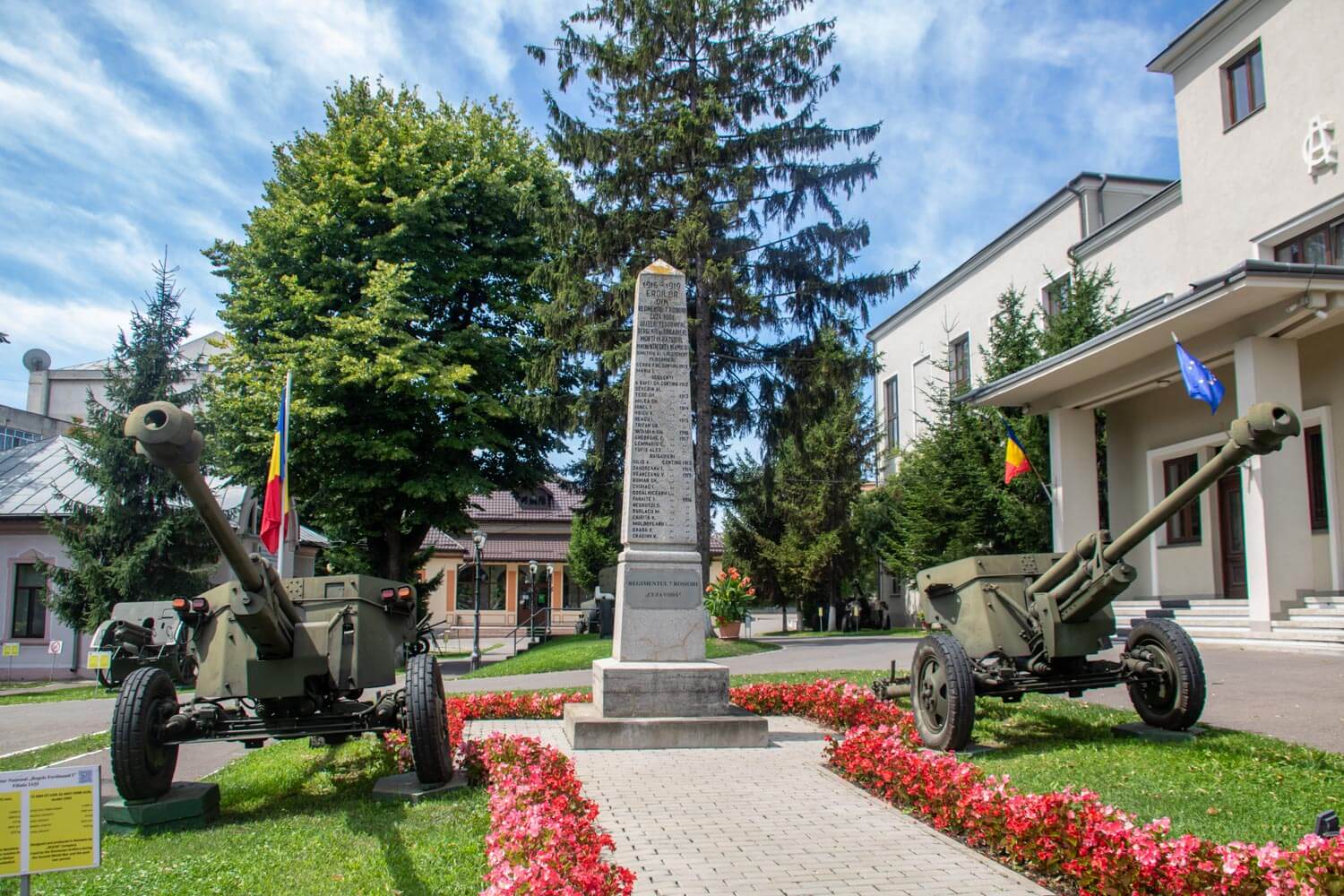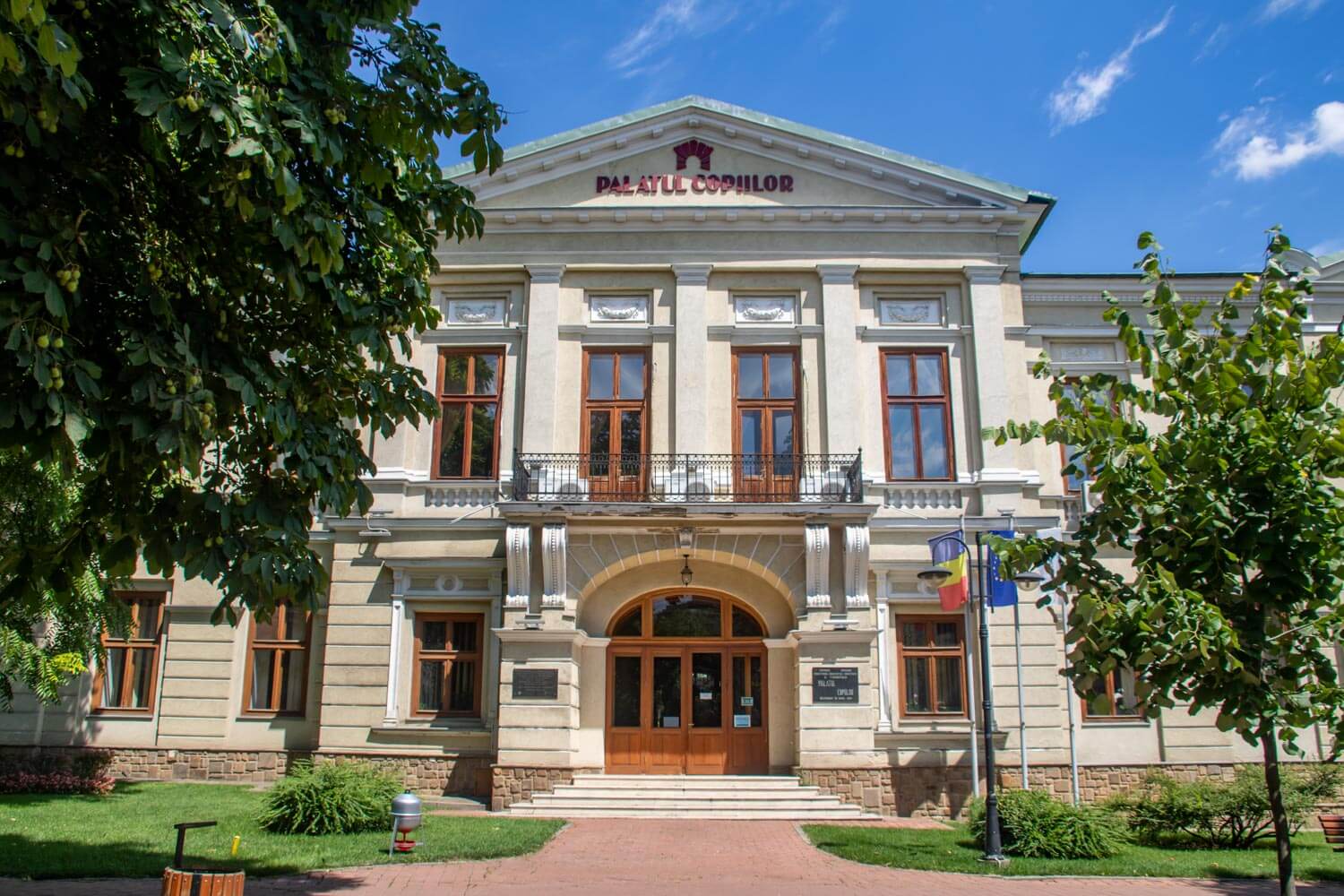
The Iași Children’s Palace (Palatul Copiilor Iași) is an educational and cultural institution housed in the former Cantacuzino-Pașcanu House, near Mihai Eminescu Square in central Iași. Built in 1840 for the Moldavian chancellor Dumitrache Cantacuzino-Pașcanu, the Neoclassical residence later passed through a remarkable succession of private, royal, military, and educational uses before becoming the Palace of Pioneers in 1966 and receiving its present name after the fall of communism.
The house originally stood within a large enclosed estate, with a garden in front and kitchens, barns, stables, and servants’ quarters behind it. A tragedy here in 1855 became part of the wider movement to abolish Roma slavery in Moldavia. Dincă, the enslaved illegitimate son of Dumitrache Cantacuzino-Pașcanu and a Roma servant named Maria, fell in love with a French woman named Clementina but remained legally enslaved because the owner of the estate, Profira Cantacuzino-Pașcanu, refused to free him. Dincă killed Clementina and then himself, causing a public scandal that helped accelerate pressure on Prince Grigore Alexandru Ghica to complete the emancipation of privately owned Roma later that year.
After the Cantacuzino-Pașcanu period, the residence passed to the Cozadini family and from the late 19th century was occasionally used by King Carol I during visits to Iași. The state later acquired it for the IV Army Corps, and during the First World War Queen Marie and her children lived here while Iași served as Romania’s wartime capital. The building subsequently housed an institute for the daughters of military officers, served as a prisoner-of-war camp during the Second World War, and became a Polytechnic student residence after the war.
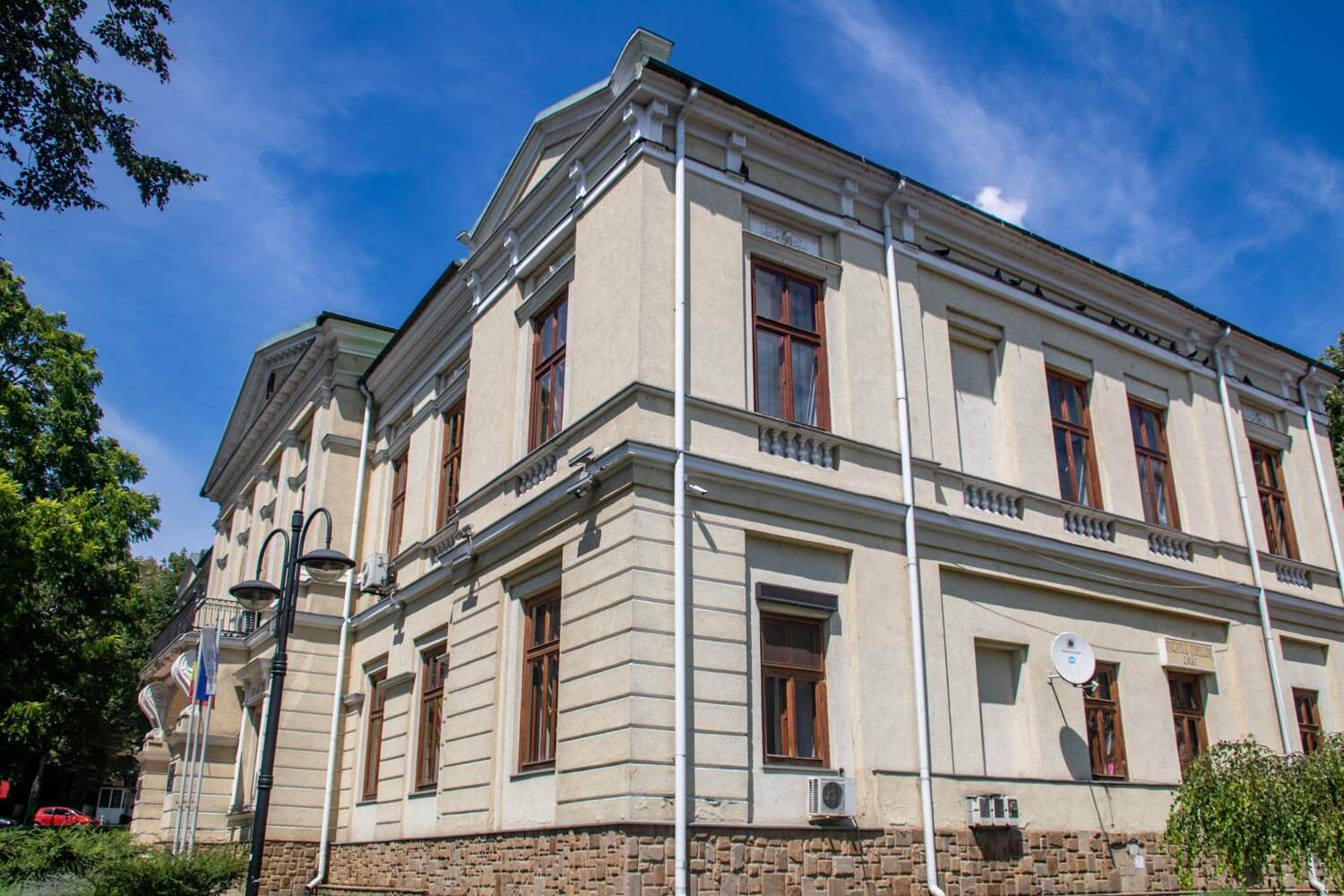
Much of the exterior retains the restrained proportions of the original Neoclassical residence, while inside a monumental staircase leads to the former ballroom on the upper floor, now used as a ceremonial hall. Since 1966 the building has been devoted to activities for children, first as the Palace of Pioneers and later as the Children’s Palace, offering extracurricular programs in areas including visual arts, music, dance, science, technology, sports, and tourism.