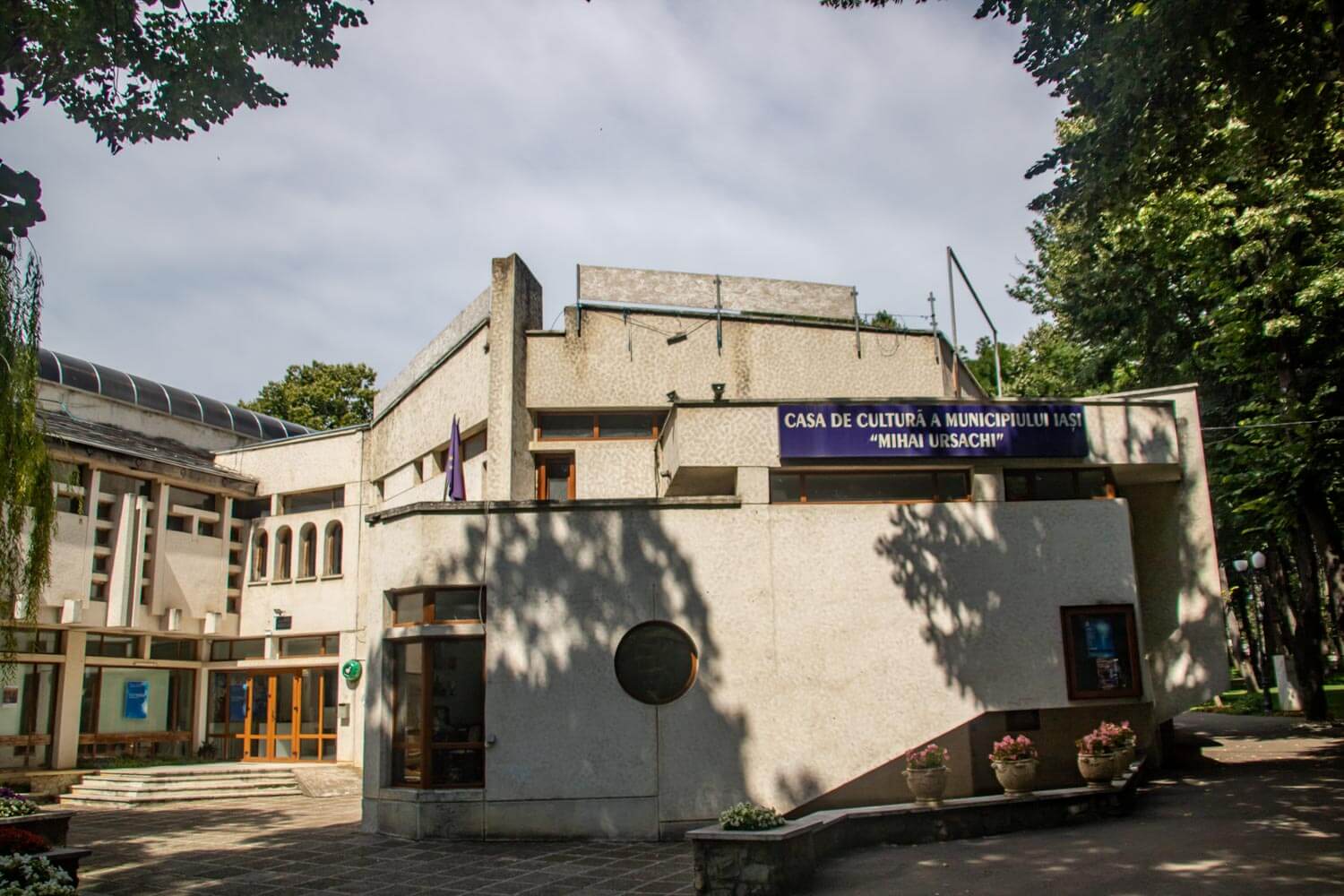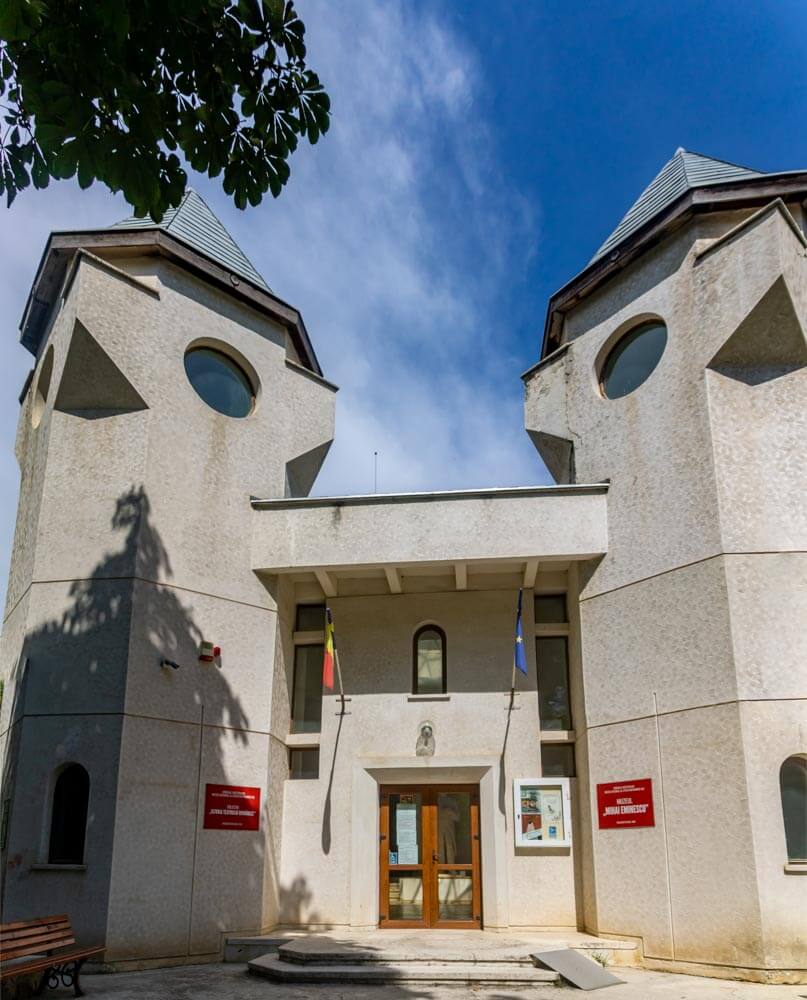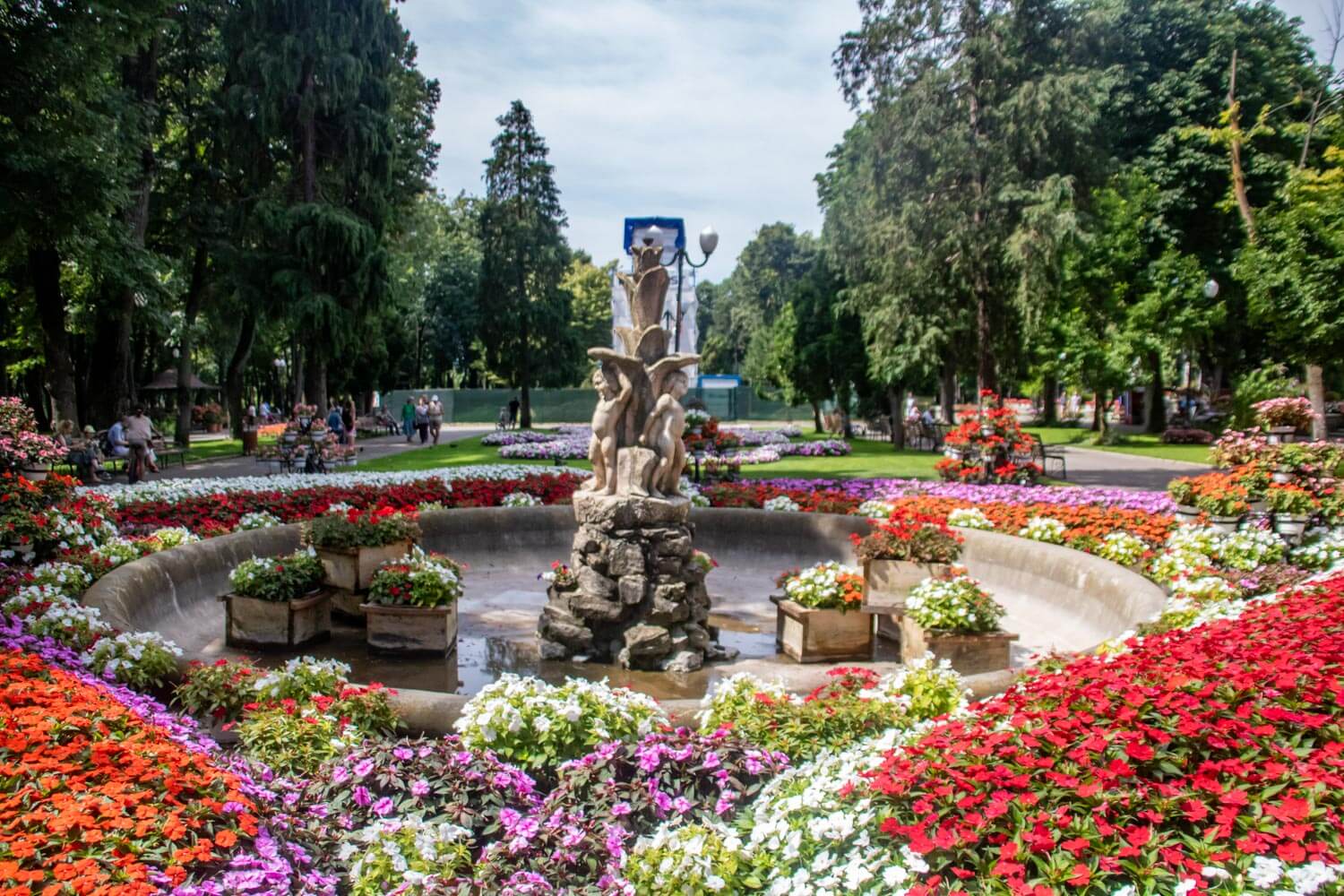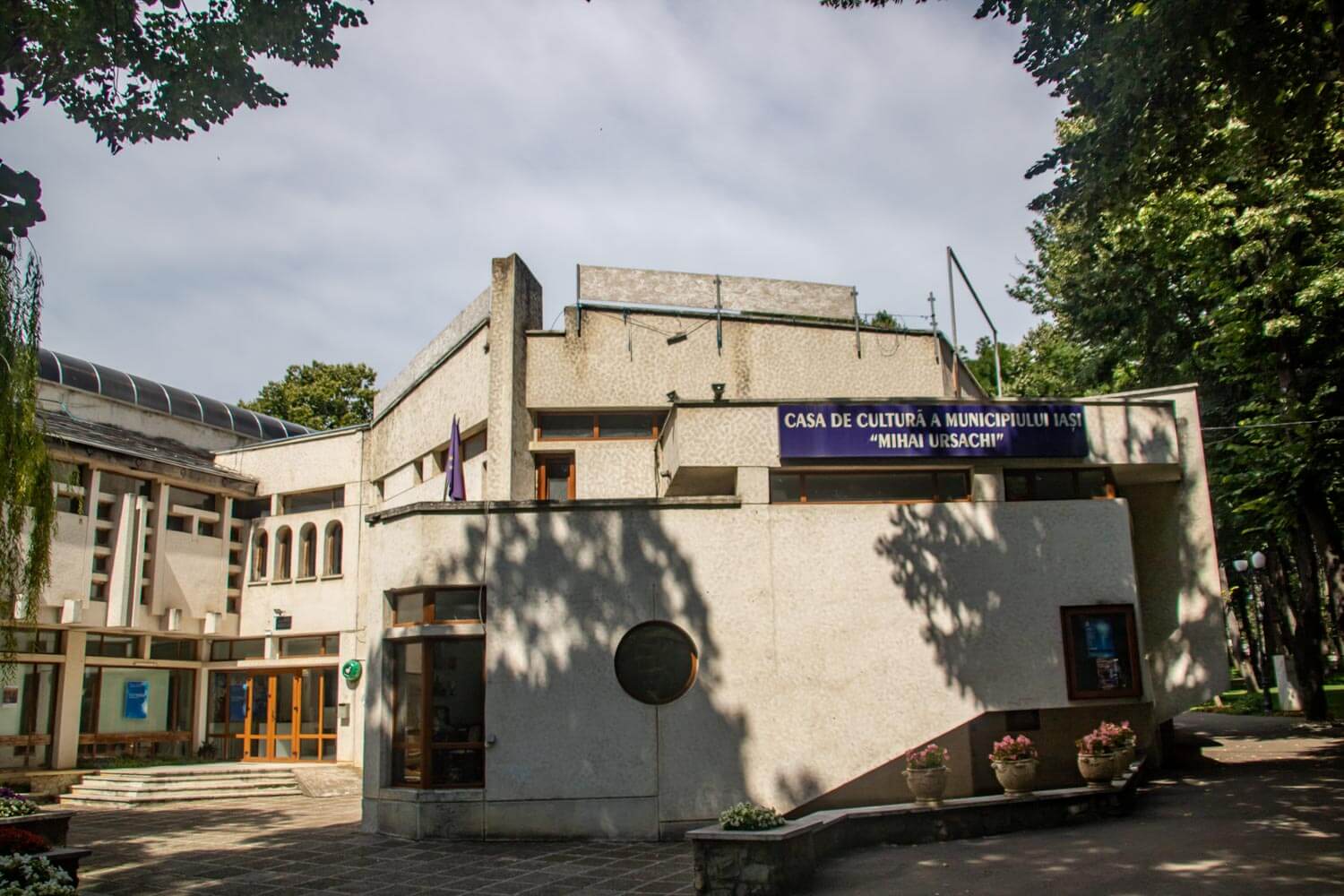
The History of Romanian Theater Collection (Colecția Istoria Teatrului Românesc) is a museum collection in Copou Park in Iași, presenting the development of Romanian theater through costumes, photographs, posters, stage objects, manuscripts, programs, and personal belongings of actors, singers, directors, and playwrights. It occupies the upper floor of the shared cultural building that also contains the Mihai Eminescu Museum and part of the Mihai Ursachi Culture House.
The collection began as the Theater Museum, officially opened in 1976 in the former Vasile Alecsandri House. Its creation marked 160 years since the staging in Iași of Mirtil și Hloe, translated by Gheorghe Asachi and regarded as an important early milestone in Romanian-language theater. When the original museum closed, the collection was reorganized and transferred to its present location in Copou Park, where it opened on 22 February 2009.
The displays cover the wider world of performance rather than drama alone, bringing together material on acting, directing, scenography, music, and dance. Among the figures represented are Matei Millo, Aristizza Romanescu, Agatha Bârsescu, Hariclea Darclée, Teodor T. Burada, and George Enescu, followed by later generations of Romanian performers from the interwar period and the second half of the 20th century.
Posters and programs include some of the oldest surviving examples from Romanian theater, while correspondence, reviews, and other documents carry the signatures of writers and cultural figures such as Mihail Sadoveanu, Garabet Ibrăileanu, Mihai Codreanu, George Topîrceanu, Ionel Teodoreanu, and Ion Sava. Costumes and personal objects add a more immediate sense of the performers behind the productions.
The collection is part of the network of museums administered by the National Museum of Romanian Literature Iași, headquartered in the House of Museums.