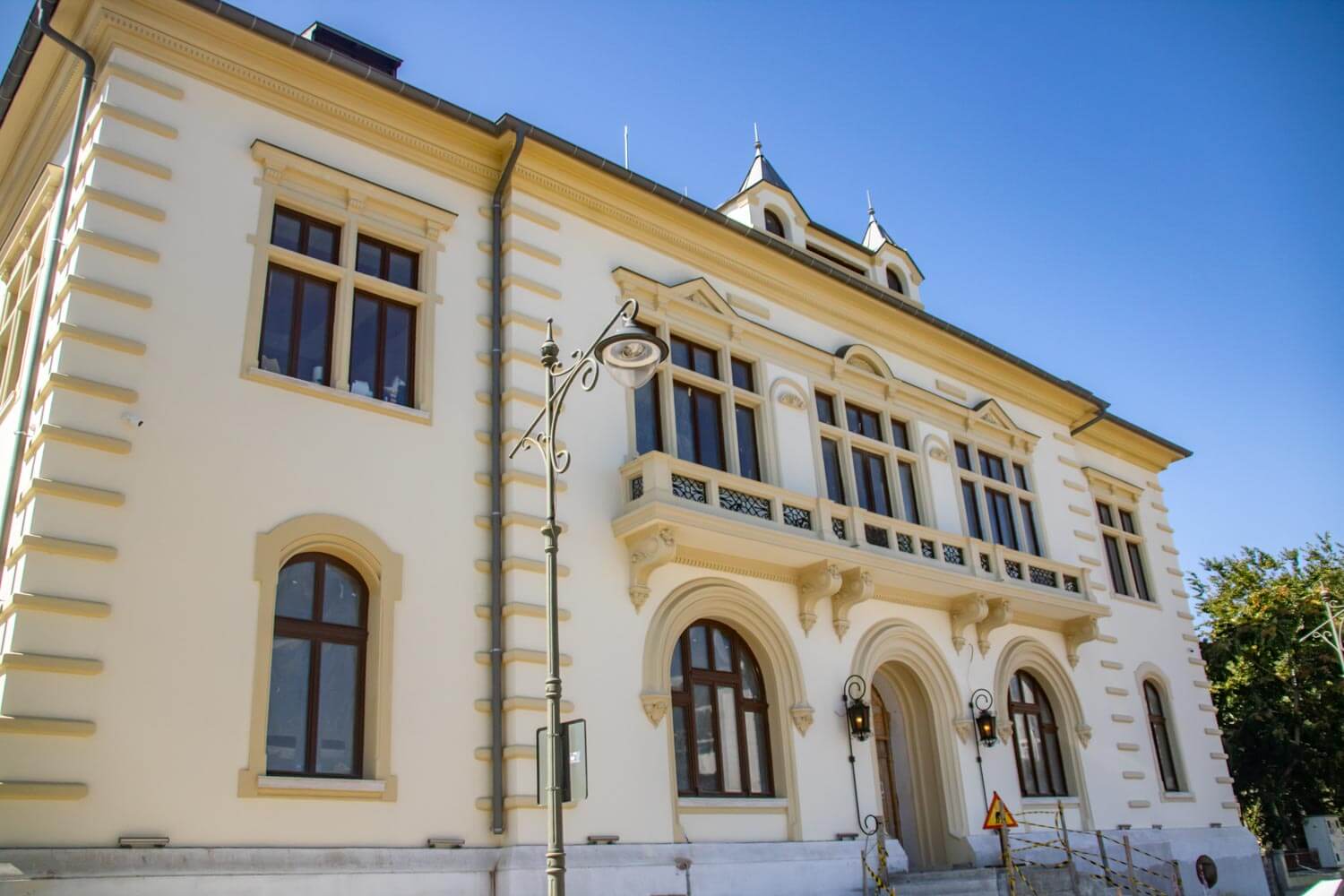
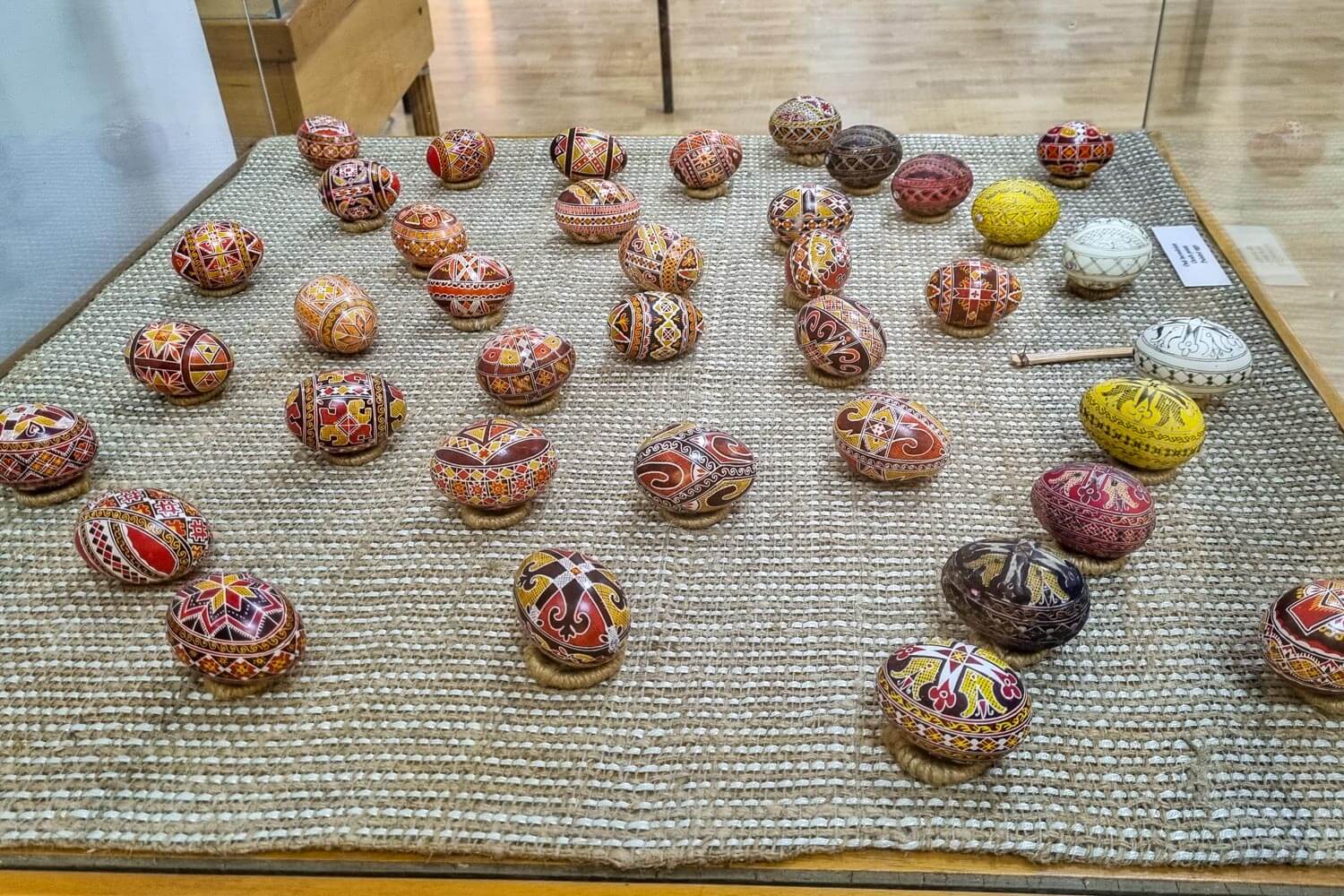
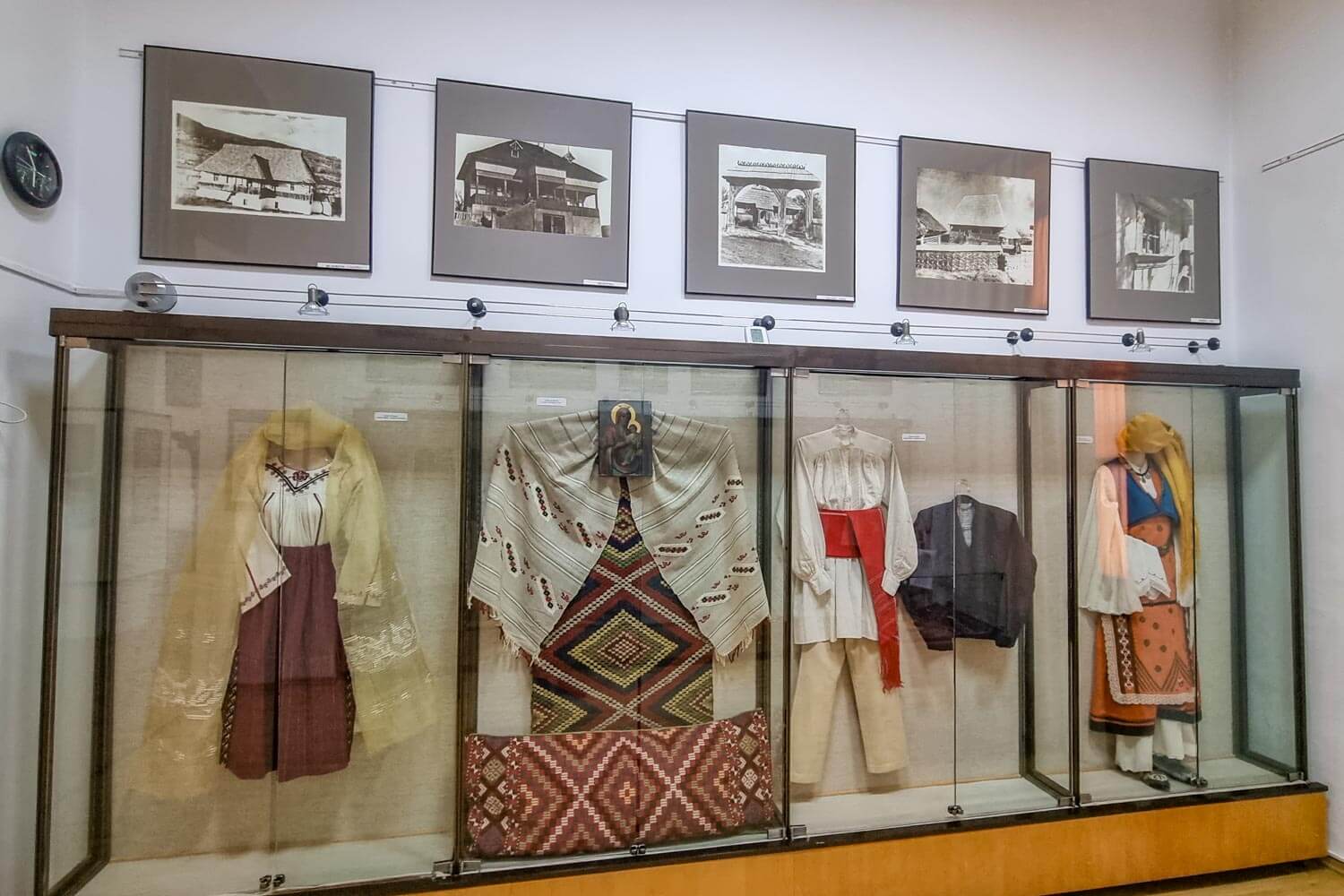
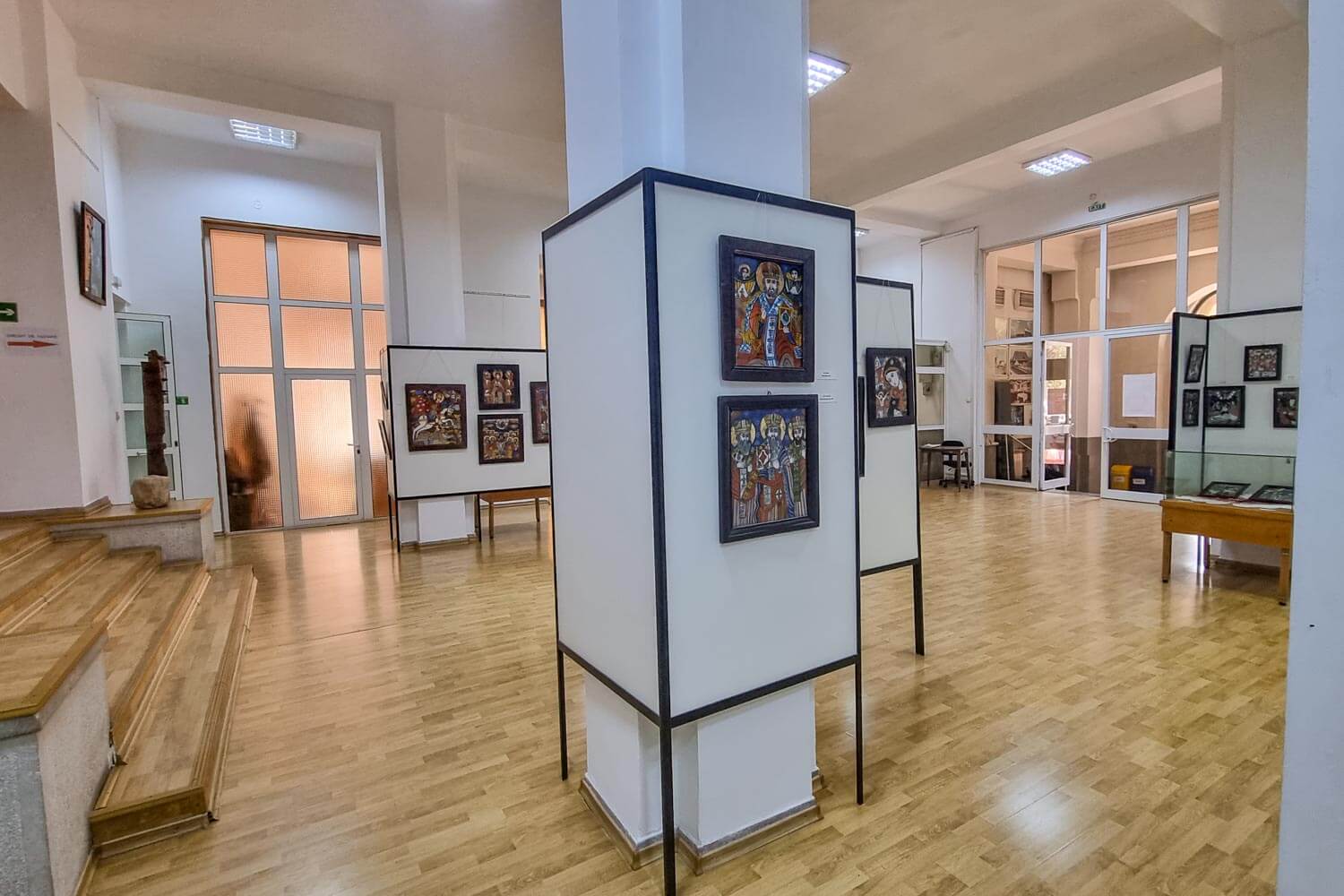
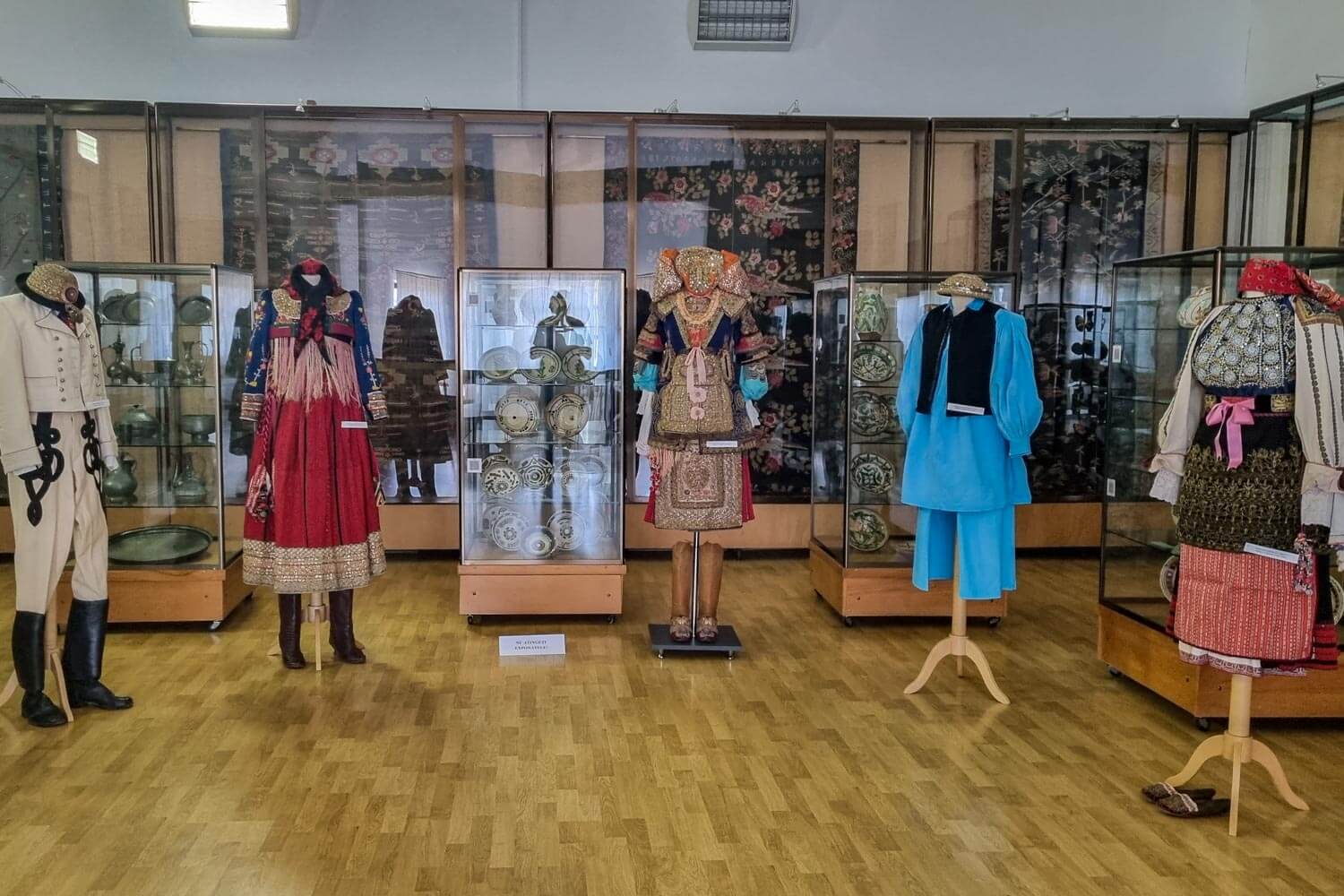
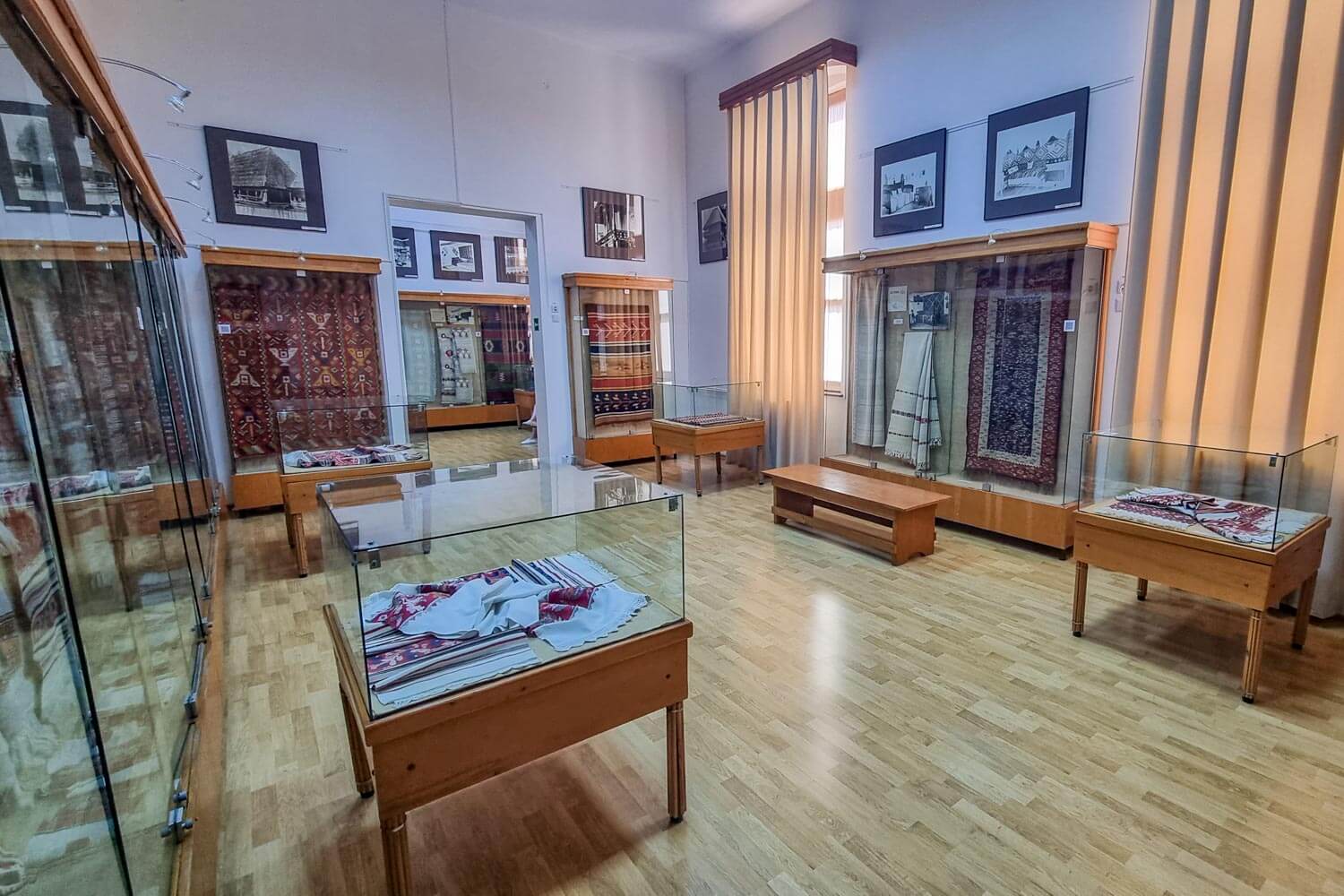
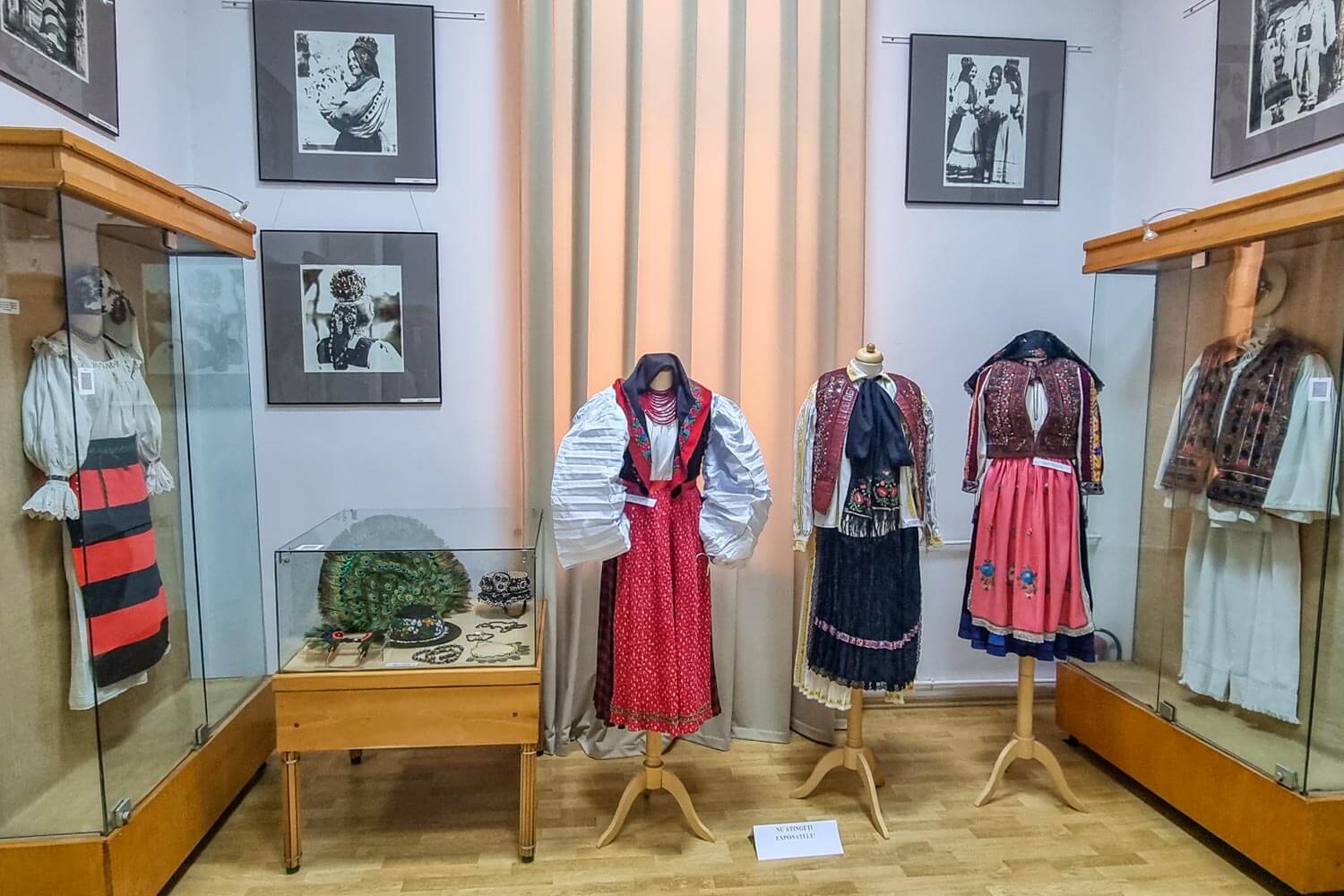
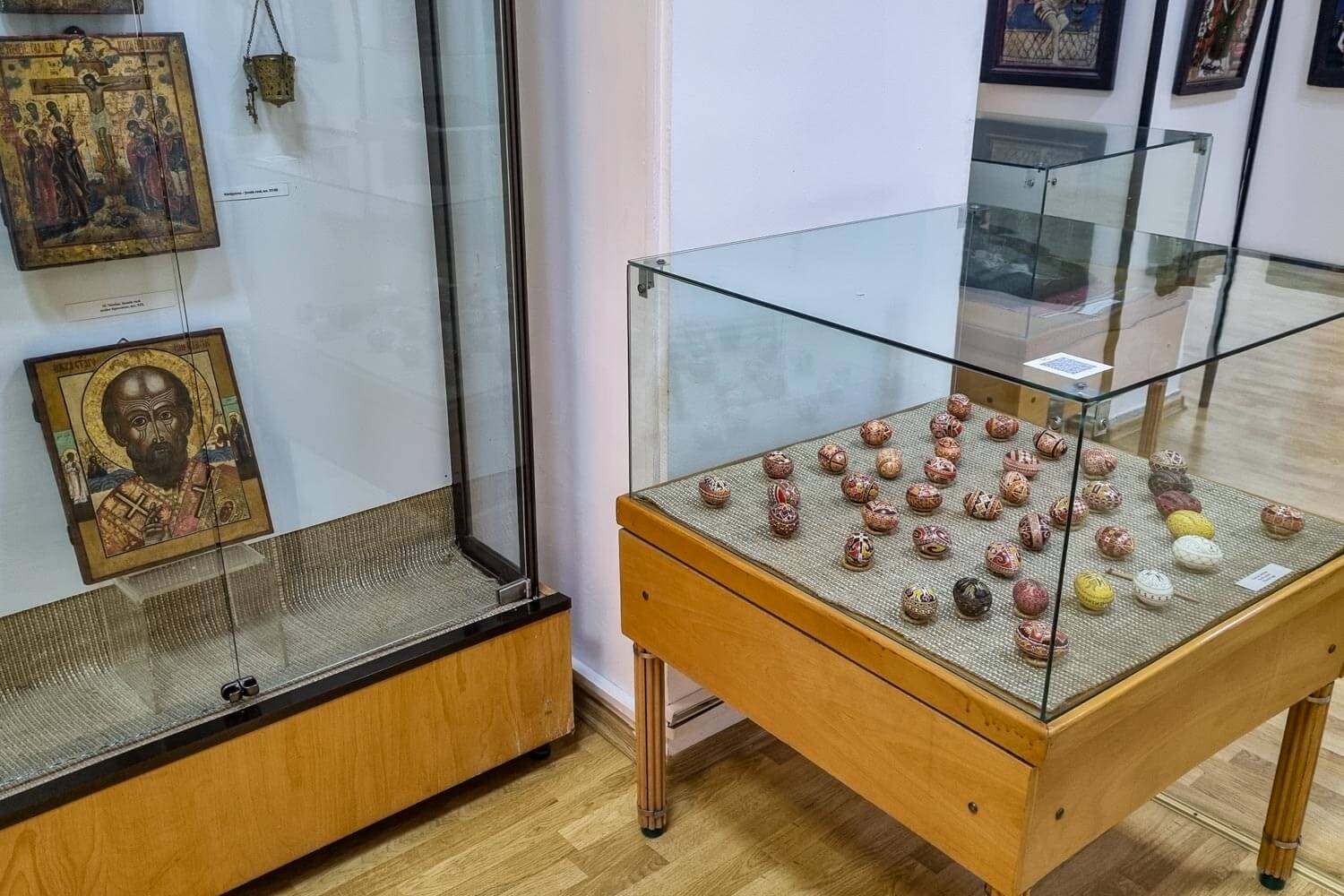
The Museum of Folk Art Constanța (Muzeul de Artă Populară Constanța) is an ethnographic museum in central Constanța, with collections devoted to traditional Romanian art and craftsmanship. Its permanent exhibition brings together costumes, ceramics, icons, textiles, furniture and household objects from across the country, representing the main historical and ethnographic regions of Romania.
History And Architecture Of The Building
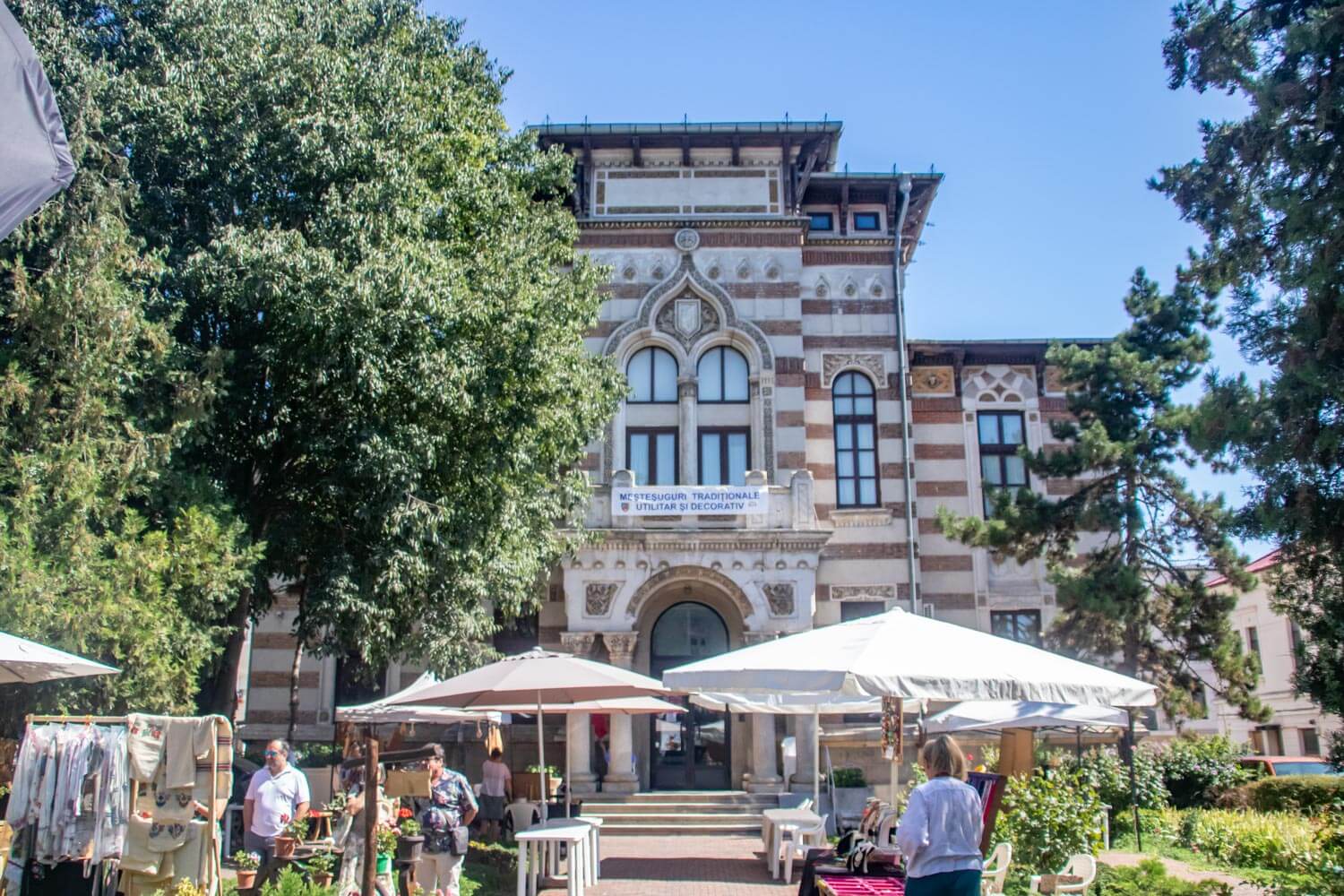
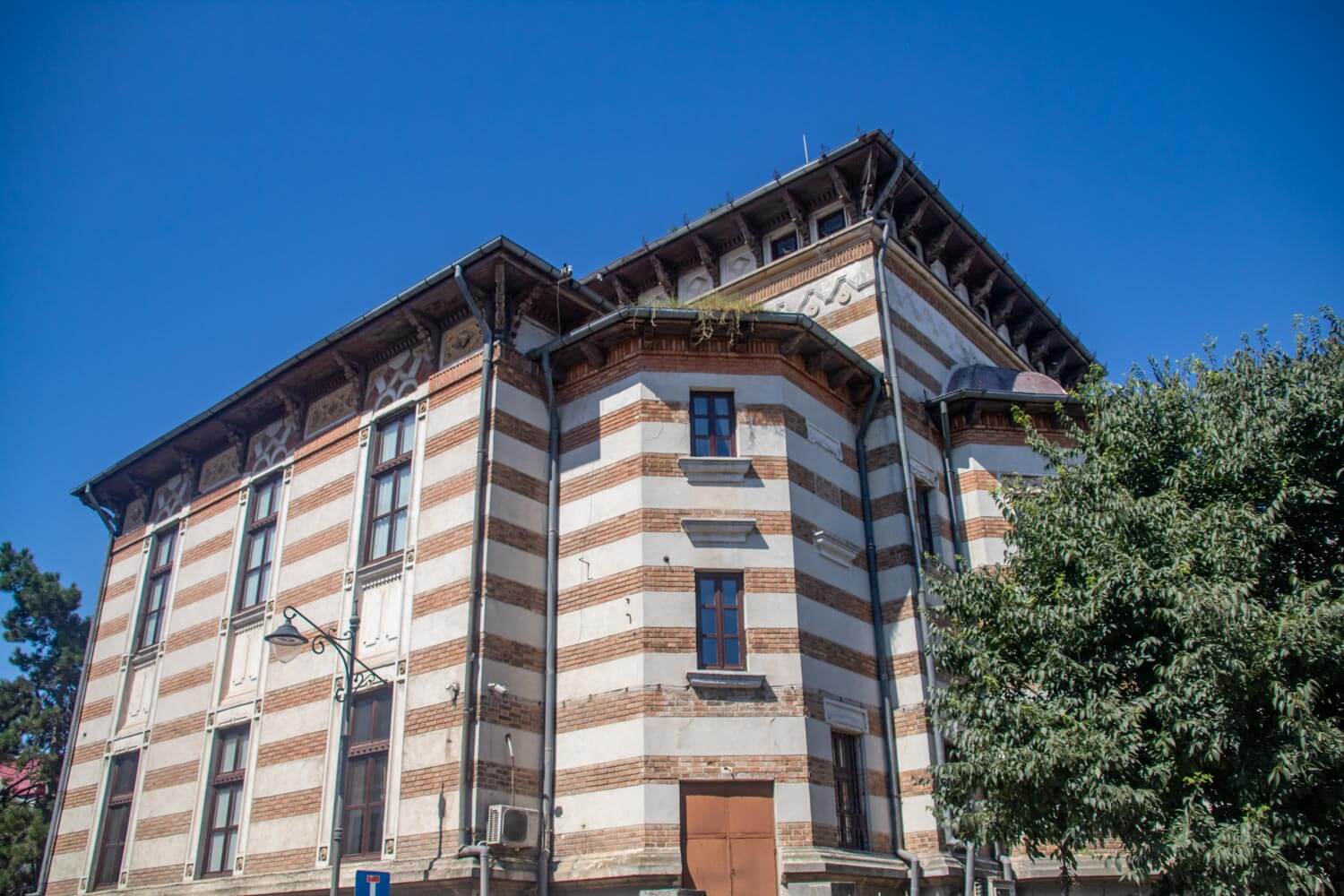
The museum occupies a Neo-Romanian building constructed between 1893 and 1896 as Constanța’s Communal Palace, the headquarters of the city administration. Designed by architect Ion Socolescu, it was built during a period of rapid expansion when Constanța was developing beyond the old peninsula and adding new civic institutions. The former council chamber from this period still preserves a painted ceiling by French artist August Perrier.
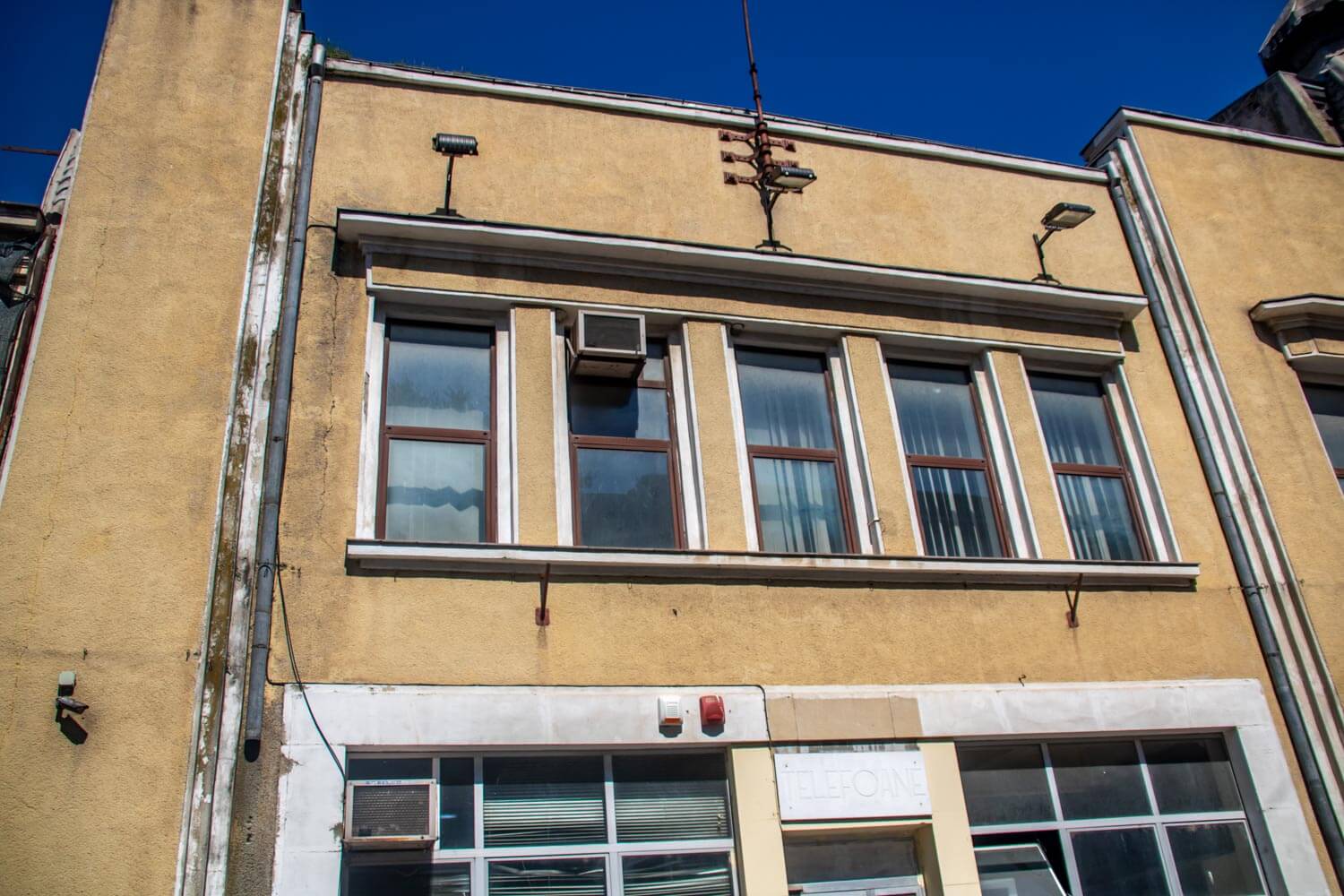
In 1906, the municipal administration left the building and it was taken over by the Post and Telegraph Directorate. Postal services remained here for more than six decades, until a new complex elsewhere in the city allowed the institution to move out in 1968.
The building’s conversion to museum use began soon afterward. In 1971, a temporary exhibition organized by the Museum of Folk Art in Bucharest introduced Romanian folk art to the space and helped encourage the creation of a permanent collection in Constanța. The first acquisitions followed during the same period, while researchers began documenting and collecting traditional objects directly from communities across Dobrogea.
Museum Collection
This work led to the formal establishment of a folk-art collection within the Constanța Art Museum in 1975. Its earliest displays focused on Dobrogea, drawing on material gathered from villages throughout the region, but the scope gradually widened as objects from other parts of Romania were added. By the 1980s, the collection had developed beyond its regional beginnings, and in 1991 the museum became an independent institution.
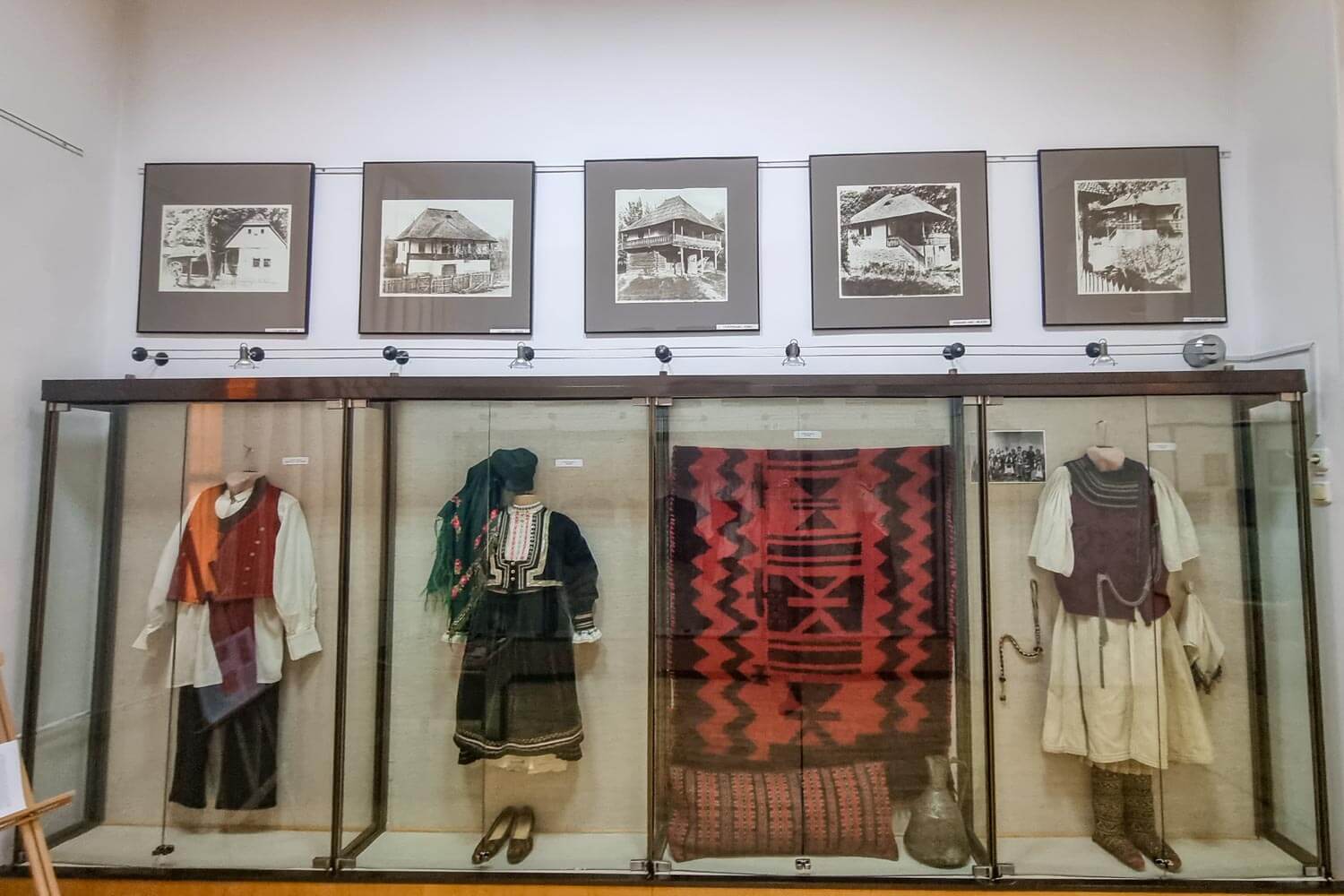
The permanent exhibition includes painted icons on wood and glass, traditional clothing, woven rugs and household textiles, ceramics, furniture, wooden and metal objects and tools connected with farming and pastoral life. Together they represent Dobrogea, Muntenia, Oltenia, Transylvania, Banat and Moldavia, making it possible to compare the different materials, techniques and decorative traditions that developed across the country.
Glass icons form one of the more distinctive parts of the collection, with examples from important Transylvanian centers such as Nicula, Gherla, Șcheii Brașovului, Făgăraș and Alba Iulia. Textiles and costumes provide another major strand, ranging from embroidered clothing to rugs, towels and decorative fabrics used in traditional interiors.
Ceramics, furniture and everyday household objects complete the picture, showing how decorative craftsmanship formed part of ordinary domestic life as well as religious, festive and ceremonial traditions.