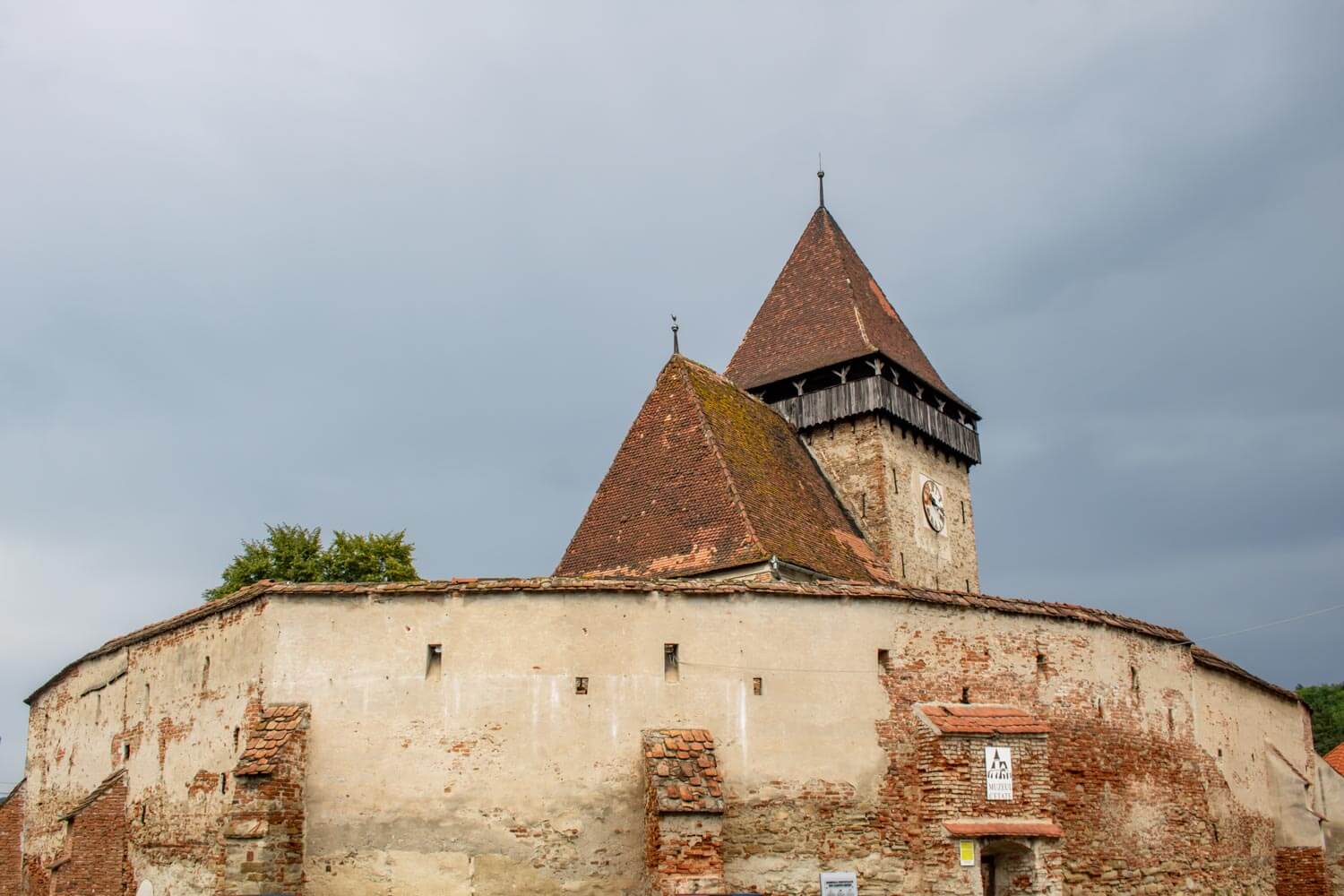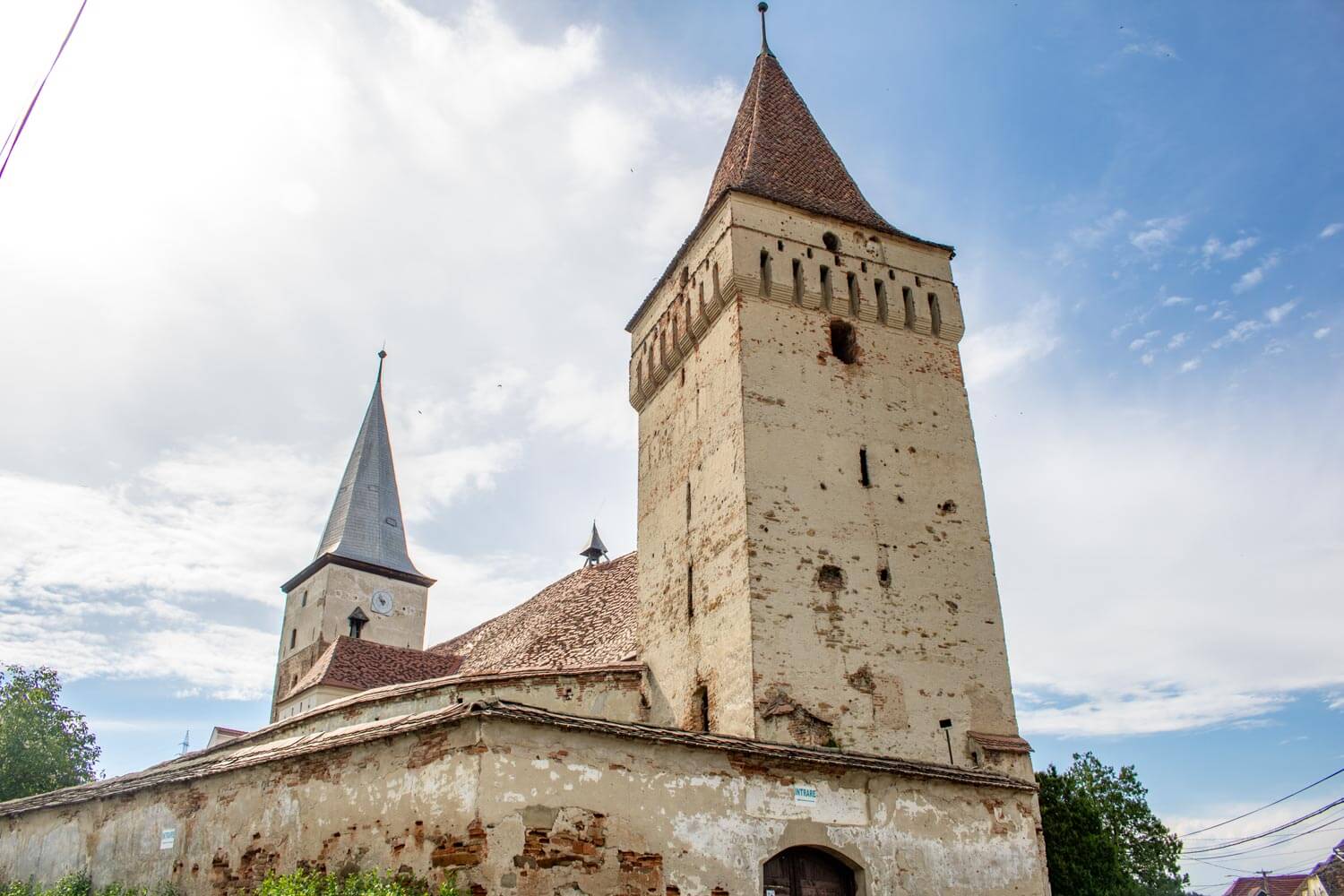

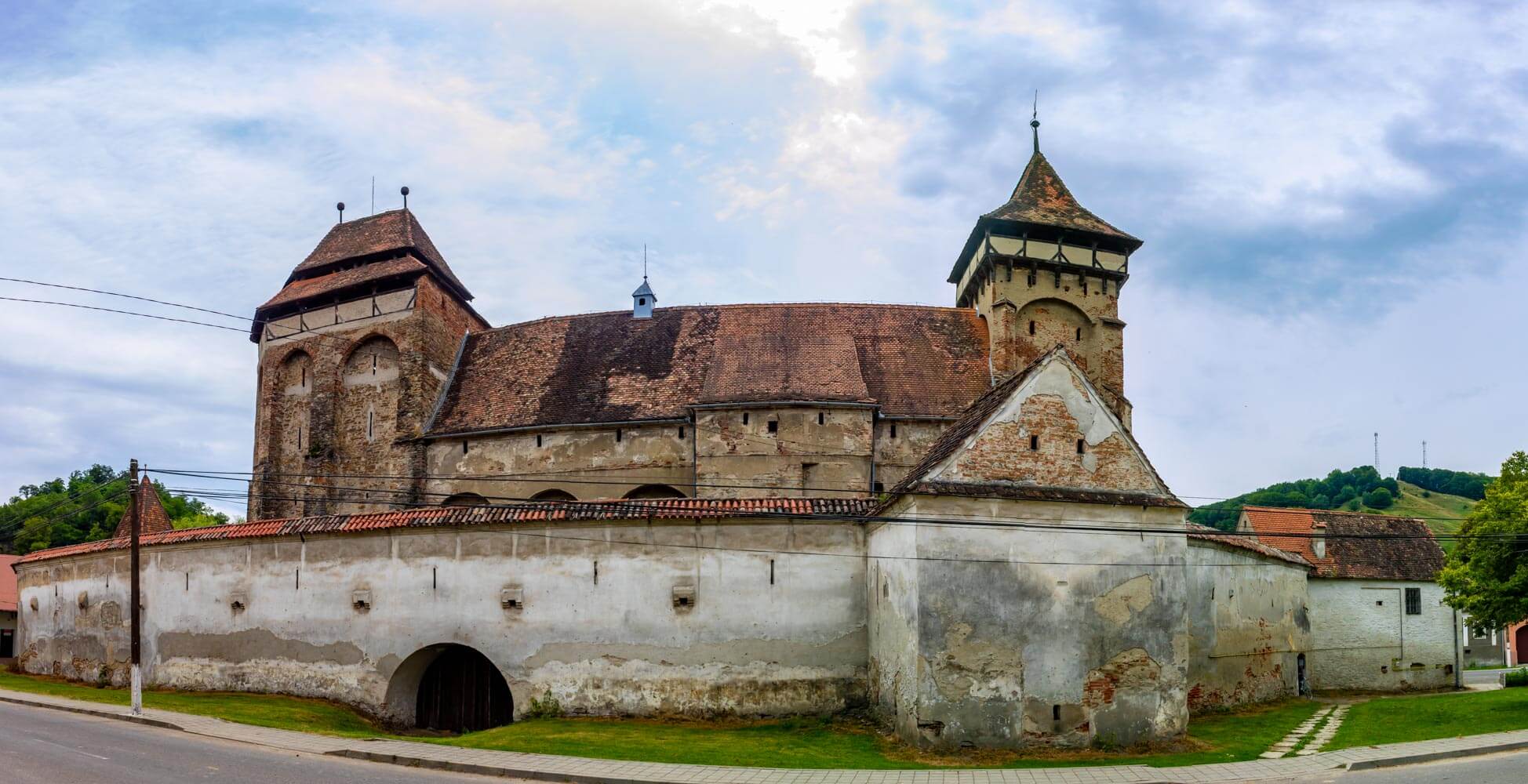
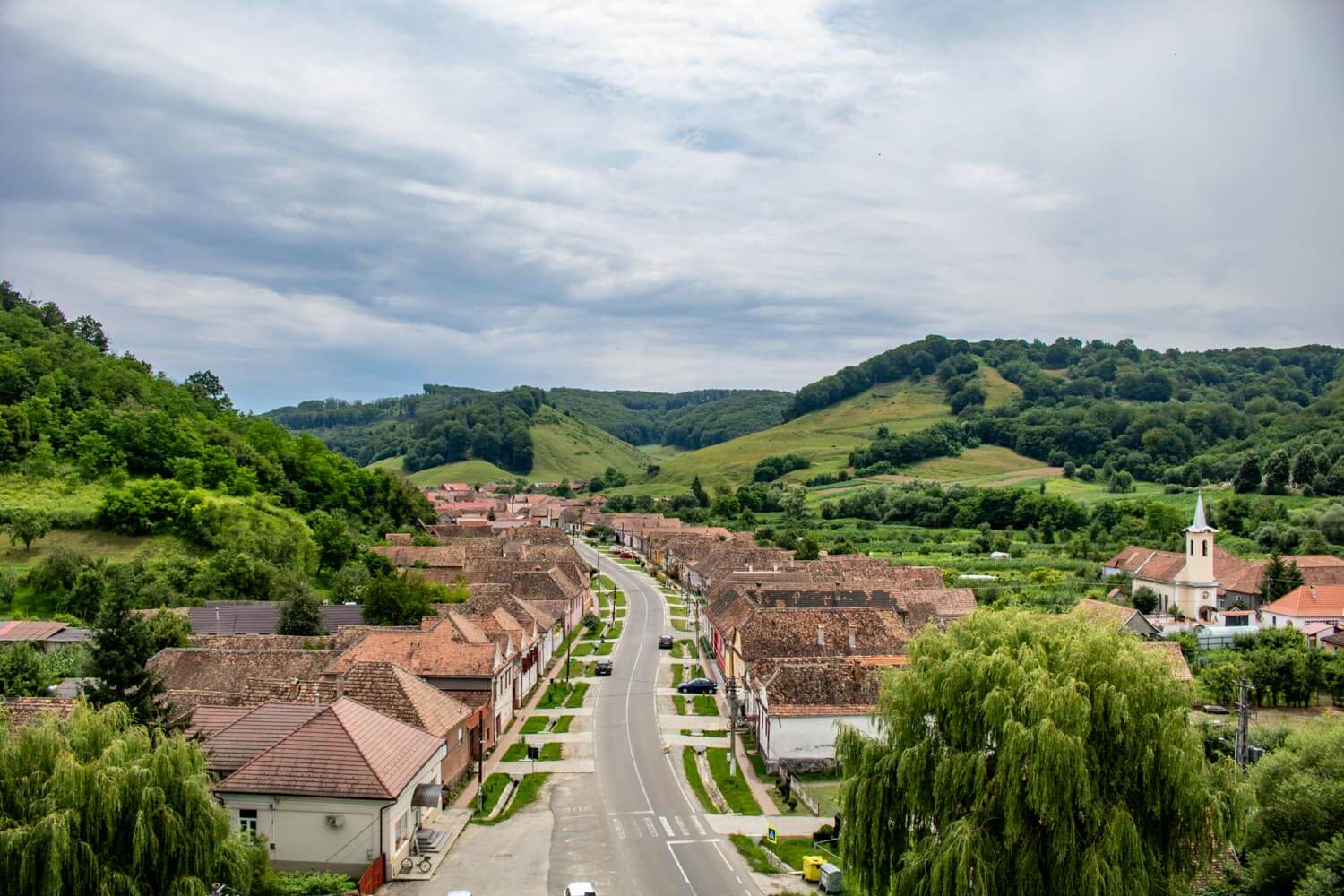
The Fortified Church of Valea Viilor (Biserica Fortificată din Valea Viilor) is a historic Lutheran church and fortified enclosure in the village of Valea Viilor, Sibiu County. The complex developed around a medieval Gothic church that was transformed into a heavily defended refuge, with towers, high walls and defensive levels built directly into the church itself.
History
An earlier Romanesque basilica stood on the site, probably from the 13th century, and traces of it have been found beneath the present sacristy. The current church was built in the 14th century in the Gothic style, before being extensively strengthened during the late 15th and early 16th centuries as the Saxon community adapted it to withstand attack.
The most dramatic changes affected the church itself. The choir was raised into a massive fortified structure, while defensive levels were also added above the nave. Thick walls, firing openings and timber galleries allowed the building to function as a final refuge even if attackers broke through the outer defenses. A portcullis installed above the northern entrance in 1525 still survives, preserving one of the clearest traces of how tightly worship and defense were combined here.
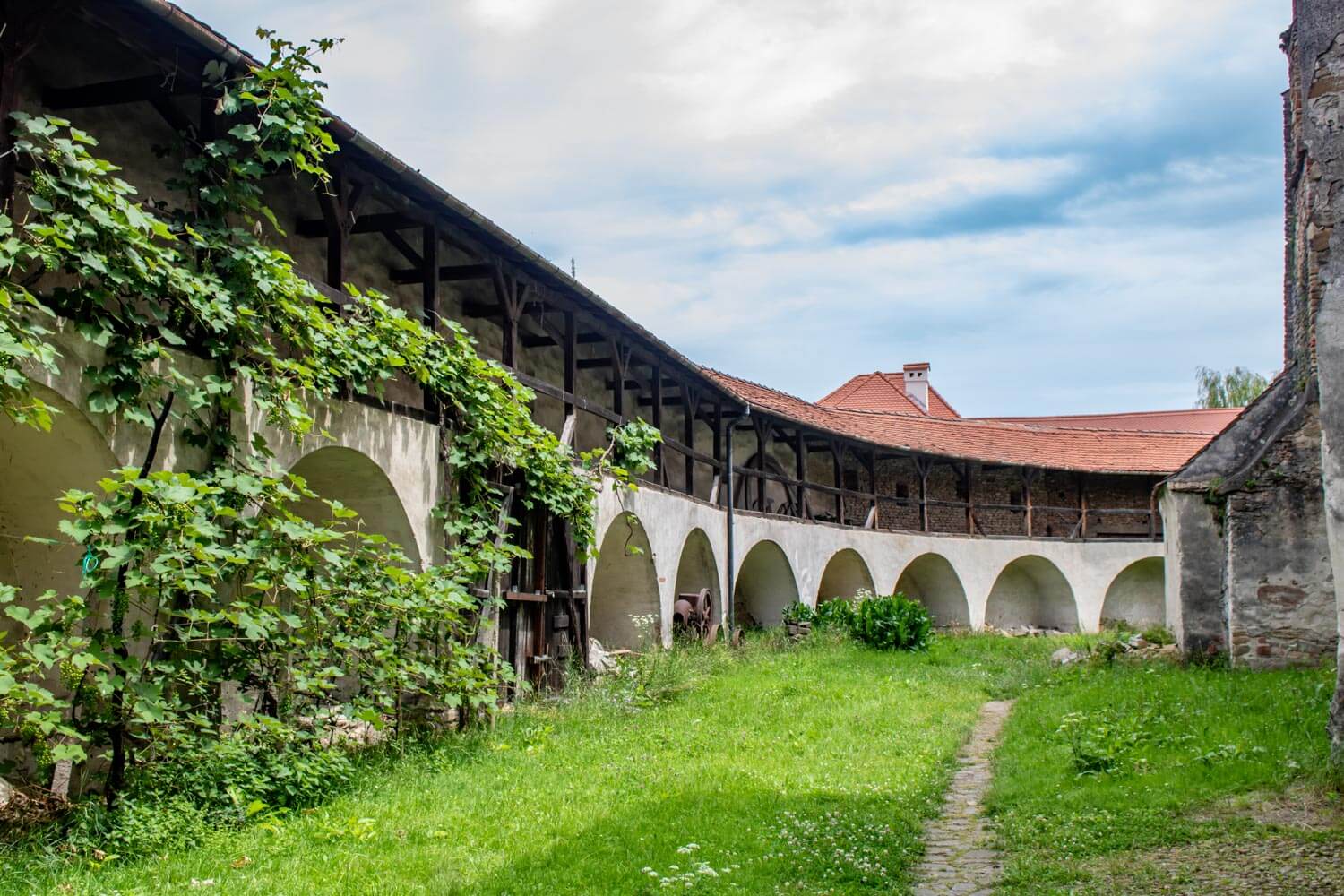
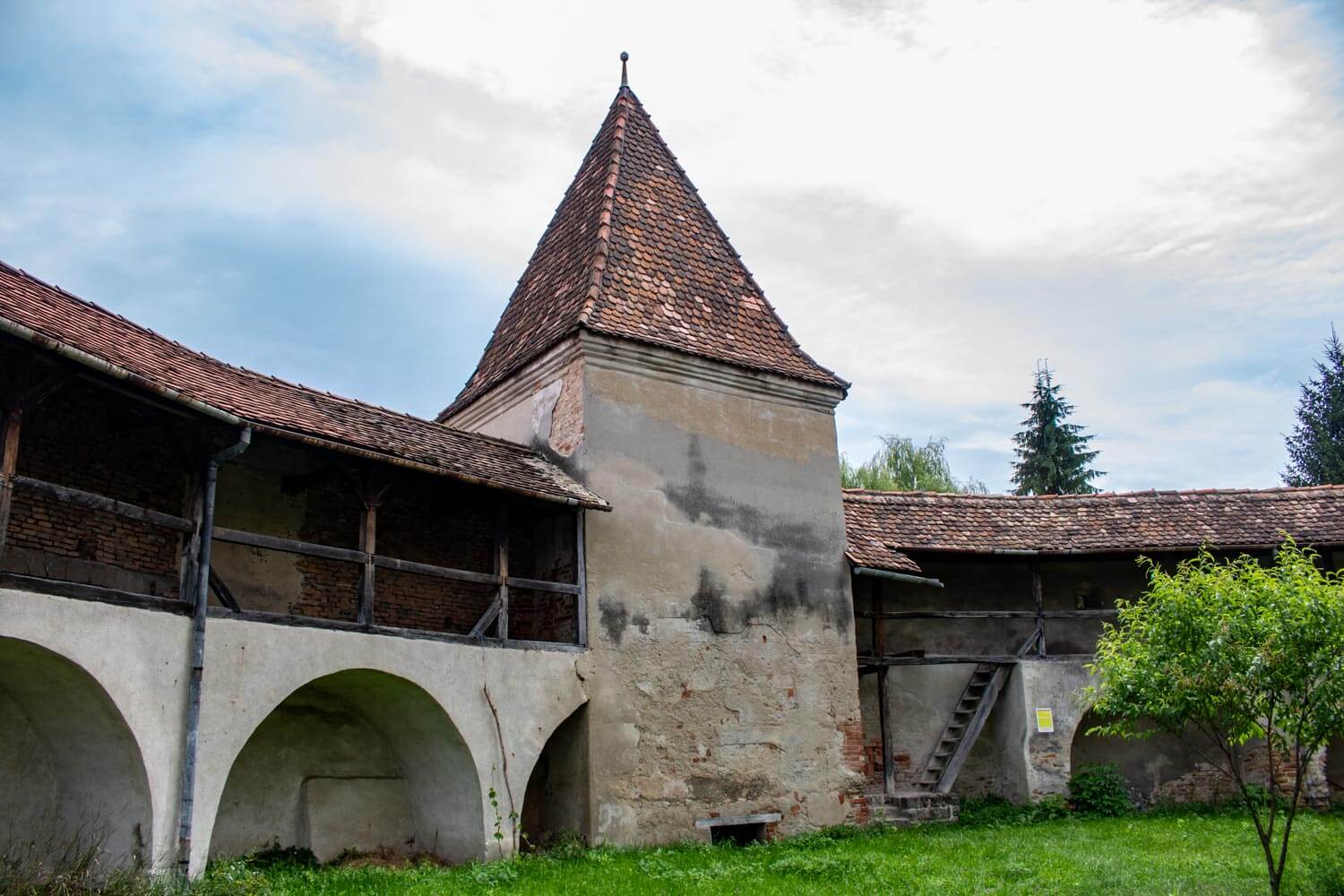
Around the church, a high oval curtain wall was reinforced with towers and bastions. Four towers survive today, together with walls rising around six to seven meters, creating a compact enclosure that still reads clearly as a fortified whole rather than as scattered remains.
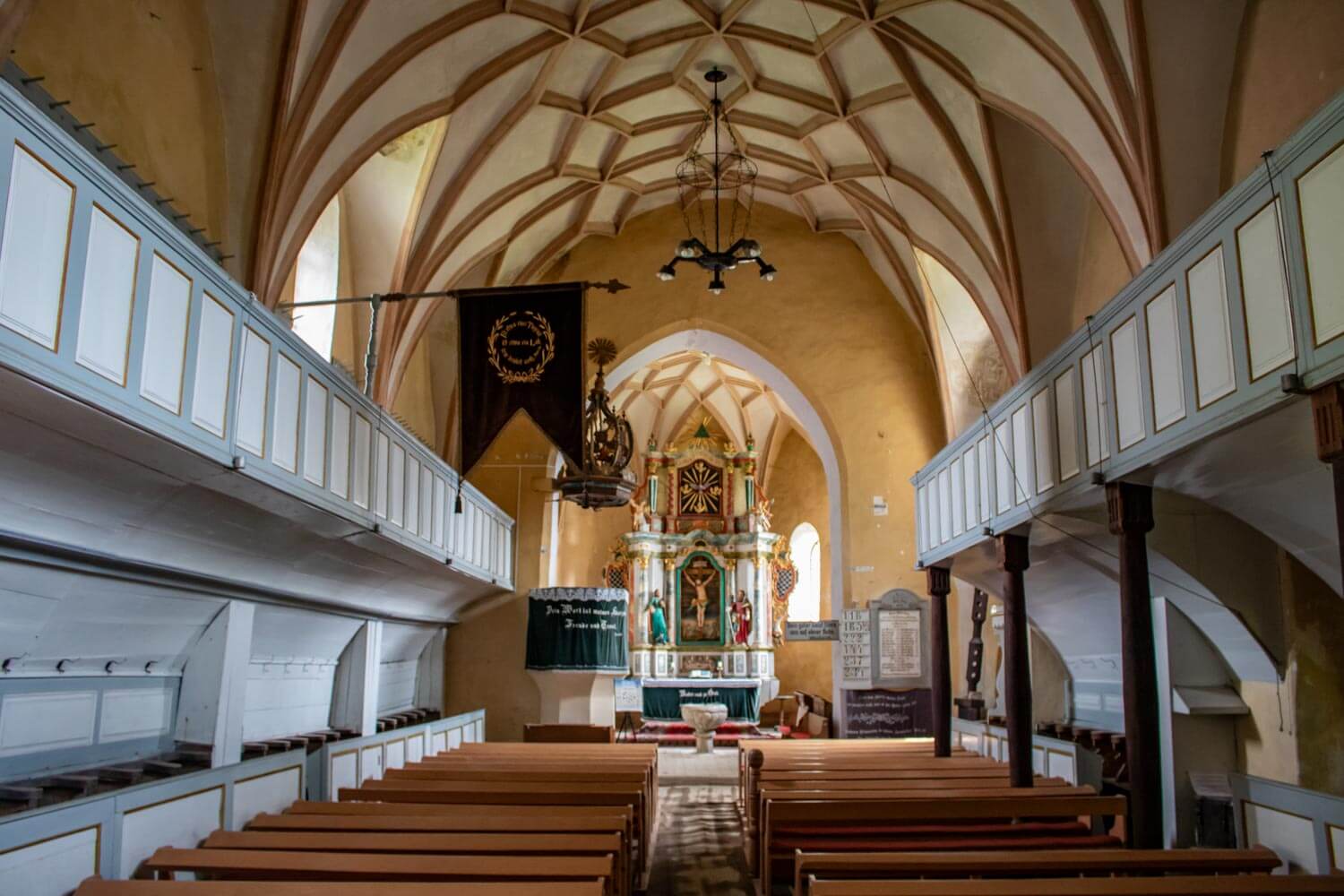
The interior preserves furnishings from several later periods. Choir stalls from 1528 retain late Gothic and early Renaissance details, while the pulpit canopy dates from 1746, the altar from 1779 and the organ from 1807. These later additions show how the church continued to evolve as a place of worship long after its military purpose had disappeared.
Valea Viilor was added to the UNESCO World Heritage site of Villages with Fortified Churches in Transylvania in 1999, recognizing both the church-fortress and the surrounding historic settlement.
What to See
The surviving defenses remain one of the strongest parts of the visit, with the fortified choir, towers and high enclosure walls giving the complex a particularly compact and imposing appearance.
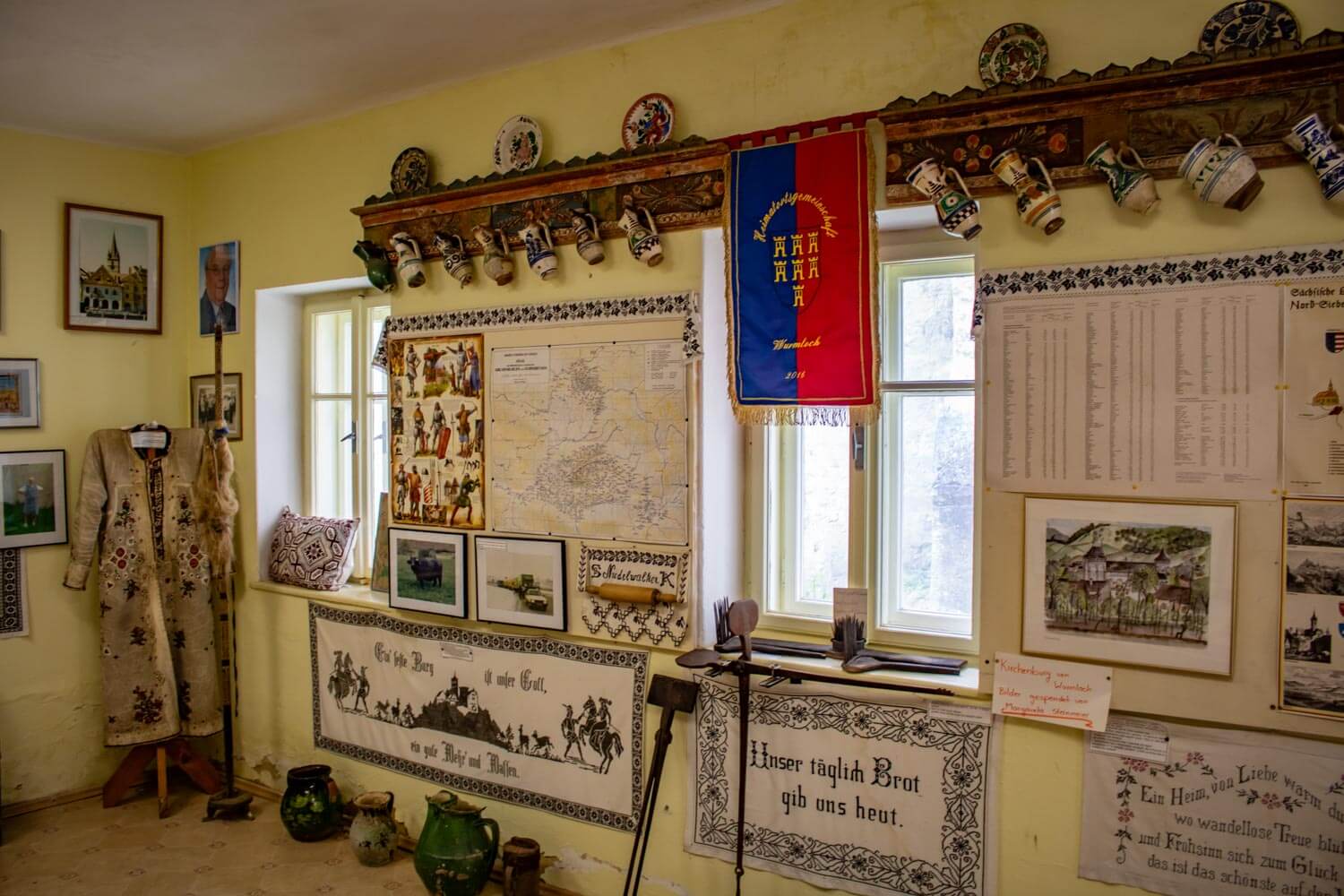
Inside the church, the historic stalls, altar, organ and other furnishings sit within the much older Gothic structure, while a small museum near the entrance displays Saxon costumes, photographs and objects donated by members of the local community.
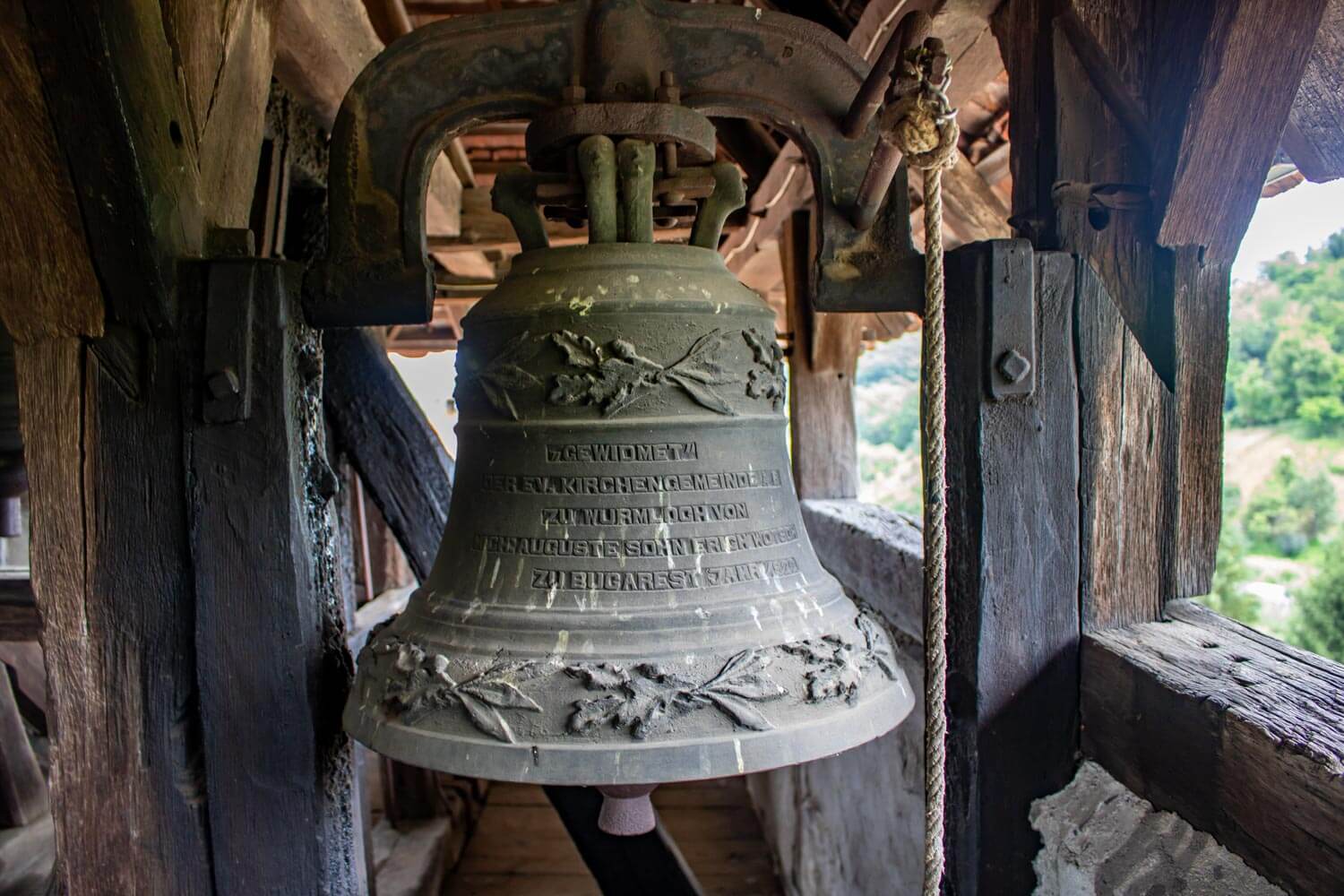
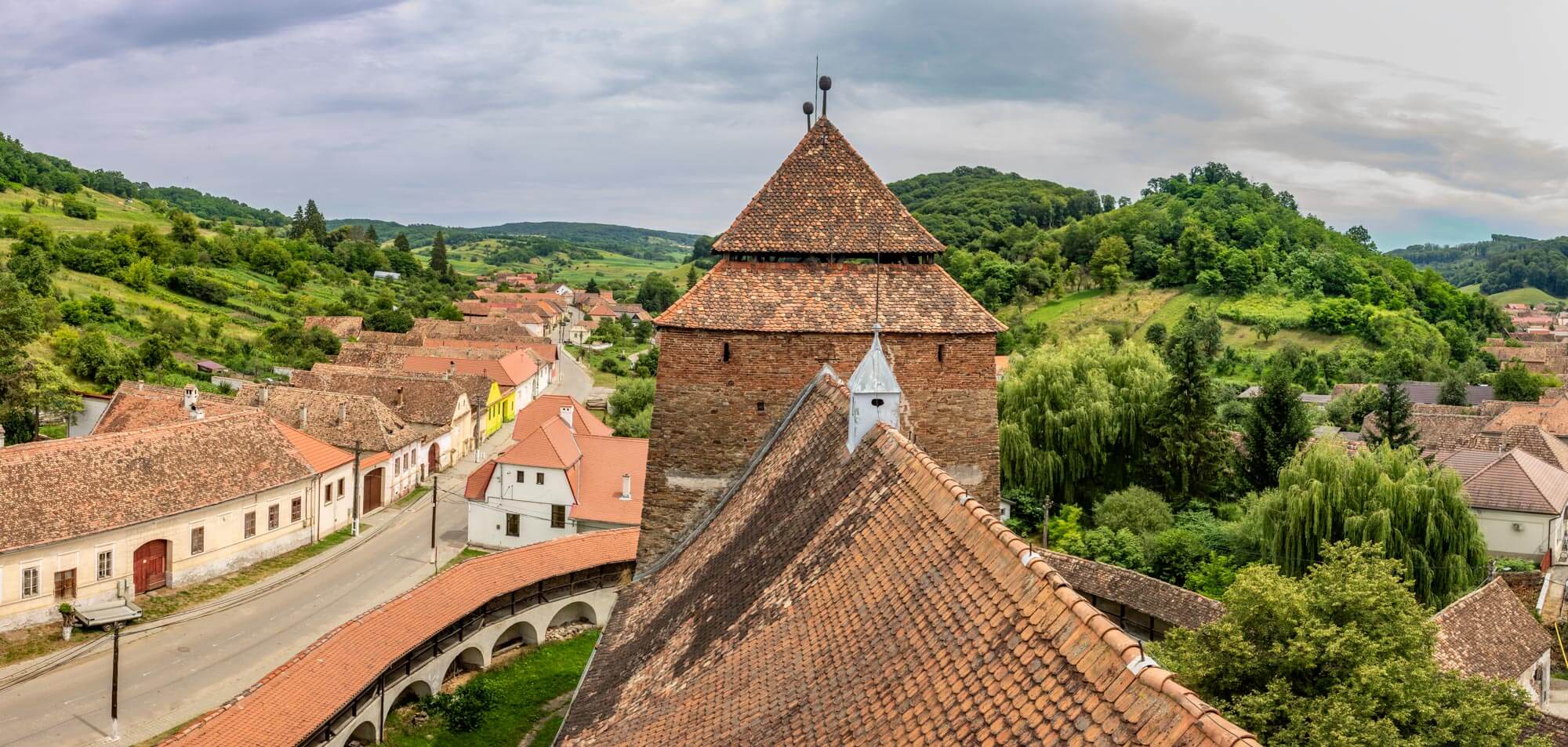
The bell tower can also be climbed, offering views across the church complex, the village and the surrounding countryside.