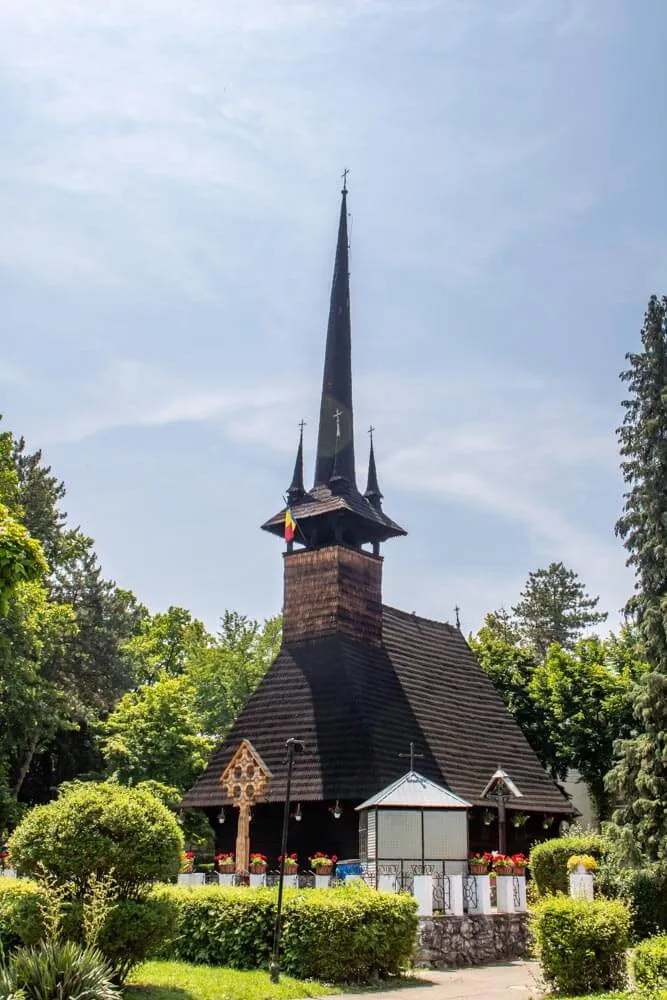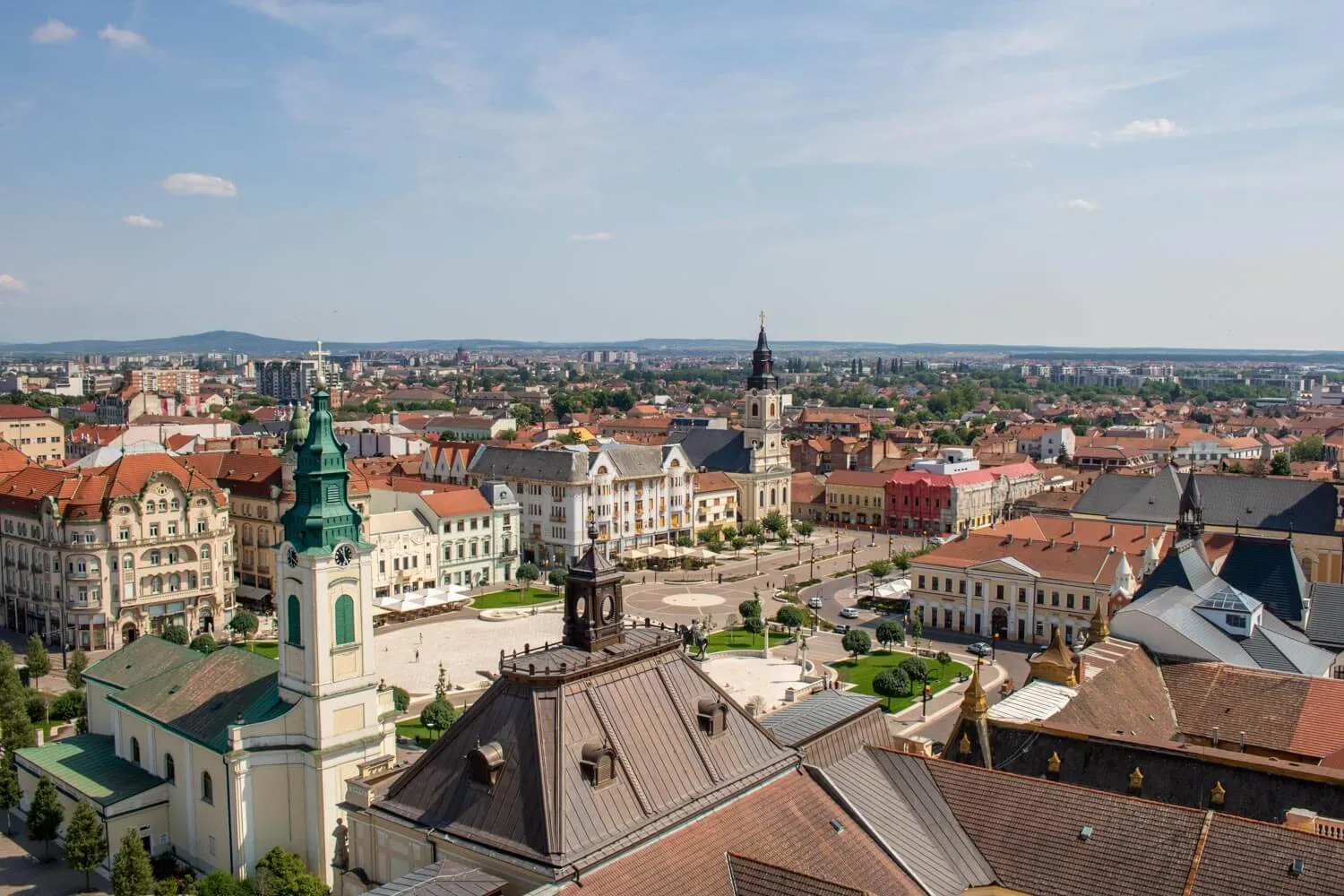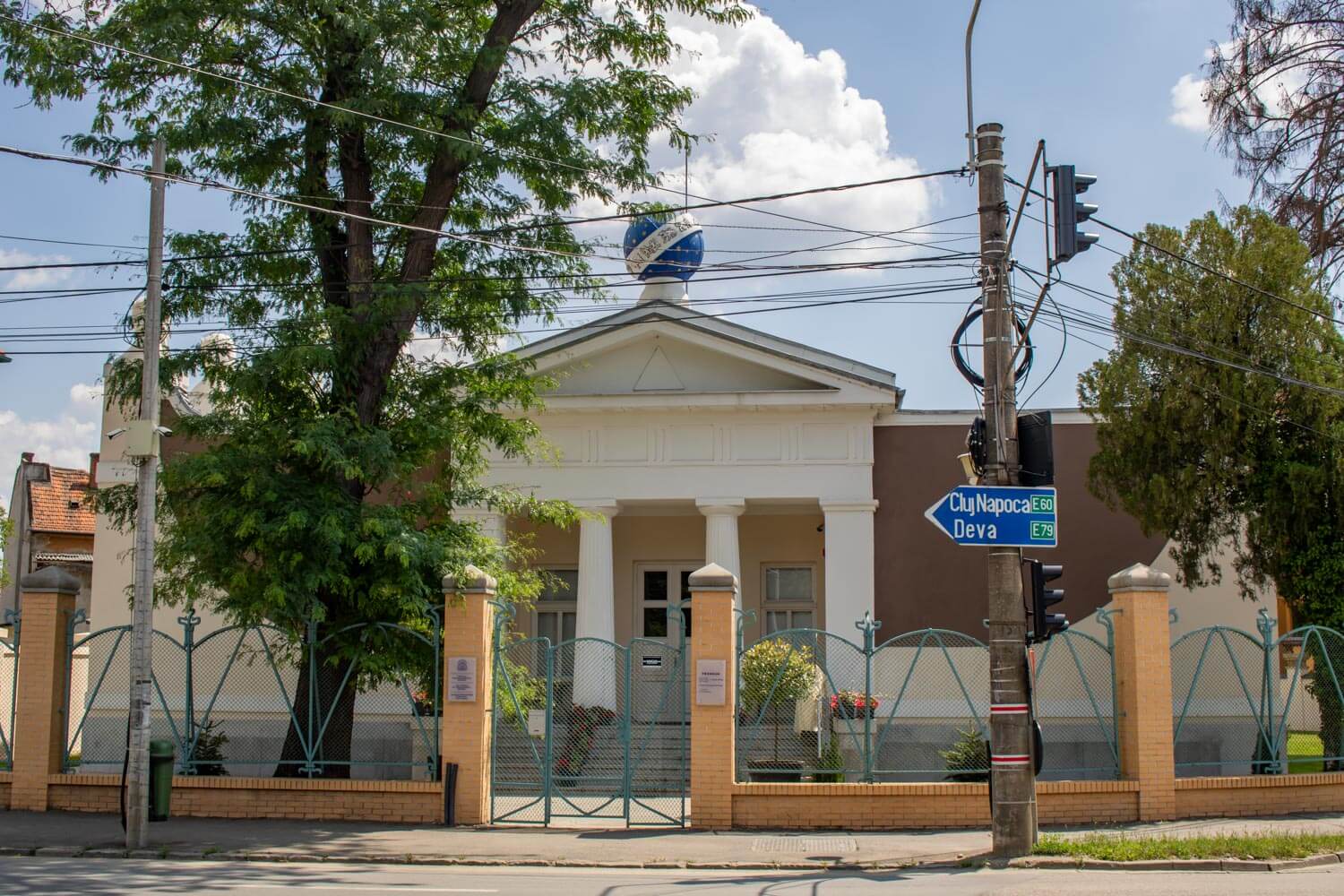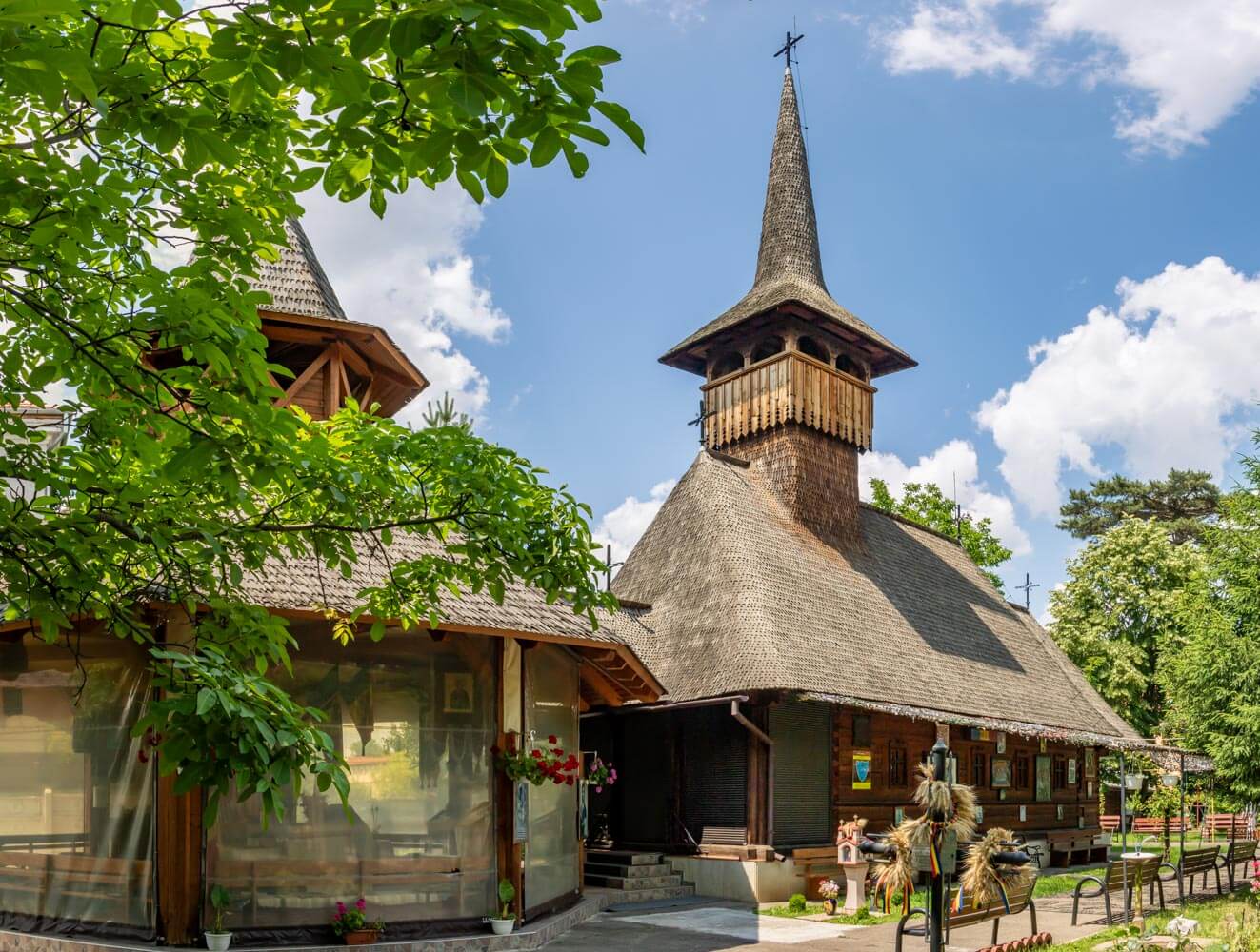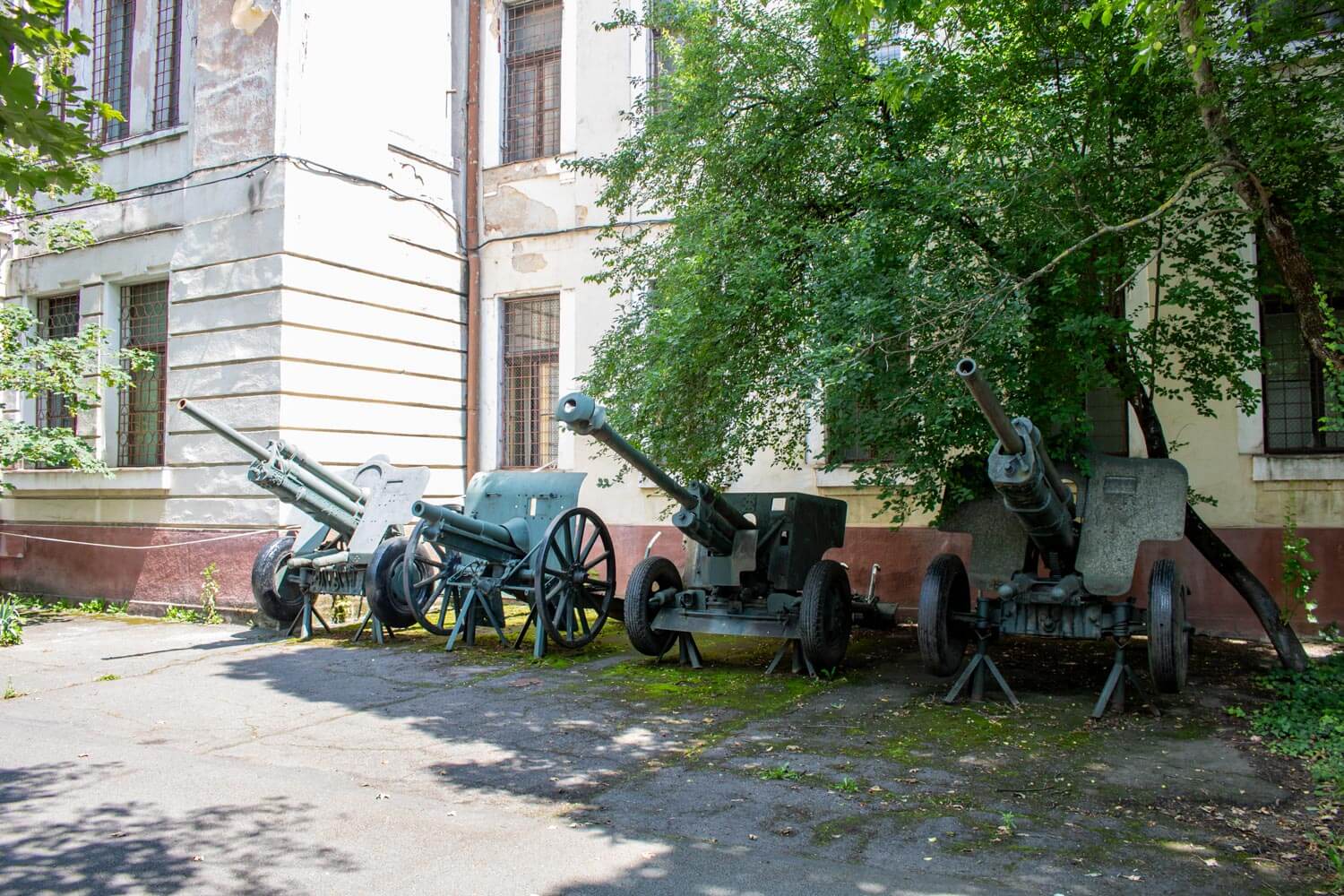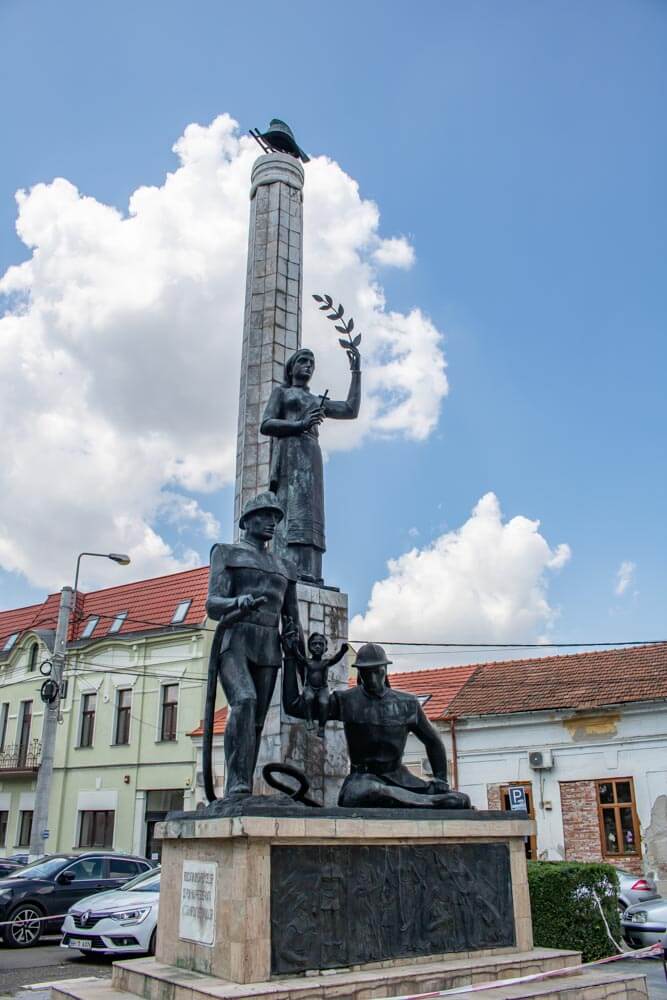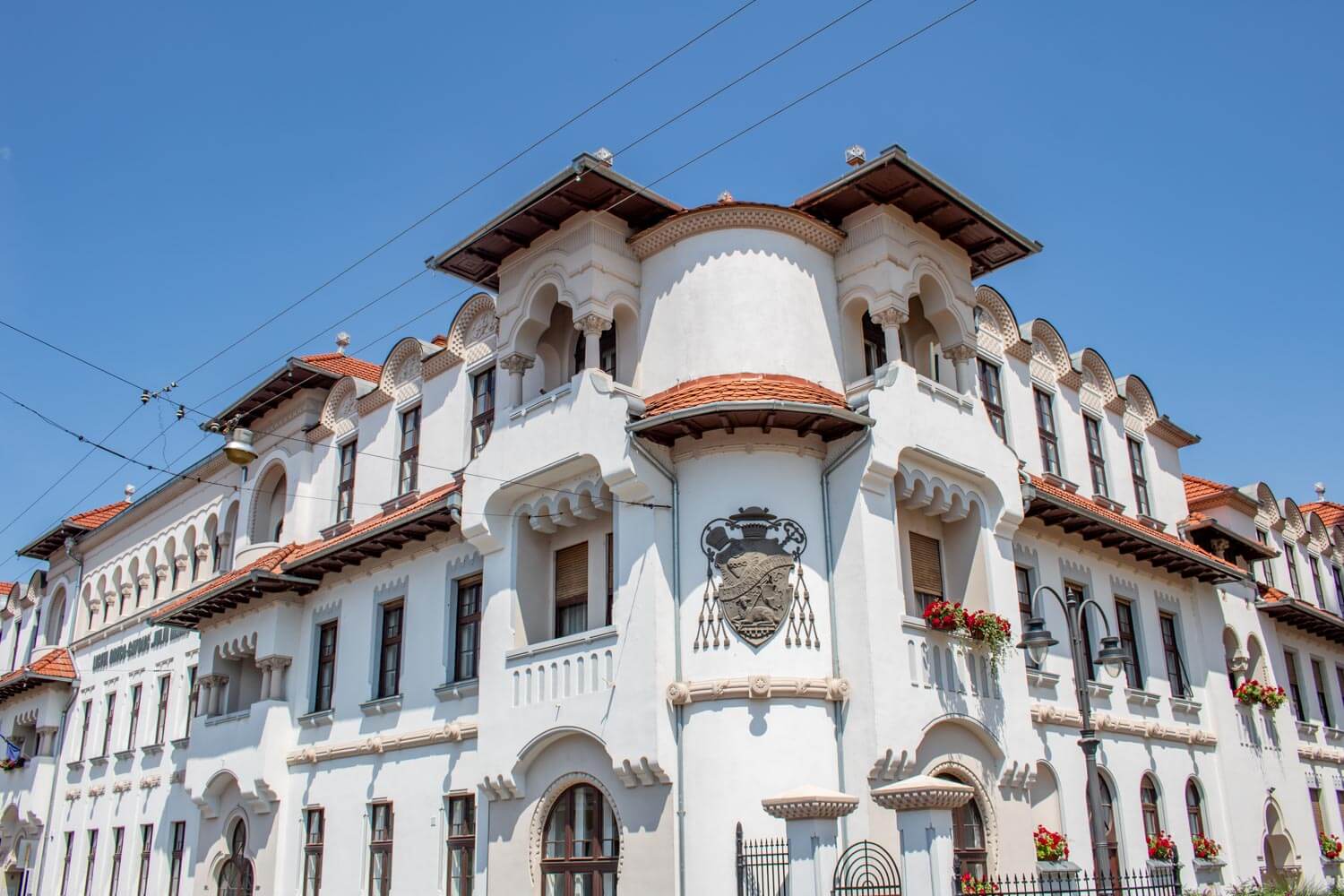
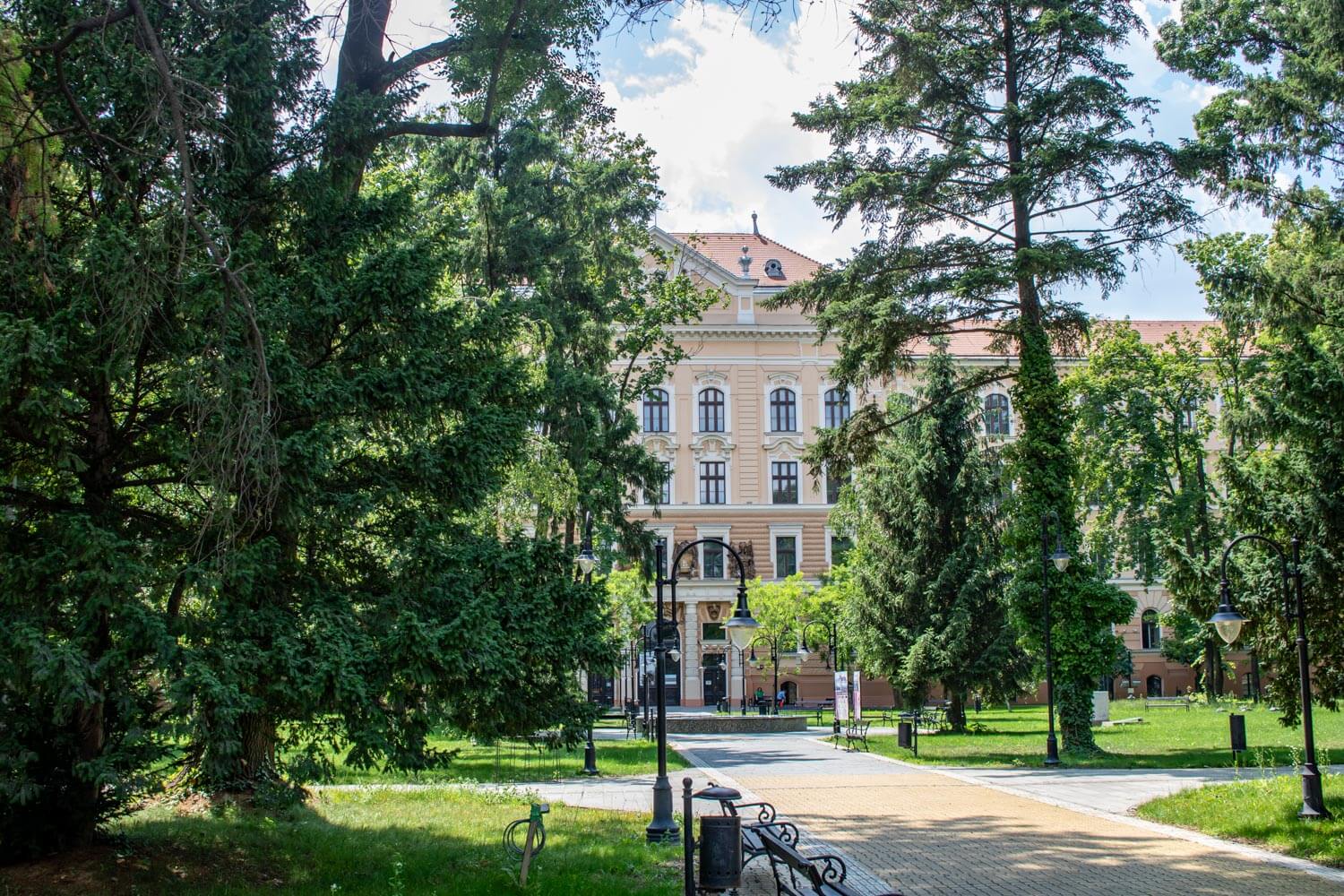
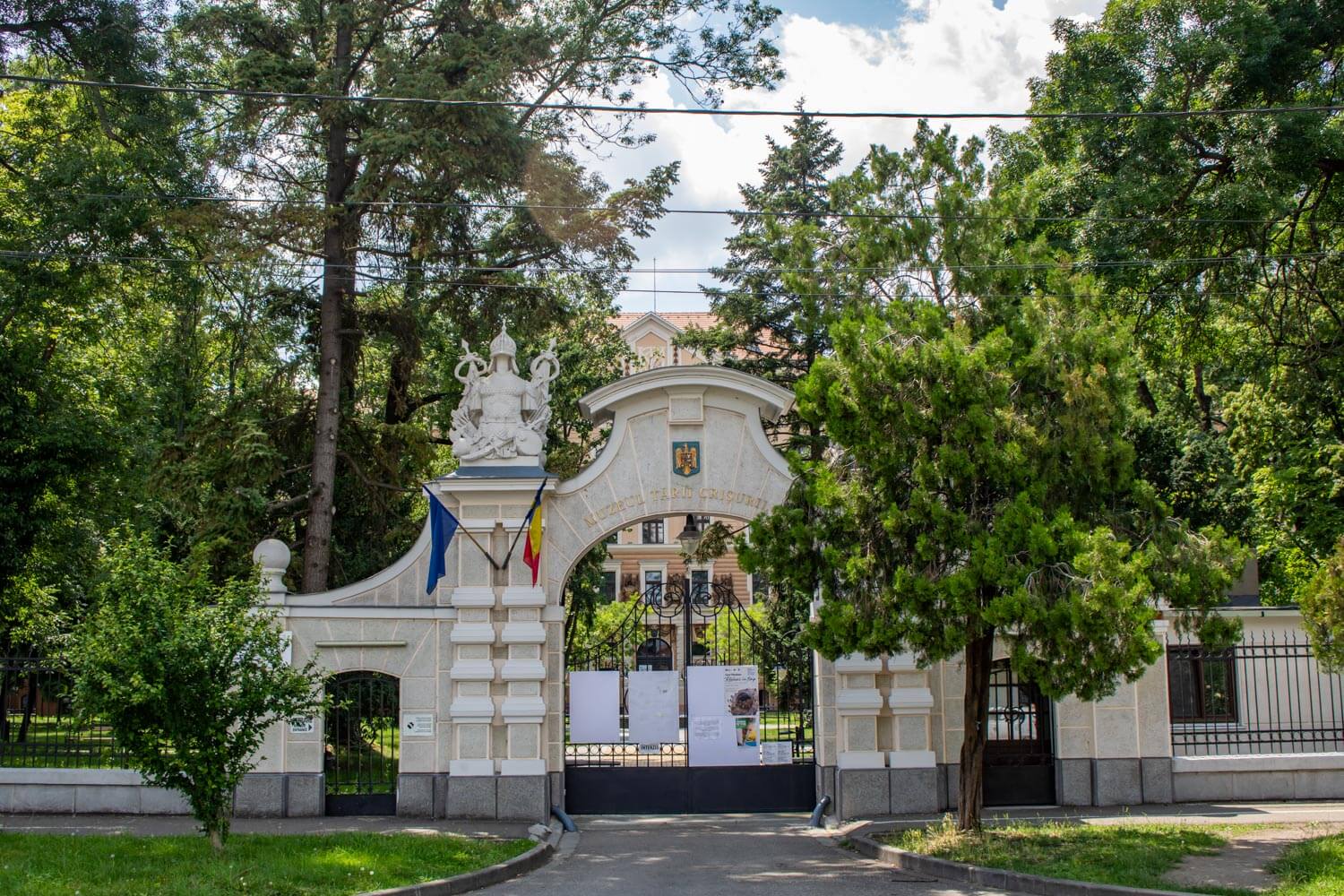
The Țării Crișurilor Museum (Muzeul Țării Crișurilor) is a county museum in Oradea, Bihor County. The museum also administers the Oradea City Museum, the Aurel Lazăr Memorial Museum, the Iosif Vulcan Memorial Museum, and the Ady Endre Memorial Museum, which are all located in Oradea, and the Vadu Crișului Cave in Vadu Crișului.
History Of The Țării Crișurilor Museum
In 1872, the Archaeology and History Society took the initiative to prepare the set up of a county museum by collecting objects and seeking support from the local authorities. In 1896, the first museum was opened in a purpose-built building designed in an eclectic style by the architect Kálmán Rimanóczy Sr. This building, which is now the Children’s Palace of Oradea, had 9 rooms filled with archaeological, historical, and ethnographical pieces.
By 1918, the museum collection had grown to 17.640 objects. After a reorganization of the museum to include new sections such as art and natural sciences, it reopened again in 2021. In the following decades, the museum continued to grow its collection and importance, which led to the need for a larger space. After a large restoration of the Baroque Palace of Oradea, which nowadays serves as the Roman Catholic Episcopal Palace of Oradea, the museum moved there in 1971.
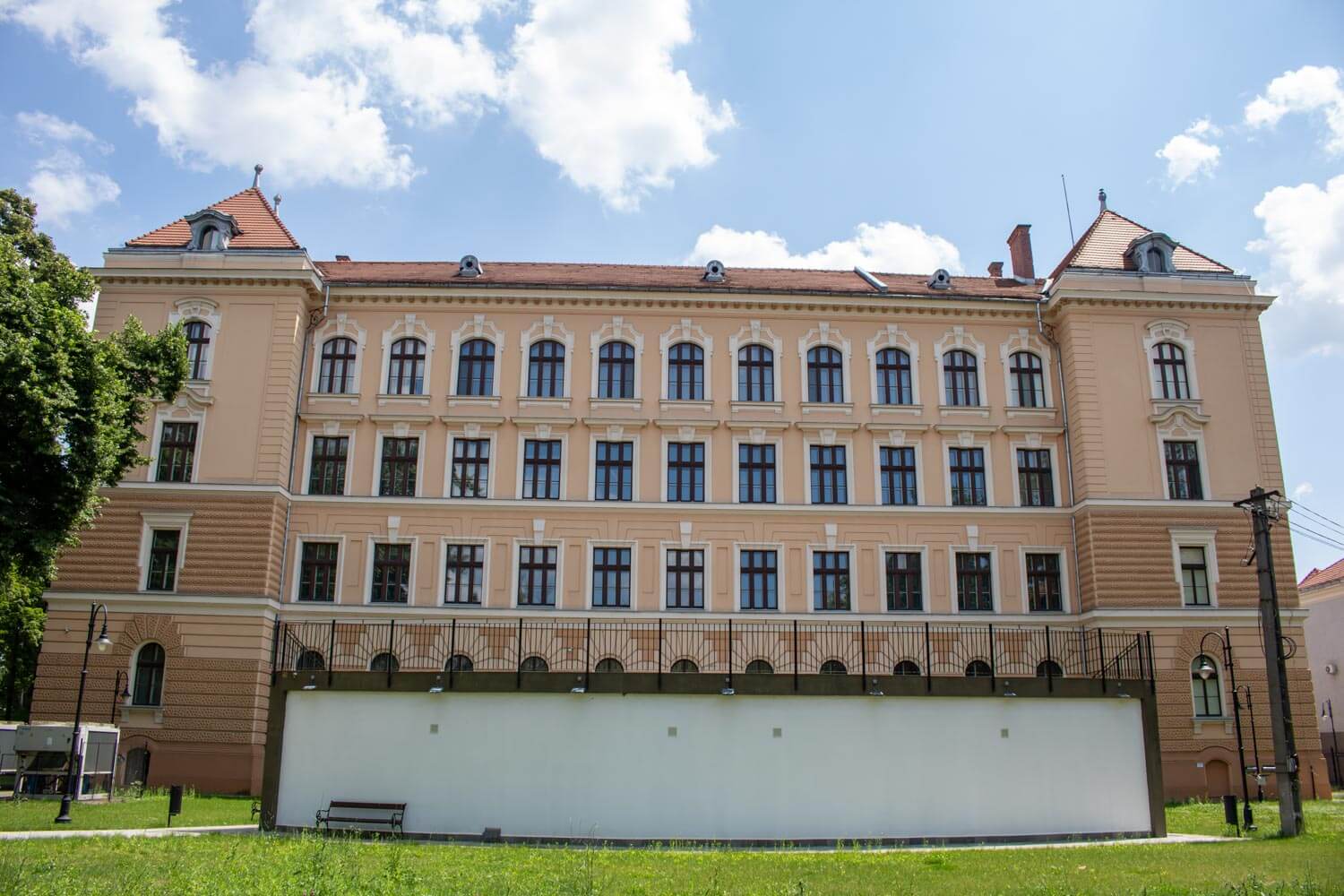
In recent years, the Baroque Palace was restored to the Romanian Catholic Church and the Țării Crișurilor Museum moved to its current premises opposite Nicolae Bălcescu Park, a former military school built in 1897.
Visiting The Țării Crișurilor Museum
The Țării Crișurilor Museum is one of the five largest county museums in Romania and houses a collection of 478.735 objects. The museum is devided into four sections: History & Archaeology (286.738 objects), Art (12.919 objects), Ethnography (20.693 objects), and Natural Sciences (158.385 objects). The Țării Crișurilor Museum, which literally means ‘Museum of the Three Rivers Land’, is the best place to learn more about the history of the historical Crișana region.