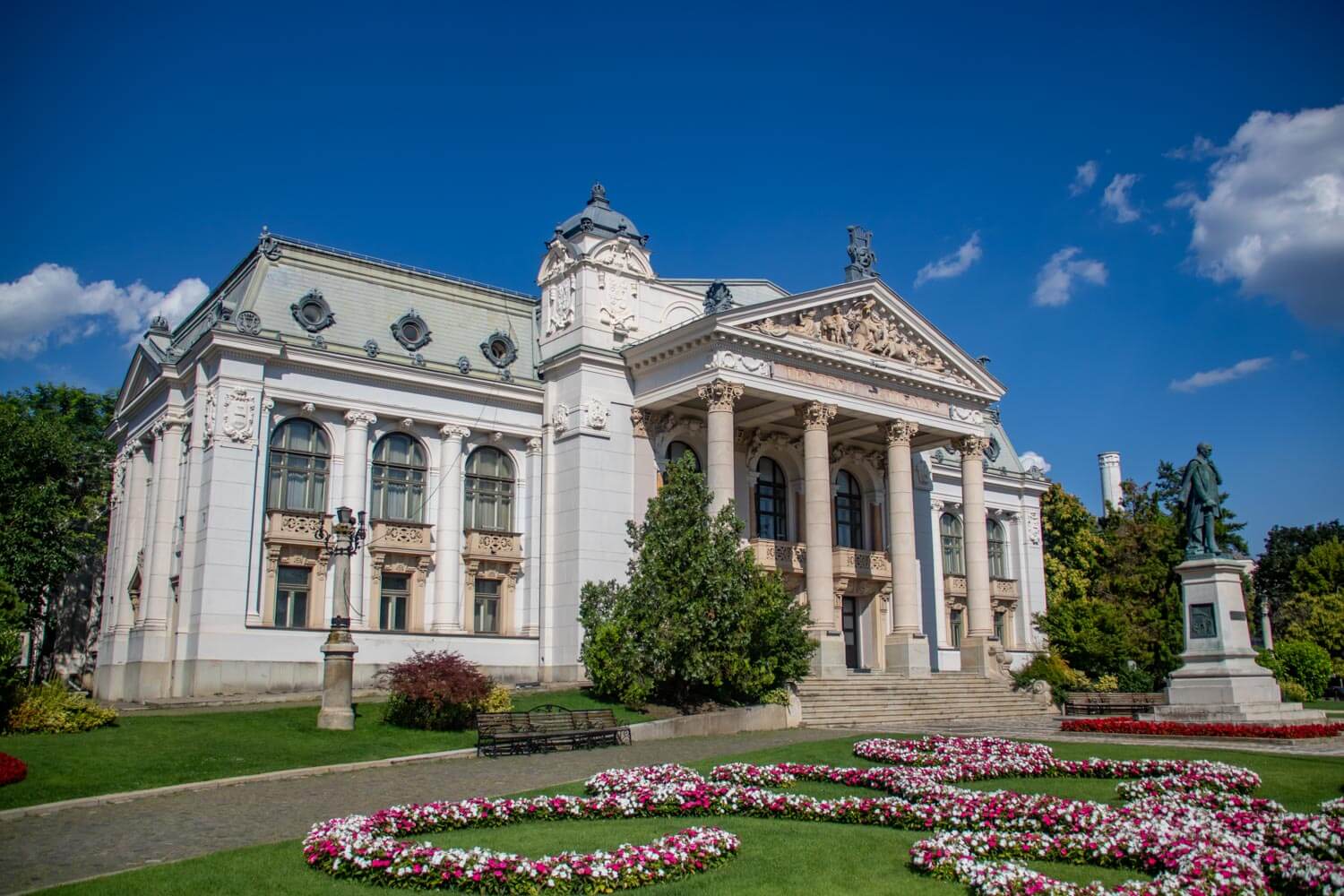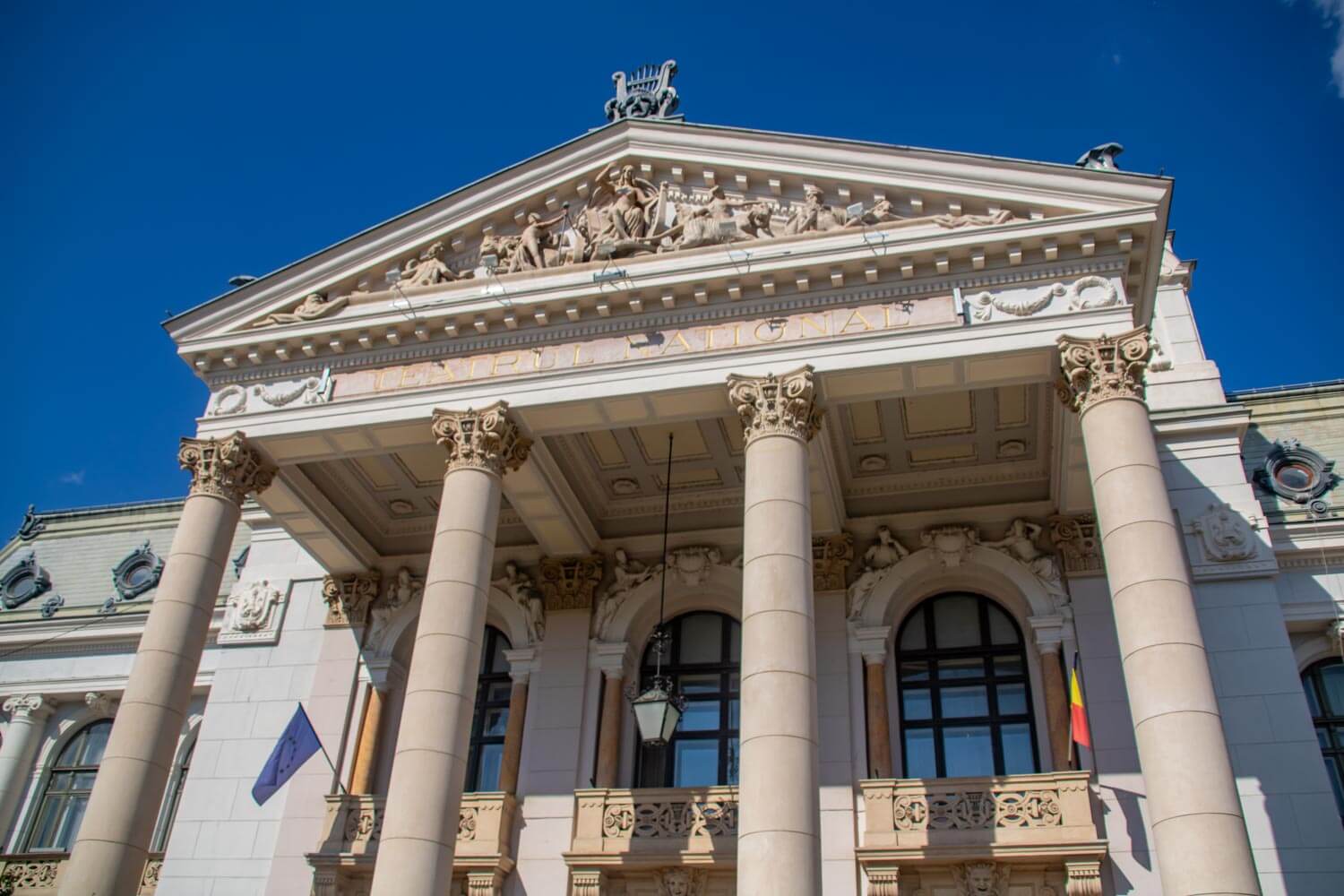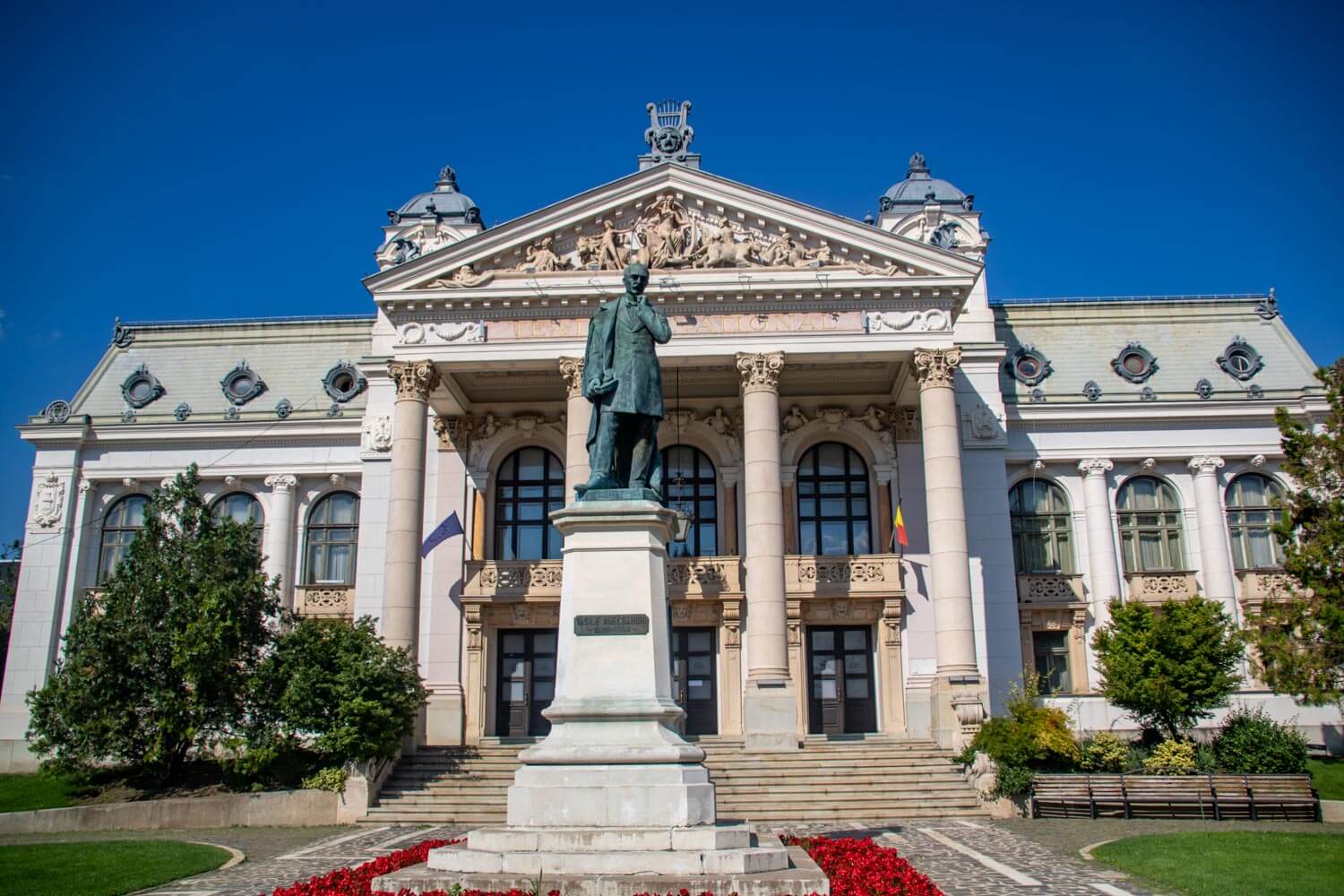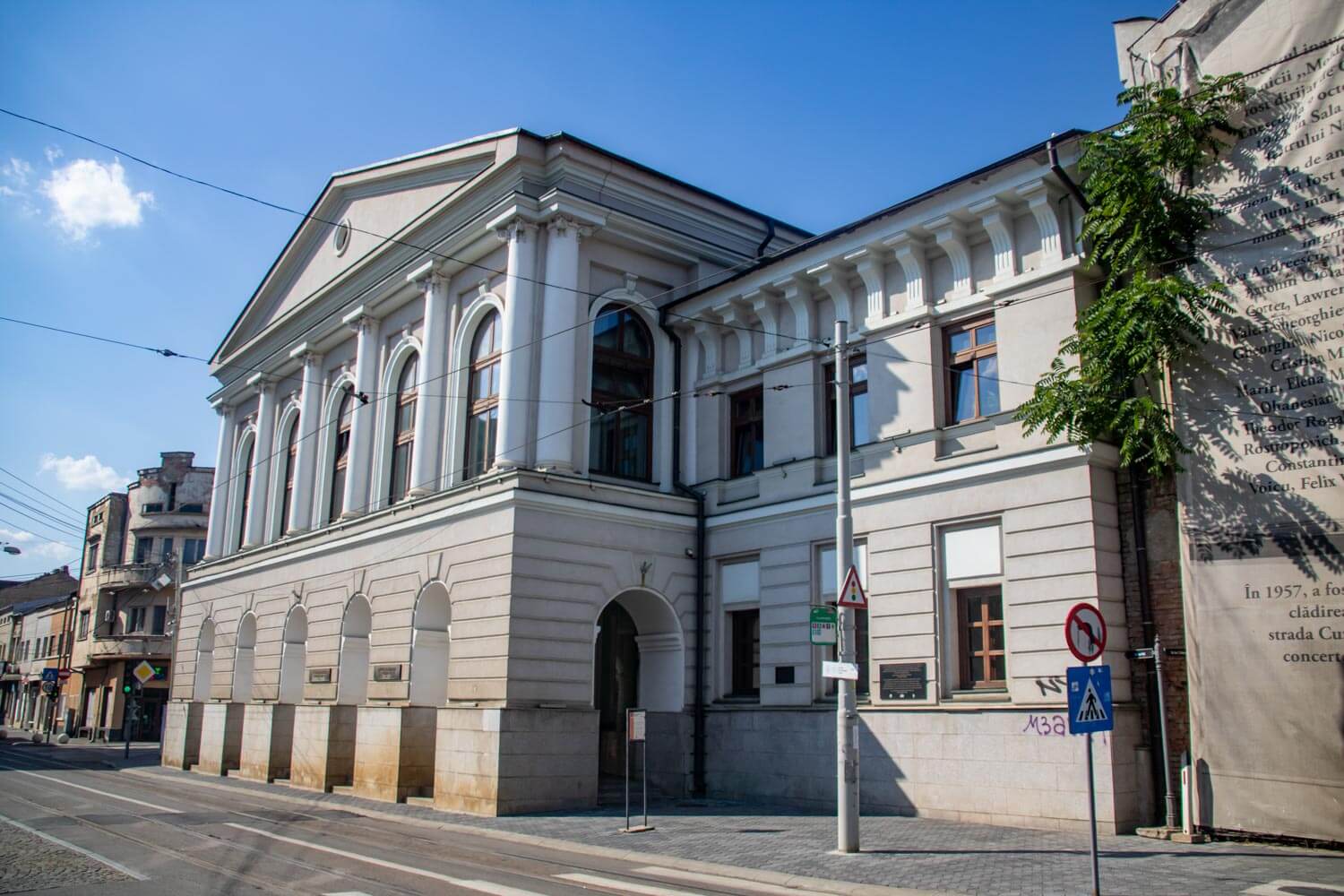
The First Power Plant of Iași (Prima uzină electrică) is a late 19th-century industrial building behind the Vasile Alecsandri National Theater, constructed as part of the theater complex between 1894 and 1896. Designed by Ferdinand Fellner and Hermann Helmer to provide electricity and steam heating for the new theater, it also played an important role in the introduction of public electric lighting in Iași.
Fellner and Helmer originally expected the theater to draw electricity from a municipal supply, but when that proved impractical they incorporated a dedicated generating plant into the project. The annex housed the machinery needed for lighting and heating together with other technical functions for the theater. When the National Theater opened on December 1, 1896, the plant also powered 12 electric arc lamps in Theater Square, extending its role beyond the building itself and into the surrounding public space.
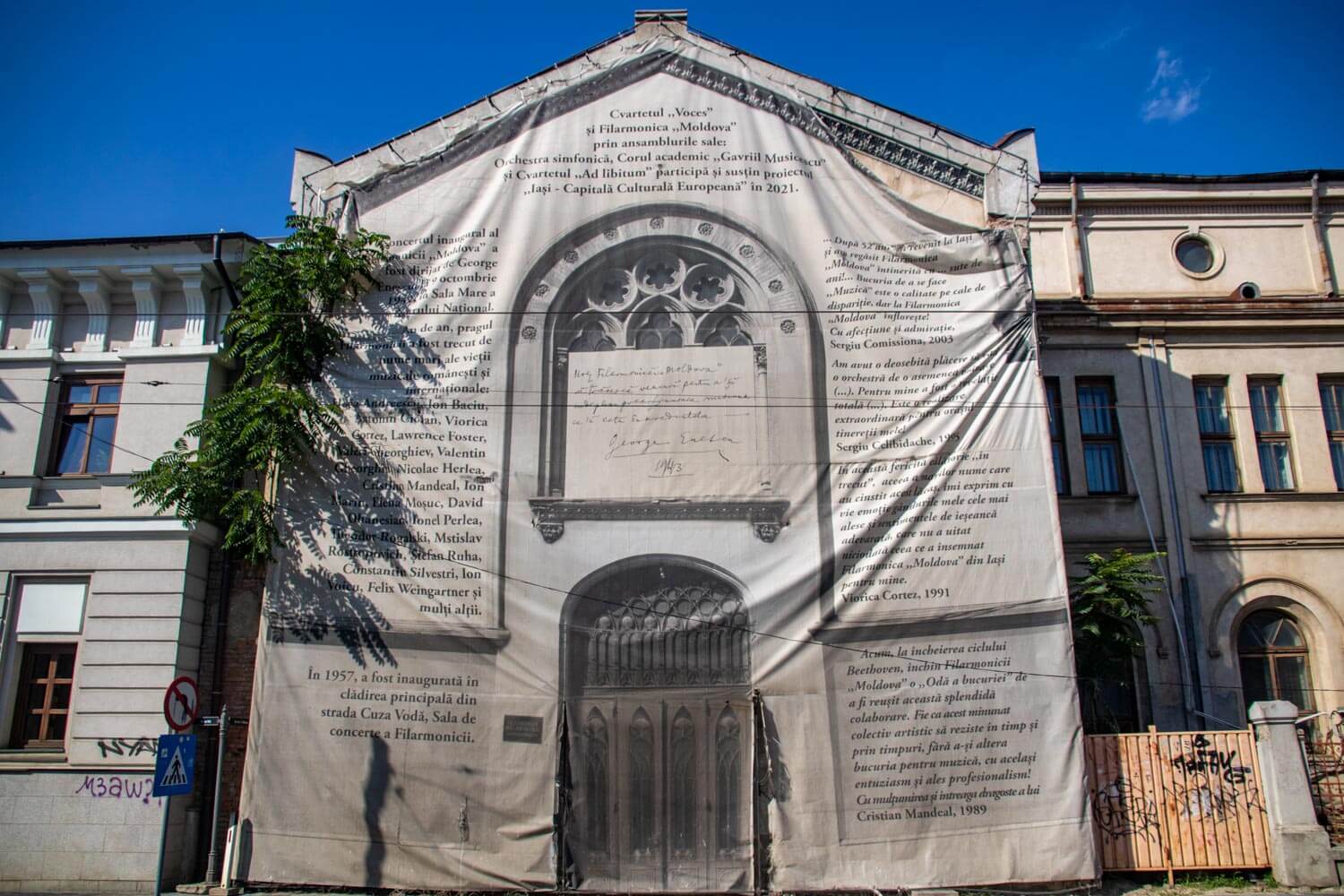
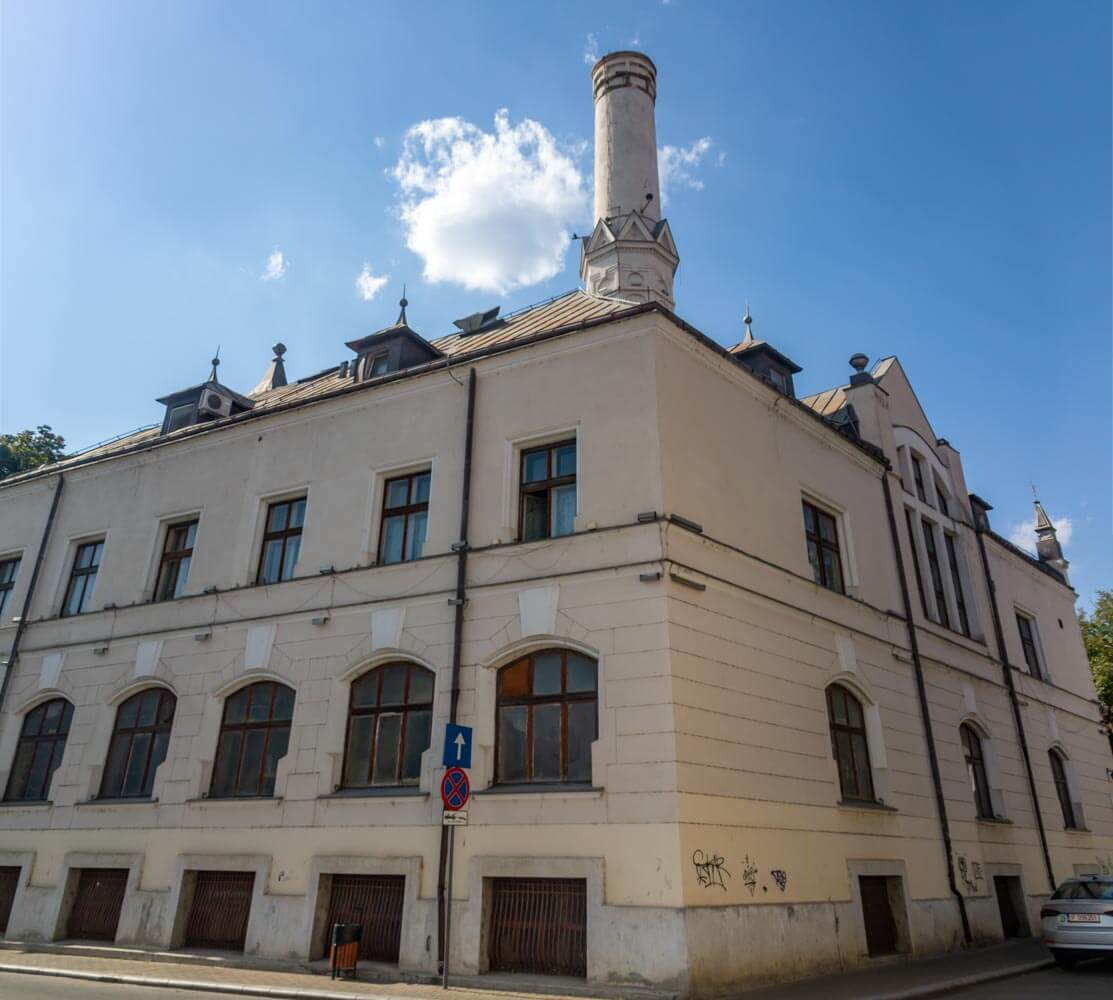
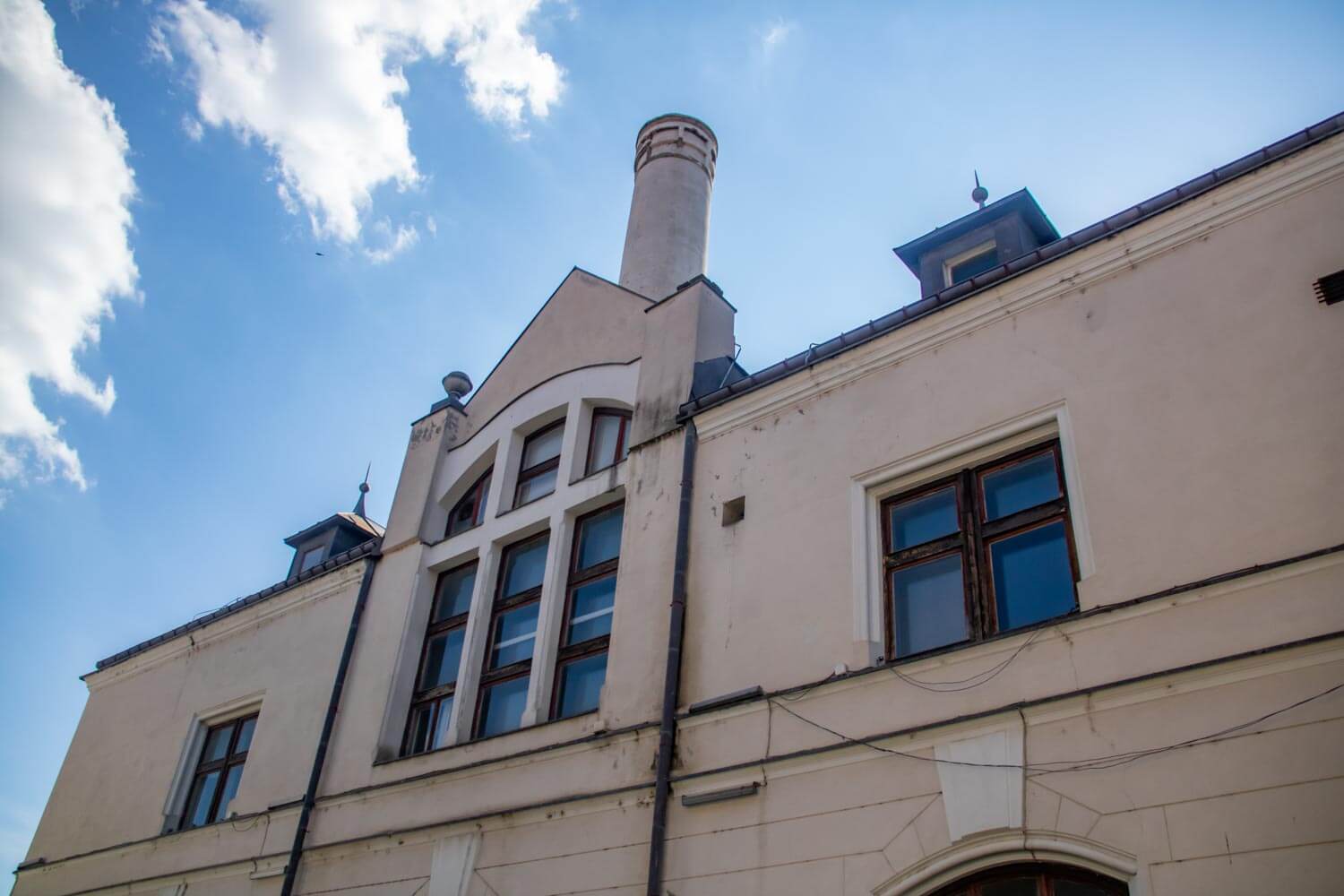
Compared with the ornate theater beside it, the power plant has a much more functional architectural character. A large arched window dominates the gabled façade, while the compact service wings and tall former chimney give the building the recognizable profile of a small urban generating station. Its simpler industrial design still forms part of the same architectural ensemble created by Fellner and Helmer.
As the technical needs of the theater changed, the building gradually took on additional uses. Mihail Sadoveanu lived here between 1910 and 1918 while serving as director of the National Theater, and during World War I George Enescu used the premises for rehearsals of the Orchestra of Mobilized Artists. The building also continued to accommodate workshops and other backstage functions serving the theater.
A new performance use was added in 2007, when a former painting workshop inside the power plant was converted into the approximately 80-seat Sala Uzina cu Teatru. The hall is used for smaller-scale and contemporary productions, while other parts of the historic building continue to support the technical work of the National Theater.