
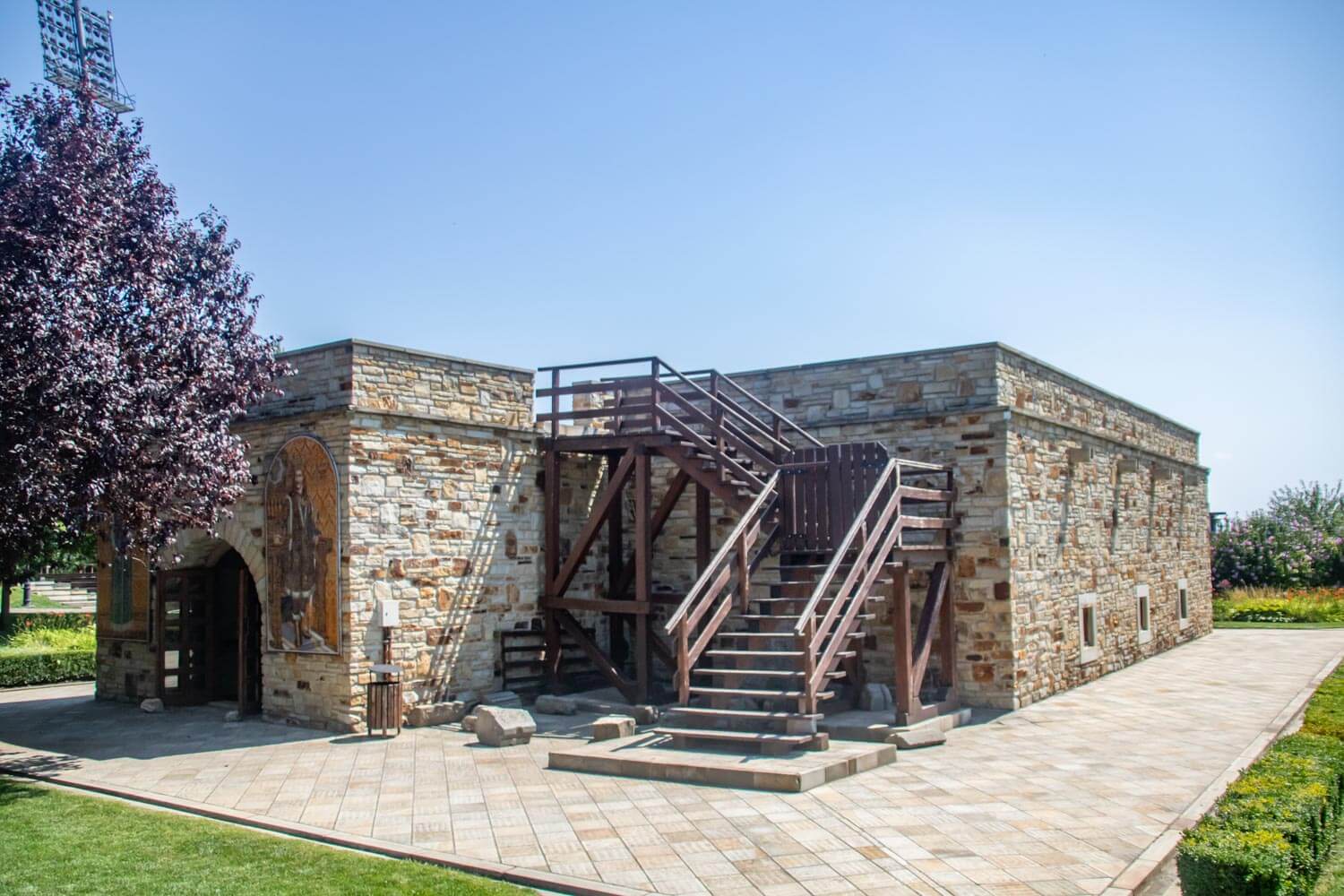
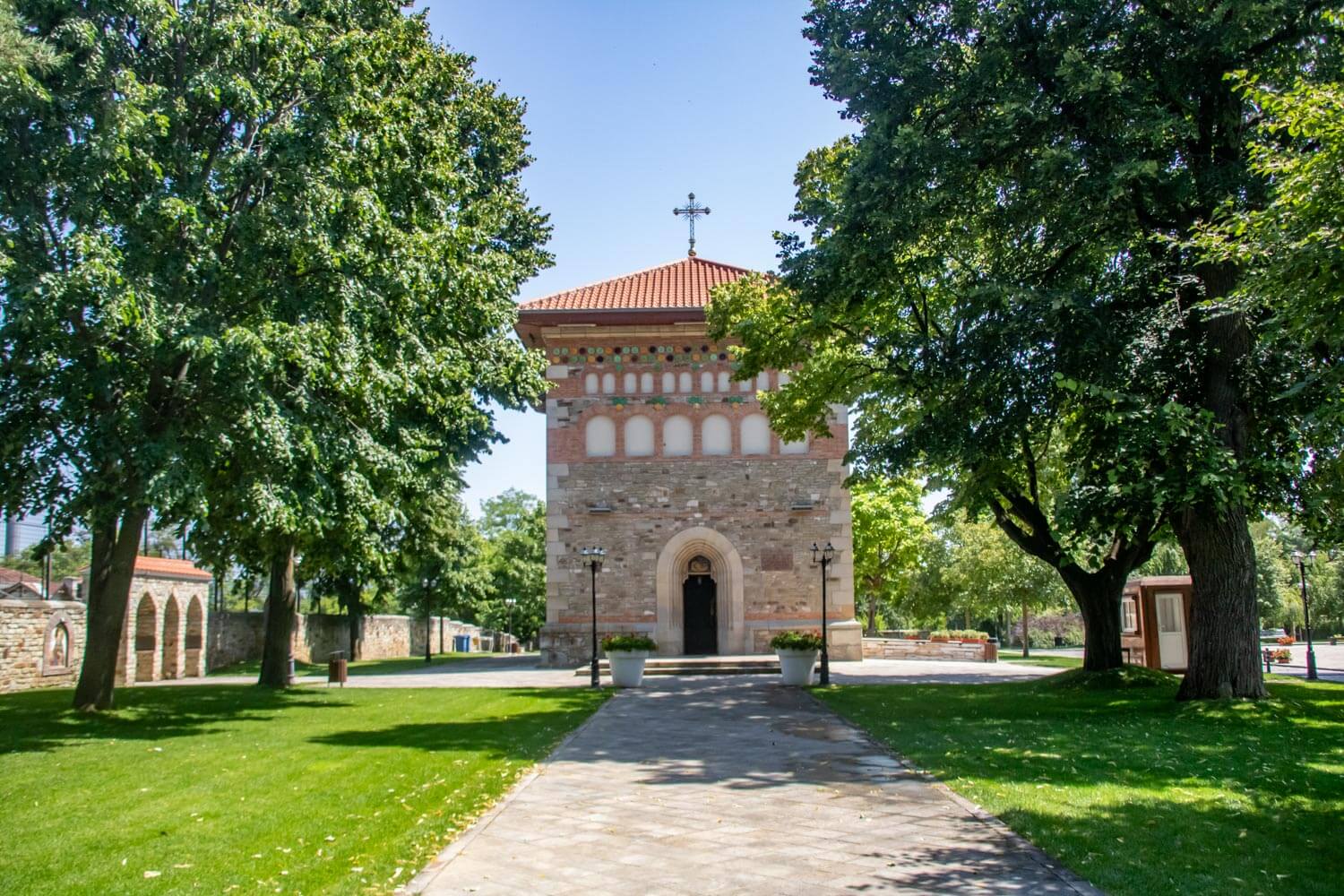
Princely Court of Vaslui (Curtea Domnească din Vaslui) is an archaeological site in Vaslui preserving the remains of a medieval princely residence established during the 15th century. The court became especially important under Stephen the Great, who expanded the complex and built the neighboring Church of the Beheading of Saint John the Baptist in 1490.
Vaslui was already an important center in southern Moldavia when a princely court was documented here by 1435, during the rule of Ștefan II. Documents issued from Vaslui during the joint rule of Ștefan II and Iliaș show that the town was being used as a princely residence and administrative center by the first half of the 15th century.
Stephen the Great enlarged the court during the second half of the century. Archaeology has revealed substantial stone buildings, workshops, service areas and sections of the enclosure, including a large residence with foundations up to around 1.7 meters thick. In 1490, Stephen added the Church of the Beheading of Saint John the Baptist as the court chapel, reinforcing the importance of the complex within the medieval town.
The court gradually lost its political importance after the medieval period, while later occupation and new construction altered the area around it. By the 17th century, parts of the former residence were already recorded as ruins, although the site continued to be used in different ways over the following centuries.
Archaeological excavations carried out during the 20th and early 21st centuries gradually revealed the layout of the former court. Finds included ceramics, stove tiles, coins, jewelry, weapons and traces of workshops and paved surfaces. Many objects recovered from the court and the neighboring princely church are displayed in the medieval-history section of the Ștefan cel Mare County Museum, together with a model of the archaeological complex.
Between 2011 and 2015, the site was reorganized as an archaeological park. One of the princely houses was reconstructed on the footprint uncovered by excavation, while sections of former walls were marked or raised to make the layout easier to read. Paths, lawns and stone displays were added throughout the grounds, giving the site a much more finished appearance than a conventional open excavation.


