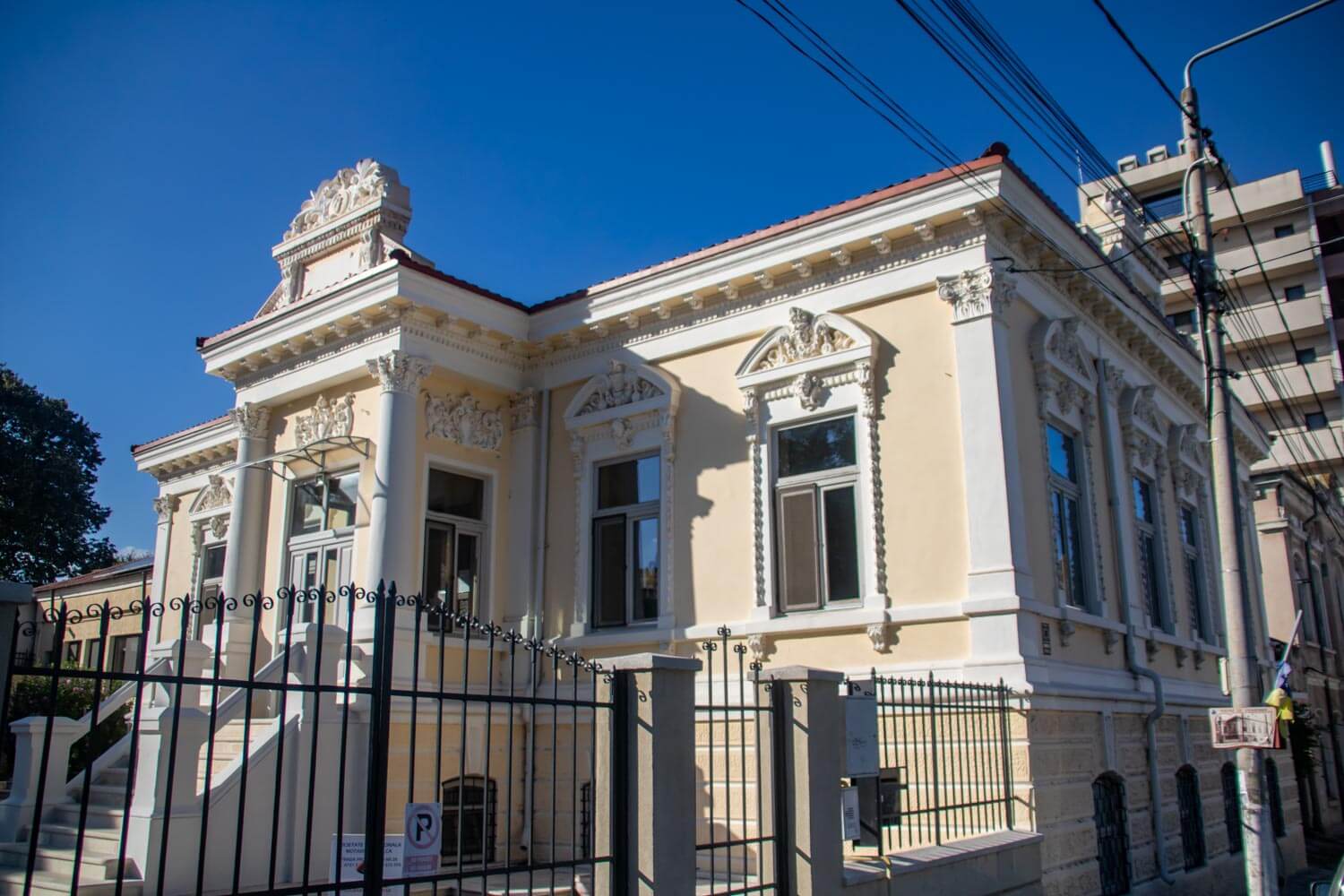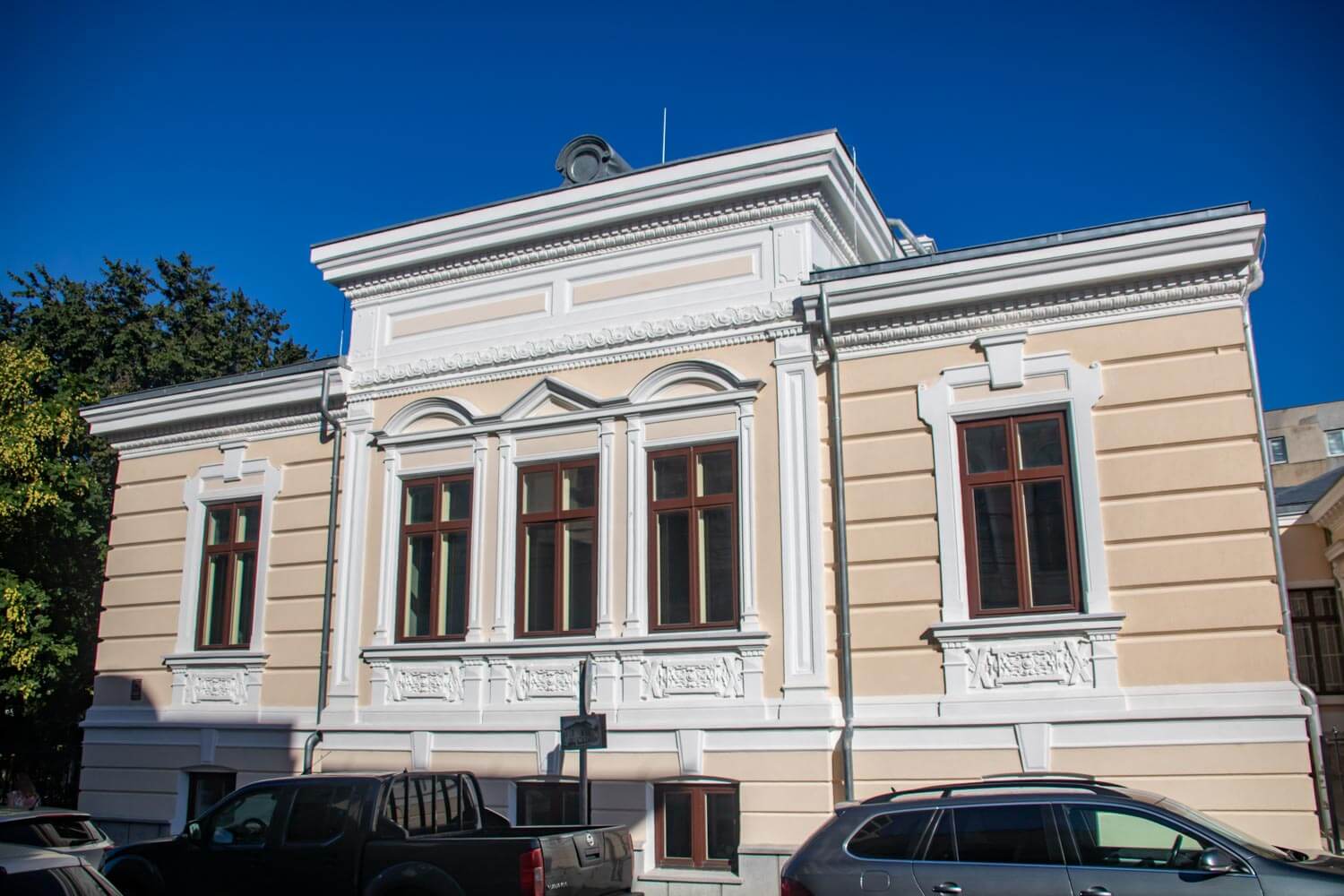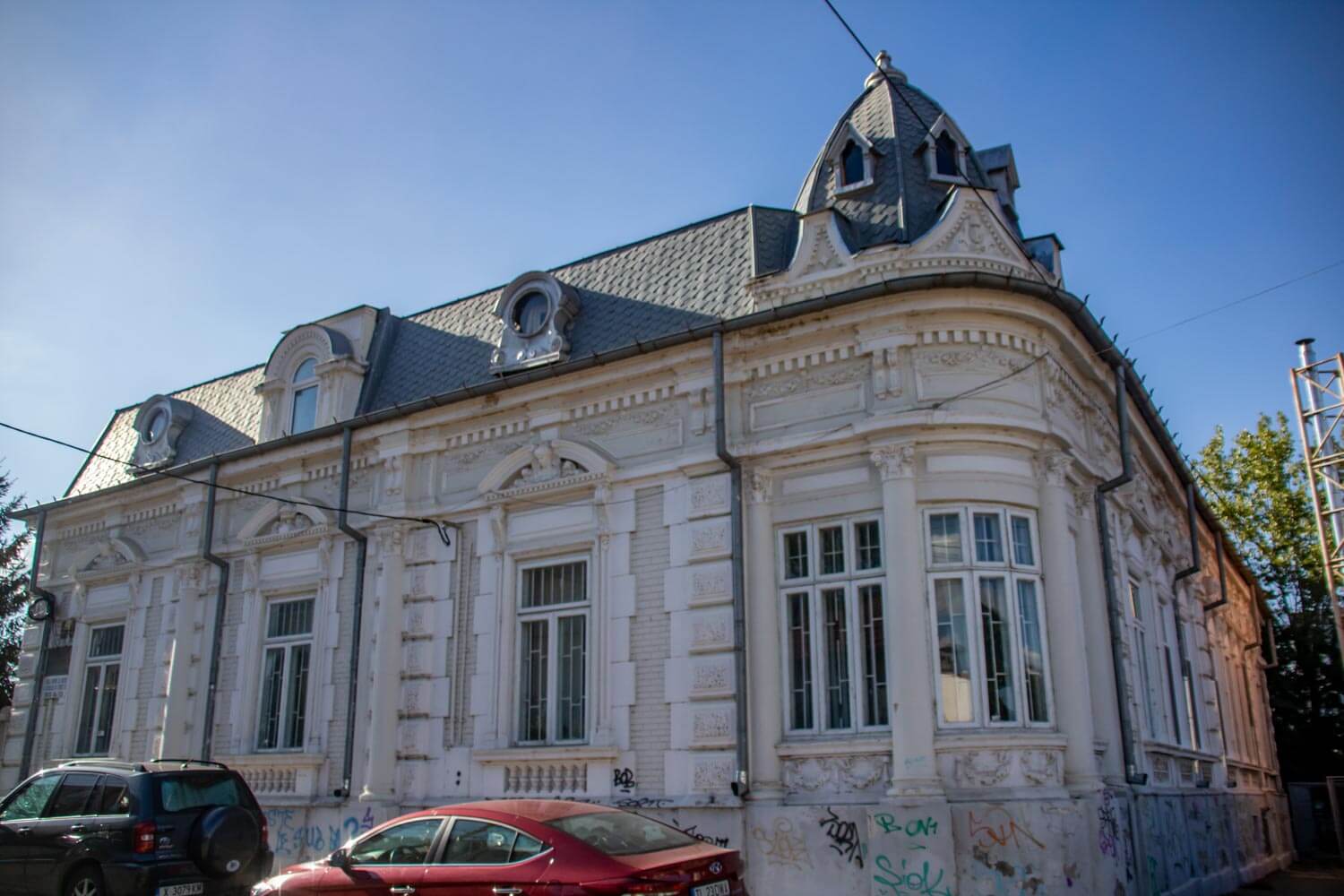
The Lichiardopol House (Casa Lichiardopol) is a historic 19th-century residence in Tulcea, built for Greek merchant Ilie Lichiardopol. Its large proportions, formal façade, and decorated upper rooms reflect the prosperity of the merchant families who played an important role in the city during the final decades of Ottoman rule.
Ilie Lichiardopol built the house as a family residence during the second half of the 19th century, when Tulcea was developing rapidly as a port and commercial center on the Danube. The interior included an elegant upstairs salon with mural decoration, creating a setting suited not only to private family life but also to receiving prominent guests.
That salon entered the history of Dobrogea on 18 November 1878, when representatives of the Romanian authorities gathered in Tulcea as northern Dobrogea passed from Ottoman to Romanian administration. The formal documents marking the transfer were signed inside Lichiardopol House, placing the private residence at the center of one of the defining political changes in the region’s modern history.
The property remained with the Lichiardopol family into the 20th century before Teodor Lichiardopol sold it to the Ministry of Public Instruction after 1940. It was subsequently adapted for educational use and served as a school, replacing the domestic life of the house with a public institutional function.
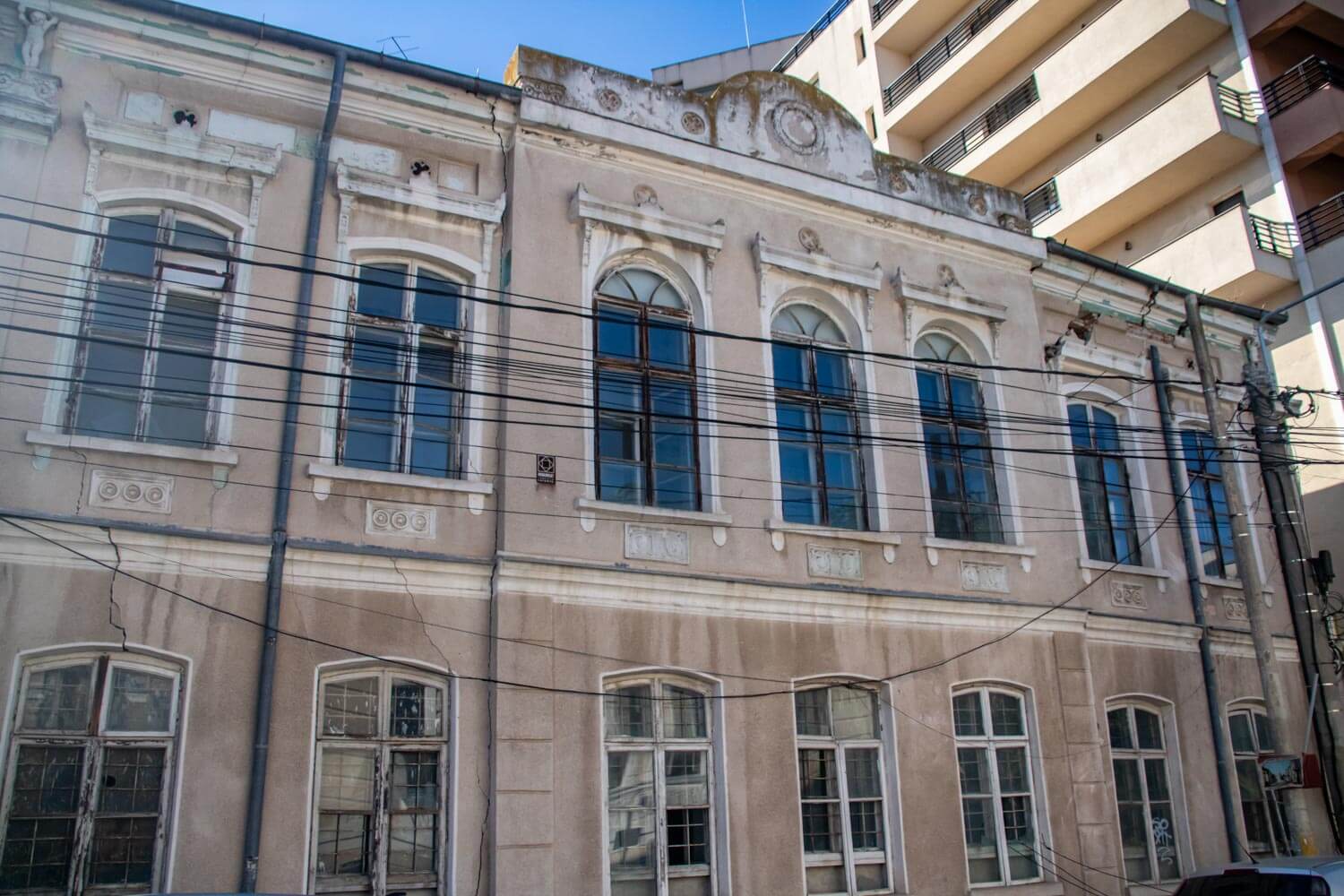
Today the building survives in poor condition, but its scale, façade, and traces of the original interior still reveal the character of what was once one of Tulcea’s notable merchant residences.