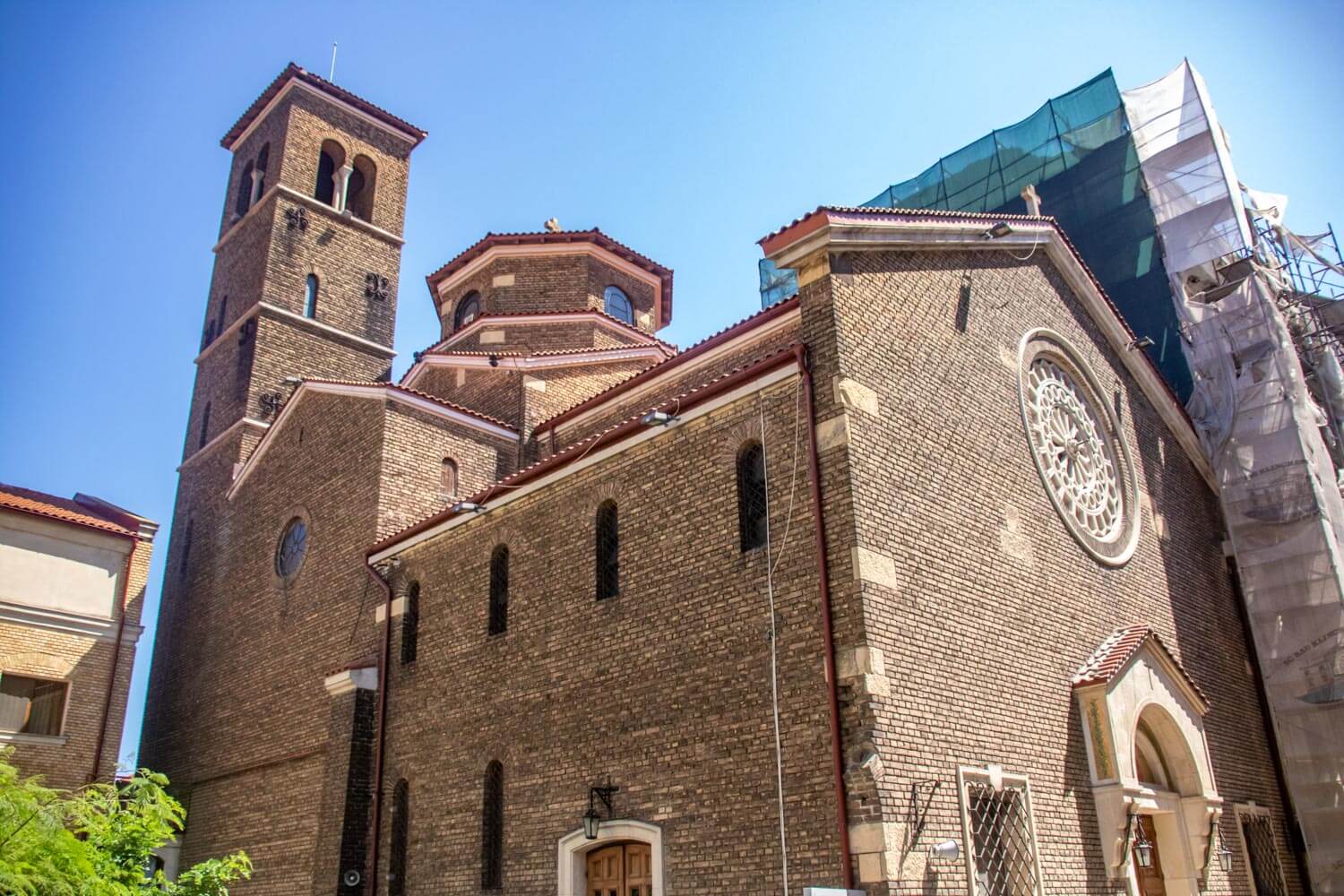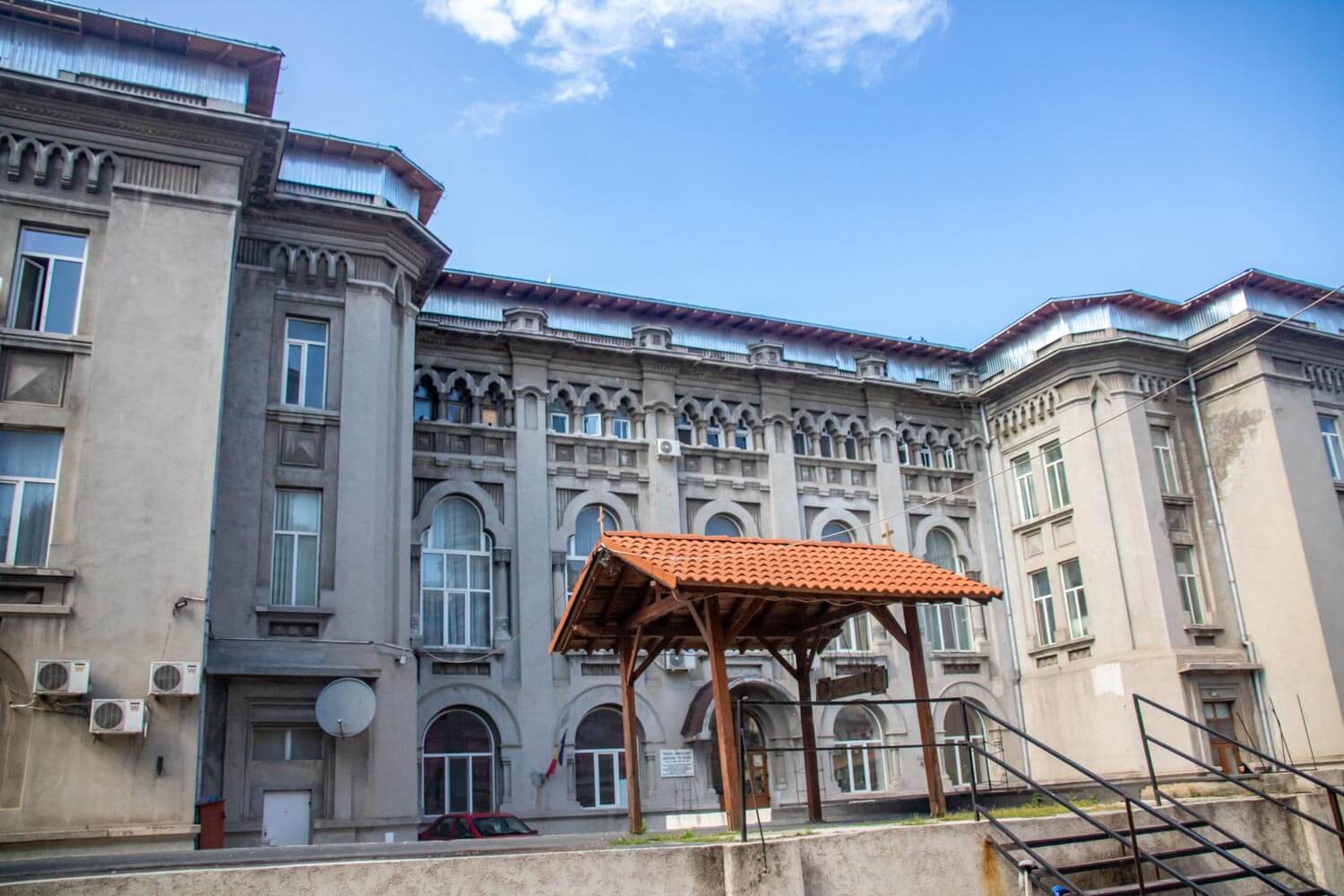
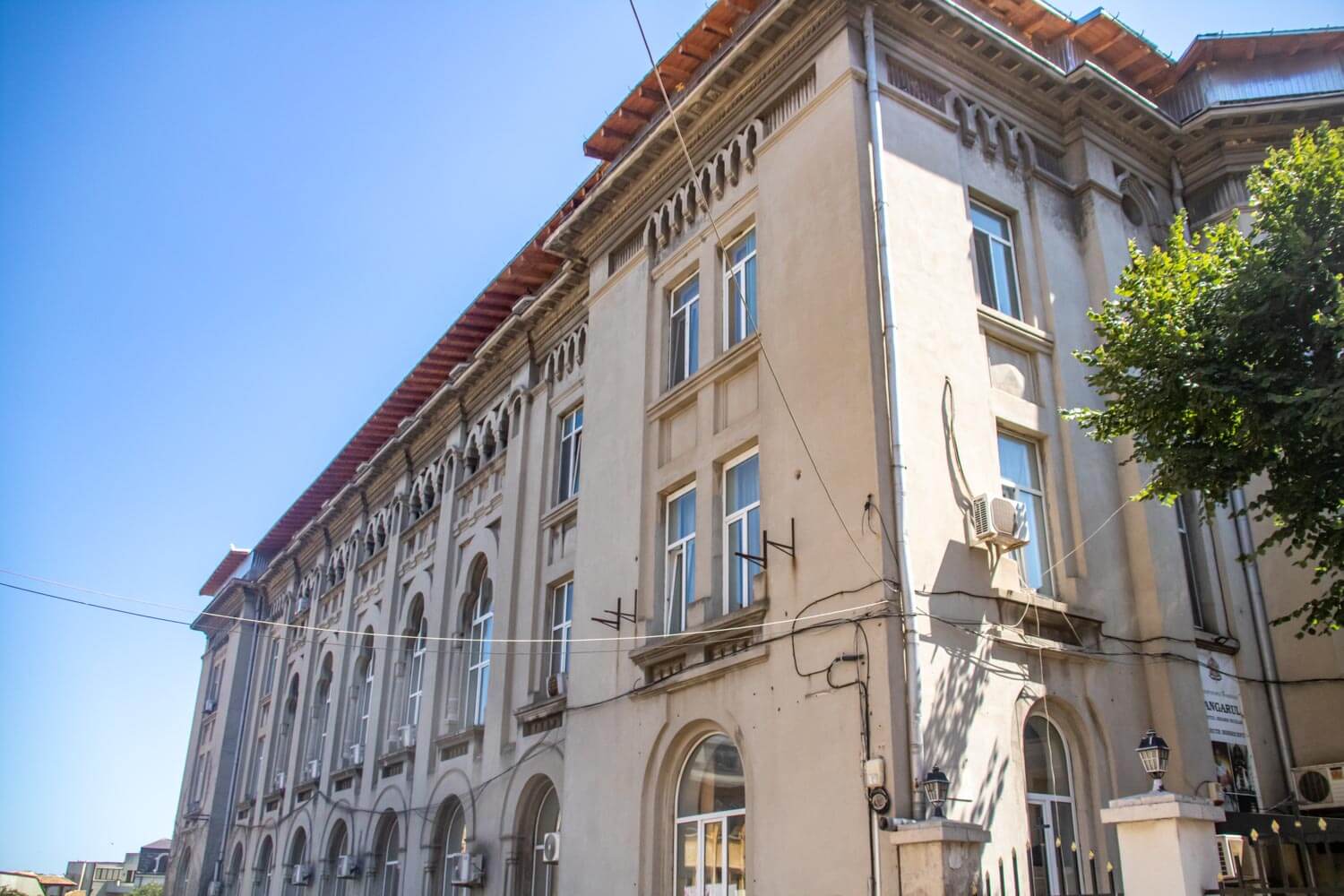
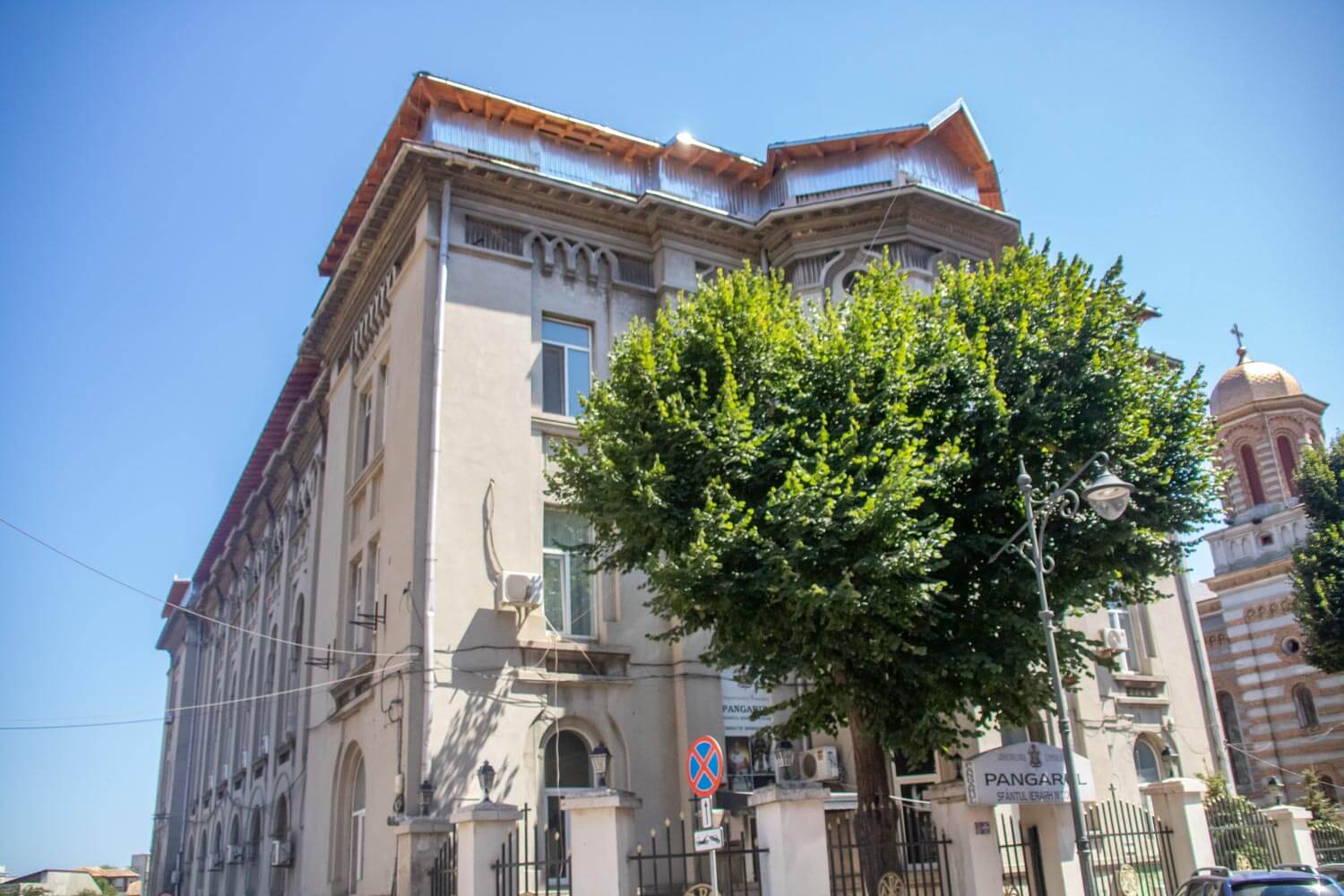
The Tomis Archbishopric Palace (Palatul Arhiepiscopiei Tomisului) is the administrative headquarters of the Archdiocese of Tomis in the historic peninsula of Constanța, standing directly beside the Cathedral of Saints Peter and Paul. The palace was designed in 1924 by architect Ion D. Enescu, with the foundation stone laid the following year during the episcopate of Ilarie Teodorescu. Although much of the building was already complete by 1927, work continued for several years and it was formally inaugurated in January 1934.
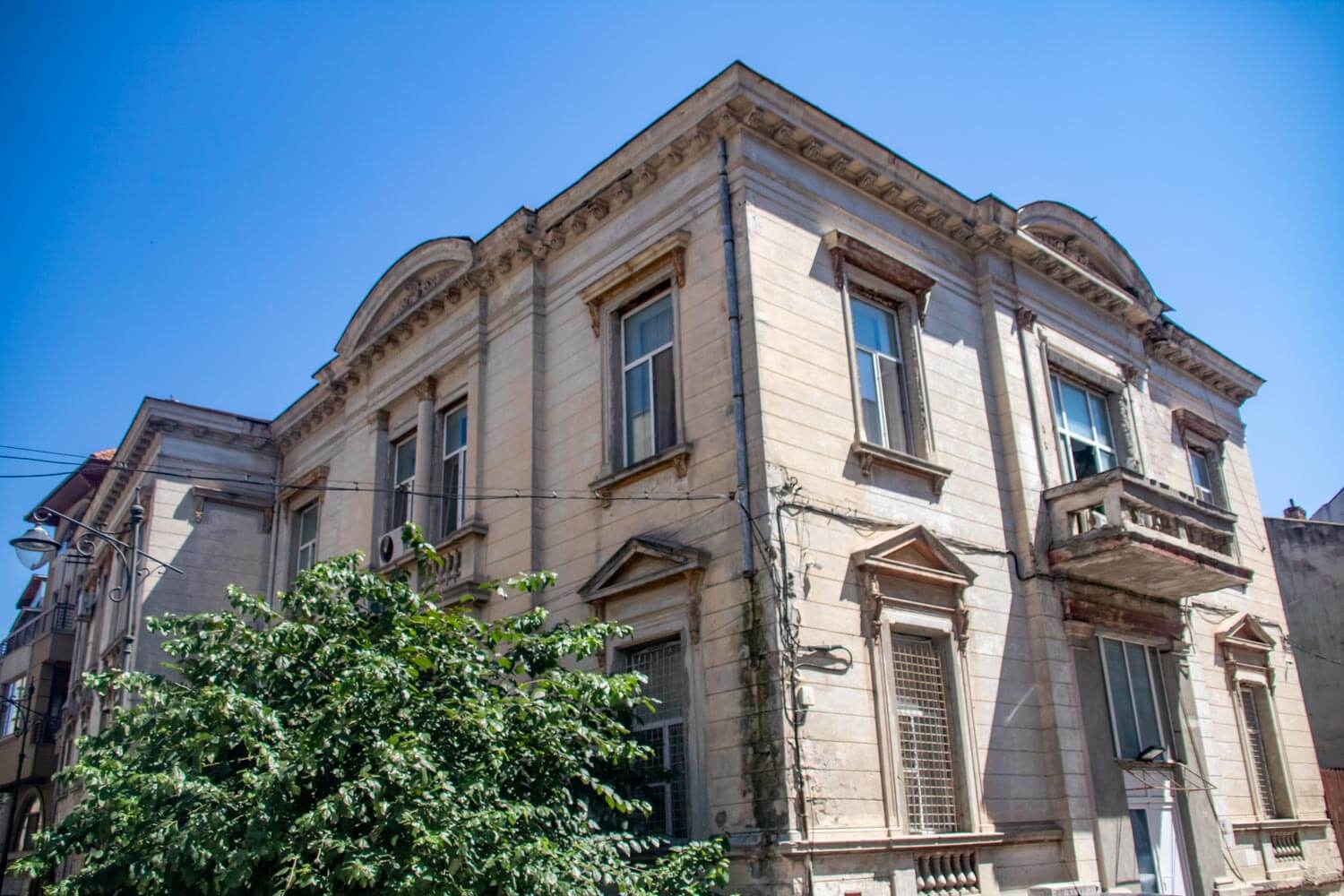
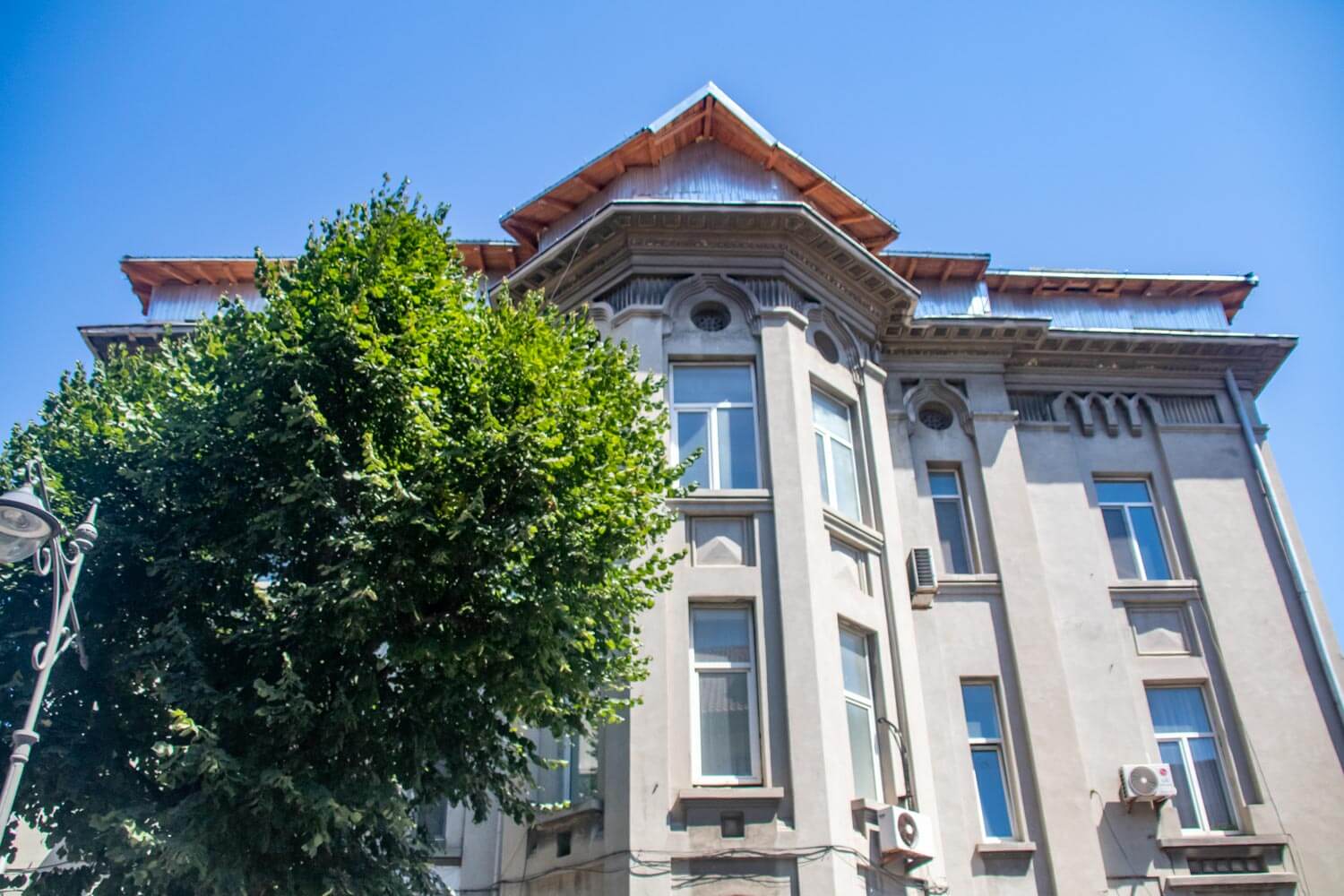
Enescu designed the palace in a Neo-Byzantine style that complements the neighboring cathedral, with the two buildings arranged parallel to one another. The large four-level structure extends deeply into its plot and has two principal façades supported by massive pilasters. Its windows vary between semicircular, rectangular and pointed-arch forms, while those on the upper level are grouped in threes and the ground-floor surrounds incorporate Romanian architectural motifs.
The palace was damaged during Soviet bombing in the Second World War and later repaired. From 1957 to 1977 it housed the Constanța History and Archaeology Museum, which moved to Piața Ovidiu when the building was taken over by the County Library. The palace was returned to the Archdiocese of Tomis in 1998 and resumed its original ecclesiastical function.