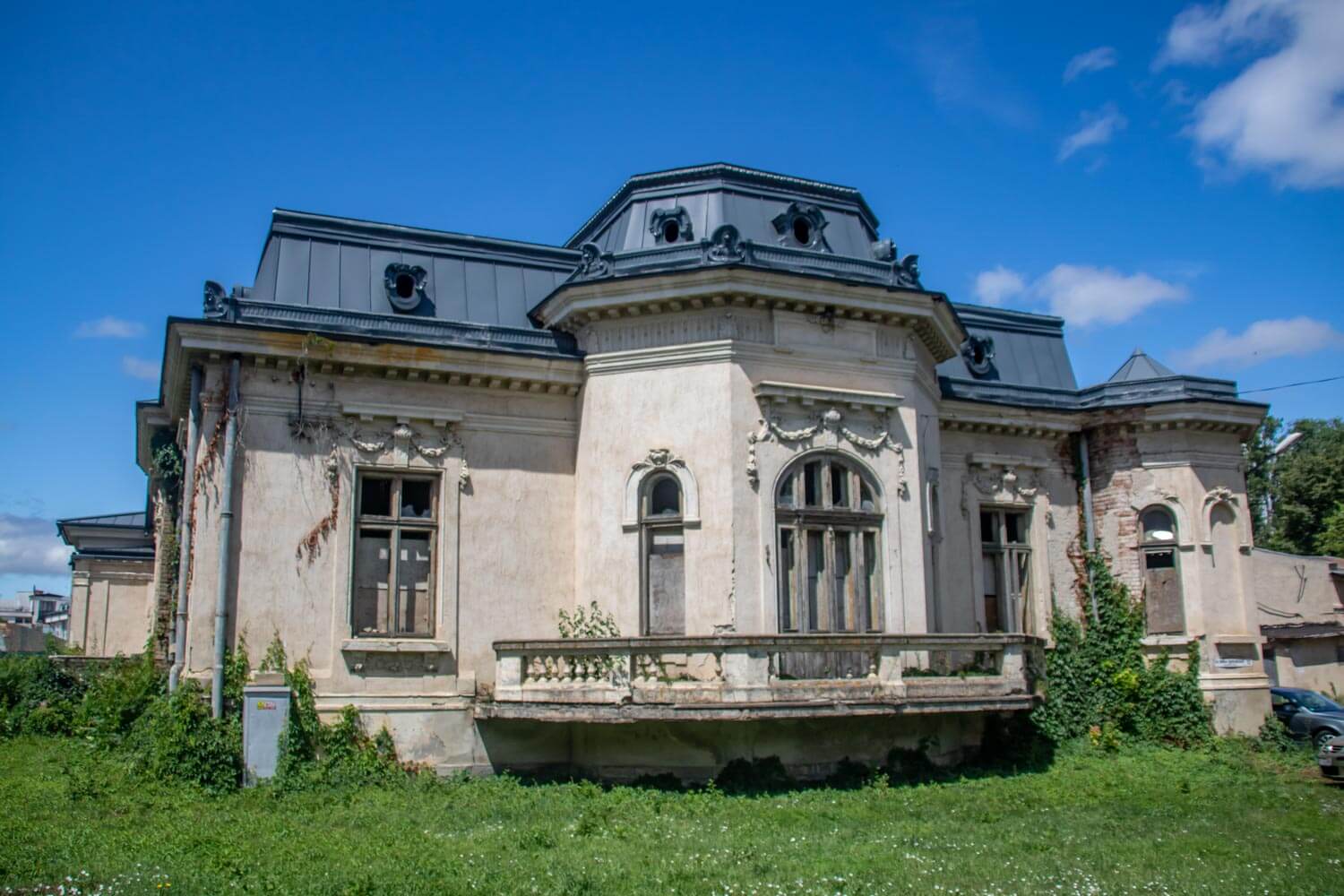
The Urșianu-Fisher House (Casa Urșianu-Fisher) is a late-19th-century residence in Botoșani, built as an elegant urban home for members of the local landed elite. Its present name comes from two later owners, Gheorghe Urșianu and Marcu Fischer, while the house itself preserves the scale and layout of one of the city’s more substantial private residences of the period.
The property was initially owned by brothers Ioan and George Miclescu, landowners from Călinești, who used the house mainly during periods spent in Botoșani. Between 1903 and 1906 they rented it to the county authorities for use by the Botoșani Tribunal, after which it was sold to army captain Gheorghe Urșianu, a landowner from Mihălășeni who became prefect of Botoșani County in 1911.
Urșianu later sold the property to Marcu “Mochi” Fischer, one of the largest agricultural leaseholders in Romania at the beginning of the 20th century. Fischer controlled extensive estates in northern Moldavia, including land around Flămânzi, where disputes over agricultural leases helped trigger the 1907 Peasants’ Revolt. He modernized the Botoșani residence and added further service buildings around the main house.
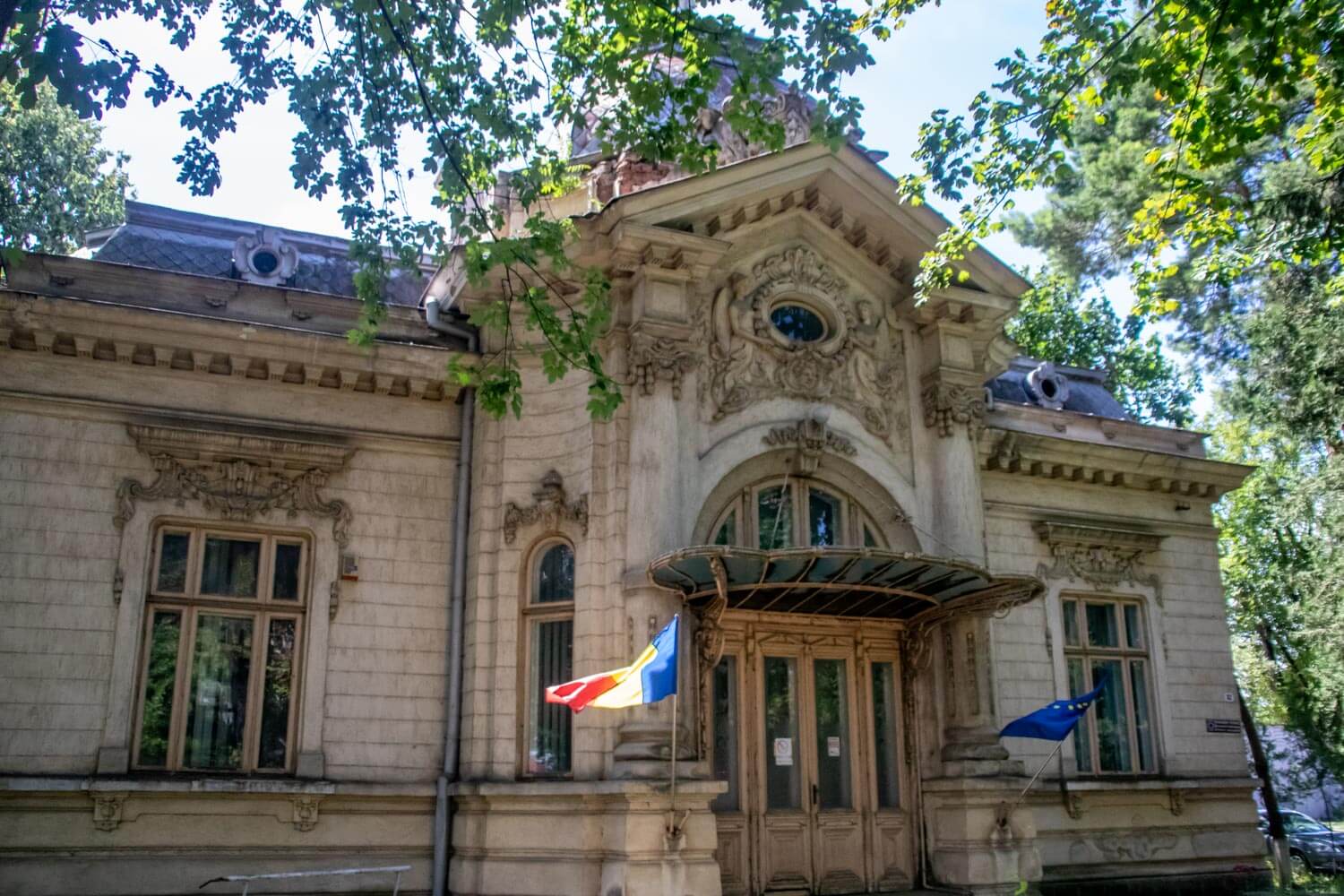
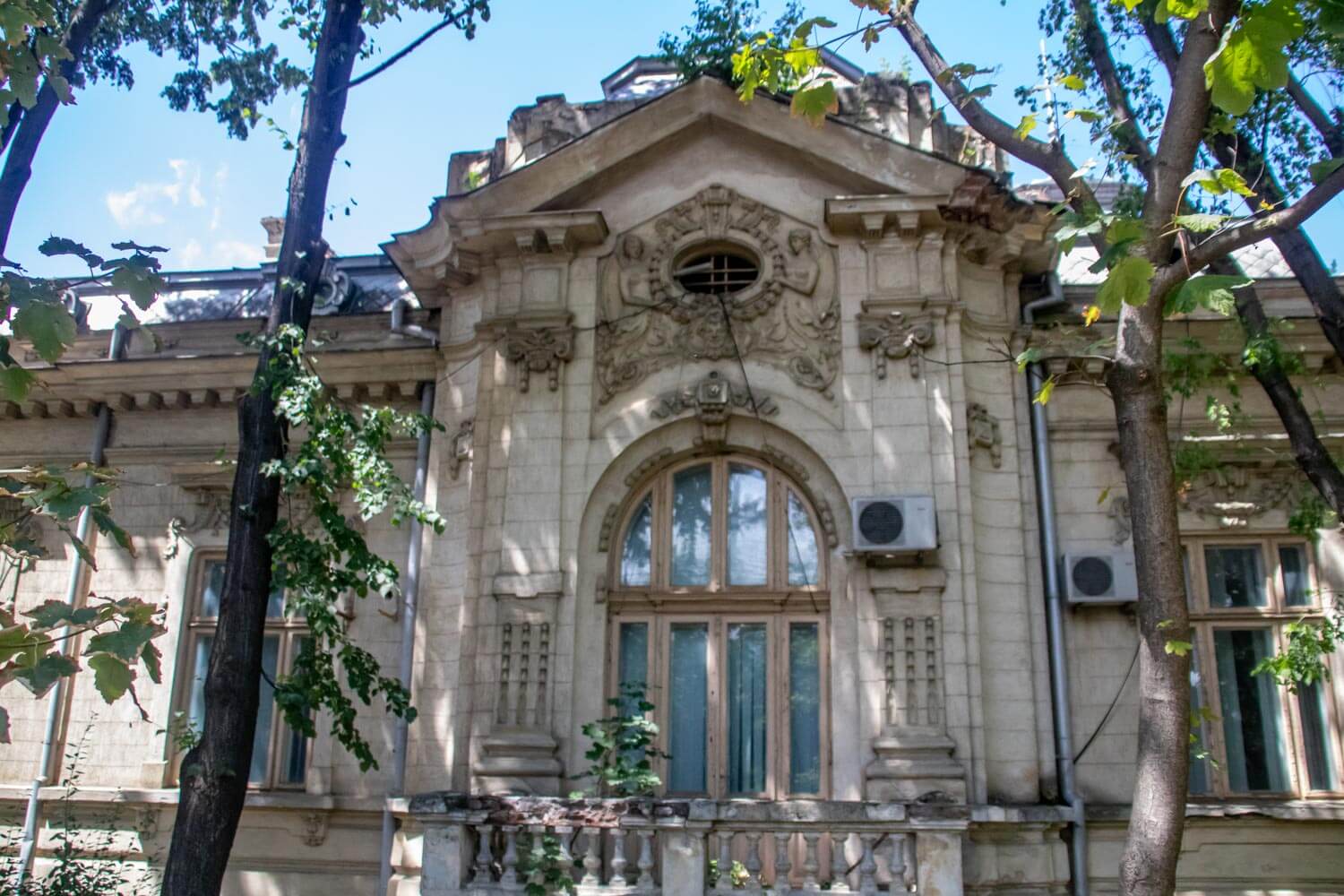
The house has a high single story raised above a large basement and is entered from the boulevard by a broad flight of steps beneath a glass canopy carried on wrought-iron supports. A small dome marks the projecting entrance, while classical window surrounds, plaster ornament and a side balcony give the otherwise restrained façades more decorative detail. Inside, a large central hall originally gave access to fourteen rooms used as reception rooms, bedrooms, offices and service spaces.
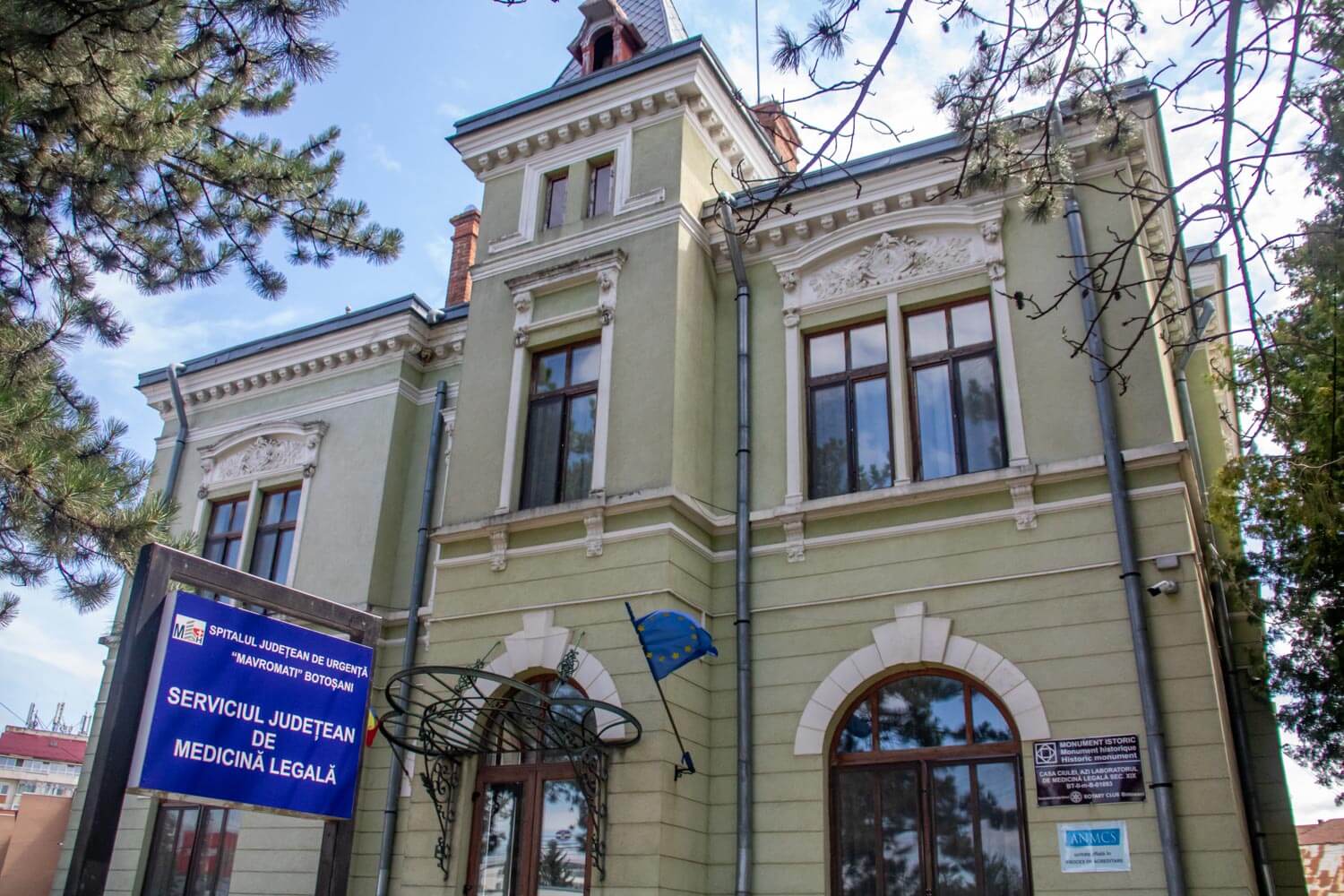
The residence once stood within a larger property, with additional service buildings at the rear used for storage, workshops, staff accommodation, carriages and horses. The grounds also included flower beds, a fountain and an orchard. The property later passed into public ownership and was used by several public institutions, including health services.