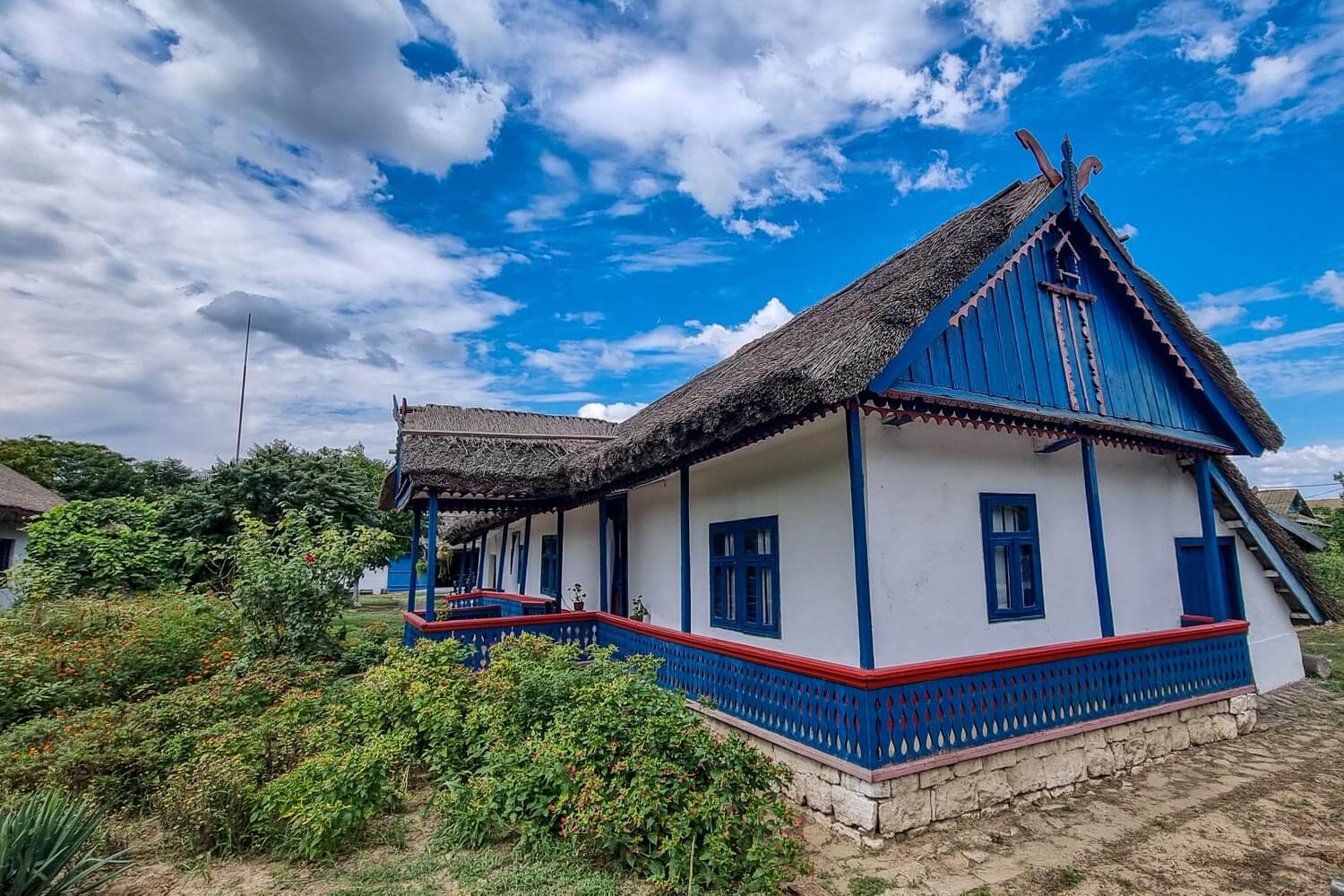
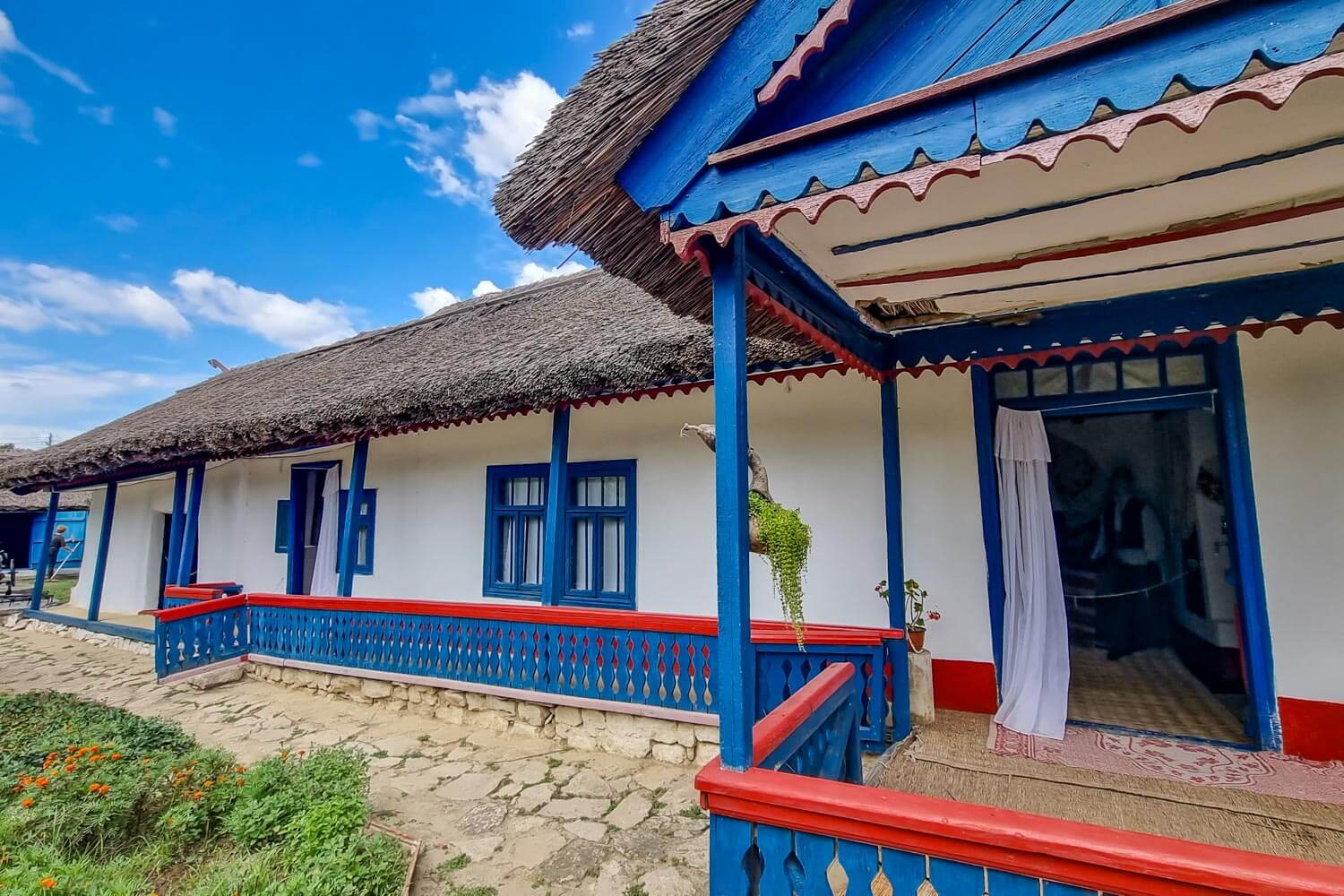
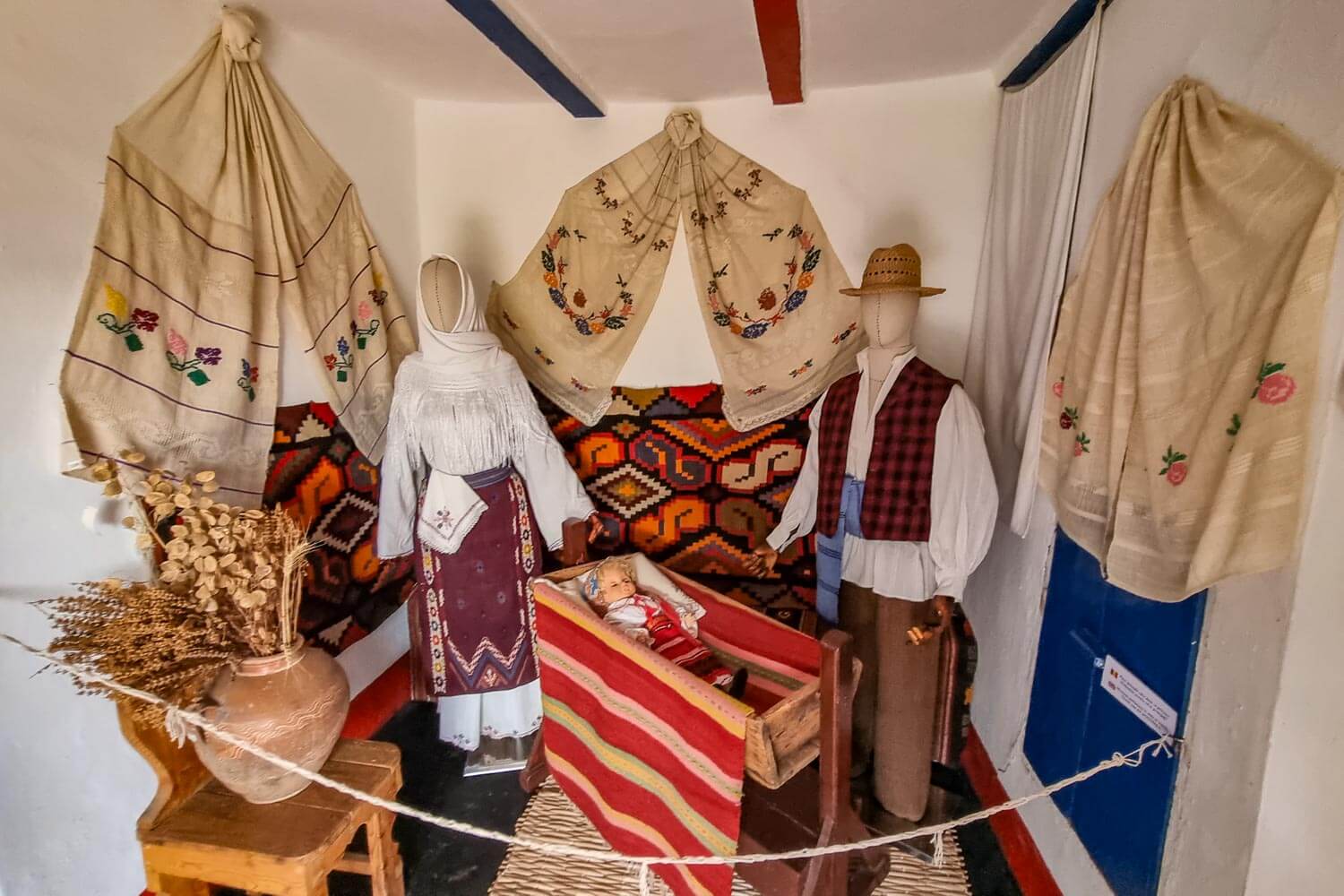
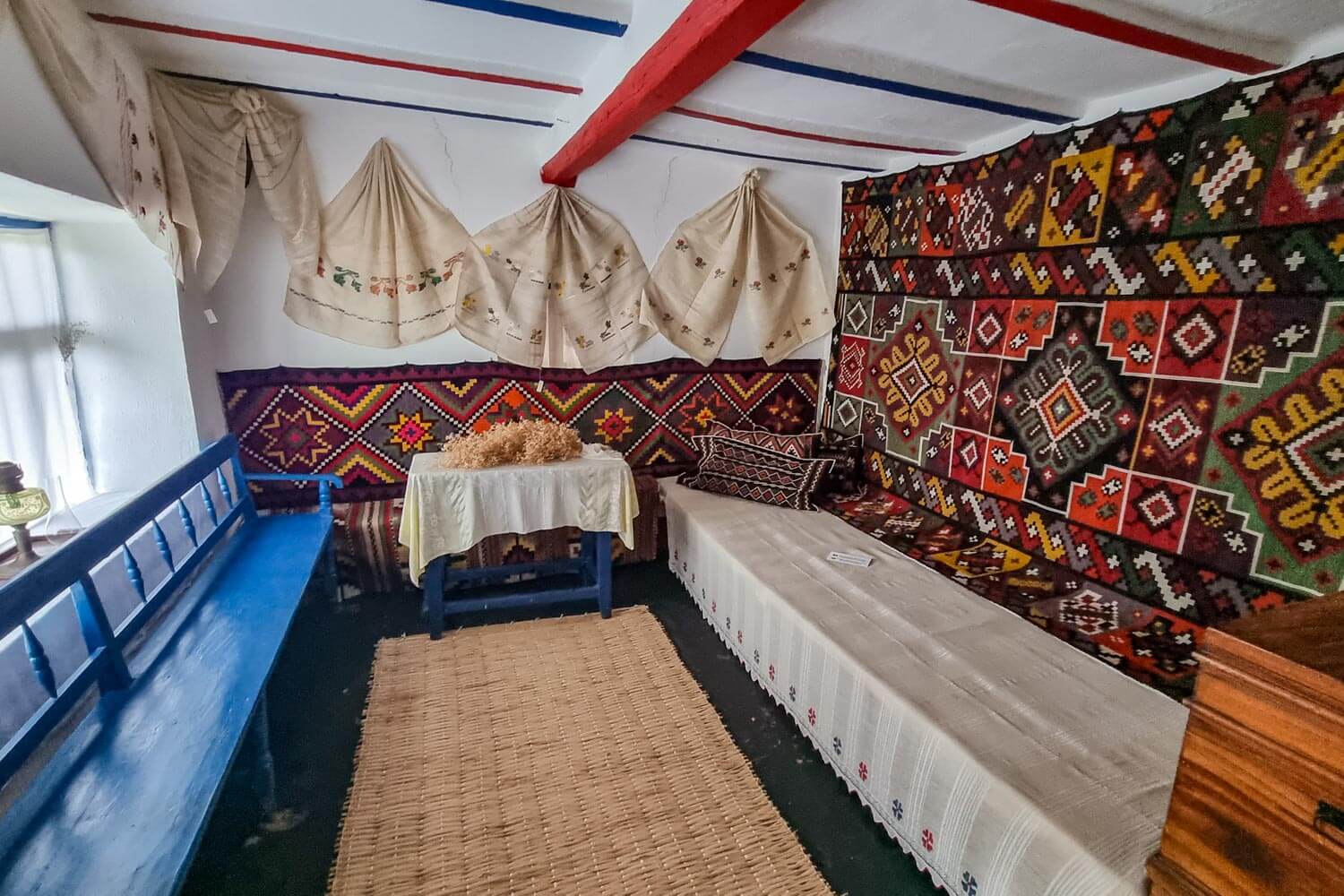
The Museum of the Rural Homestead (Muzeul Gospodăriei Țărănești) is an ethnographic museum in the village of Enisala in Tulcea County, preserving a traditional northern Dobrogean household from the beginning of the 20th century. Built around an original village house that remains on its historic site, the complex shows how a typical Romanian farming family in the Razim area lived and worked before rural life was transformed by modern building methods and machinery.
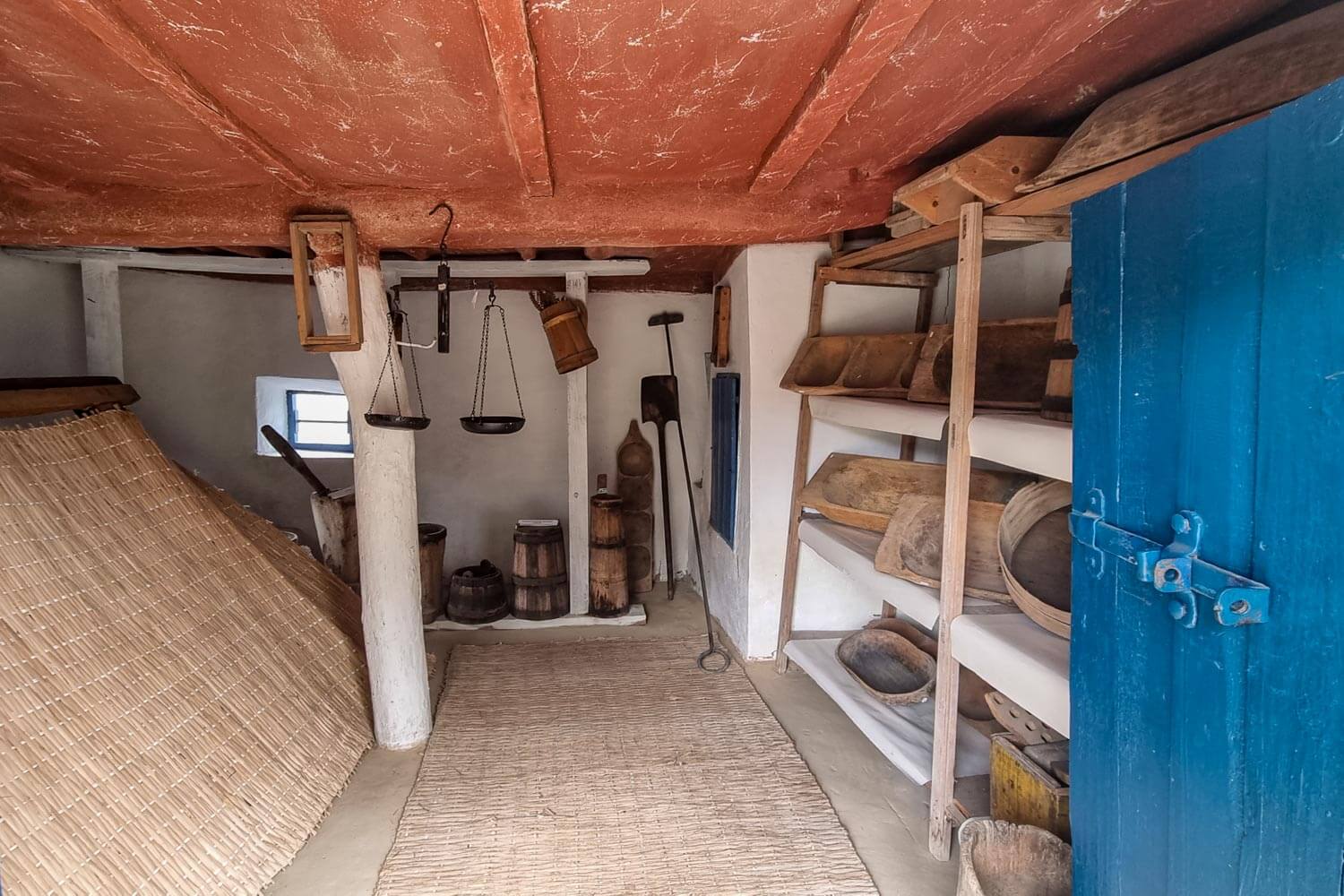
The house follows a traditional local plan, with a central entrance hall separating two main rooms, a winter kitchen and storage spaces. A covered porch runs along the façade, while a chiler, a long storage room characteristic of this type of house, extends across much of the rear. The thick walls were made from clay-based materials and the steep roof was traditionally covered with reeds, materials that were readily available in the villages and wetlands of northern Dobrogea.
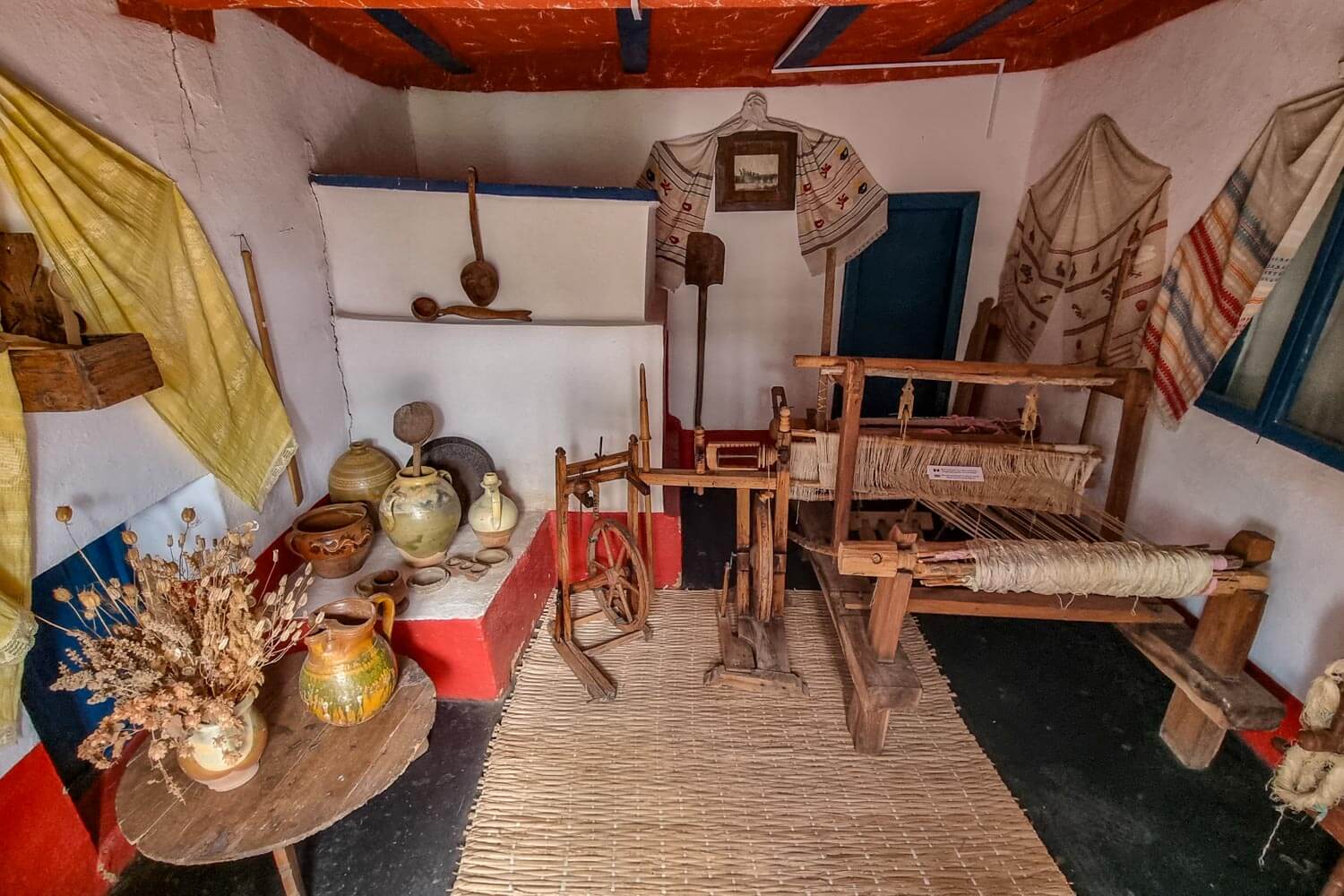
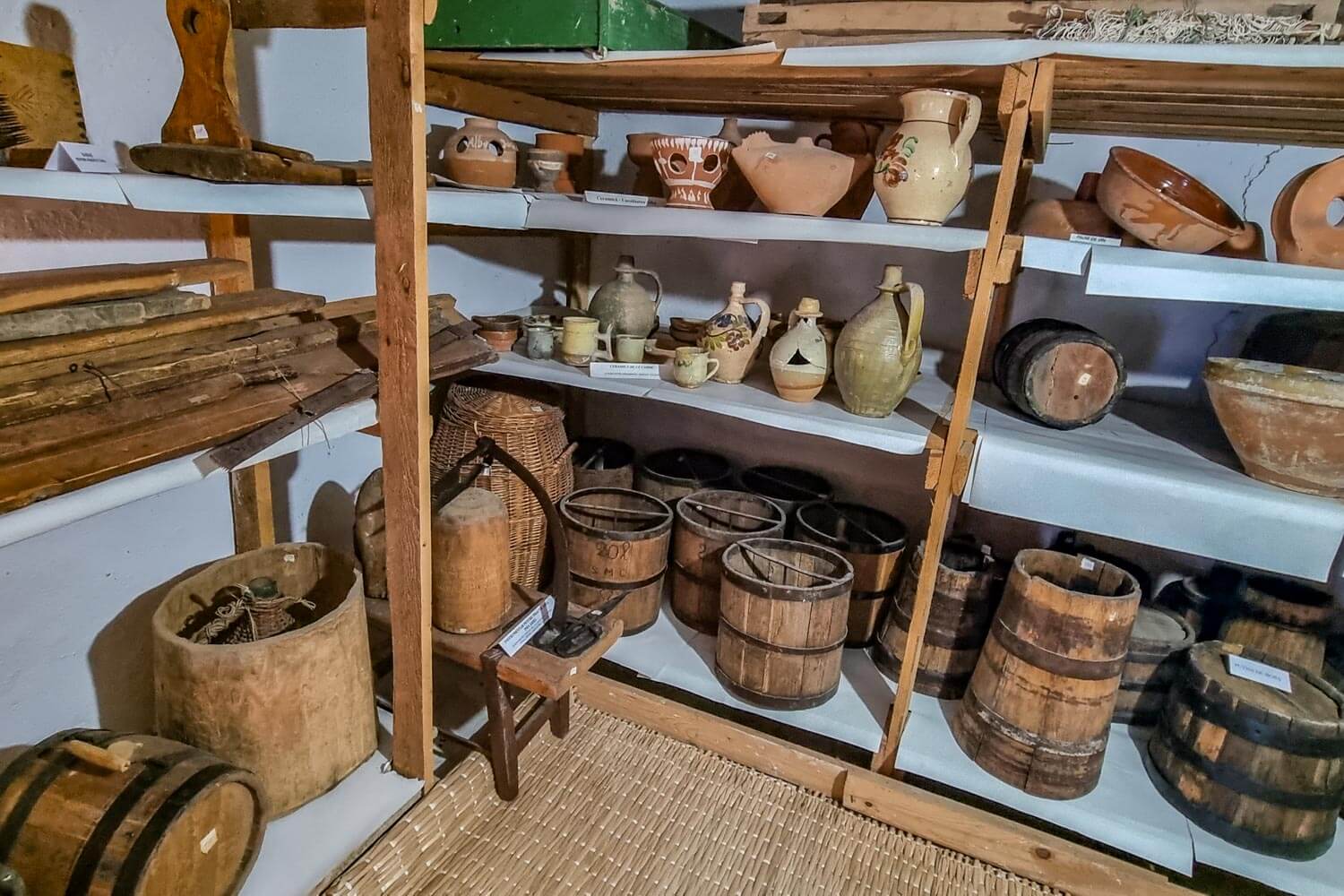
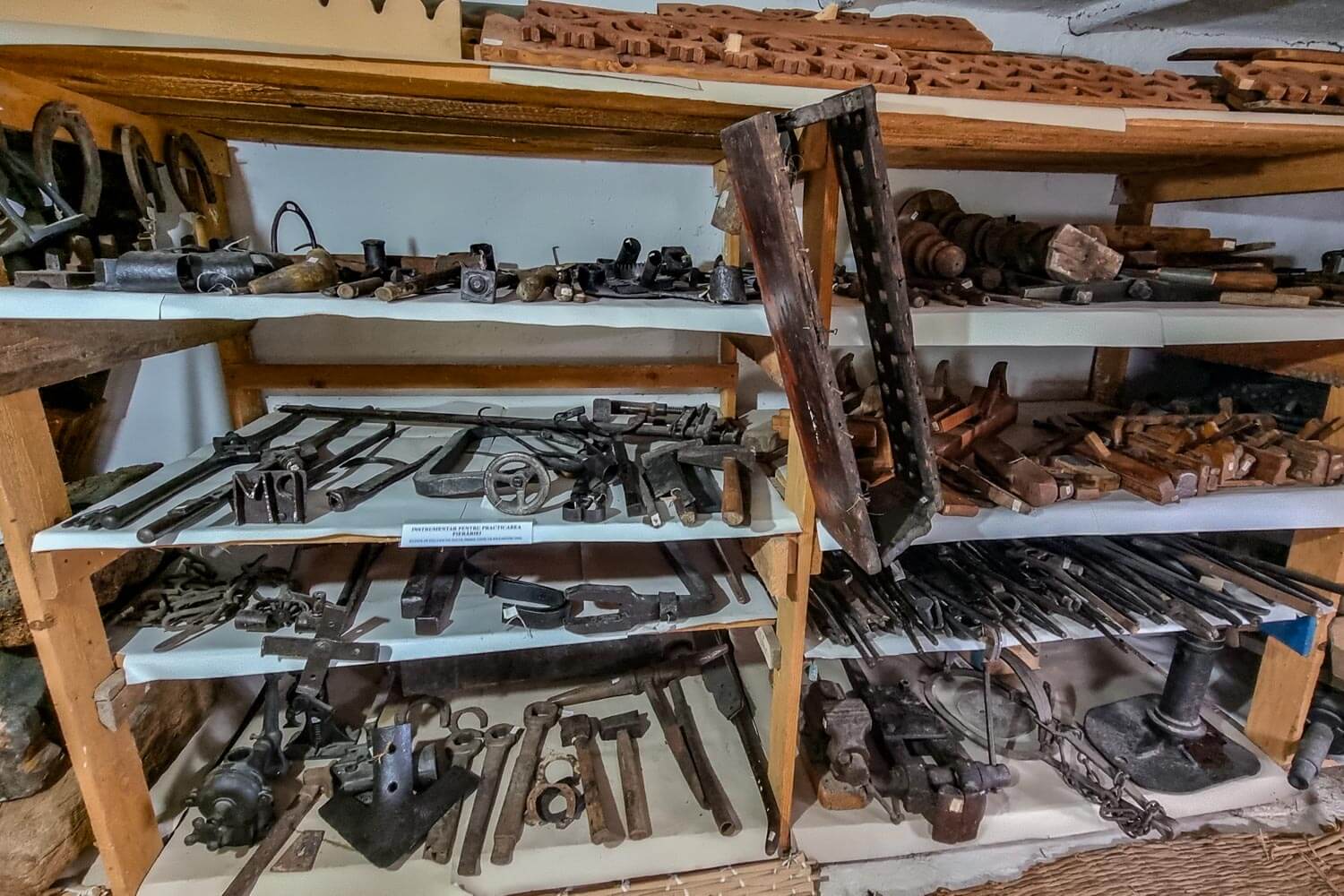
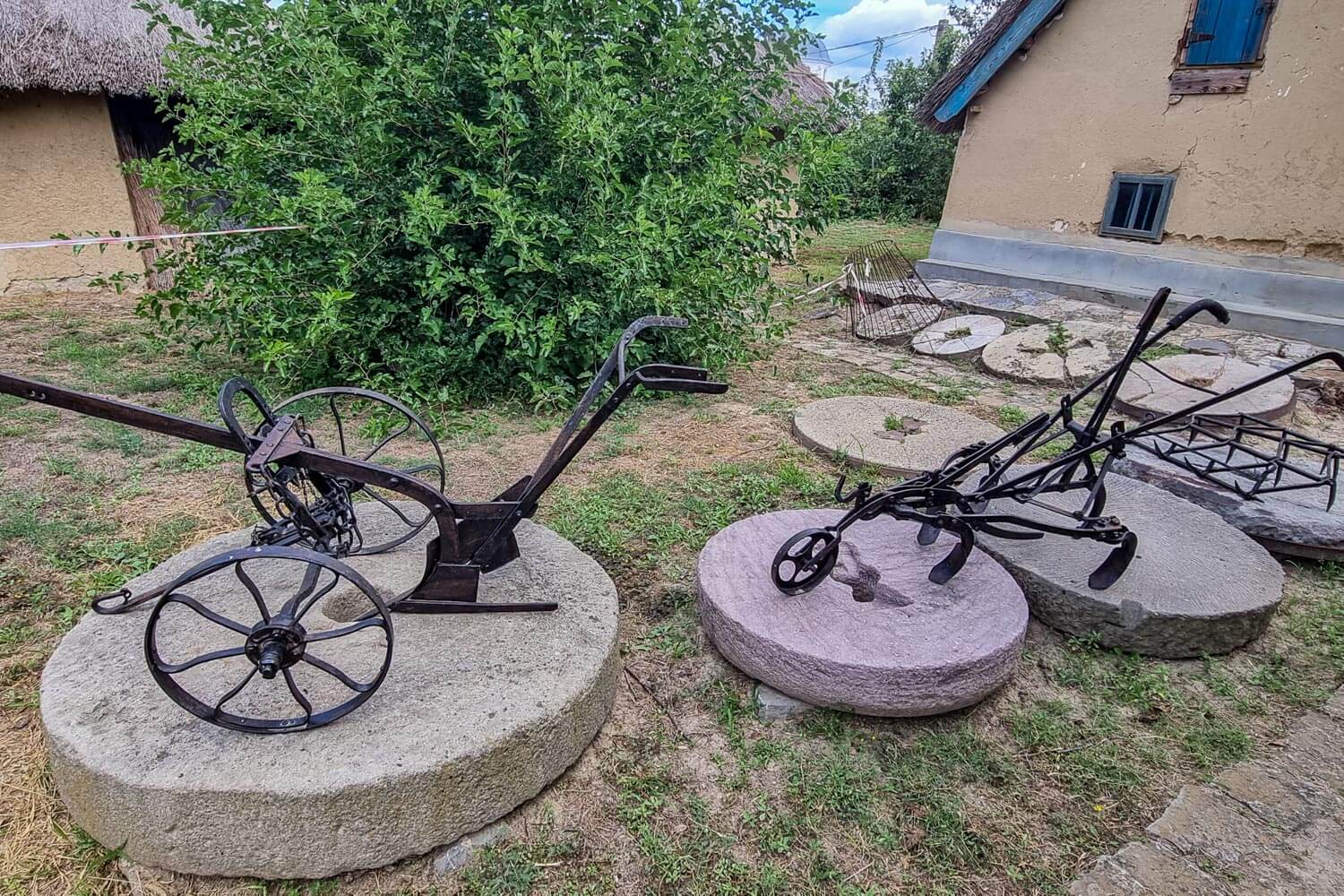
Around the house, reconstructed farm buildings restore the different working parts of the homestead. These include a stable, sheds, a summer kitchen and oven, a granary, pigeon house and well. Rather than standing empty, several of the buildings are used to display objects related to everyday rural occupations, including agricultural tools, fishing equipment, beekeeping and pottery implements, woodworking and cooperage tools, and equipment used for spinning, weaving and other household textile work.
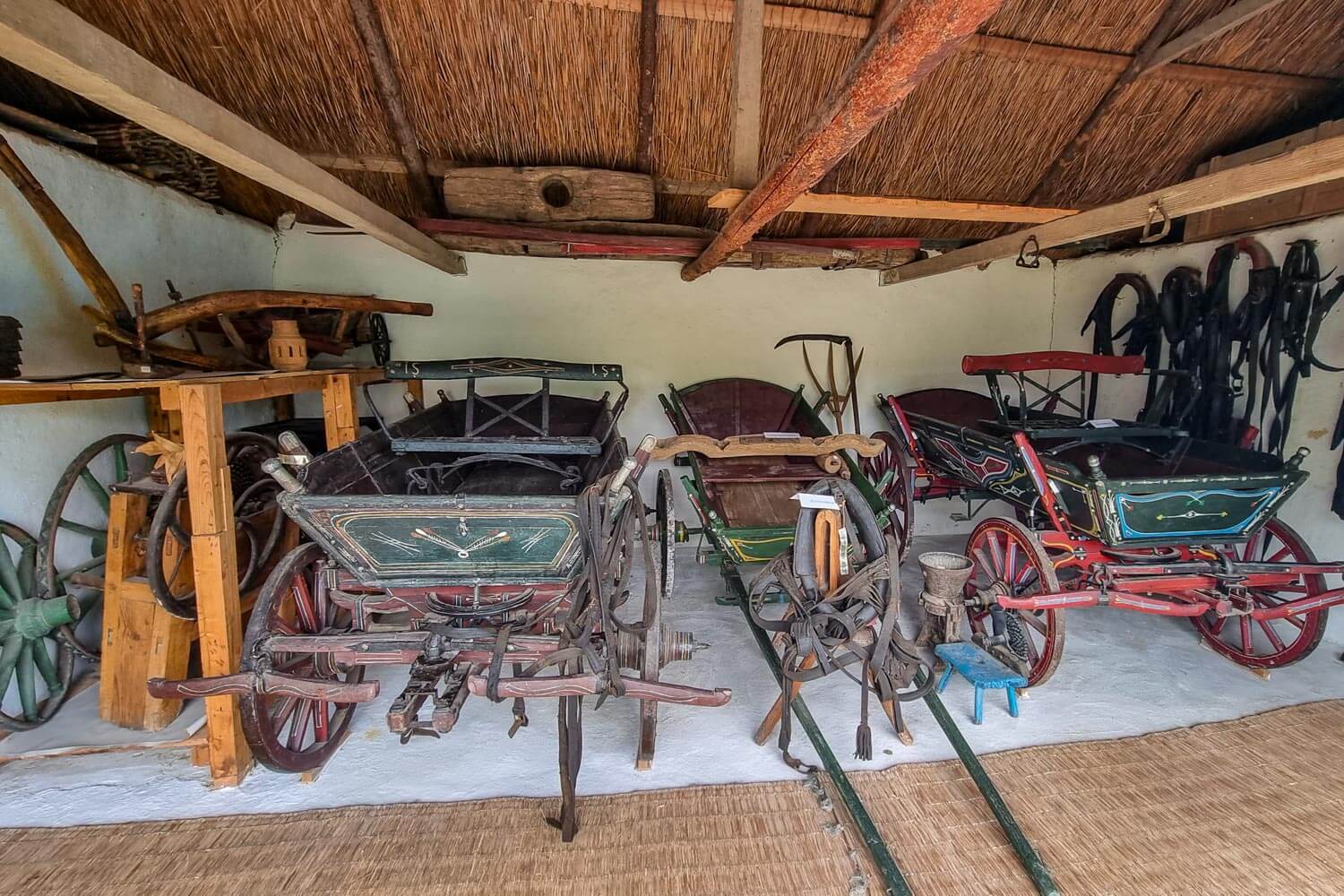
Among the more distinctive exhibits are painted Dobrogean carts, while the arrangement of the buildings helps explain how the household worked as a single unit. Animals, crops, food preparation, storage and craftwork all occupied their own spaces around the courtyard, giving the museum more of the character of a lived-in farmstead than a conventional indoor collection.