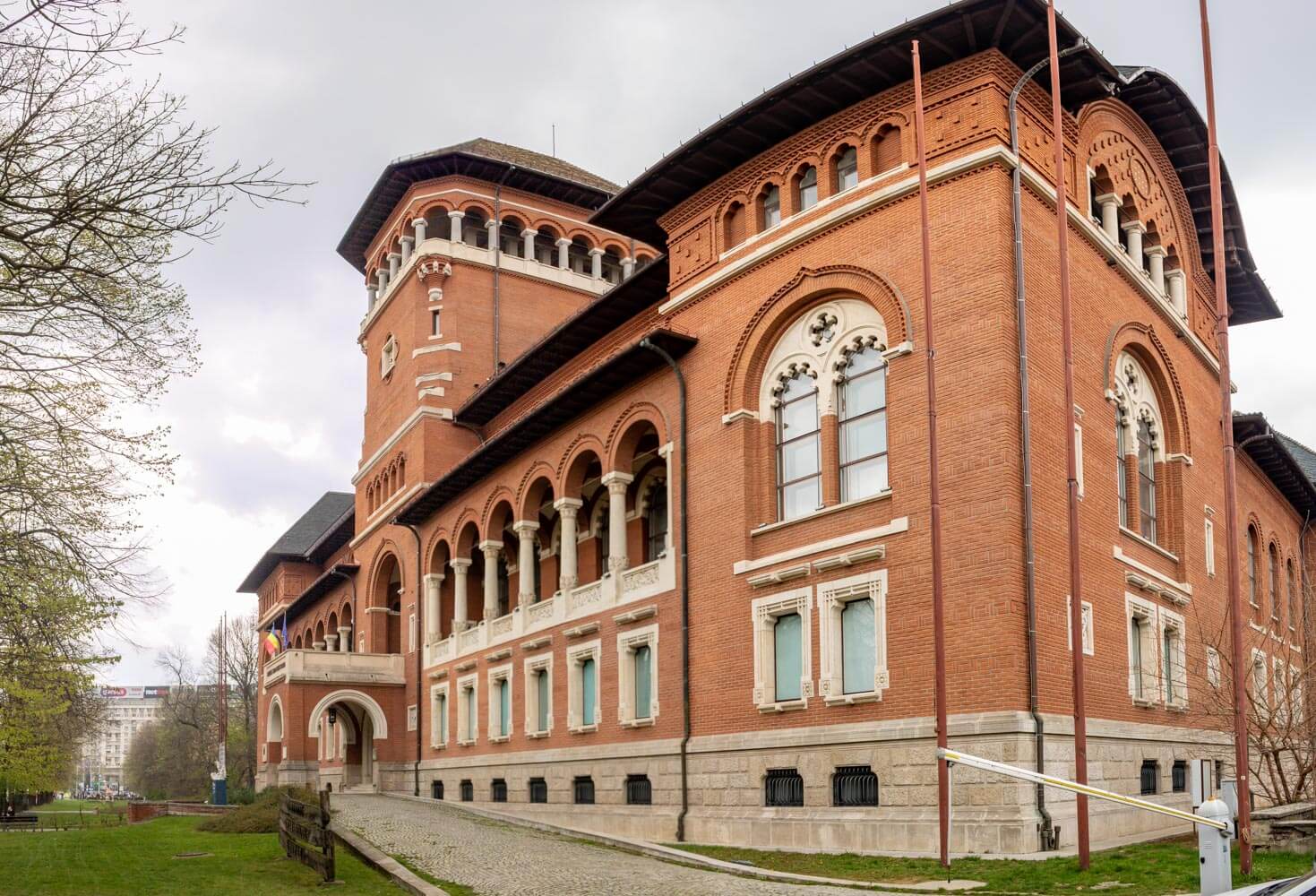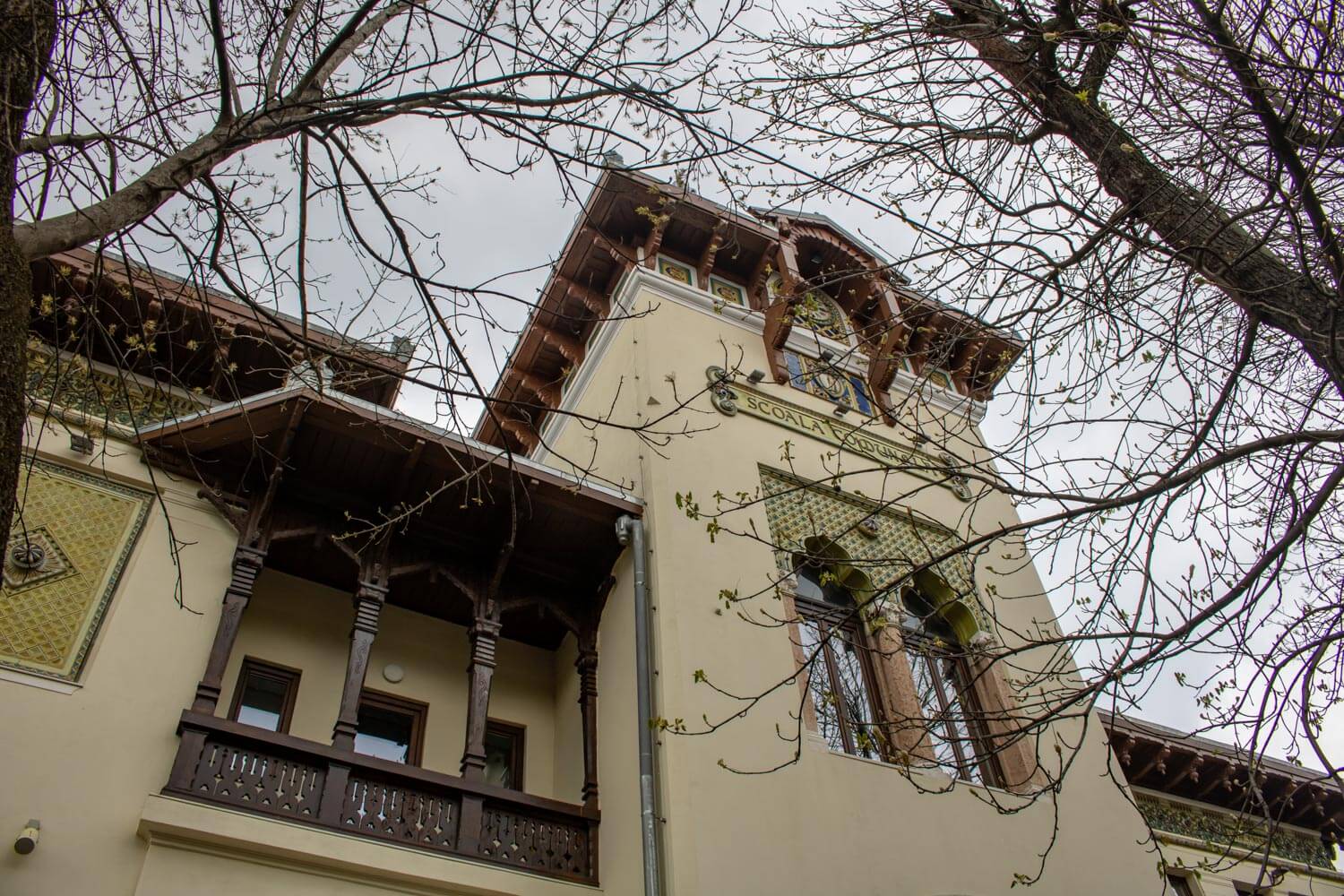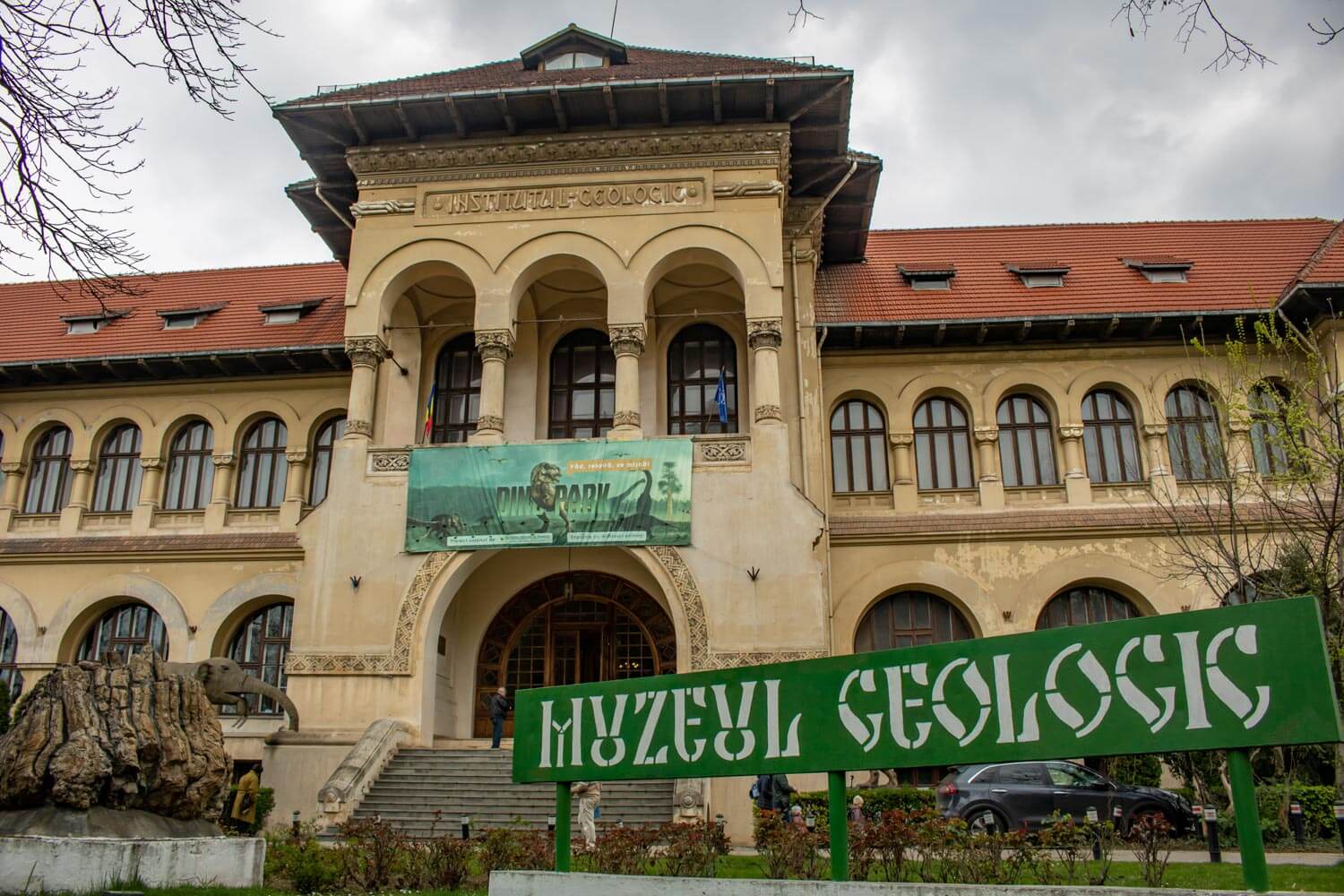


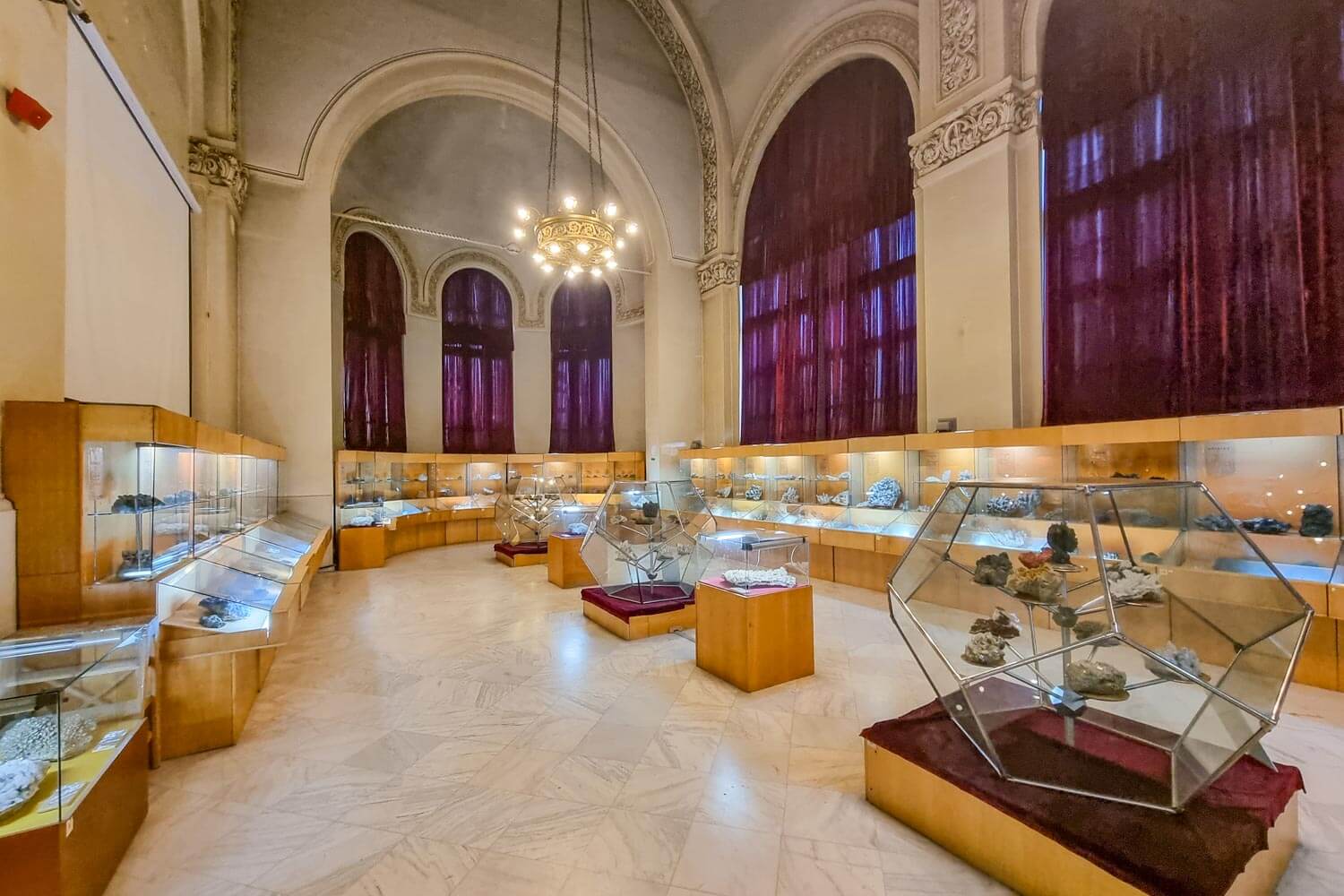
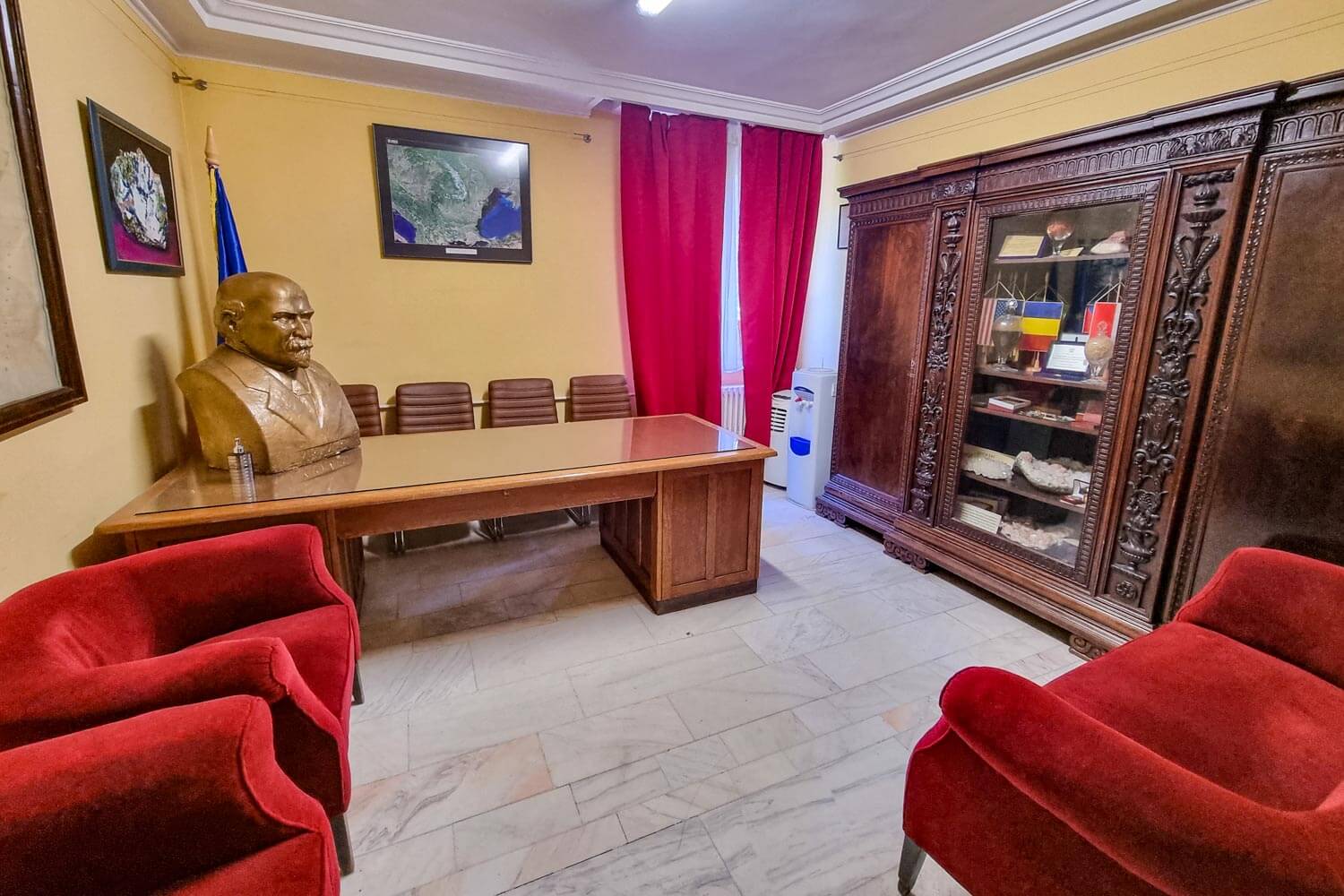
The National Geology Museum is located in a beautiful Neo-Brâncovenesc-style building on Şoseaua Kiseleff, between Kiseleff Park and Victory Square in central Bucharest. It was originally built in 1906 by Victor Ştefănescu to house the Geological Institute of Romania.
To display its collection of rocks and minerals to the public, at first, a small hall was established for visitors. Although the collection grew and attempts had been made to establish a museum, there were several drawbacks. Due to war damages and earthquakes, the building got severely damaged, and to protect the collection it had to be moved elsewhere. In 1983 a massive restoration project was started to bring the building back in accordance with its original appearance, but with the requirements that it should be able to accommodate a large number of visitors.
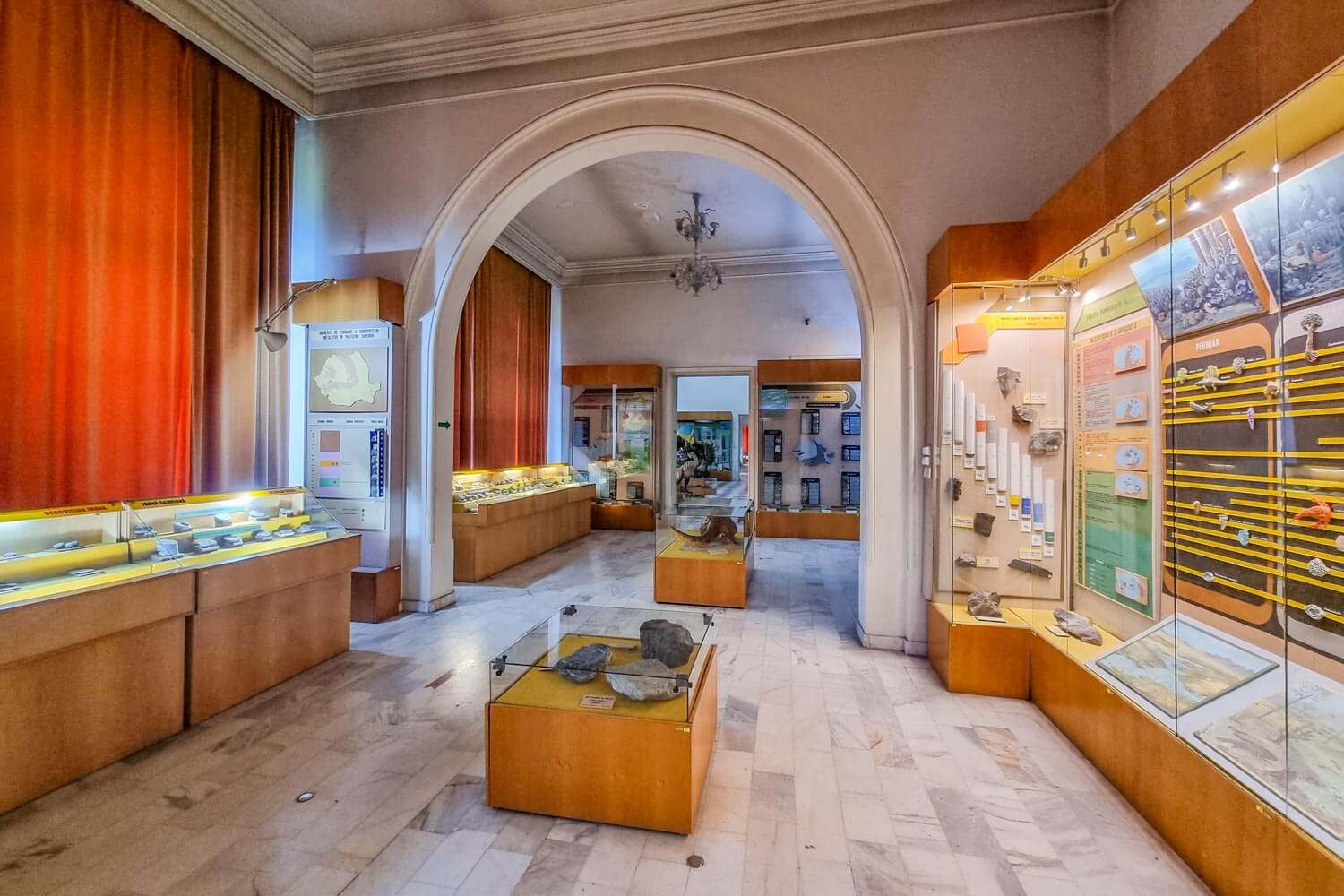
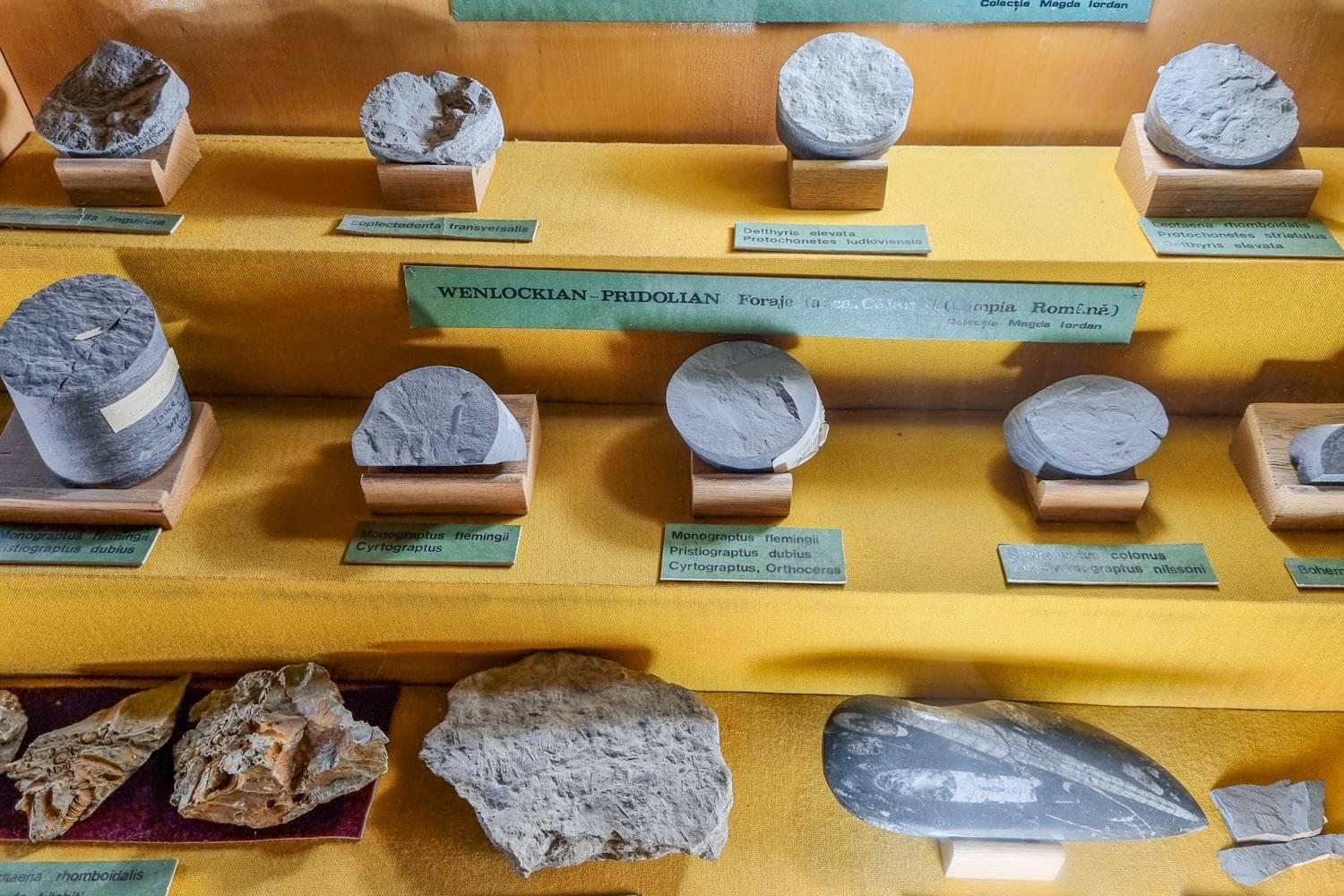
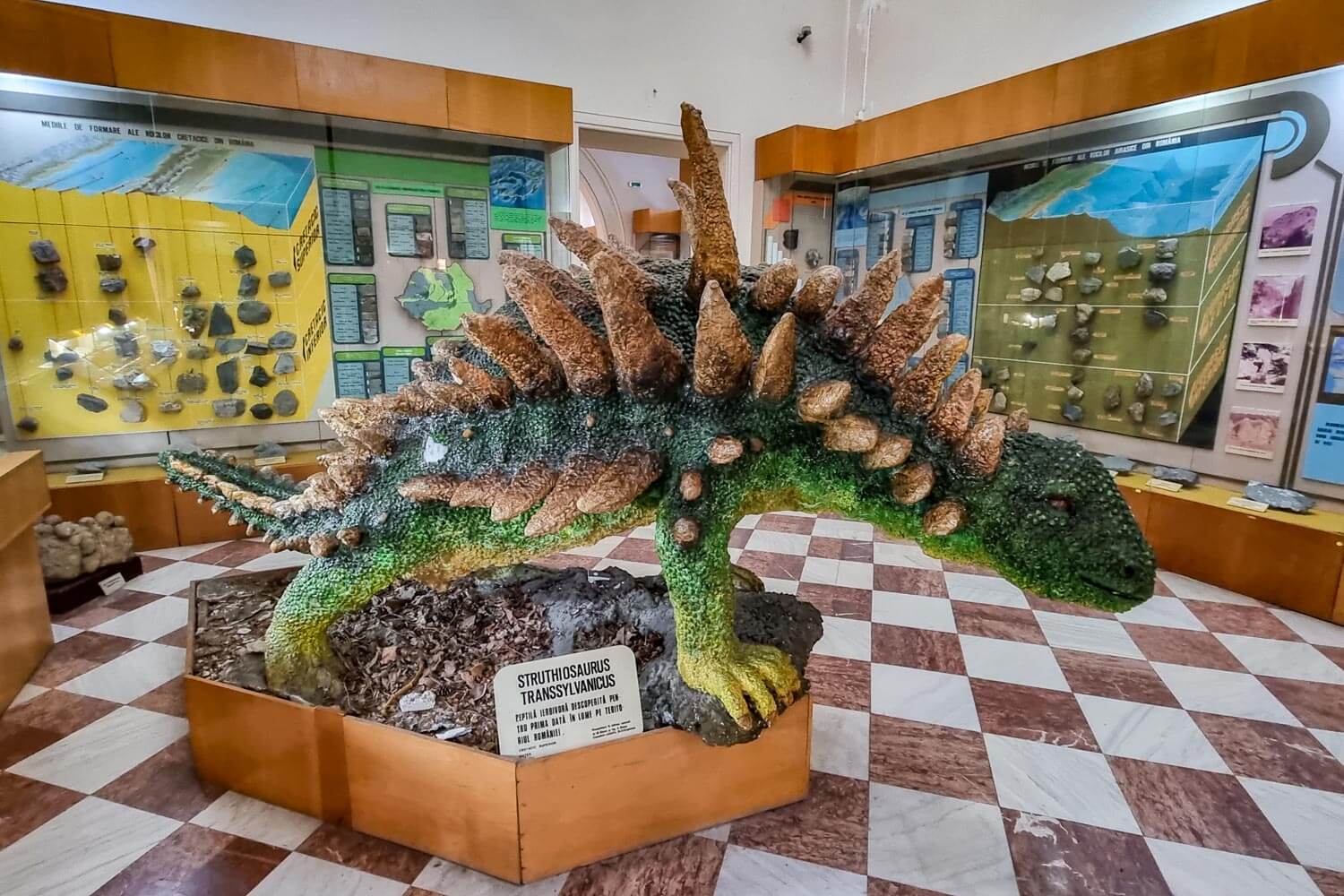
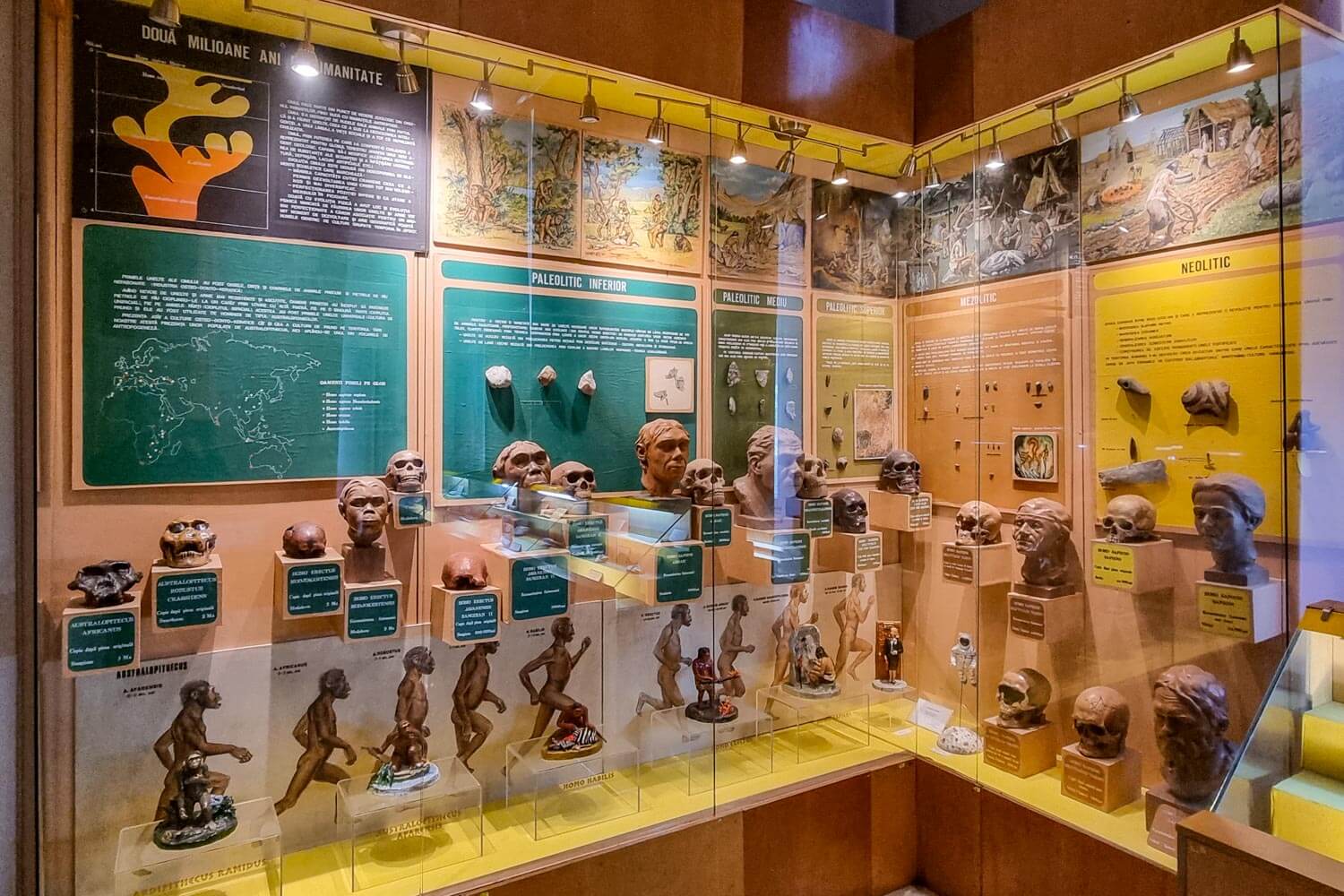
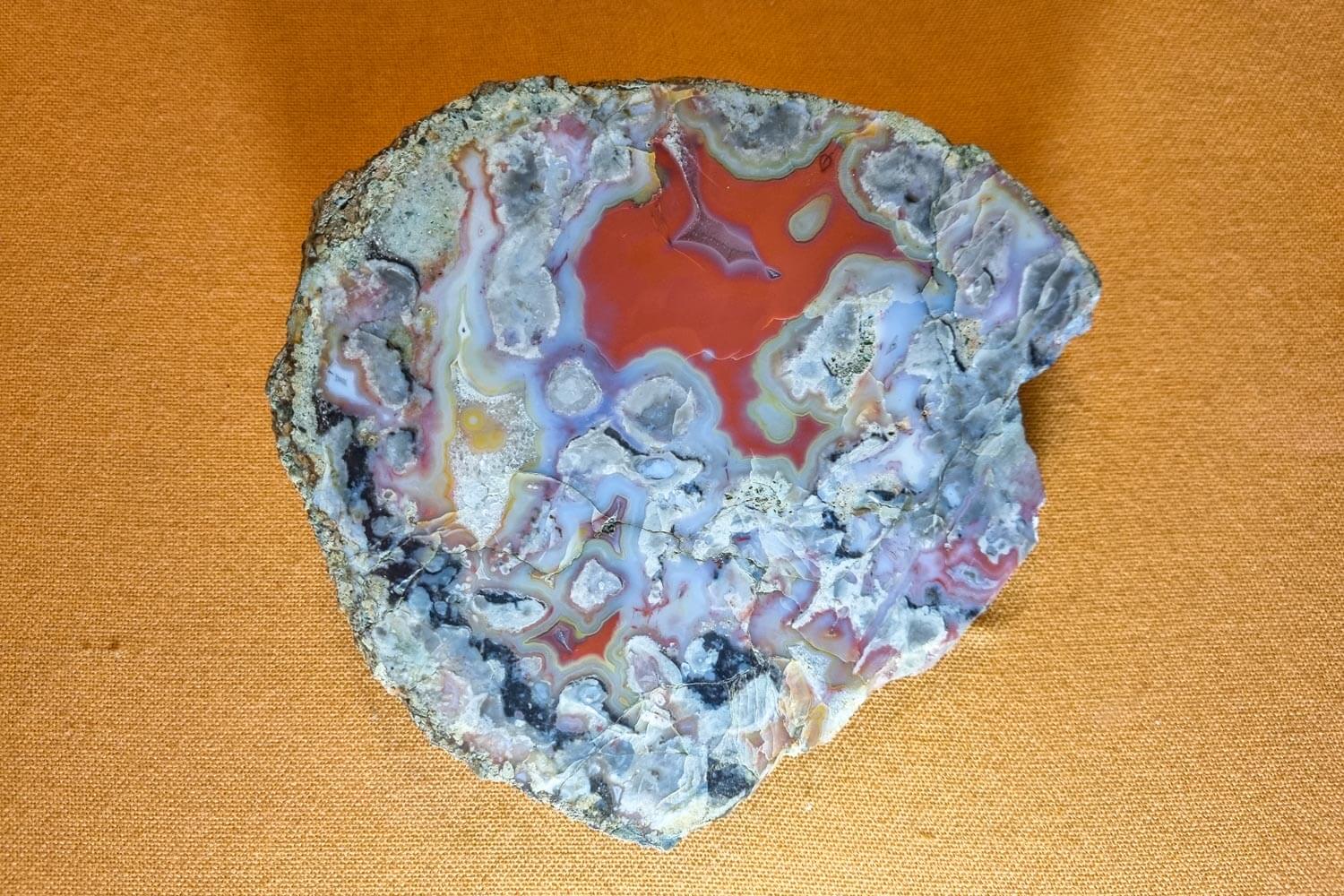
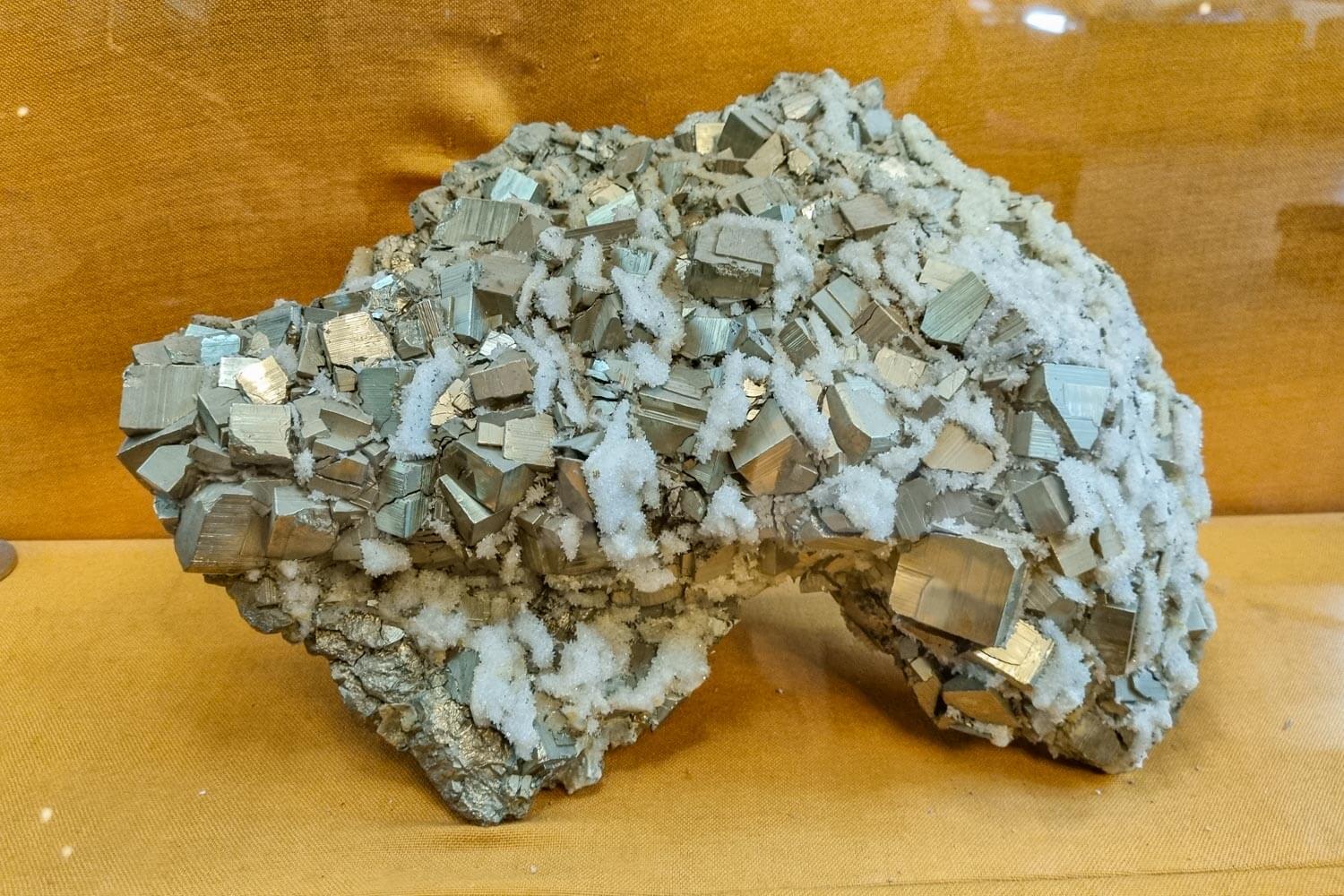
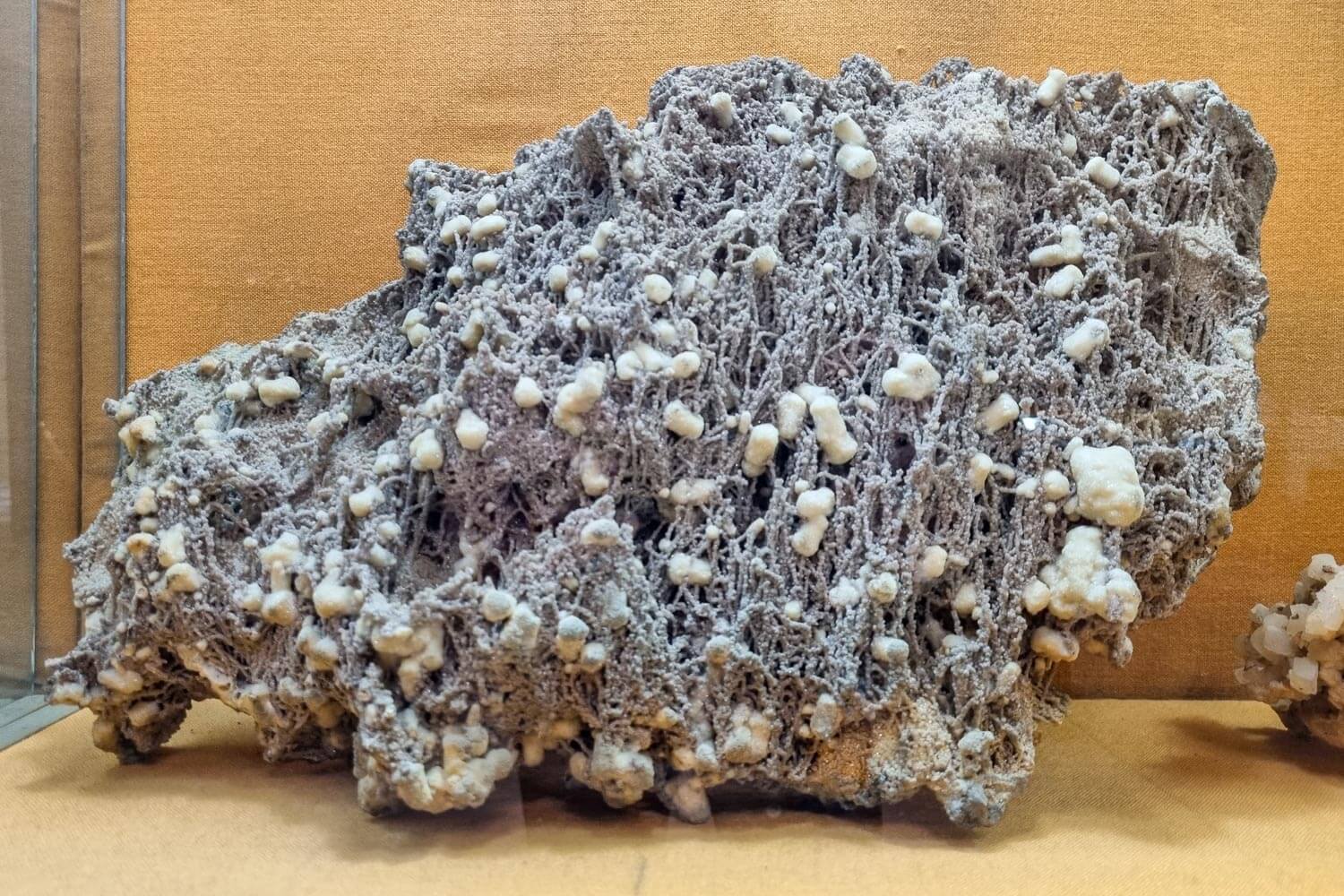
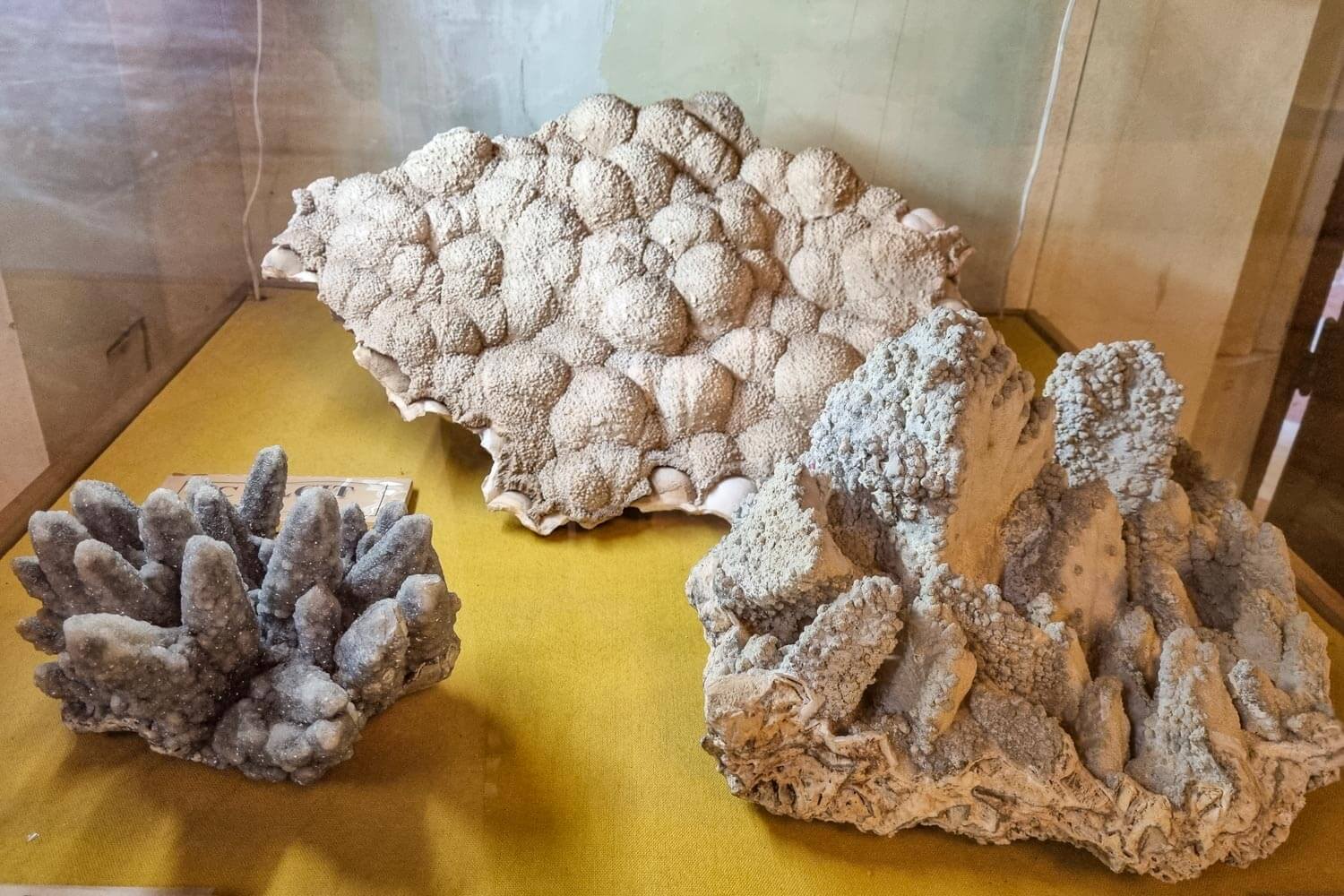
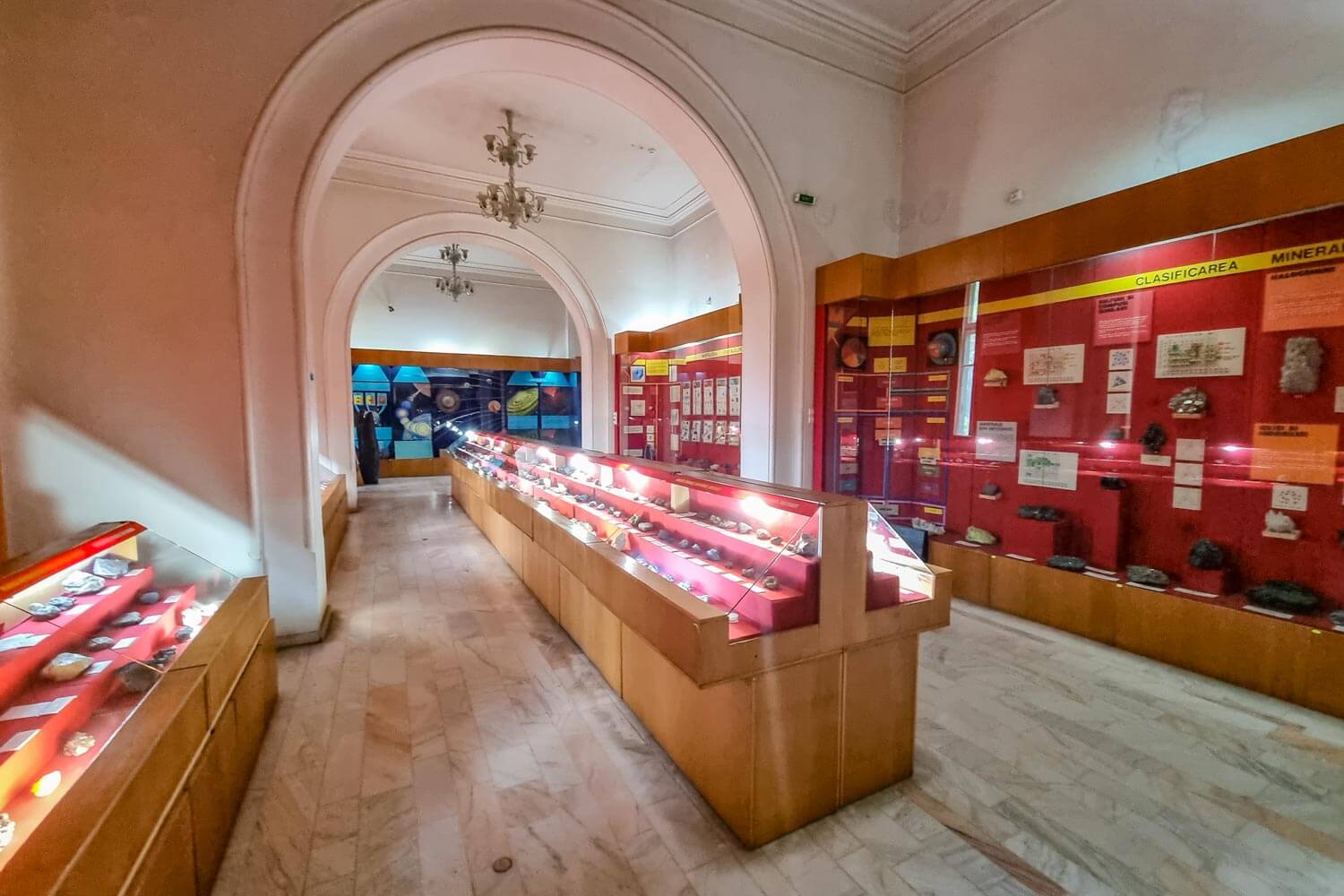
In 1990 the museum opened its doors and now hosts a collection of 85,000 samples of rocks, fossils, and minerals from around Romania. Inside the museum you can also learn a lot about the emergence of planets, minerals and rocks, and the evolution of humans and other life on earth.
Another place to find a secret geological treasure, is at Politehnica Metro Station. Hidden in plain view, the marble platform floor contains fossils that are 80 million years old.