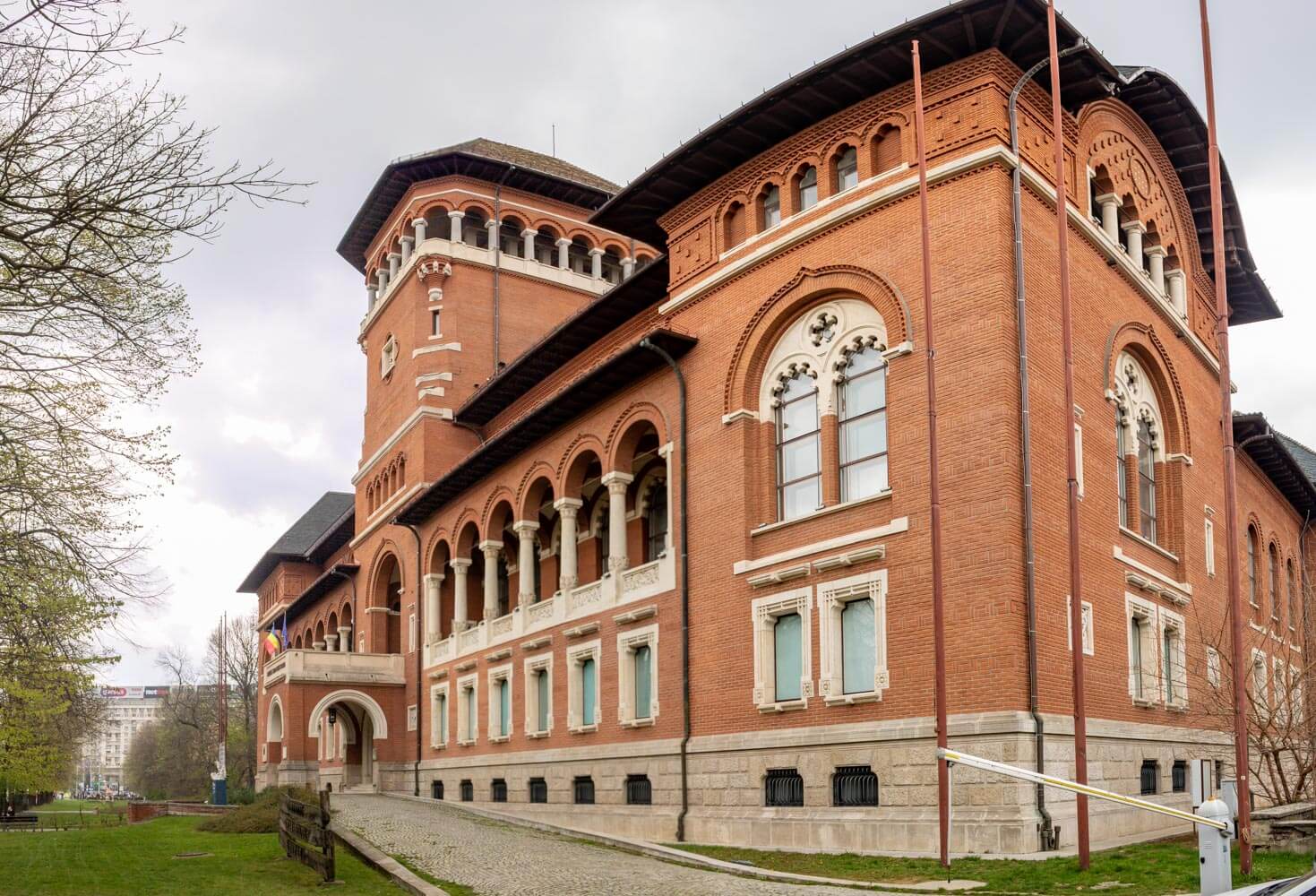
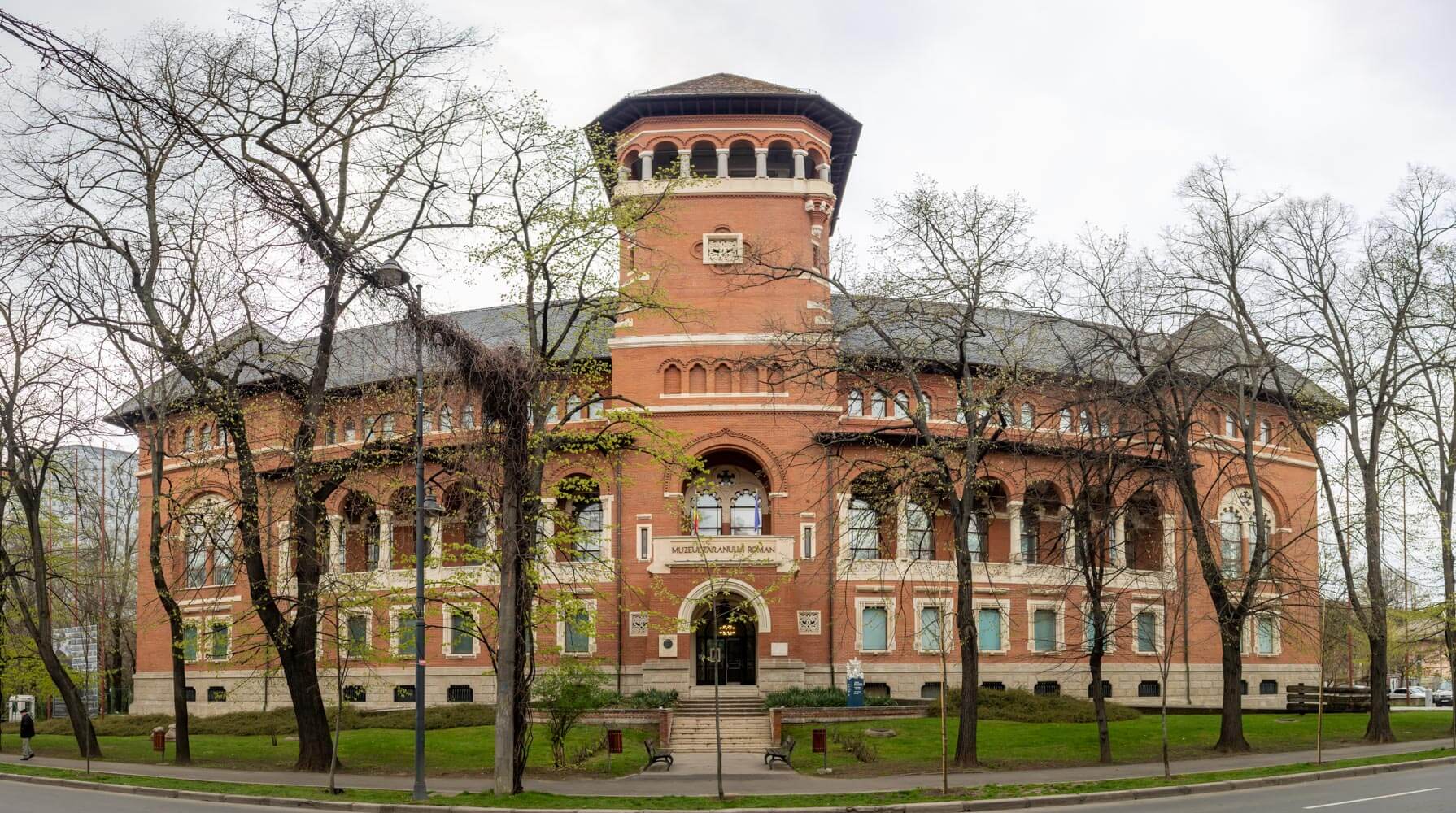
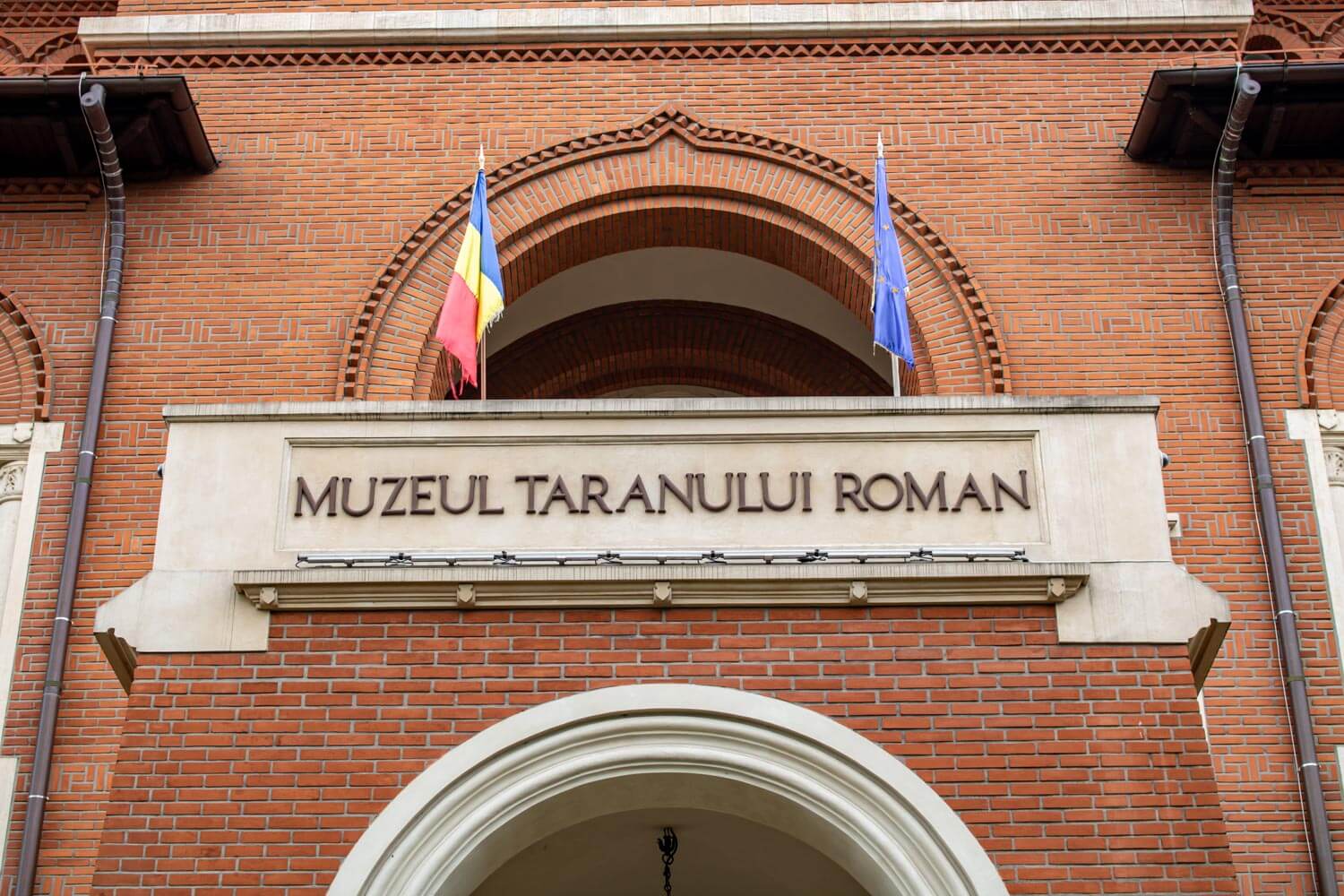
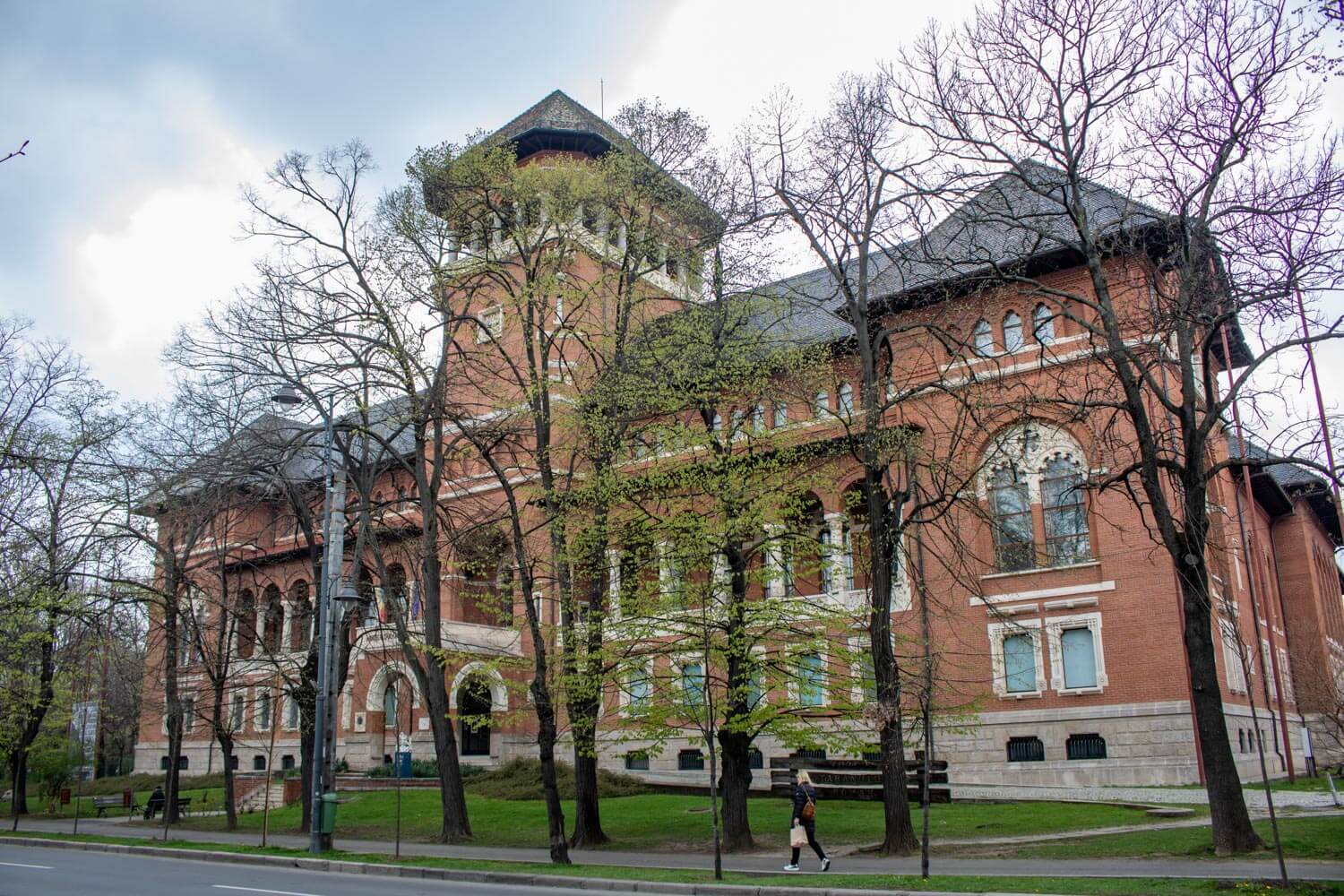
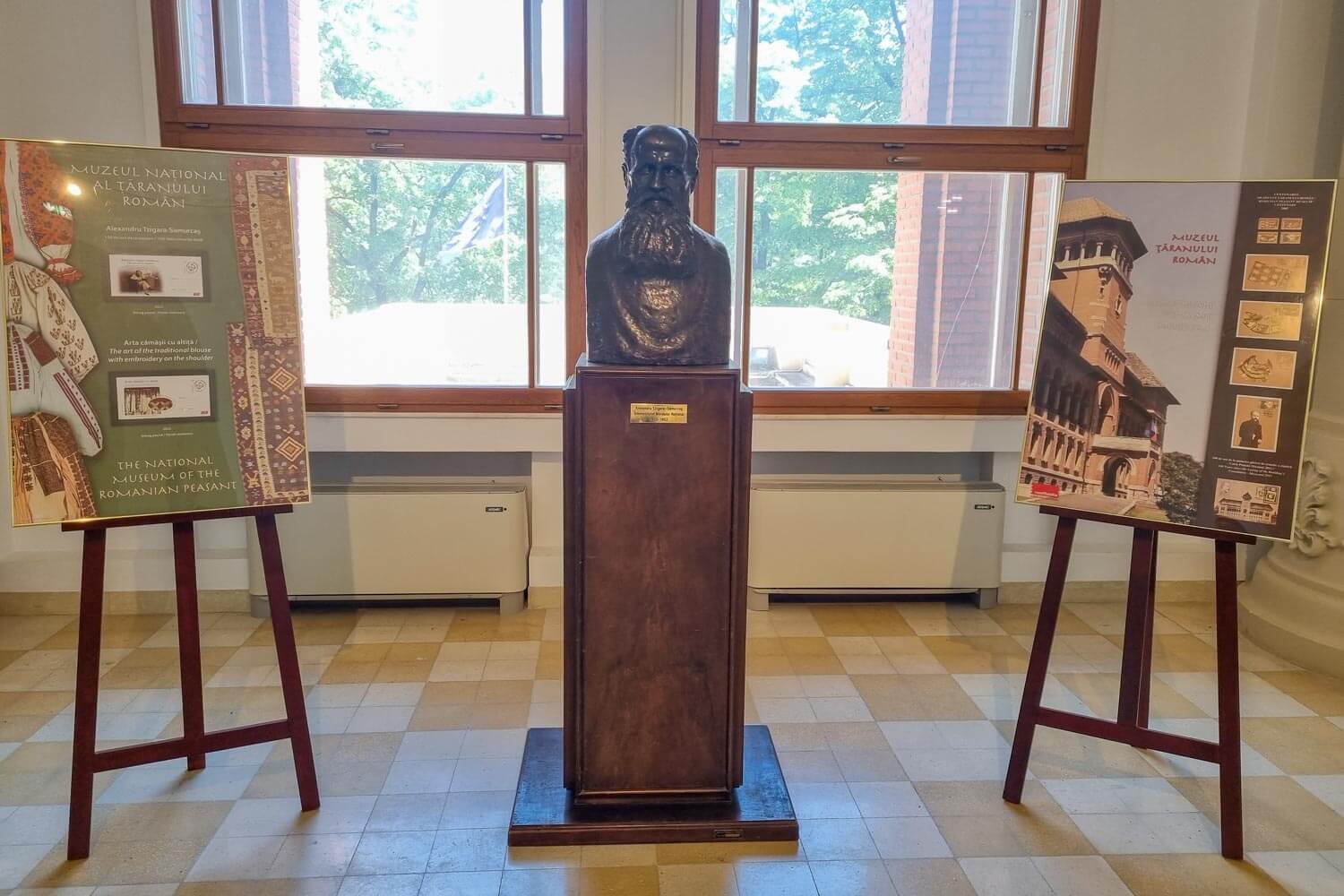
The National Museum of the Romanian Peasant (Muzeul Național al Țăranului Român) is an ethnographic museum about Romanian peasant life, located near Victory Square in Bucharest.
History Of The National Museum of the Romanian Peasant
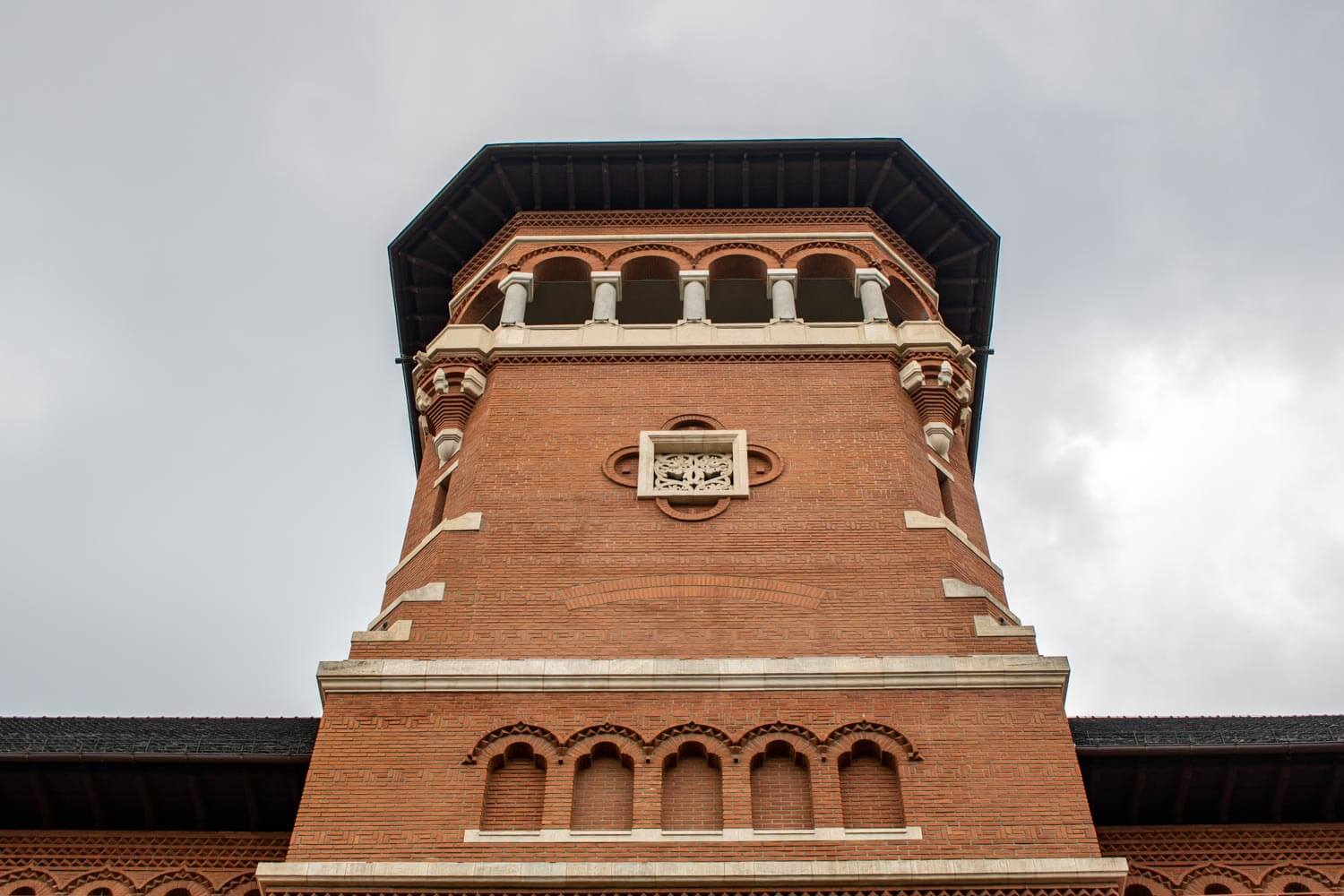
The museum was founded in 1906 as the Museum of Ethnography, National Art, Decorative Art, and Industrial Art and changed names several times before it got its current name in 2007. The building in which the museum is located was designed in a Neo-Romanian style by the architect Nicolae Ghika-Budești. Its construction started in 1912 but due to several interruptions of the works, it was inaugurated only 29 years later, in 1941. In the 1960s the building was extended with office spaces and auxiliary rooms.
During the Communist era, the building housed a museum about the Communist party, and some of the artifacts that were exhibited are still maintained in the current museum. The original museum was reopened again on 5 February 1990, only weeks after the Revolution of December 1989. However the museum was damaged during riots in June 1990 as it was confused with the headquarters of the National Peasants’ Party.
Visiting The National Museum of the Romanian Peasant
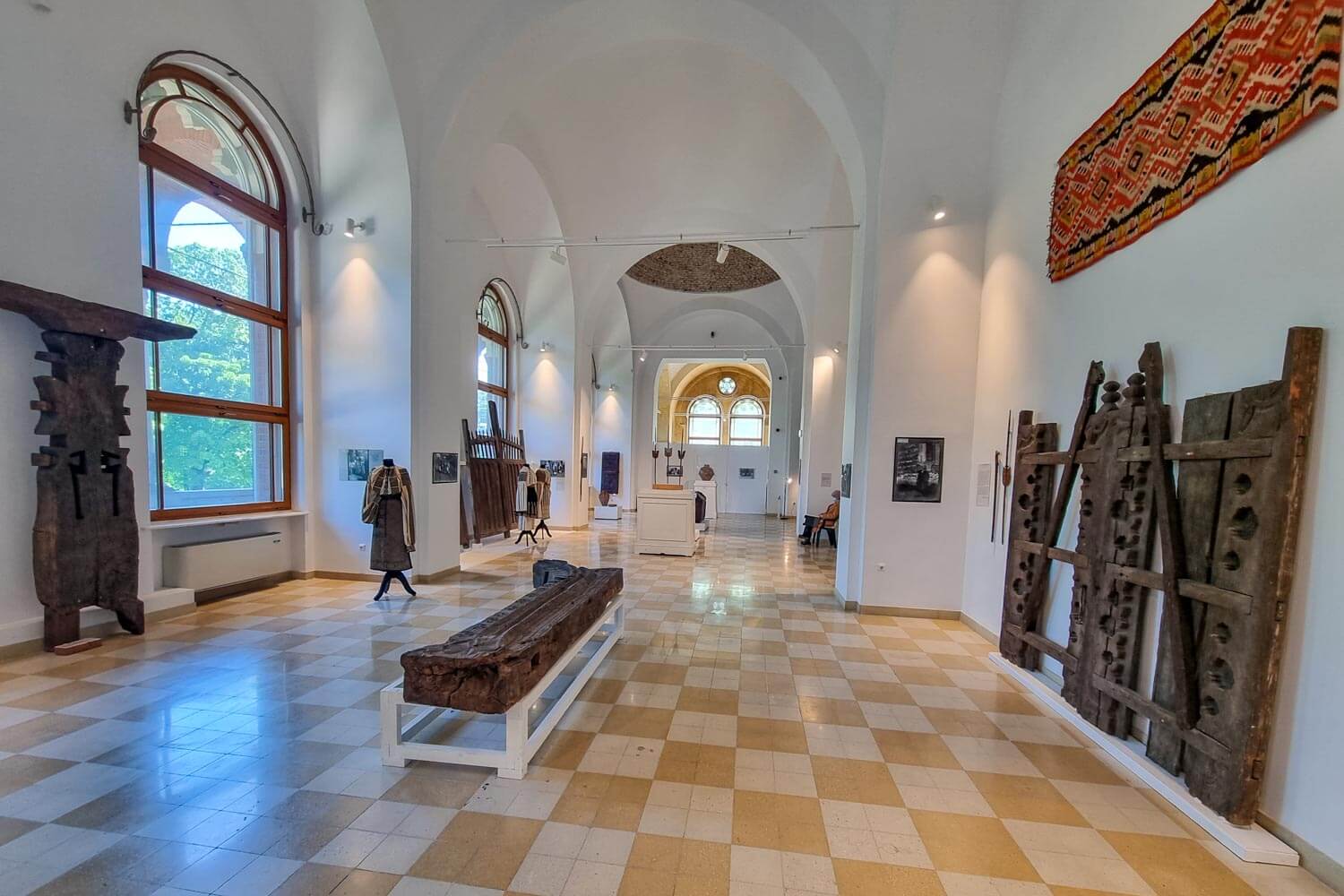
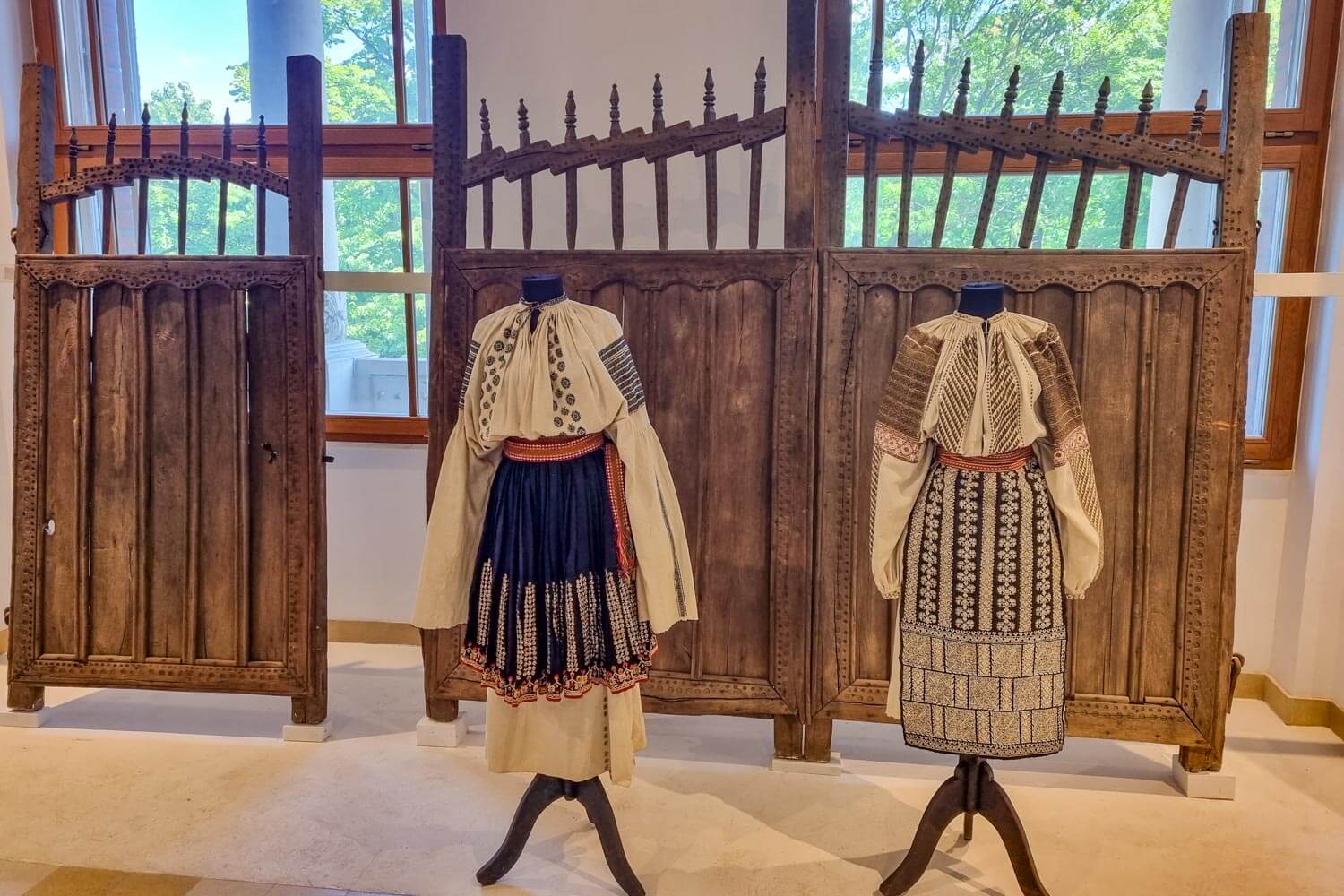
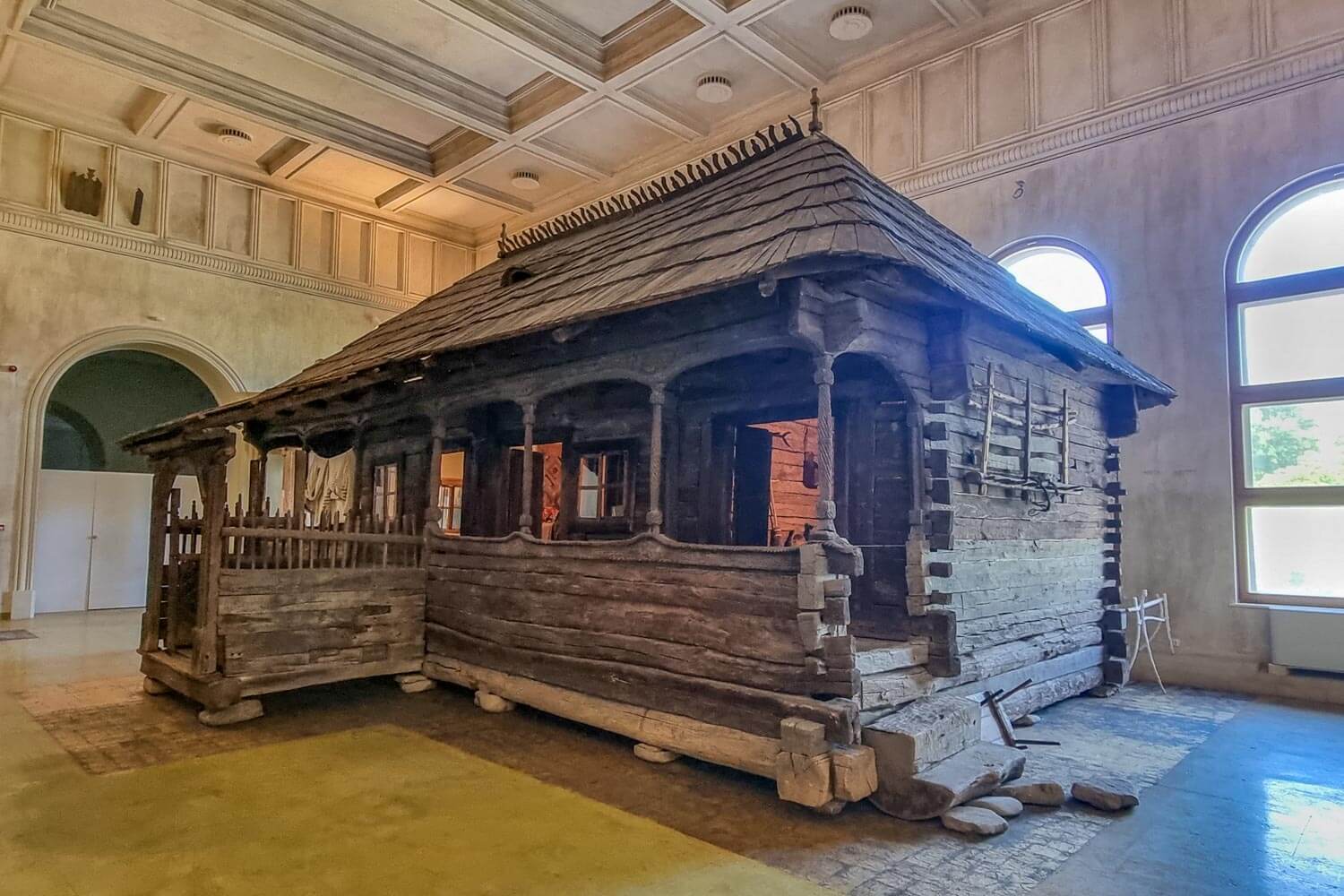
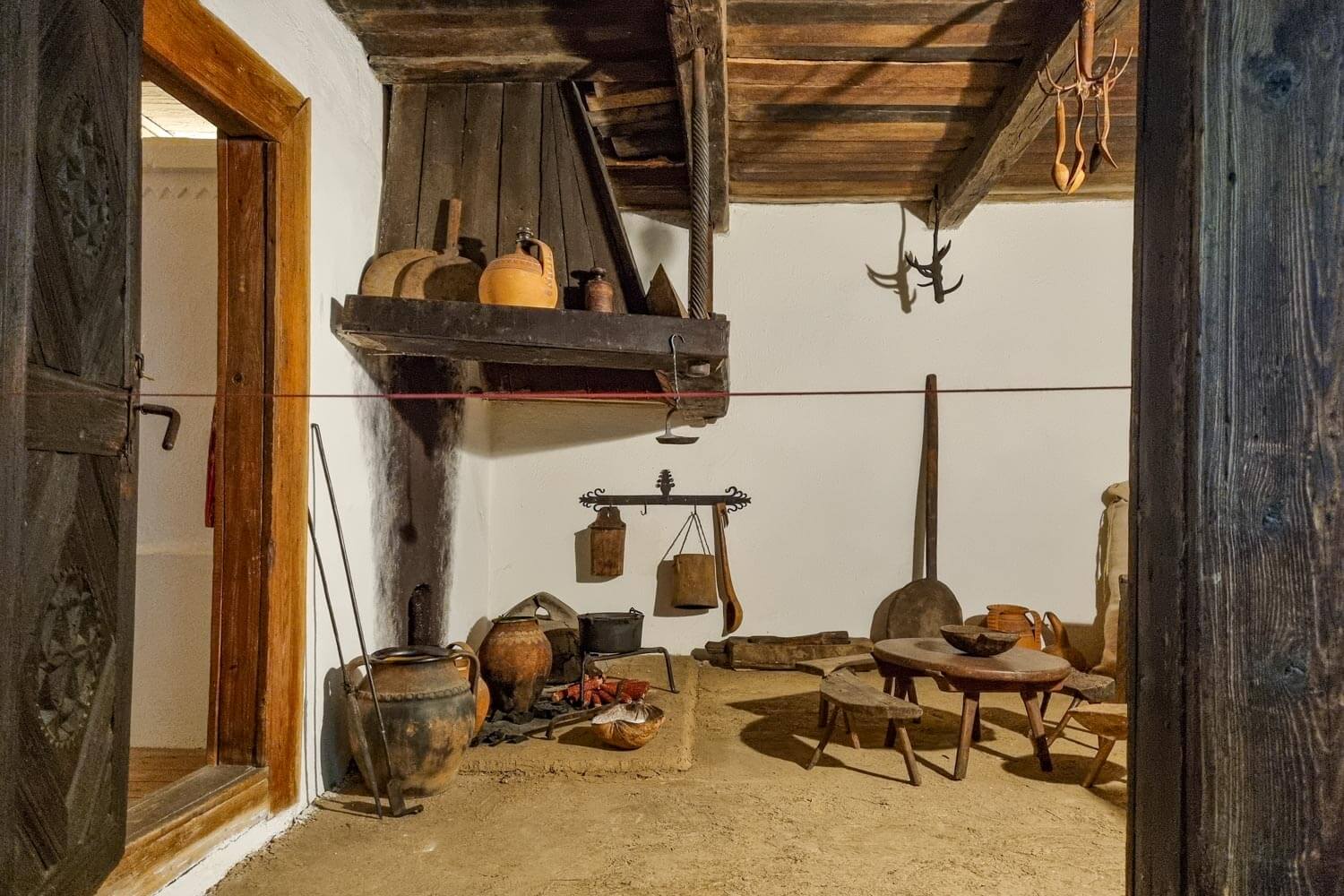
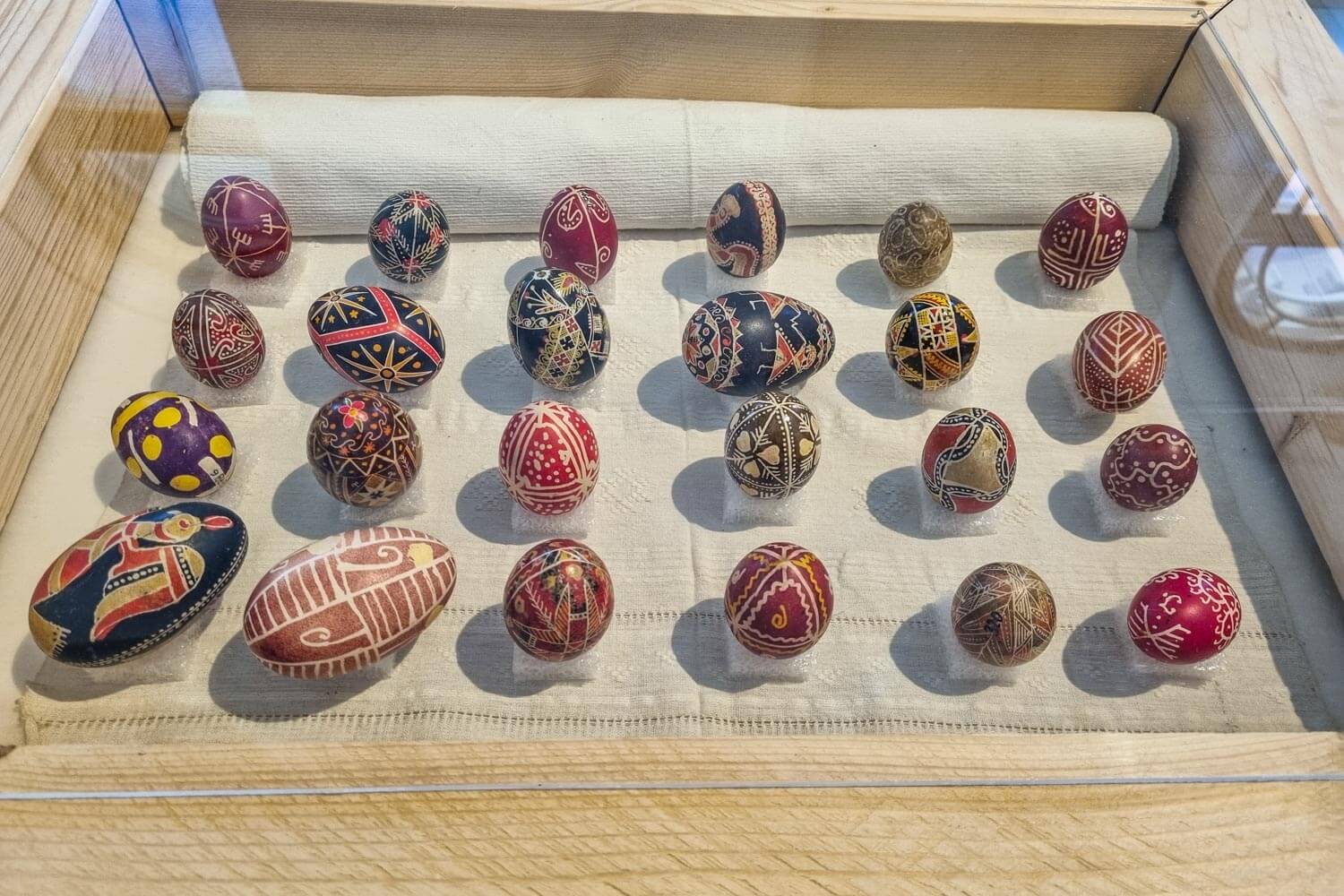
The museum has a collection of over 100,000 objects depicting rural peasant life in Romania, including ceramics, traditional clothing, fabrics, wood sculptures, furniture, art pieces, hardware, and barks. One of the main exhibits is the “house within a house”, a traditional wooden peasant’s house of which part of the exterior is stripped away, so you can look at the traditional interior and furnuture. From a platform you can look into the interior of the attic as well.
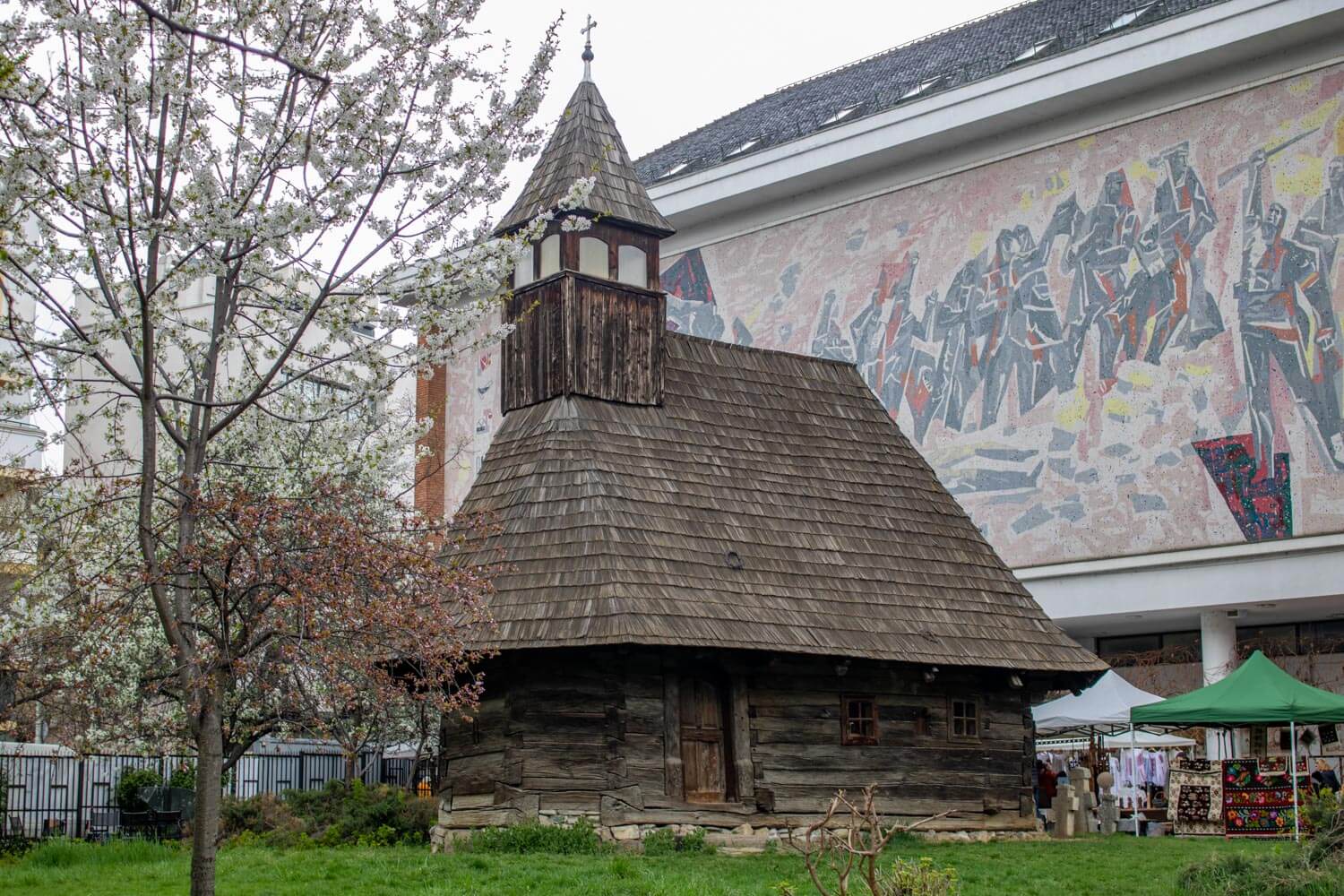
In the courtyard of the museum stands a wooden church from the 18th century, which was brought to the museum in 1992. In 1996, the National Museum of the Romanian Peasant won the European Museum of the Year Award.
If you like this museum, you might also want to visit the National Village Museum, an open-air museum with over 300 traditional houses from all over Romania. For more archaeological objects and to learn more about the history of Romania from prehistoric to modern times, you can also visit the National Museum of Romanian History.