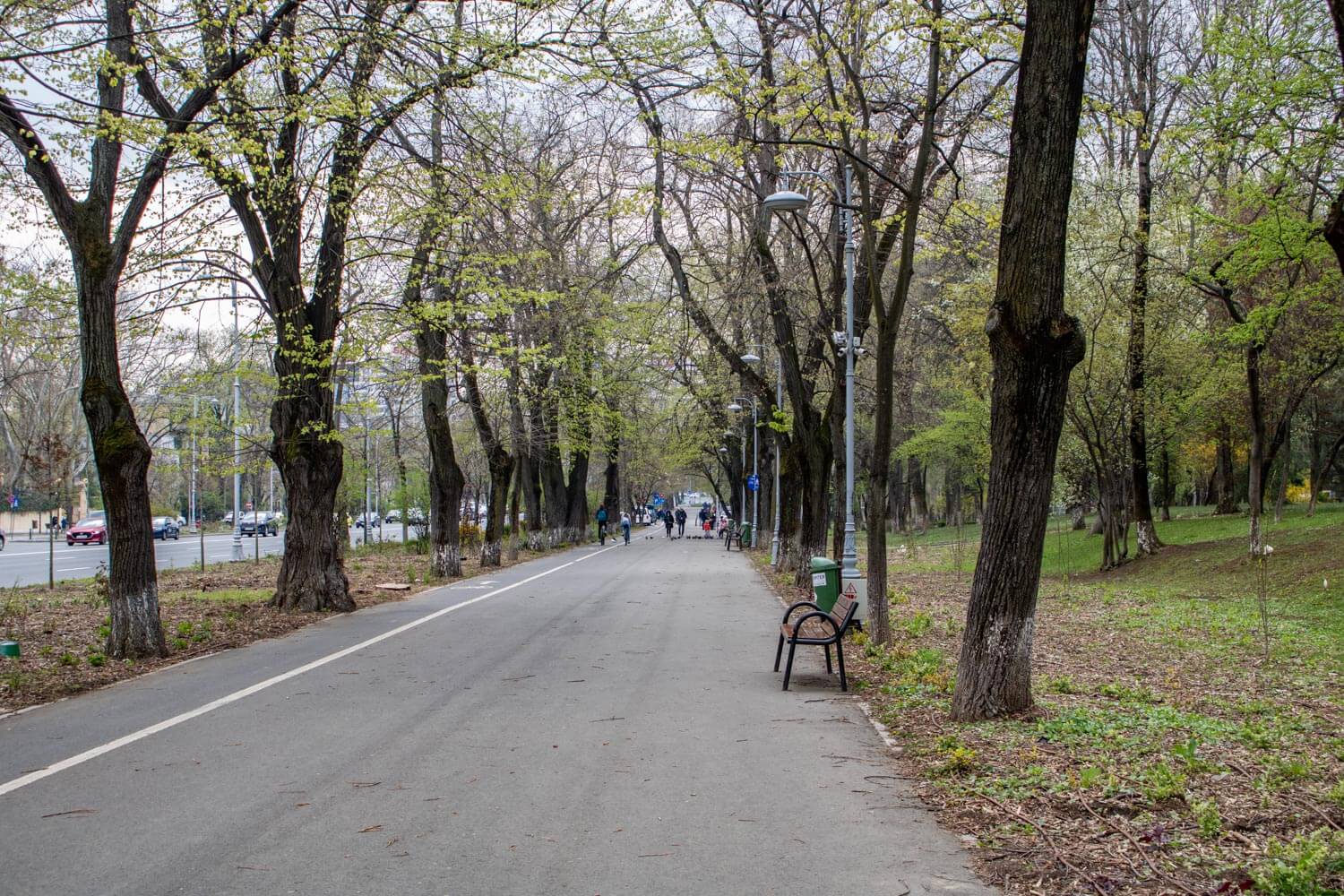
The Kiseleff Park (Parcul Kiseleff) is an urban park flanking both sides of Pavel D. Kiseleff Road in Bucharest.
The park was laid out around 1832, when Kiseleff Road was built. The architect was Wilhelm Mayer from Vienna, who was also involved in the development of the Cișmigiu Garden.
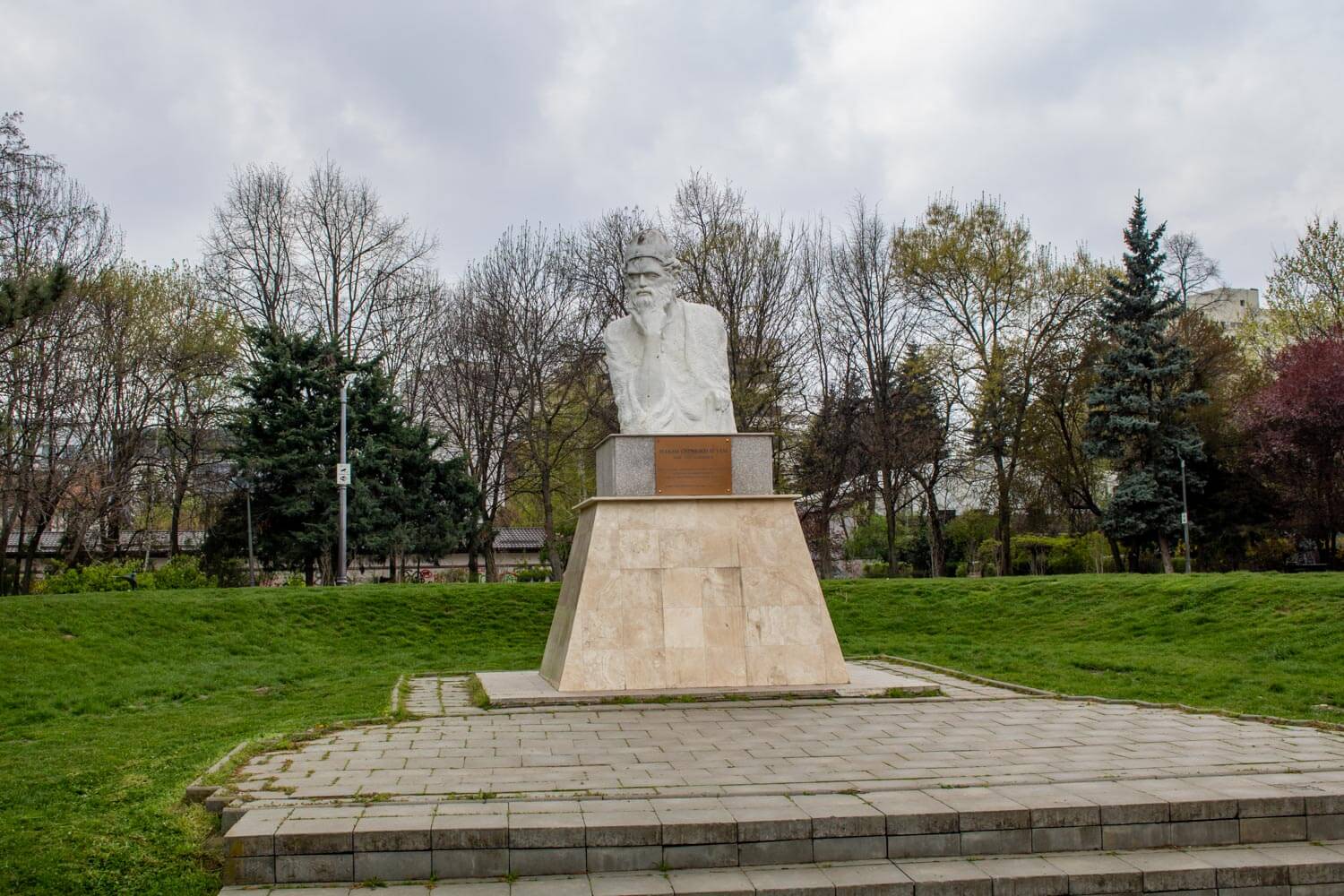
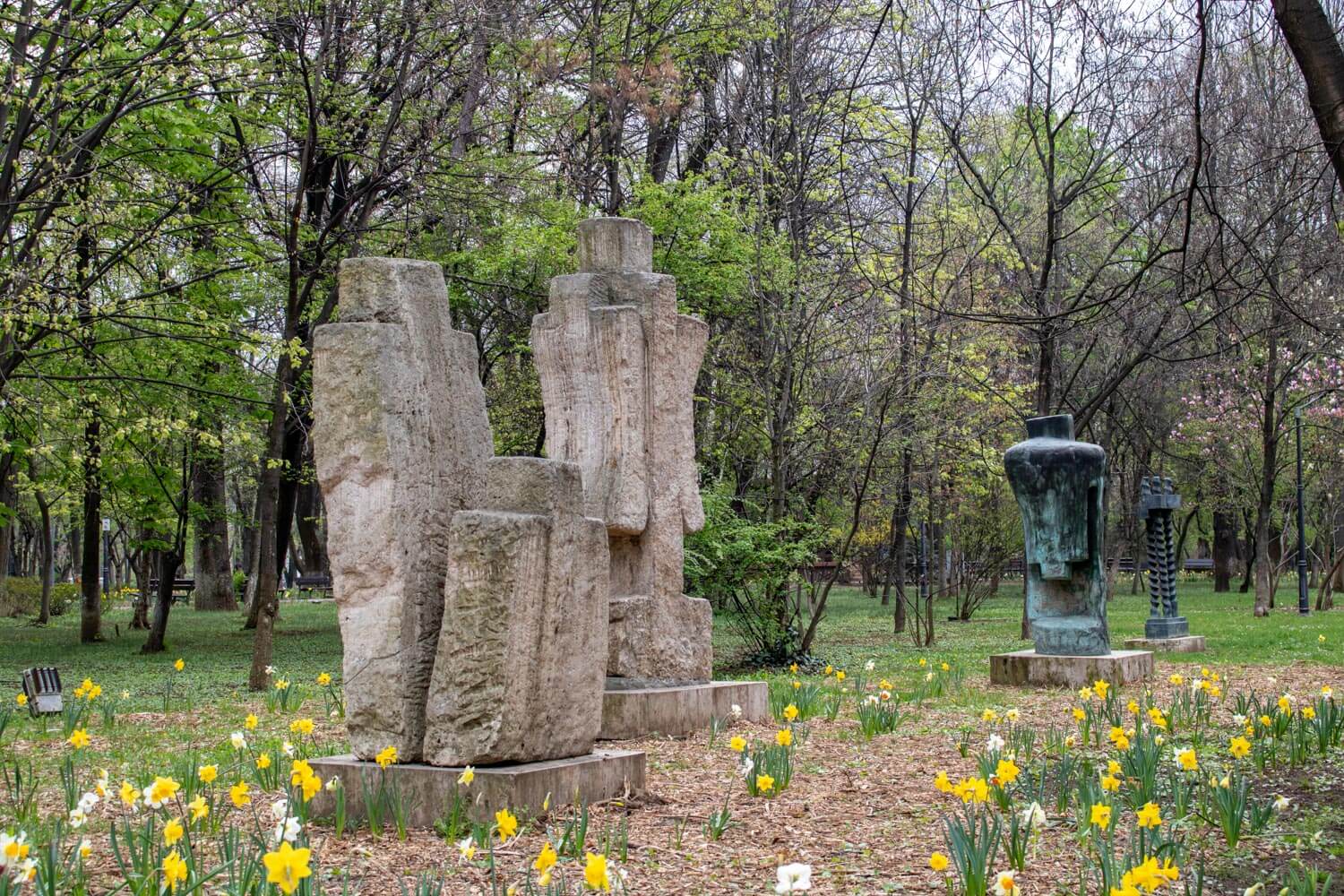
The park currently measures almost 3.2 hectares and scattered around the park are several statues representing historic figures, including the opera tenor Nicolae Leonard (1886-1928), the Roman poet Ovidiu (43 BC – 18/18 AD), and the writer and poet Barbu Ștefăn (1858-1918).
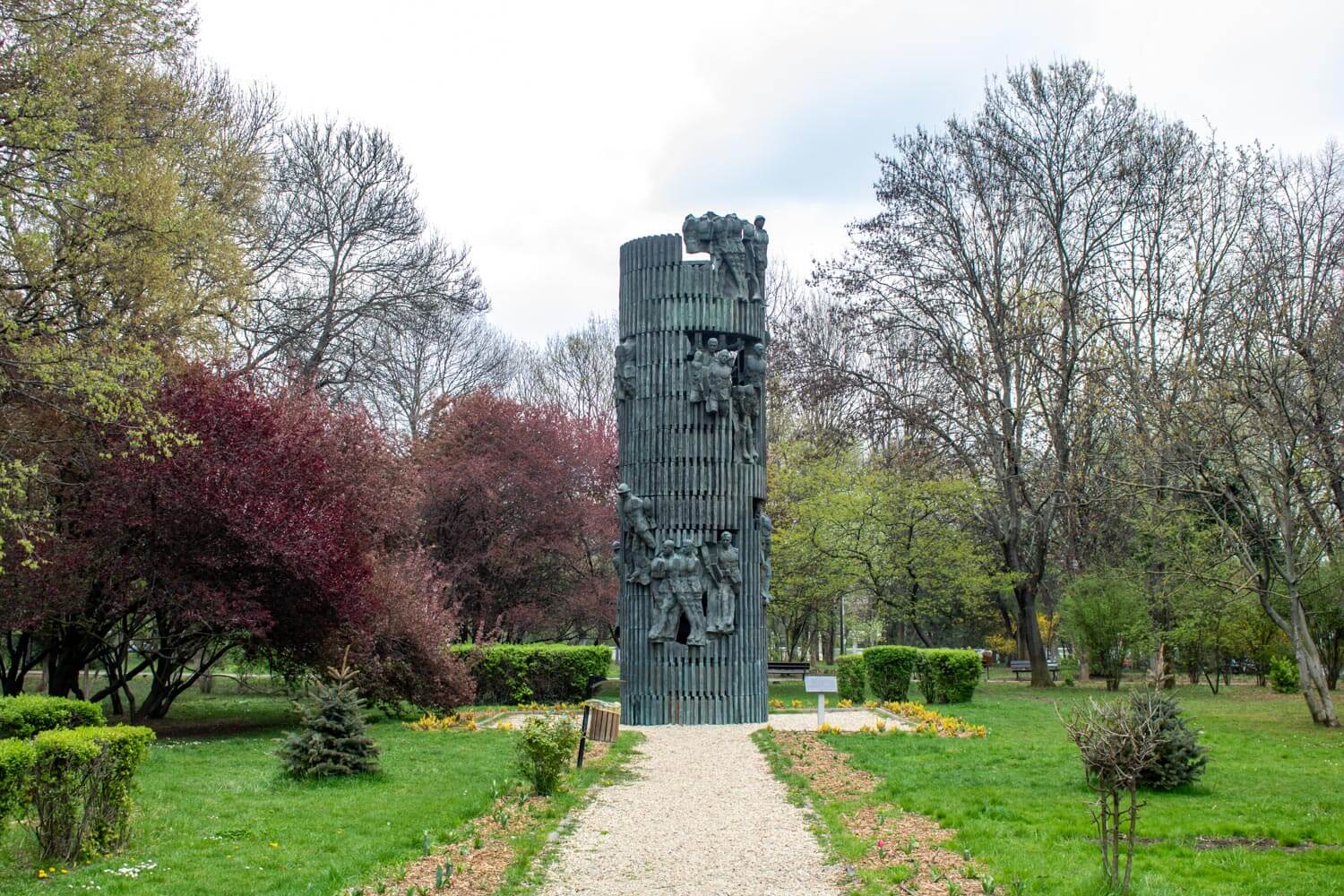
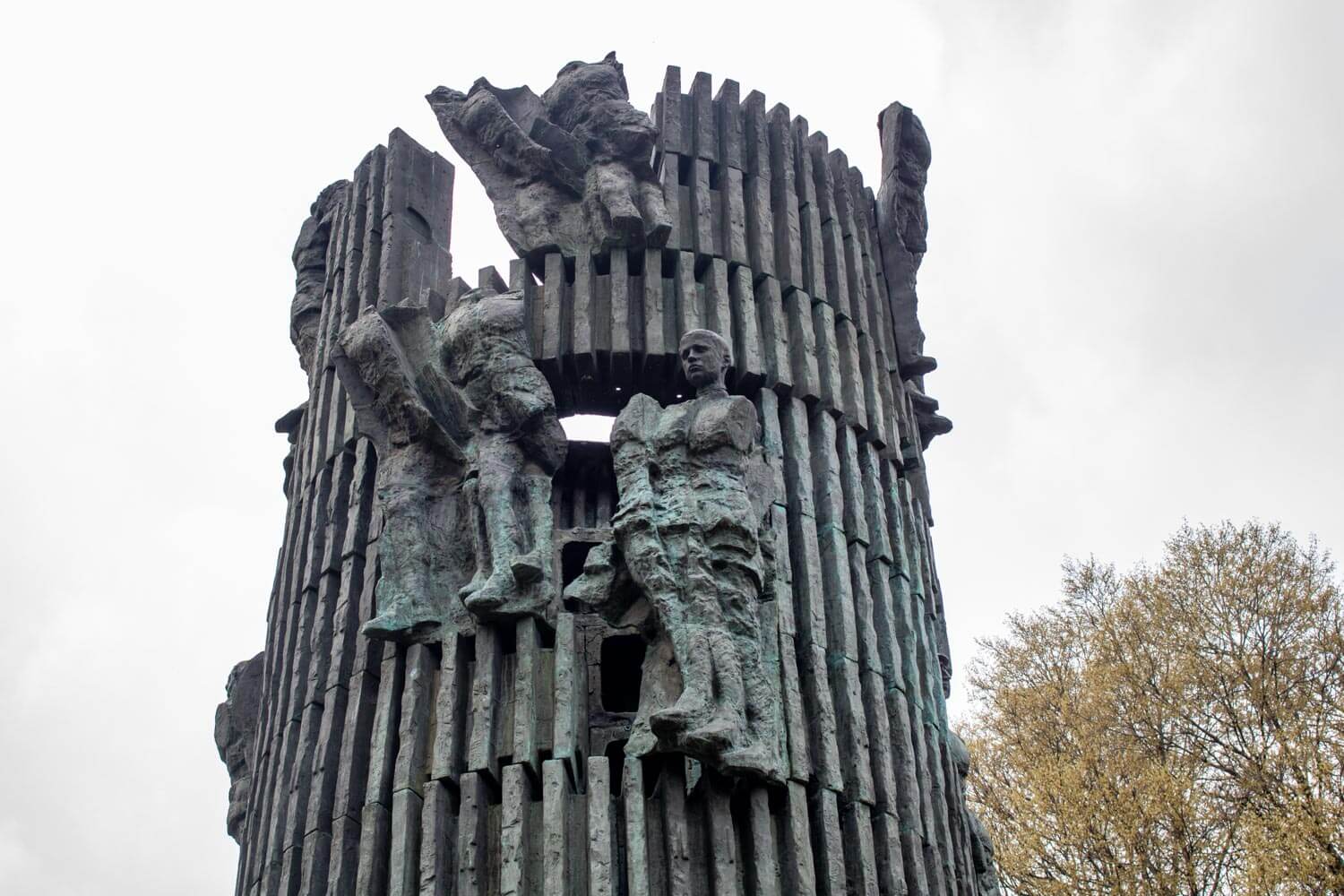
The most renowned monument in Kiseleff Park is the Romanian Infantry Monument (Monumentul Infanteriei Române) which is centrally located in the park. The monument was originally erected in 1936 to commemorate the heroes who fought for the realization of Greater Romania, but the sculpture by Ion Jalea was removed during World War II. On 27 April 2000 a new version of the monument was placed on the same spot, a work by the sculptor Ioan Bolborea. The structure is a 1o-meter-high round bronze column with a diameter of 3 meters and a weight of 50 tons. Soldiers defending their country are depicted on its facade.
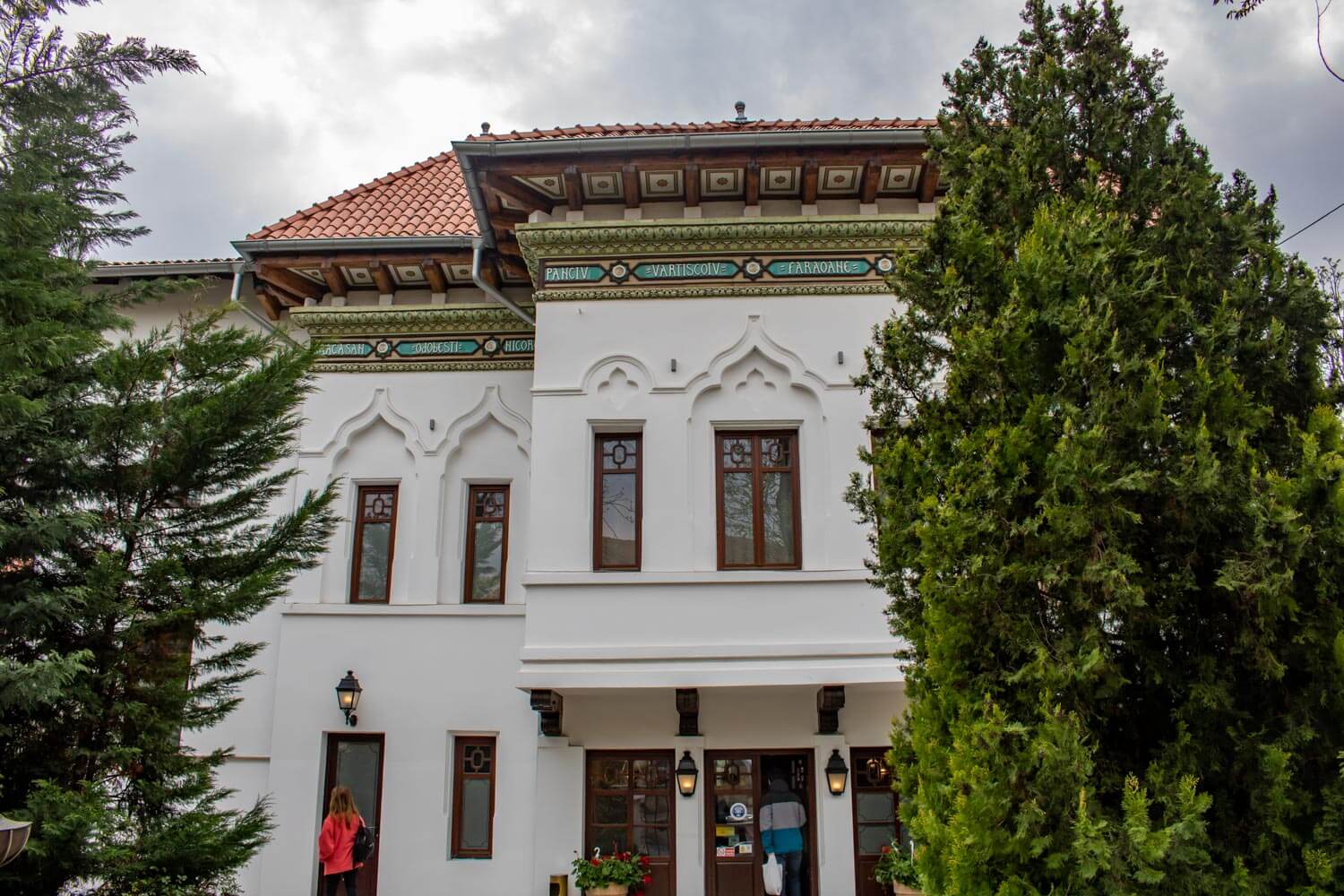
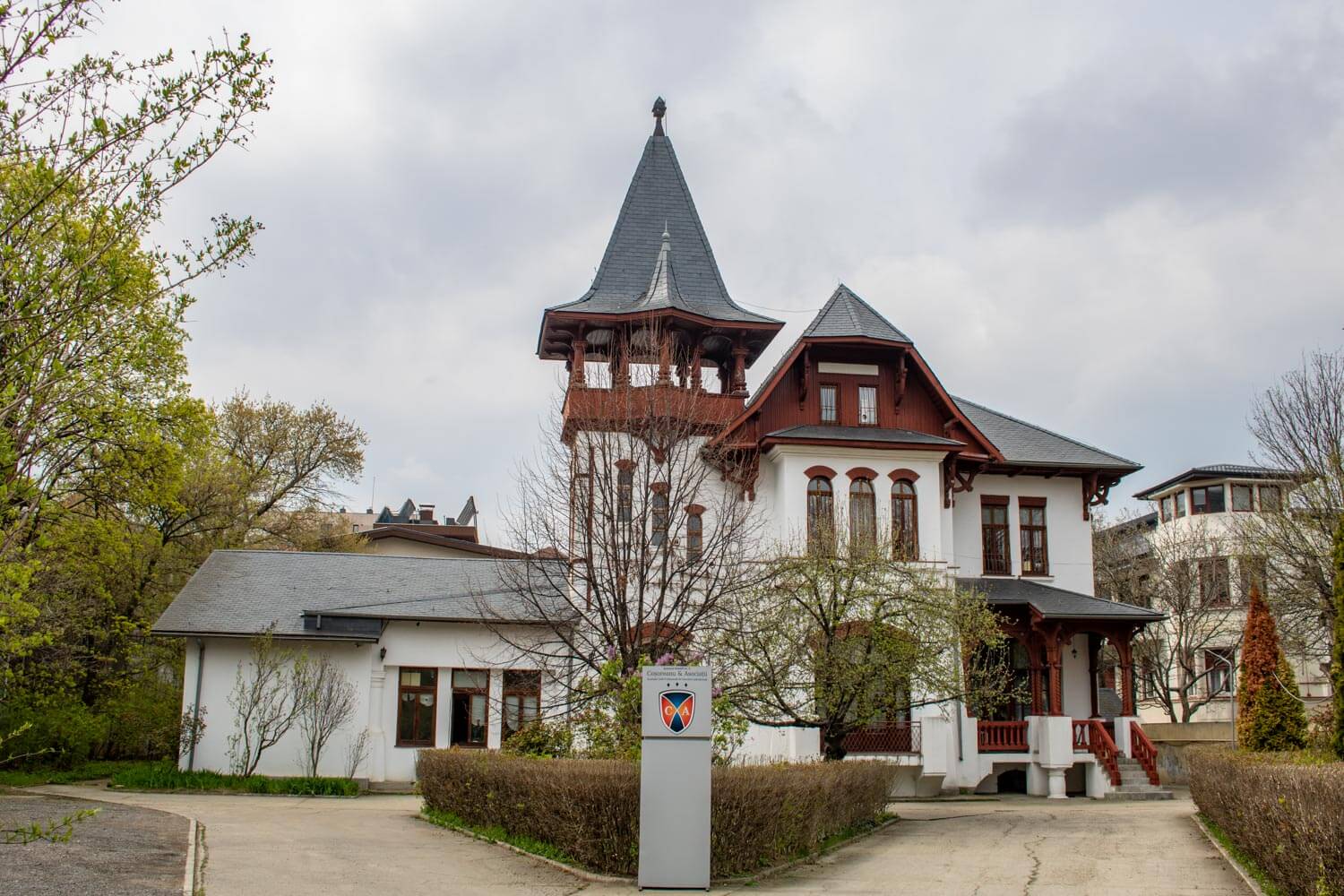
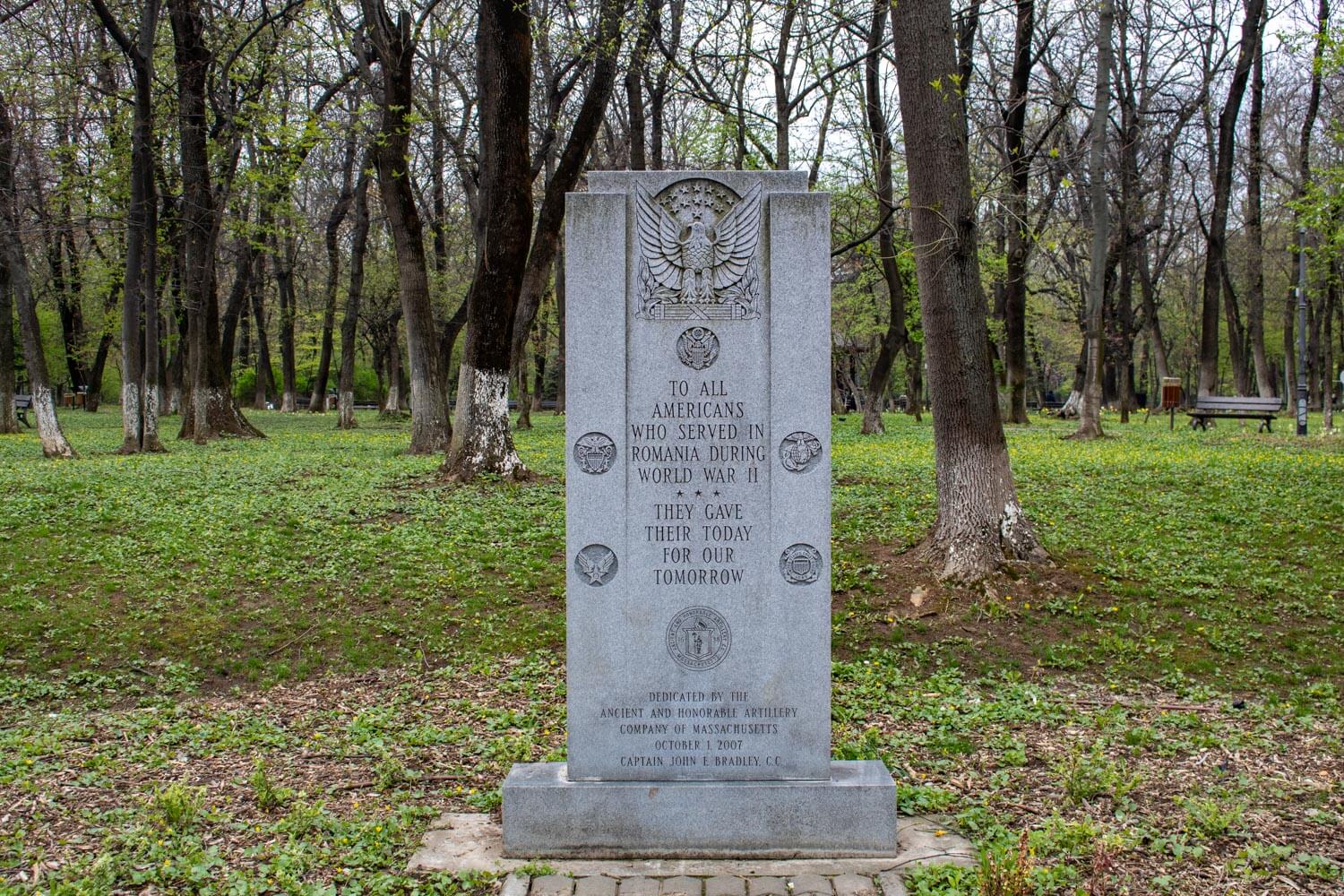
On the alley along Bulevardul Aviatorilor stands the American Heroes Monument, which was erected in 2007 to commemorated the American soldiers of World War II. In the north of the park, on Strada Arhitect Ion Mincu stands the historic Casa Doina, which houses a restaurant.
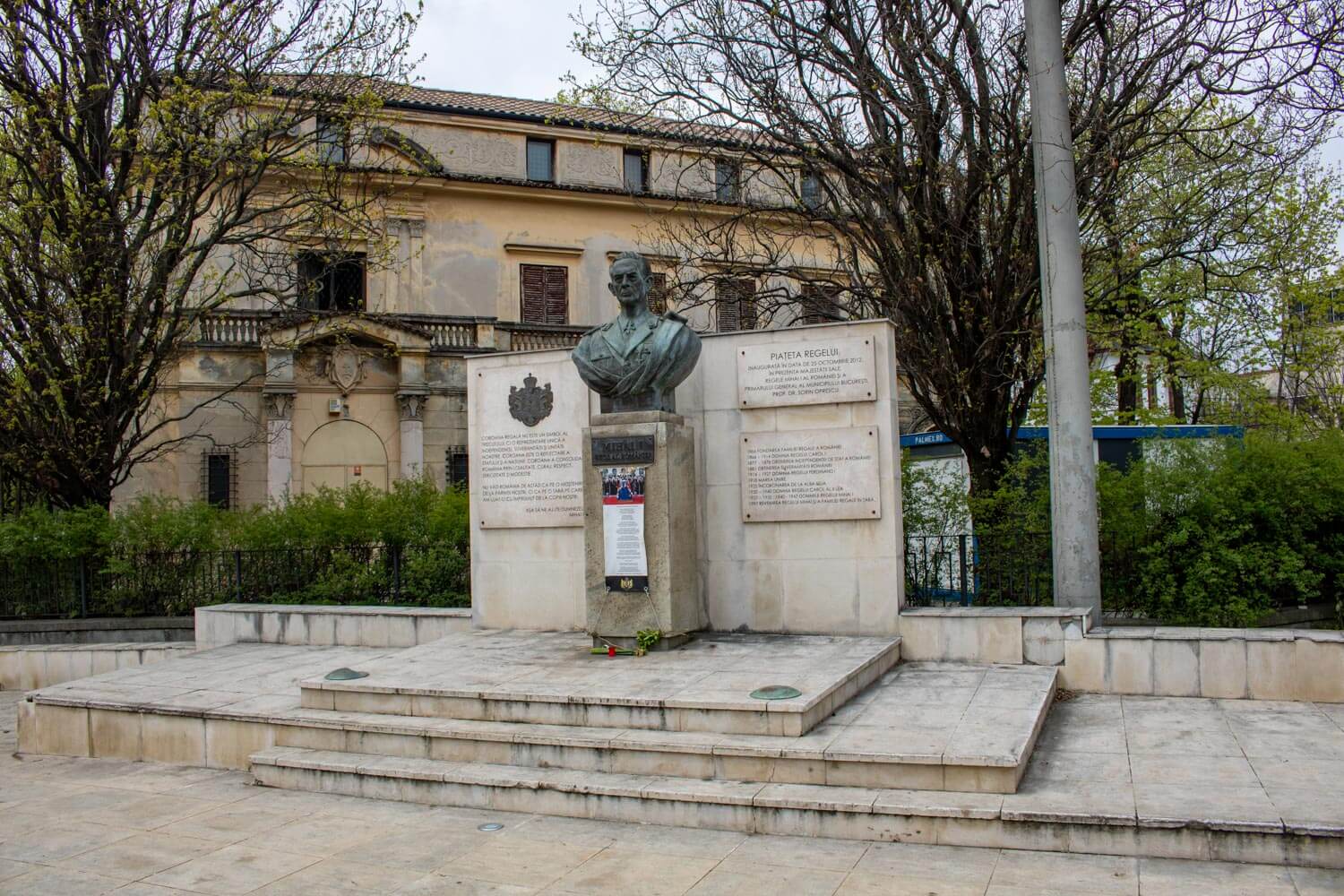
Also north of the park, at the intersection of Pavel D. Kiseleff Road and Architect Ion Mincu Road, is King’s Square with a buste of King Michael I.
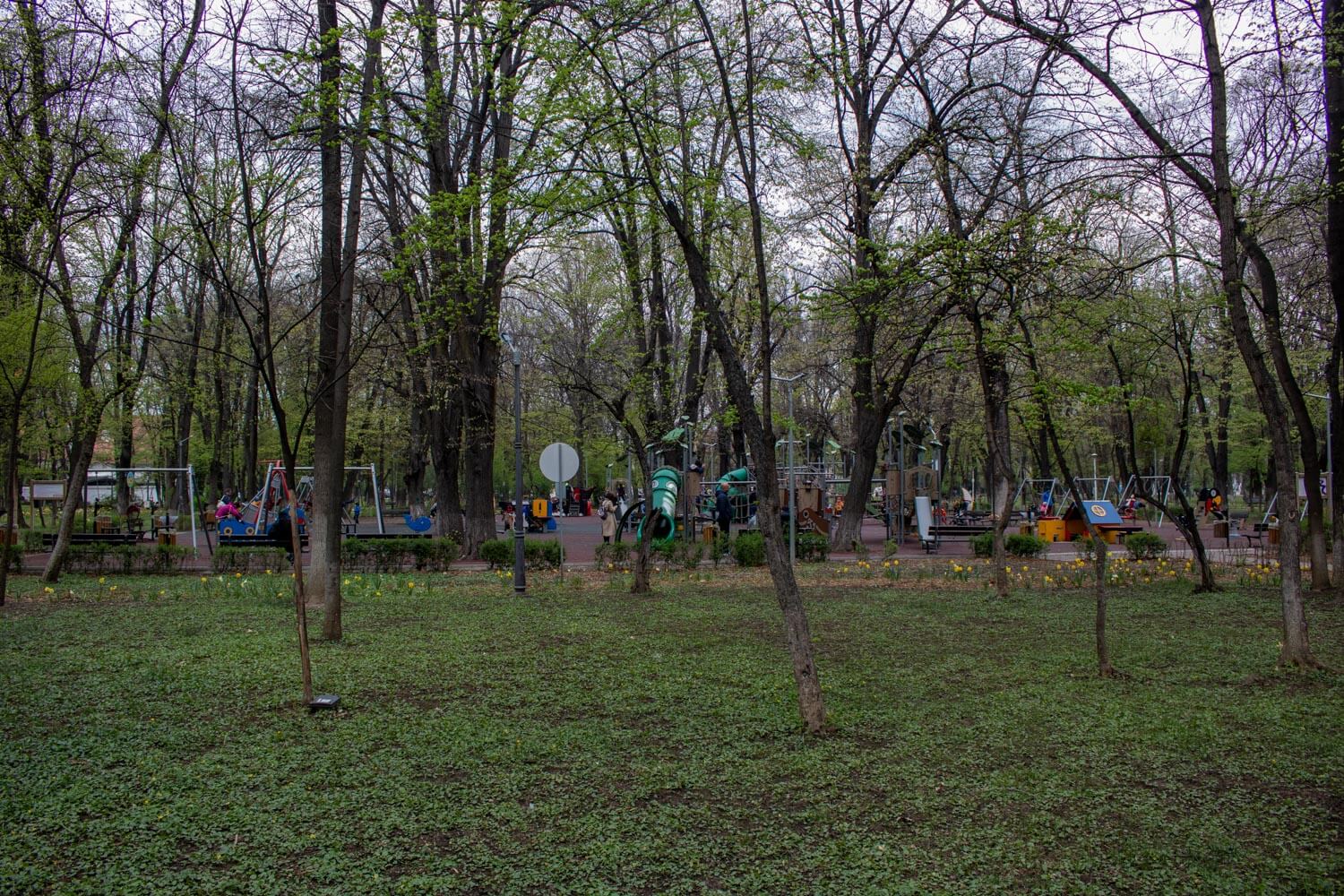
Kiseleff Park also has a small lake, ping-pong tables, a fitness area, a dog park, public toilets, and a children’s playground. The square on Kiseleff Road in the middle of the park often has a small market with a variety of products.