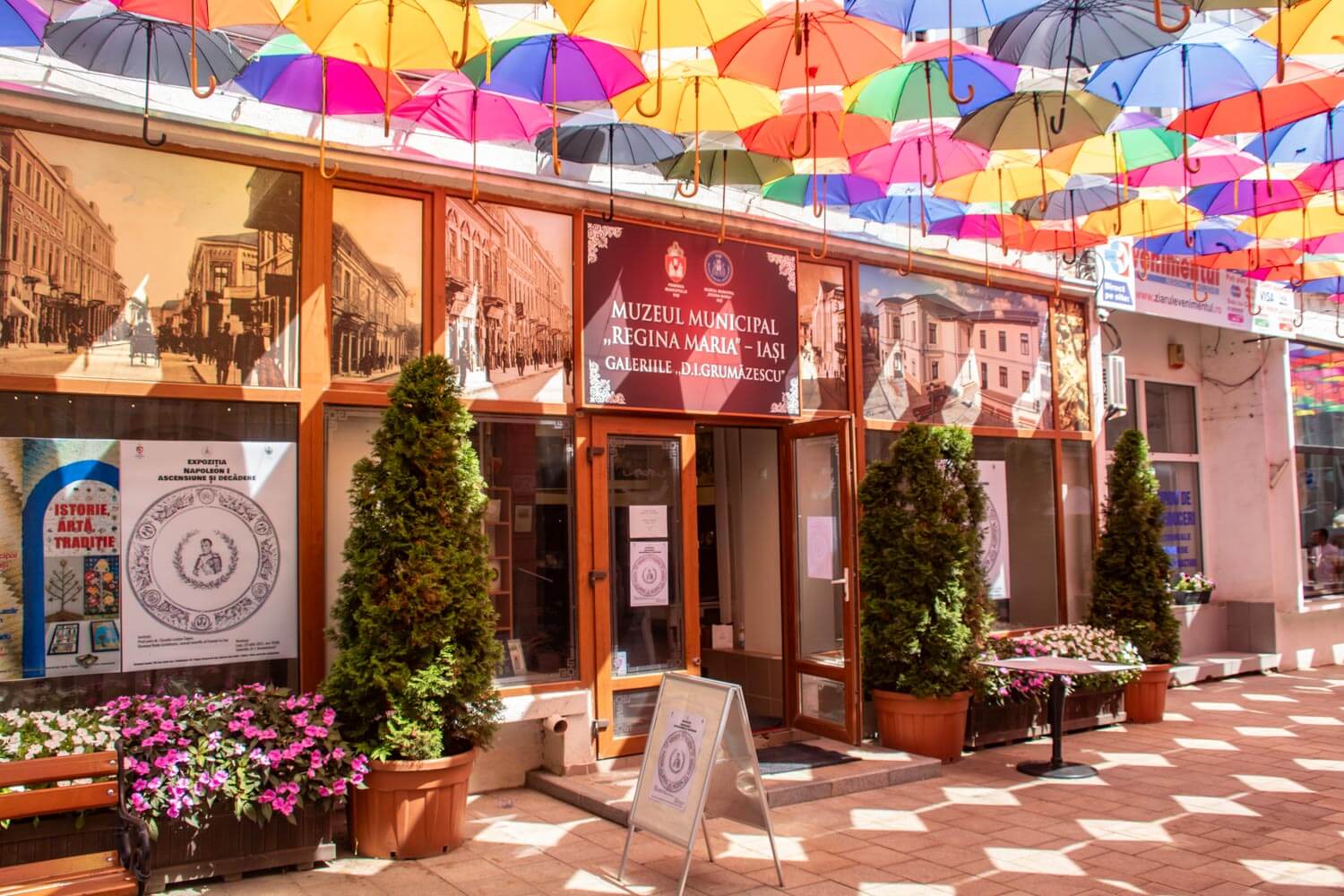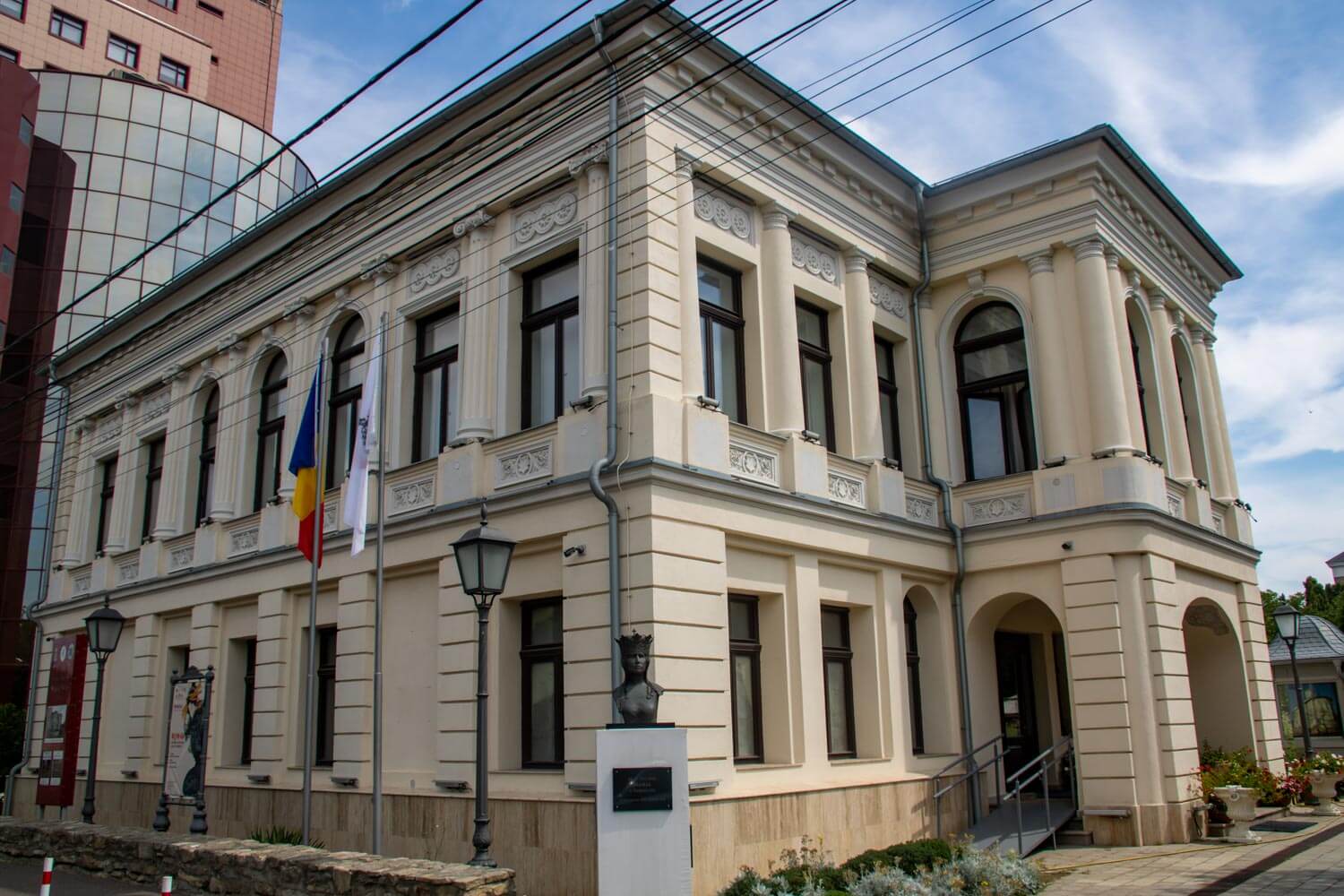
The Queen Marie Municipal Museum Iași (Muzeul Municipal Regina Maria Iași) is a city-history museum housed in the early-19th-century Burchi-Zmeu House. The historic residence provides a fitting setting for collections that trace the development of Iași through archaeology, urban history, domestic life, maps, photographs, artworks, and everyday objects.
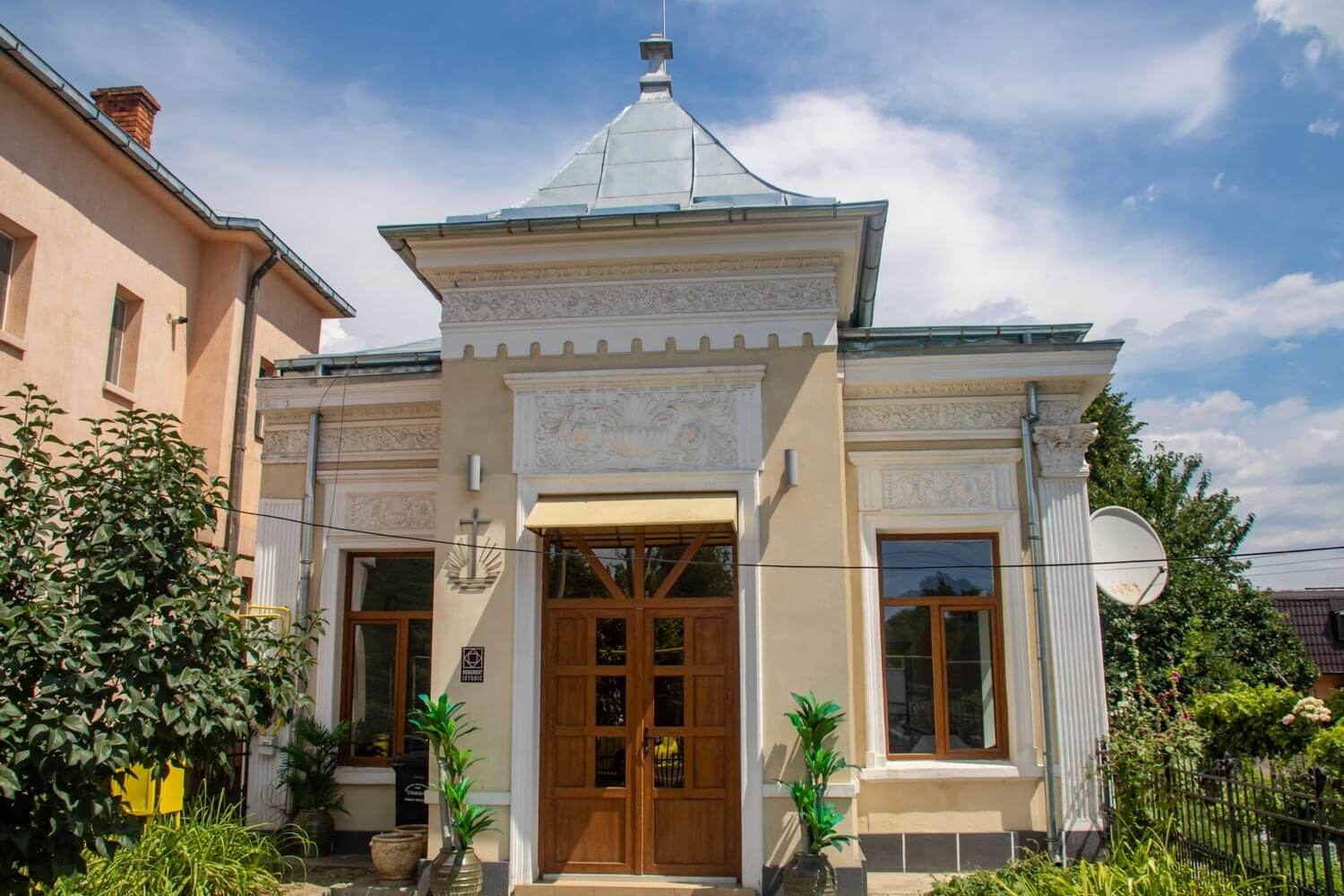
The house was built for vornic Ilie Burchi, nicknamed Zmeu, during a period when Iași was beginning to change from a traditional Moldavian capital into a more modern urban center. Its architecture still preserves the character of an old boyar residence, enriched by later Neoclassical details and surviving interior decoration. As the city changed around it, the house also took on new roles, serving at different times as the State Archives, a home for war orphans, a Gendarmerie building, and a school for deaf-mute children.
Iași had already attempted to create a municipal museum in 1920, when local collections began to be gathered specifically to preserve the history of the city. That early institution eventually disappeared, but the need for a dedicated city museum remained. The restoration of Burchi-Zmeu House finally provided a permanent home for the revived project, and the present Municipal Museum was formally established there in 2018.
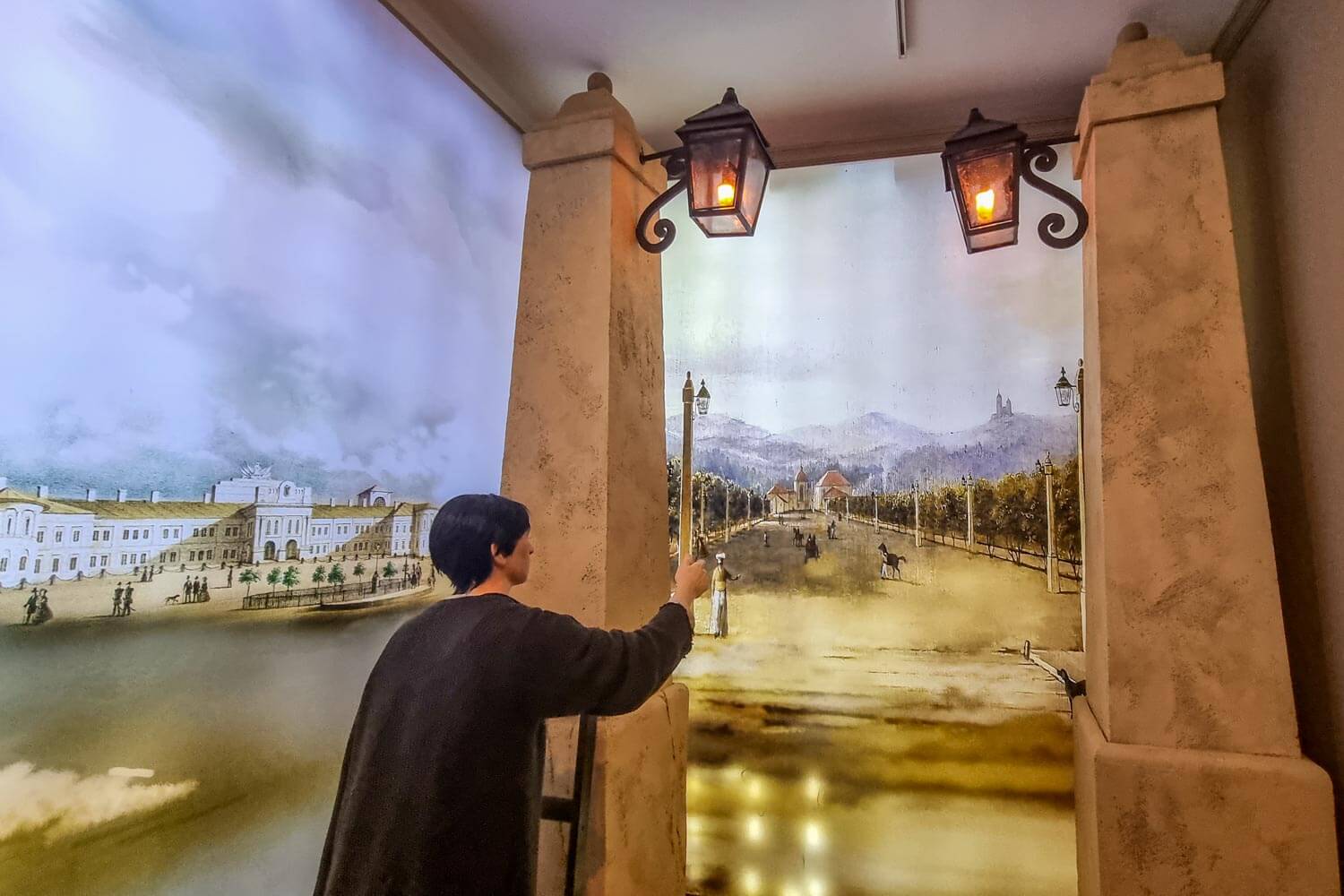
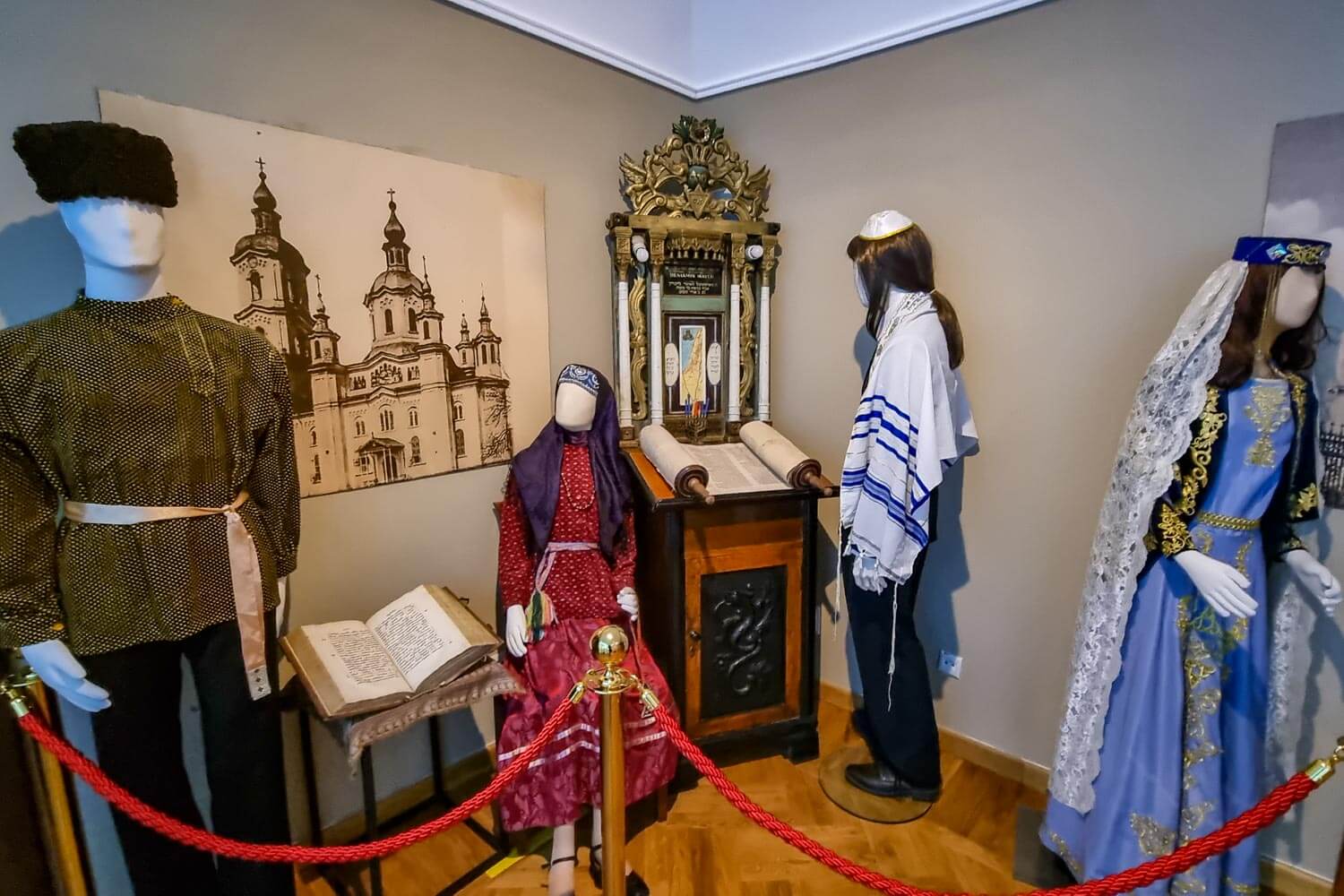
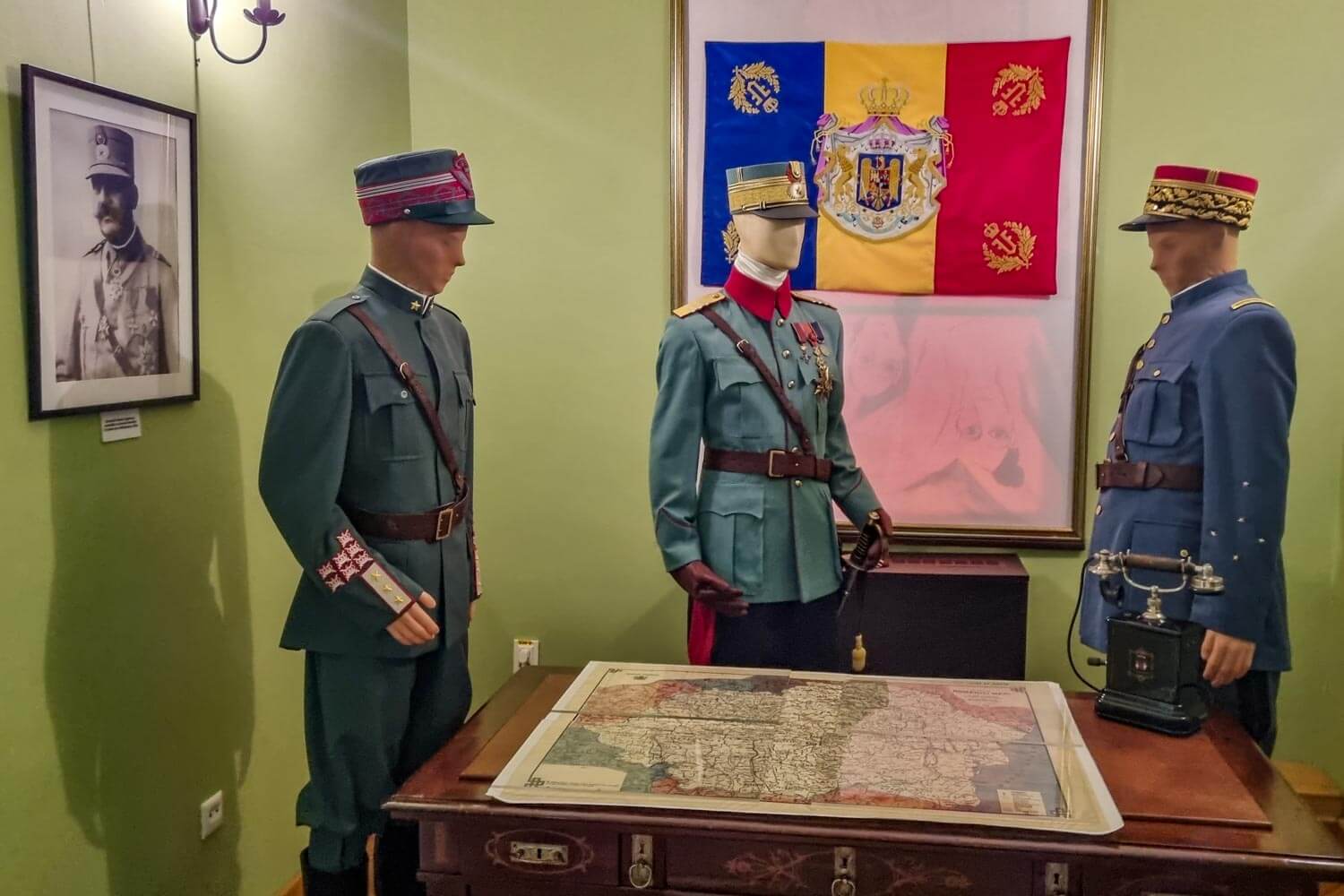
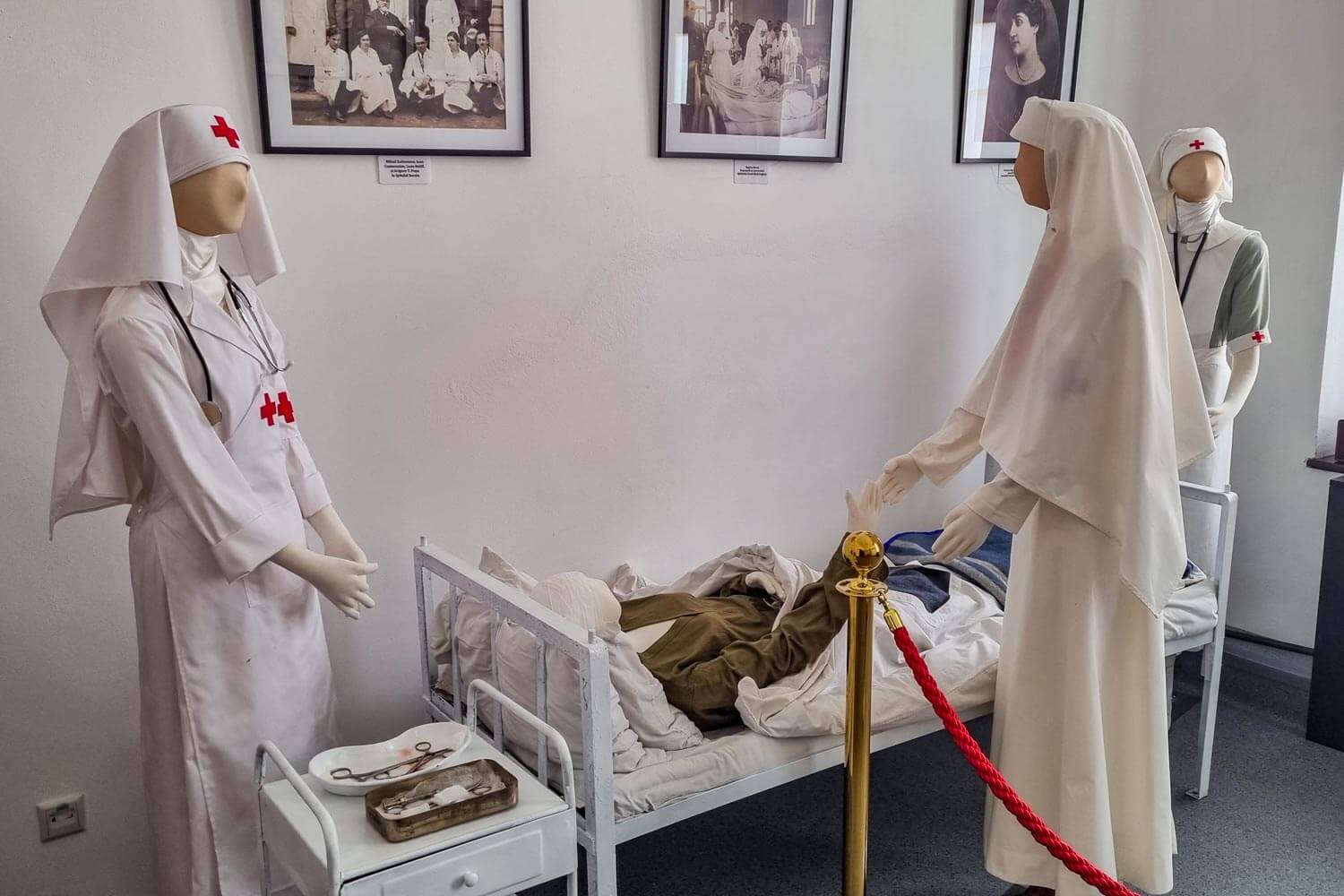
The collections use the building to tell the story of Iași from several angles. Archaeological finds reveal earlier layers of settlement beneath the modern city, while old maps and plans show how streets, neighborhoods, and public spaces expanded over time. Documents, photographs, books, paintings, and civic objects follow the growth of local institutions, commerce, education, religious life, and the communities that shaped the city.
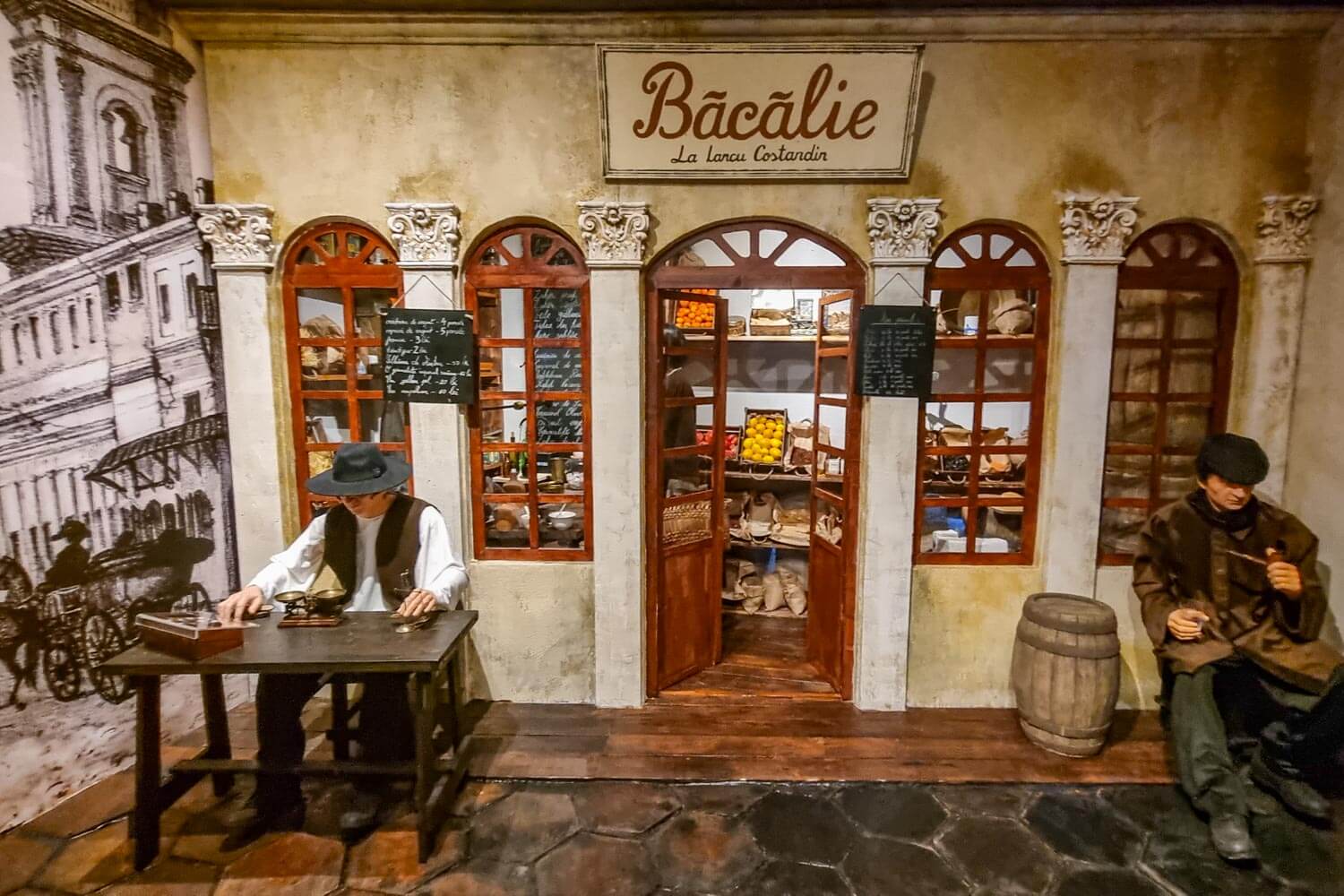
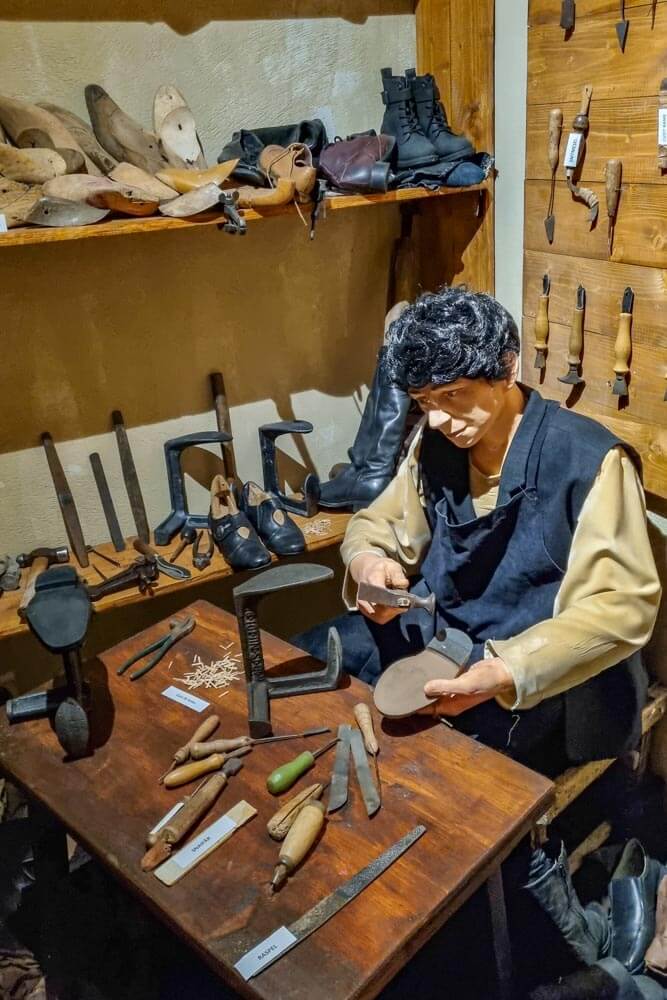
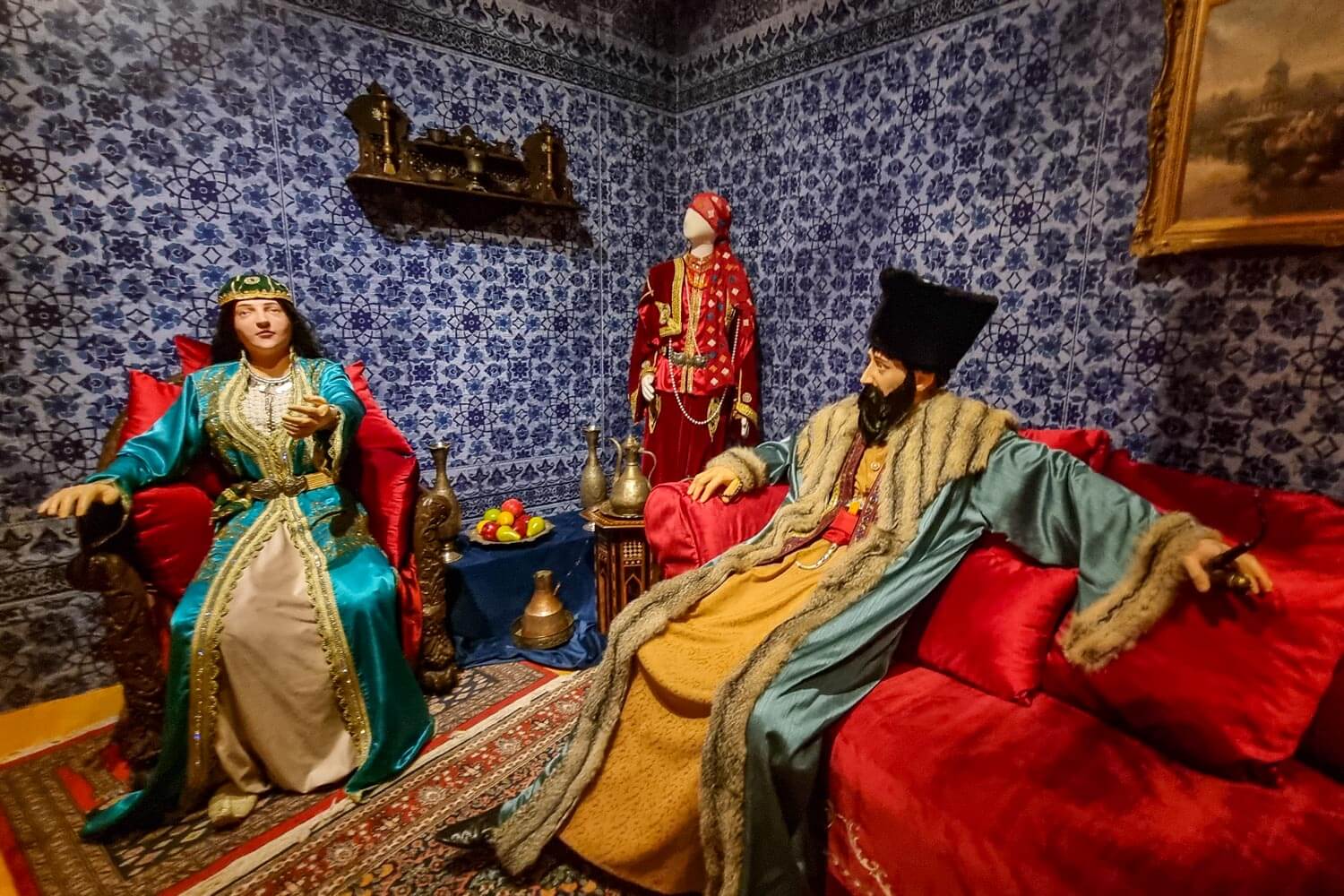
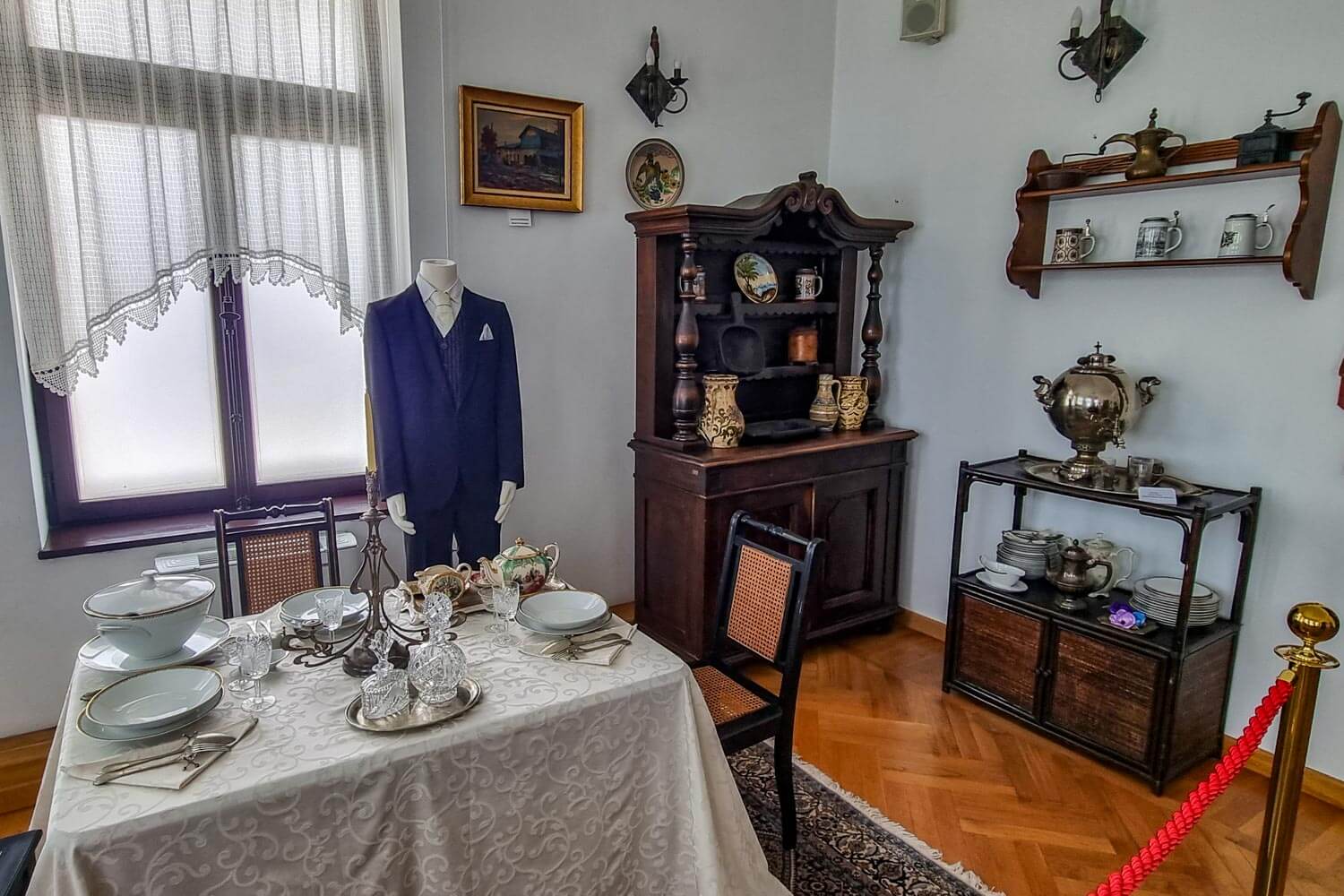
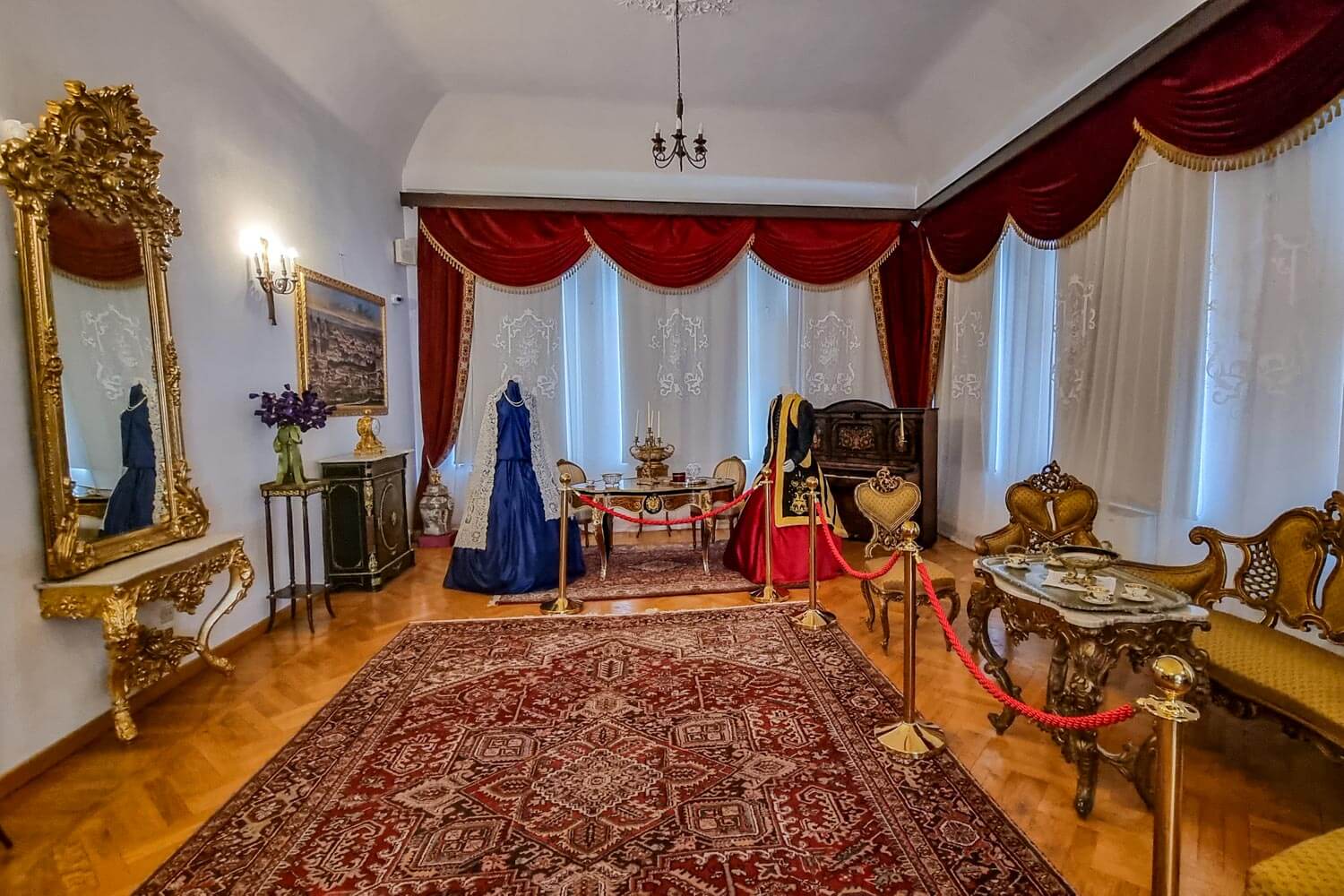
Other rooms focus more closely on everyday and domestic life, with period furniture, clothing, decorative objects, portraits, and household items recreating aspects of Iași in the 19th and early 20th centuries. Temporary exhibitions and cultural events extend the museum beyond the permanent displays, but the central theme remains the city itself and the people, places, and institutions that formed it.