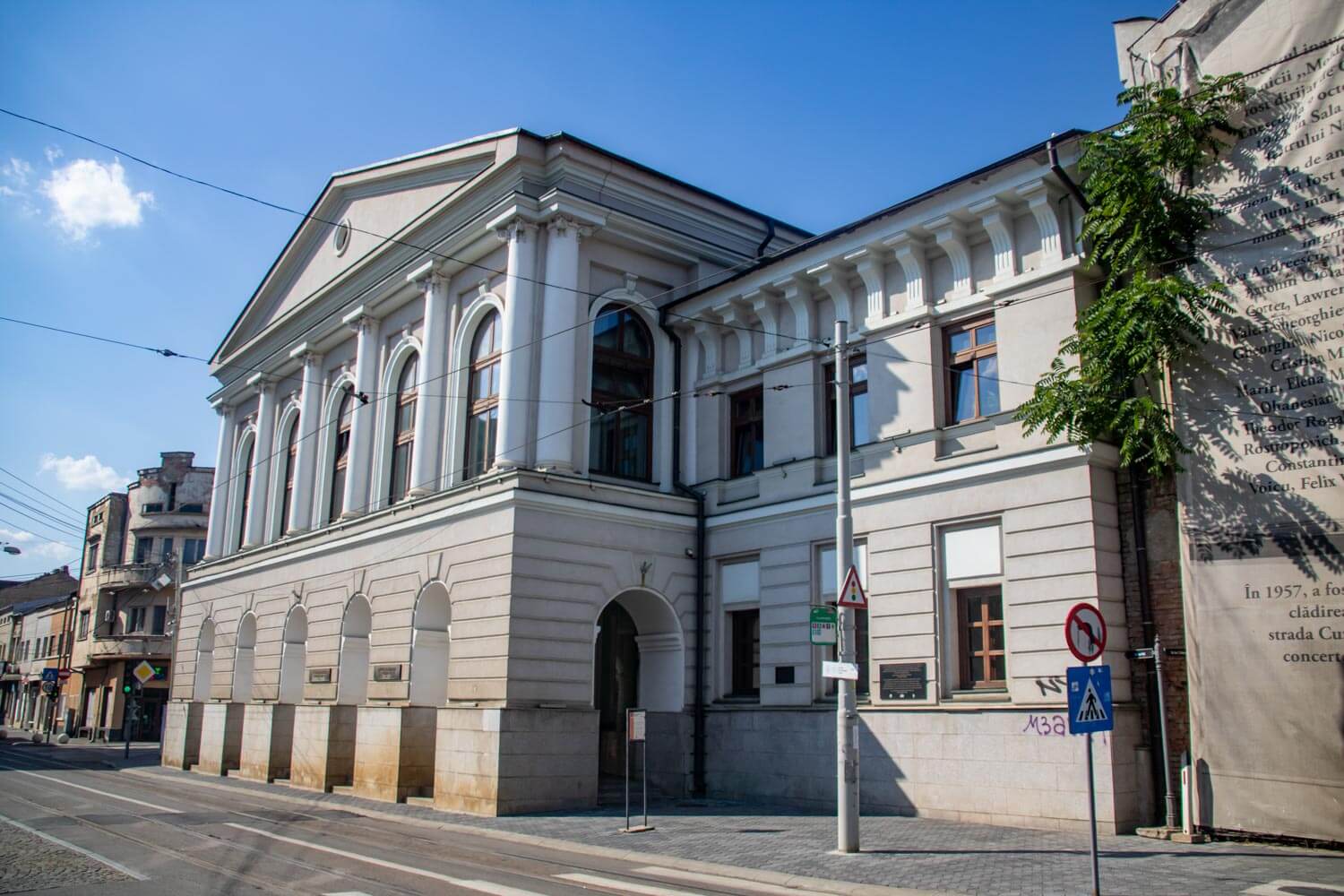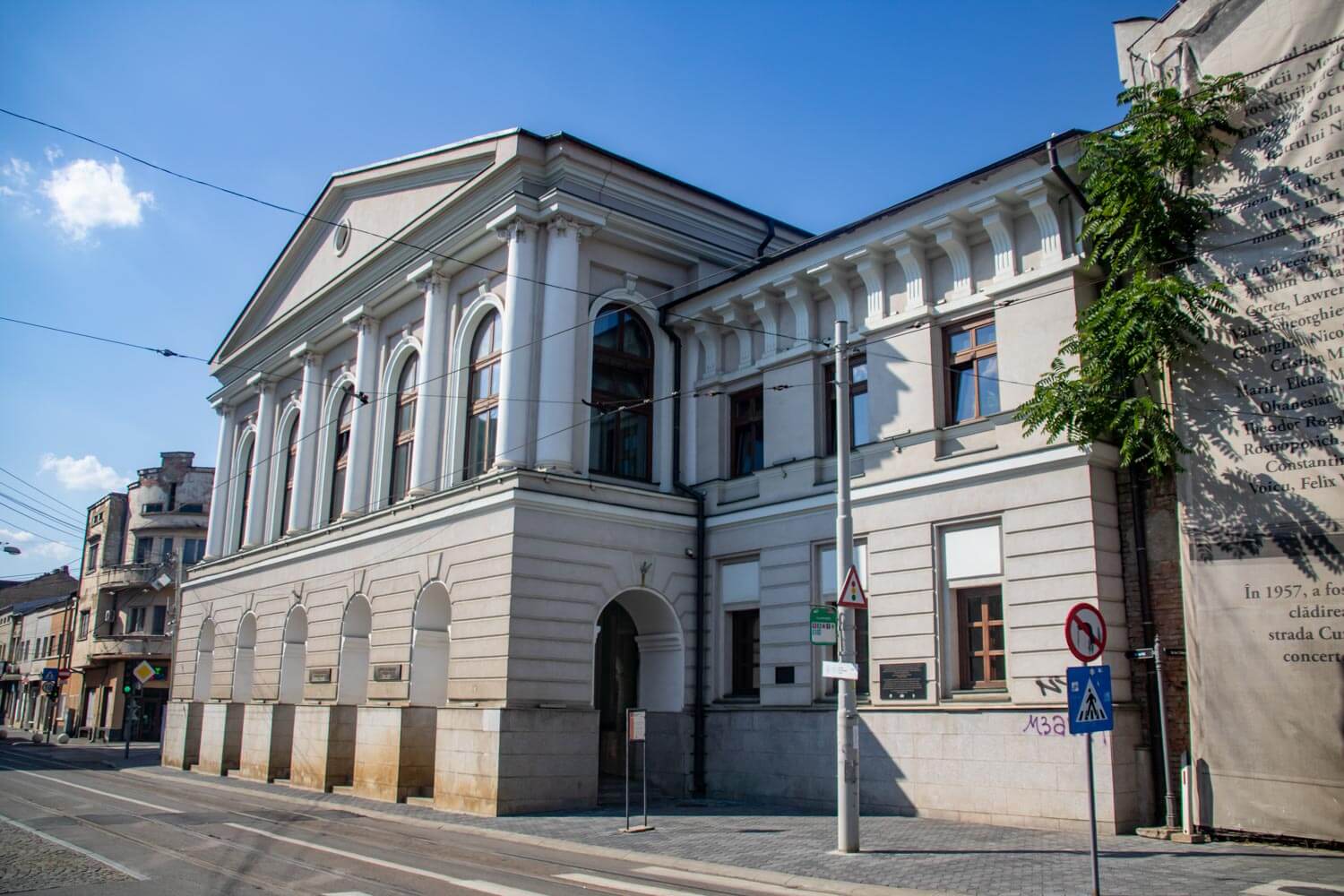
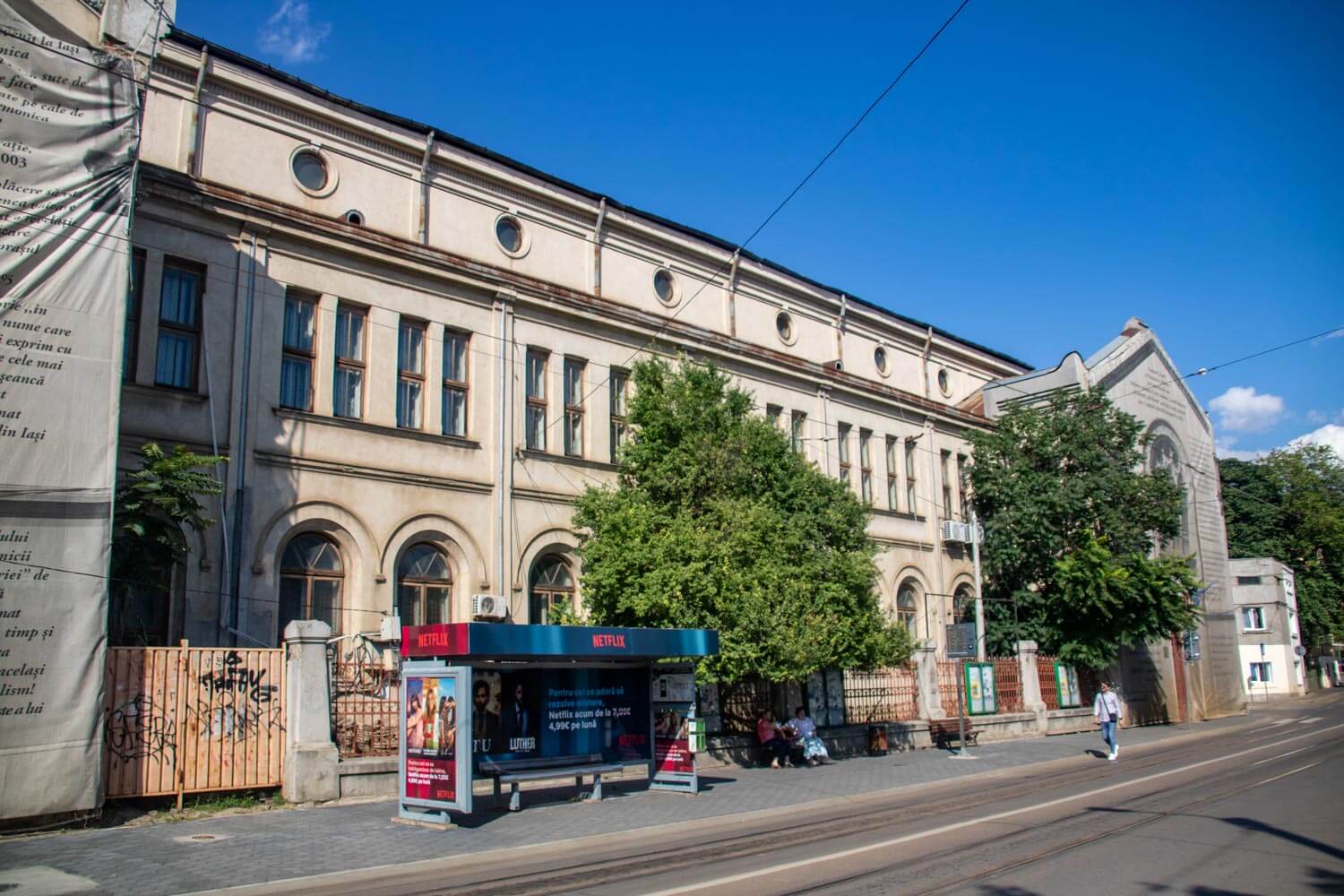
The Notre Dame de Sion Complex (Complexul Notre Dame de Sion) is a former Roman Catholic educational and religious complex on Strada Cuza Vodă in central Iași. Developed around the Alecu Balș House from the late 19th century onward, it grew into a large institution for girls’ education, charitable work, and religious life before the buildings were later adapted for music and arts education.
The Sisters of Notre Dame de Sion arrived in Iași in 1866 and acquired the Balș property in 1871, establishing a school that quickly attracted pupils from prominent families. The congregation was part of an international Catholic order founded in France in the 19th century, and its work in Iași expanded well beyond a single school. Over time the complex included a girls’ high school, vocational education, primary classes, a kindergarten, accommodation for students, an orphanage, a dispensary, and residential spaces for the sisters.
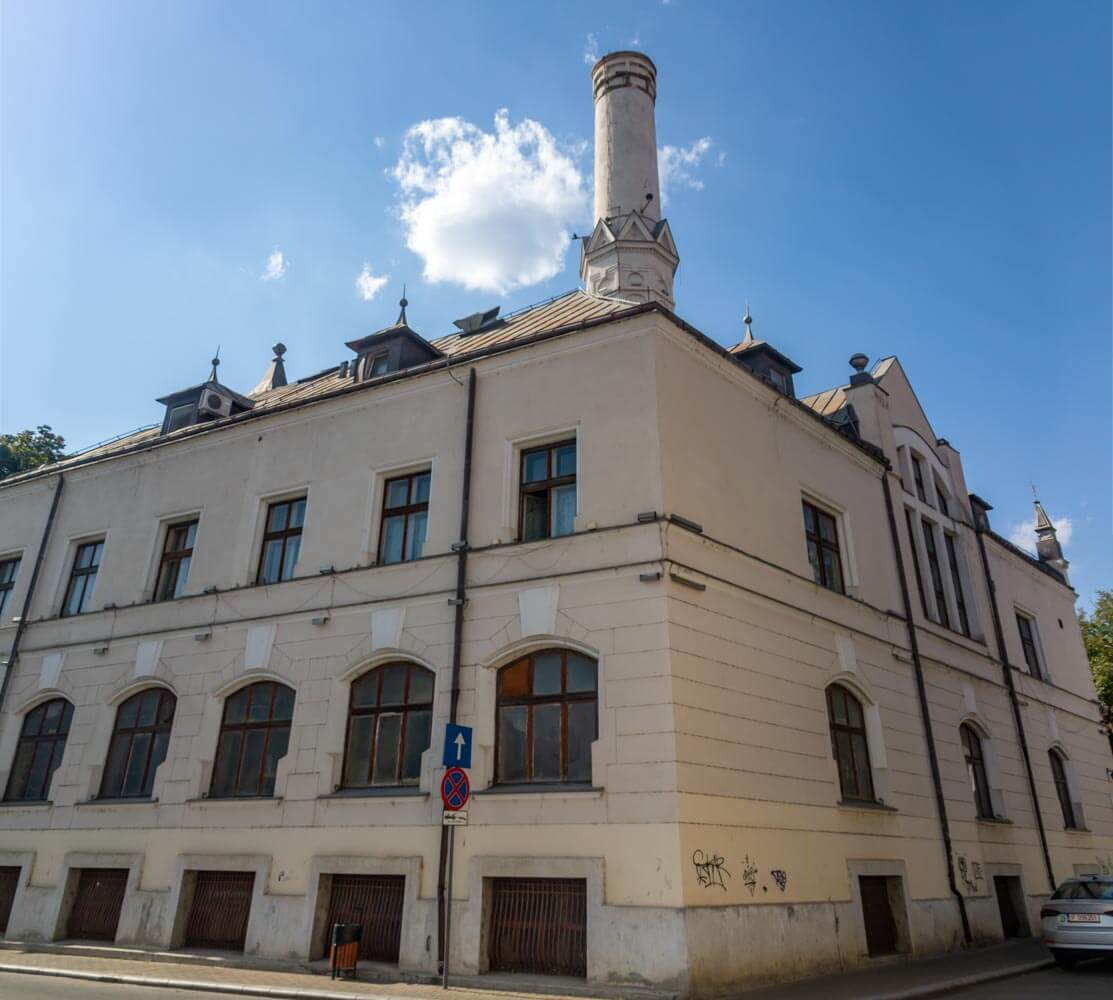
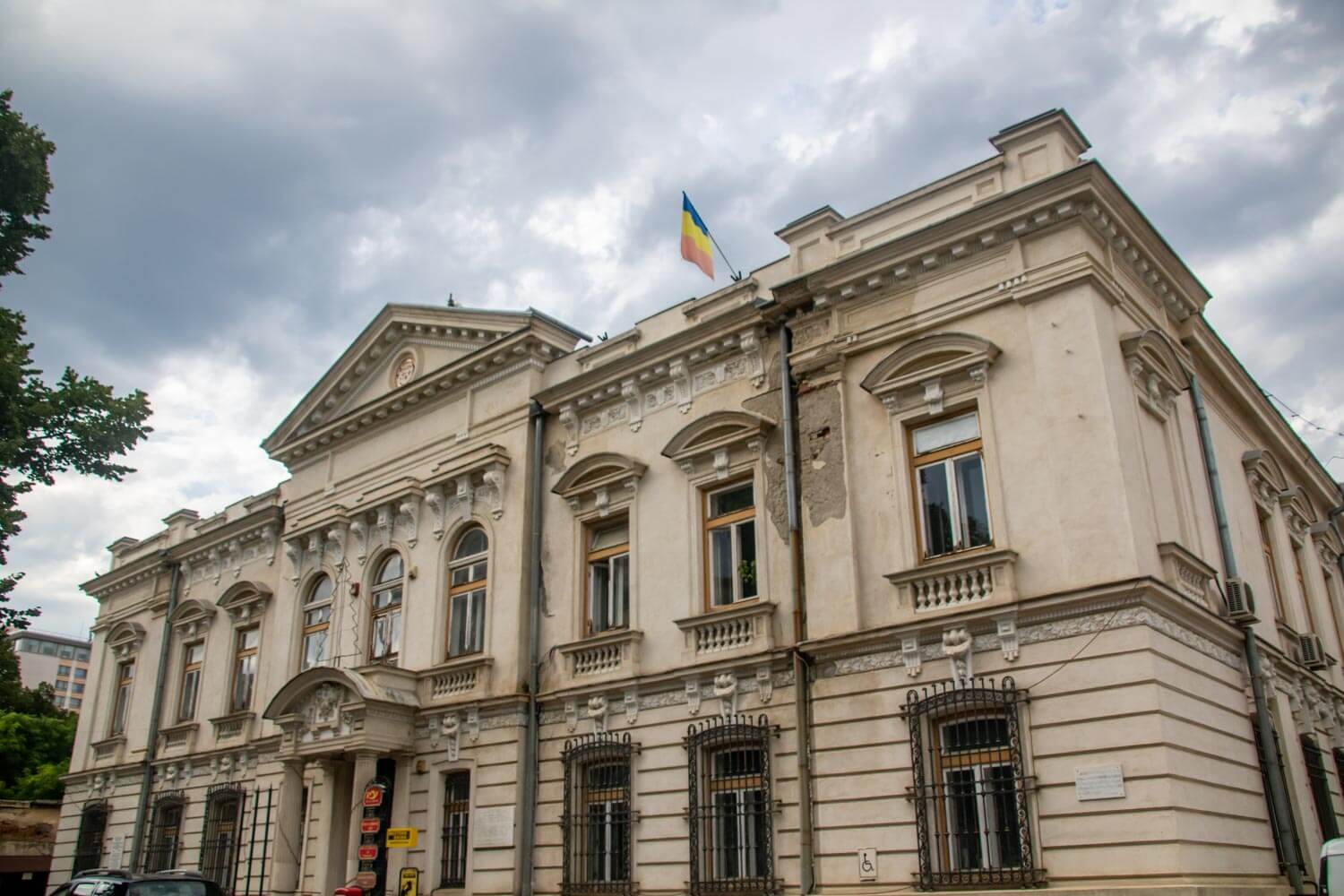
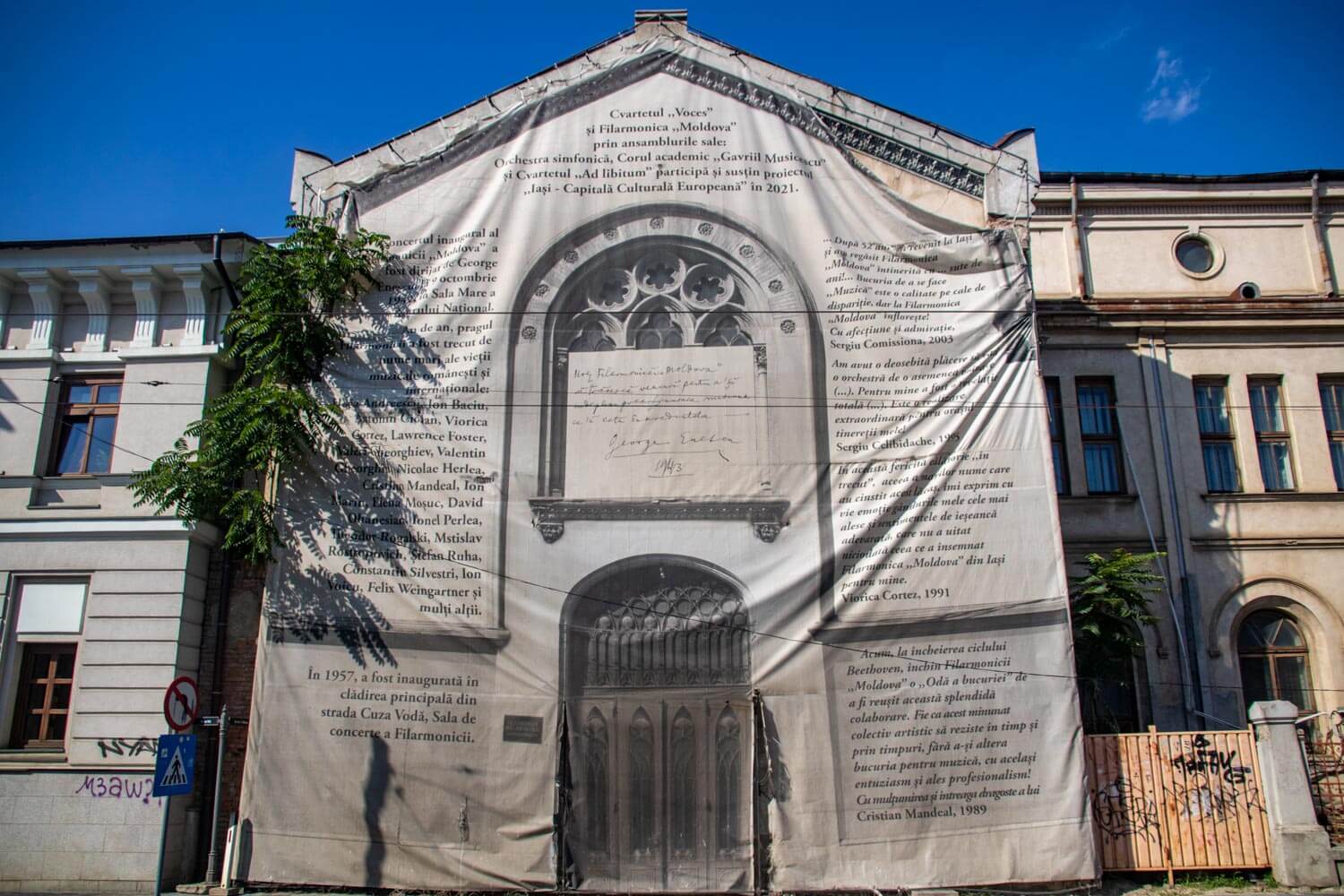
The Alecu Balș House initially formed the core of the property, but the institute gradually spread across the surrounding site as its activities grew. By the end of the 19th century the older residence was being altered and additional structures were added around it. A particularly important expansion followed in 1900, when Mother Superior Maria Zelia de Sion obtained permission for a substantial new building containing reception rooms, a ceremonial hall, residential spaces, and a large chapel. Designed by Italian architect Enrico Gambara, the new construction introduced Neo-Gothic details and gave the complex much of the monumental appearance still visible along Strada Cuza Vodă.
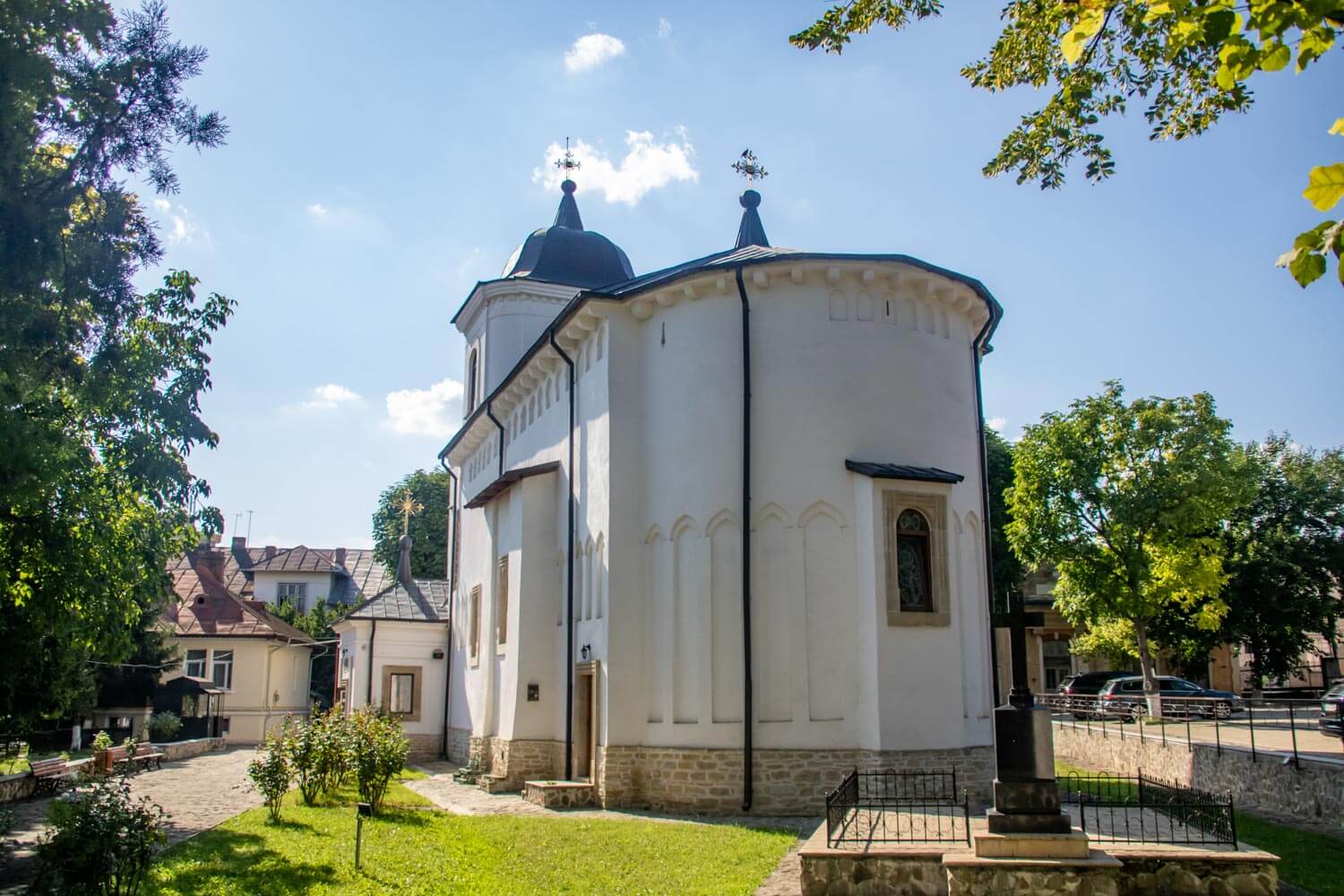
The chapel became the religious center of the institution and served both the sisters and pupils. It was also used for major Catholic ceremonies in Iași, including the consecration of Bishop Mihai Robu in 1925 and the ordination of 21 priests in 1939. The annual Corpus Christi procession from the Roman Catholic cathedral also ended at the sisters’ chapel, showing that the complex played a role in the wider Catholic life of the city as well as in education.
The Notre Dame de Sion institution came to an end after the communist takeover, when the complex was nationalized and the sisters were forced to leave in 1948. The former school and convent buildings were then reassigned to cultural and educational institutions, gradually replacing their original religious and teaching functions with music and arts education.
Today the historic complex is shared principally by the George Enescu National University of Arts and the Moldova Philharmonic. The Alecu Balș House contains university and Philharmonic spaces, while the former chapel forms the Philharmonic’s main concert venue.