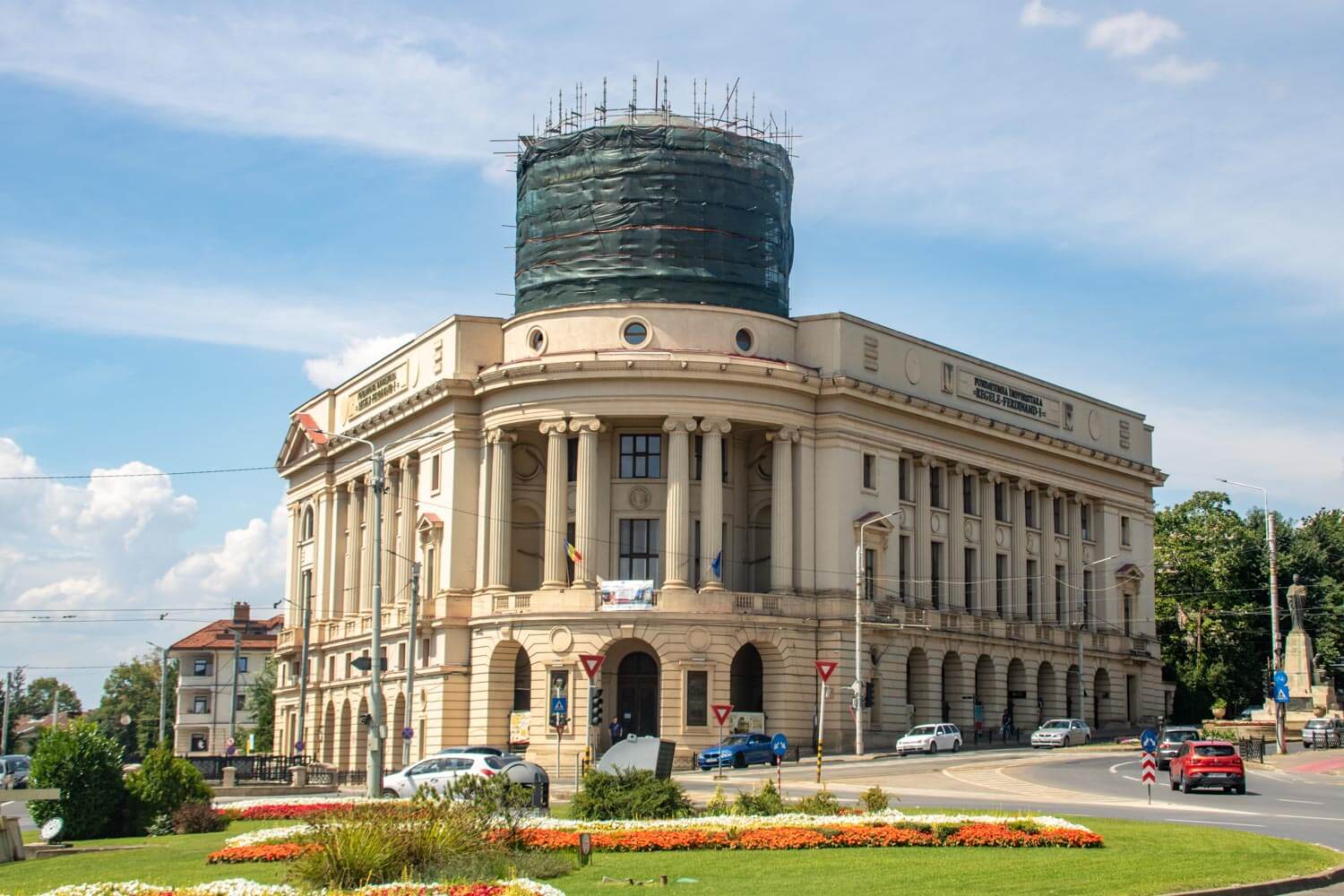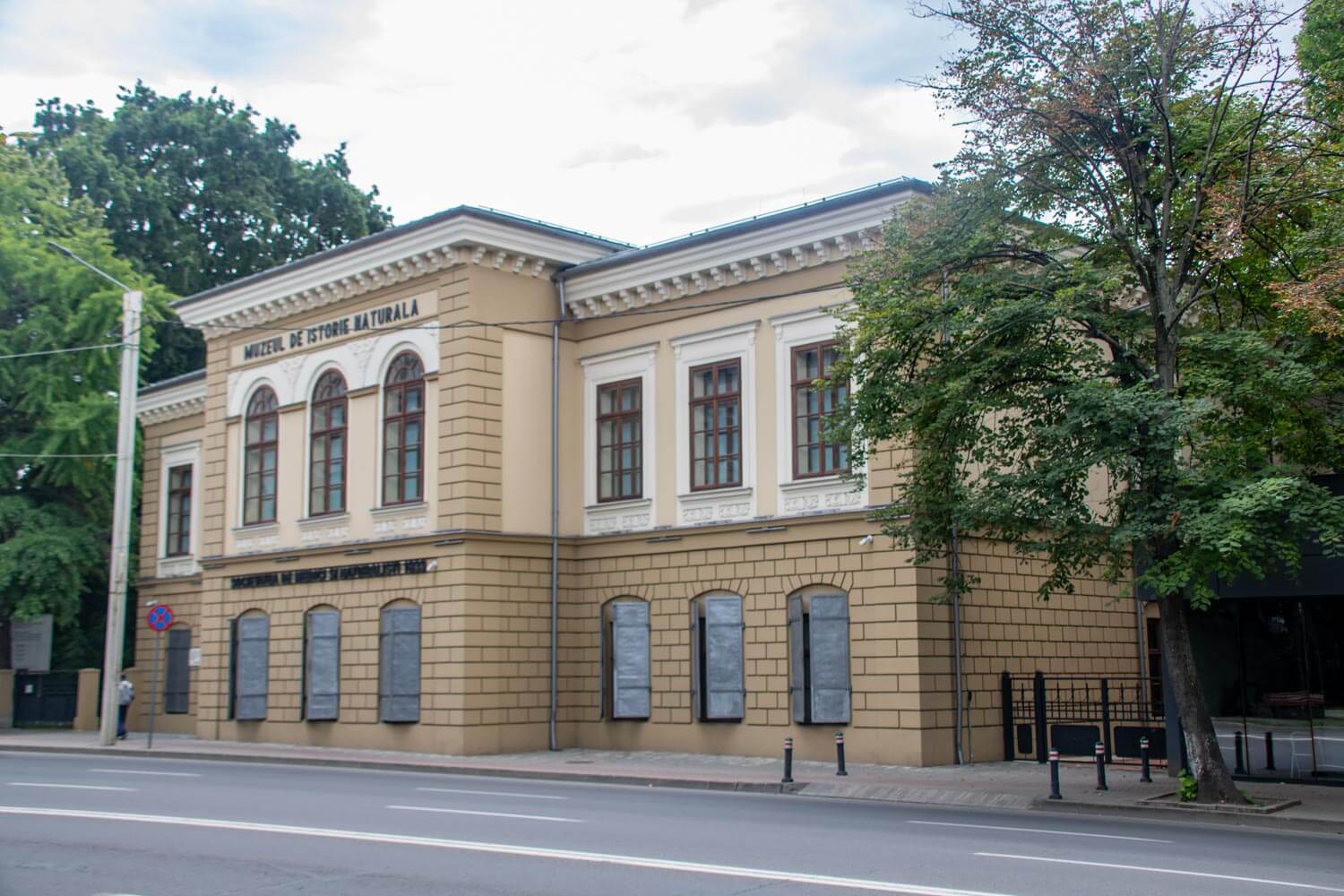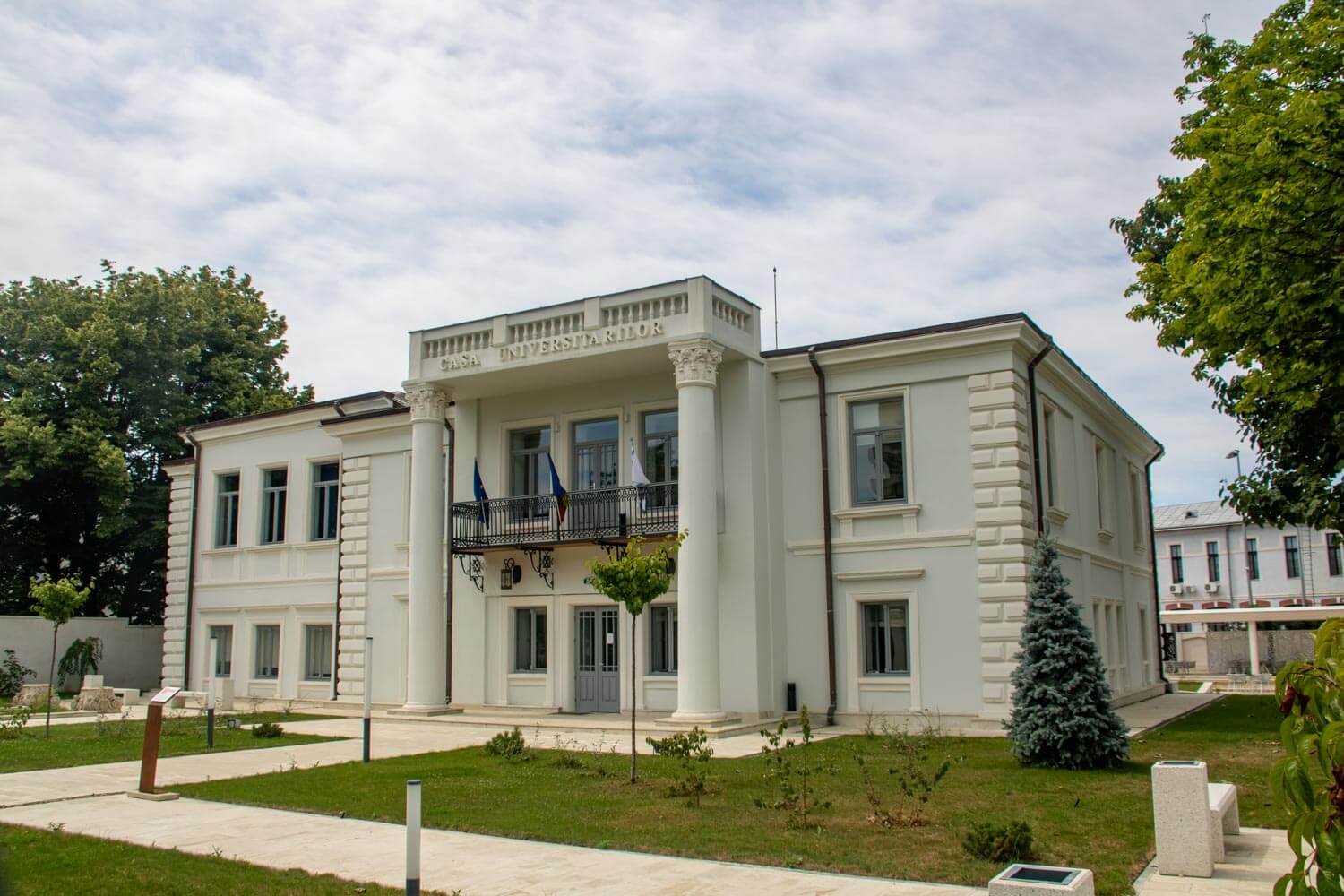
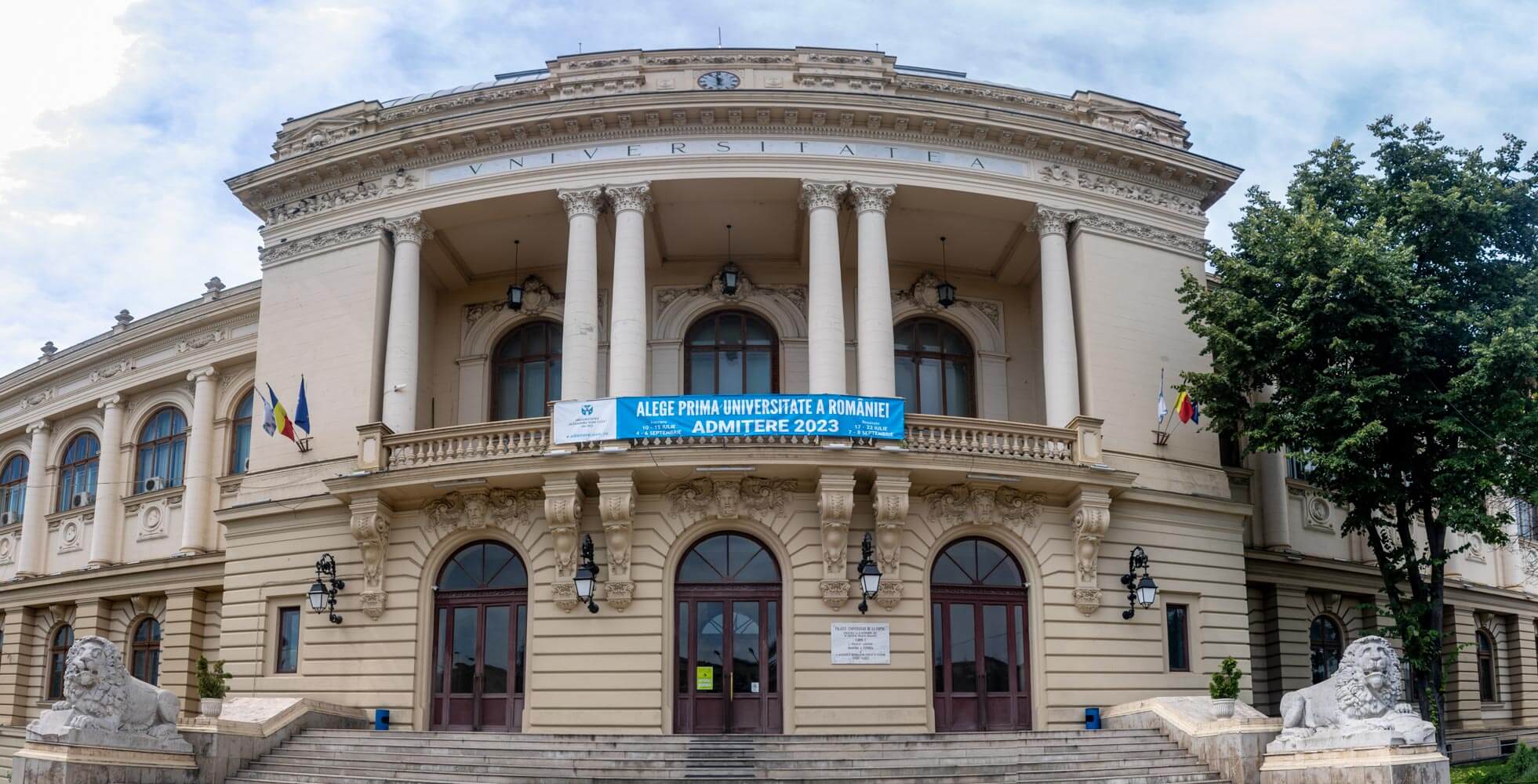
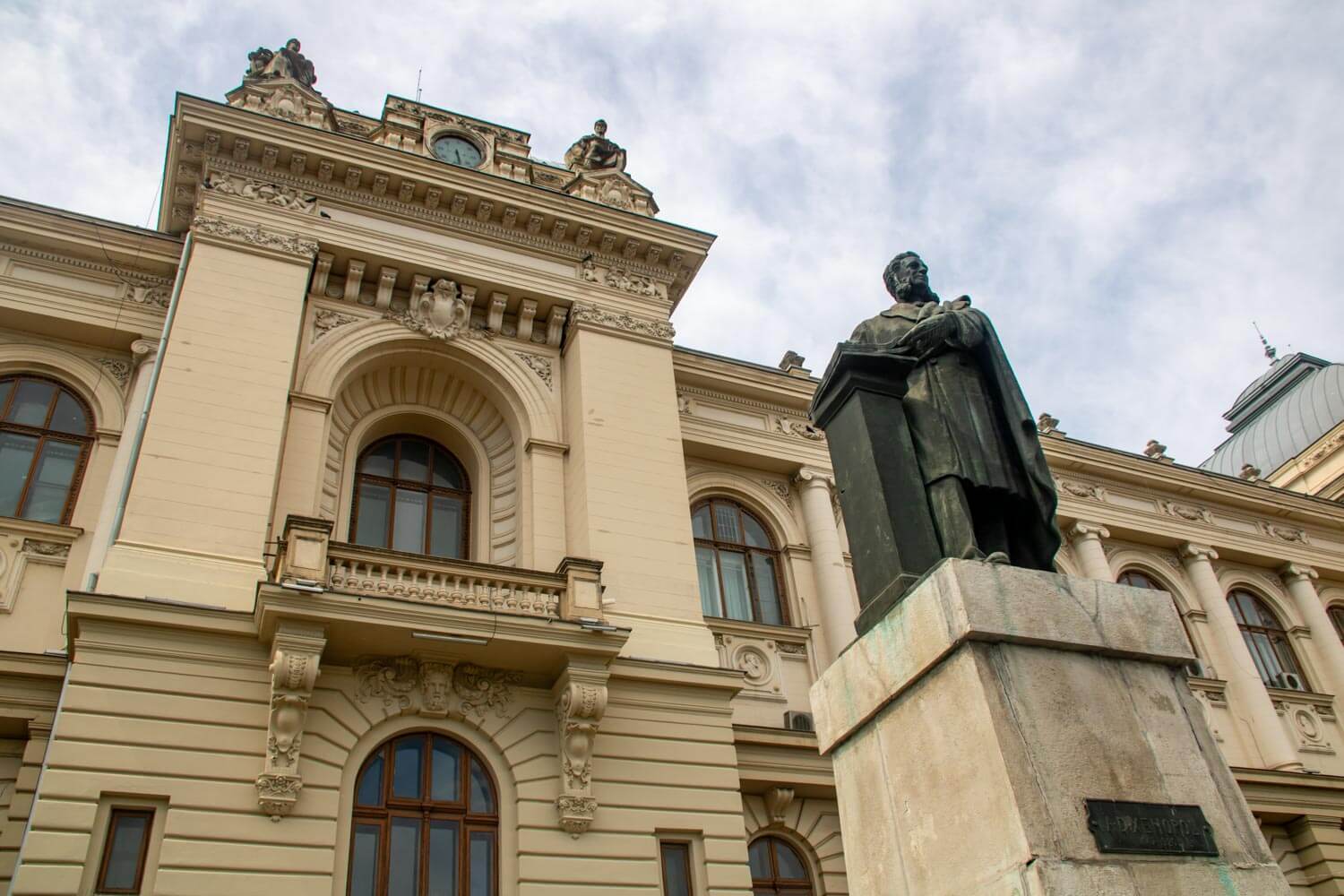
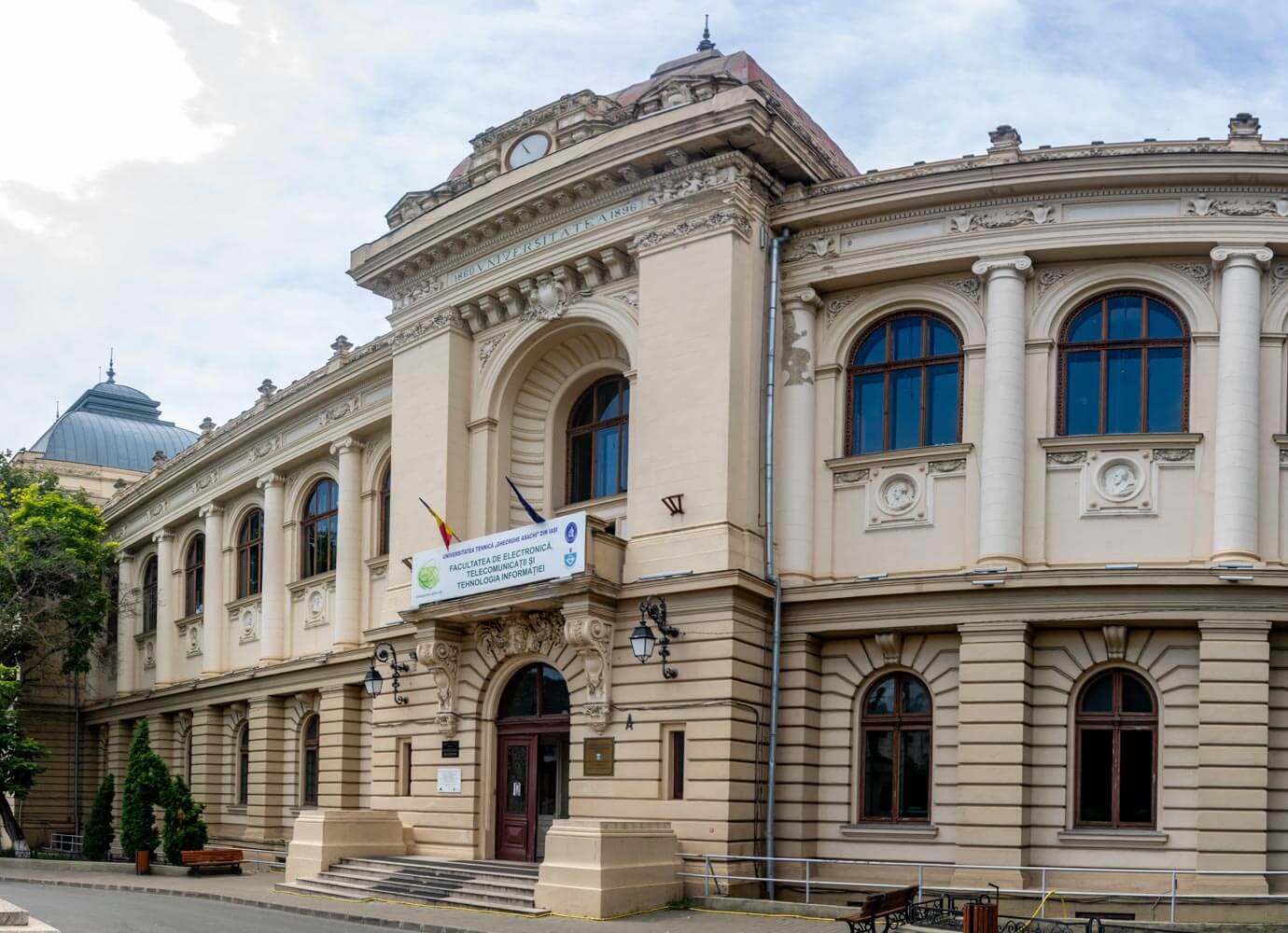
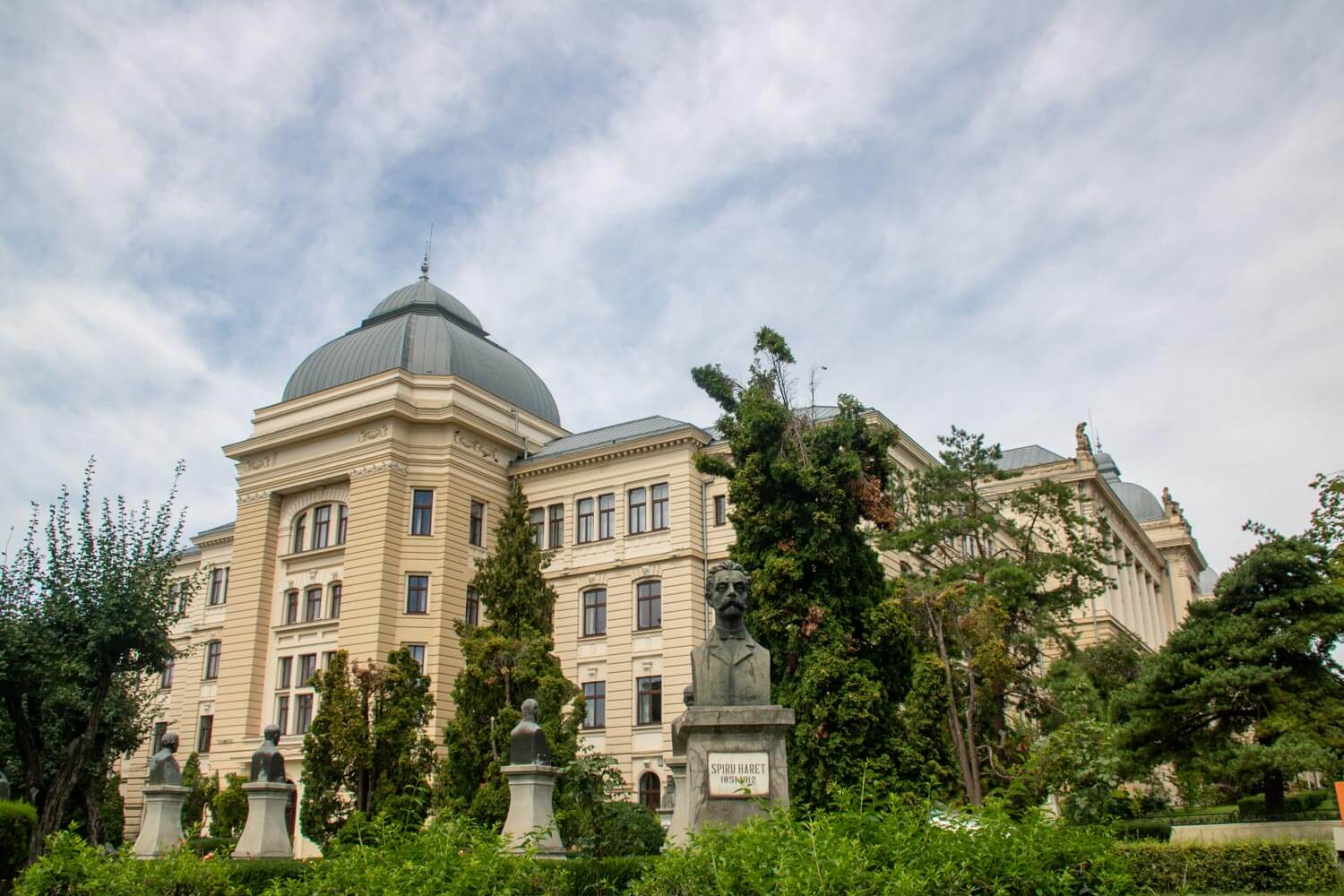
The Alexandru Ioan Cuza University of Iași (Universitatea Alexandru Ioan Cuza din Iași) is Romania’s oldest modern university, located in the Copou district of Iași. Its historic center is the monumental University Palace, built at the end of the 19th century and today shared with the Gheorghe Asachi Technical University. Behind the palace stands an institution whose development played a major role in the growth of higher education in modern Romania.
The university was inaugurated on October 26, 1860, in the presence of Prince Alexandru Ioan Cuza, shortly after the union of Moldavia and Wallachia. It developed from the Mihăileană Academy, founded in Iași in 1835, and initially comprised faculties of Law, Philosophy, and Theology. A new education law introduced by Cuza in 1864 reorganized the university into faculties of Philosophy and Letters, Sciences, Law, and Medicine, although regular medical teaching began later, in 1879.
For its first decades, the university occupied the former Calimachi Palace in central Iași, now the main building of the Grigore T. Popa University of Medicine and Pharmacy. The institution expanded steadily during this period as new branches of study were introduced. Medicine developed into a major faculty, while the sciences grew through subjects such as chemistry and applied technical education. The School of Electricity, established in 1910, formed part of this expansion and eventually contributed to the development of a separate polytechnic institution.
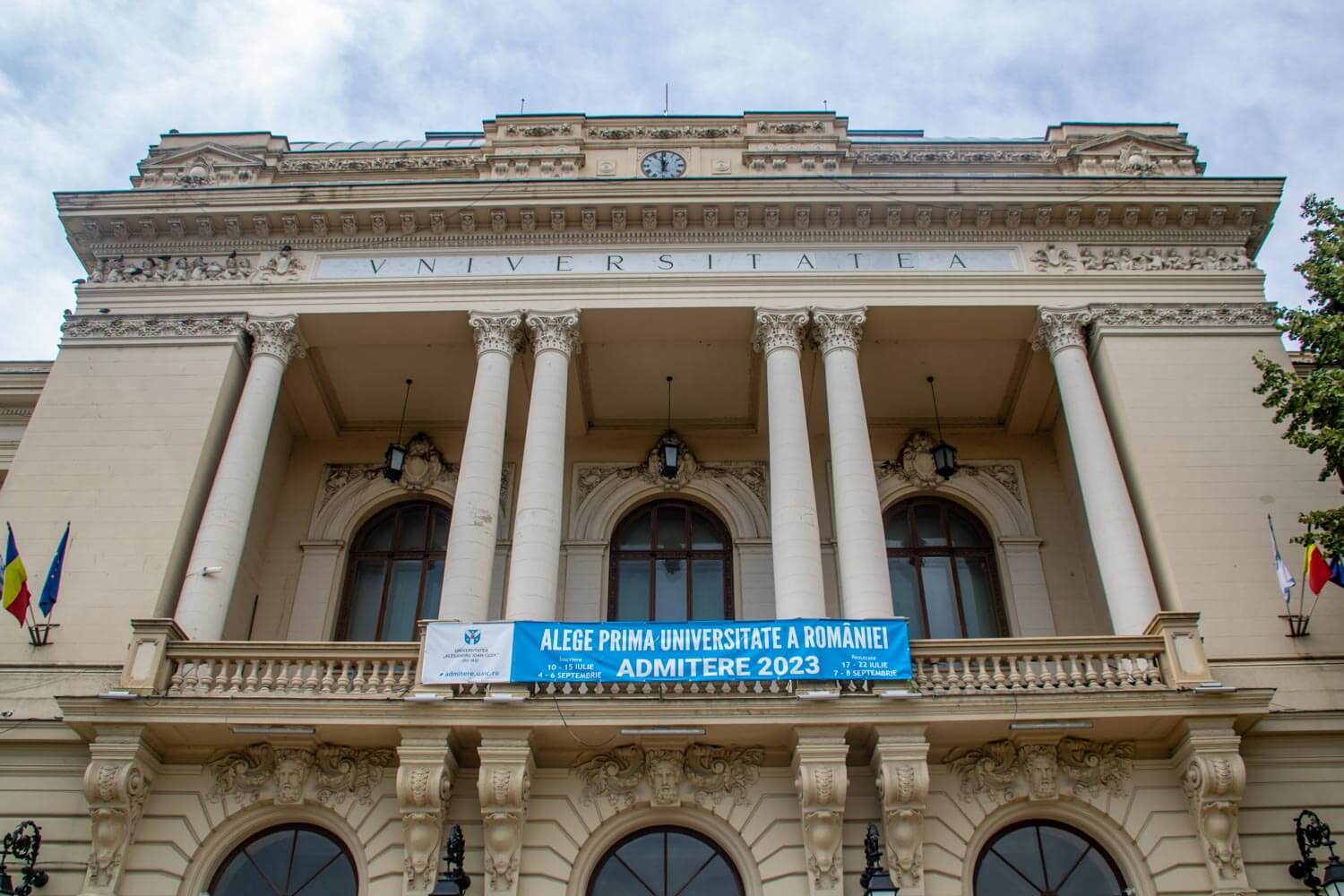
By the late 19th century, the old premises were no longer sufficient, and a much larger university building was planned in Copou. The foundation stone of the University Palace was laid in 1893 in the presence of Crown Prince Ferdinand, on the former site of the National Theater. French architect Louis Pierre Blanc designed the building in a monumental French Eclectic style combining Classical and Baroque elements. The palace was inaugurated on October 21, 1897, with King Carol I and Queen Elisabeth attending the ceremony, and was substantially enlarged during the interwar period.
The palace dominates this section of Copou with a long symmetrical façade, a monumental central entrance, richly modeled stonework, and steep rooflines rising above the upper floor. Its scale reflected the growing importance of the university, which continued to add new departments and fields of study during the early 20th century. In 1937, branches of the Faculty of Sciences developed into the Polytechnic School of Iași, the predecessor of today’s Gheorghe Asachi Technical University. The Faculty of Medicine became independent in 1948 and developed into the present Grigore T. Popa University of Medicine and Pharmacy, giving two of Iași’s other major universities direct roots in the original institution.
The 1948 communist education reform also brought major changes within the university itself. Academic structures were reorganized, ideological controls were imposed on teaching and research, and links with universities elsewhere in Europe became much more restricted. Further reforms followed during the communist period, before the political changes of 1989 restored greater institutional autonomy and opened the university again to wider international cooperation.
Inside the University Palace, the best-known space is the Hall of the Lost Steps (Sala Pașilor Pierduți), a broad ceremonial corridor running through the historic building. Between 1968 and 1978, painter Sabin Bălașa created 18 large murals here, covering around 300 square meters with the blue-toned mythological and cosmic imagery that became characteristic of his work. Another important interior is the Mihai Eminescu Aula Magna, used for major academic ceremonies and events.