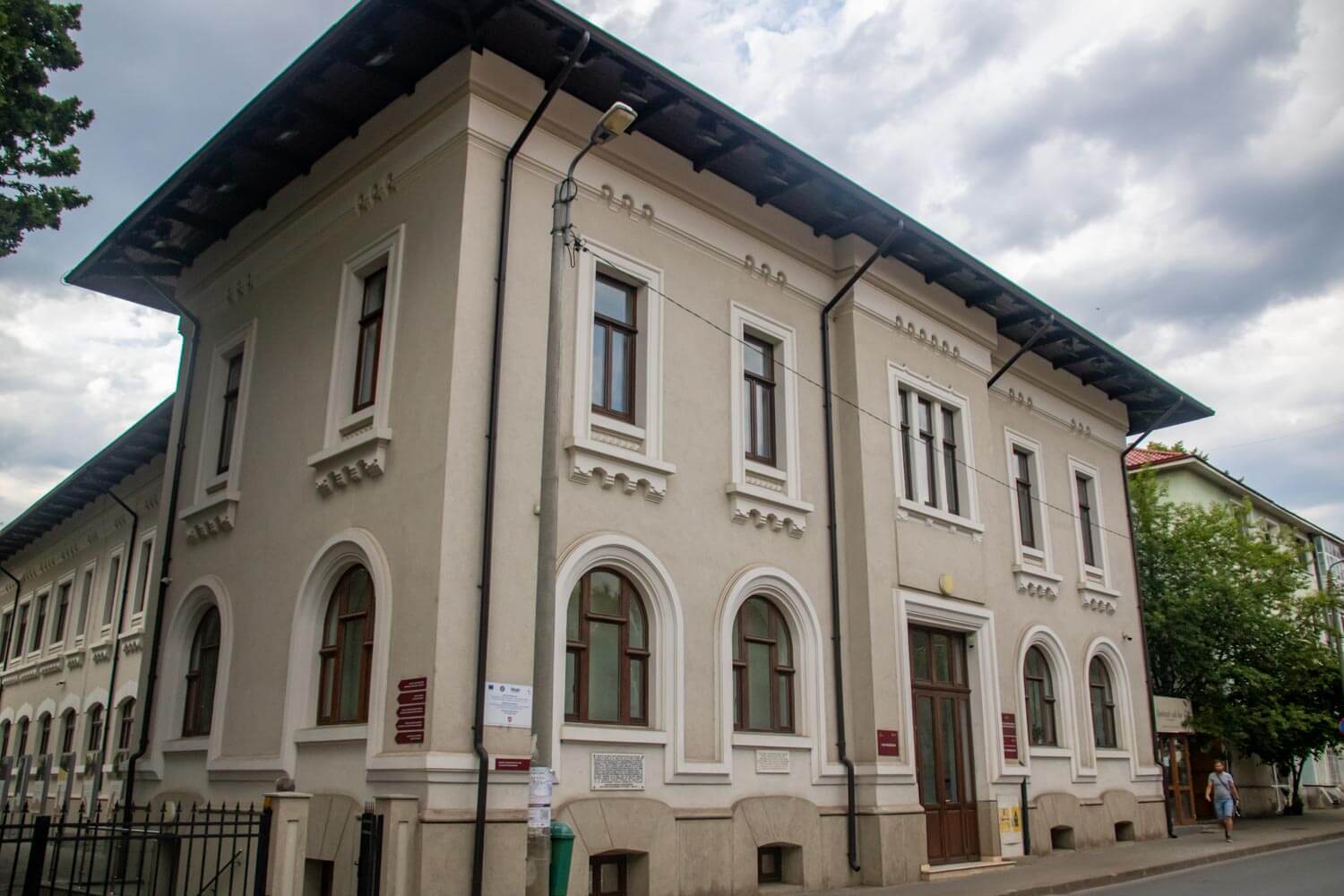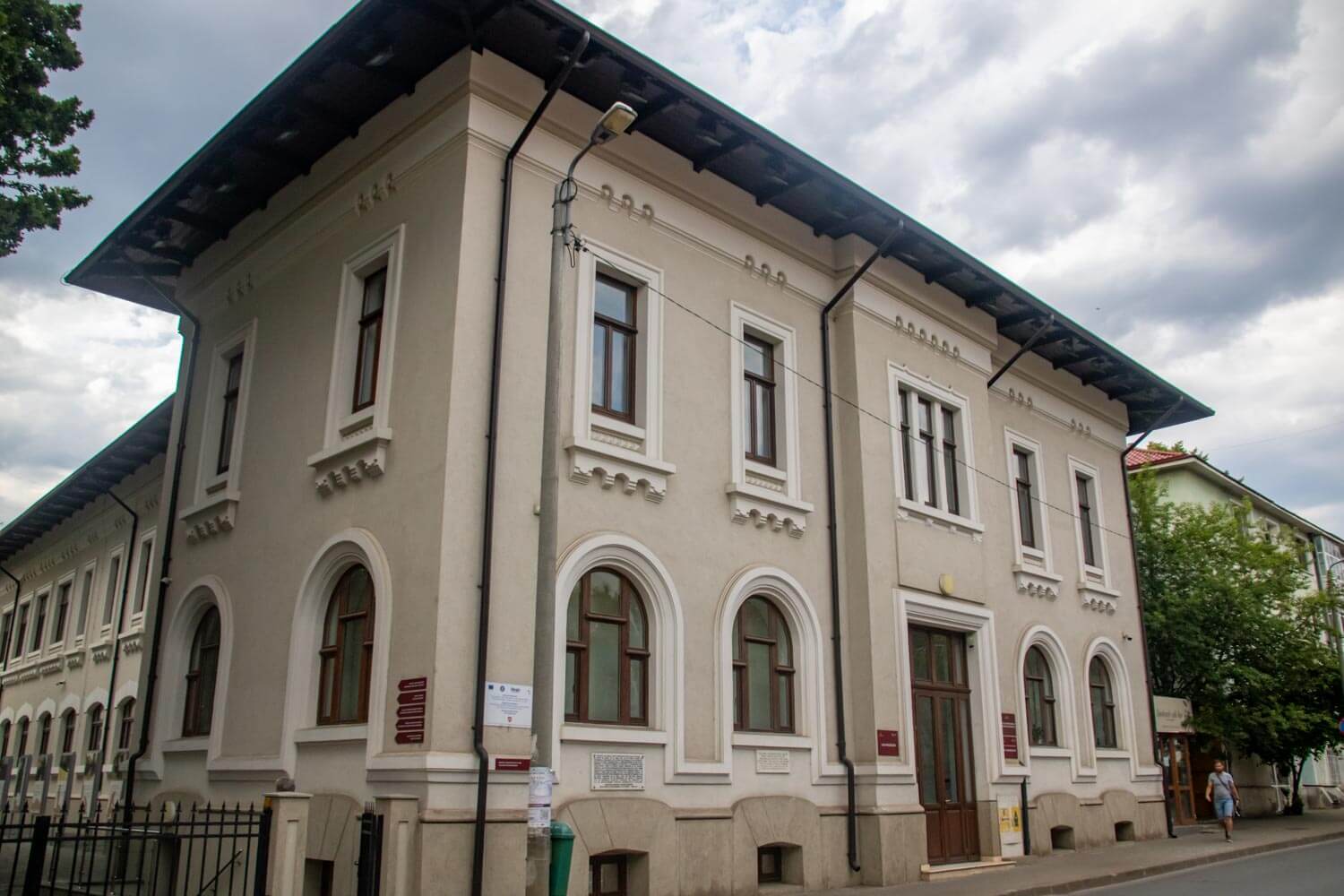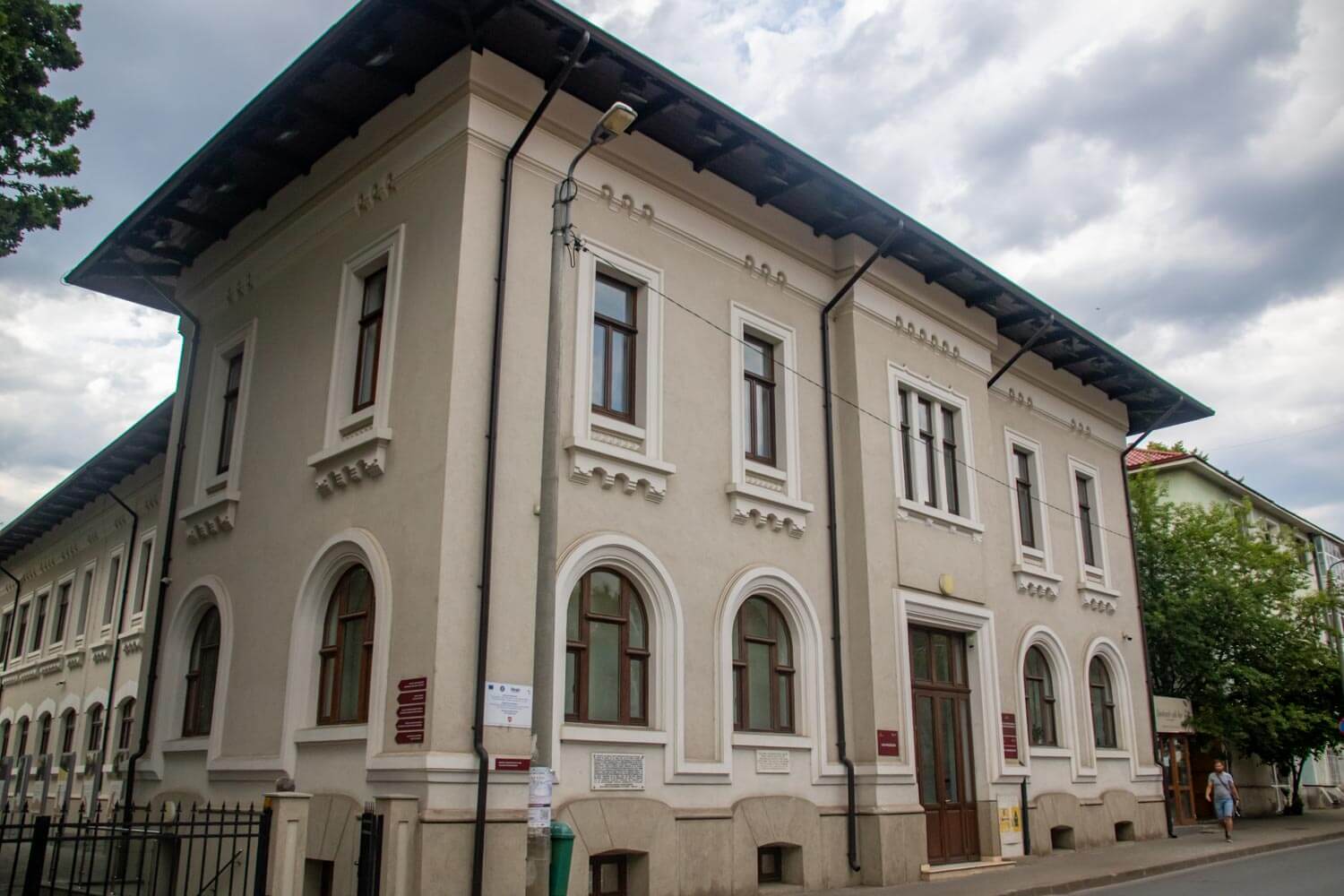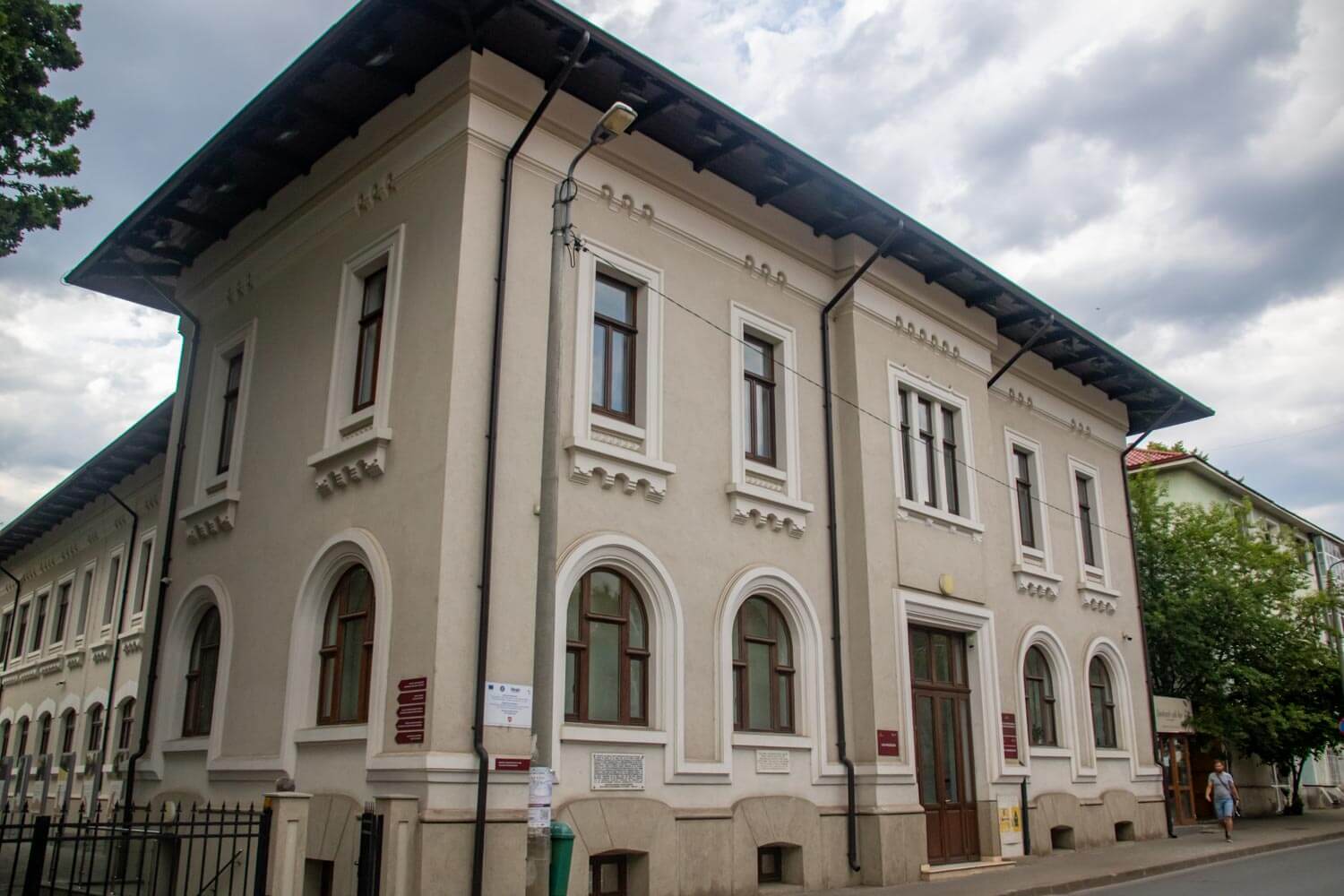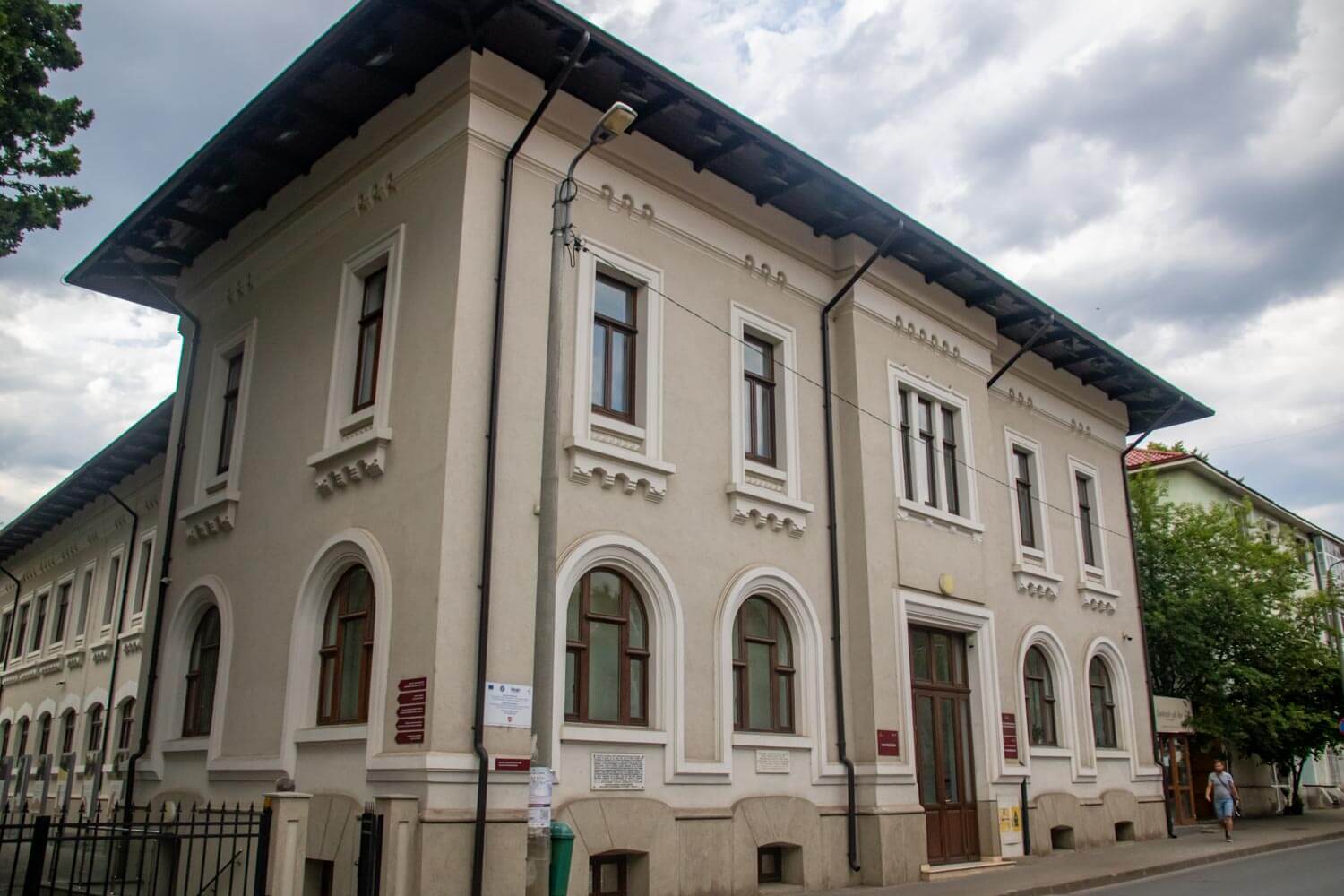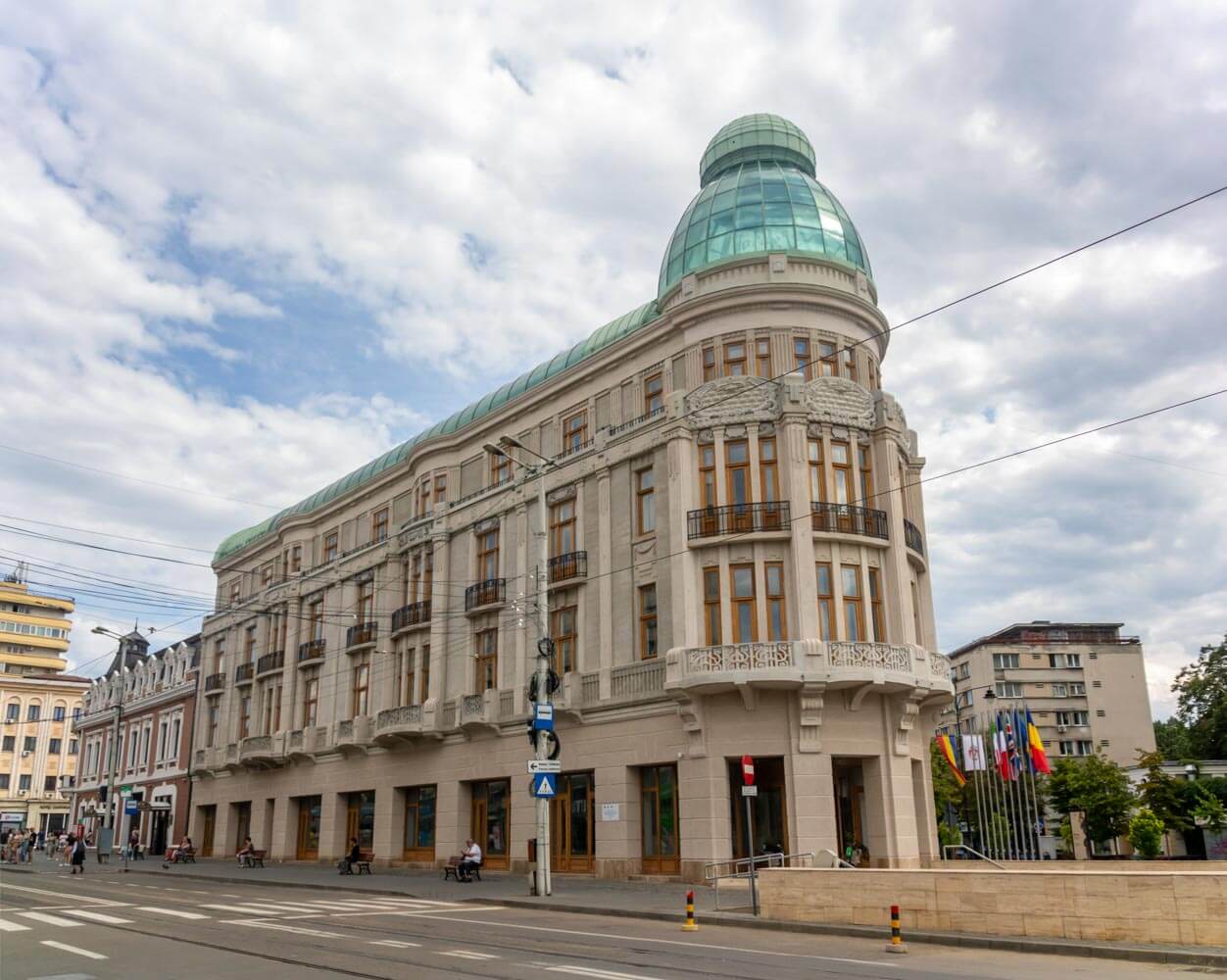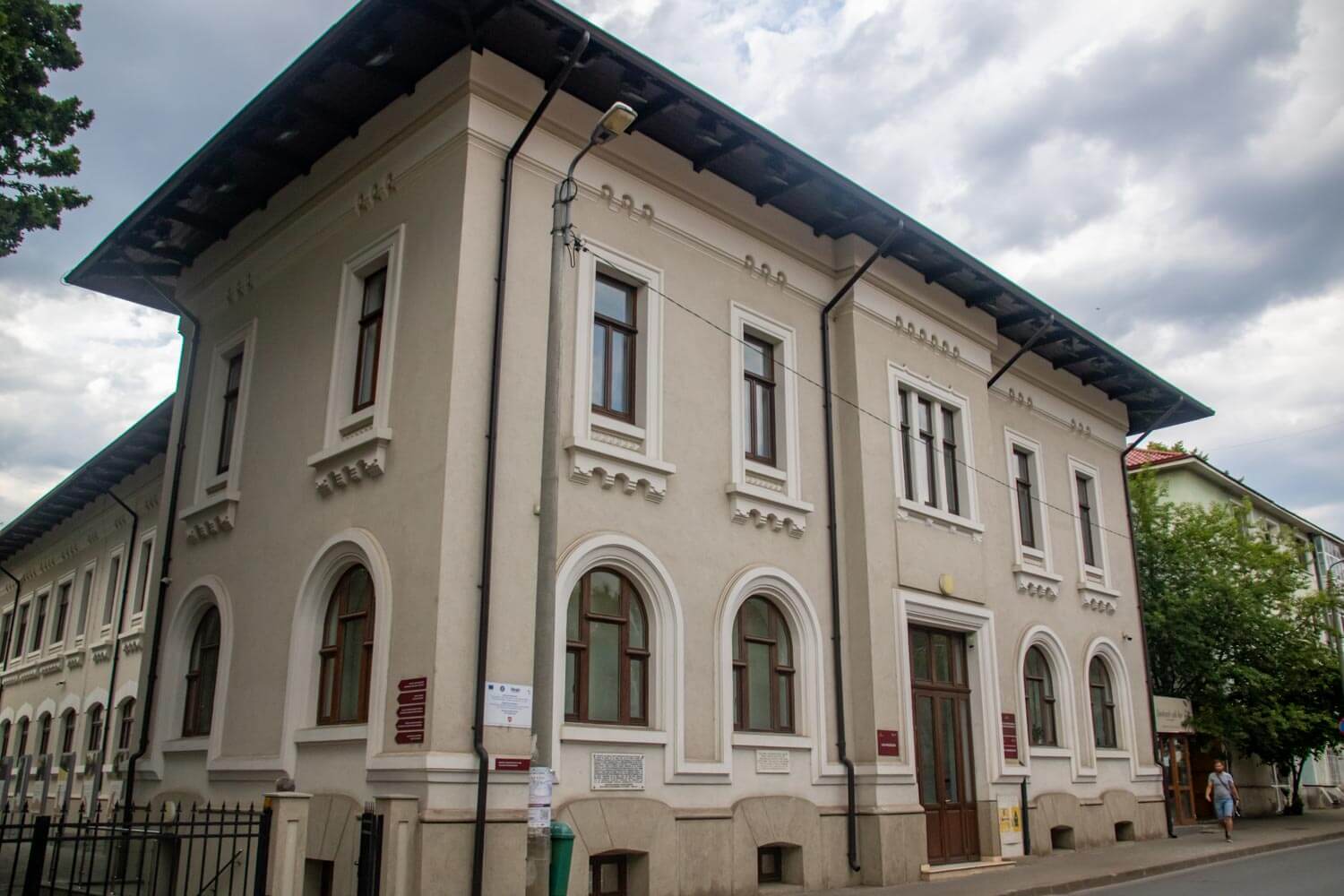
The Iași Pogrom Museum (Muzeul Pogromului de la Iași) is a memorial museum inside the House of Museums (Casa Muzeelor) in Iași, devoted to the mass persecution and killing of Iași’s Jewish population in June 1941. Its location is itself part of that history: the building then served as the city’s Police Headquarters, where thousands of Jews were brought during the violence.
The pogrom took place on 28-30 June 1941, after months of increasingly violent antisemitic policies and propaganda under the Antonescu regime. Romanian authorities, military units, German forces, and local civilians took part in arrests, beatings, shootings, and killings across the city. Large numbers of Jews were forced into the courtyard of the Police Headquarters, where many were murdered or subjected to brutal treatment before survivors were taken to the railway station and loaded onto the notorious death trains.
Opened in 2021, the museum presents the events through photographs taken during the pogrom, official documents, survivor testimonies, personal objects, and audiovisual material. The displays follow the escalation from antisemitic persecution to the violence in the streets, the killings at the Police Headquarters, and the deportation of survivors by train, while also identifying perpetrators and preserving the names and experiences of victims.
Some of the most disturbing material includes original photographs showing Jews being rounded up and marched toward the police building, as well as testimony from people who survived the courtyard and the death trains. The museum also uses multimedia elements and a holographic installation to present individual stories within the broader history of the massacre. The exhibition extends into the courtyard, where part of the violence took place in June 1941. This direct relationship between the museum and the surviving site gives the displays a context that could not be recreated elsewhere.
The museum is administered by the National Museum of Romanian Literature Iași, and is one of five museums inside the House of Museums. It can be visited with an individual ticket, or with a combined ticket for all five.