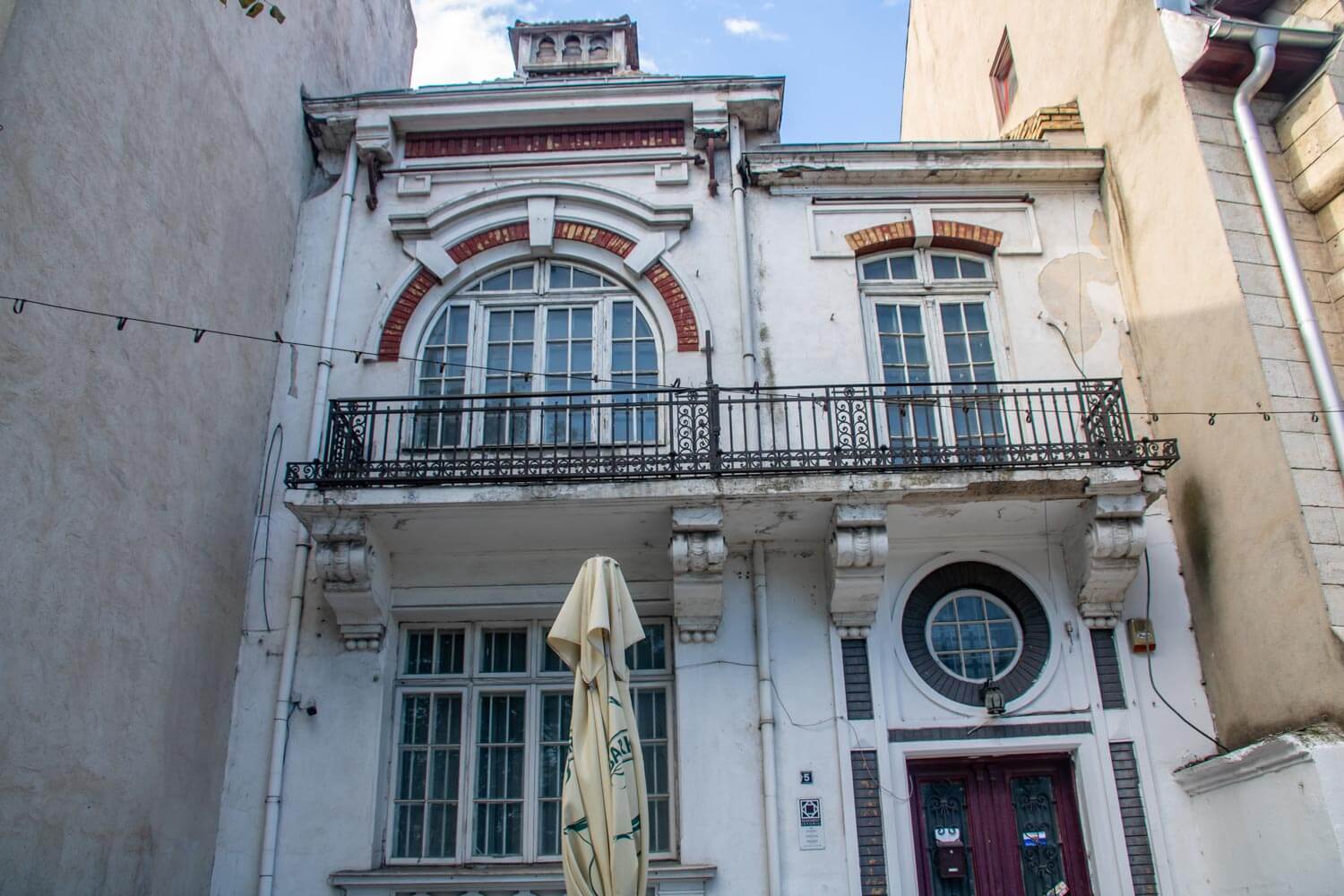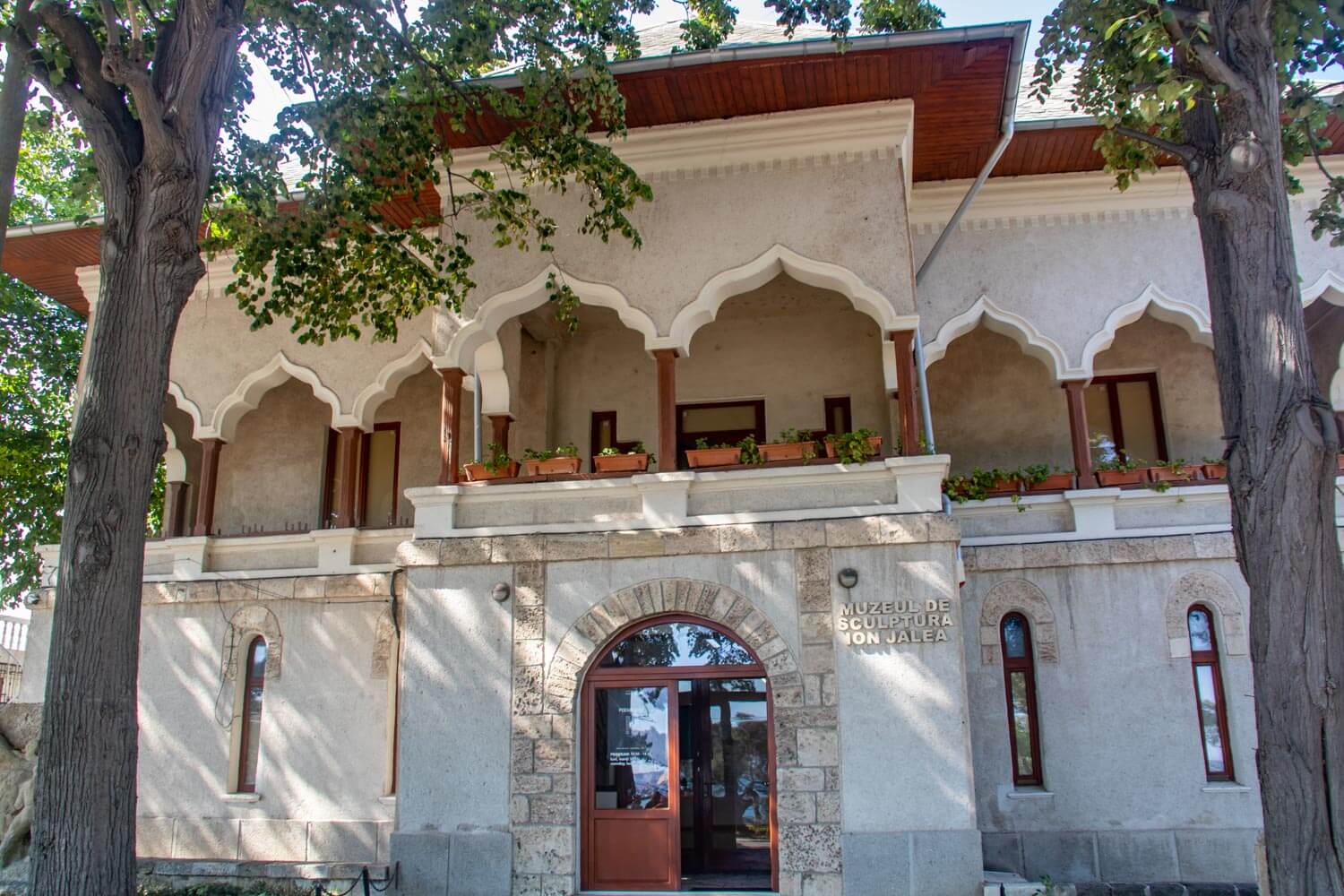
The Ion Jalea Sculpture Museum (Muzeul de Sculptură Ion Jalea) is a sculpture museum near the Constanța seafront and a branch of the Constanța Art Museum. Housed in the former Pariano House, it preserves a large collection of works by Romanian sculptor Ion Jalea, ranging from portraits and studies of the human figure to religious, mythological and monumental compositions.
History And Architecture Of The Pariano House
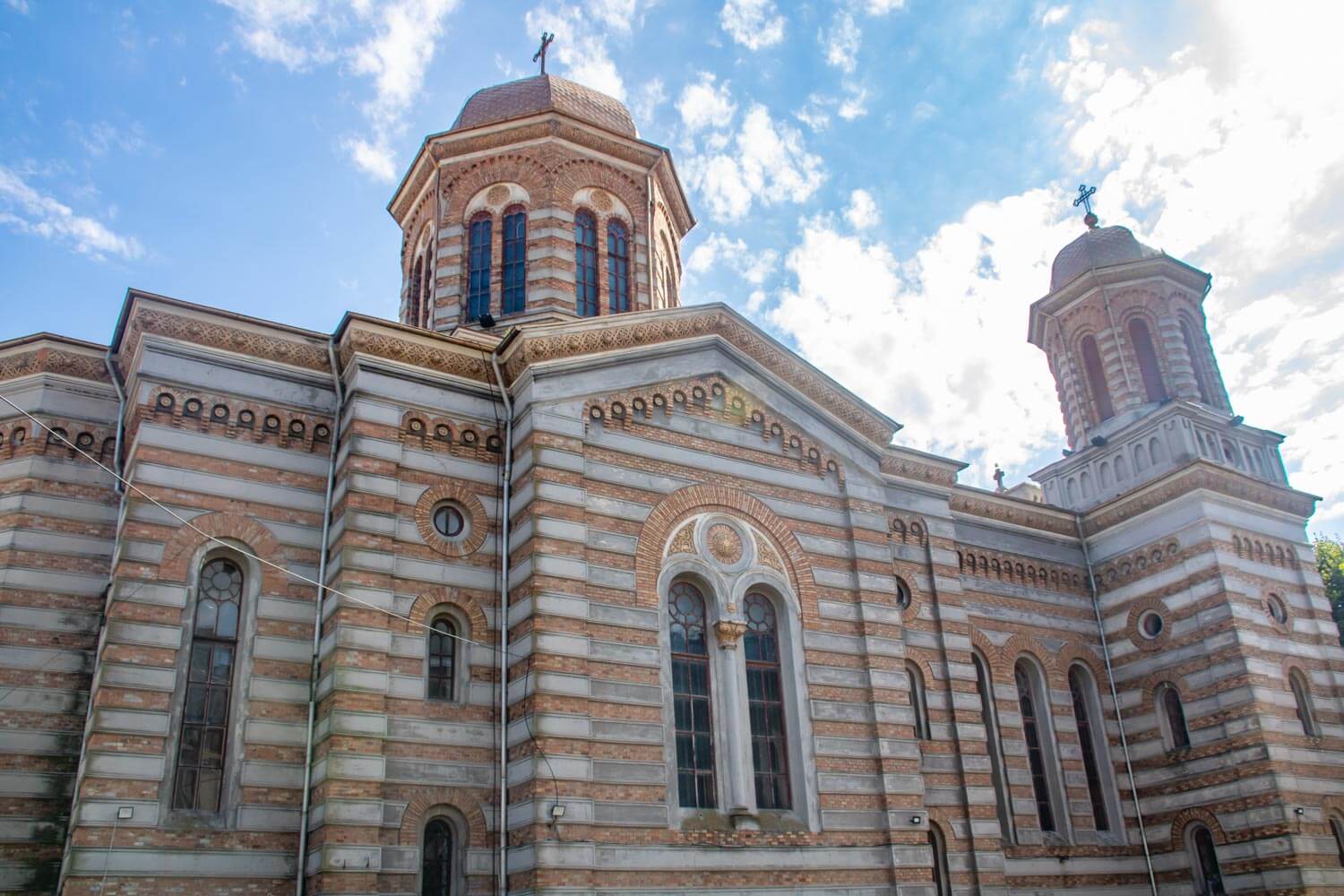
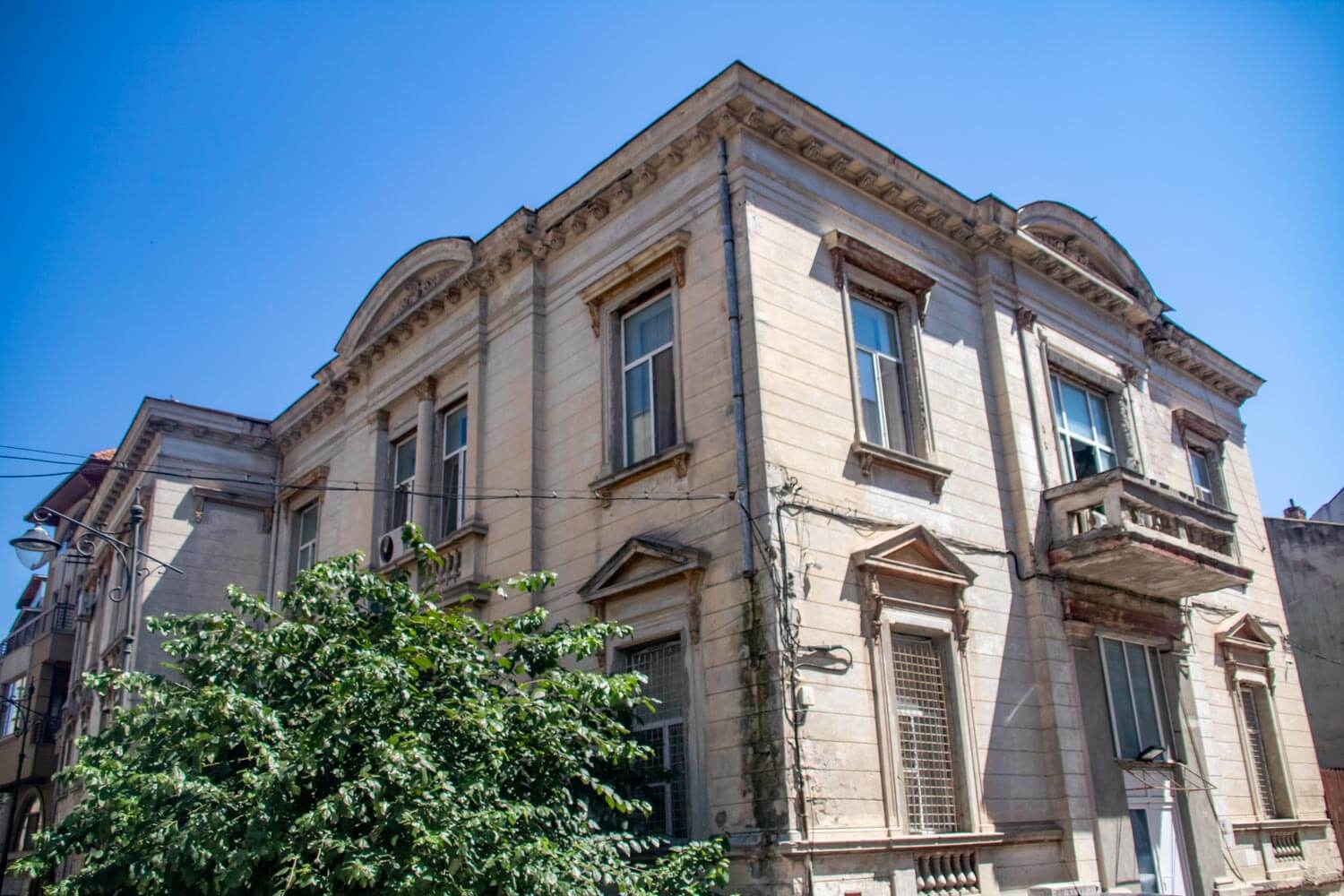
The museum occupies a Neo-Romanian residence commissioned by Constantin Pariano, a prominent landowner and former prefect of Constanța County. Architect Victor Stephănescu designed the house in 1913, but World War I interrupted the project and construction was completed around 1920.
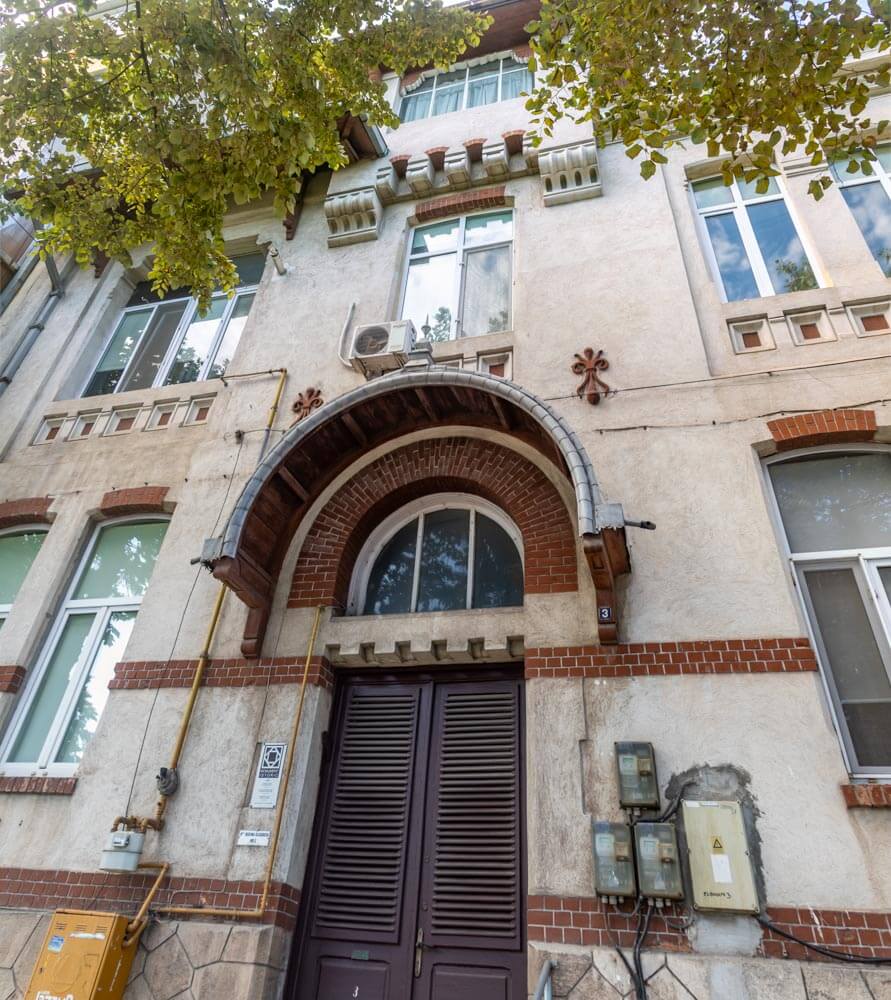
The building combines the proportions of an urban villa with characteristic Neo-Romanian details, including arcades, balconies and decorative stonework. Its position close to the seafront placed it among the substantial residences built in Constanța during the early 20th century.
After Pariano’s death, the house passed through several uses. It served for a period as the British Consulate and was later used by the Romanian Maritime Service. After World War II it was requisitioned during the Soviet occupation and subsequently entered public ownership before becoming the home of the Ion Jalea museum in 1968.
Museum Collection
The museum was created in 1968 after Ion Jalea donated more than one hundred sculptures and drawings to Constanța. His family added further works after his death in 1983, expanding the collection to more than two hundred pieces and allowing the museum to represent several different stages of his career.
Works in plaster, bronze, stone and marble are displayed alongside drawings and preparatory studies. The collection includes portraits, nudes, biblical and mythological figures, scenes of labor and war, allegorical compositions and studies for larger monuments, showing the range of subjects and materials Jalea worked with throughout his career.
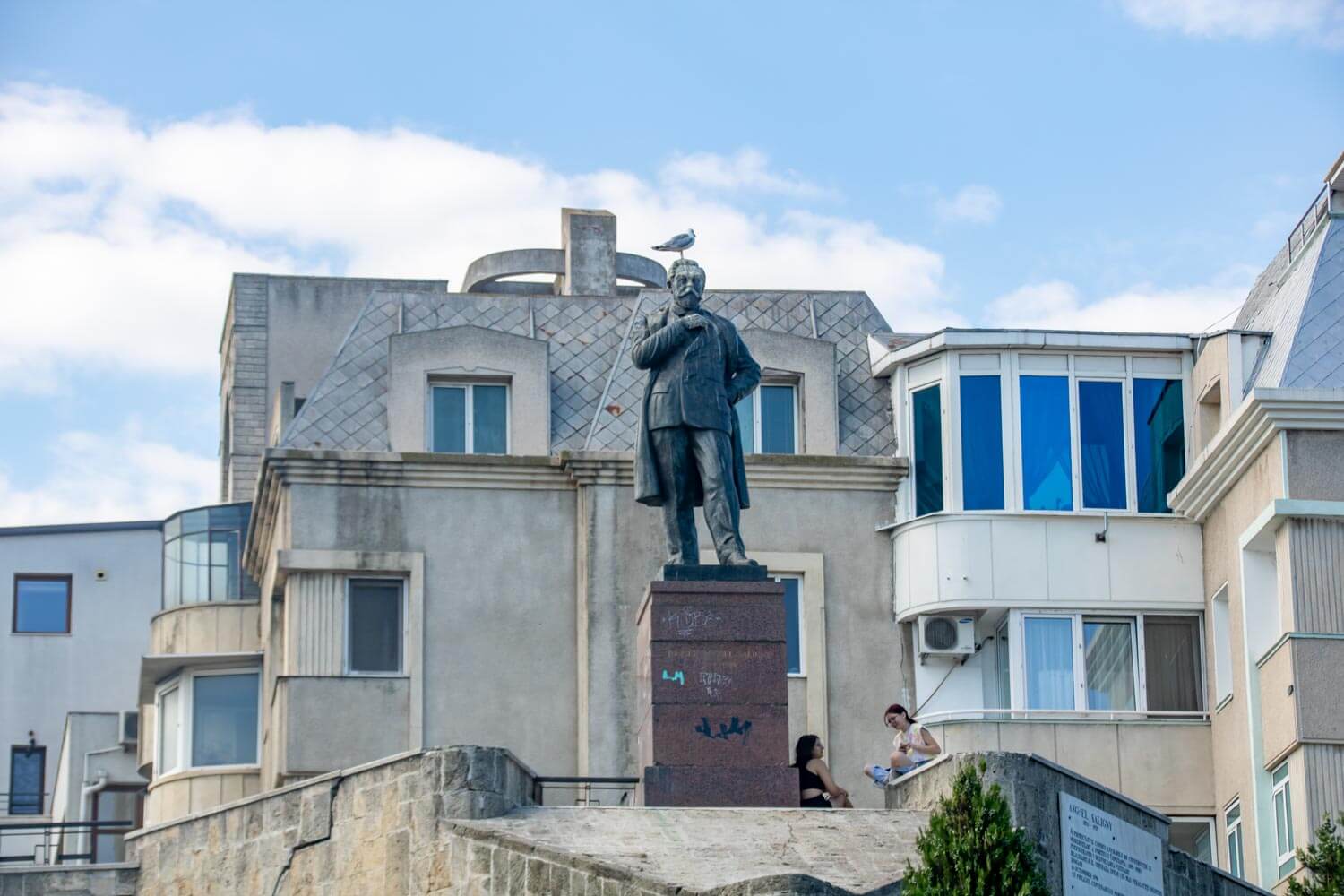
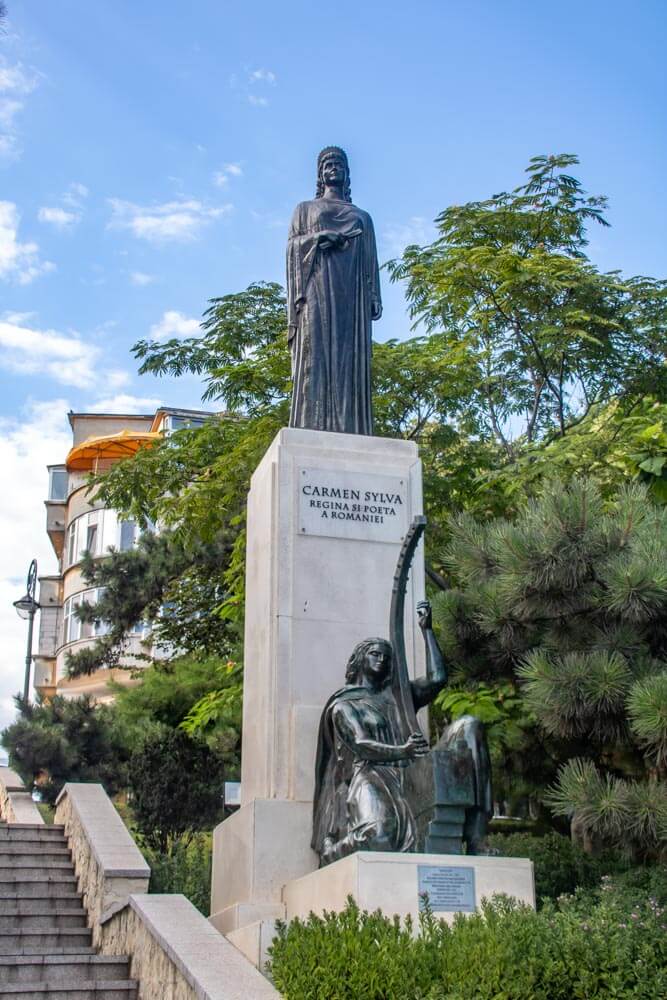
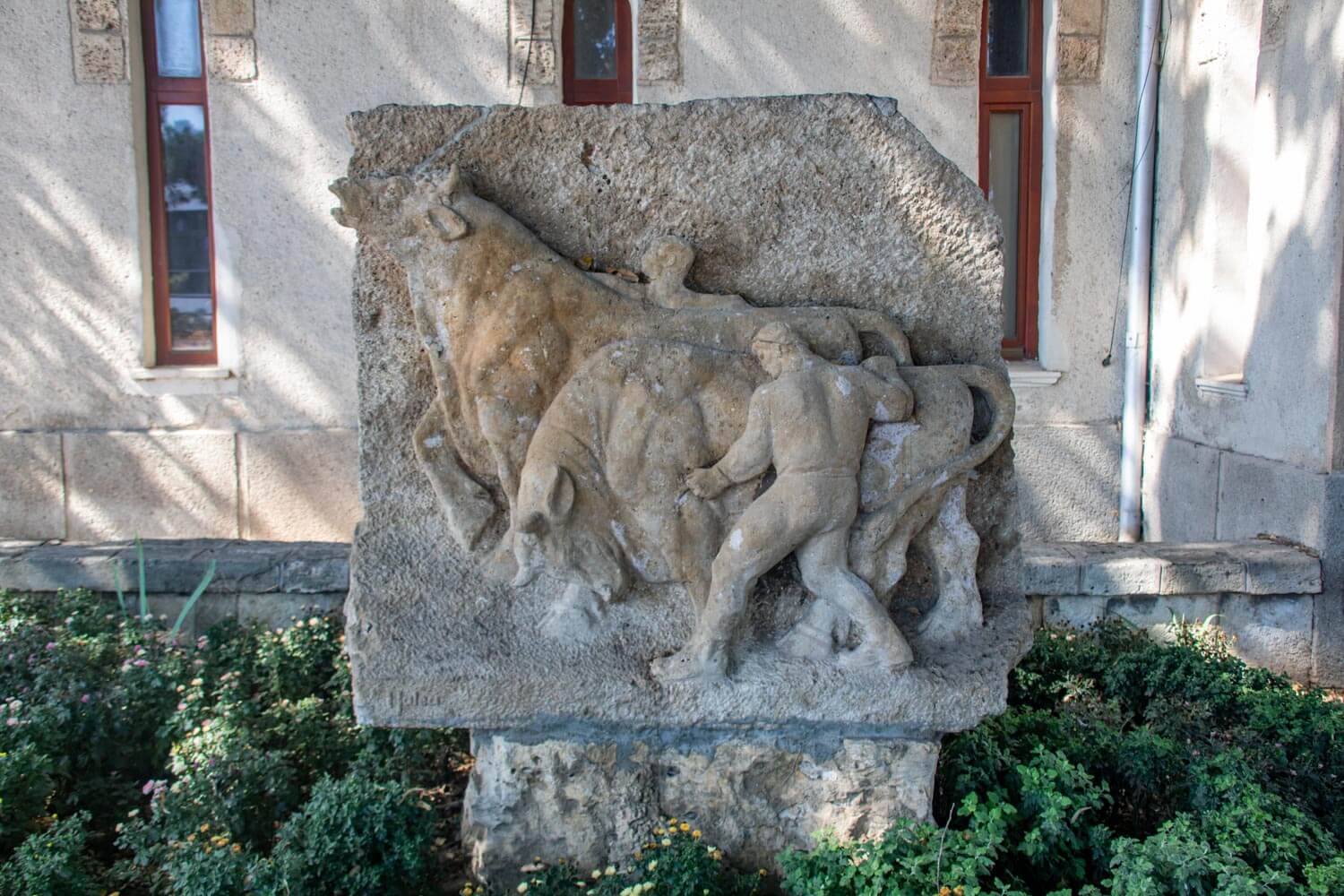
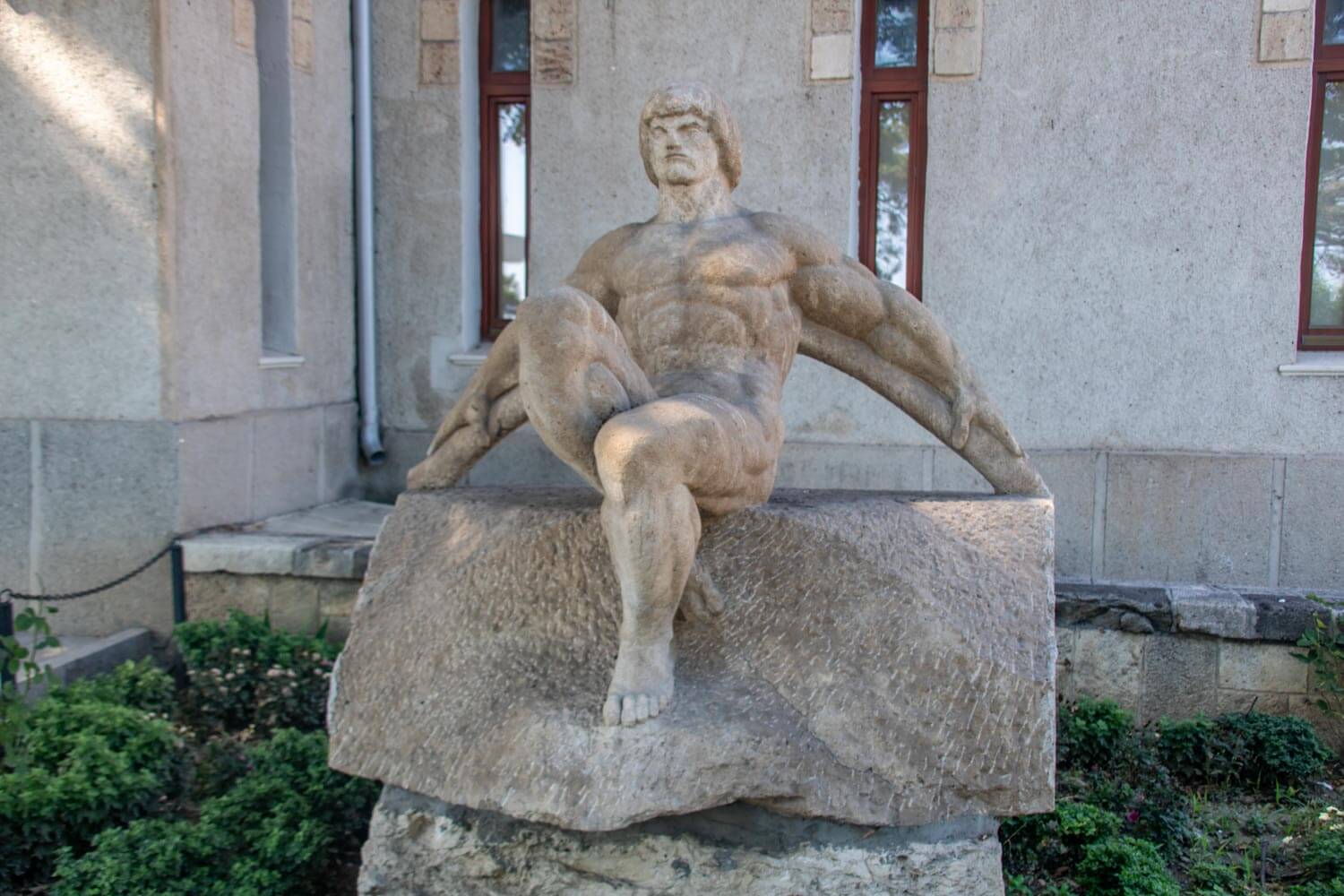
Two monumental works can also be seen outside the museum. Resting Archer (Arcaș odihnindu-se), created in stone in 1961, stands near the building together with the 1964 bas-relief Men with Bulls (Oameni cu tauri), extending the collection into the surrounding public space.