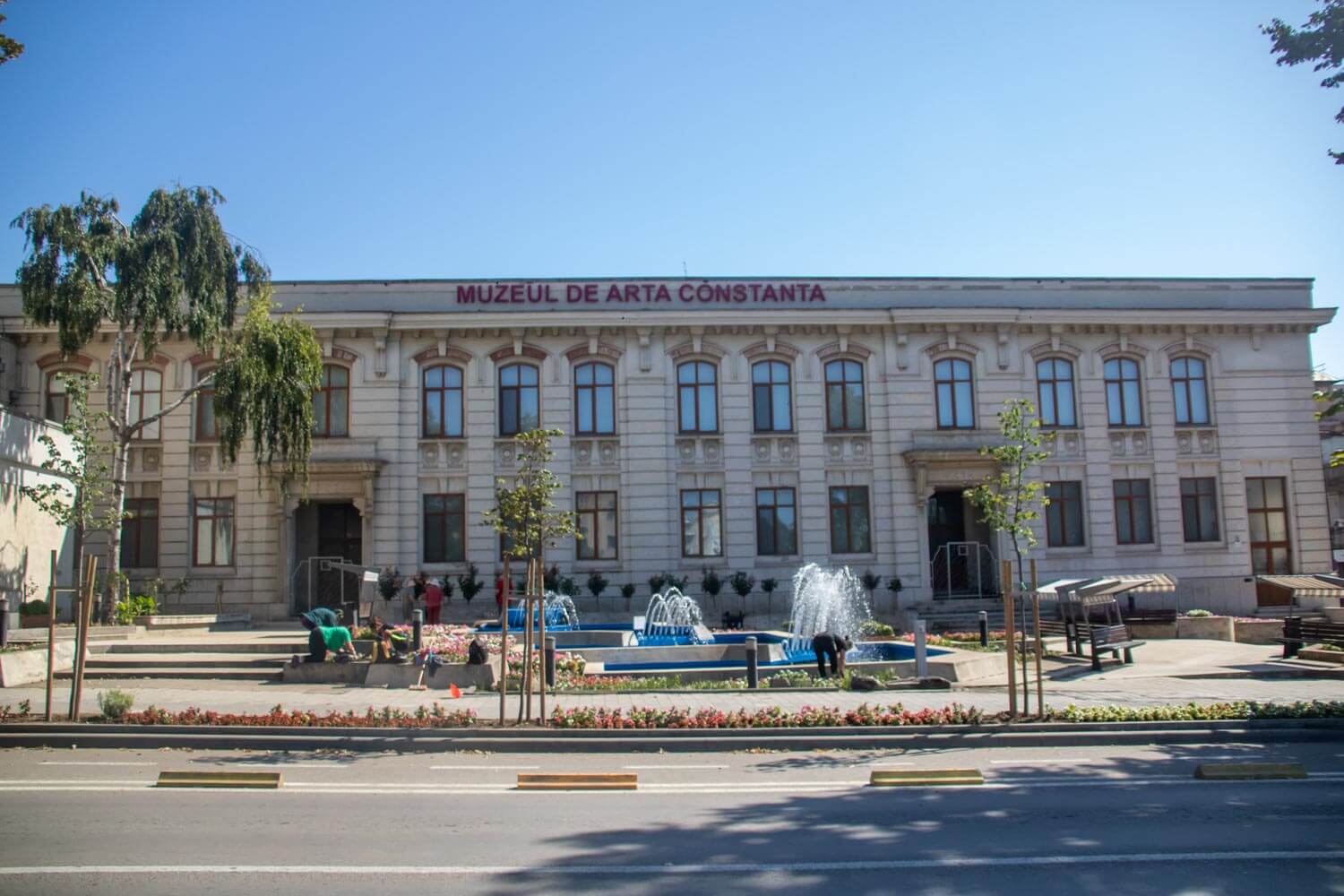
The Constanța Art Museum (Muzeul de Artă Constanța) is the main fine arts museum in Constanța, with collections covering the development of Romanian painting and sculpture from the 19th century onward. Its permanent displays place particular emphasis on artists inspired by Dobrogea and the Black Sea coast, while the institution also administers the Ion Jalea Sculpture Museum elsewhere in the city and the Dinu and Sevasta Vintilă Museum in Topalu.
History
The museum developed from earlier public art collections assembled in Constanța during the 20th century, including the municipal art gallery and works connected with the Romanian artistic community at Balchik. These collections were gradually expanded through acquisitions, donations and transfers from national institutions, eventually forming the basis of the present museum.
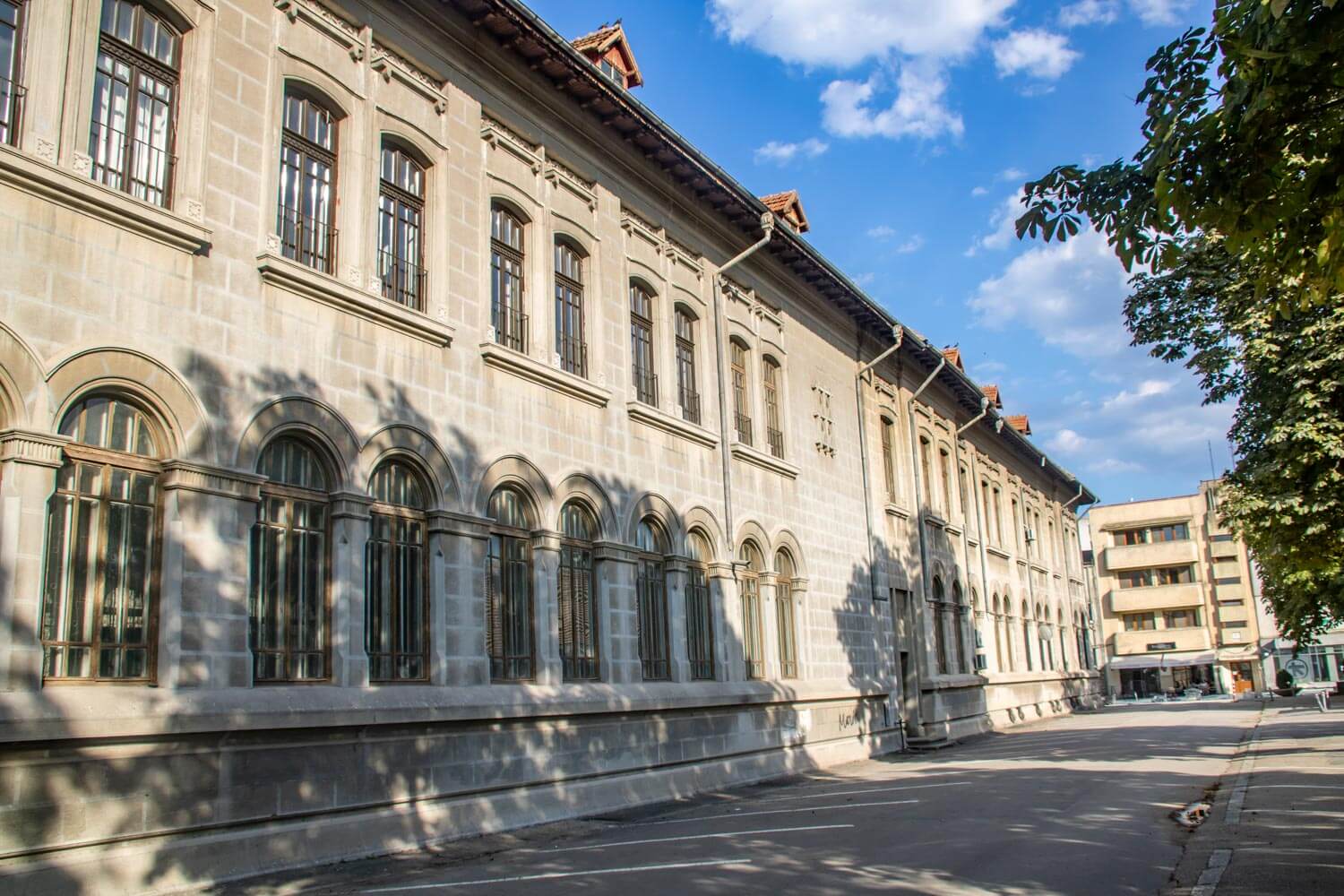
Its premises combine a late-19th-century school with a modern museum wing. The older building was constructed between 1891 and 1893 as the Principele Ferdinand și Principesa Maria School, the first purpose-built Romanian school in Constanța. Designed by architect Ion Socolescu, it was erected at a time when the city was beginning to expand beyond the densely built peninsula.
The school continued to occupy the building while the neighboring purpose-built museum wing was constructed between 1980 and 1982. This new section provided larger exhibition spaces for the growing art collection, while the former school was incorporated into the museum several years later, in 1987. The two buildings now function together as a single museum complex, combining the historic school rooms with the larger galleries of the modern extension.
Museum Collections
The permanent exhibition is arranged broadly chronologically, allowing visitors to follow the development of Romanian art from the 19th century into the modern period. Early galleries include works by painters such as Theodor Aman, Nicolae Grigorescu and Ioan Andreescu, alongside sculpture by artists including Ioan Georgescu, Ștefan Ionescu Valbudea, Frederic Storck and Dimitrie Paciurea.
The collection then moves through the major artistic directions of the 20th century, with painting and sculpture displayed side by side. Dobrogea and the Black Sea coast form an important thread through the galleries, reflecting the attraction that Constanța, Balchik and the surrounding landscape held for Romanian artists, particularly during the interwar period.
The museum’s holdings grew through acquisitions as well as significant donations and transfers, creating a broad survey of Romanian art rather than a collection centered on a single school or movement. Temporary exhibitions are presented alongside the permanent displays, allowing additional works from the collection and contemporary projects to be shown in changing arrangements.
The Constanța Art Museum also administers two separate museums elsewhere in the county. The Ion Jalea Sculpture Museum near the Constanța seafront is devoted to the work of sculptor Ion Jalea, while the Dinu and Sevasta Vintilă Museum in Topalu preserves an important collection of Romanian art donated to the village by physician and collector Gheorghe Vintilă.