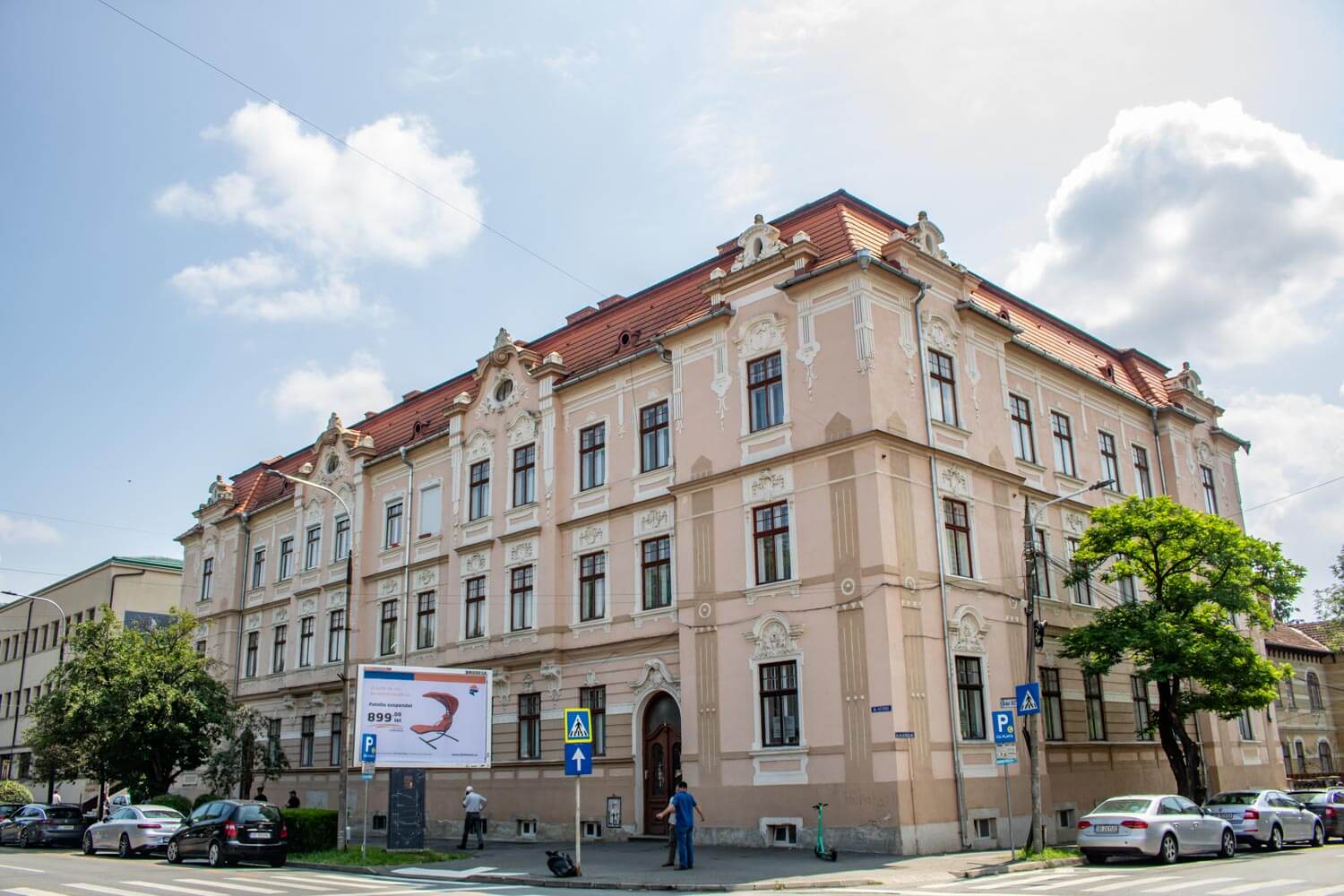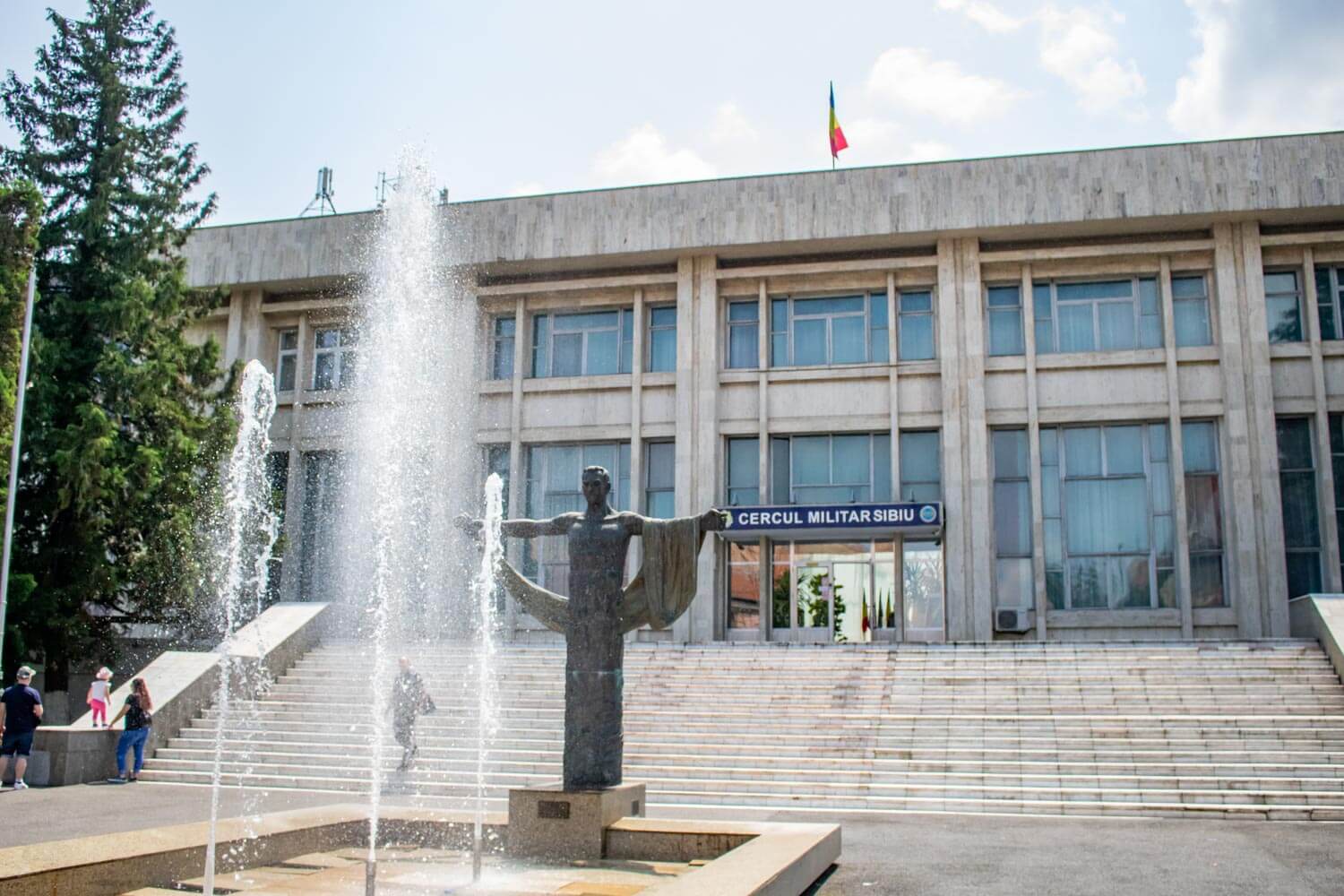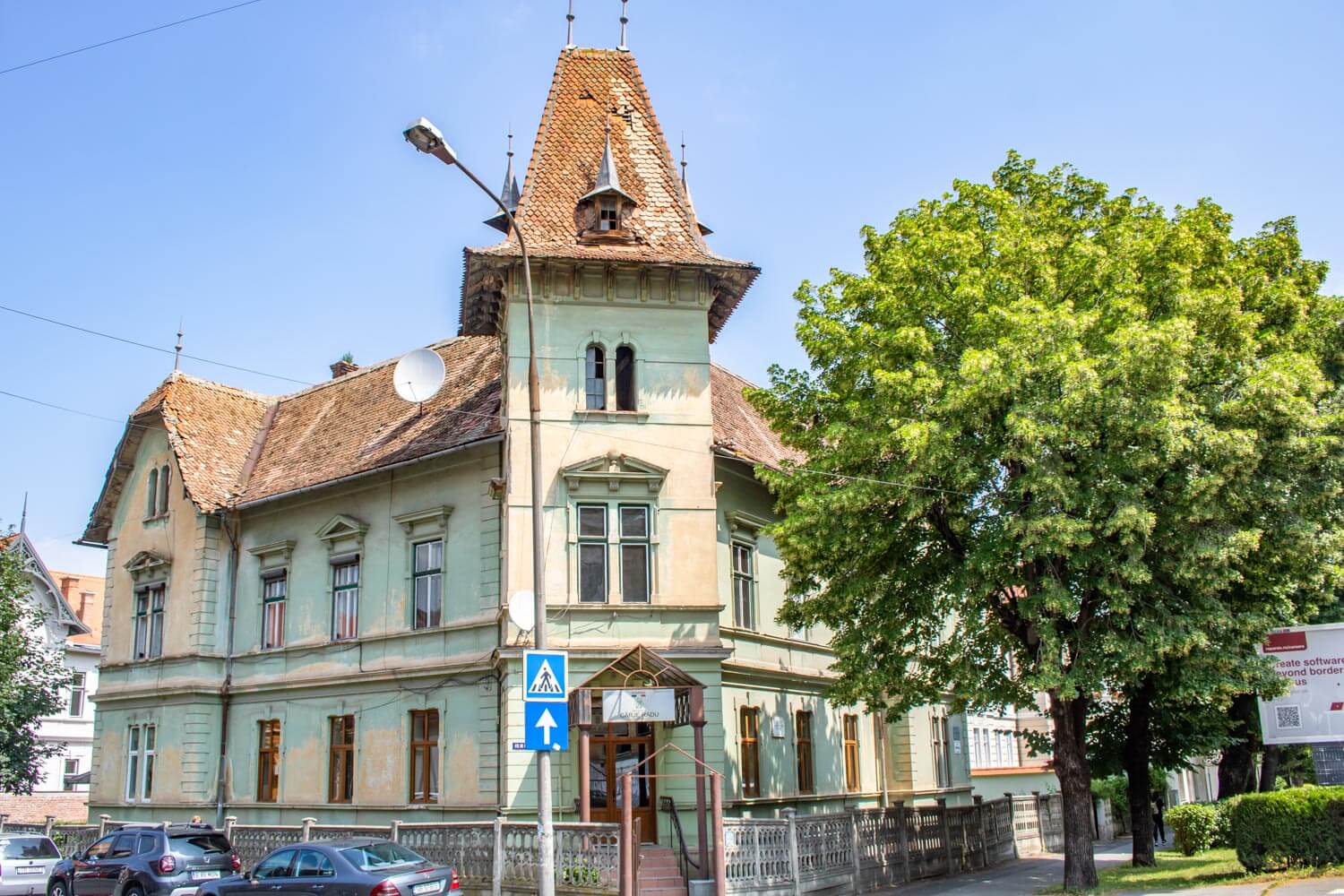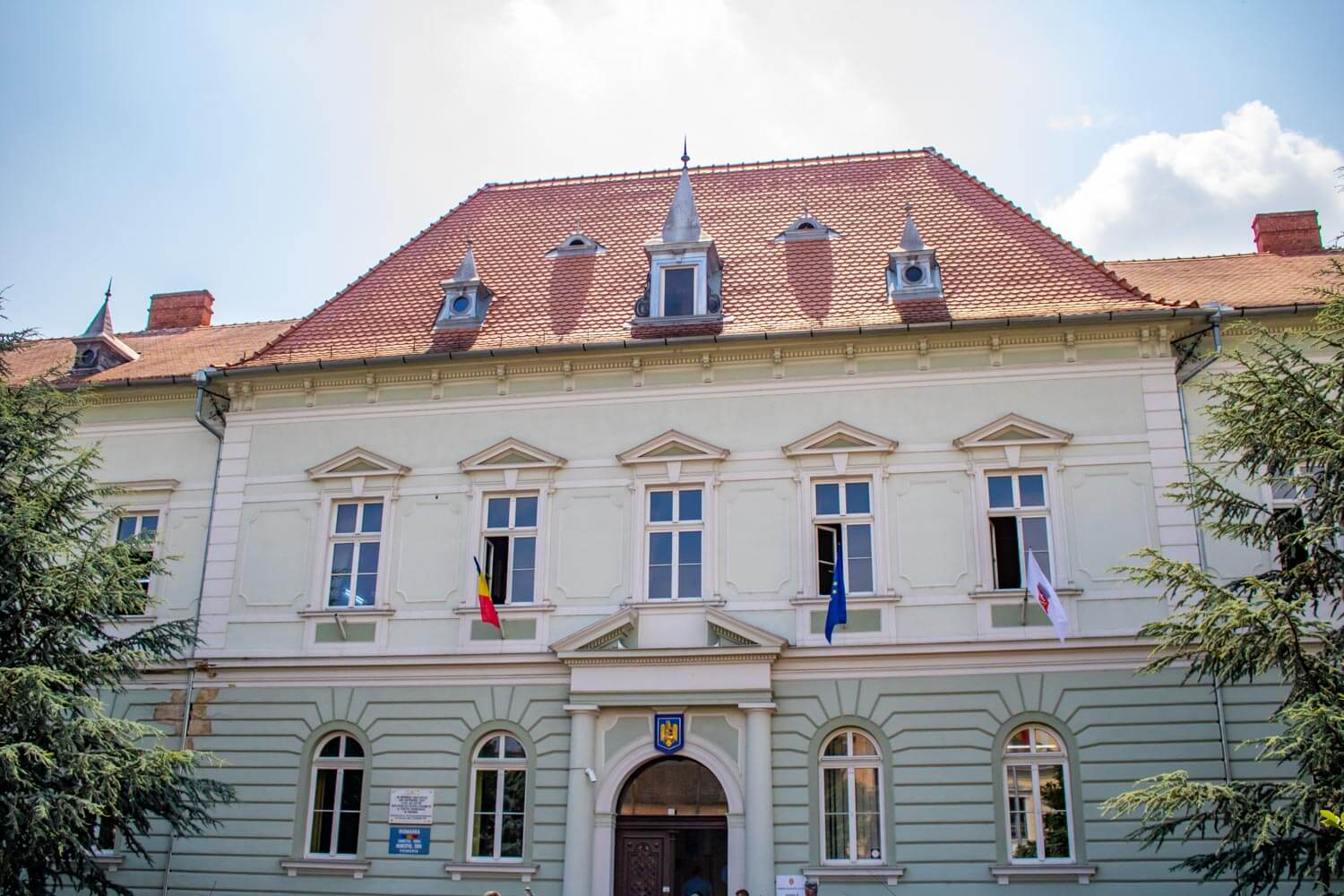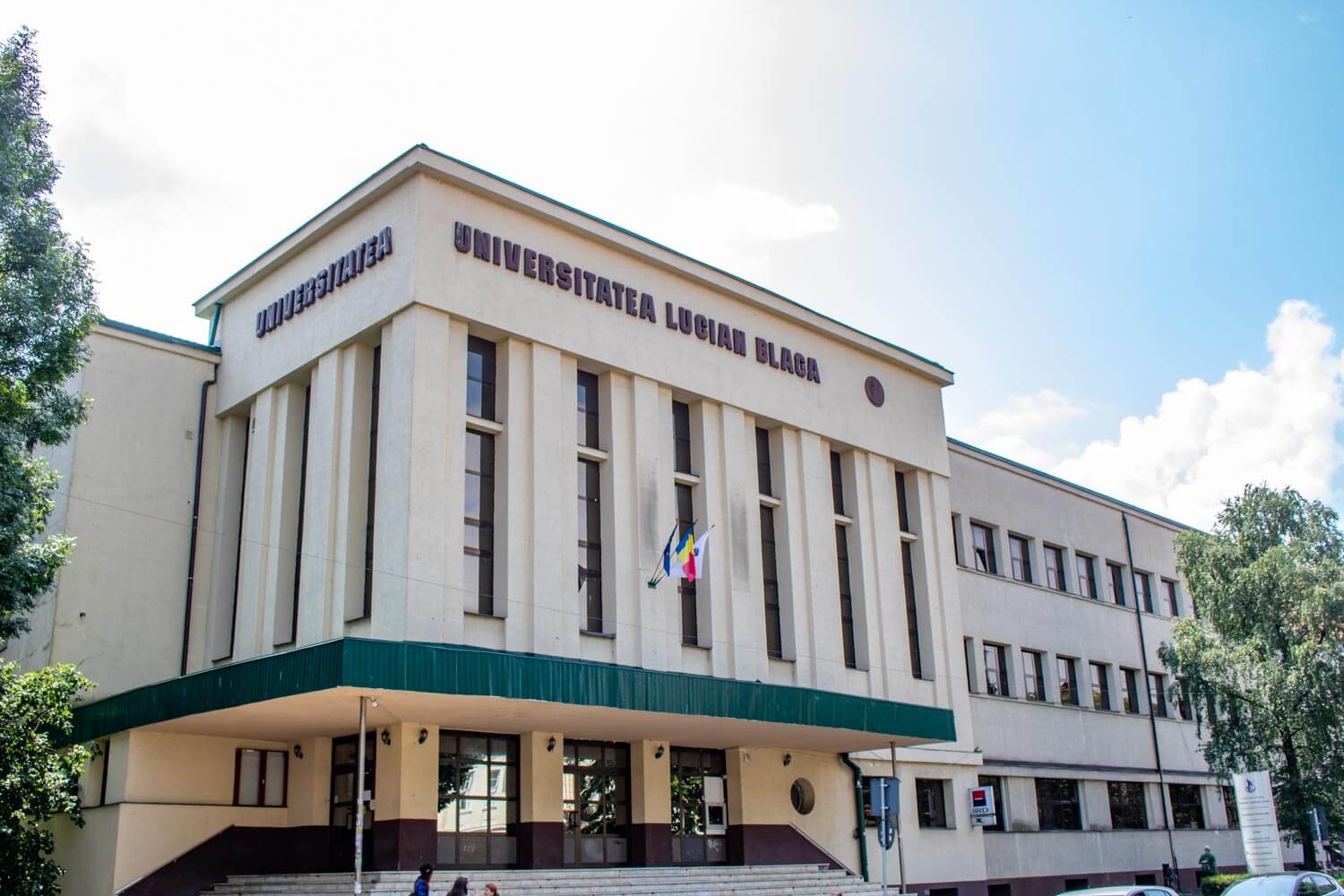
The Lucian Blaga University of Sibiu (Universitatea Lucian Blaga din Sibiu) is the main public university in Sibiu, with several faculties concentrated in a large complex between Bulevardul Victoriei and Strada Emil Cioran.
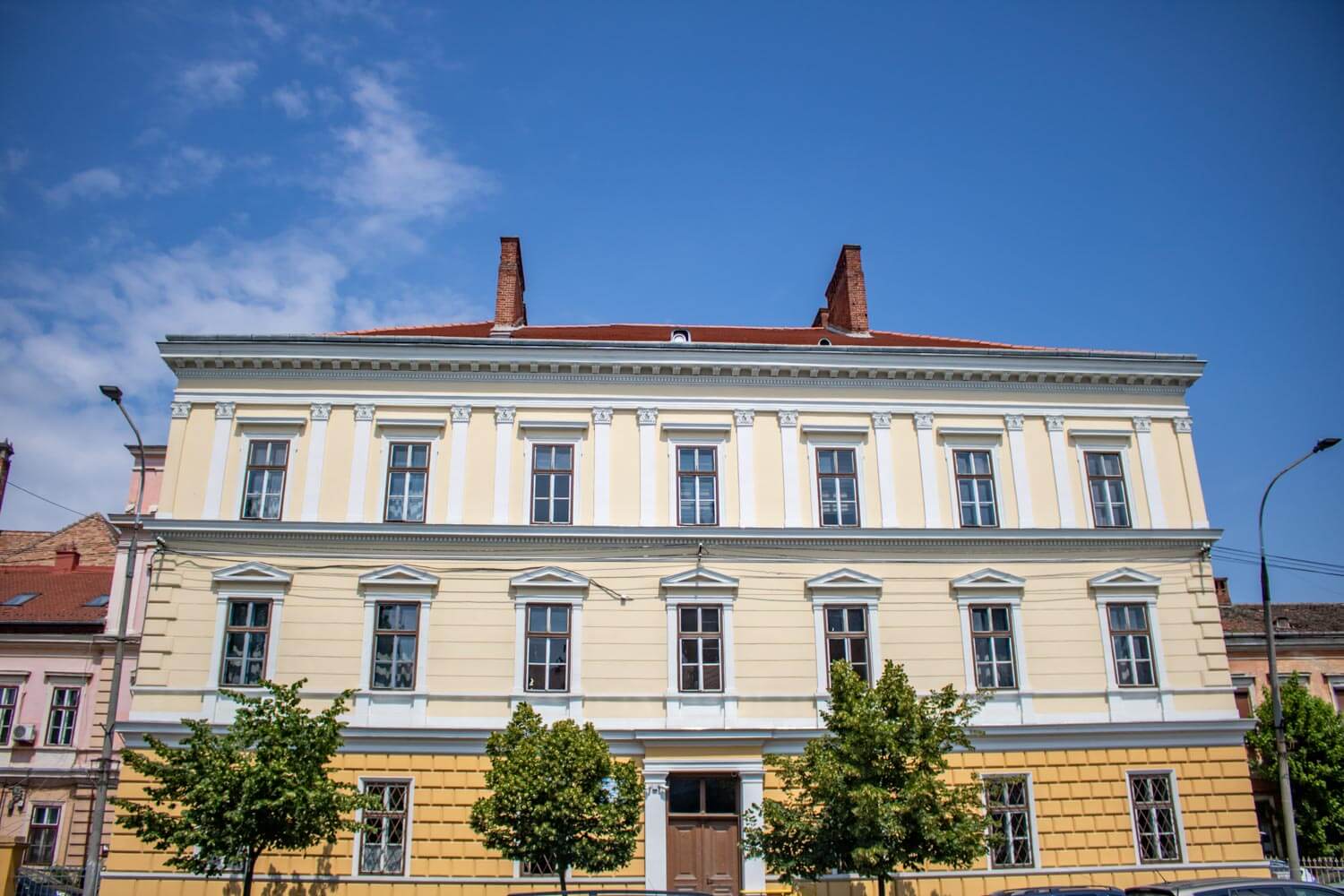
The oldest part of this complex was built between 1937 and 1940 as the new home of the Domnița Ileana girls’ high school, following plans by architect Victor Smigelschi. Almost as soon as it was completed, however, the building acquired a university role. After Northern Transylvania was ceded to Hungary in 1940, the King Ferdinand I University of Cluj was evacuated to Sibiu, and the former girls’ school became its principal building during the five years that followed. Faculties, institutes and the university library worked here, while academics including Lucian Blaga, Ioan Lupaș, Constantin Daicoviciu and Emil Racoviță helped make Sibiu an important temporary university center.
The Cluj university returned home in 1945, but the experience left a lasting influence on higher education in Sibiu. Permanent university teaching returned in 1969 with the creation of a Faculty of Philology and History as a branch of Babeș-Bolyai University. Its teaching spaces were again established in the former Domnița Ileana building, reconnecting the site directly with university life. Further disciplines followed, and in 1976 Sibiu gained an independent Institute of Higher Education.
Higher education in the city was reduced during the 1980s, but a new University of Sibiu was established after the fall of communism and expanded rapidly during the 1990s. In 1995 it adopted the name of the renowned Romanian poet and philosopher Lucian Blaga, who had taught at the relocated University of Cluj in Sibiu between 1940 and 1945 and had become one of the country’s major cultural figures.
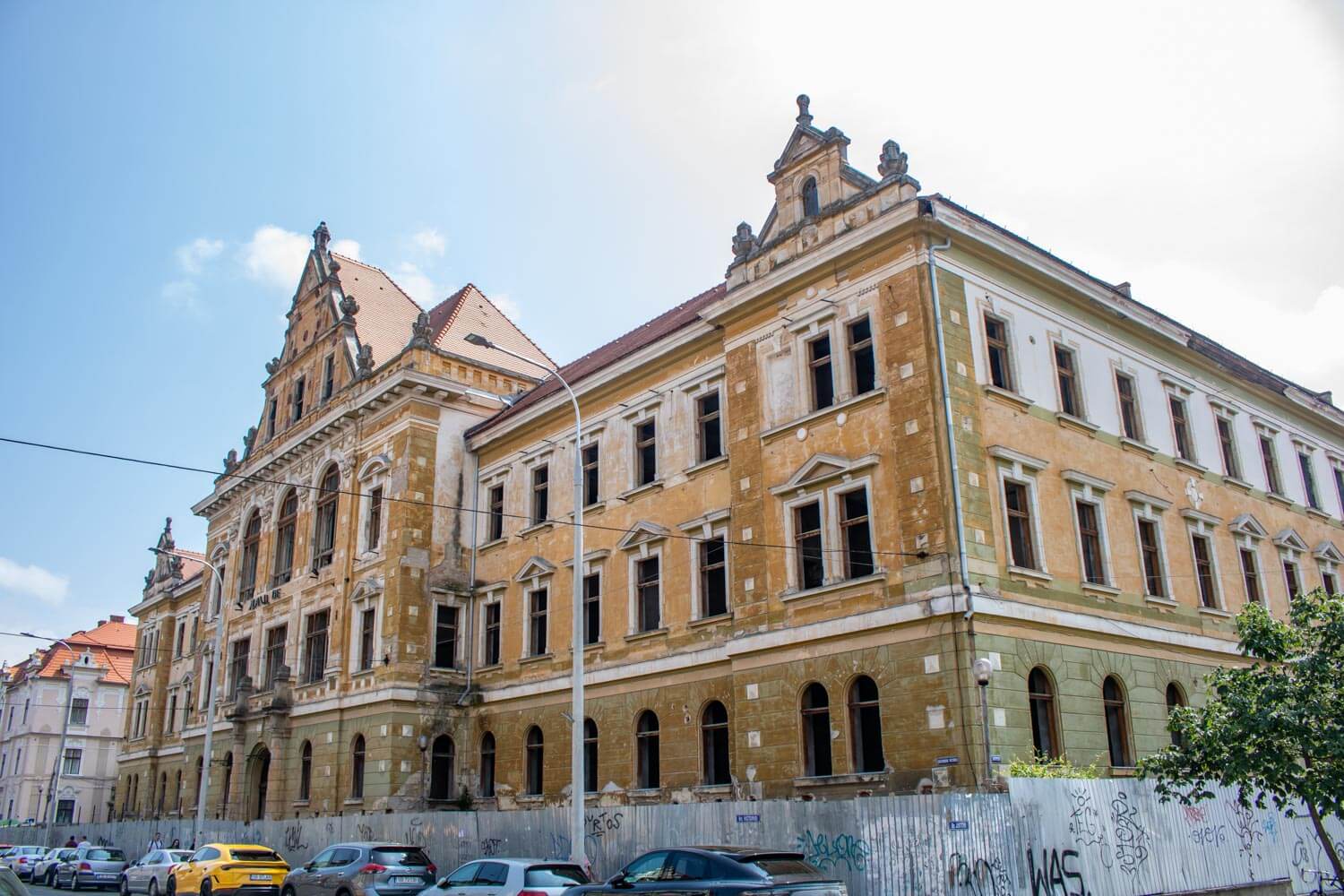
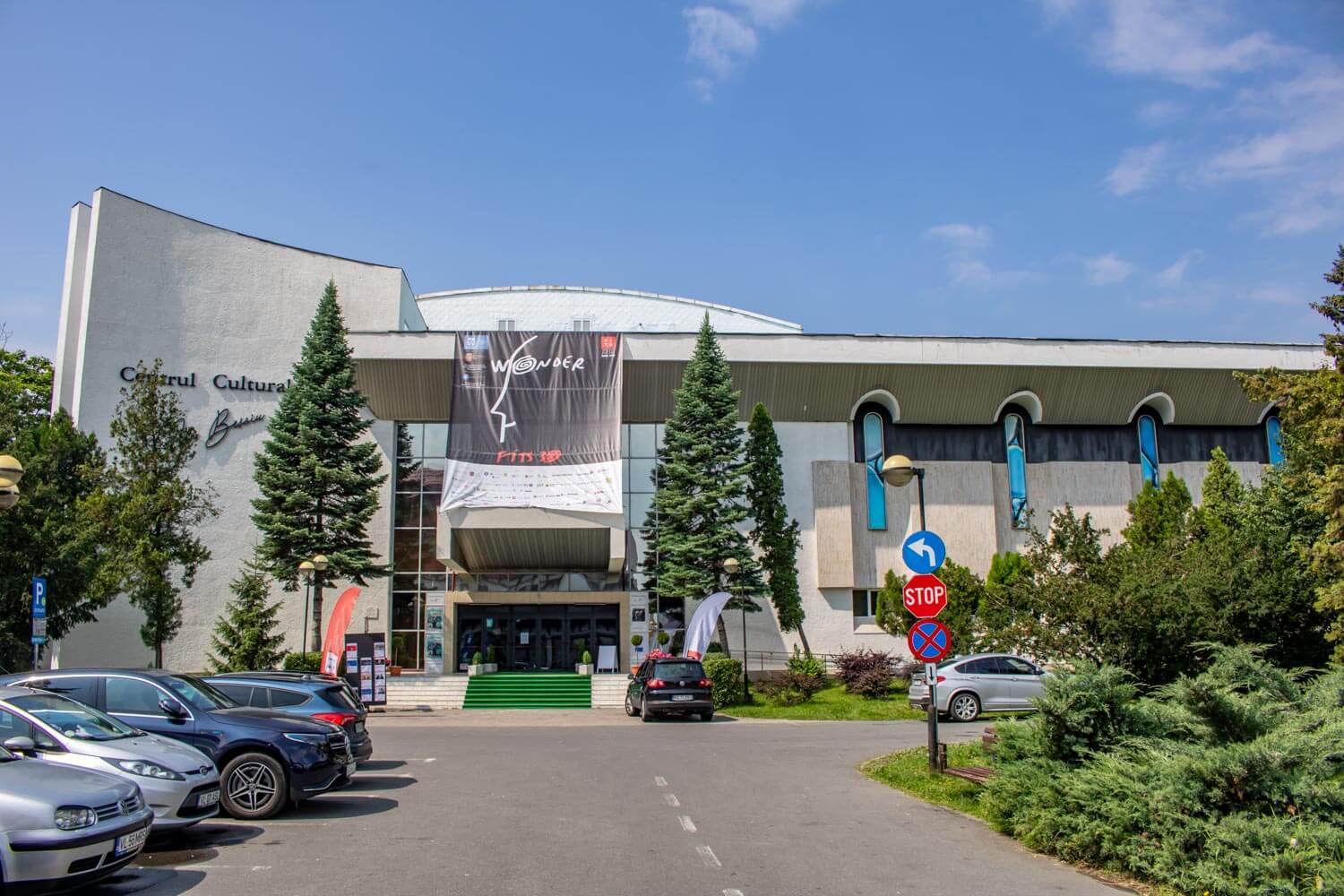
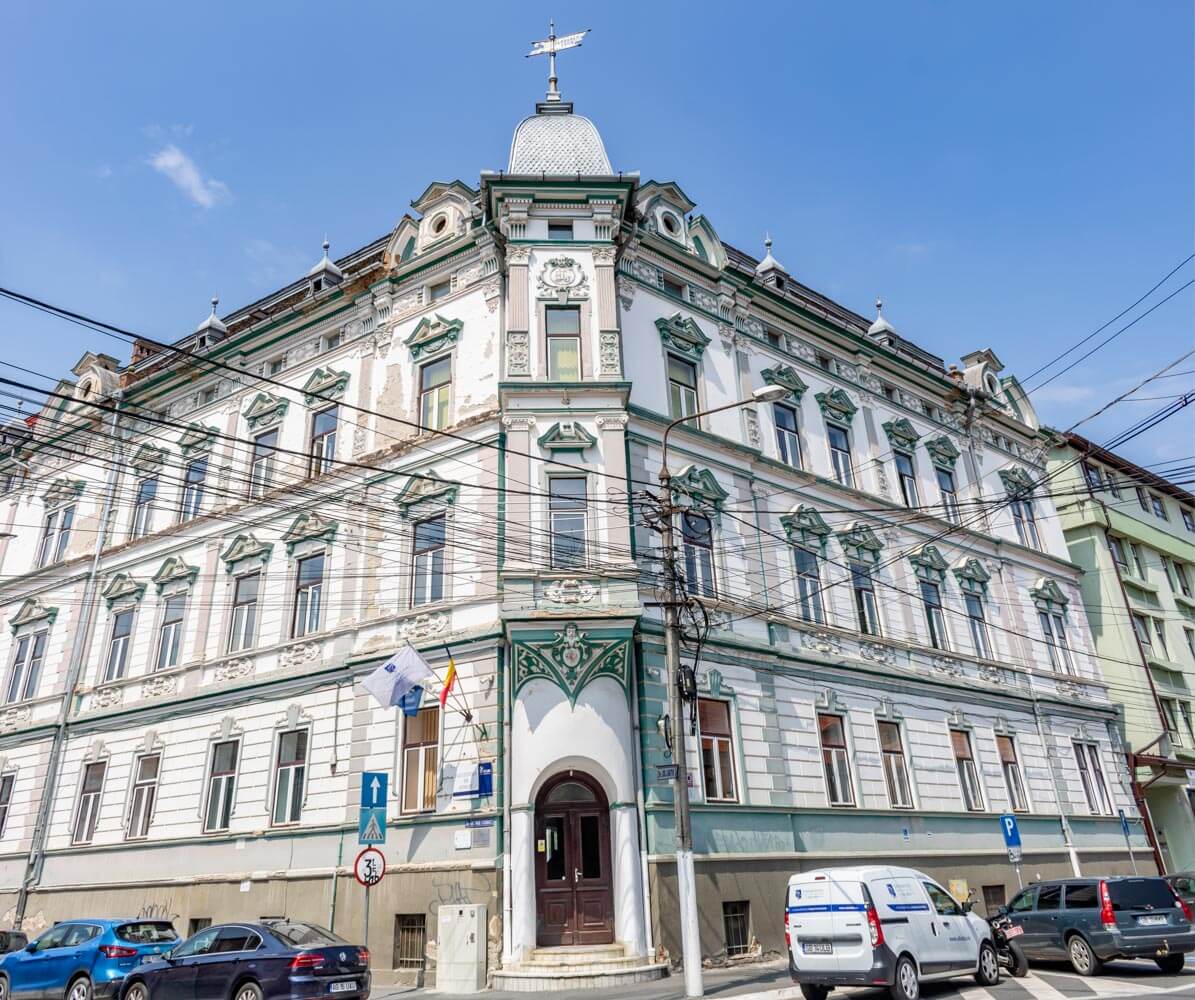
The university now occupies numerous buildings across Sibiu, while the Bulevardul Victoriei complex remains one of its most prominent locations. The original 1937-40 school building is incorporated into a much larger group of later university wings extending toward Strada Emil Cioran, today housing several faculties and major teaching spaces.