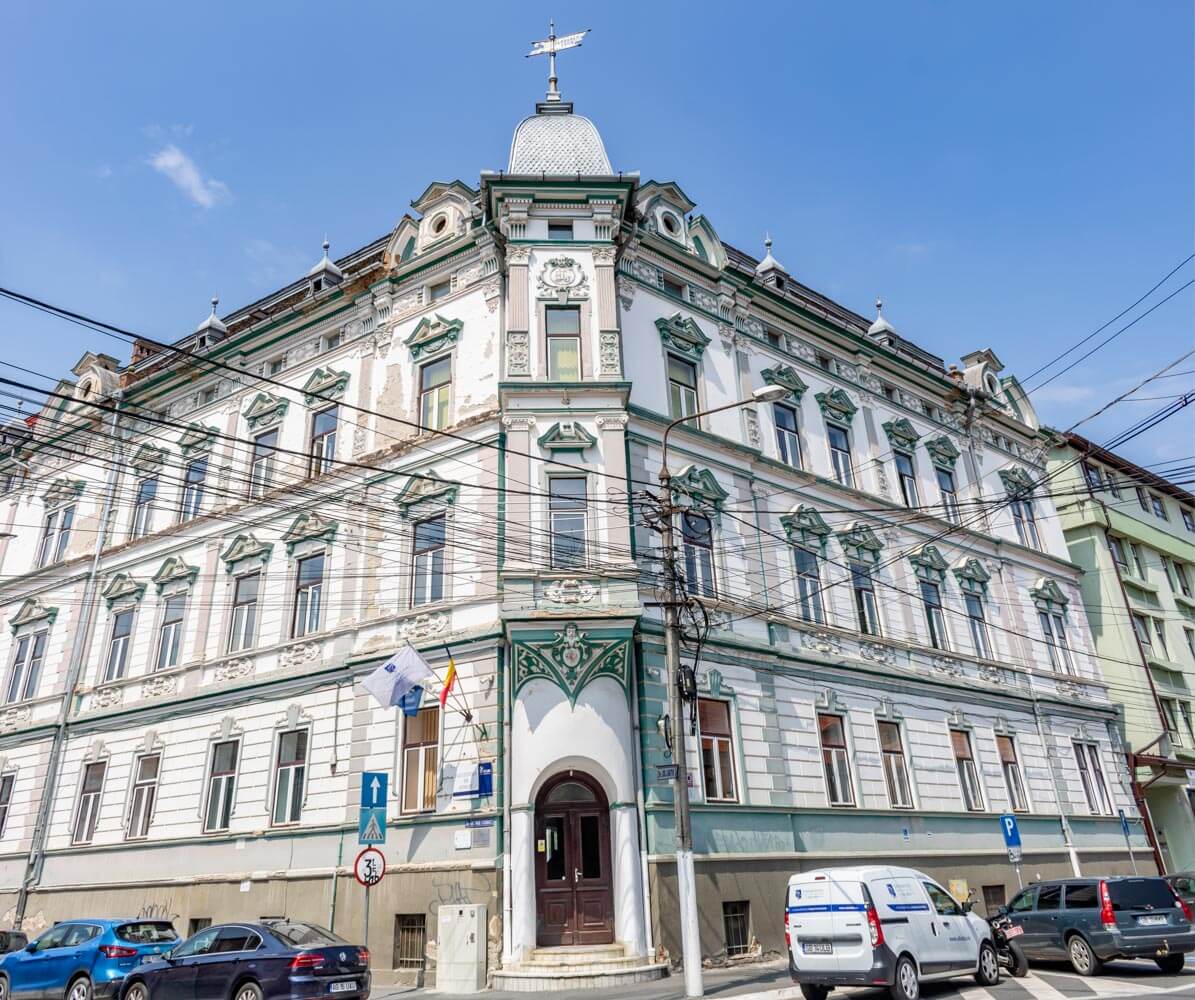
The Sibiu Palace of Justice (Palatul de Justiție din Sibiu) is a monumental early-20th-century courthouse on Bulevardul Victoriei in Sibiu.
The building was constructed between 1904 and 1908 on land that had formed part of the former Flora Garden, a large property owned by the Orthodox Metropolitanate. In 1904 the site was divided, with roughly half sold to the state for the new courthouse while the Archdiocesan Consistory developed its own headquarters on the adjoining land, now the Former Sibiu Archdiocesan Consistory Palace. The Palace of Justice was purpose-built to bring Sibiu’s main judicial institutions together under one roof, with the district court on the ground floor, the tribunal above it and the prosecutor’s office on the upper floor when the building opened in 1908.
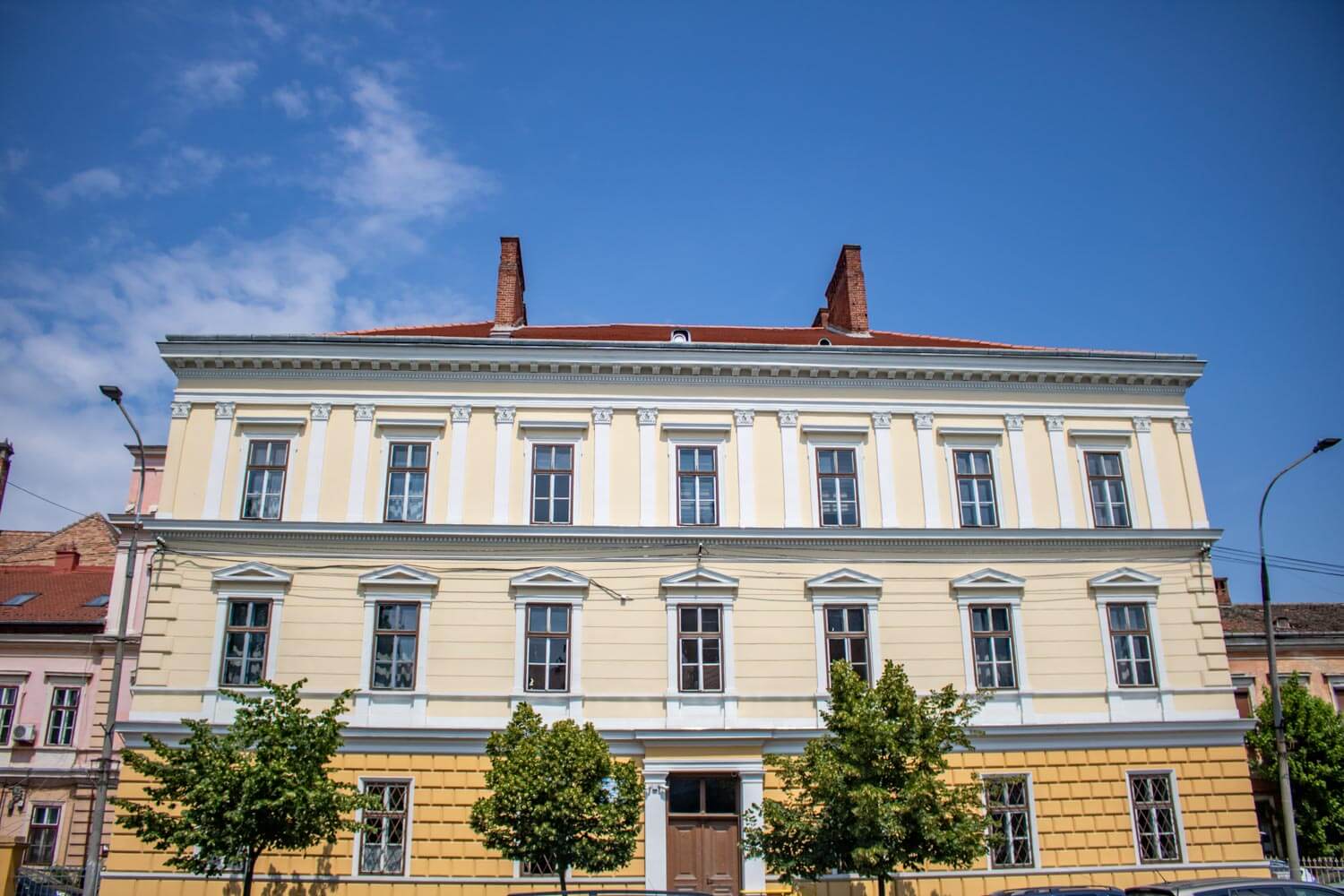
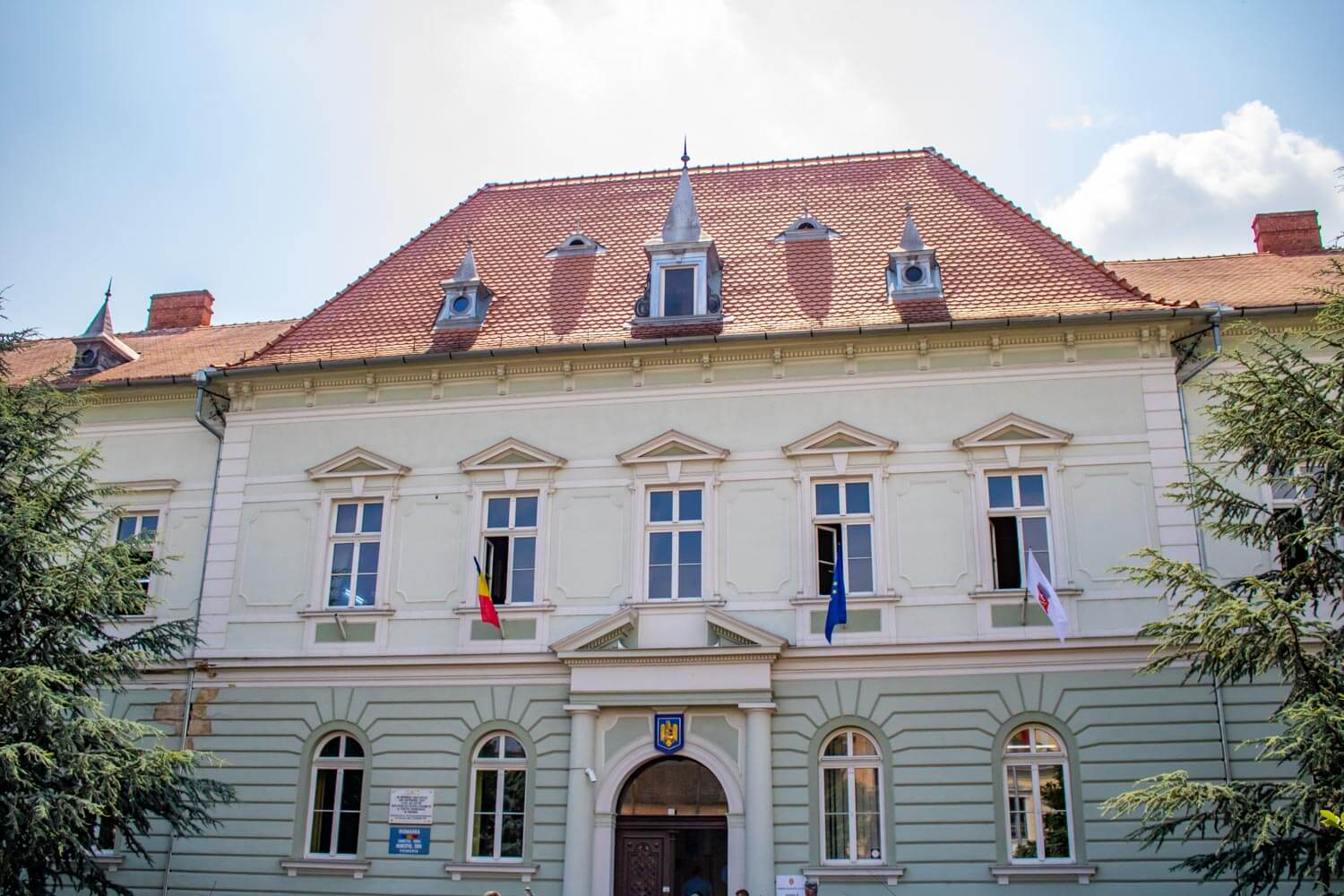
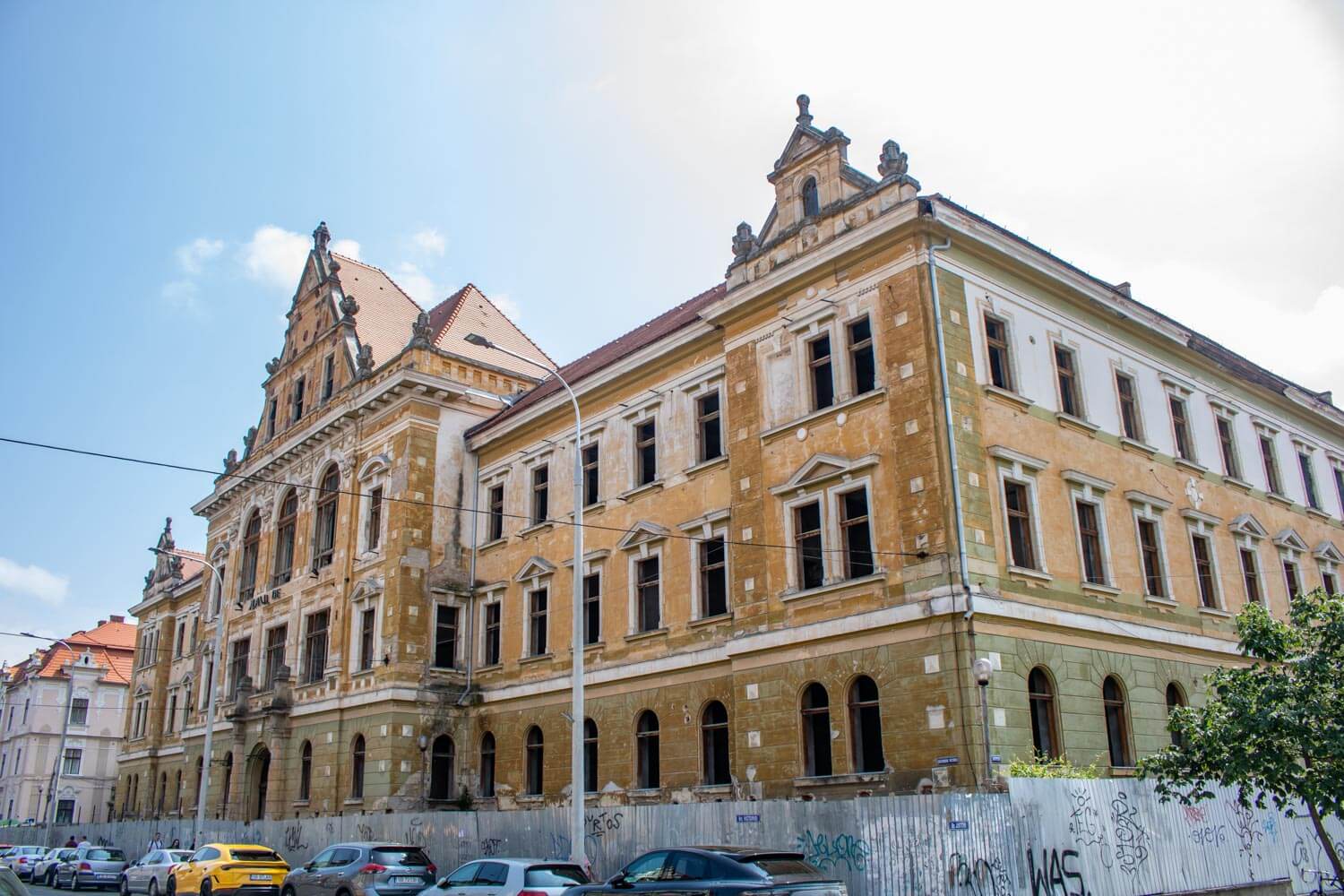
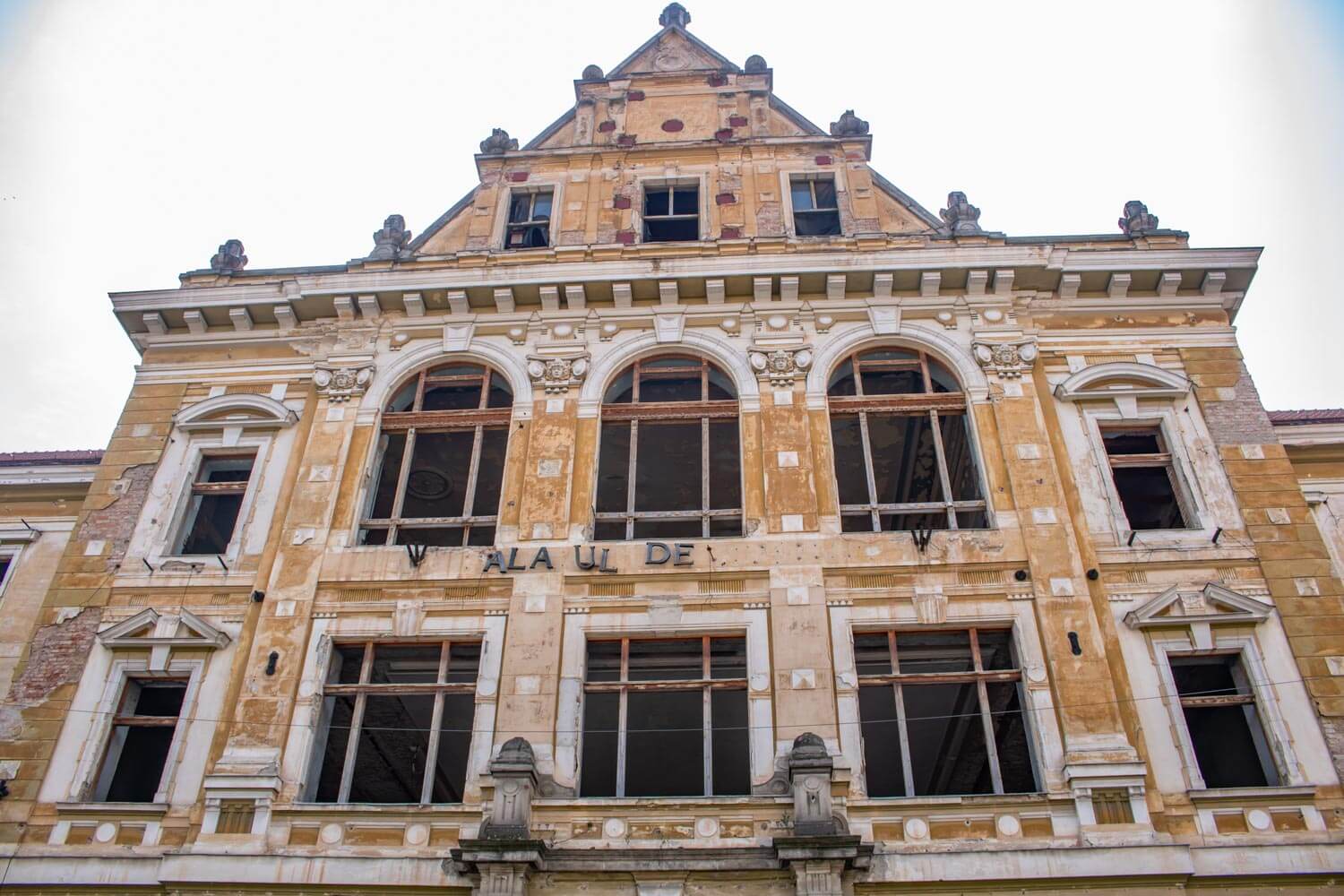
Its architecture is characteristic of the eclectic public buildings erected in Transylvania around the beginning of the 20th century. The large complex is divided into several connected wings around two internal courtyards, while the long main façade is organized through differently treated rows of windows and a prominent central entrance. The portal is framed by engaged columns and crowned by an elaborate decorative composition, while inside a monumental stone staircase formed one of the principal features of the courthouse.
The palace gained a broader political role immediately after World War I, when Sibiu became an important administrative center for Transylvania following the union with Romania. Several departments of the Transylvanian Governing Council worked here, including the Department of Justice as well as offices dealing with communications and food supply, while the new Romanian administration reorganized the province’s judicial system.
For much of the 20th century the building continued to be used by Sibiu’s courts. It later fell into poor condition, and the Tribunal and District Court moved out in 2011 when a major program of consolidation and restoration began. The works subsequently suffered long delays, leaving the palace closed for many years while the courts continued to operate from temporary premises elsewhere in the city.