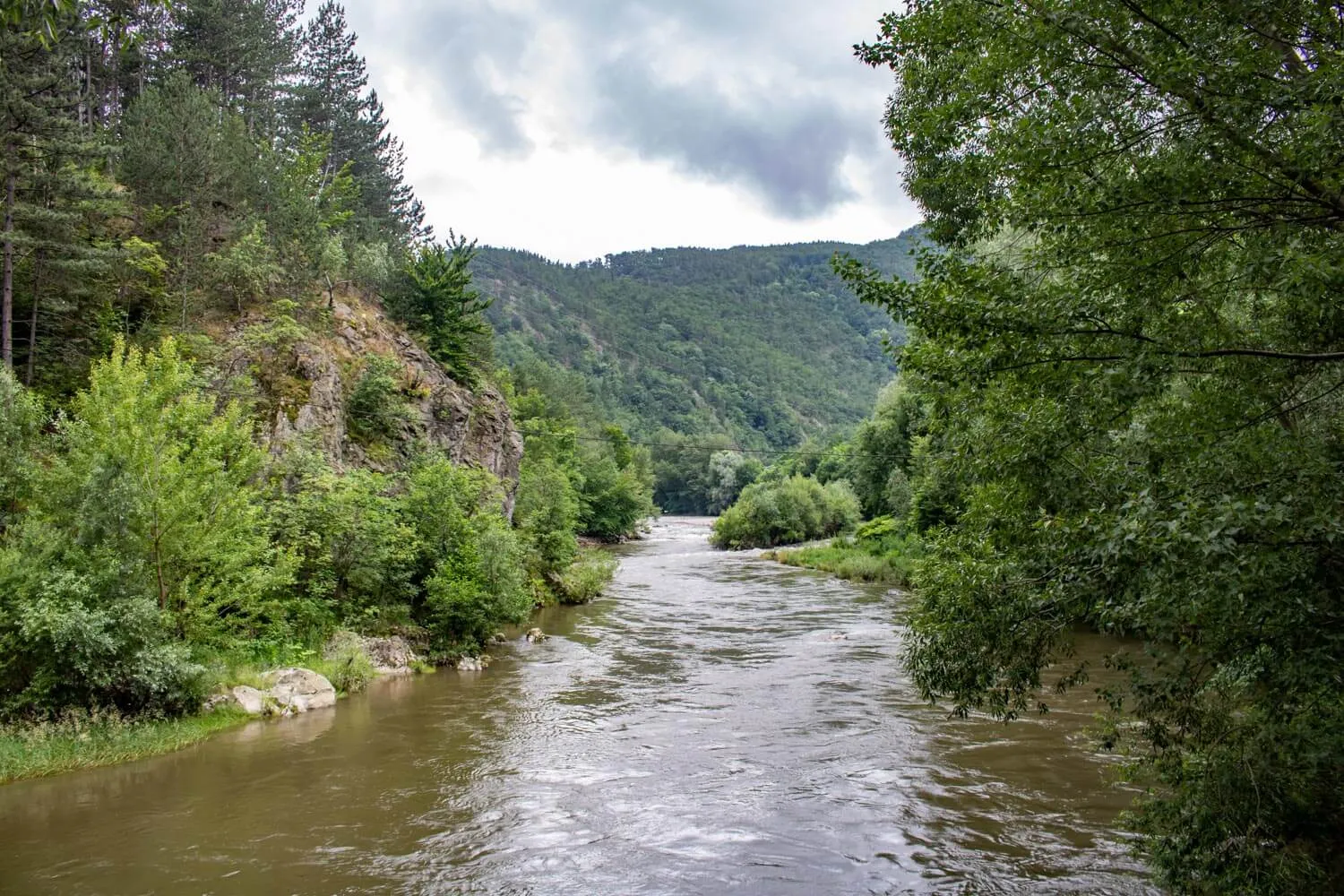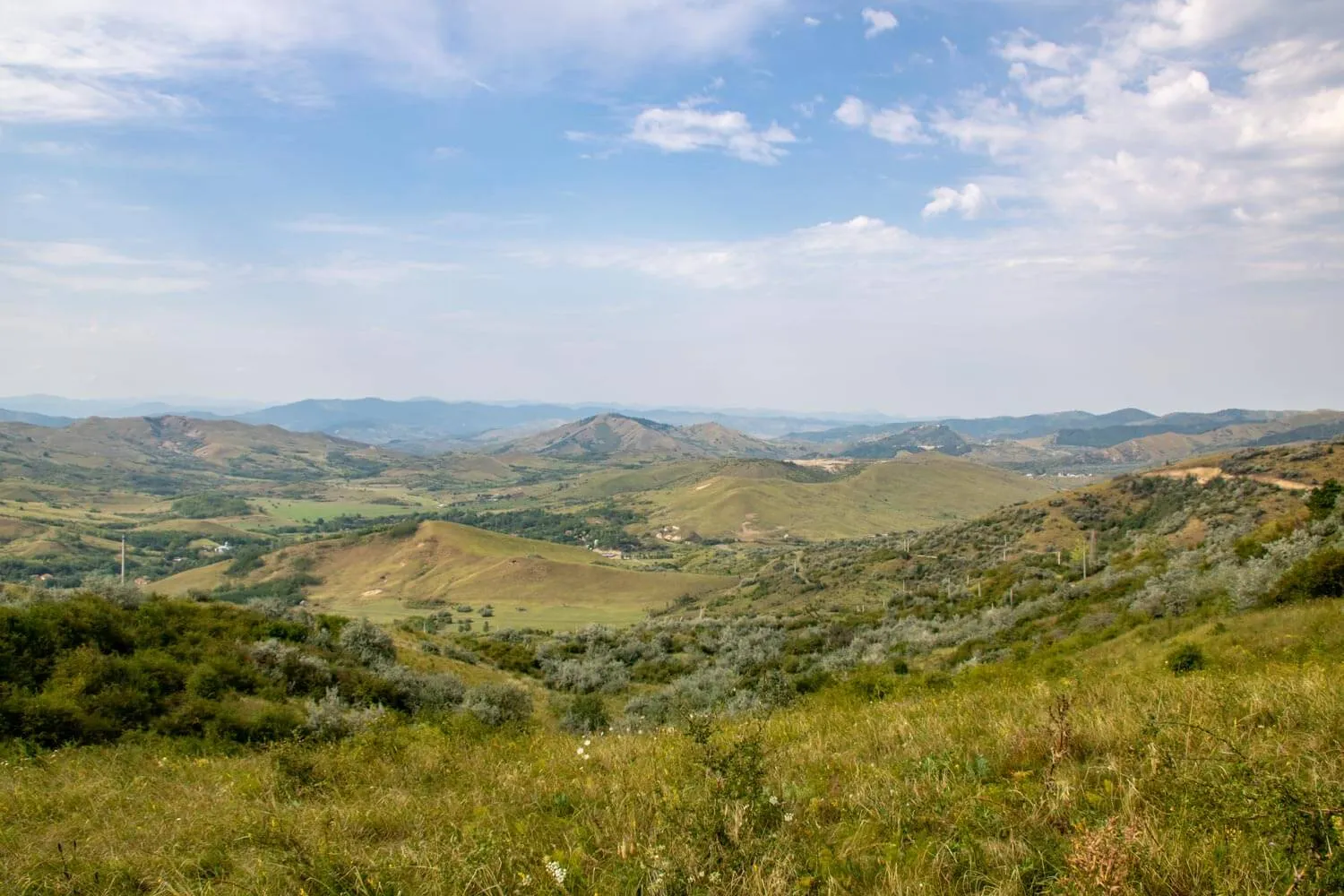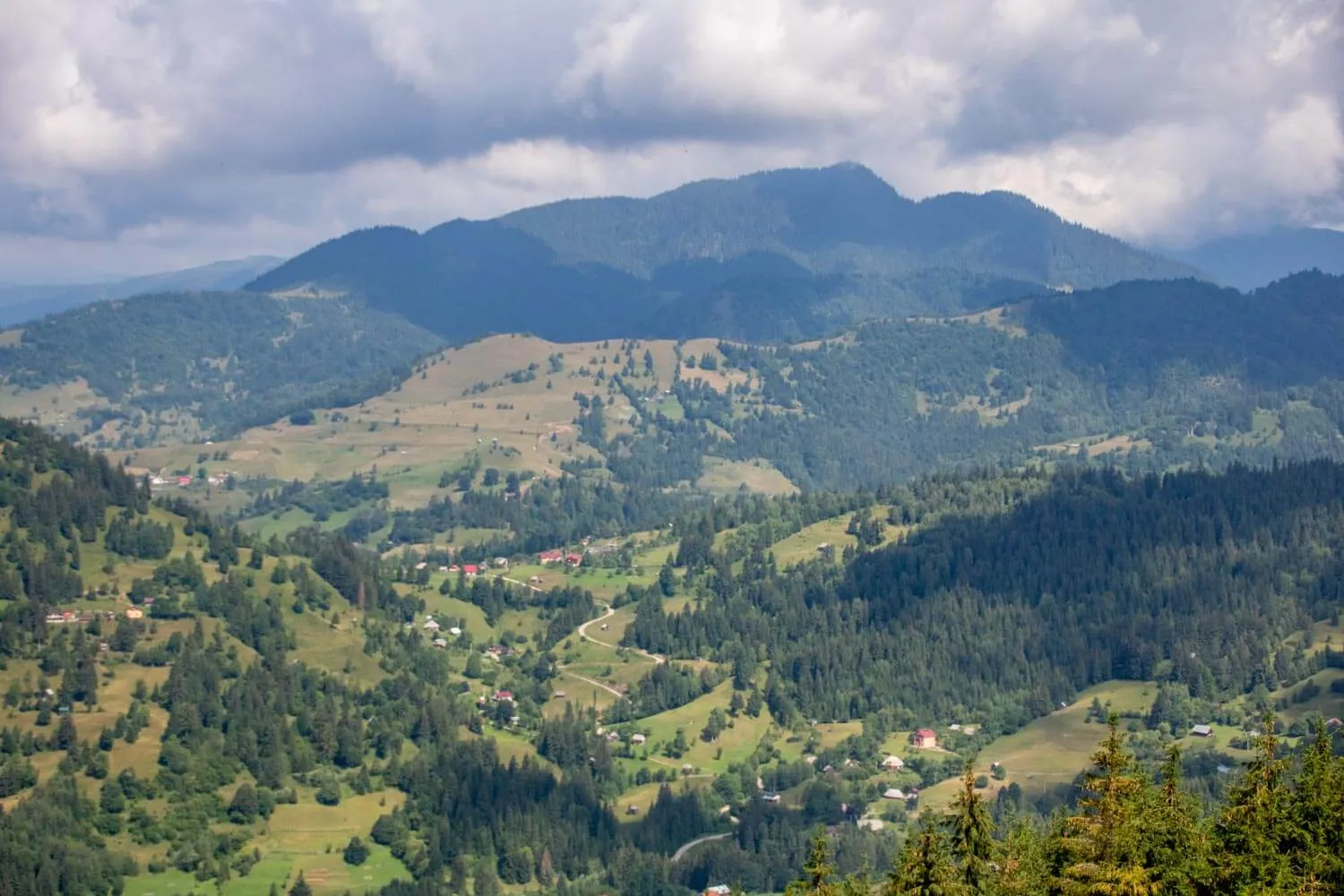
The Măcin Mountains National Park (Parcul Național Munții Măcin) is a protected area in Tulcea County, in the historical region of Dobrogea, in south-eastern Romania.
Book Your Trip
Weather & Climate
Măcin Mountains National Park is unique among Romania’s protected areas as the oldest and lowest mountain range in the country, featuring an ancient, eroded landscape of granite and schist rather than limestone. Because of its low altitude, southern exposure, and proximity to the Danube, it experiences a distinct, dry continental climate that feels significantly warmer and sunnier than the high Carpathians.
Summer (June-August): The park is warm and dry, with plenty of sunshine and minimal shade. Daytime temperatures frequently reach 28°C to 33°C. It is an ideal season for those who enjoy open landscapes, photography, and exploring the unique steppe-like flora, though it is best to plan activities for the cooler morning or evening hours.
Spring and Autumn: These are the most comfortable times to visit. Spring arrives early, with wildflowers covering the hills in April and temperatures of 17°C to 22°C. October is exceptionally beautiful as the dry landscape gains warm tones, with crisp, clear days averaging 14°C to 18°C, perfect for scenic drives and extended walks across the ridges.
Winter (December-March): The region experiences a milder winter compared to the rest of the country, with daytime temperatures hovering between 2°C and 6°C. While heavy snow is less frequent than in the Carpathians, the exposed ridges can be very windy. Roads are generally well-maintained, but standard winter driving precautions should always be taken. The open, frost-dusted hills offer a serene, quiet experience for winter photography and landscape viewing.
Things To Do
Where To Stay
Romanian name: Parcul Național Munții Măcin
Area: 113 sq km
Highest point: Țuțuiatu Peak (467 m)