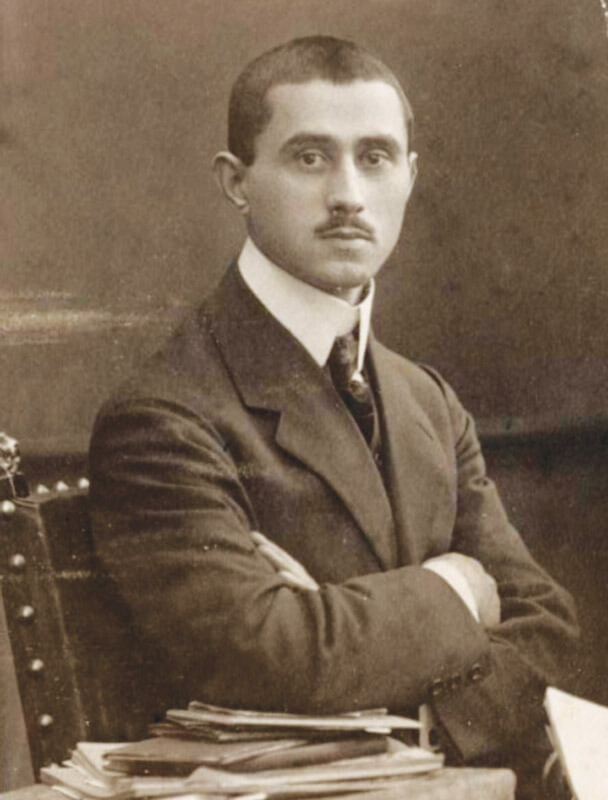
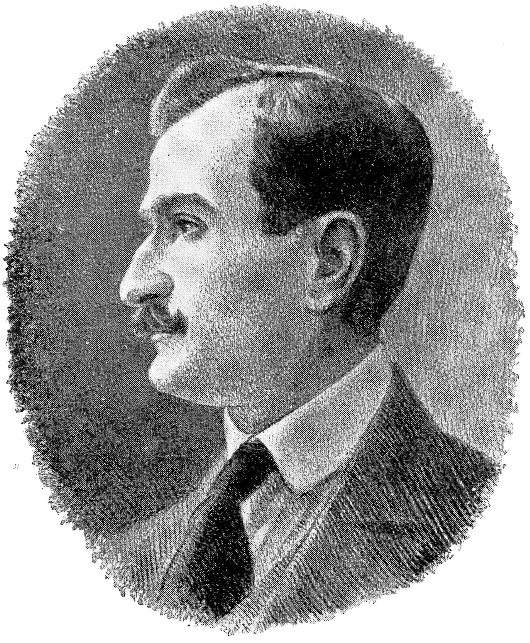
Aurel Vlaicu (1882-1913) was a Romanian engineer, inventor, aircraft designer, and pilot who became one of the most important pioneers of Romanian aviation. He designed, built, and flew his own aircraft at a time when powered flight was still in its experimental stage, and his successful flights with the Vlaicu I and Vlaicu II made him a celebrated figure both in Romania and abroad.
Vlaicu was born in Binținți, today the village of Aurel Vlaicu in Hunedoara County, and showed an early talent for mechanics. After studying in Orăștie and Sibiu, he continued his technical education in Vienna and Munich, where his interest increasingly turned toward powered flight. A short period working as an engineer for Opel in Germany gave him practical industrial experience, but he soon returned home determined to develop an aircraft of his own.
Support from the ASTRA cultural association and several Romanian intellectuals eventually brought Vlaicu to Bucharest, where the Army Arsenal provided facilities for the construction of his first airplane. The resulting Vlaicu I had an unusual configuration built around a central aluminum tube, with two propellers and a low center of gravity intended to give the aircraft greater stability. On June 17, 1910, Vlaicu took it onto the Cotroceni field and, after several attempts, lifted about three to four meters above the ground for roughly fifty meters. It was the first flight in Romania by an aircraft designed, built, and piloted in the country.
The success at Cotroceni quickly turned Vlaicu from an experimental engineer into a public aviator. Later that year he flew during Romanian military maneuvers and carried out what is regarded as the country’s first military aviation mission, while demonstrations in Bucharest and elsewhere attracted large crowds eager to see the still-new spectacle of powered flight. His improved Vlaicu II, completed in 1911, allowed him to fly farther and more confidently and took his reputation beyond Romania.
That international recognition culminated at the aviation competition at Aspern near Vienna in 1912, where Vlaicu competed against some of the best pilots of the period and won several prizes with the Vlaicu II, including first place in a precision bombing event and second place for accurate landing. He also continued a long series of demonstration flights across Romanian and Transylvanian cities, making his aircraft and his own name familiar well beyond specialist engineering circles.
By 1913 Vlaicu was already developing a third aircraft, the Vlaicu III, when he decided to attempt one of the most ambitious flights of his career: crossing the Carpathians to reach an ASTRA celebration near Orăștie. On September 13, 1913, his Vlaicu II crashed near Bănești, close to Câmpina, killing him at the age of thirty. A monument with a spread-winged eagle now marks the crash site, while Vlaicu was buried at Bellu Cemetery in Bucharest.
His death ended a remarkably short aviation career, but by then he had already become one of the central figures in the story of Romanian flight. His native village was later renamed Aurel Vlaicu, and a memorial museum opened there in 1952 with material connected with his life and aircraft. In Bucharest, Băneasa Aurel Vlaicu International Airport carries his name, linking one of Romania’s earliest aviation pioneers with one of the country’s oldest operating airports.
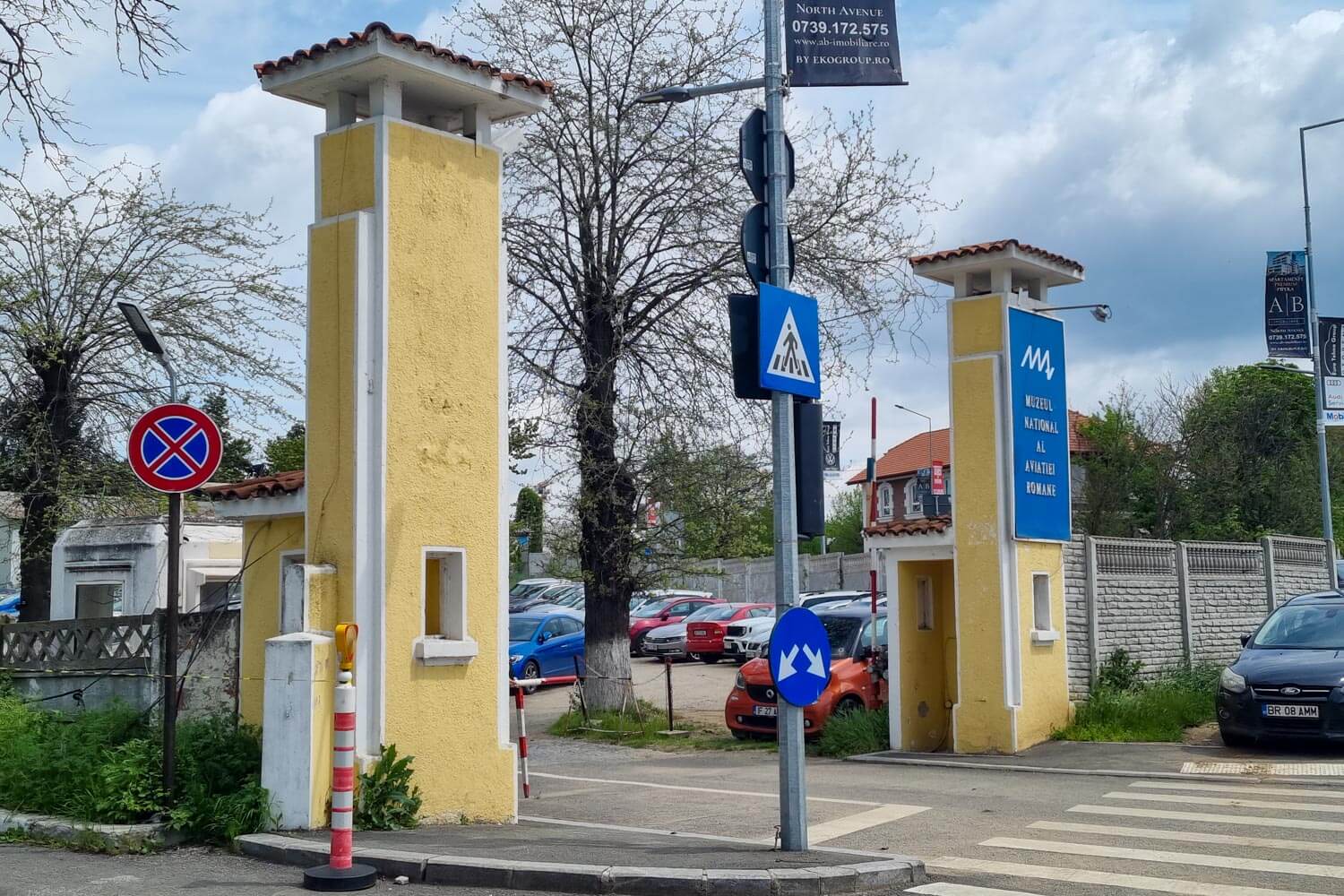
The story continues in Romania’s specialist collections as well. The National Romanian Aviation Museum devotes part of its permanent exhibition to Vlaicu alongside Traian Vuia and Henri Coandă and preserves personal belongings, documents, patents, photographs, and objects recovered from the final flight. The Dimitrie Leonida National Technical Museum places his work within the wider development of Romanian engineering and aviation, making both museums useful complements to the memorial sites connected directly with his life.
Vlaicu’s lasting importance comes from the rare combination of inventor and pilot that defined his career. He did not simply design experimental aircraft for others to test, but built, modified, flew, and publicly demonstrated his own machines, helping make powered aviation visible and credible in Romania during its earliest years.