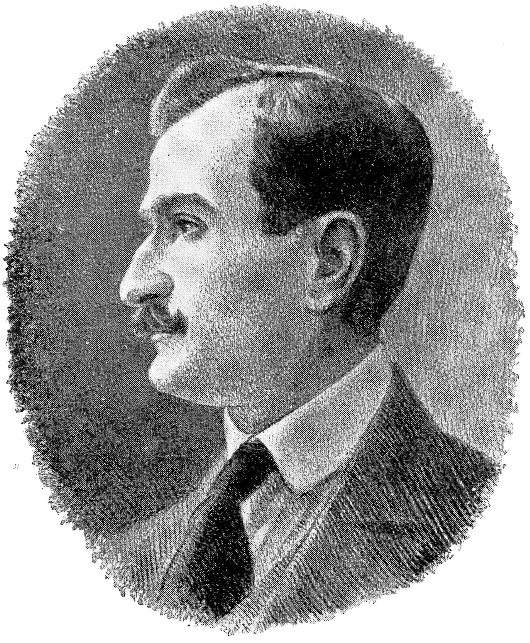
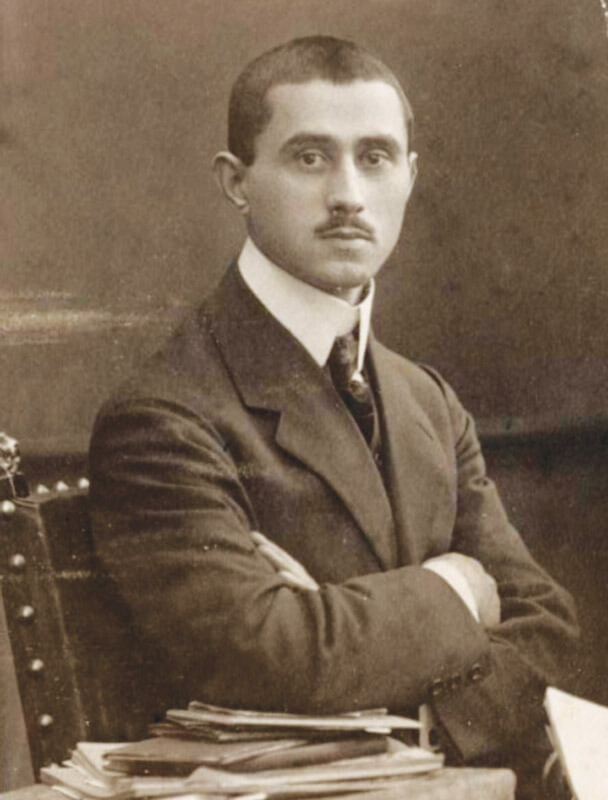
Traian Vuia (1872-1950) was a Romanian inventor and aviation pioneer whose experiments helped demonstrate that a heavier-than-air aircraft could take off under its own power using a wheeled undercarriage. His 1906 flight near Paris placed him among the early pioneers of powered aviation, while his later work extended into aircraft engines, steam generators, and experimental helicopter designs.
Vuia was born in Surducu Mic, today the commune of Traian Vuia in Timiș County, and became fascinated with mechanics and flight from an early age. Although he initially pursued technical studies in Budapest, financial pressures led him to complete a doctorate in law instead. Aviation remained his real interest, however, and by the beginning of the twentieth century he was developing plans for a powered aircraft that could run along the ground and lift off without external launching equipment.
He took that project to Paris, where in 1903 he submitted his design for an “aeroplane-automobile” and obtained a French patent later that year. The idea was ambitious for its time: Vuia wanted the aircraft to accelerate on wheels like a road vehicle and then leave the ground using only its own engine, rather than relying on rails, catapults, or other external assistance. After several years of design and construction, the concept became the Vuia I, a light monoplane with folding fabric wings and a wheeled undercarriage.
On March 18, 1906, Vuia tested the aircraft at Montesson, near Paris. After accelerating across level ground, the machine lifted briefly into the air and traveled about 12 meters at a height of roughly 60 centimeters before coming down again. The flight was short, but its importance lay in the method: the aircraft took off from a level surface using its own engine and wheeled landing gear, making it an important step in the development of the modern takeoff arrangement used by later airplanes.
Vuia continued experimenting rather than treating the 1906 flight as the end of the project. He developed improved aircraft and worked on new propulsion systems, while later experiments turned toward vertical flight and helicopter concepts. His technical interests also extended beyond aviation, and in the 1920s he patented a steam generator based on internal combustion and catalytic burning that found practical applications outside aircraft design.
Much of Vuia’s working life was spent in France, but his reputation in Romania grew steadily as the historical importance of early aviation became clearer. He was elected an honorary member of the Romanian Academy in 1946 and returned to Romania shortly before his death in Bucharest in 1950. His name later became especially prominent in his native Banat, where the commune of his birth was renamed Traian Vuia and a museum preserves material connected with his experiments, while Timișoara International Airport carries his name.
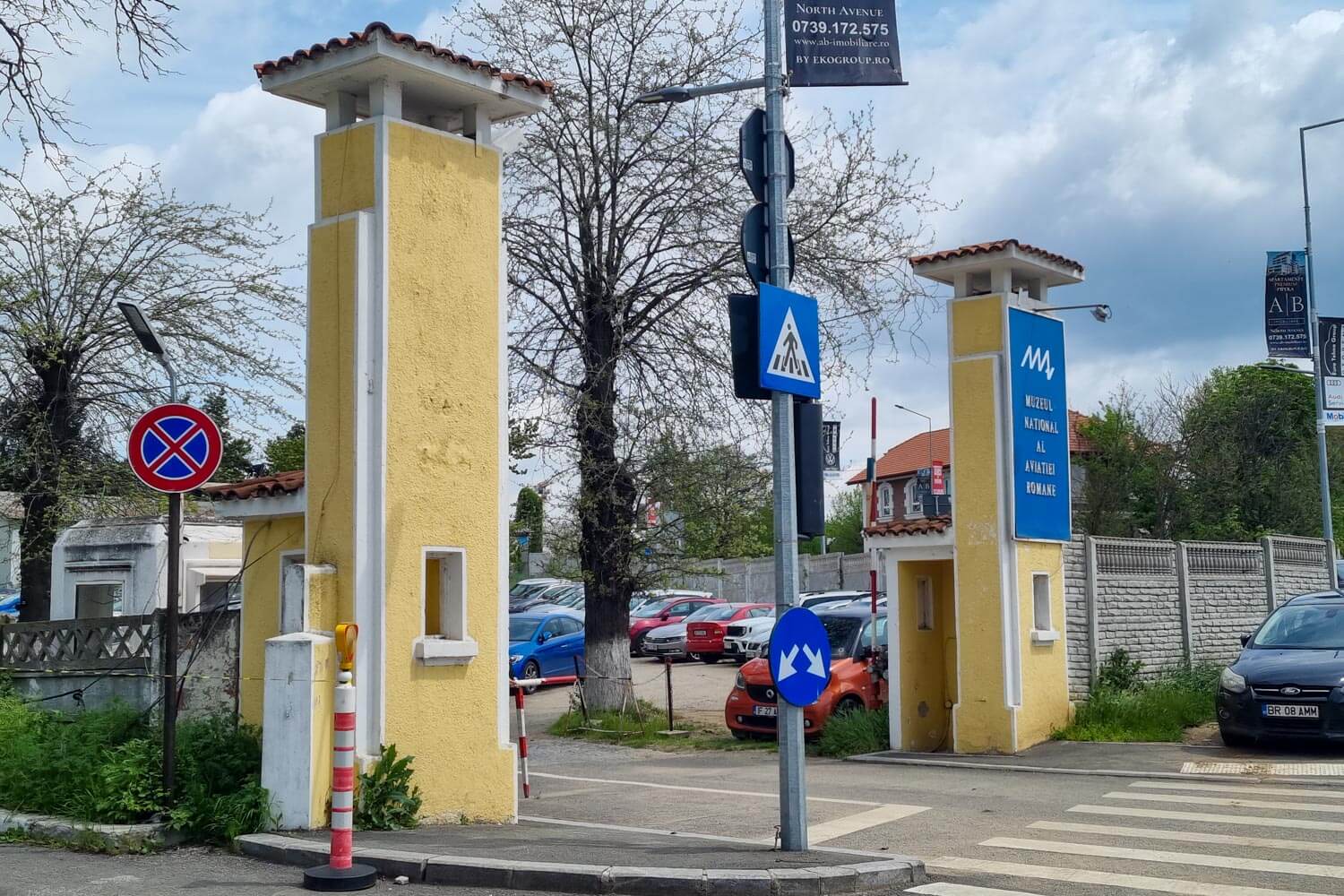
His place in Romanian aviation history is also reflected in the country’s technical collections. The National Romanian Aviation Museum in Bucharest includes a hall named after him and a full-scale replica of the Vuia No. 1, while the Dimitrie Leonida National Technical Museum presents his work alongside that of other major Romanian inventors and aviation pioneers. Together with the surviving documentation of his experiments, these collections help explain why the brief flight at Montesson in 1906 still matters: Vuia demonstrated in practical form that an aircraft could accelerate on wheels and leave level ground under its own power, a principle that soon became standard in powered aviation.