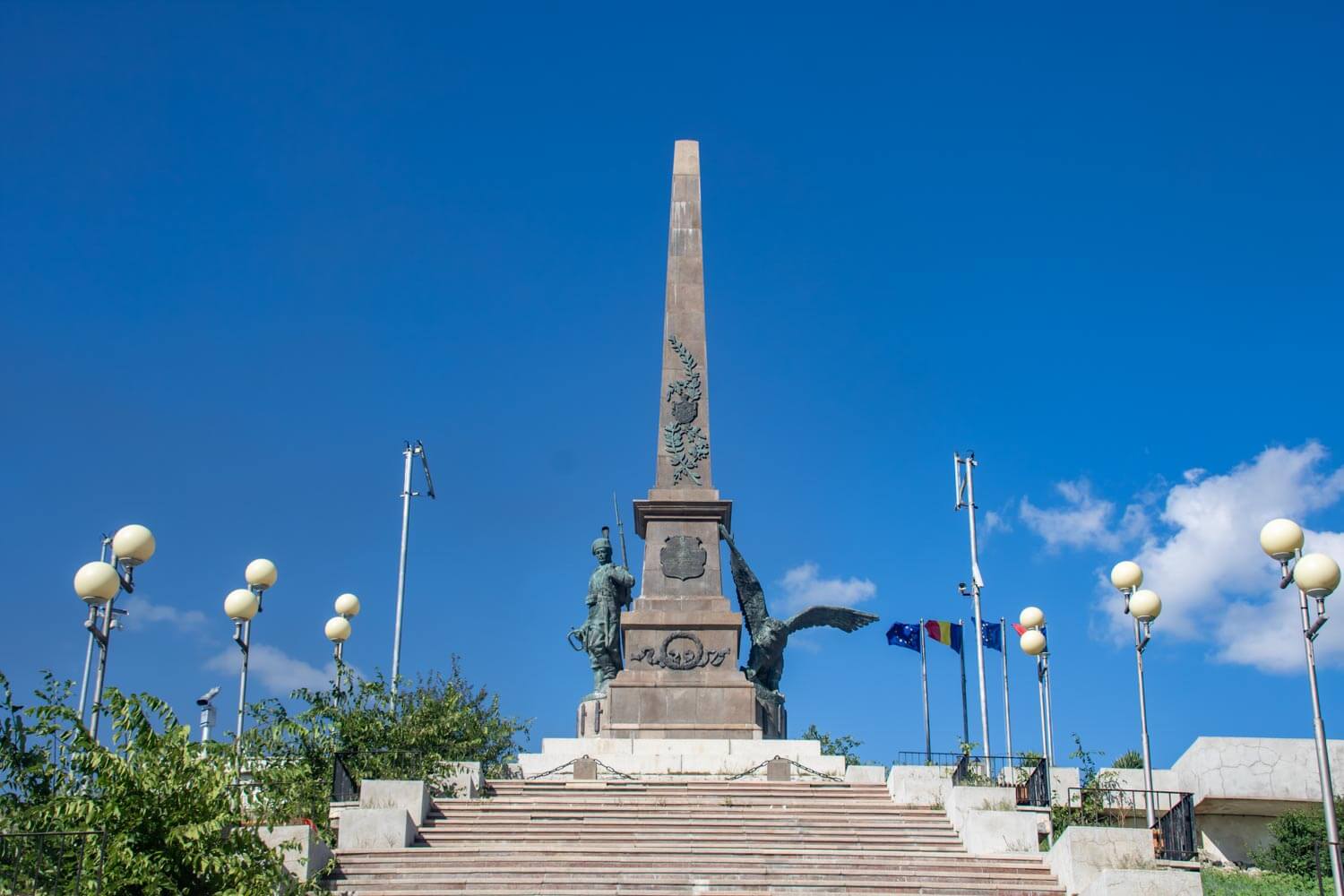
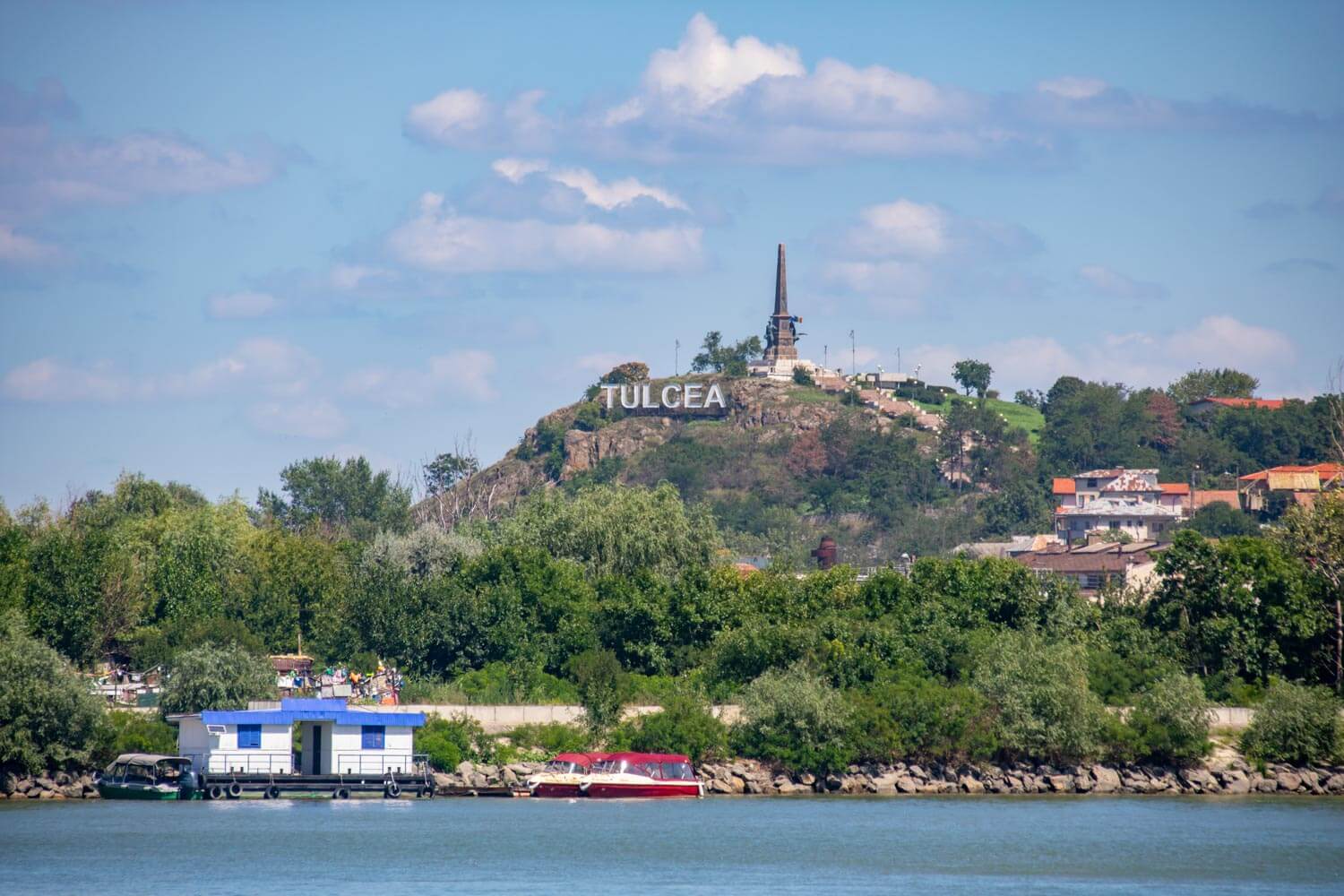
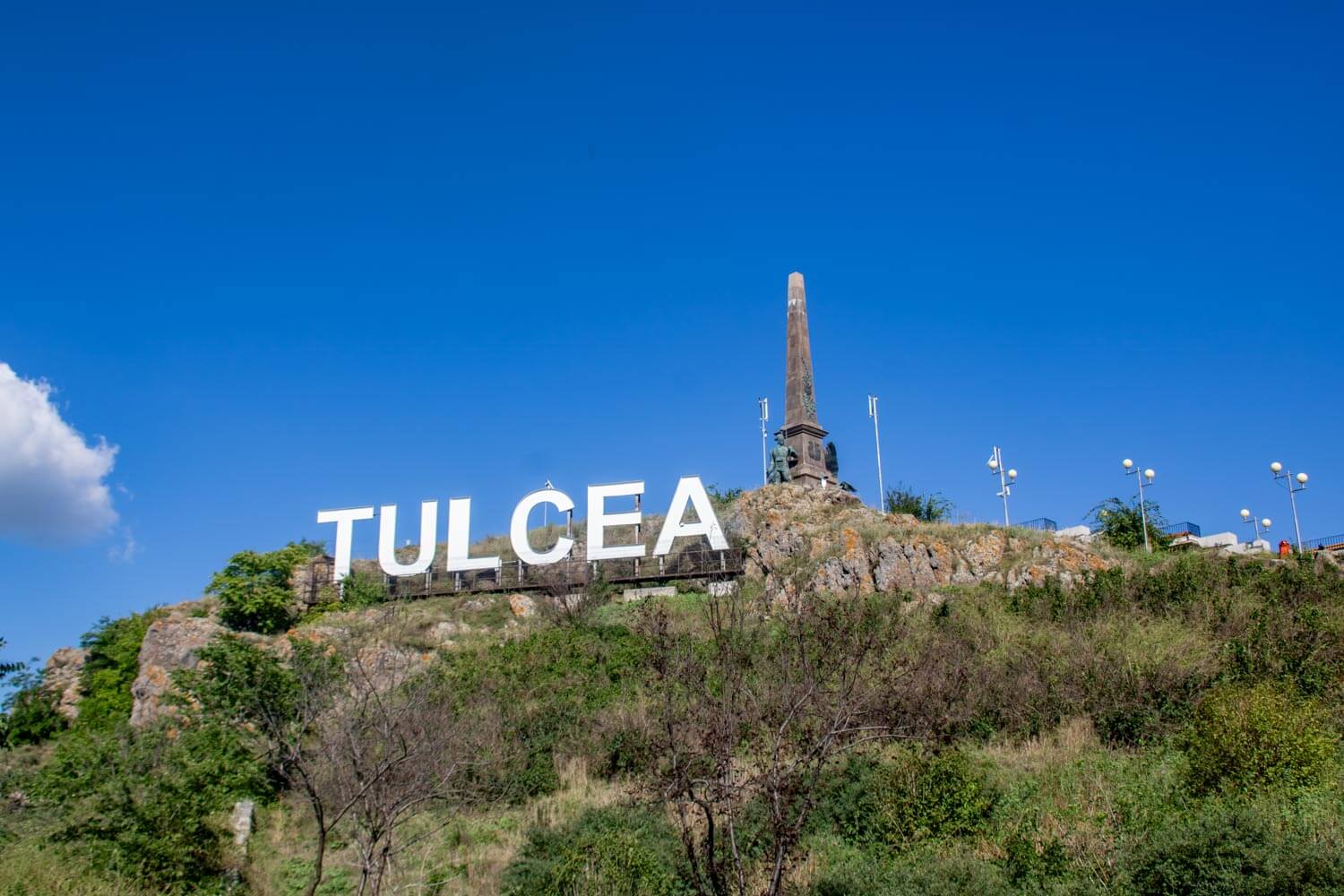
The Independence Monument (Monumentul Independenței) is a large commemorative monument on Monument Hill (Dealul Monumentului) in Tulcea, dedicated to Romania’s War of Independence and the incorporation of Dobrogea into the Romanian state. The hill, historically known as Hora Hill (Colnicul Hora), rises above the city and also contains the archaeological remains of ancient Aegyssus. Its elevated position was deliberately chosen so that the monument would dominate the surrounding landscape.
The foundation stone was laid by Prince Carol I during his visit to Tulcea on 17-18 October 1879, only a year after Romanian administration was established in northern Dobrogea. Sculptor Giorgio Vasilescu began the work, but after his death the project was completed by Constantin Bălăcescu in 1899. The monument was officially inaugurated in 1904 in the presence of King Carol I and Queen Elisabeth.
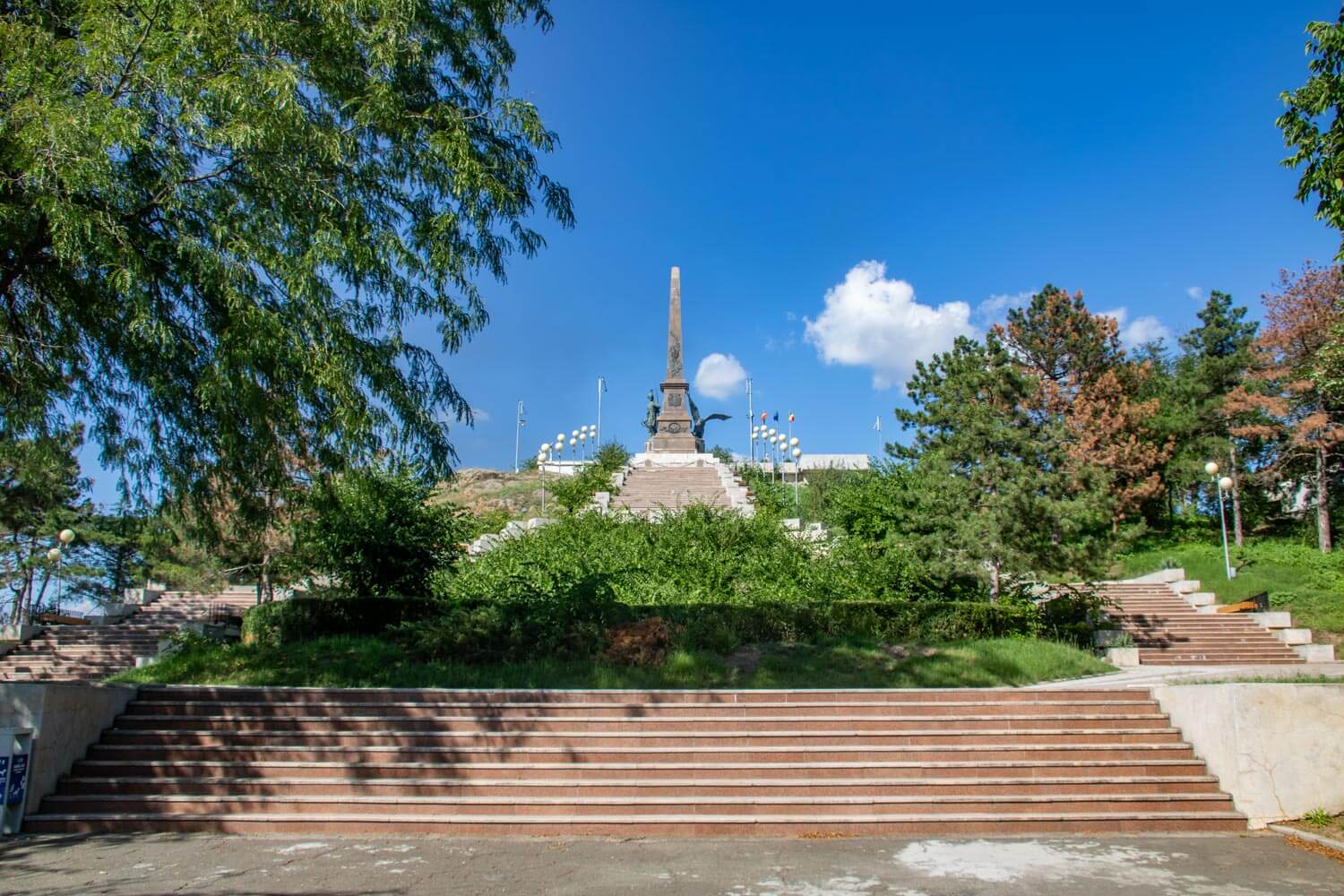
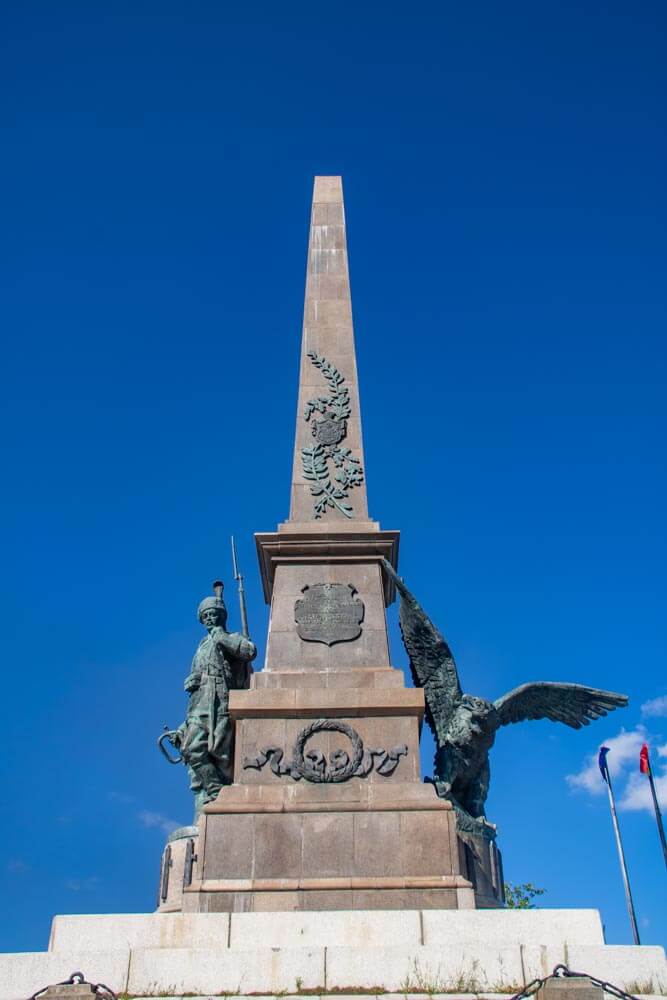
At its center stands a 22-meter obelisk of Ravenna granite, raised on a large pedestal and approached by a monumental staircase faced with Babadag limestone. At the base of the obelisk stand two bronze figures: a dorobanț, representing the Romanian infantrymen who fought in the War of Independence, and a large eagle with its wings spread.
The monument was destroyed by occupation troops during the First World War and rebuilt in 1933, although the dorobanț and eagle were omitted because funds were insufficient. The original composition was restored for the centenary of Romanian independence in 1977, when sculptor Cristea Grosu recreated the two missing figures and the monument was inaugurated again on 9 May.
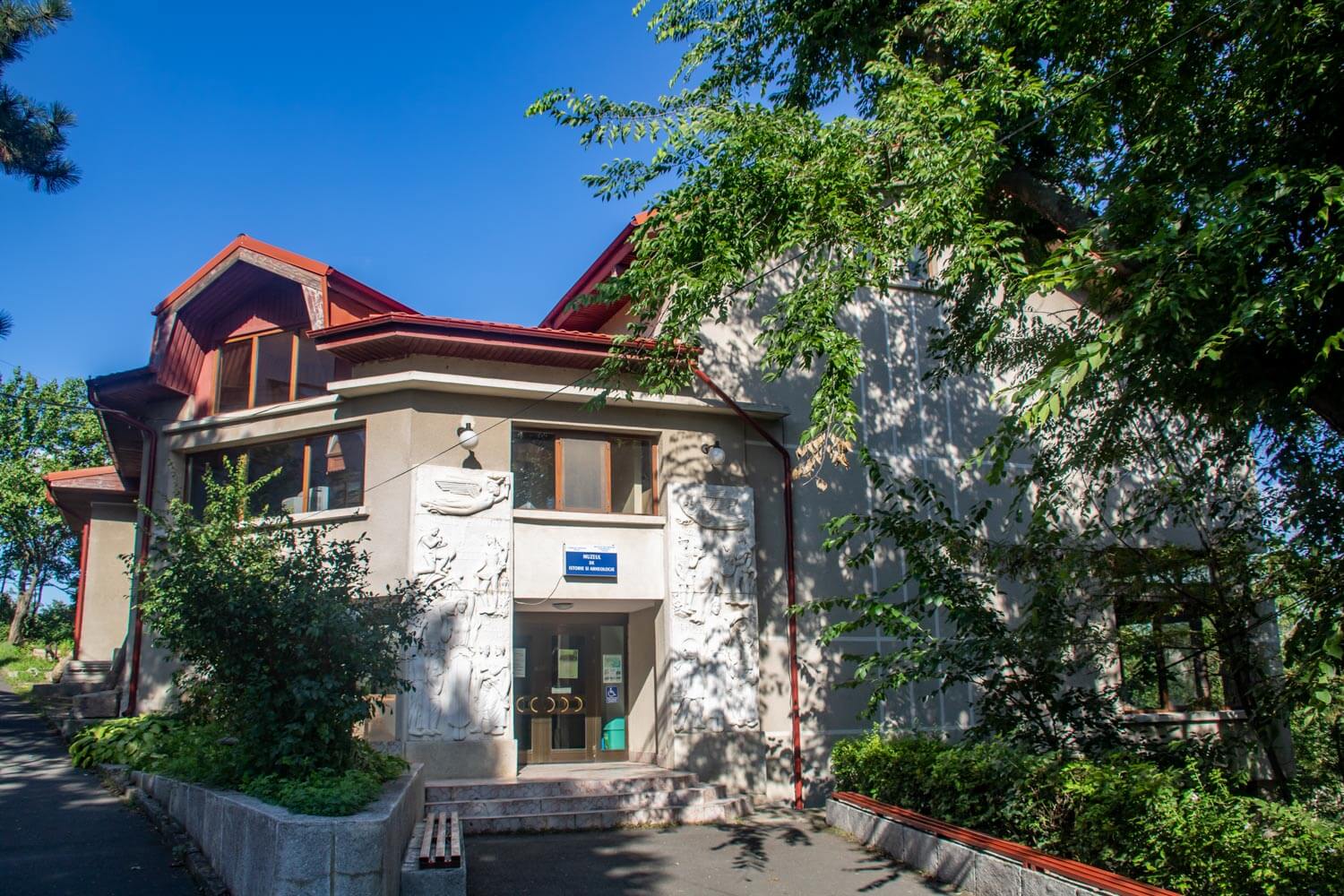
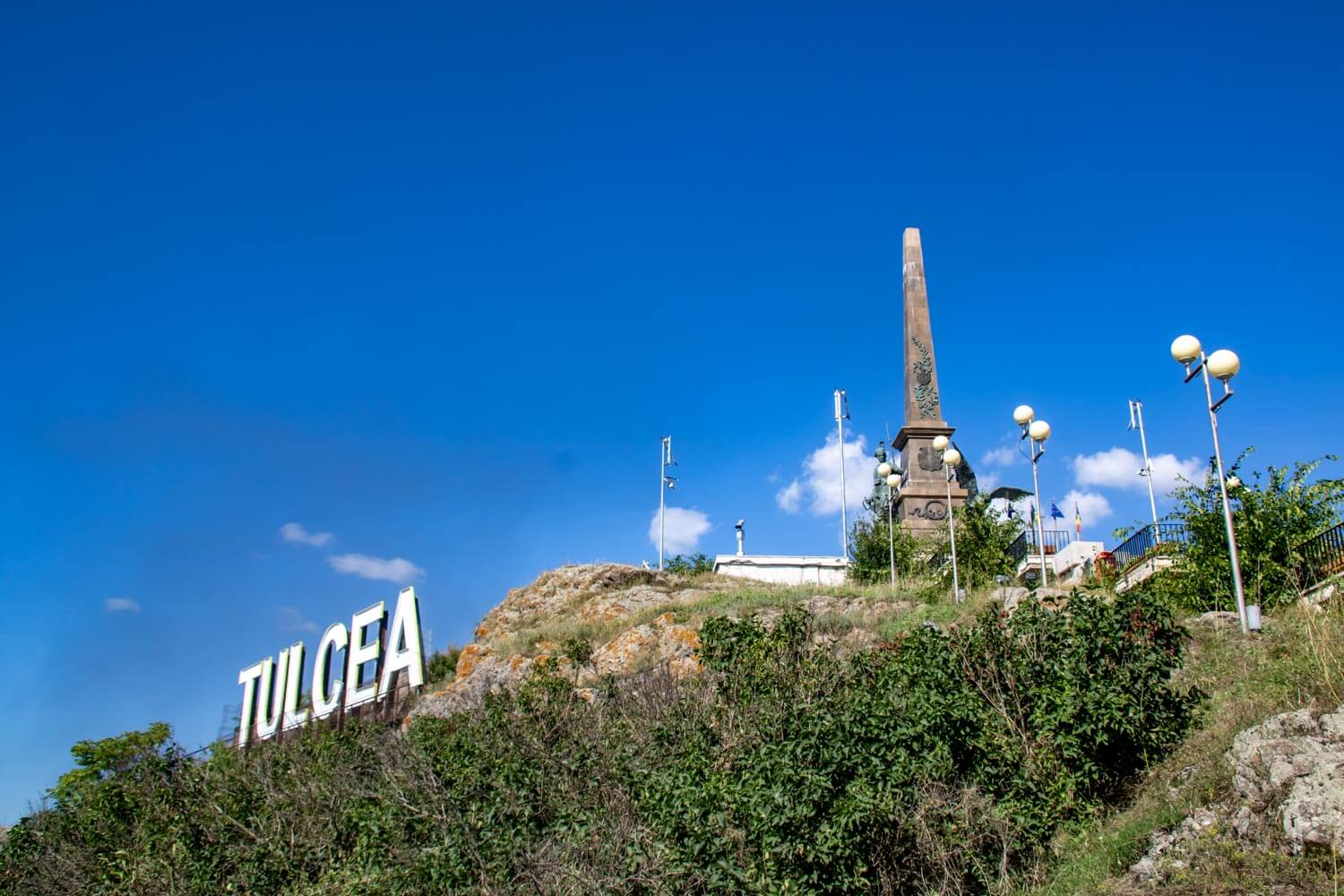
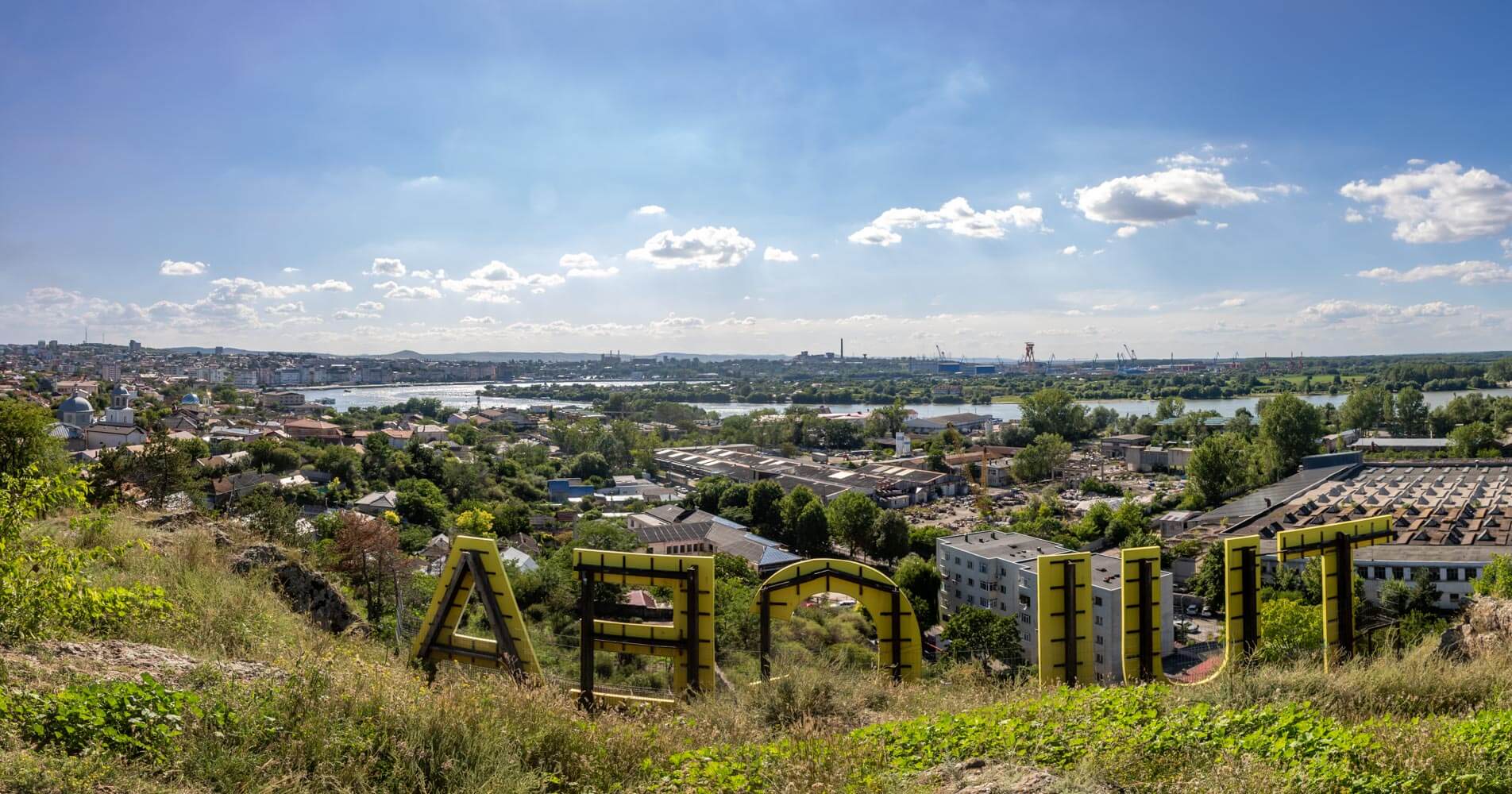
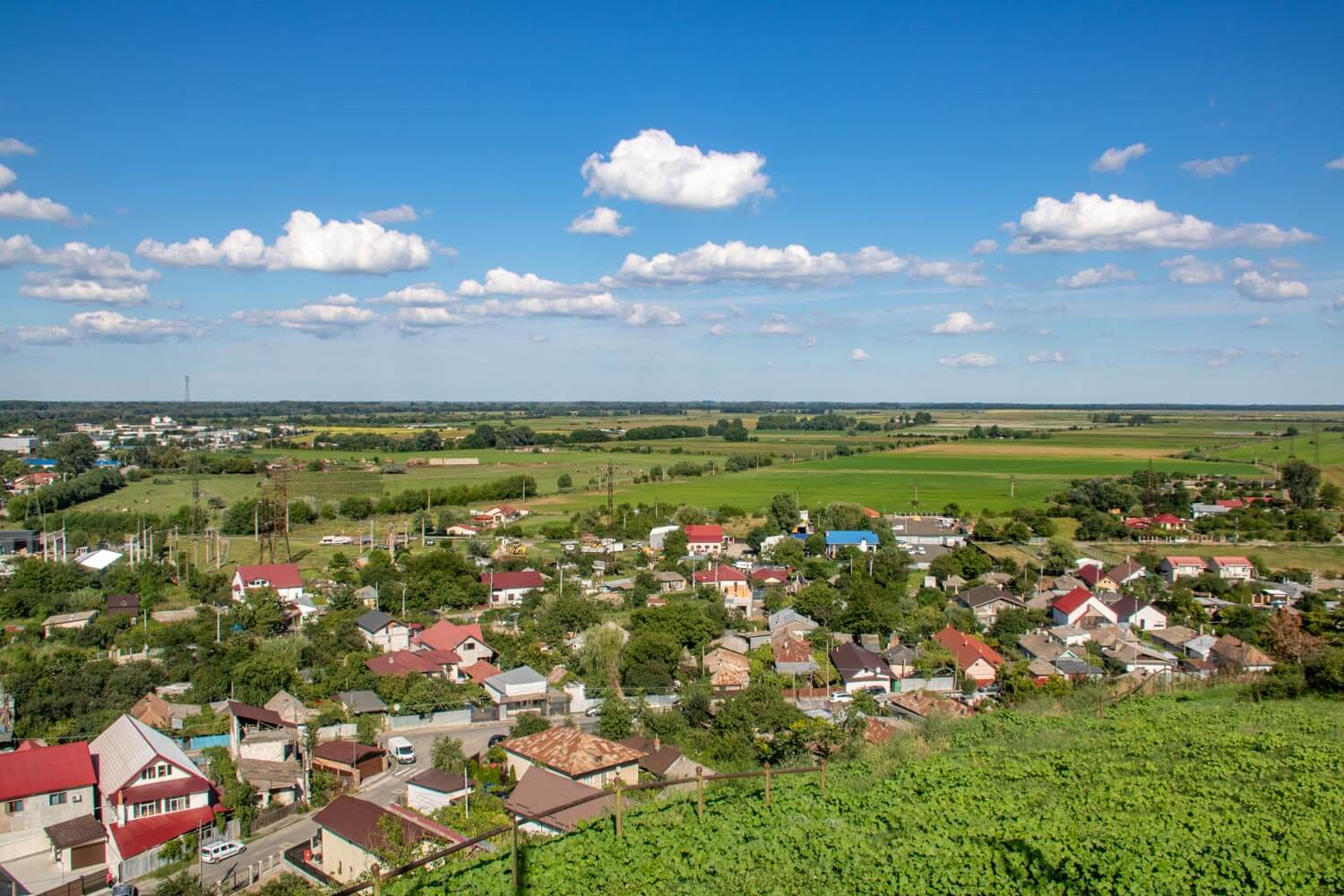
The hilltop remains one of Tulcea’s best viewpoints, with broad views across the city and toward the Danube. The Museum of History and Archaeology and the exposed remains of Aegyssus lie immediately below the monument within the same archaeological park, while a large “Tulcea” sign nearby has become another popular photo stop.