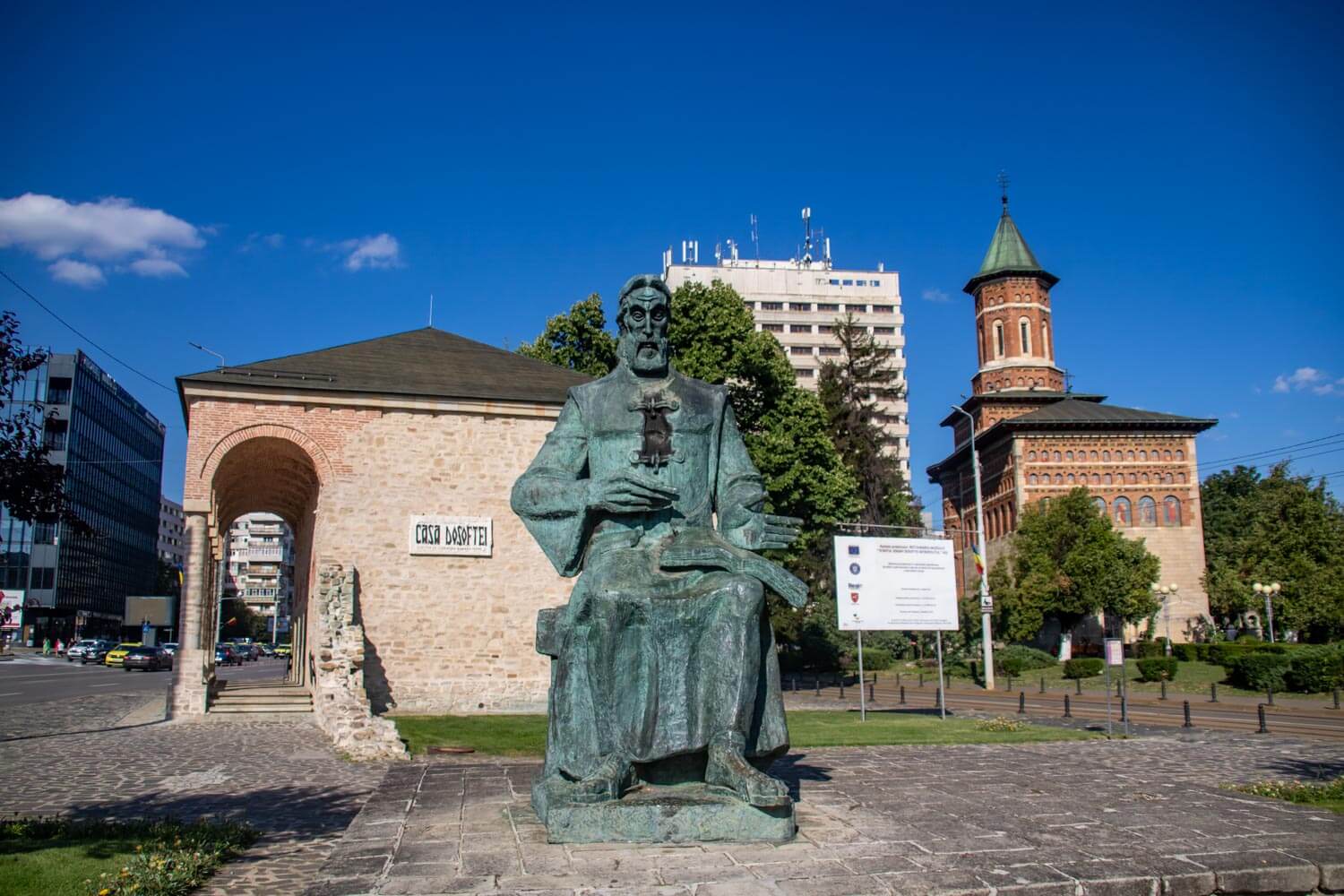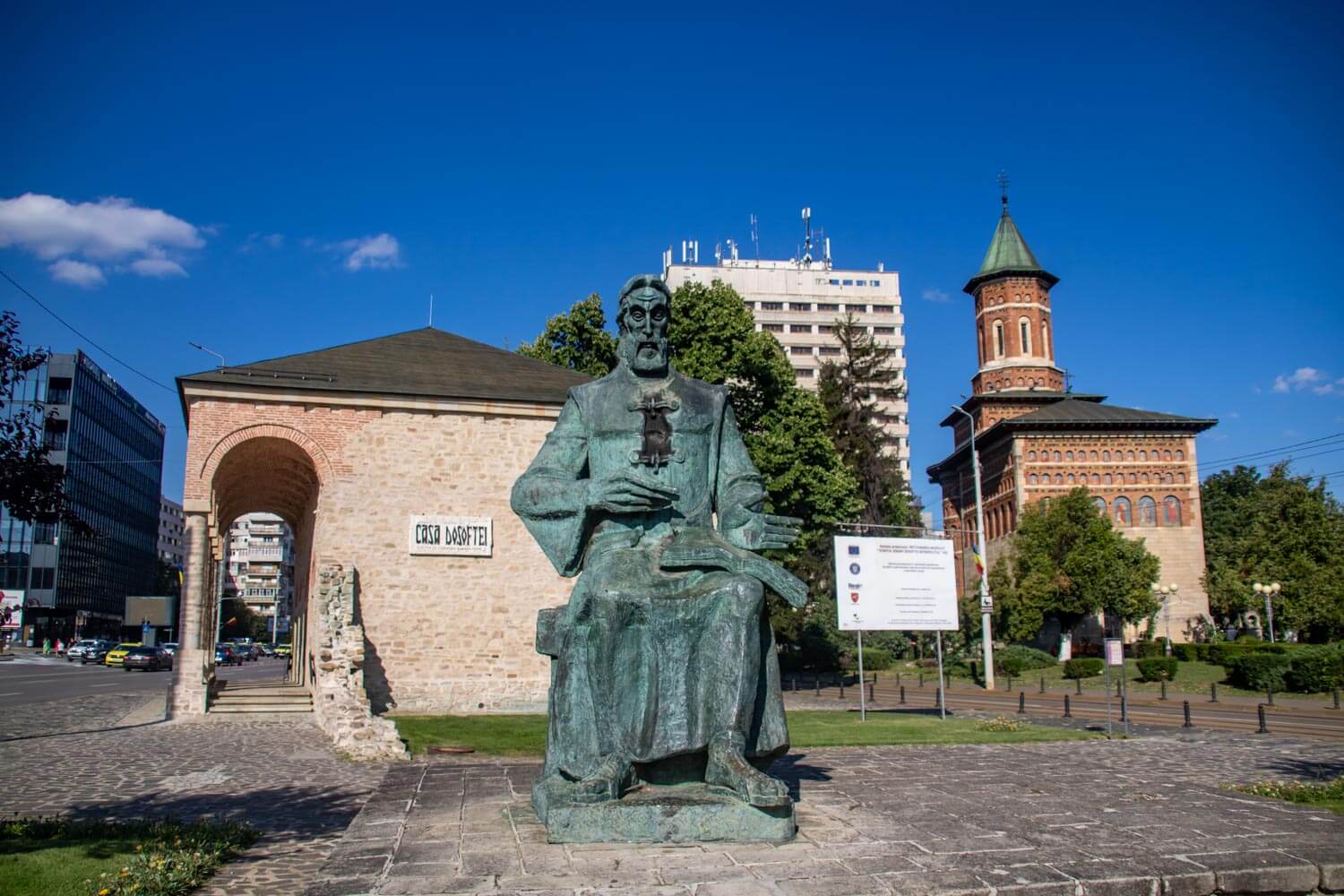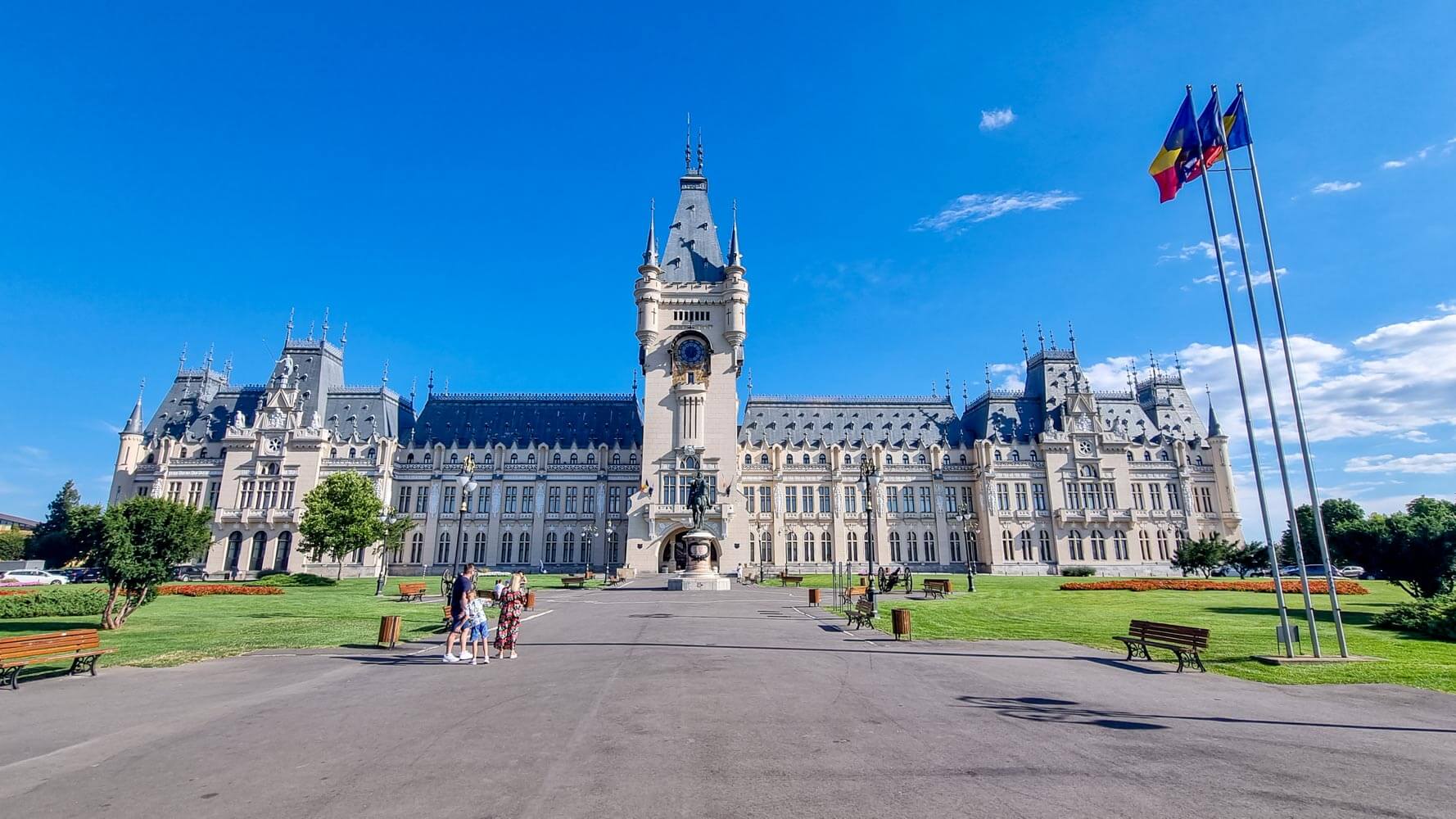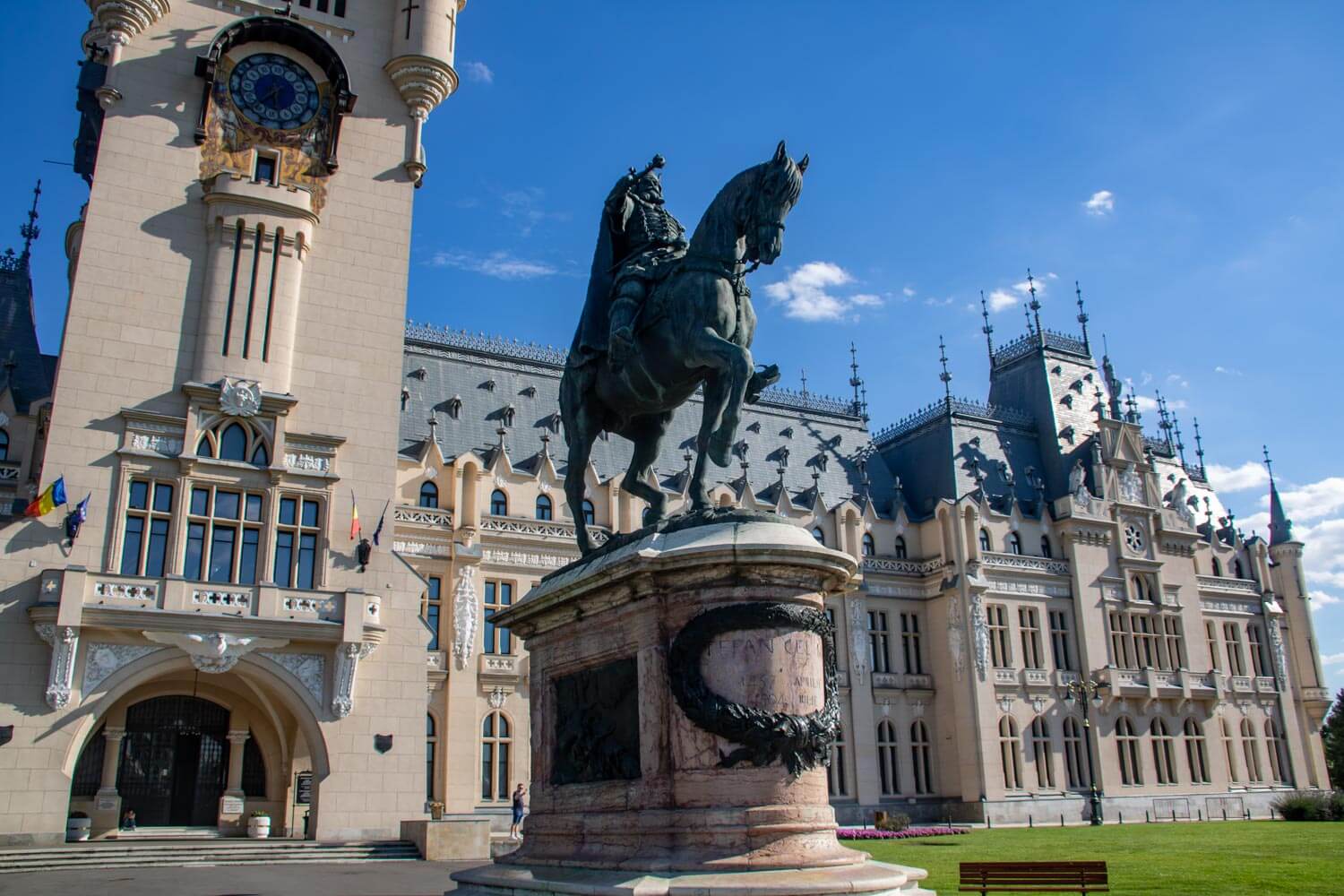
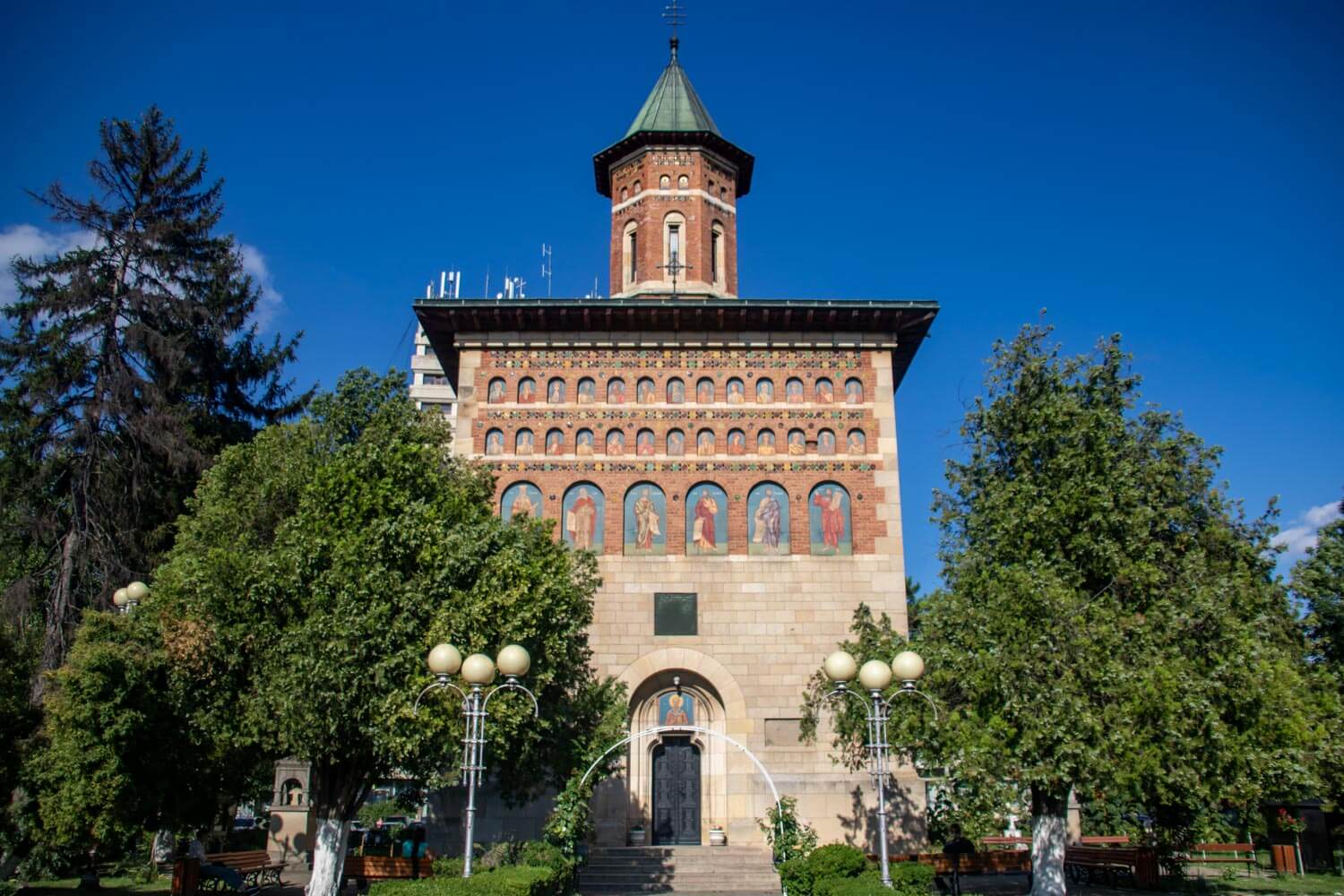
The Princely Church of Saint Nicholas (Biserica Sfântul Nicolae Domnesc) is a historic Orthodox church on Palace Square in Iași, beside the Palace of Culture and the remains of the former Princely Court. Founded by Stephen the Great in 1491-1492, it became one of the most important ceremonial churches of Moldavia and later served as the place where successive rulers were formally anointed after Iași became the capital.
Stephen built the church as part of his enlargement of the Princely Court, creating a permanent religious focus beside the ruler’s residence. After the capital moved from Suceava to Iași in 1564, newly installed princes were received here and anointed before taking up their rule, while major religious ceremonies of the court were also held inside. The last Moldavian ruler to be anointed here was Grigore Alexandru Ghica in 1849.
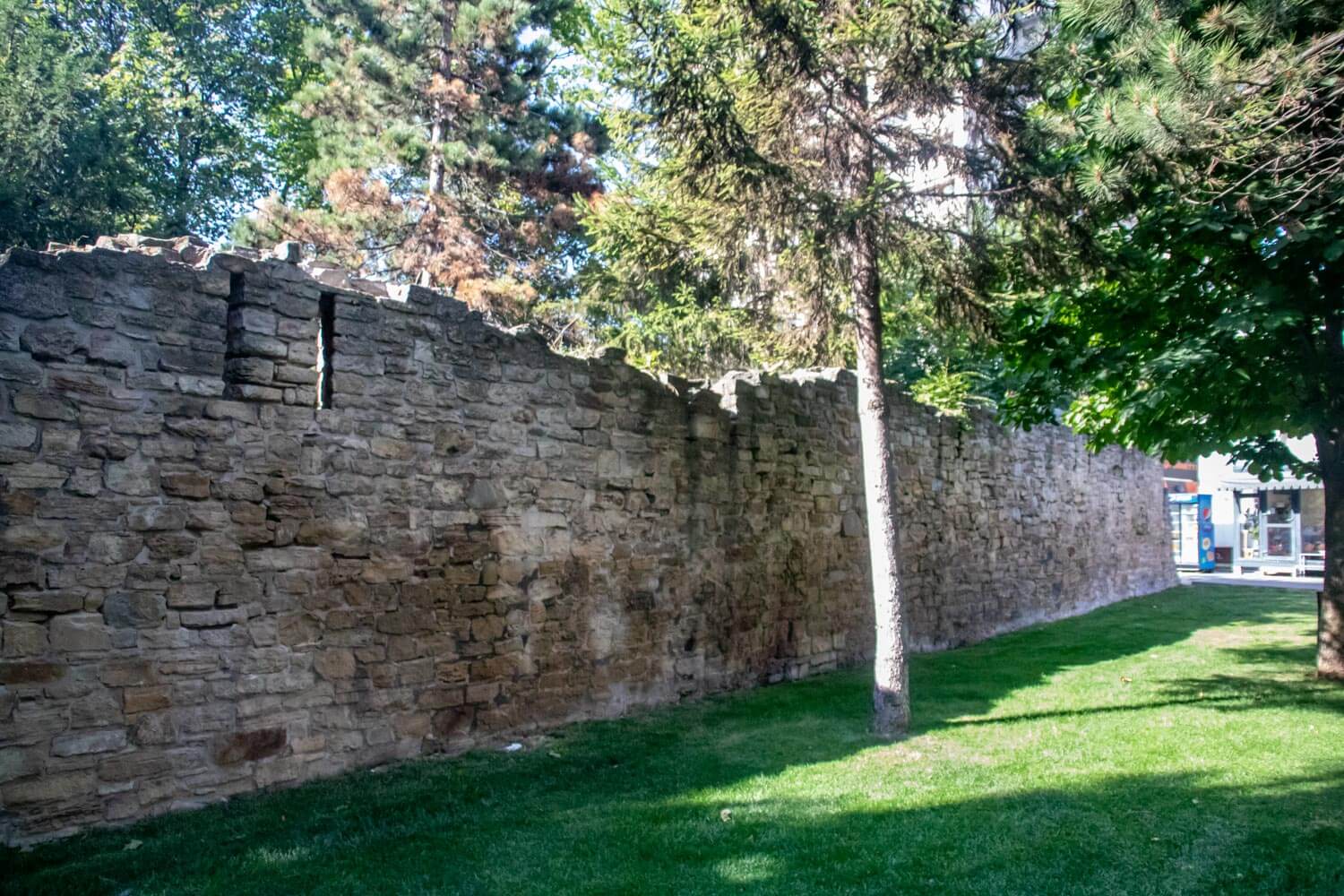
The church changed repeatedly over the following centuries. Fires, earthquakes, repairs, and extensions gradually transformed Stephen’s original building, while large additions eventually created side altars and a much broader complex. During the reign of Antonie Ruset in the 1670s, the church was repaired and enclosed by a stone wall, parts of which still survive around the site. For a period it also functioned as a metropolitan church, and a printing press operated here under Metropolitan Dosoftei, who published religious works in Romanian during the 1680s.
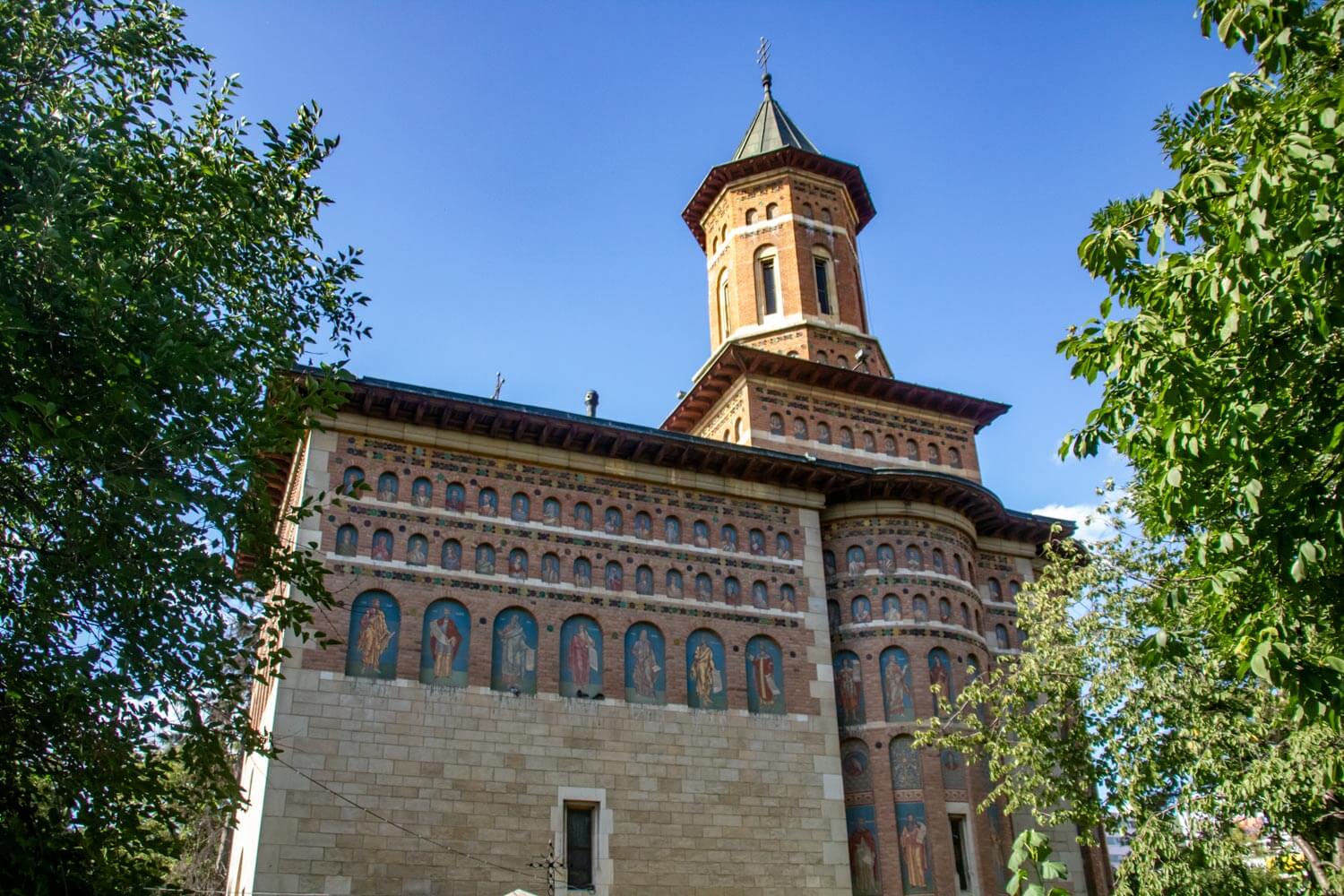
By the 19th century the building had grown far beyond its medieval form and was badly deteriorated. A major restoration began in 1884 under French architect André Lecomte du Noüy, who ultimately dismantled the existing structure and reconstructed the church between 1888 and 1904 according to his interpretation of its original late-15th-century appearance. The result is therefore not an untouched medieval church, but a historicist reconstruction based on Stephen the Great’s foundation.
The exterior follows the decorative language of Stephen’s churches, with exposed brickwork, recessed niches, enameled ceramic discs, and rows of painted figures beneath the roofline. Inside, the paintings date mainly from around 1900 and include portraits of Stephen the Great and his family as well as members of the Romanian royal family from the reign of Carol I.
Fragments of the old enclosure wall remain visible around the church grounds, offering one of the few surviving traces of the wider ecclesiastical complex that once stood beside the Princely Court. Together with Dosoftei House nearby, they help preserve something of the historic setting that existed here long before the present Palace of Culture was built.