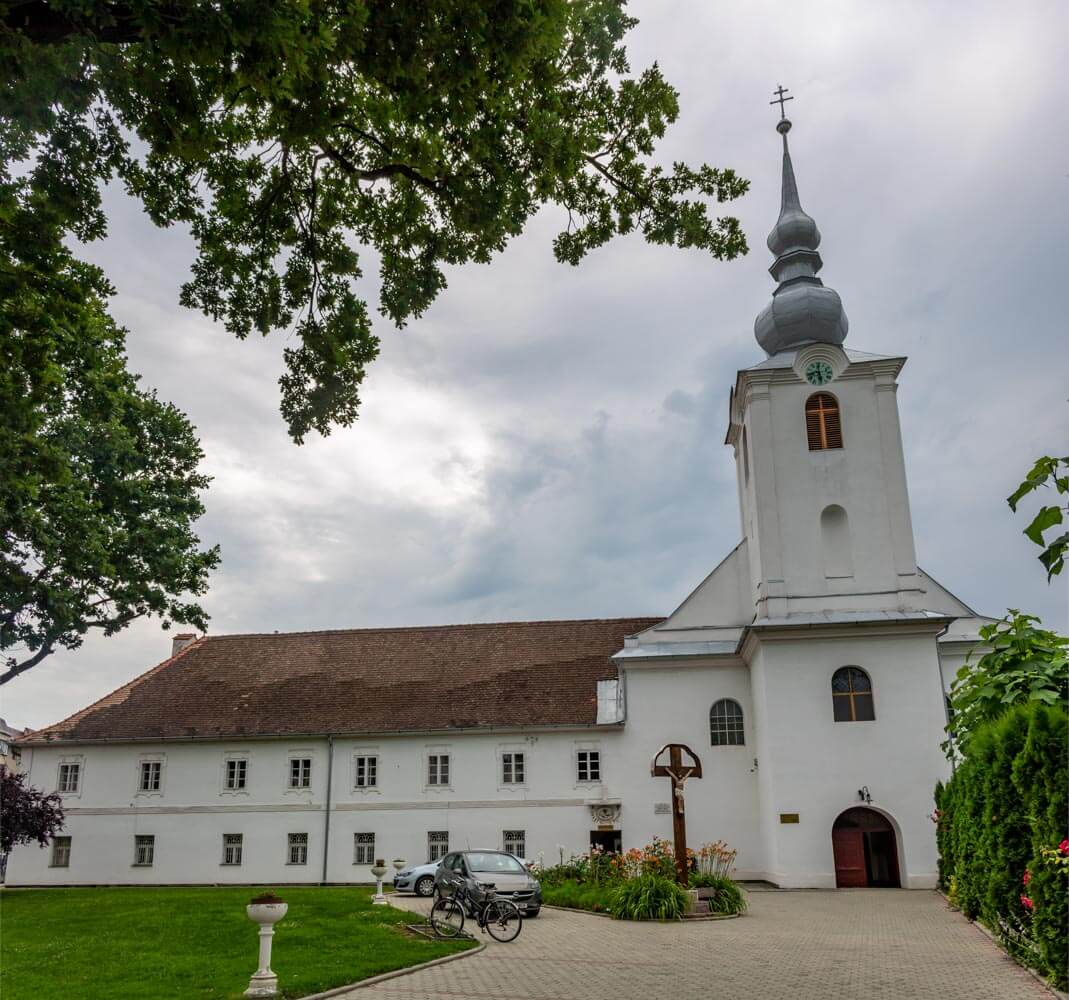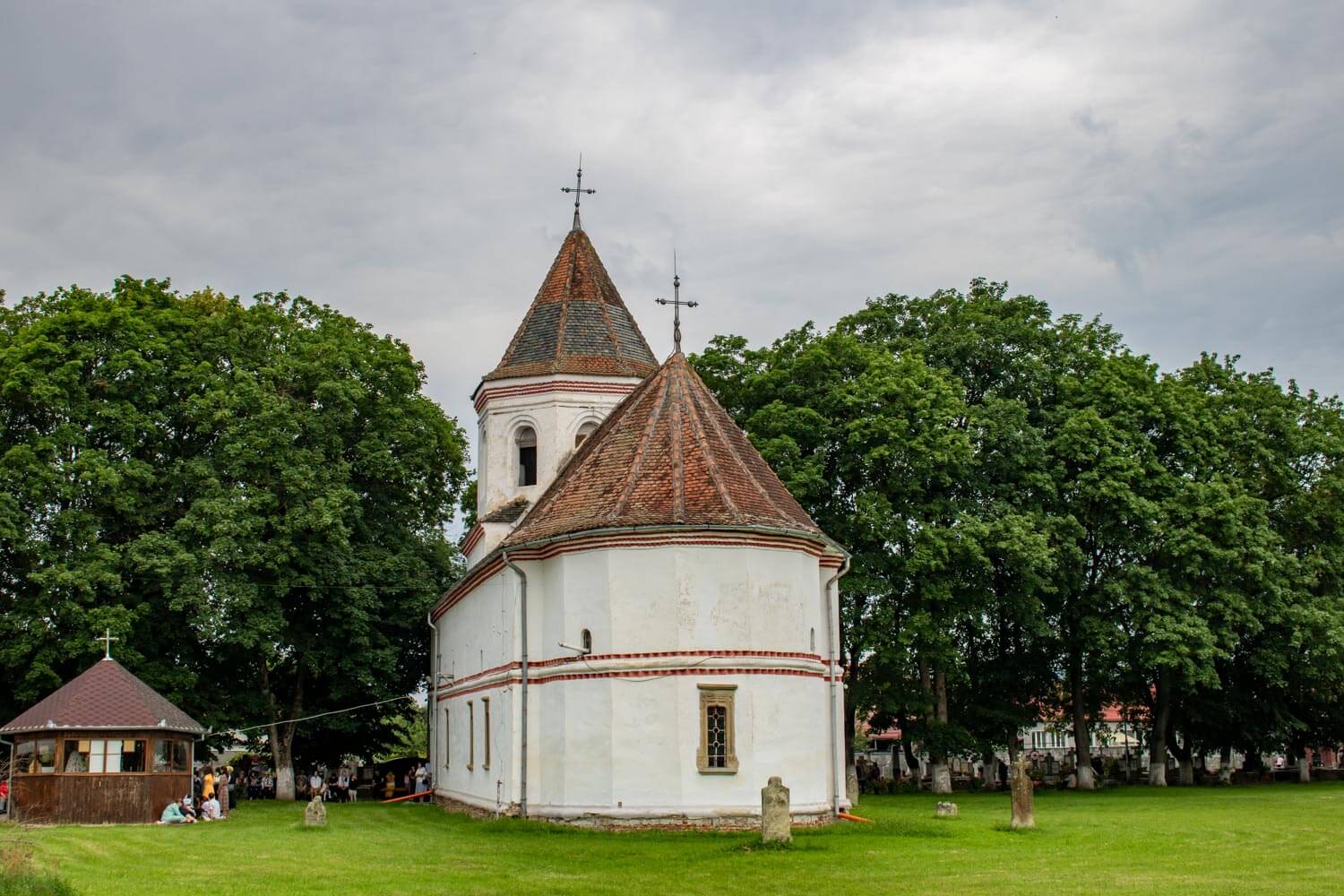
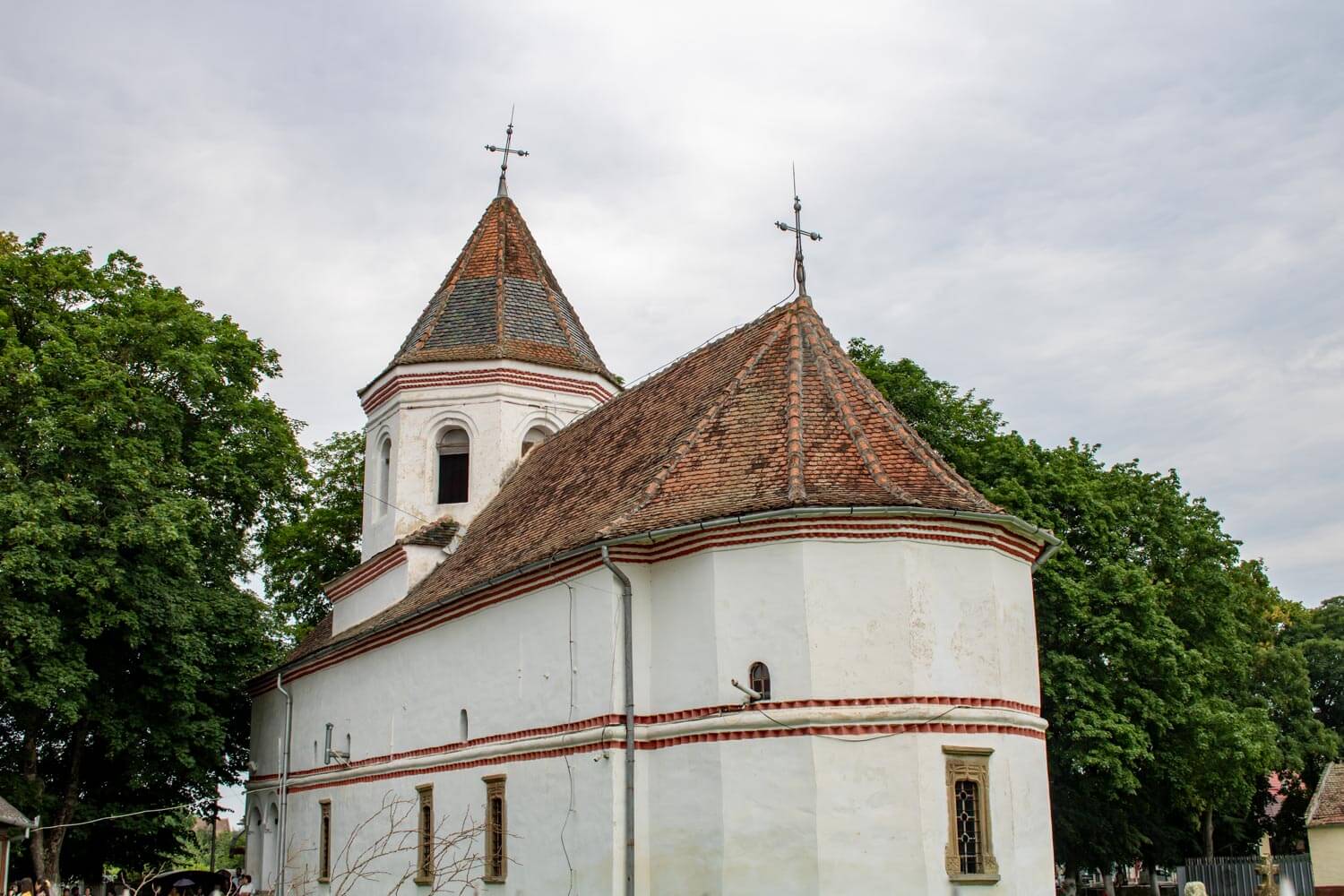
The Saint Nicholas Church (Biserica Sfântul Nicolae) is a historic Romanian Orthodox church in Făgăraș, built between 1697 and 1698 by Prince Constantin Brâncoveanu of Wallachia. It is the oldest surviving church in the city and one of the clearest examples of Brâncovenesc architecture in the Făgăraș region.
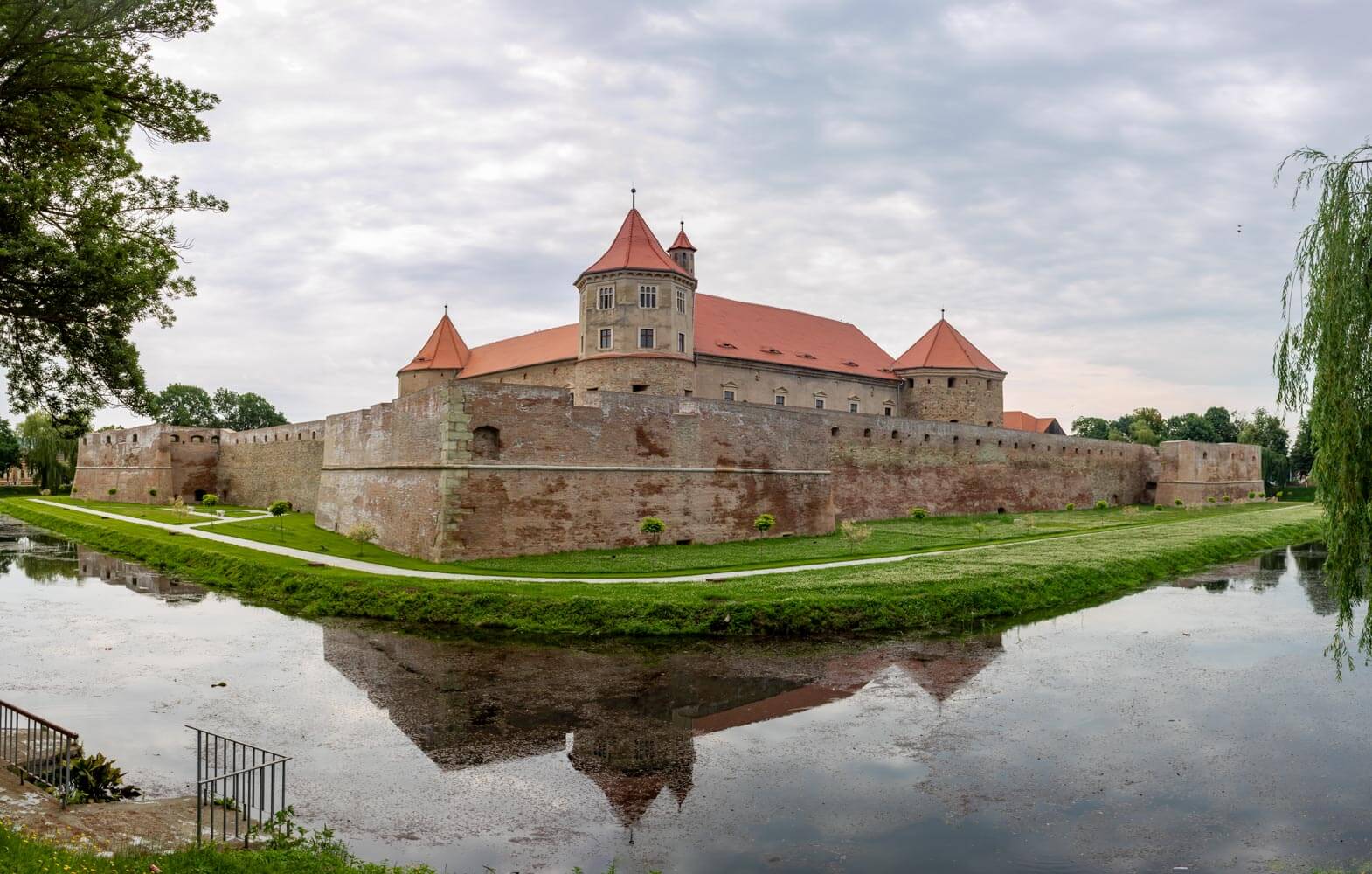
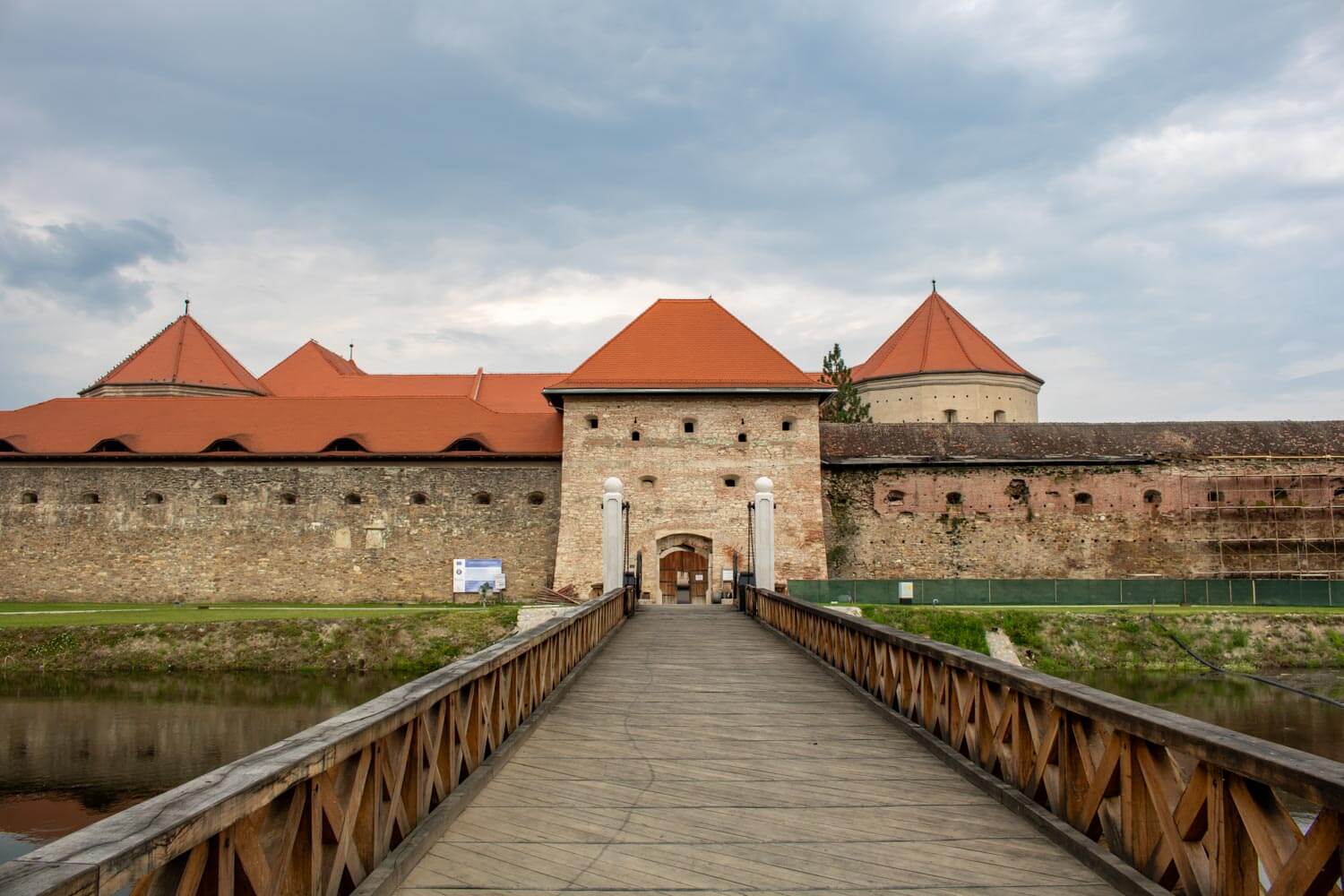
The Orthodox community of Făgăraș had been without its own church for around four decades after an earlier church burned down. Local believers therefore appealed to Constantin Brâncoveanu for help, and he obtained permission from Transylvanian prince Michael II Apafi to build a new Orthodox church. The approval came with restrictions: the walls were not to be too high or too thick, so the new church would not visually compete with nearby Făgăraș Fortress. Construction began in June 1697 and was completed in September 1698.
The church was built in the Brâncovenesc style, combining Orthodox religious architecture with Renaissance and Baroque decorative elements. Its exterior is marked by exposed brick cornices and decorative bands, while the open porch is supported by ten octagonal columns. Seven windows retain carved stone surrounds, and the bell tower above the nave has an octagonal form.
Much of the original interior decoration also survives. The oak iconostasis dates from the founding period and was painted by Preda of Câmpulung, an important artist connected with the artistic school of Horezu. The altar and nave were later decorated in fresco by Preda together with his sons, Preda and Teodosie, while the pronaos received its painted decoration at a later date.
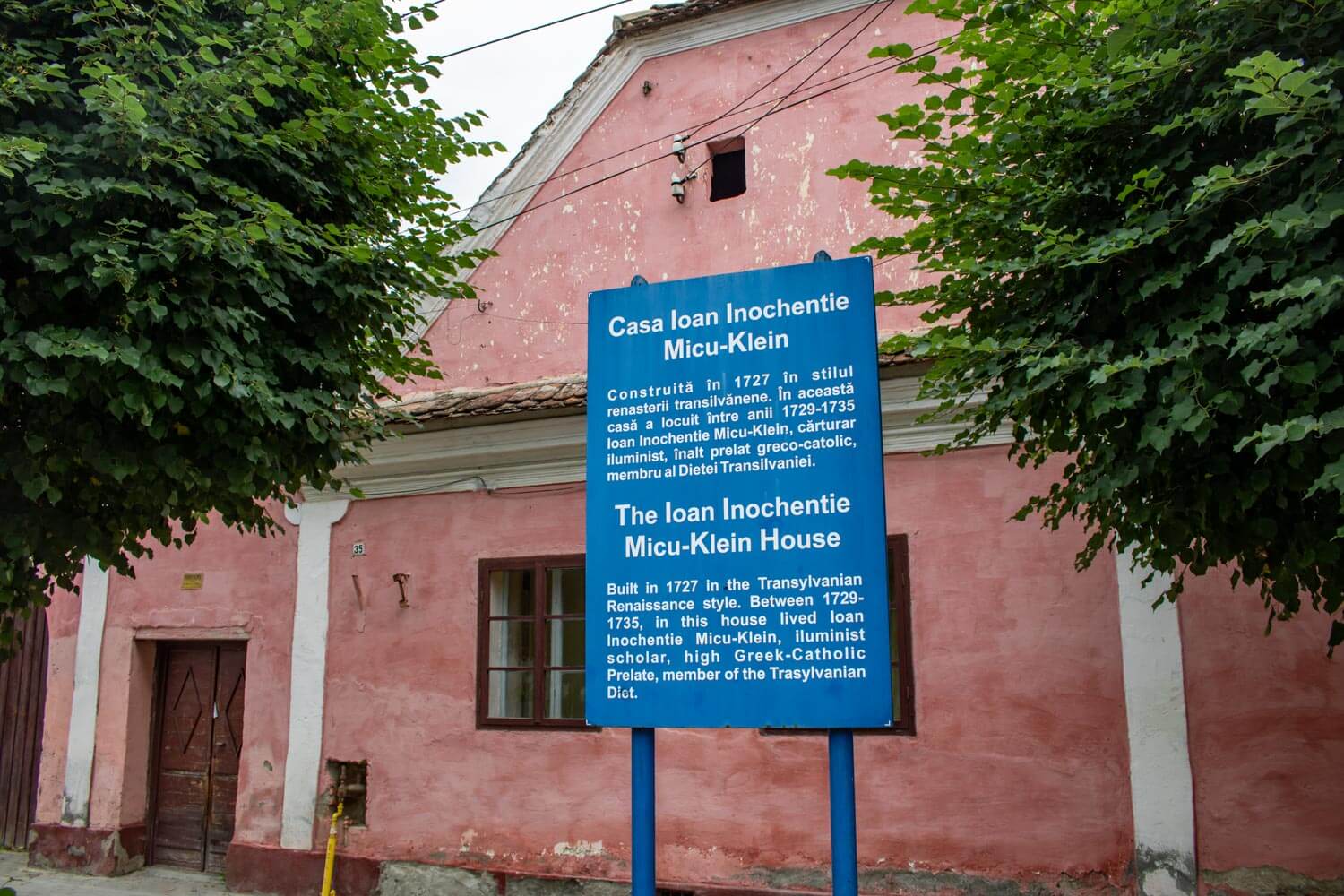
The church’s history changed again in 1723, when it was transferred to the Romanian Greek Catholic Church. For a period it served as a cathedral for bishops Ioan Giurgiu Patachi and Inocențiu Micu-Klein before the episcopal seat moved to Blaj in 1737. The building returned to Orthodox use in 1948 and continues to serve as an active parish church today.