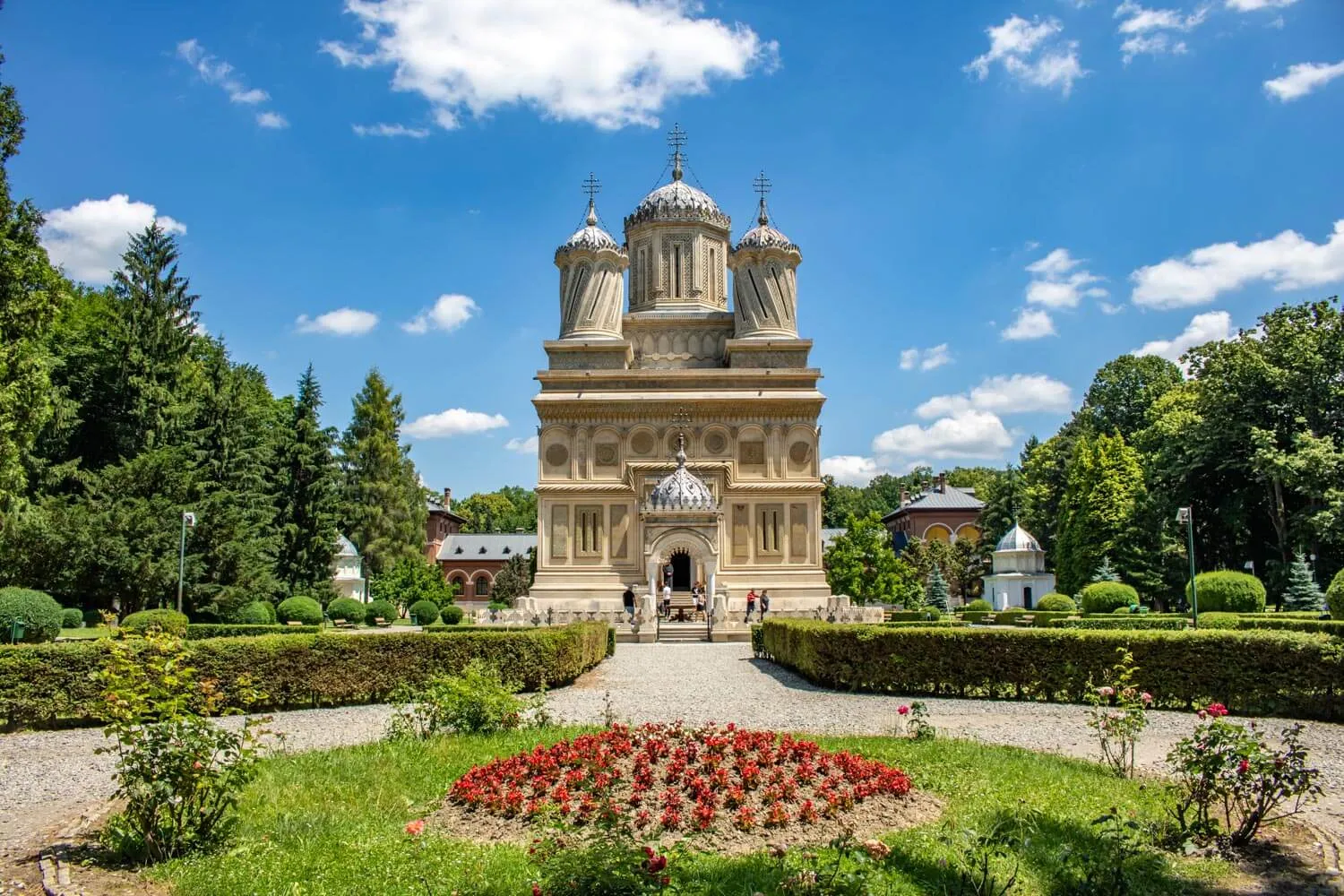
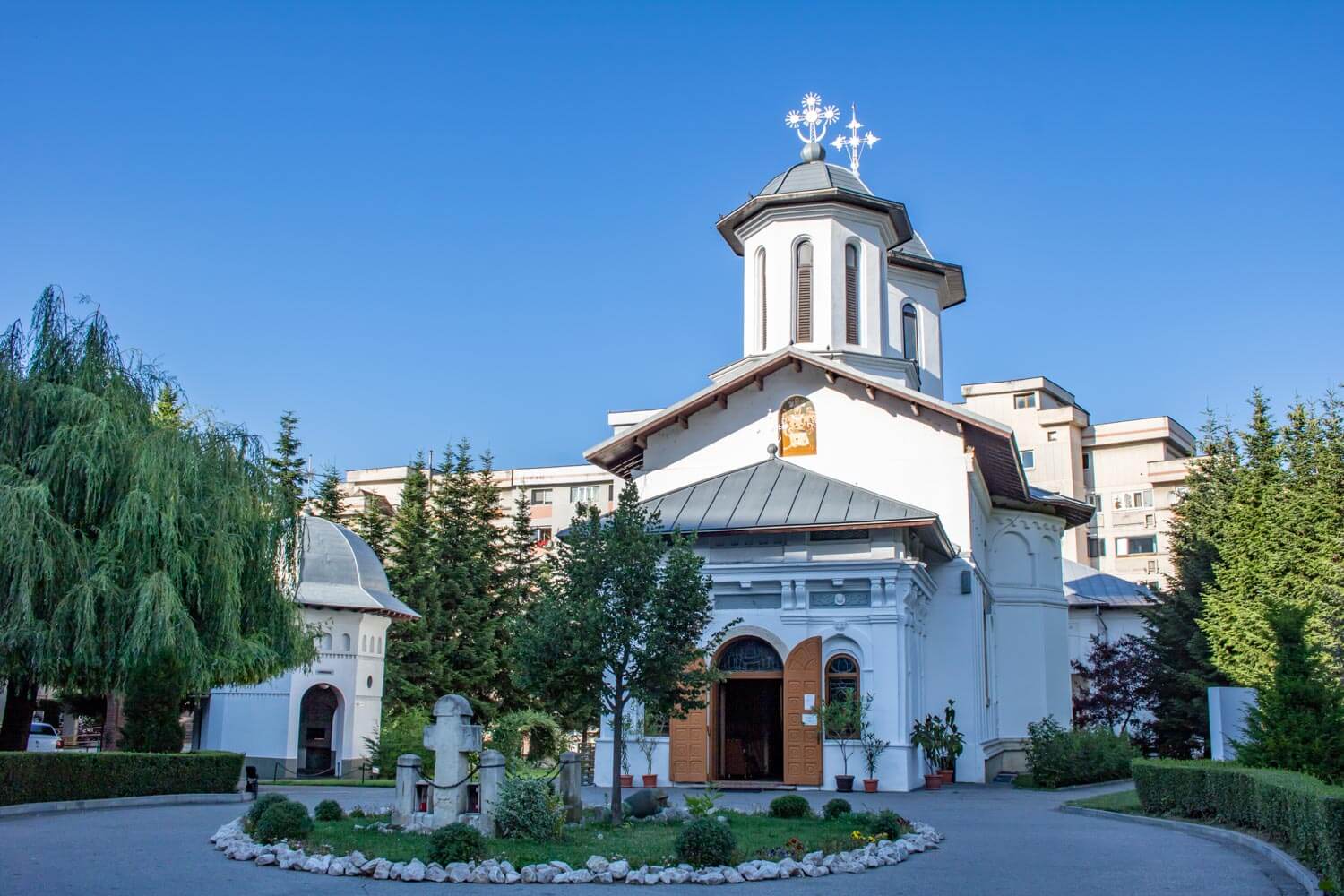
Mavrodolu Church (Biserica Mavrodolu) is a historic Romanian Orthodox church built between 1815 and 1818 on a small hill in central Pitești. Named after its founder, Ioan Mavrodolu, it is dedicated to the Dormition of the Virgin Mary, Saint Spyridon, and Saint Charalambos. The church was constructed on the site of an earlier wooden place of worship dating from 1752 and served as the city’s cathedral during the first half of the 19th century.
The original wooden church was founded by a merchant known as Ene Cupețul, but by the early 19th century it had become too small for its congregation and had suffered damage from earthquakes. In 1815, Ioan Mavrodolu, a wealthy merchant and former Wallachian official, undertook the construction of a larger brick church, enclosing the elevated grounds with a wall of stone and brick. The new building was completed and consecrated in 1818 by Iosif, the first Bishop of Argeș. Its prominence in the religious life of Pitești led to its recognition as the city’s cathedral between 1818 and 1852.
The church suffered extensive damage during the great fire that swept through Pitești in August 1848, destroying its roof and vaults while leaving the main walls standing. Reconstruction began the following year with contributions from parishioners, although further repairs and alterations continued during the following decades. A major rebuilding campaign in 1868 introduced Romantic-style architectural ornamentation to the façades, while an enclosed entrance porch with neoclassical influences was added. These changes shaped the building’s present appearance.
The church has a cross-shaped plan, with a spacious nave, narthex, and sanctuary. Its white plastered exterior is divided horizontally by decorative bands, with tall windows along the lower walls and smaller openings above. Blind arches ornament the porch and towers, while the roof is crowned by domes with elaborate curved profiles. Inside, the carved iconostasis displays Brâncovenesc-style ornamentation and a collection of silver-covered icons, complemented by religious paintings and wooden icons dating from the 19th century. The interior was extensively renewed during restoration work between 1955 and 1957, when the walls were replastered and decorated with new frescoes.
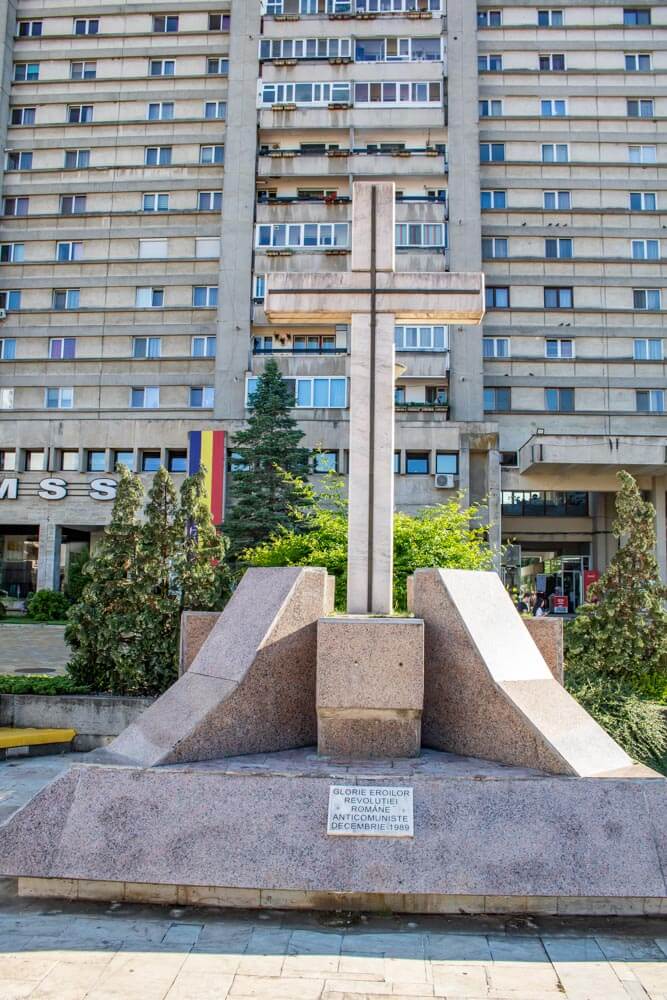
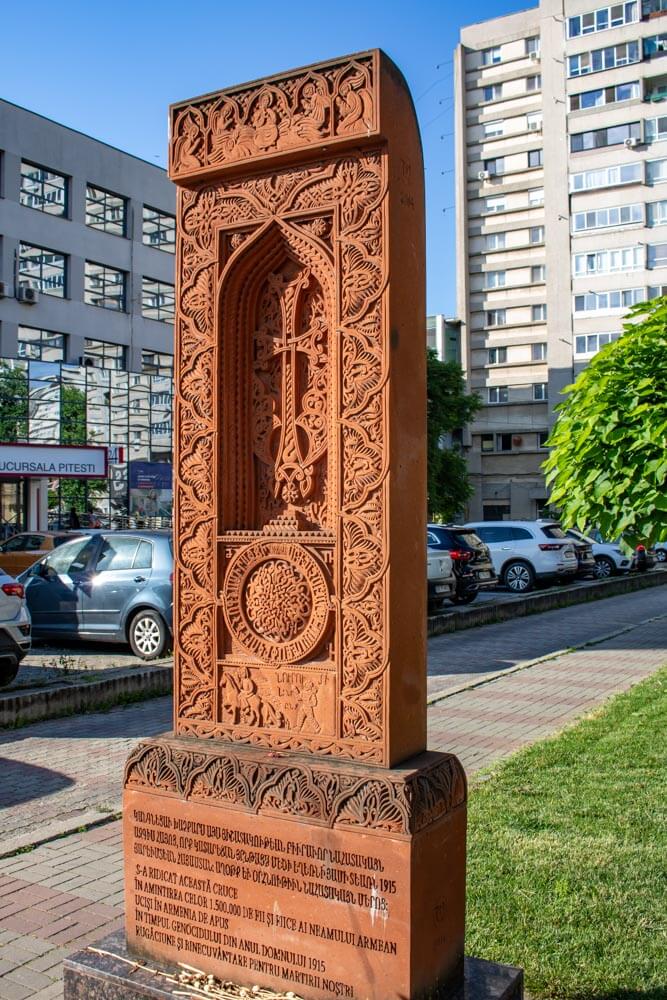
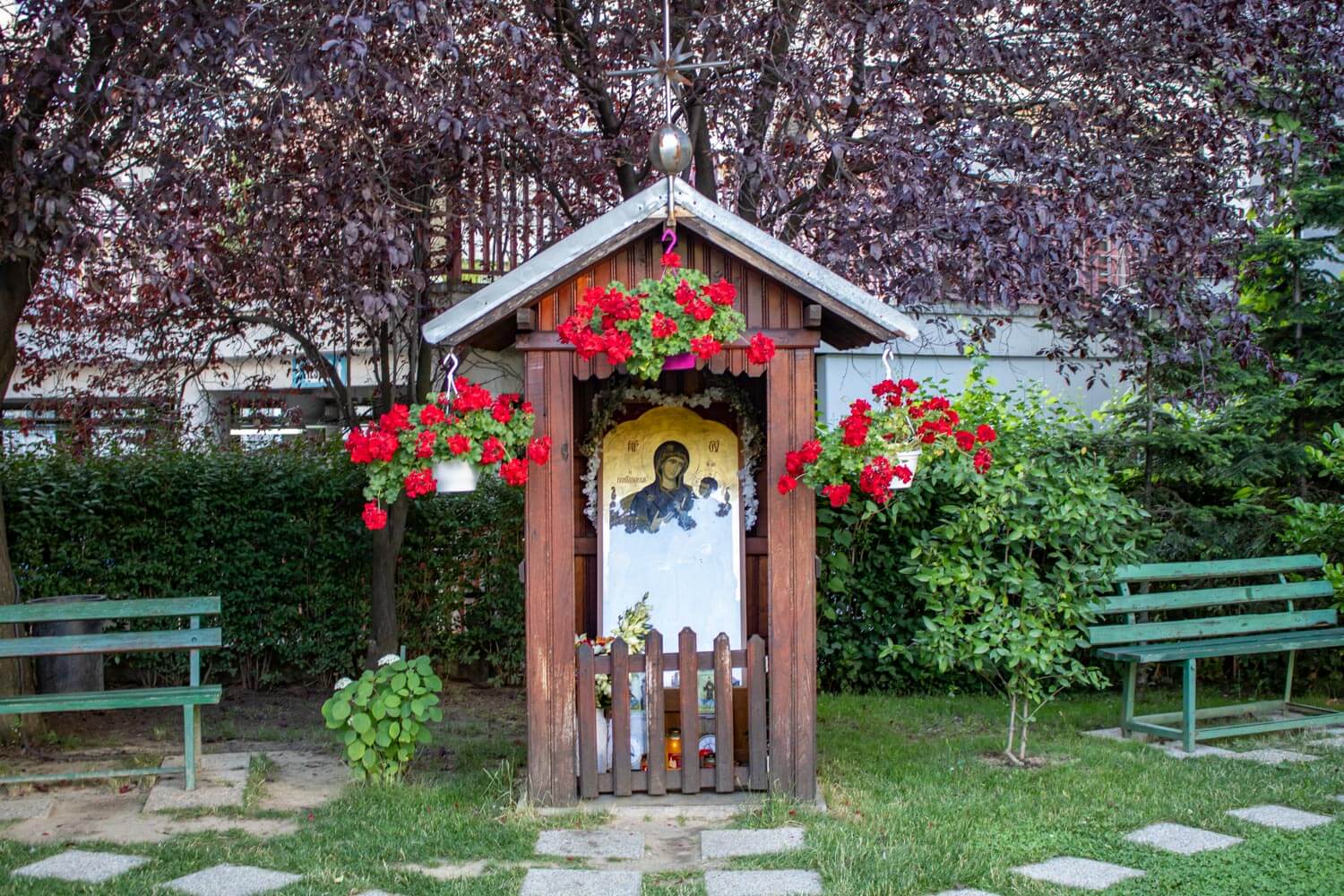
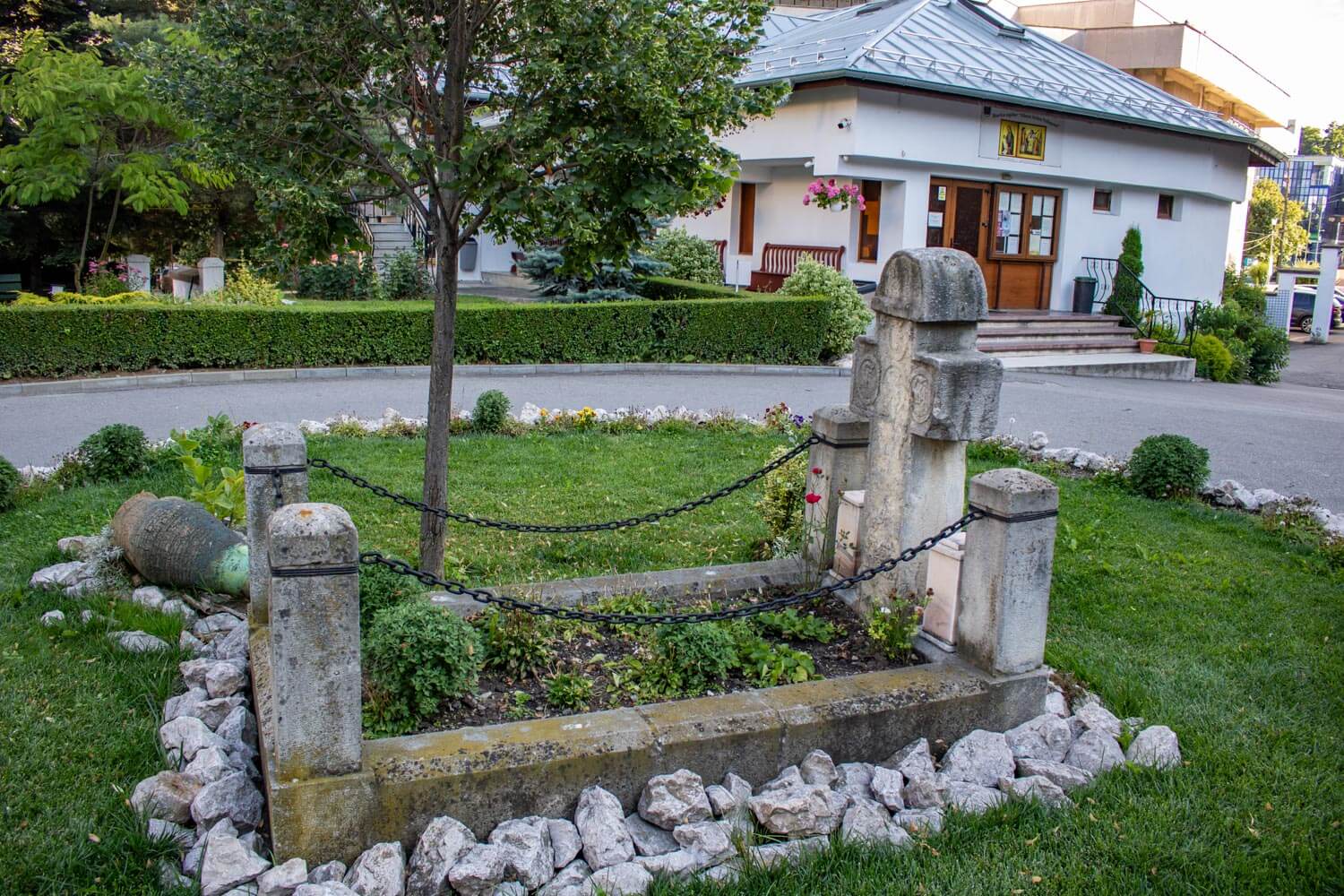
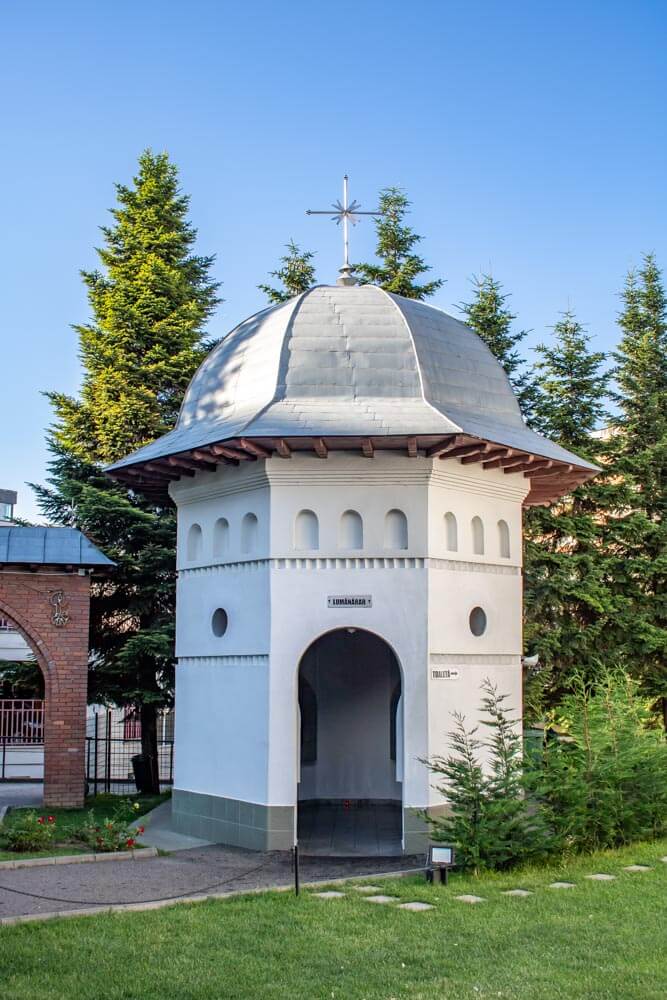
The churchyard is enclosed by a historic stone and brick wall, with a roadside cross and a carved stone memorial marking the burial place of Ioan Mavrodolu and his family. The complex also includes smaller places of worship developed for children and for people with hearing and speech impairments.