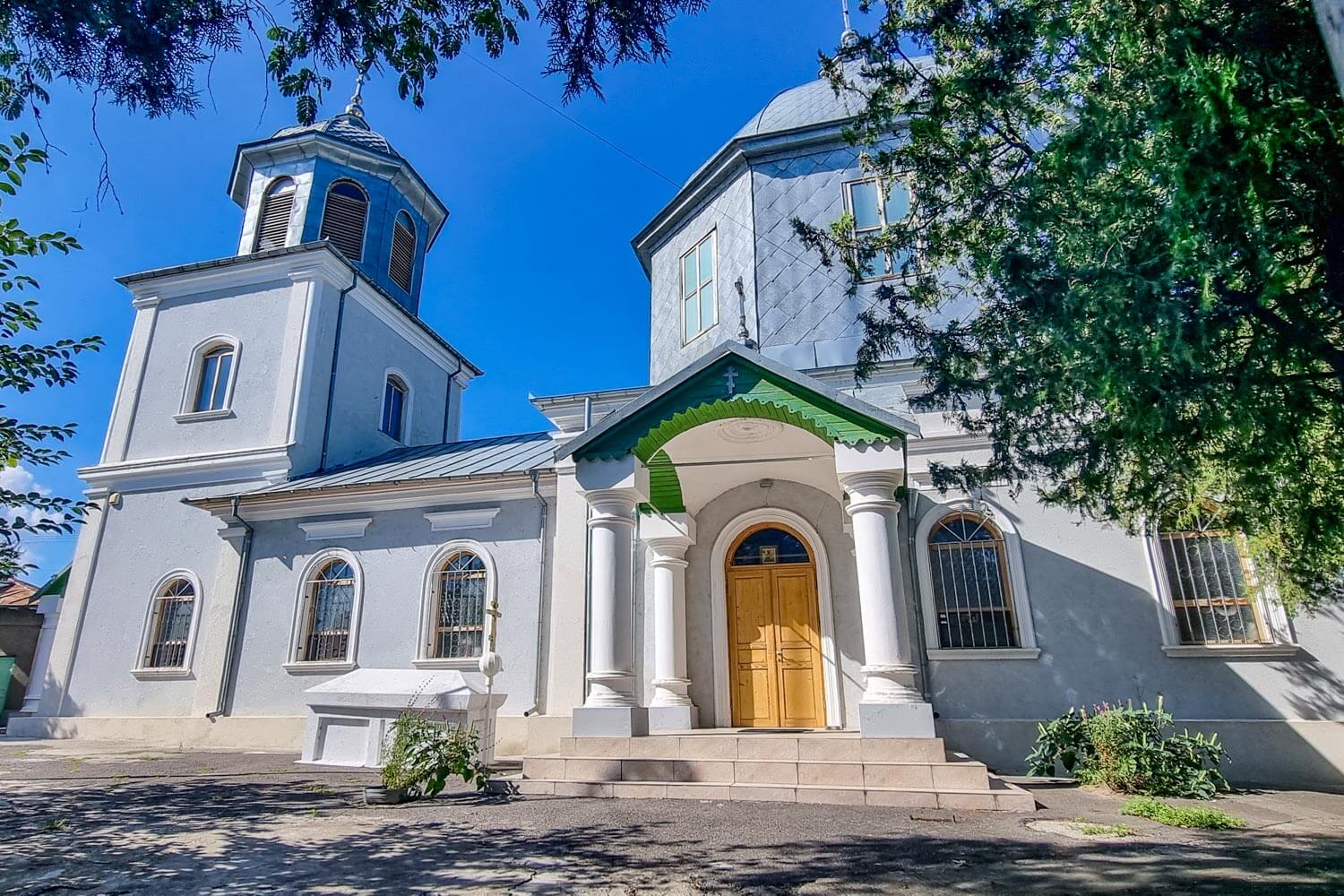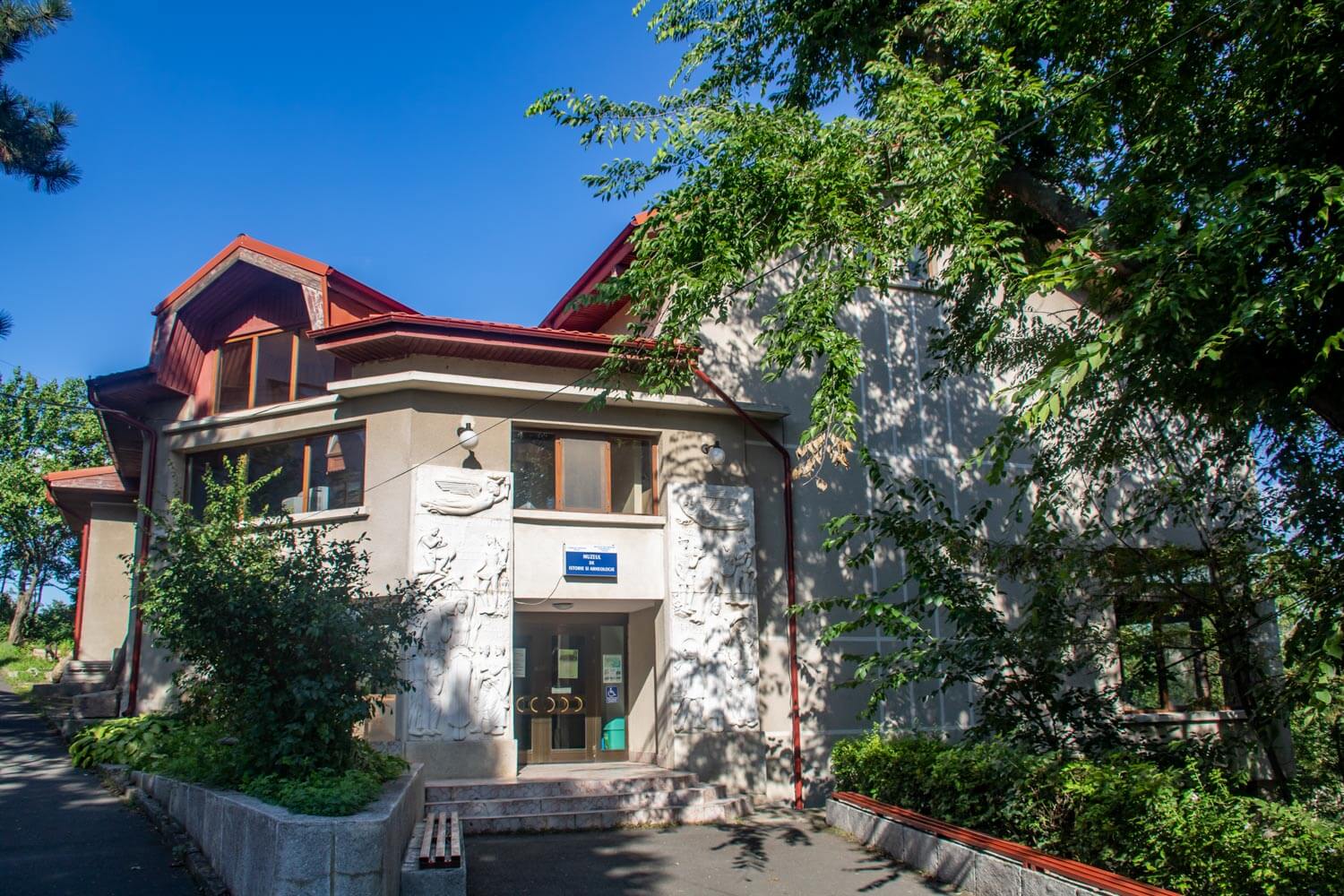
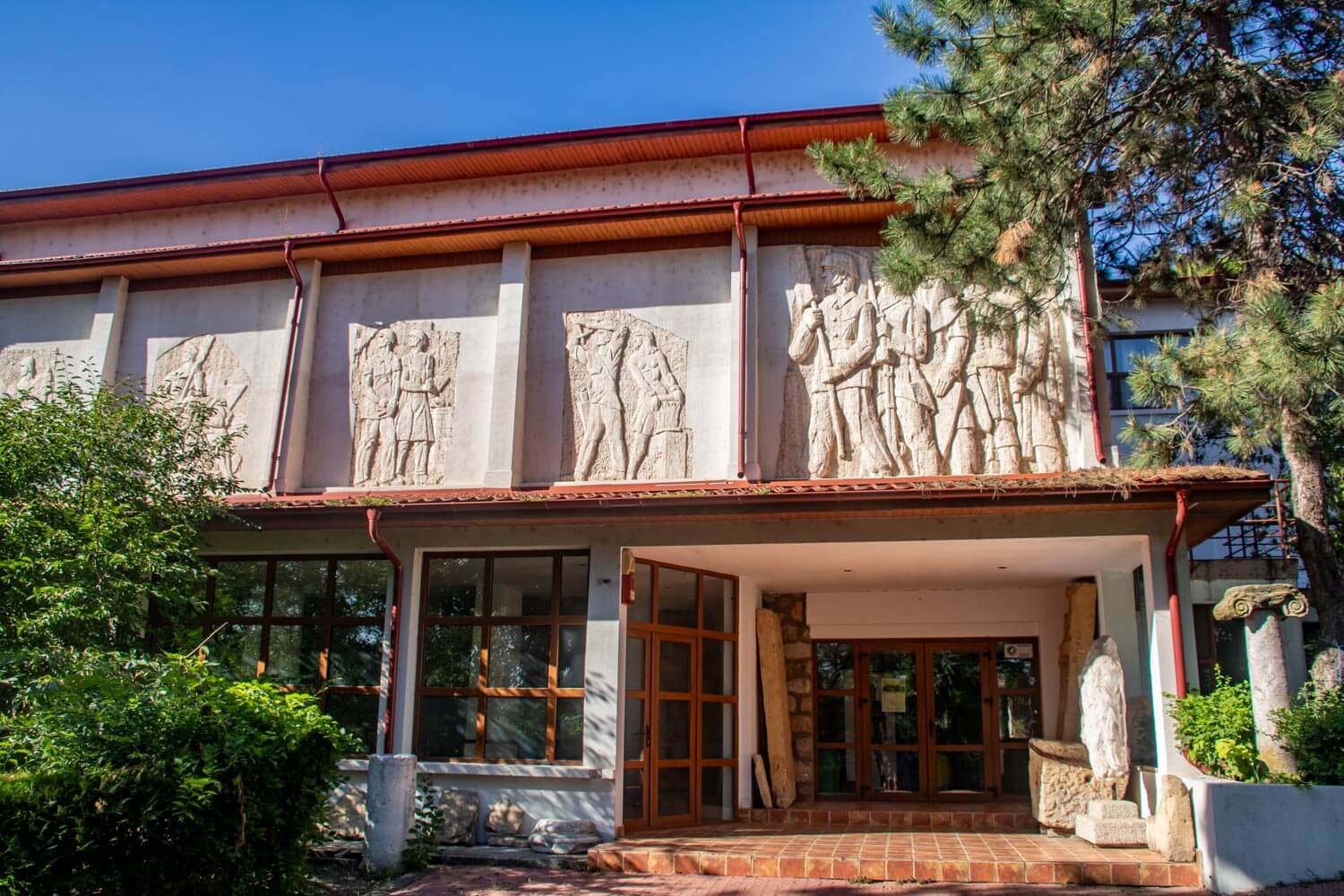
The Museum of History and Archaeology (Muzeul de Istorie și Arheologie) is a museum in Tulcea’s Independence Monument Park, built directly within the archaeological site of ancient Aegyssus on Monument Hill. Opened in 1975, it presents the history of northern Dobrogea and the Lower Danube through finds recovered from archaeological excavations across the region, while the exposed remains of Aegyssus survive immediately around the museum.
The museum developed from Tulcea’s wider postwar museum institution, but 1975 marked the creation of a dedicated history and archaeology branch with its own permanent exhibition and purpose-built premises. The complex was organized in two pavilions: one retained the original 1975 display devoted mainly to the Greek, Roman, Roman-Byzantine and medieval periods, while the second was substantially reorganized in 1995, with prehistory and protohistory on the ground floor and space for temporary exhibitions above.
Together, the collections cover the history of the Lower Danube from the 5th millennium BC to the 19th century. Pottery, weapons, tools, inscriptions, sculpture, jewelry and everyday objects come from archaeological sites across Tulcea County, including Argamum, Noviodunum, Troesmis, Beroe, Halmyris, Ibida, Dinogetia and Aegyssus itself. The museum’s archaeological collection alone contains more than 40,000 objects, while its wider archaeological, numismatic and historical holdings run into many tens of thousands of pieces.
A separate North Dobrogean Treasury presents some of the museum’s most valuable objects, including coin hoards, gold and silver jewelry, clothing accessories, religious objects and old books. The numismatic collection is particularly substantial, with ancient, medieval and modern coins as well as major hoards discovered in northern Dobrogea.
Early Christianity forms another important part of the museum. The permanent exhibition The Blood of the Martyrs explores the spread of Christianity along the western Black Sea coast and the Lower Danube, with particular attention to the basilica and martyr crypt discovered at Niculițel. Among the objects displayed is the restored stone reliquary associated with the four martyrs Zotikos, Attalos, Kamasi(o)s and Philippos.
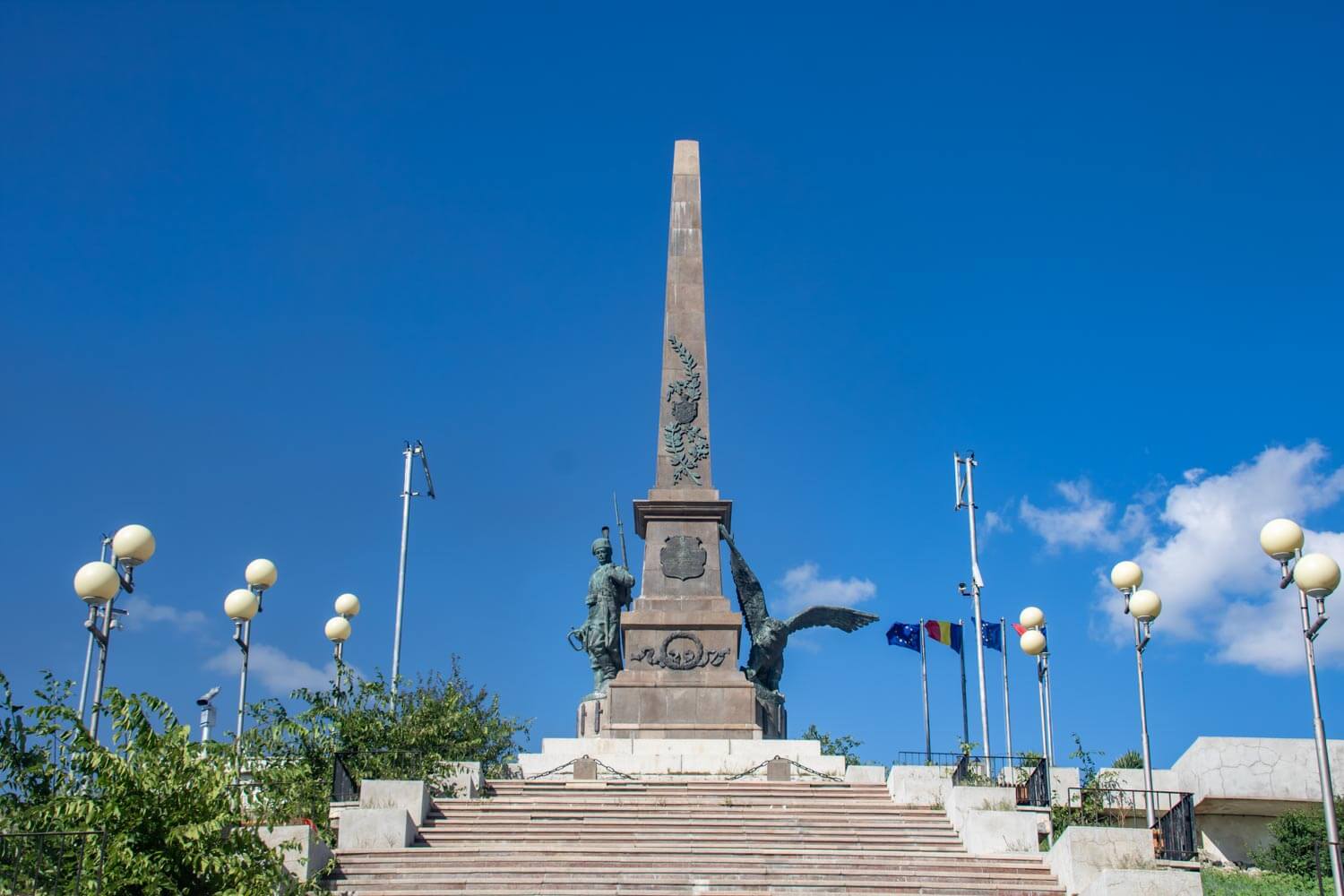
The museum’s setting adds another layer to the visit. Archaeological remains of Aegyssus lie around and below the museum buildings, with exposed sections of the ancient fortification visible within the same hilltop park. The nearby Independence Monument stands higher on the slope, making the museum part of a wider archaeological and historical landscape rather than an isolated indoor attraction.