Union Square (Piața Unirii) is one of the largest squares and a major traffic hub in central Bucharest. The square is located on the southern side of the historic old town and connects several of the major traffic arteries.
History Of Union Square
The history of Union Square goes back several hundreds of years and initially the square was simply known as Big Square (Piața Mare). Over time, its name was changed many times and its appearance has also changed drastically.
After the Great Union of 1918, the square was named Nation Square (Piața Naționei), but in the 1930s it was renamed June 8 Square, after the day King Carol II ascended the throne. Later, the name was changed to September 6 Square, after the day of King Michael I‘s ascension to the throne.
The communist era had the biggest impact on the appearance of Union Square. Before this time, the square was a marketplace with stalls and storage spaces where vendors were selling fresh produce, cattle, and other items. As part of Nicolae Ceaușescu‘s systemization plan for the redevelopment of Bucharest with imposing buildings and large squares and boulevards after the 1977 earthquake, Union Square was completely redeveloped. The square became part of the Civic Center (Centrul Civic) built in the 1980s, which included a long boulevard (then called the Boulevard of the Victory of Socialism, now Union Boulevard) stretching from the Palace of the Parliament through the center to the other side of the city.
Under the communist regime, the name of the square was also changed twice. In 1950, it became March 28 Square, after the day on which the first elections for the Great National Assembly took place. In 1959, the square received its current name, Union Square, 100 years after the Unification of the Romanian Principalities.
Transportation Hub
Union Square is a major transportation hub for traffic and public transport. The square has two metro strations that are linked by an underground passage. The Piața Unirii 1 metro station serves the M1 and M3, and the Piața Unirii 2 station serves the M2. More information about the Bucharest metro can be found here.
Union Square is also served by a large number of bus routes, including line 783 to the airport. More information about the buses in Bucharest can be found here, or you can find more information about getting around in the capital in our Bucharest Transportation Guide. On the northern side of the square, where the old town starts, there’s also a large taxi rank.
Union Square is also a major traffic intersection. The following roads are connected to the square:
- Union Boulevard (Bulevardul Unirii) passes through the center of the square in east-west direction.
- Independence Quay (Splaiul Independenței) flanks both sides of the Dâmbovița River and goes in northwestern direction.
- Ion C. Brătianu Boulevard (Bulevardul Ion C. Brătianu) goes from the northeastern corner of the square in northern direction towards University Square.
- Corneliu Coposu Boulevard (Bulevardul Corneliu Coposu) goes in the northeastern direction.
- Union Quay (Splaiul Unirii) follows the Dâmbovița River in southeastern direction.
- Dimitrie Cantemir Boulevard (Bulevardul Dimitrie Cantemir) goes from the southeastern corner of the square in southern direction towards the Youth Park.
- Queen Marie Boulevard (Bulevardul Regina Maria) goes in the southwestern direction.
Sights And Landmarks On Union Square
The center of Union Square is a park called Union Park where you can often find some market stalls selling clothing, souvenirs, food, and snacks. There is also an ensemble of large fountains and during the summer season you enjoy a multimedia show here called Water Symphony (Simfonia Apei). The shows take place from Thursday to Sunday after it gets dark and last for about 45 minutes. Various types of music are played and the fountains are synchronized with the rhythm of the music while being enlighted in different colors.
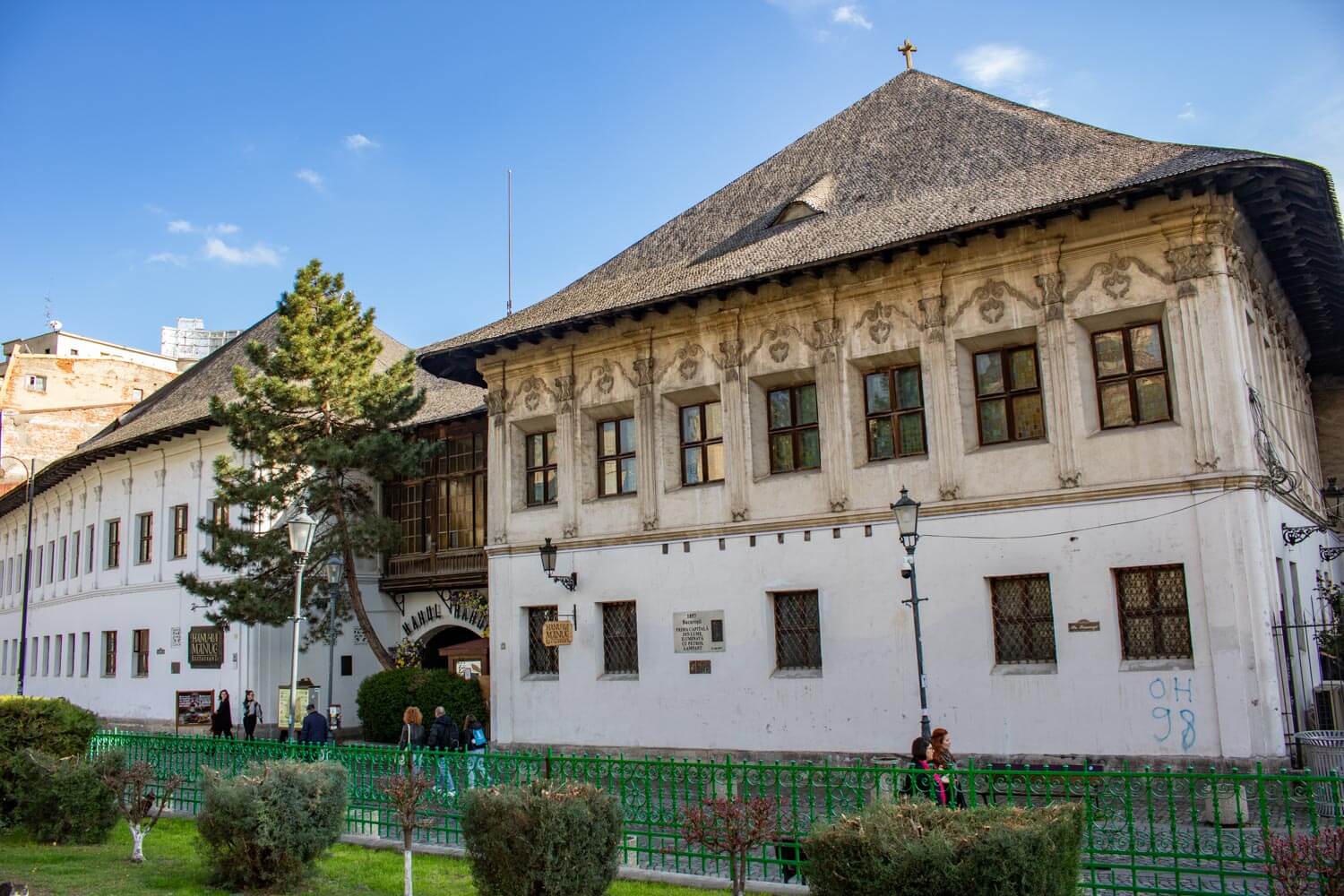
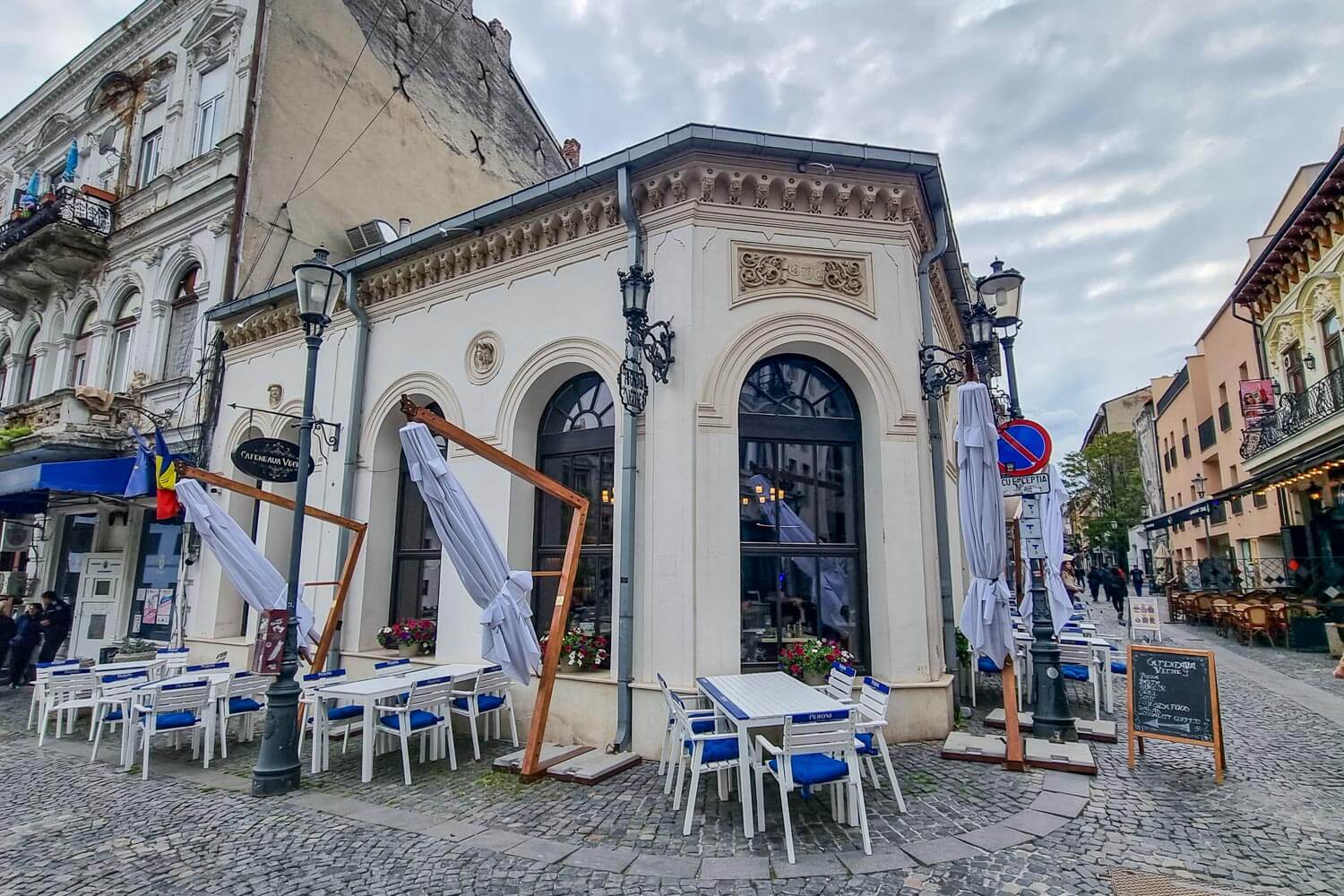
The streets surrounding Union Square are bustling with shops, bars, and eateries and there are also several landmarks and sights. The biggest attraction is the historic Old Town to the north of the square. The historic building directly facing the square is the famous Manuc’s Inn. To the east of the square is the Unirea Shopping Center and along the Dâmbovița River to the southeast is the cozy Dâmbovița Promenade full of bars and restaurants where you can sit on the waterside.
Southwest of Union Square you can walk up Metropolitanate Hill to visit the historic ensemble of the Patriarchal Cathedral, the Palace of the Patriarchate and the Patriarchal Residence and Chapel.
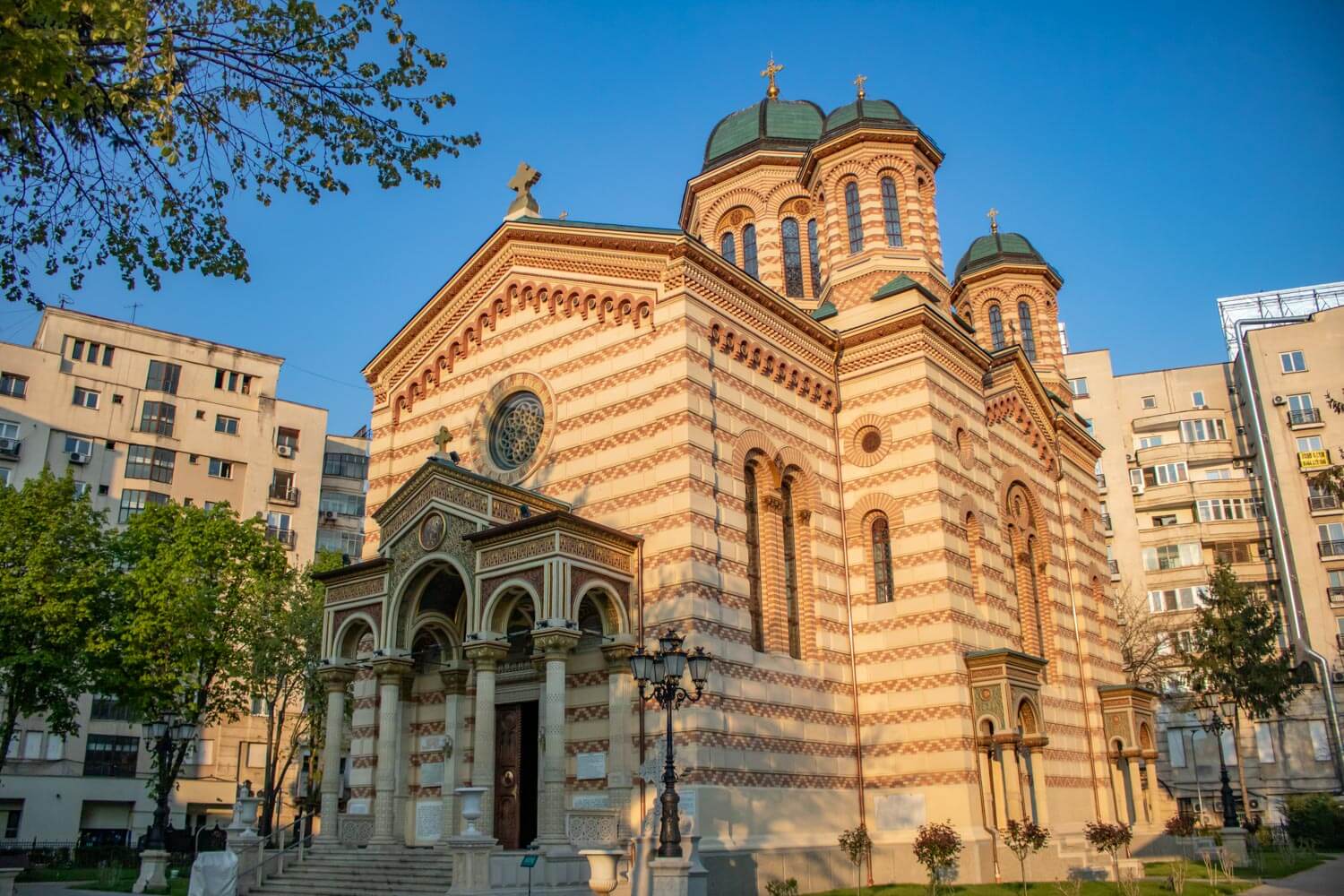
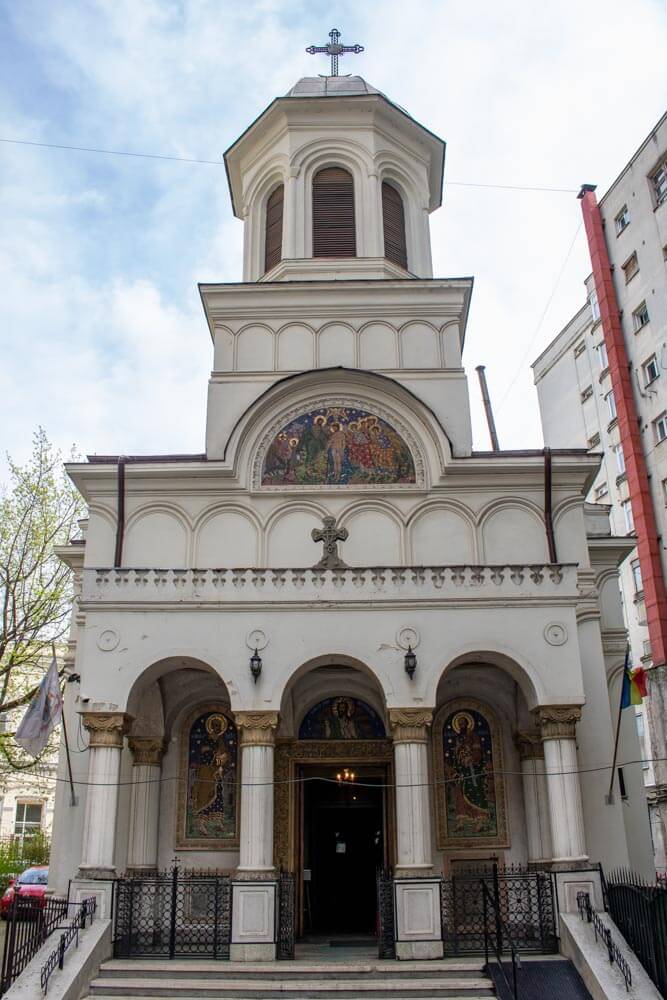
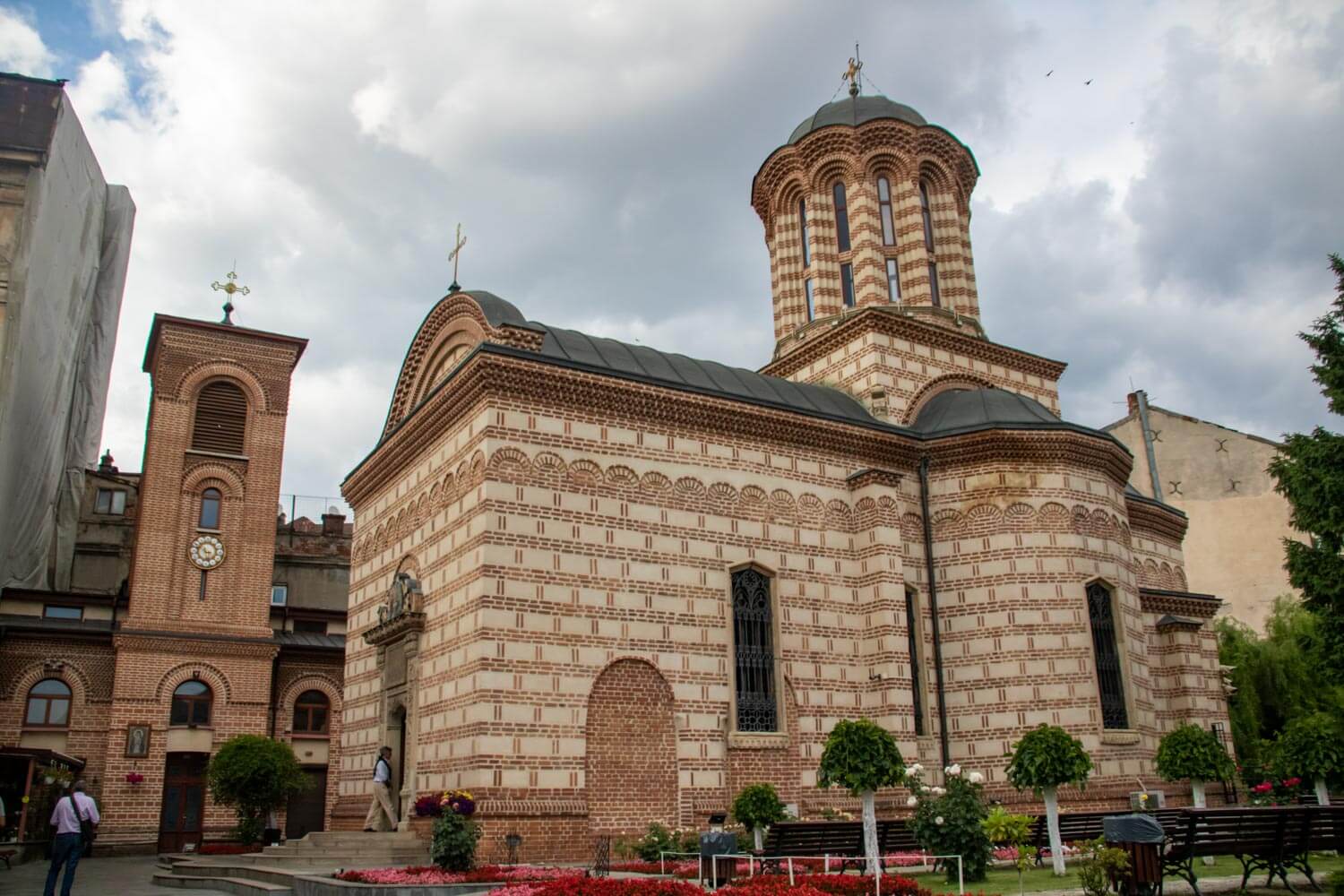
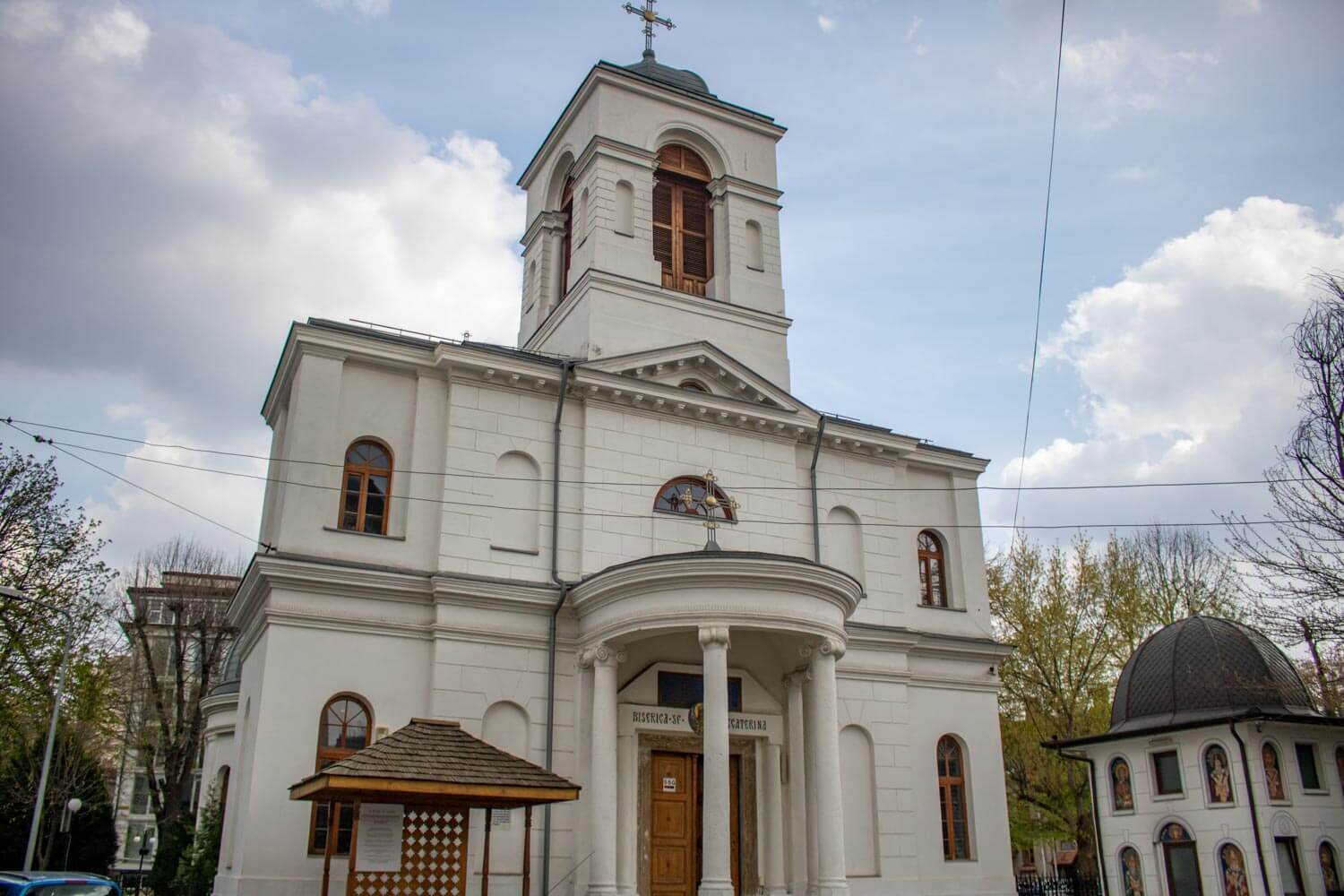
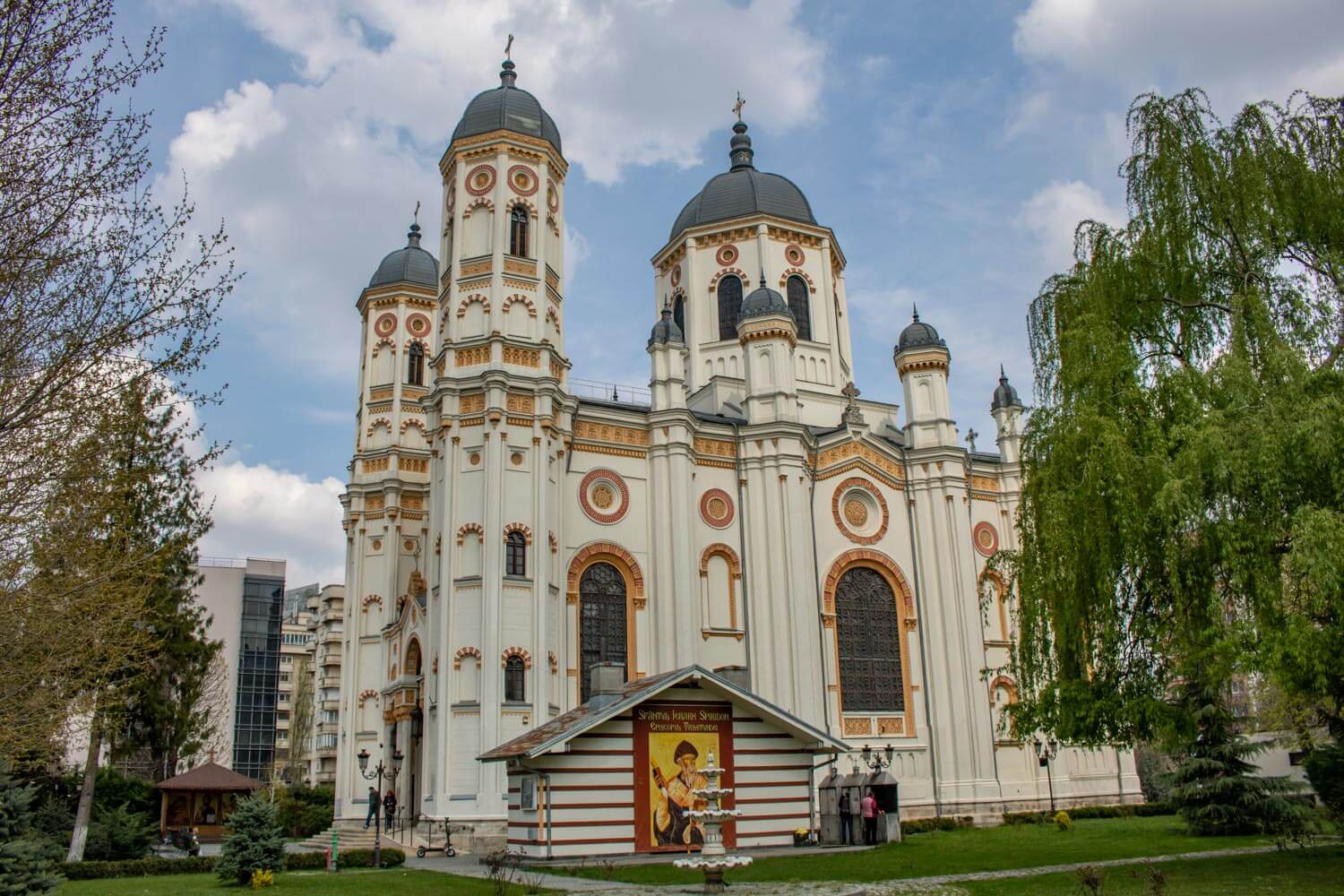
Hidden behind the large blocks surrounding the square you can also find two old churches: the Domnița Bălașa Church to the west and the New Saint John’s Church to the northeast.