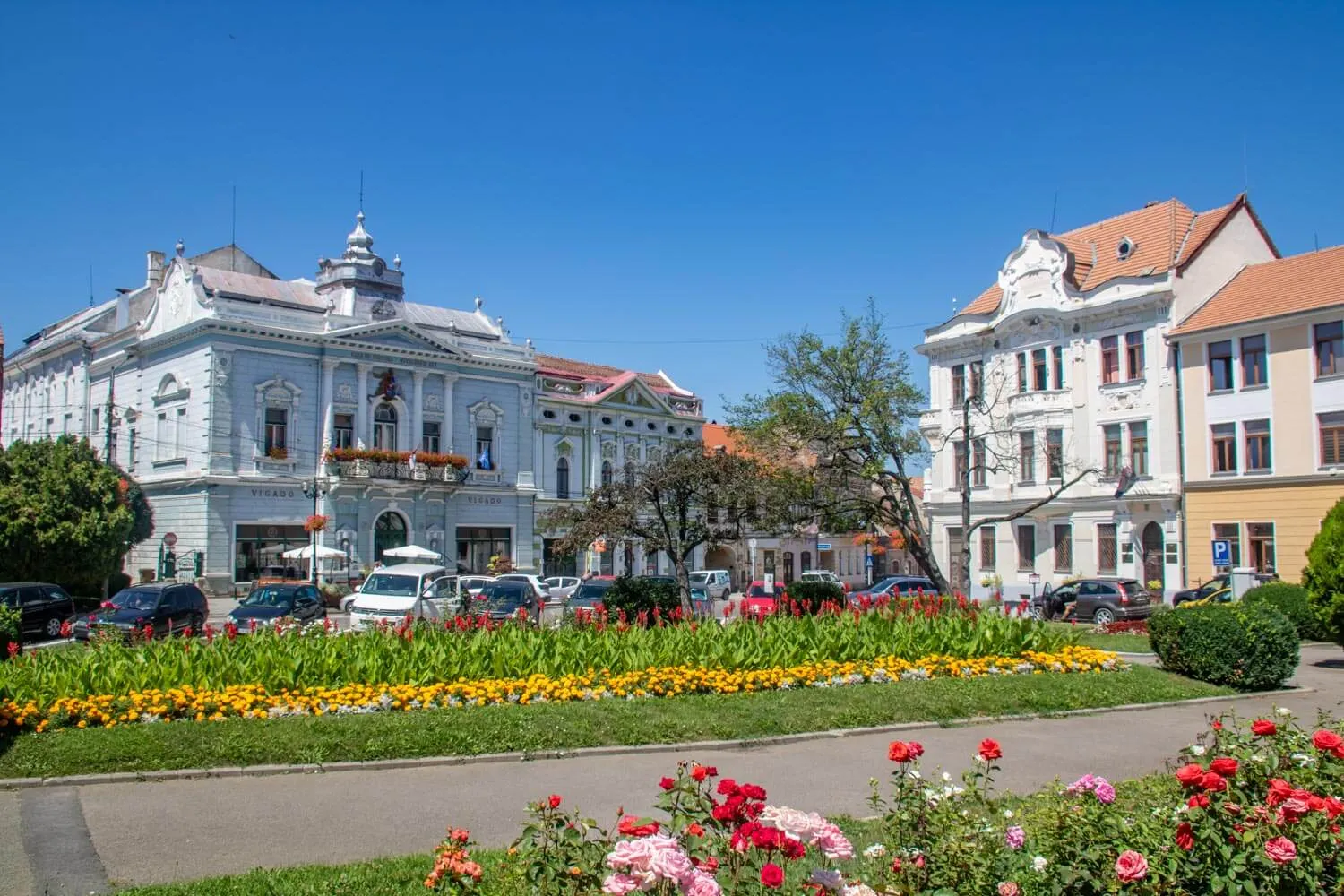
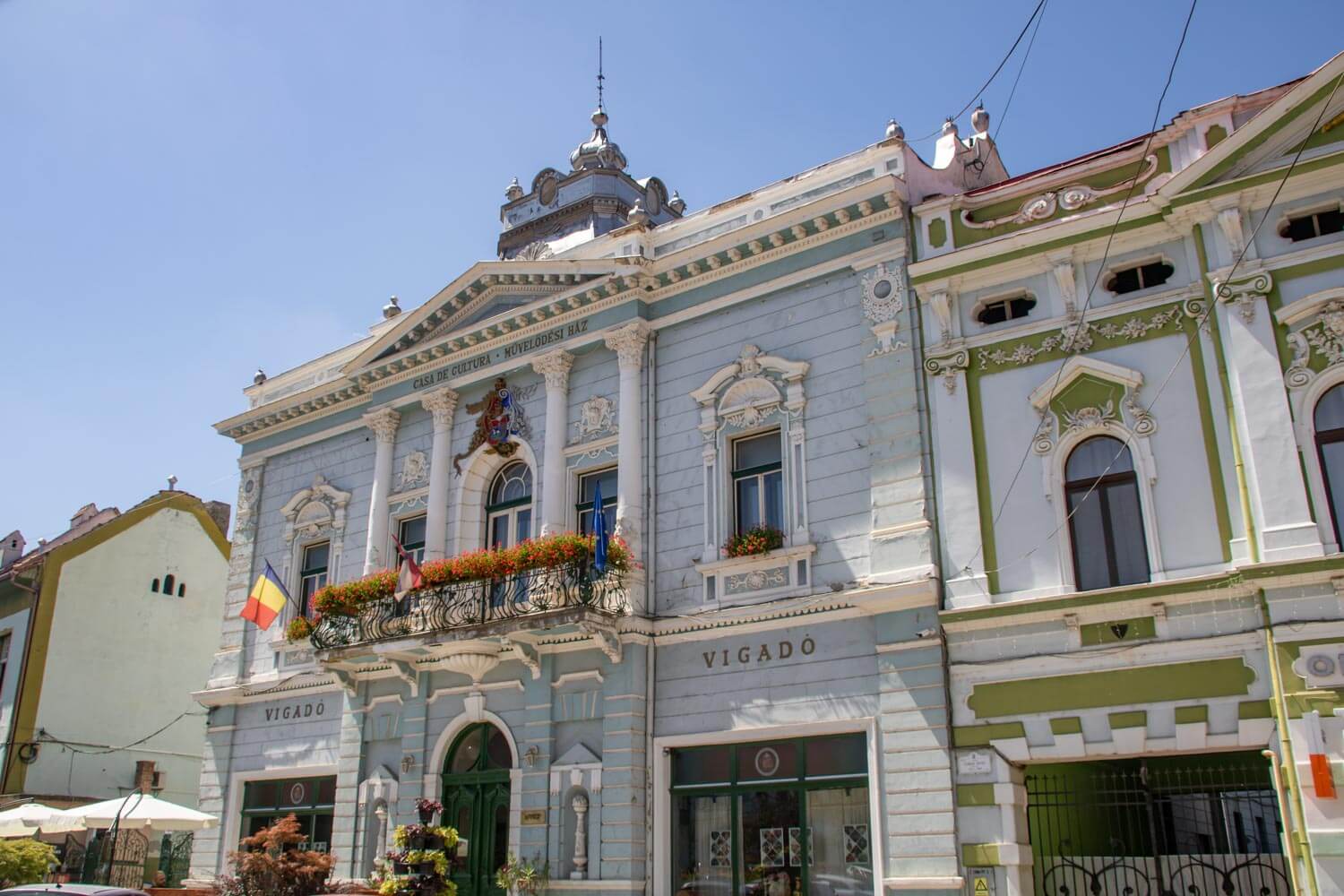
The László Incze Guilds History Museum (Muzeul de Istorie a Breslelor Incze László) is a history museum in Târgu Secuiesc dedicated to the town’s craft guilds, local history, and cultural heritage. Established in 1972 as a branch of the Székely National Museum, it is named after historian László Incze (1928-2007), who played a central role in assembling its collections. The museum has been housed in the former town hall on Áron Gábor Square, dating from 1857.
The origins of the museum date back to 1932, when local lawyer Ödön Diénes established the town’s first museum using his private collection. By the time it closed in 1941, the collection contained more than 20,000 objects, most of which were subsequently dispersed or lost. A new museum initiative began in 1969, when two exhibition rooms opened in the Turóczi House, where cannons had been cast during the Hungarian Revolution of 1848-1849. One room displayed material from the revolutionary period, while the other presented objects from the town’s craft guilds. History teacher László Incze took charge of collecting additional artifacts from local craftsmen and their descendants, and the growing collection moved into the former town hall in 1971. The museum officially opened there on March 3, 1972.
The guild history exhibition presents the trades that shaped the town’s economy, including pottery, bootmaking, shoemaking, tanning, fur processing, blacksmithing, locksmithing, hatmaking, tailoring, butchery, and gingerbread making. Tools, workshop equipment, finished products, guild documents, flags, and ceremonial objects illustrate how these trades were organized and practiced. Many of the exhibits were donated by local families, preserving equipment and records that had passed through generations of craftsmen.
Other exhibitions cover the history of Târgu Secuiesc and its role in the Hungarian Revolution of 1848-1849, when the town became a center of cannon production. Displays include weapons, historical documents, and objects relating to Áron Gábor, the artillery officer who organized cannon manufacturing for the revolutionary forces.
A distinctive part of the museum is the Zsuzsi and Andris collection of miniature Hungarian folk costumes, created by Transylvanian children in 1970-1971. The collection contains 349 miniature outfits representing regional clothing, with 247 examples displayed across three exhibition rooms. The museum also preserves equipment from the town’s volunteer firefighters, including historic fire engines and horse-drawn firefighting vehicles displayed in the courtyard.