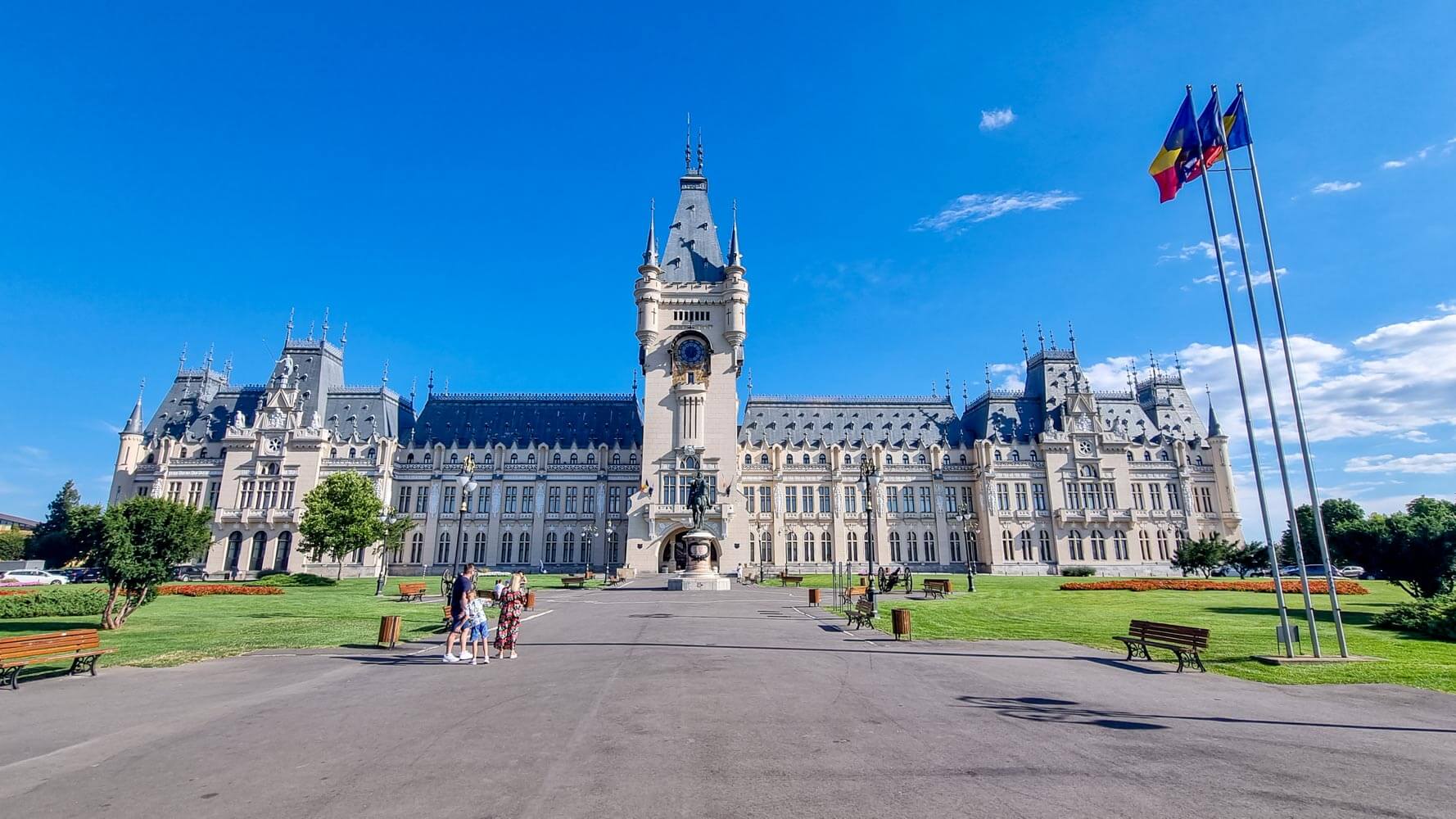
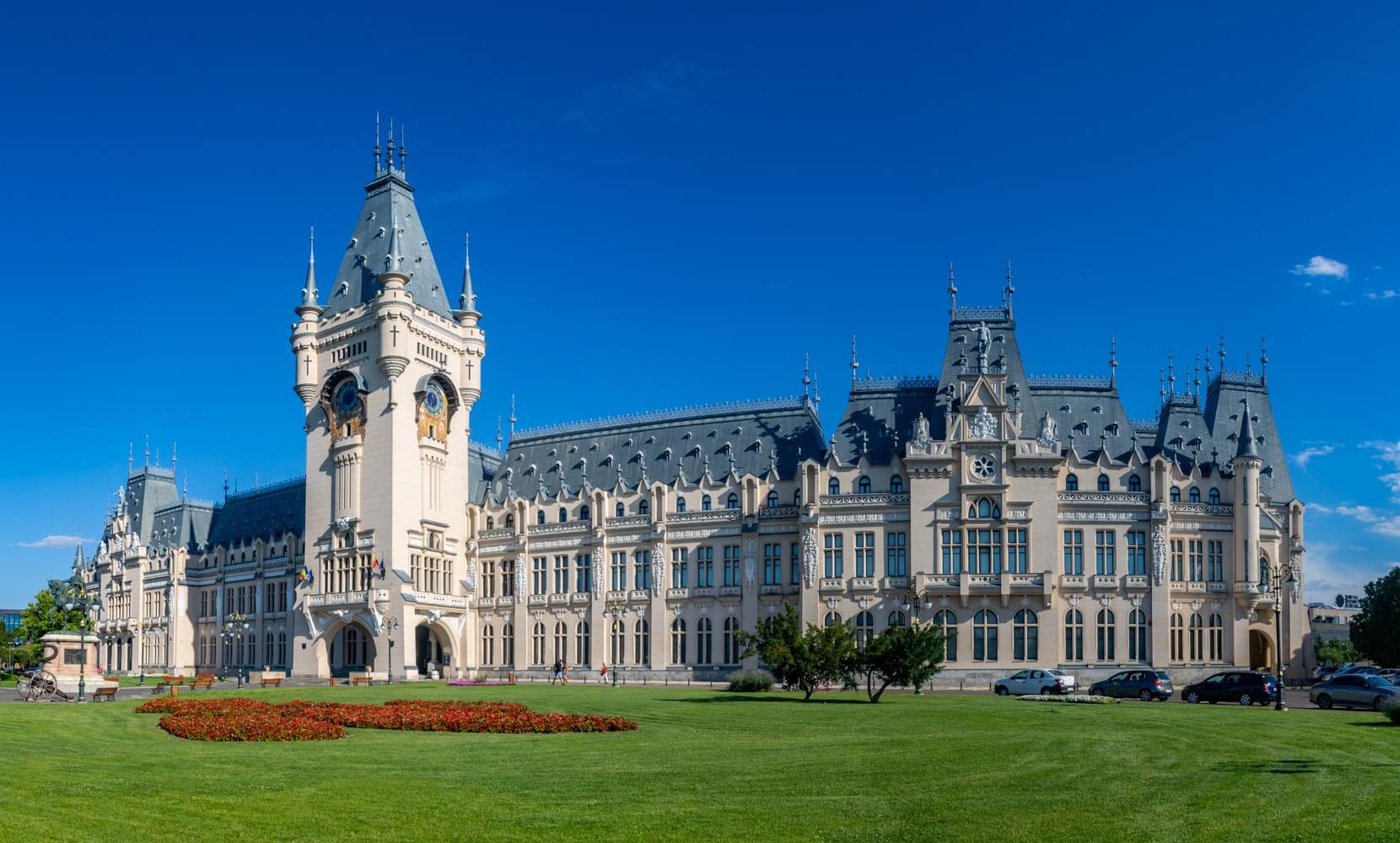
Palace Square (Piața Palatului) is the historic civic space in front of the Palace of Culture in central Iași. Its present appearance brings together several layers of the city’s history, from the former Moldavian Princely Court and the Princely Church of Saint Nicholas to the monumental architecture and public spaces created during the 19th and 20th centuries.
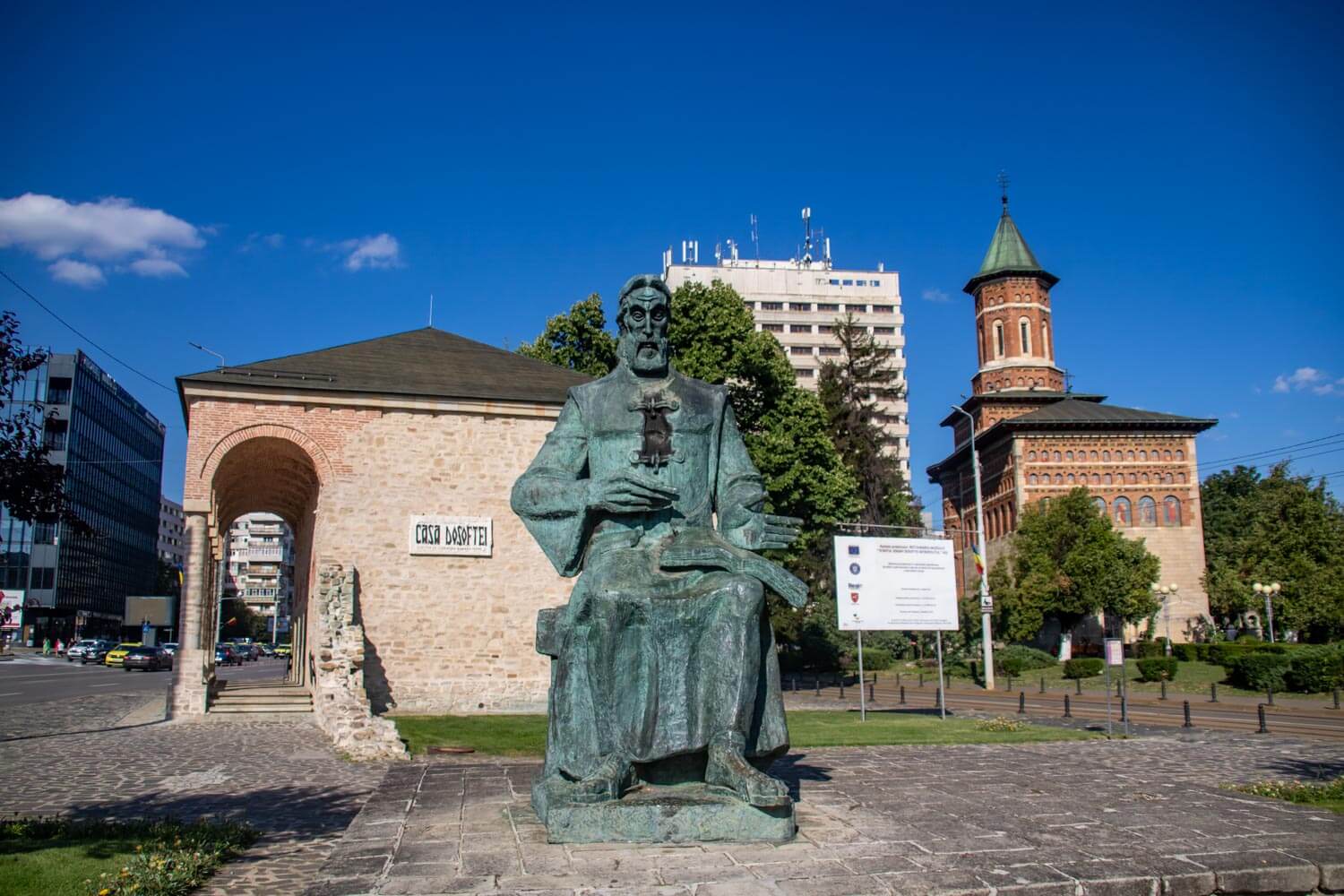
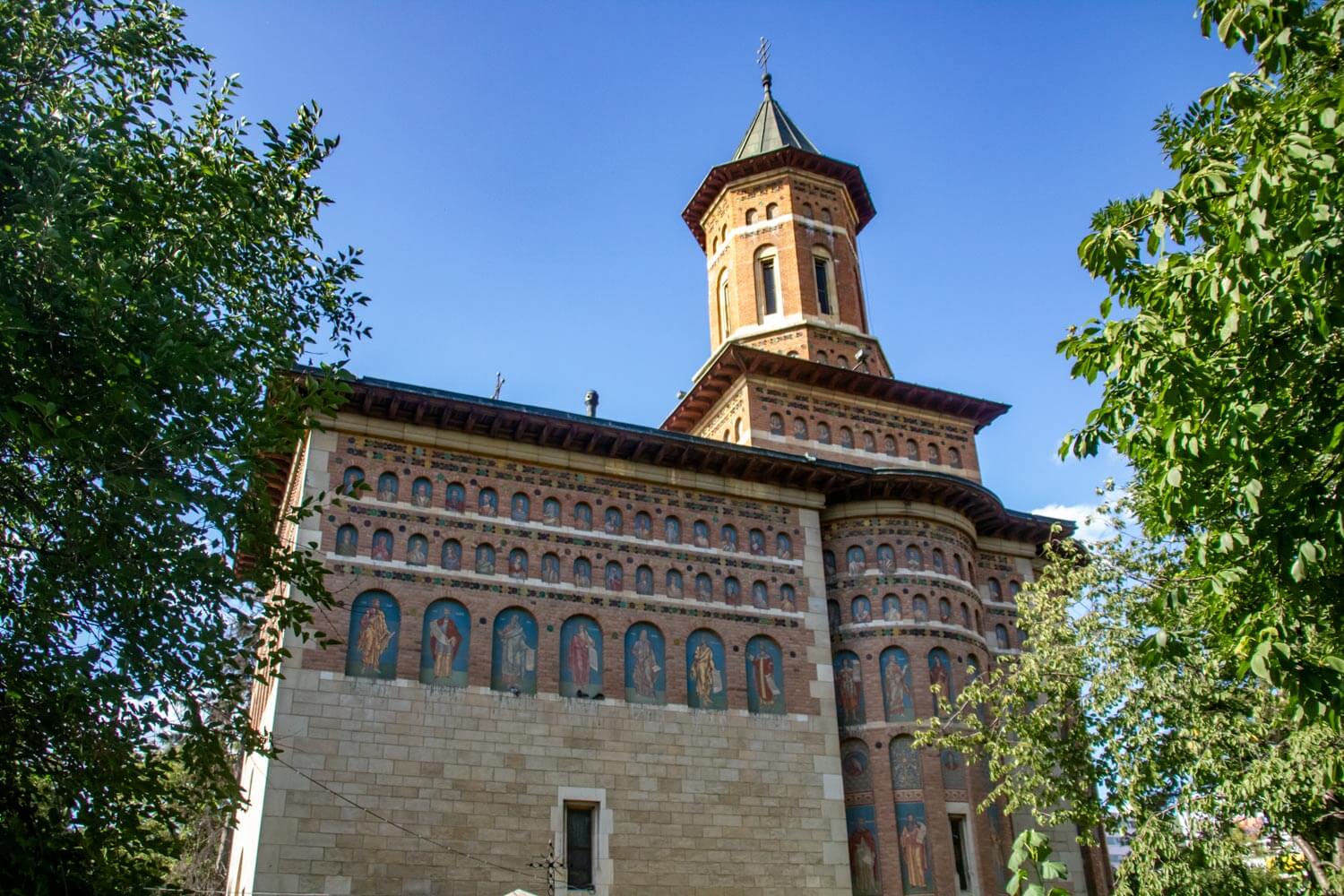
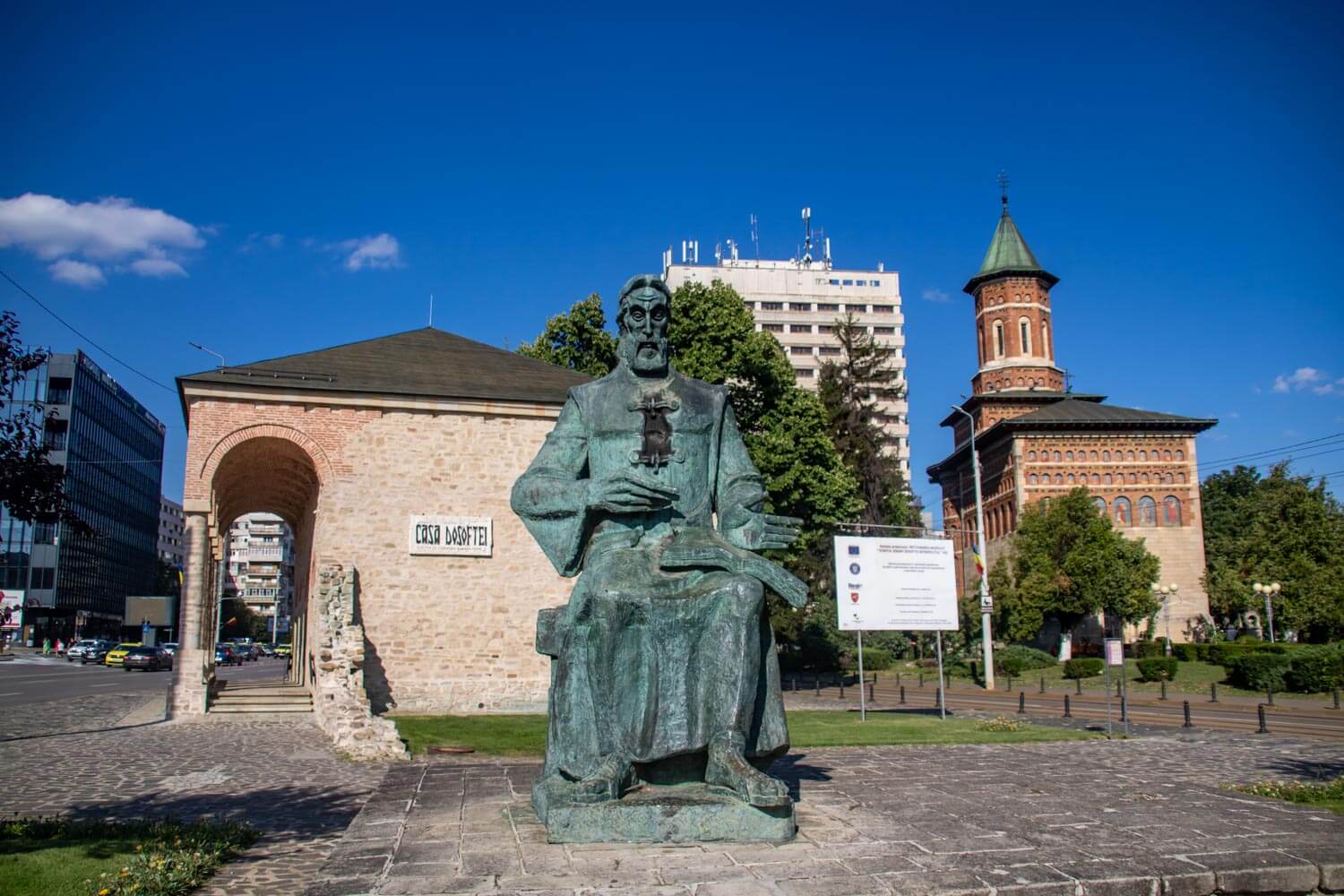
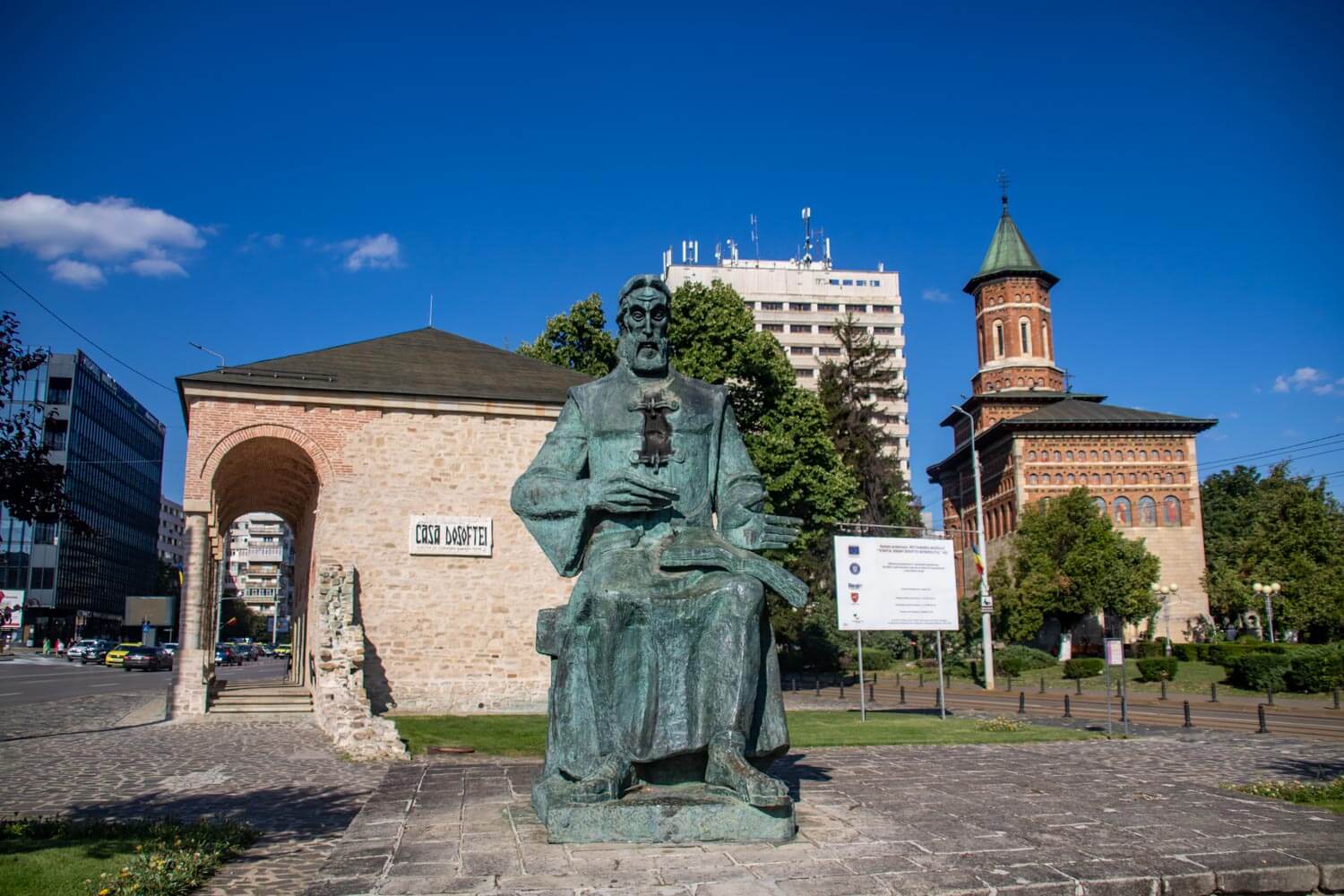
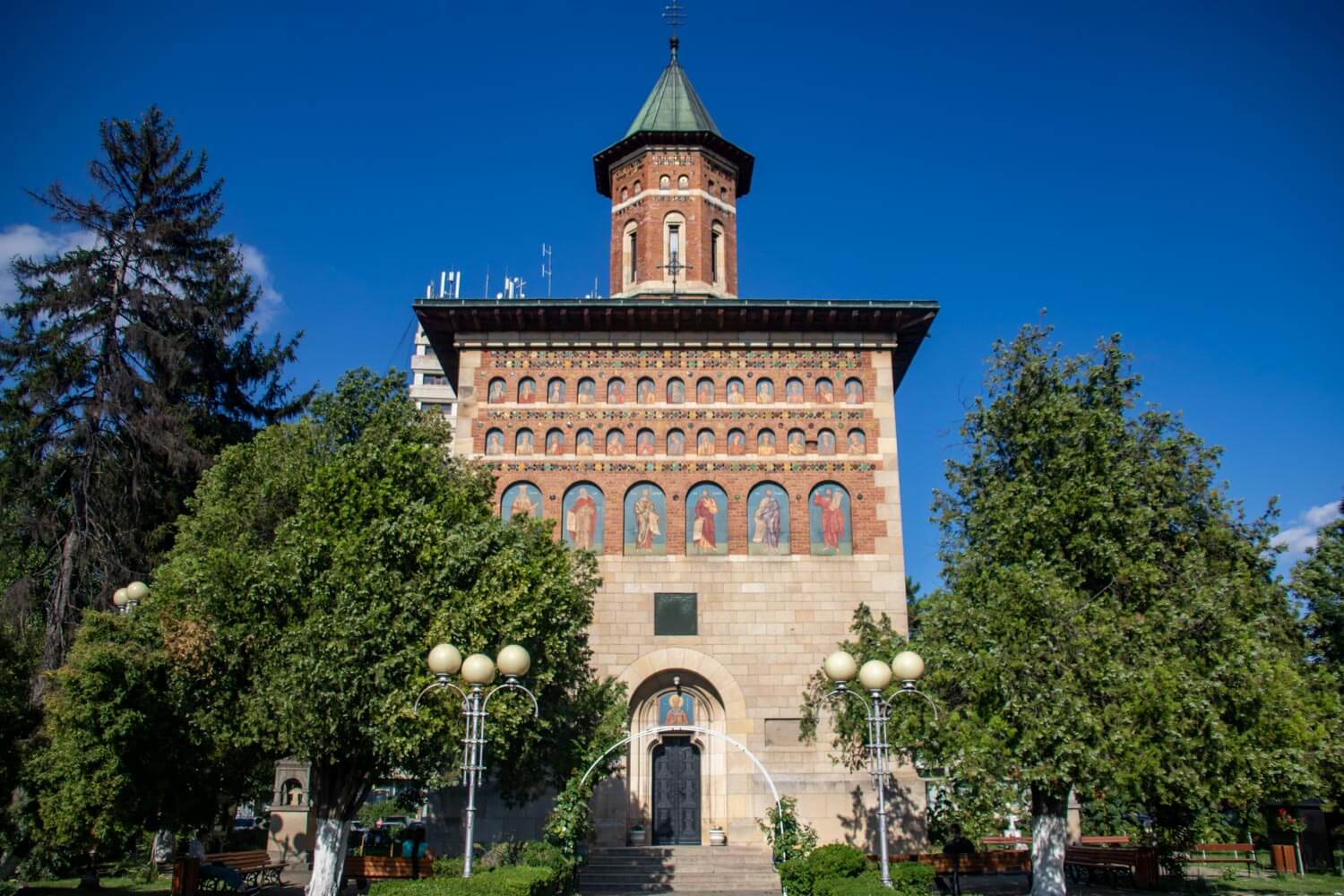
For centuries this area formed part of the setting of the Princely Court, which became the political center of Moldavia after the capital moved permanently to Iași in the 16th century. The ruler’s residence stood on the site now occupied by the Palace of Culture, while Saint Nicholas served as the court church and Dosoftei House survives nearby from the old commercial quarter. Fires, rebuilding campaigns, and the gradual removal of the court fortifications repeatedly changed the surroundings, but the area continued to function as one of the principal administrative spaces of the city.
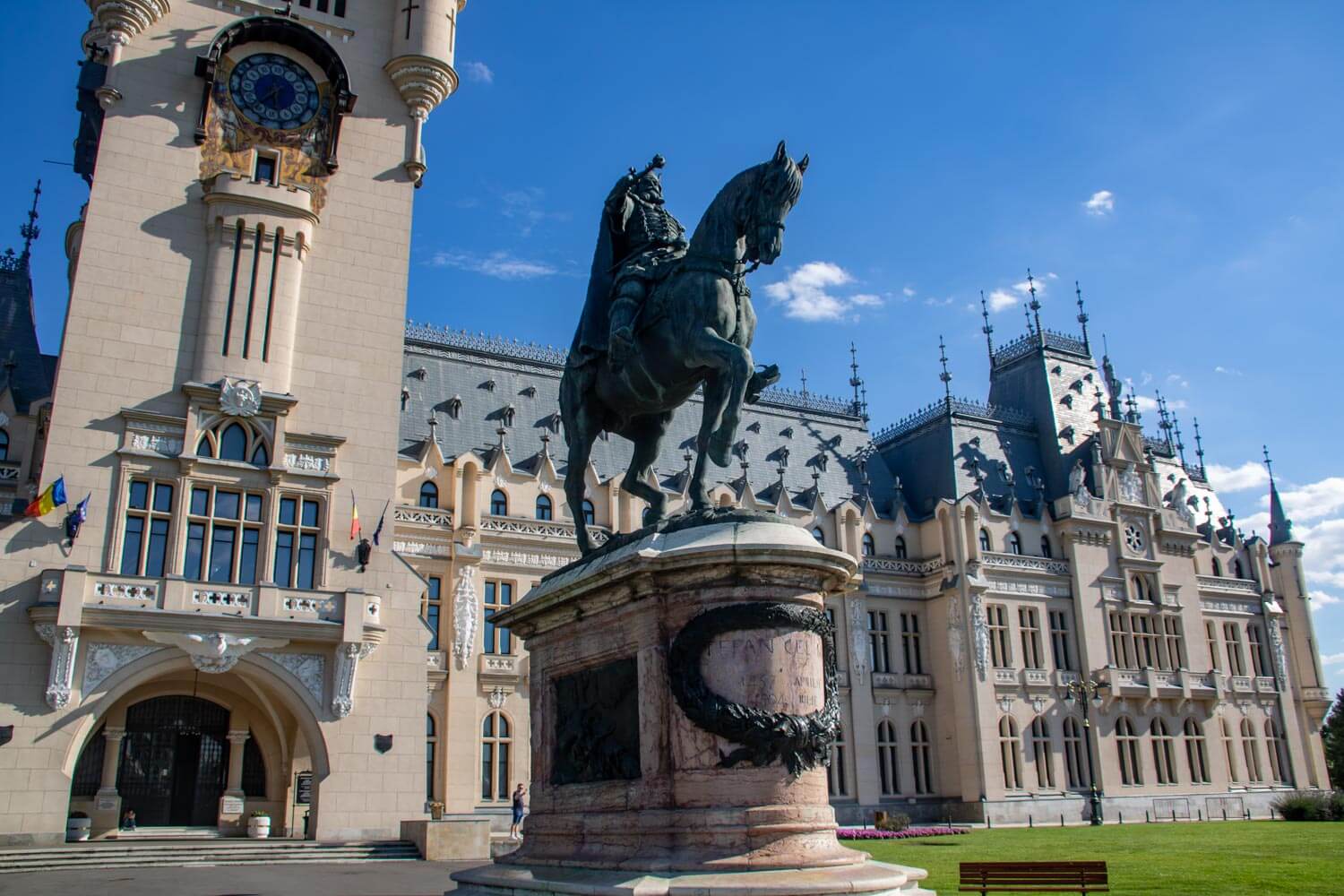
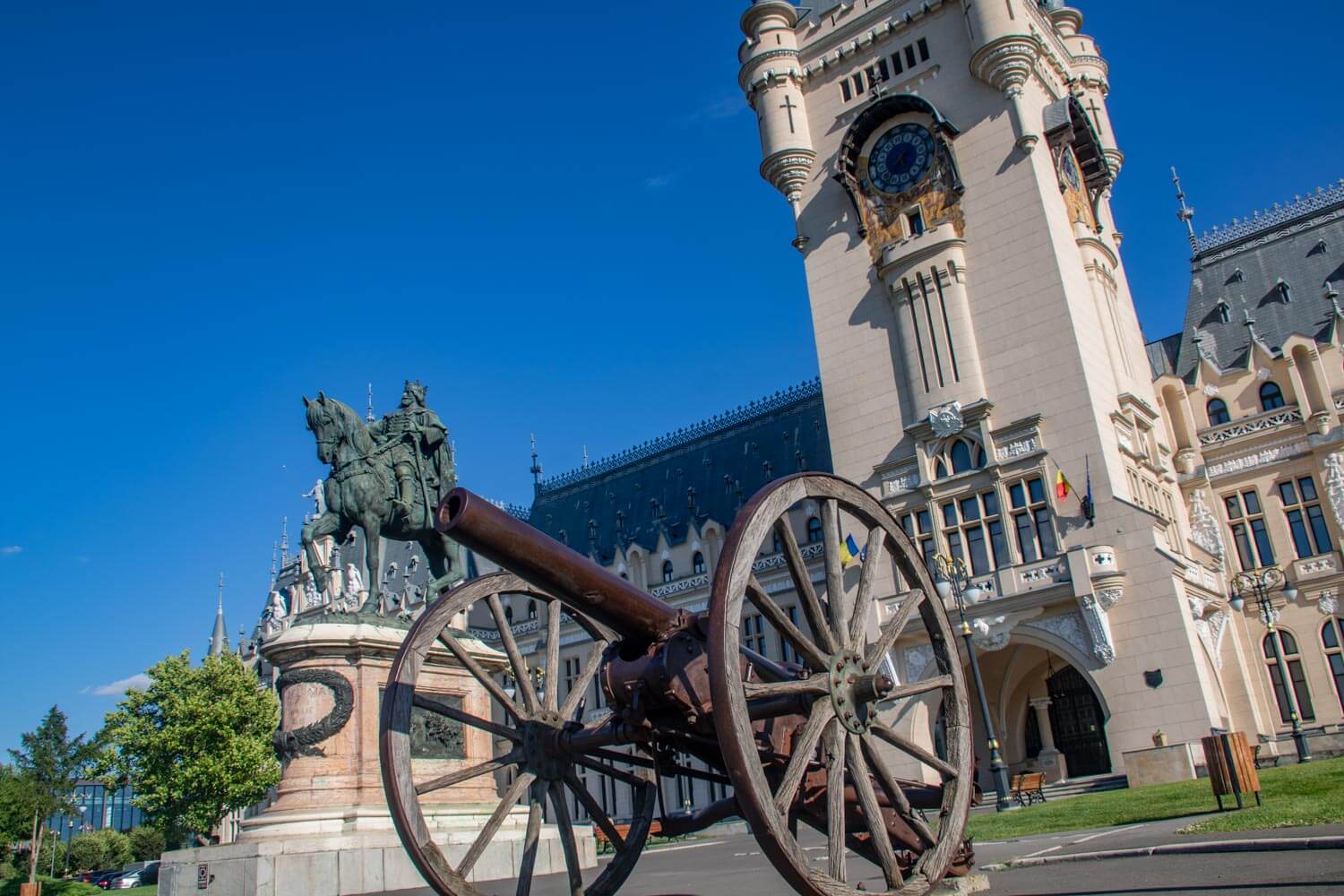
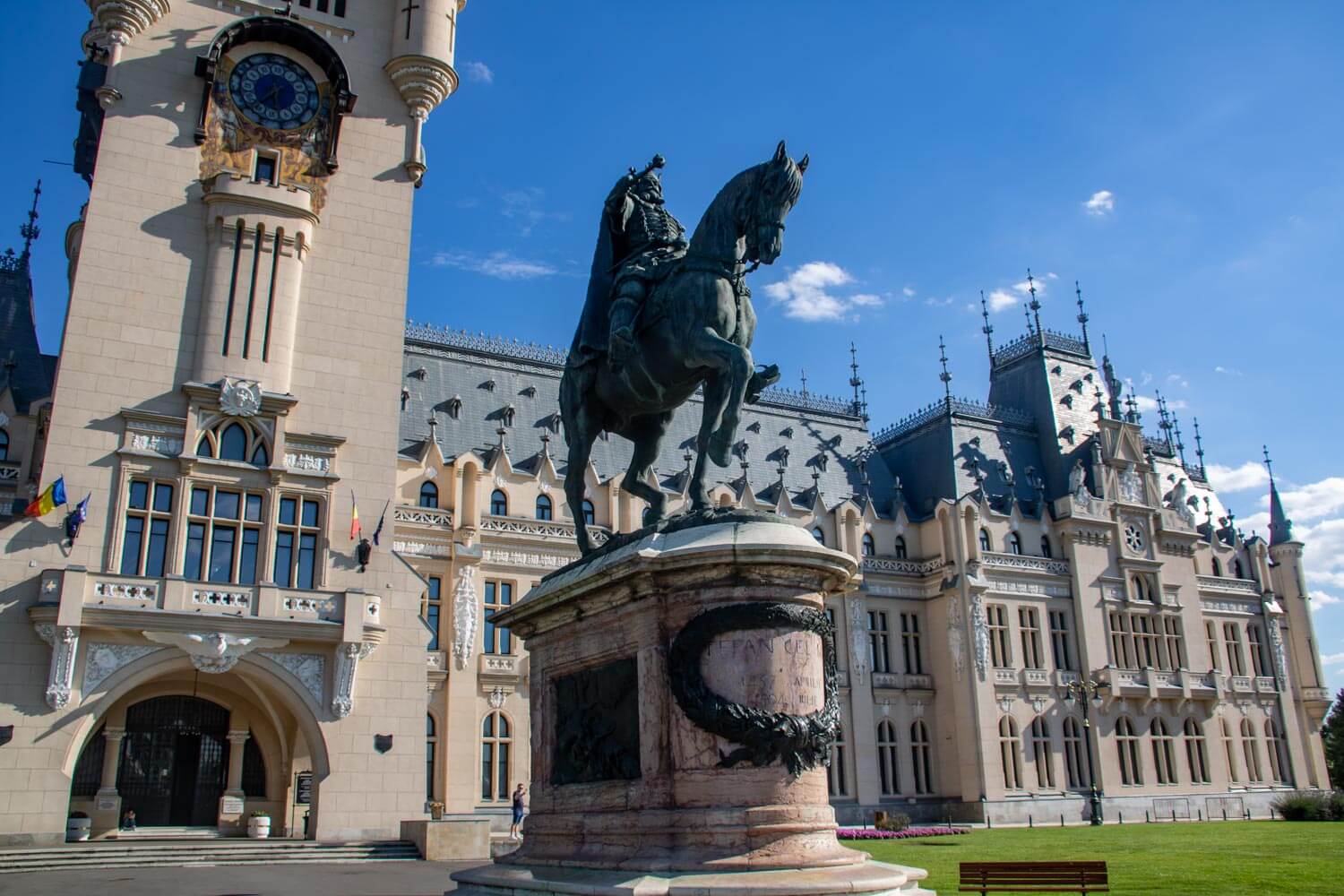
The square acquired one of its defining landmarks in 1883, when Emmanuel Frémiet’s Equestrian Statue of Stephen the Great was unveiled in front of the former Administrative Palace. When that palace was replaced by the present Palace of Culture between 1906 and 1925, the statue retained its position and became the focal point of the broad approach to the new building.
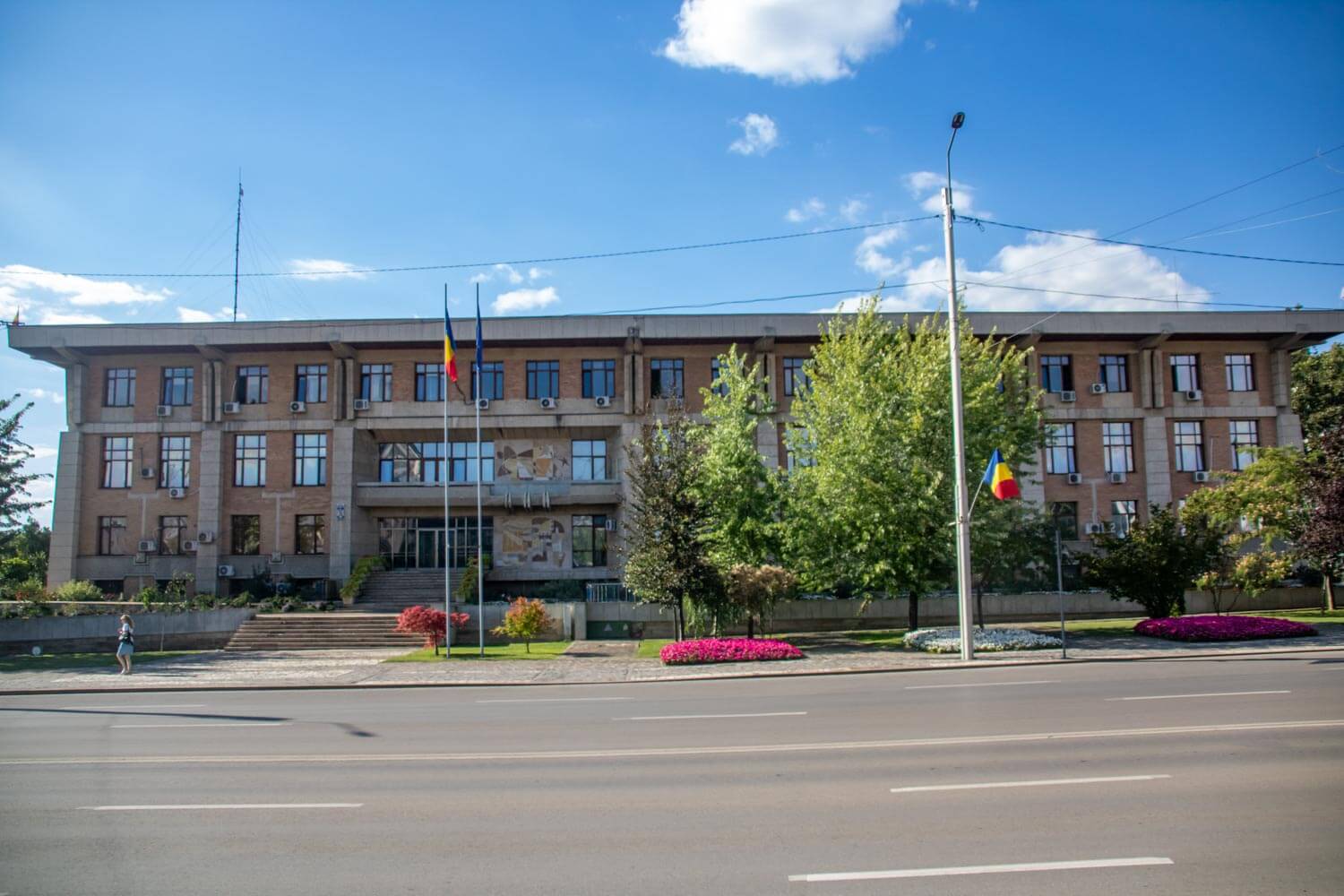
The surroundings changed much more dramatically during the communist period. The Anastasie Panu area east of the palace was comprehensively redeveloped from the 1960s onward, replacing older shops and smaller buildings with wide roads, apartment blocks, Hotel Moldova, commercial buildings, and the Square House. The latter opened in 1969 as the headquarters of the county Communist Party leadership, with its principal political office and balcony deliberately facing Palace Square, where crowds were assembled for official speeches and visits.
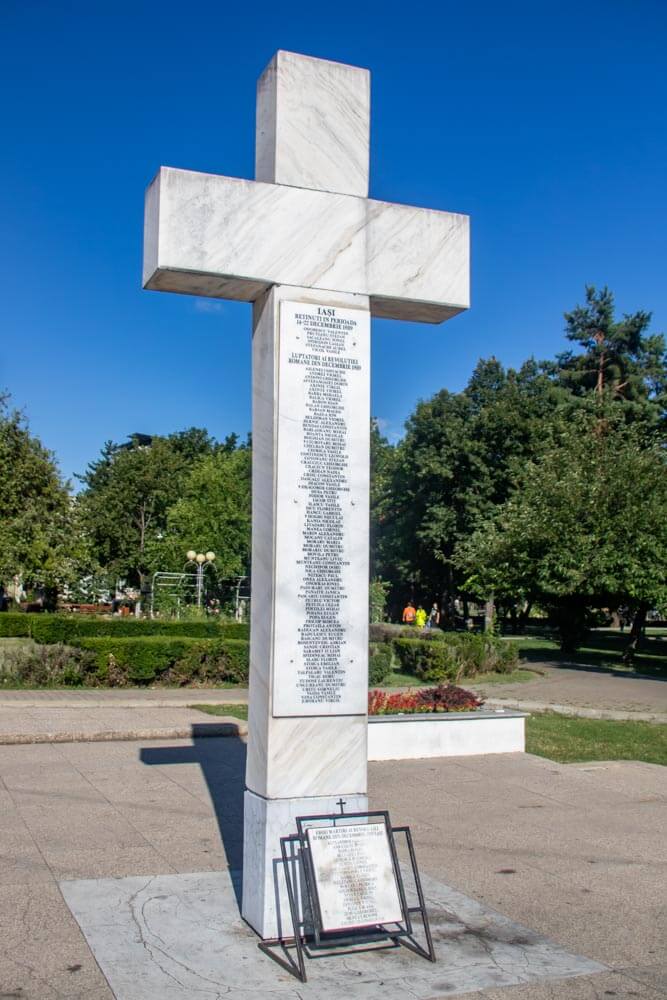
Despite those changes, the square still centers on the Palace of Culture and Stephen the Great statue, with Saint Nicholas Church, Dosoftei House, and the 1989 Revolution Memorial forming part of the wider historic setting. The open space is used for ceremonies, cultural events, sporting activities, and public gatherings, while the statue itself continues to serve as a familiar meeting point in the center of Iași.