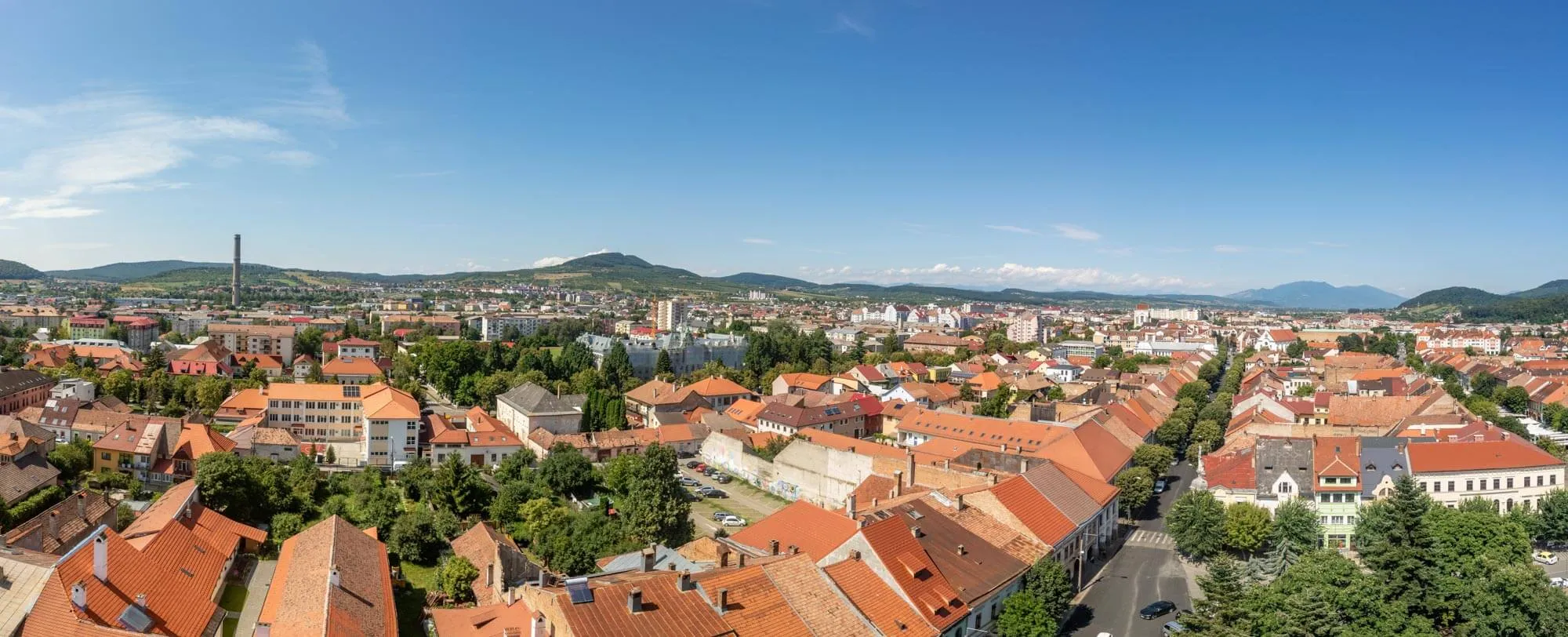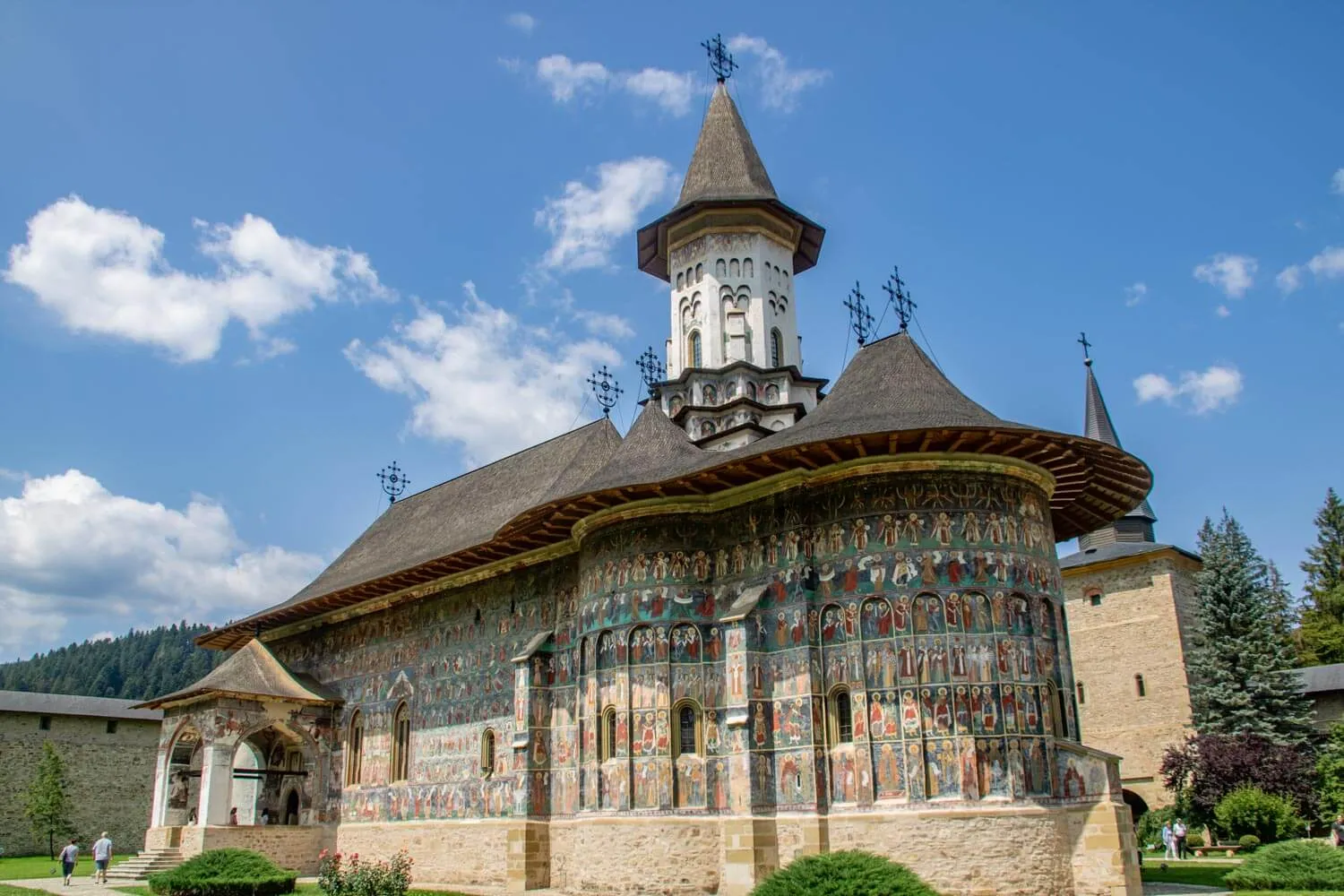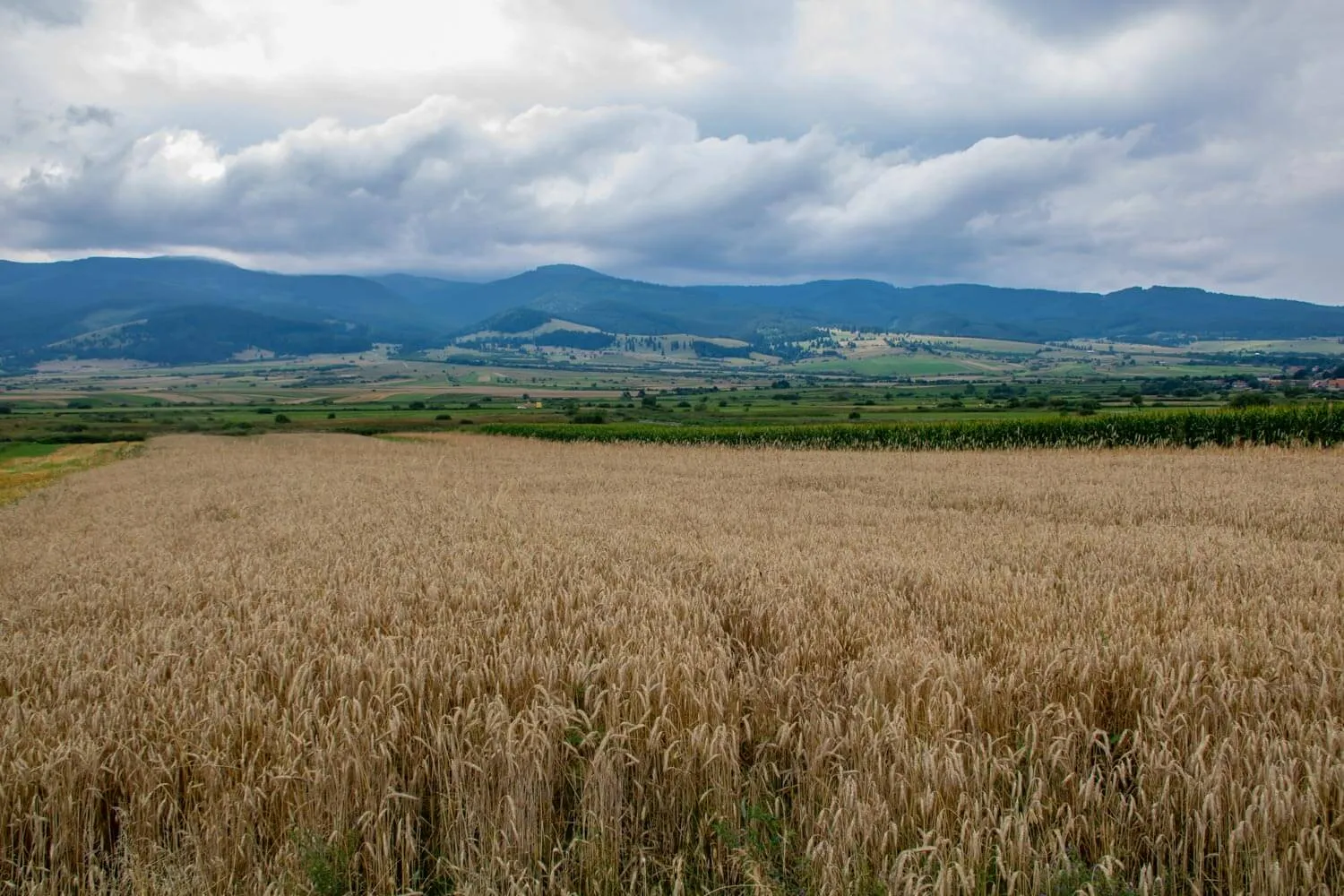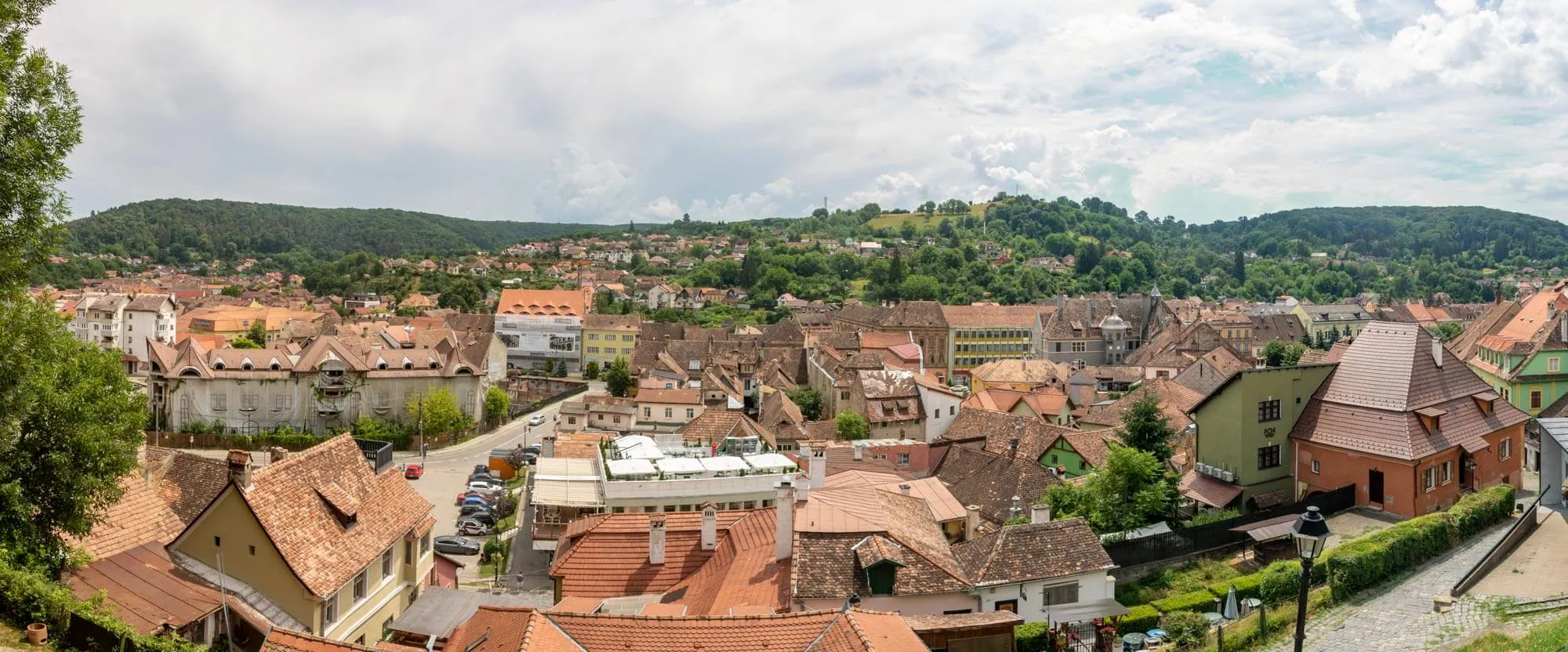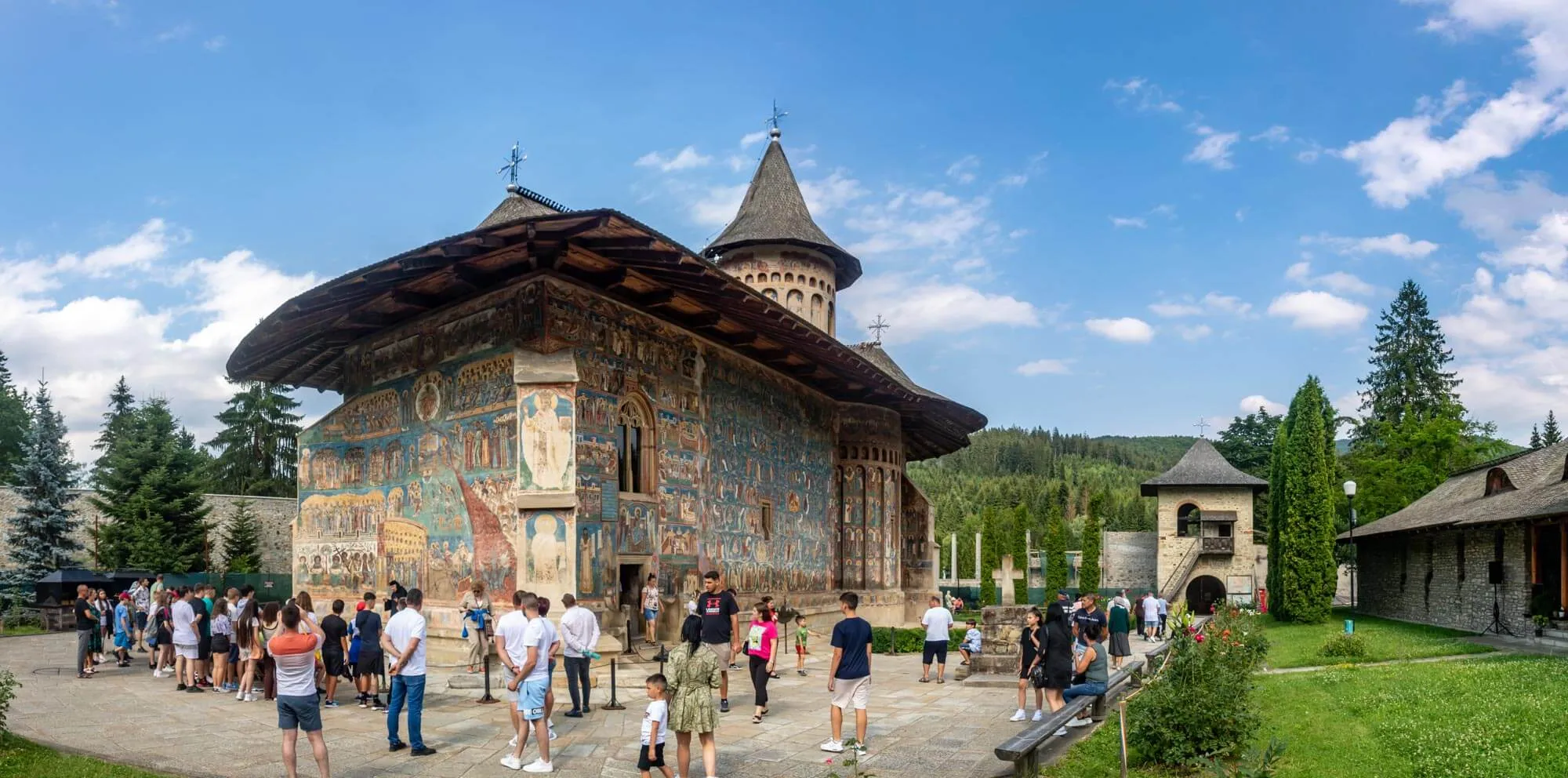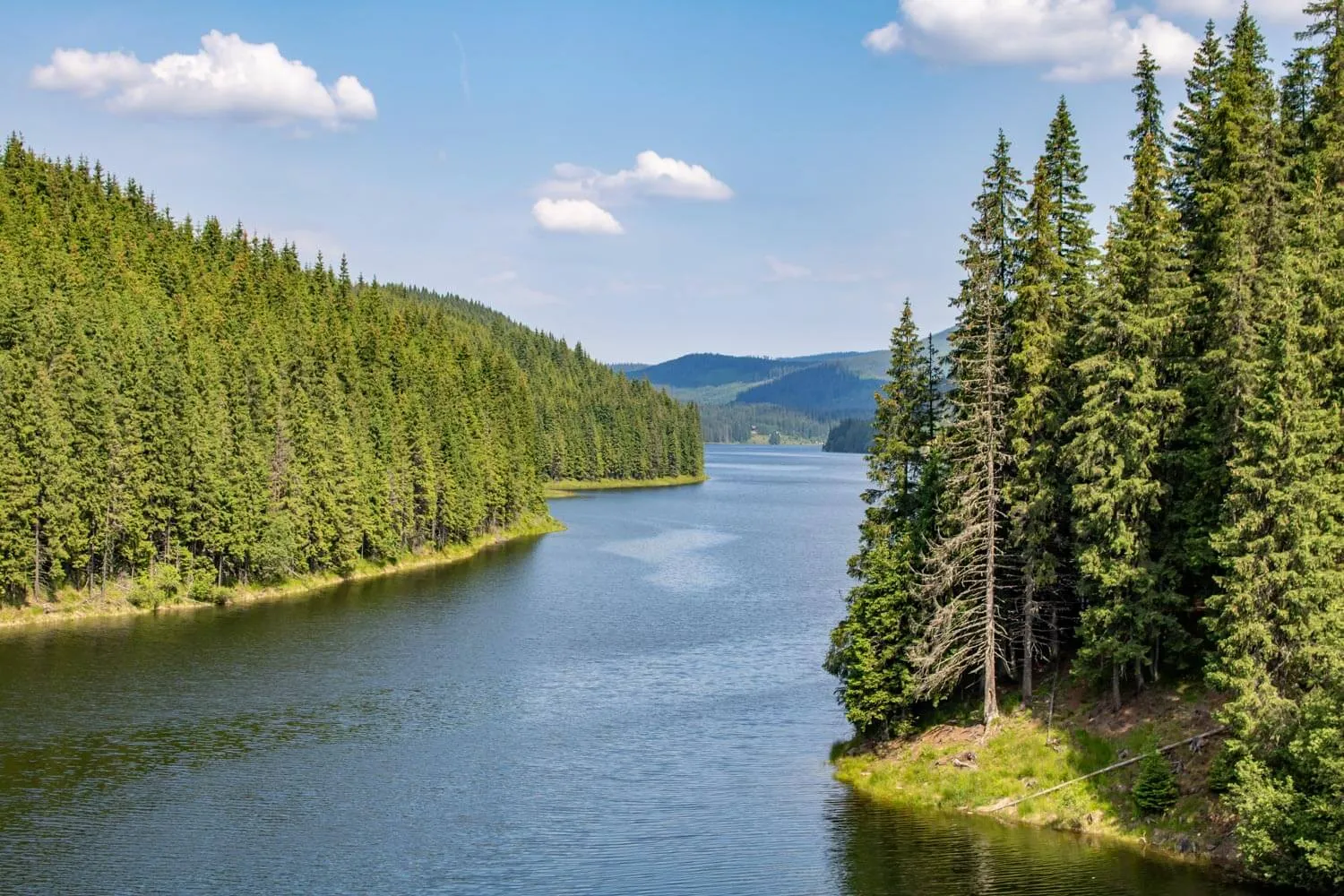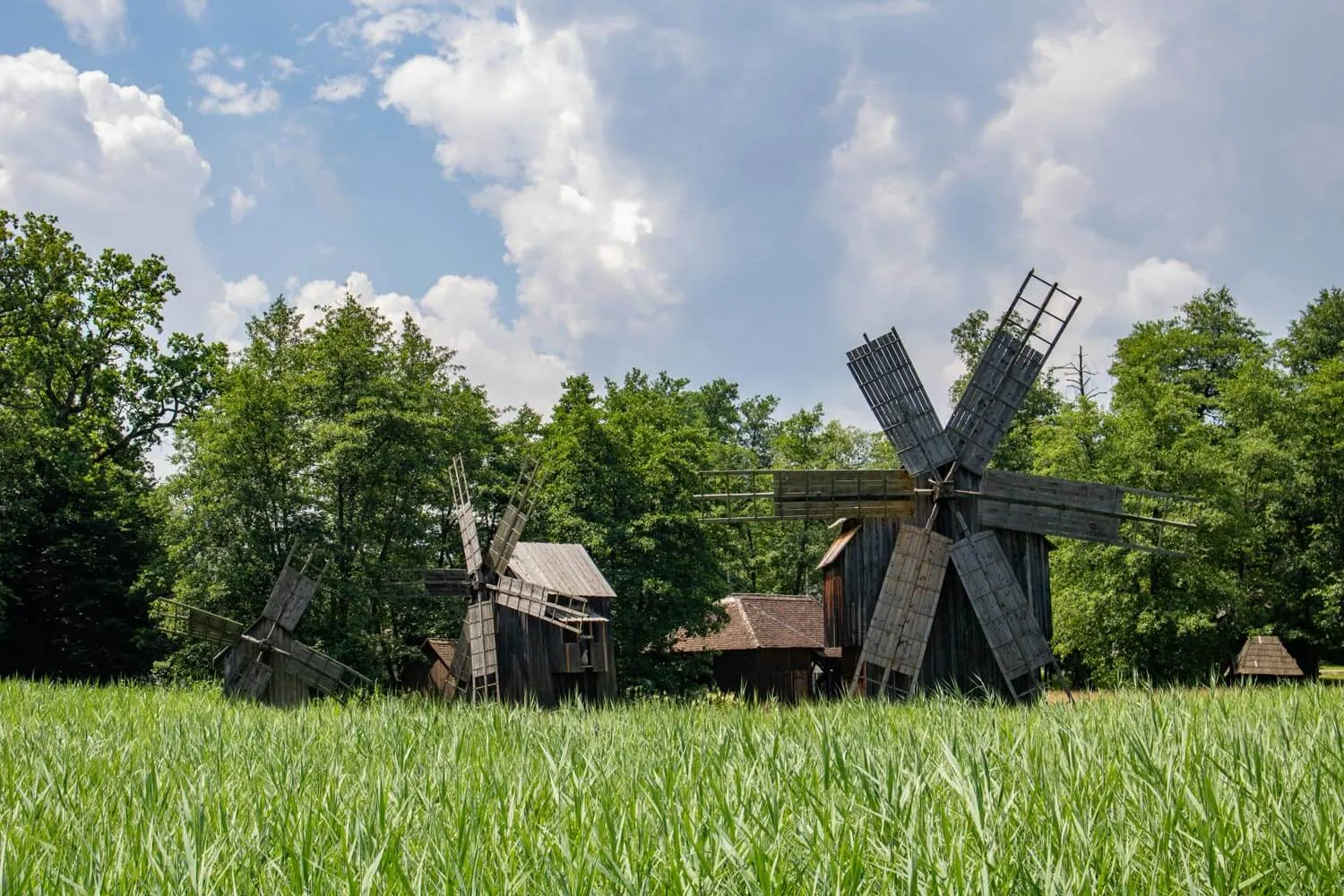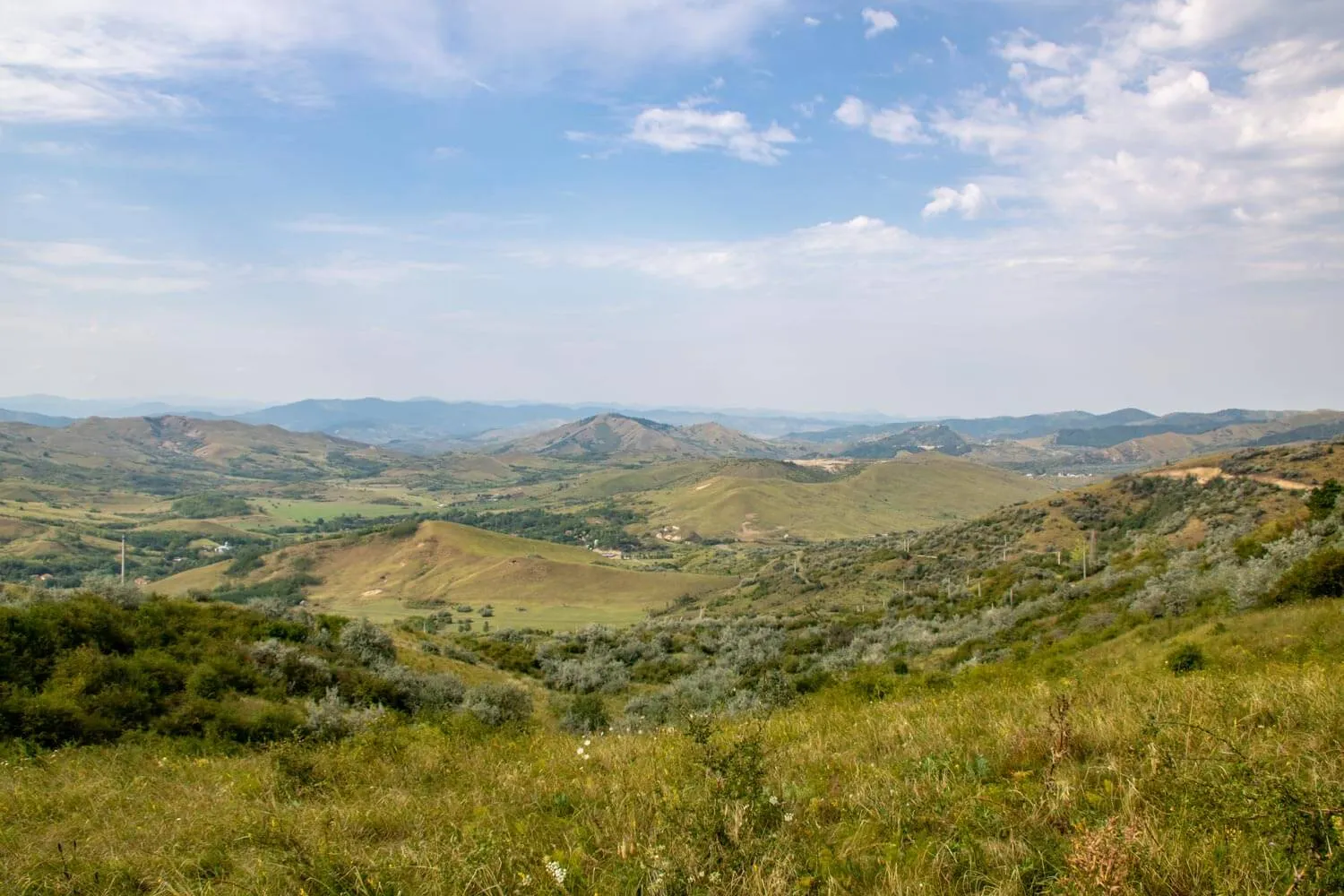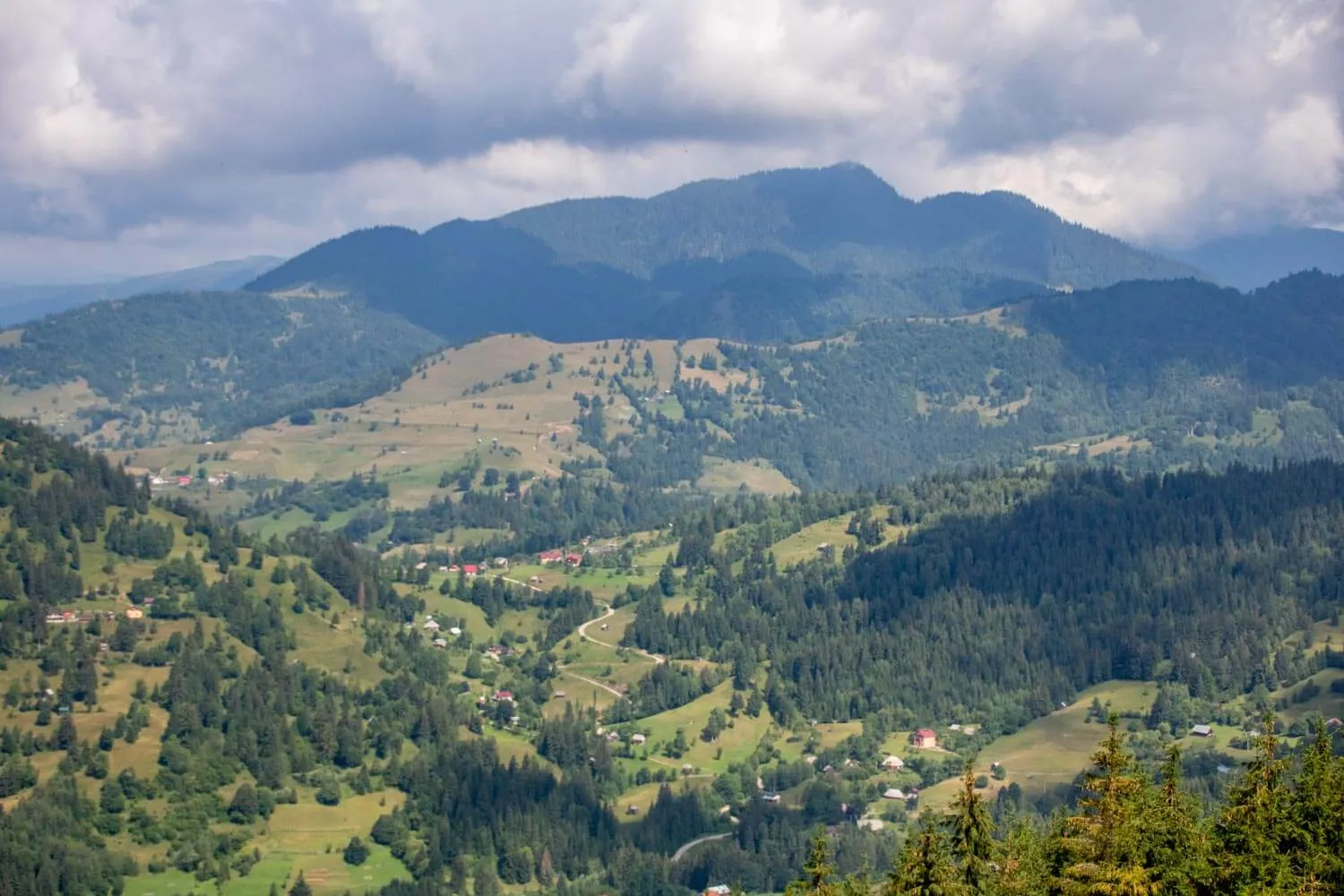
The Călimani National Park (Parcul Naţional Călimani) is a protected area in the northern part of the Eastern Carpathians of Romania. The park covers an area across four counties, Mureș, Suceava, Harghita, and Bistrița-Năsăud, and three historical regions: Transylvania, Moldavia, and Bucovina.
Book Your Trip
Getting There And Around
Călimani National Park protects the largest volcanic crater in Romania, characterized by a massive, wild caldera and unique geological formations like the “12 Apostles.” Because of its high volcanic plateaus and rugged, remote terrain, weather here is notably more raw and exposed than in the surrounding valleys.
Summer (June-August): This is the best time for high-altitude exploration. Temperatures on the plateaus average 13°C to 17°C, feeling quite comfortable under the sun, though the wind on exposed ridges can make it feel much cooler. It is perfect for scenic drives to the park’s edge, photography, and exploring the volcanic landscape.
Spring and Autumn: These seasons bring dramatic changes. Spring arrives late, with snow often remaining on the caldera rims into May. October is striking for its fiery colors, but temperatures drop quickly to 4°C to 9°C. Both seasons offer a quiet, contemplative atmosphere for those visiting the lower forest fringes and mineral springs.
Winter (December-March): The park is a true wilderness in winter, with deep snow and temperatures frequently falling between -8°C and -12°C. Many access roads into the heart of the park become difficult or impassable for standard vehicles; winter tires and 4×4 capability are essential. While high-altitude areas are suited for specialized winter touring, the lower valley regions near Vatra Dornei offer beautiful, snow-covered scenery accessible for casual winter visits.
Things To Do
Where To Stay
Romanian name: Parcul Naţional Călimani
Area: 240 sq km
Highest point: Pietrosul Călimanilor (2,100 m)