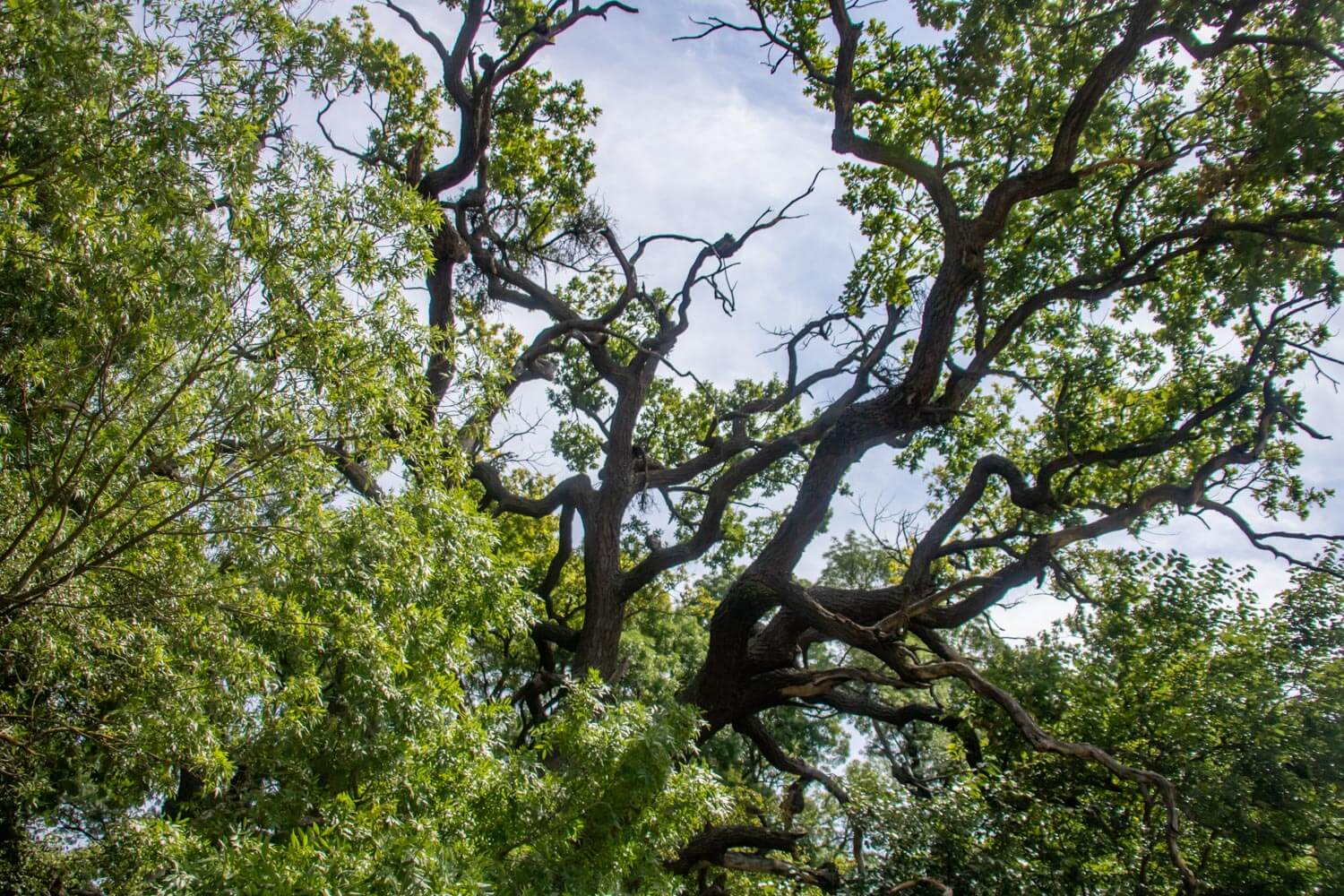
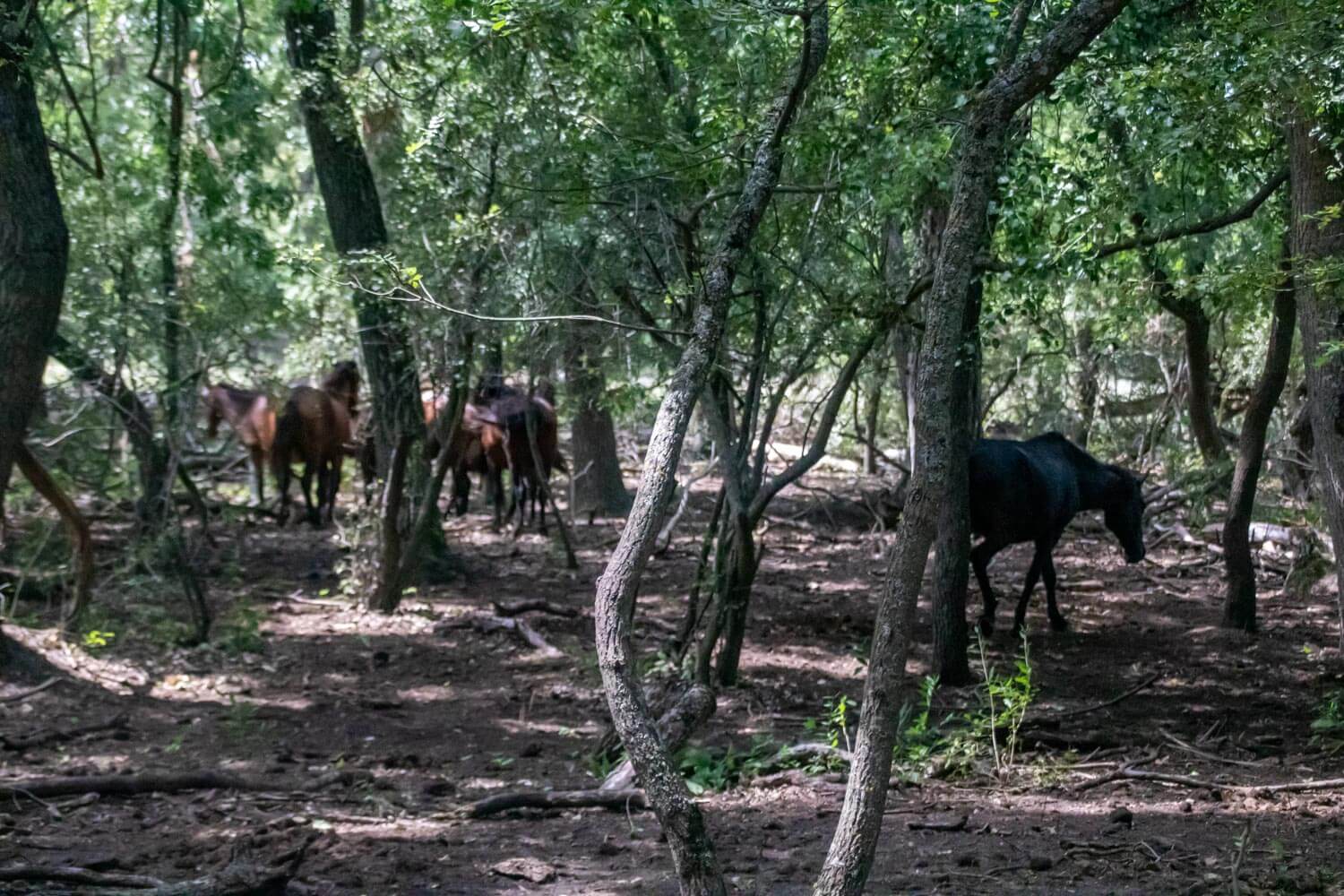
Letea Forest (Pădurea Letea) is a protected forest on the Letea sand ridge in the northern Danube Delta, near the villages of Letea and C.A. Rosetti. Unlike the reed beds and wetlands that dominate much of the delta, the landscape here alternates between wooded depressions and long sandy ridges, creating one of the most distinctive natural environments in Romania.
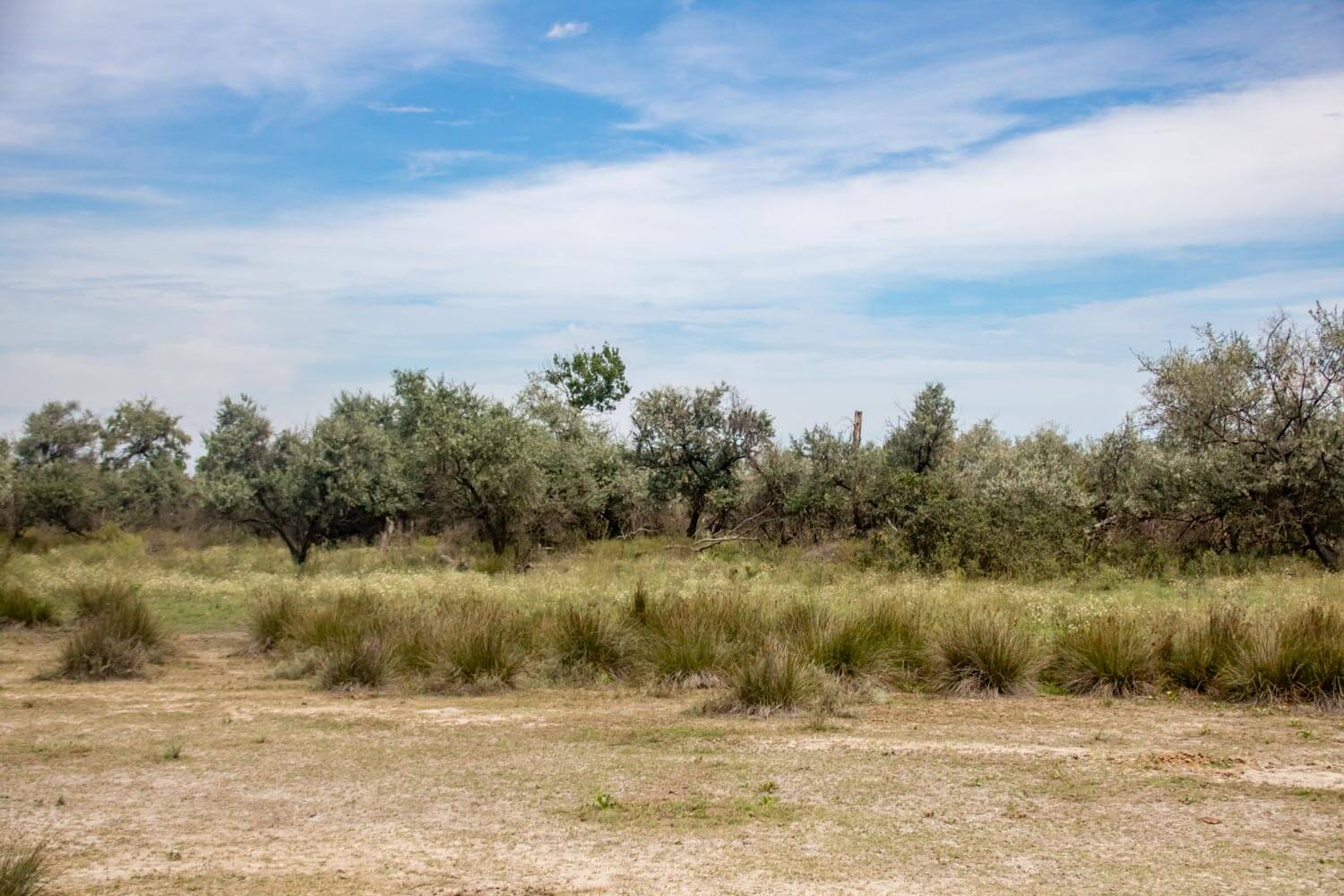
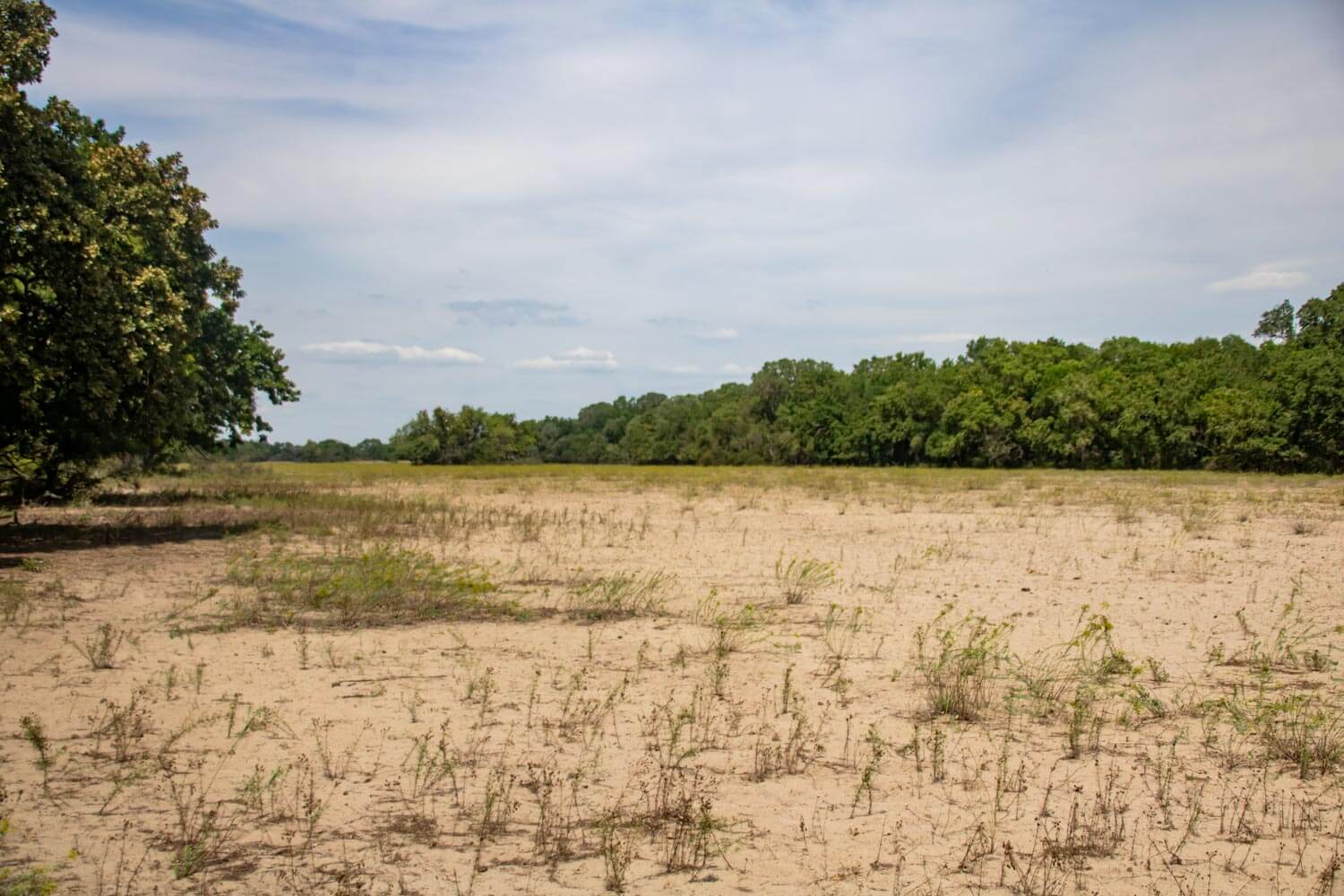
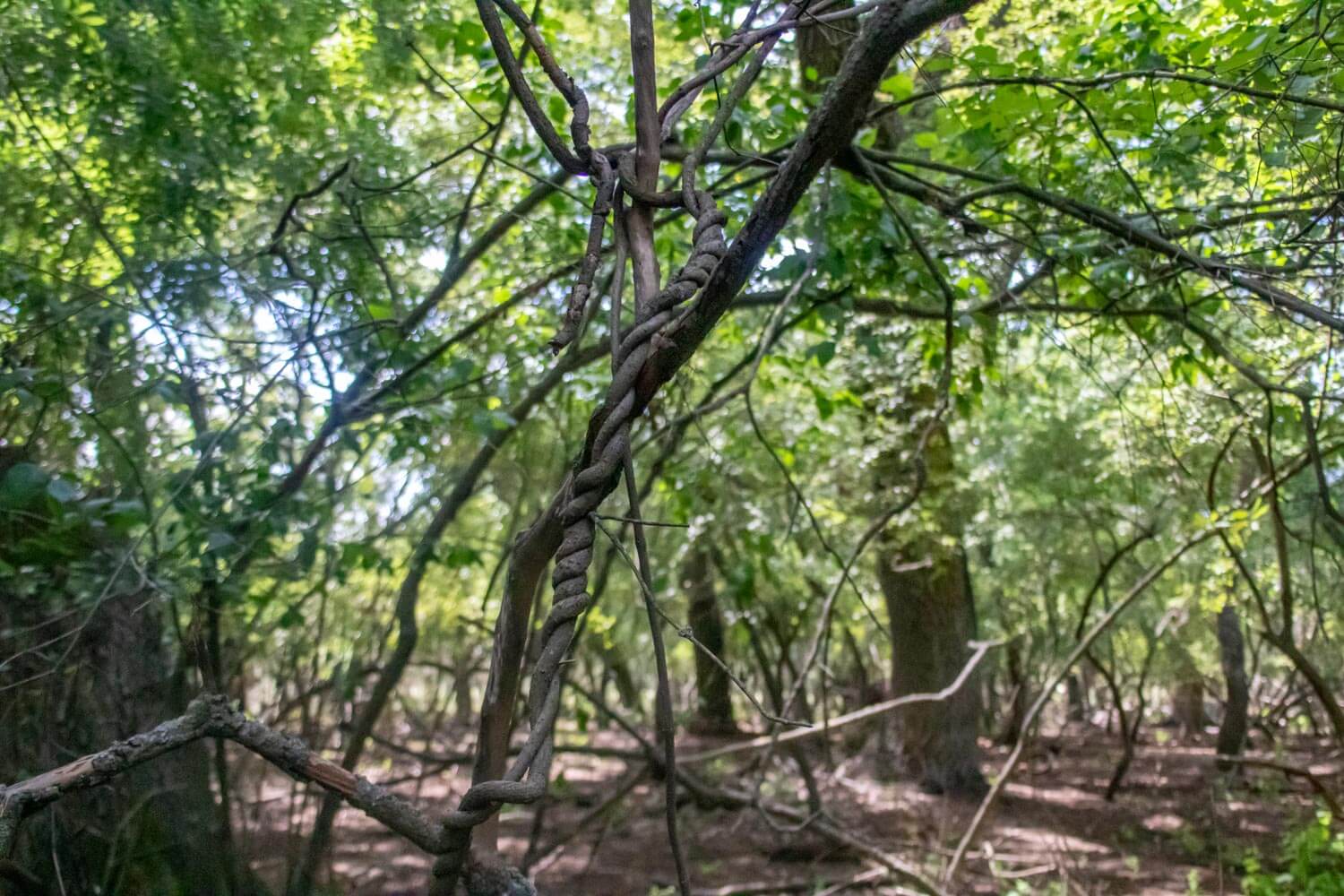
The forest developed in the lower, wetter hollows between former maritime dunes, where oak, ash, elm, poplar and other trees were able to take root. Some of the oldest oaks have reached considerable size, while climbing plants give parts of the woodland an unexpectedly lush appearance. The most characteristic is Periploca graeca, a Mediterranean vine that reaches the northern edge of its range here and winds through the trees alongside wild grapevine, ivy, hops and clematis. Beyond the wooded strips, the vegetation opens abruptly onto dry grassland and pale sand dunes, some rising more than 10 meters above the surrounding terrain.
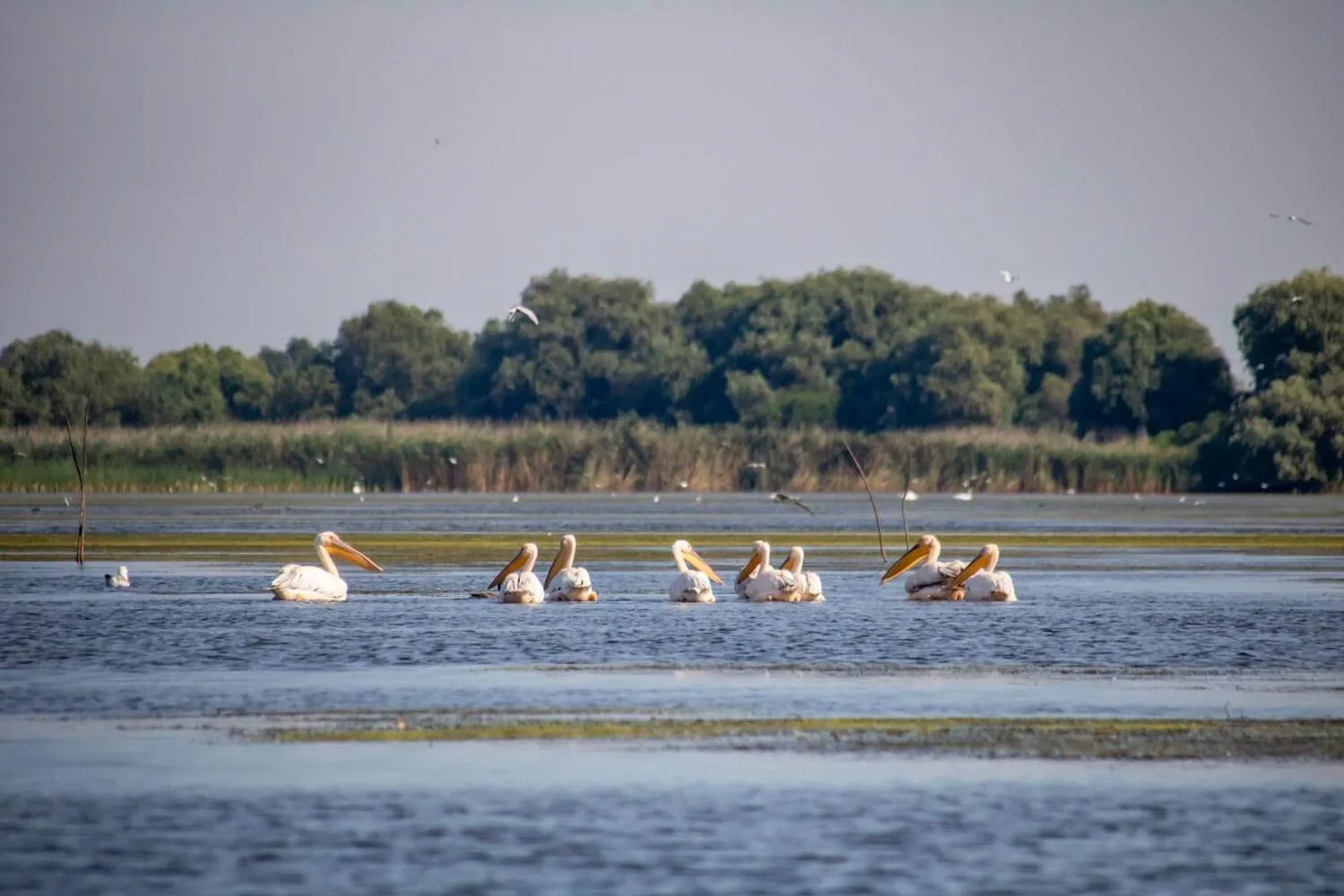
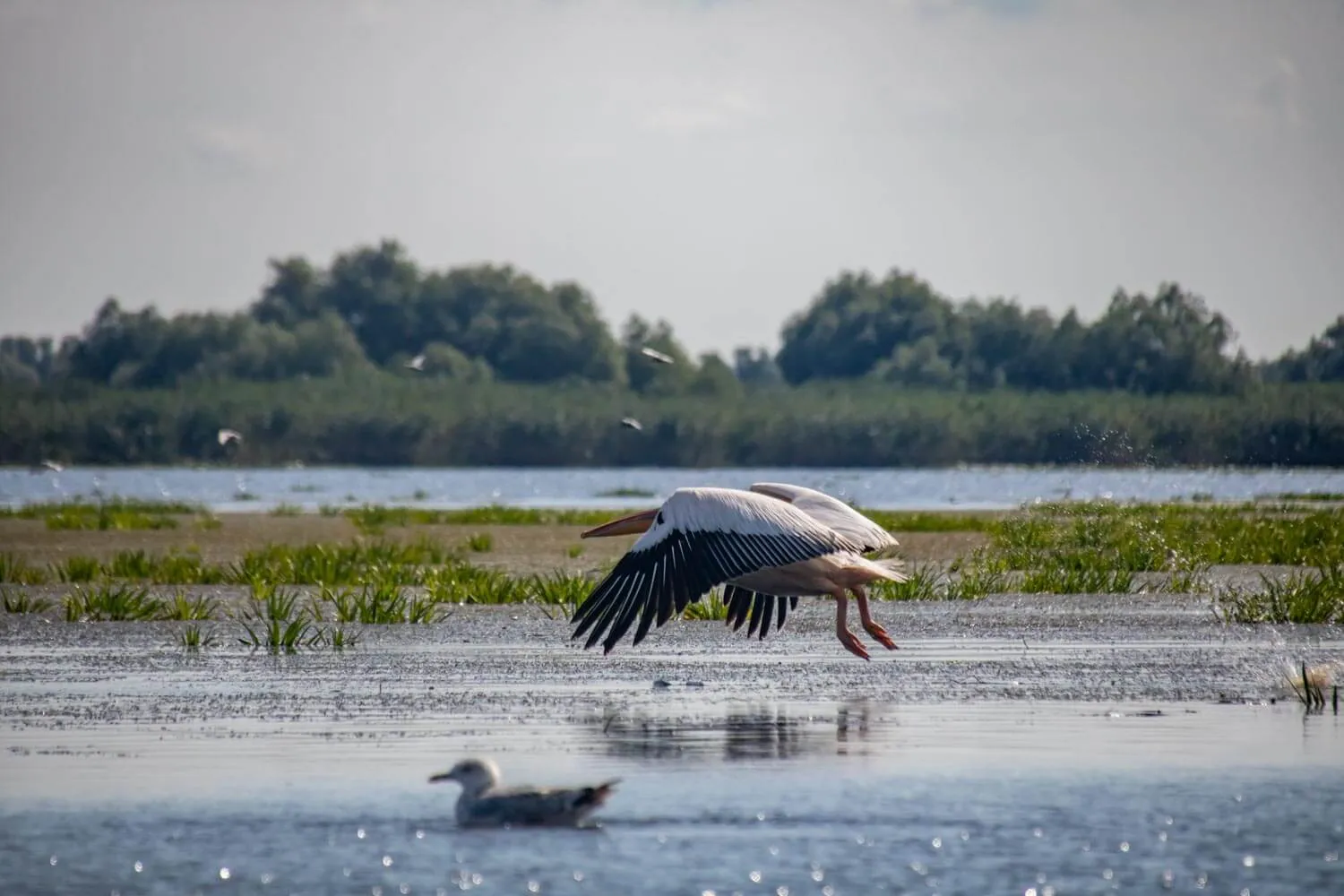
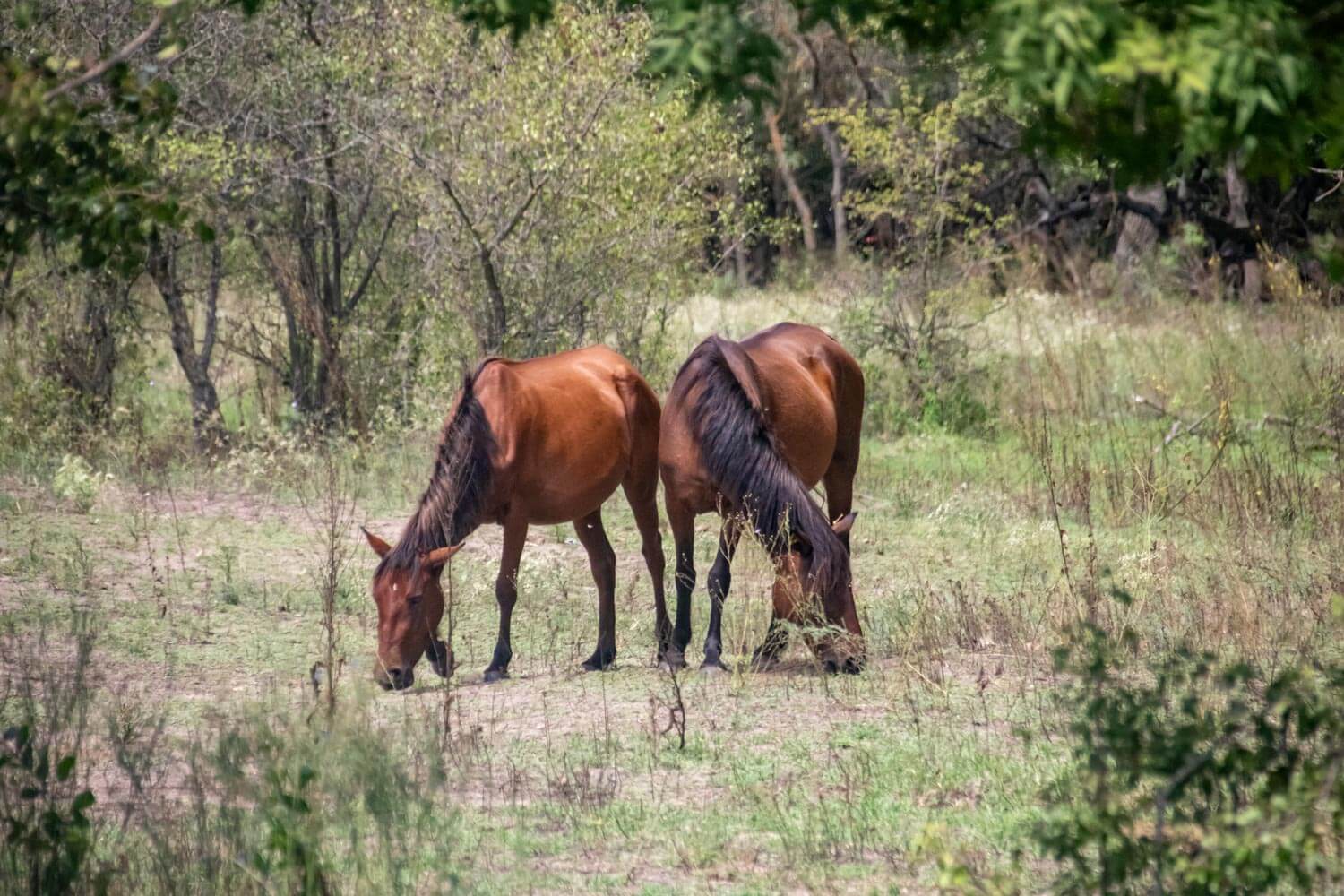
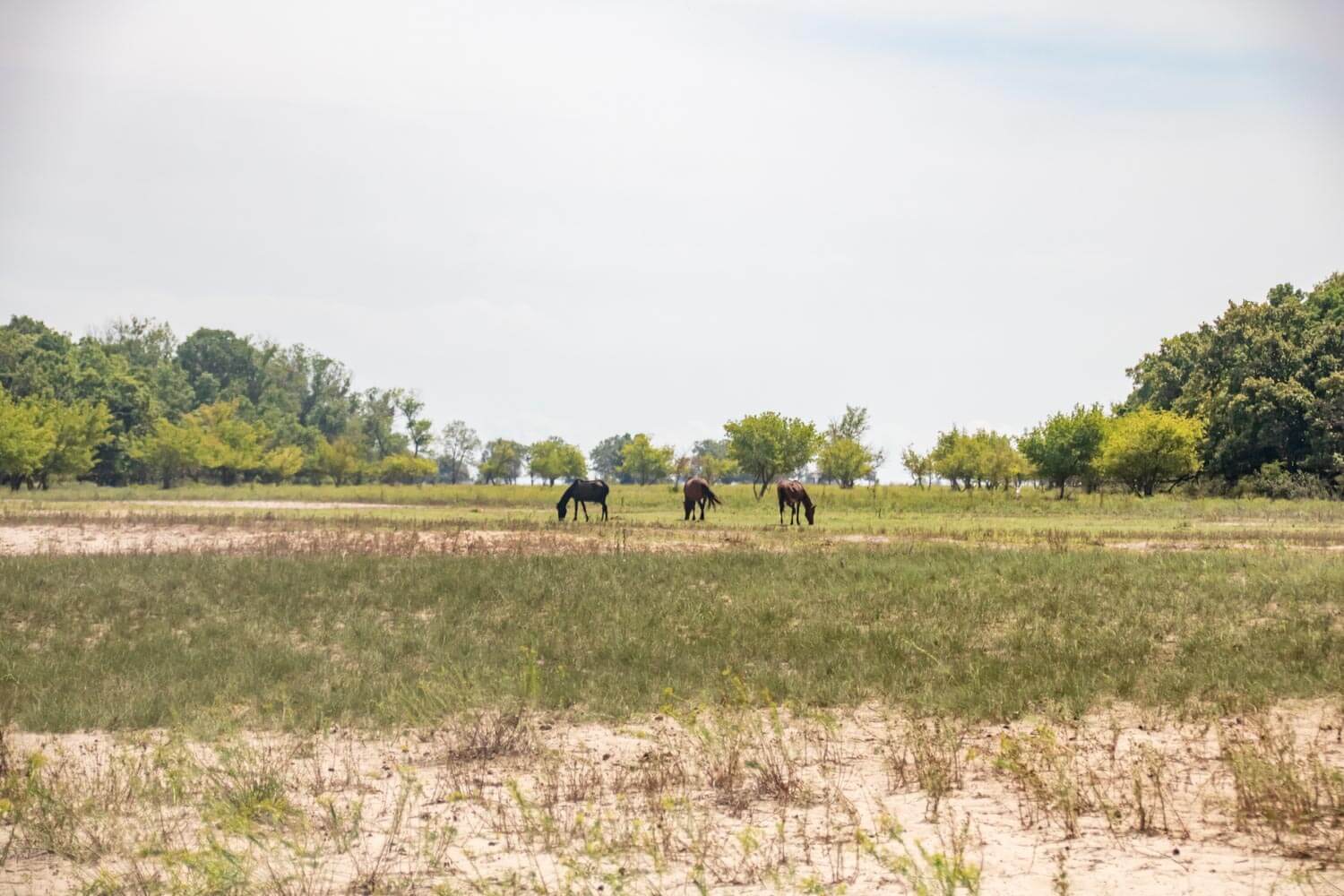
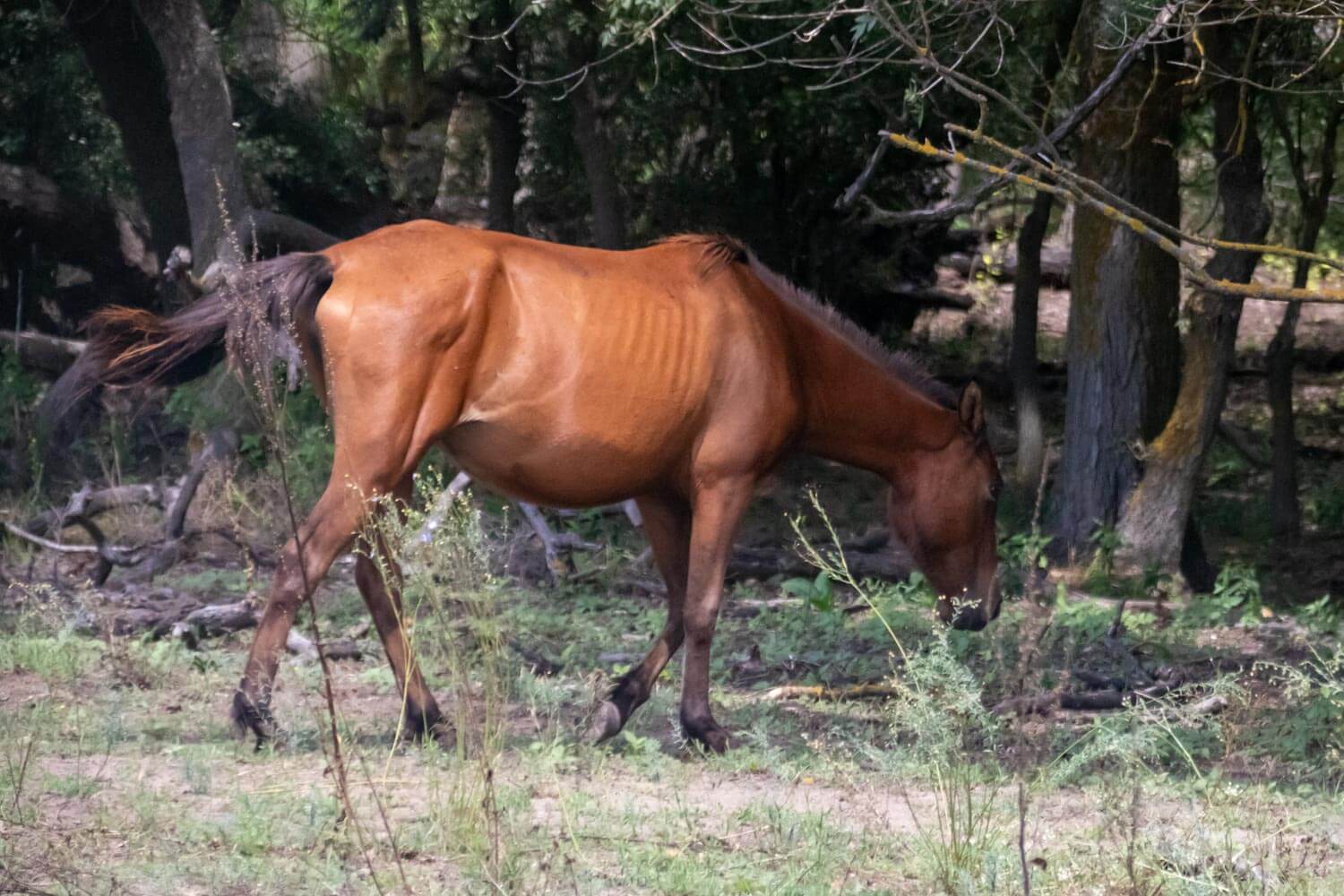
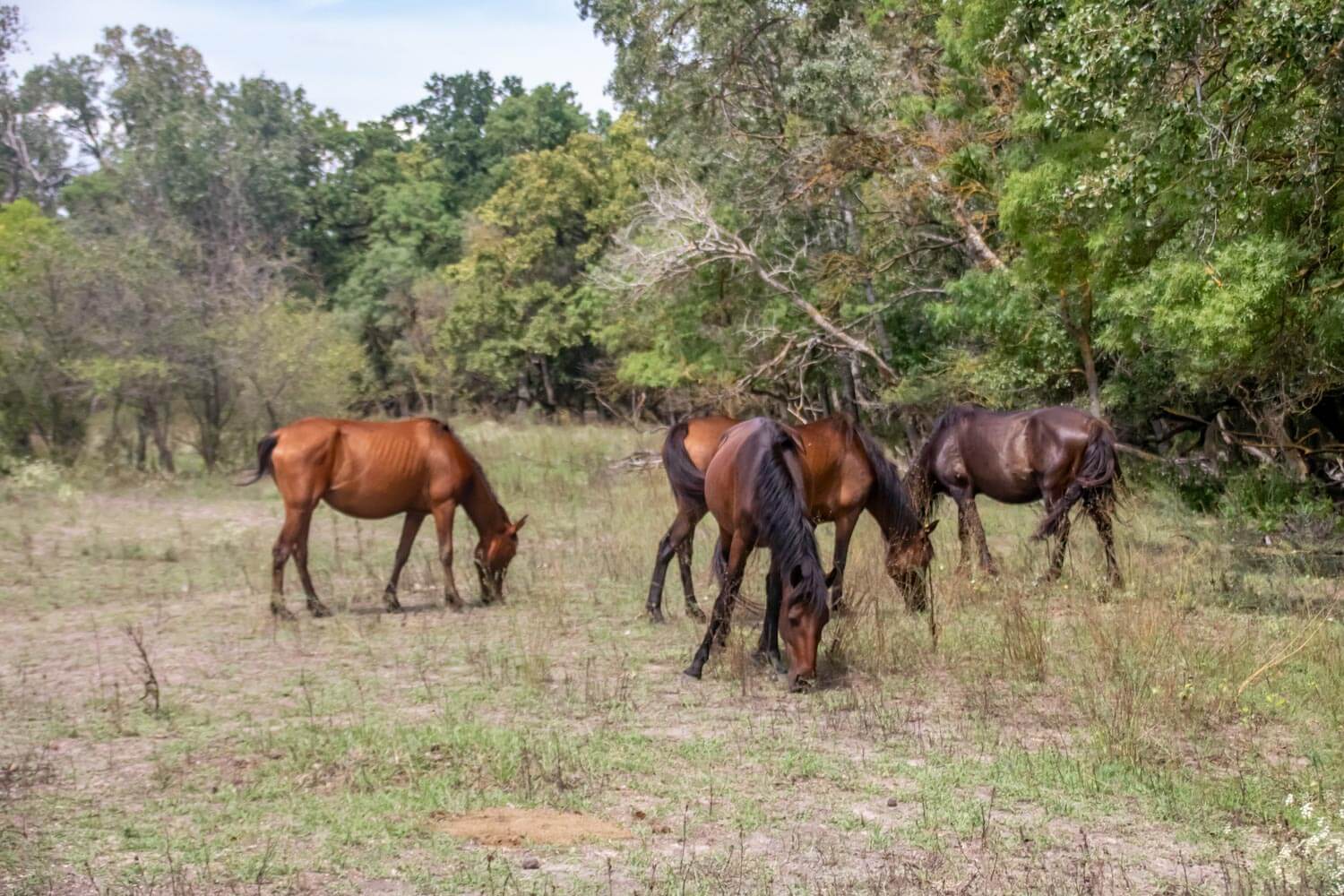
Letea has been protected since 1938 and now forms part of the Danube Delta Biosphere Reserve, with 2,825 hectares designated as a strictly protected area. The forest supports a wide range of wildlife, including birds of prey, reptiles and mammals, but its best-known inhabitants are the free-roaming horses seen across the surrounding grasslands and dunes. These horses descend from domestic animals that adapted to life without regular human care, and although they have become one of Letea’s most recognizable sights, their grazing also places pressure on the protected vegetation.
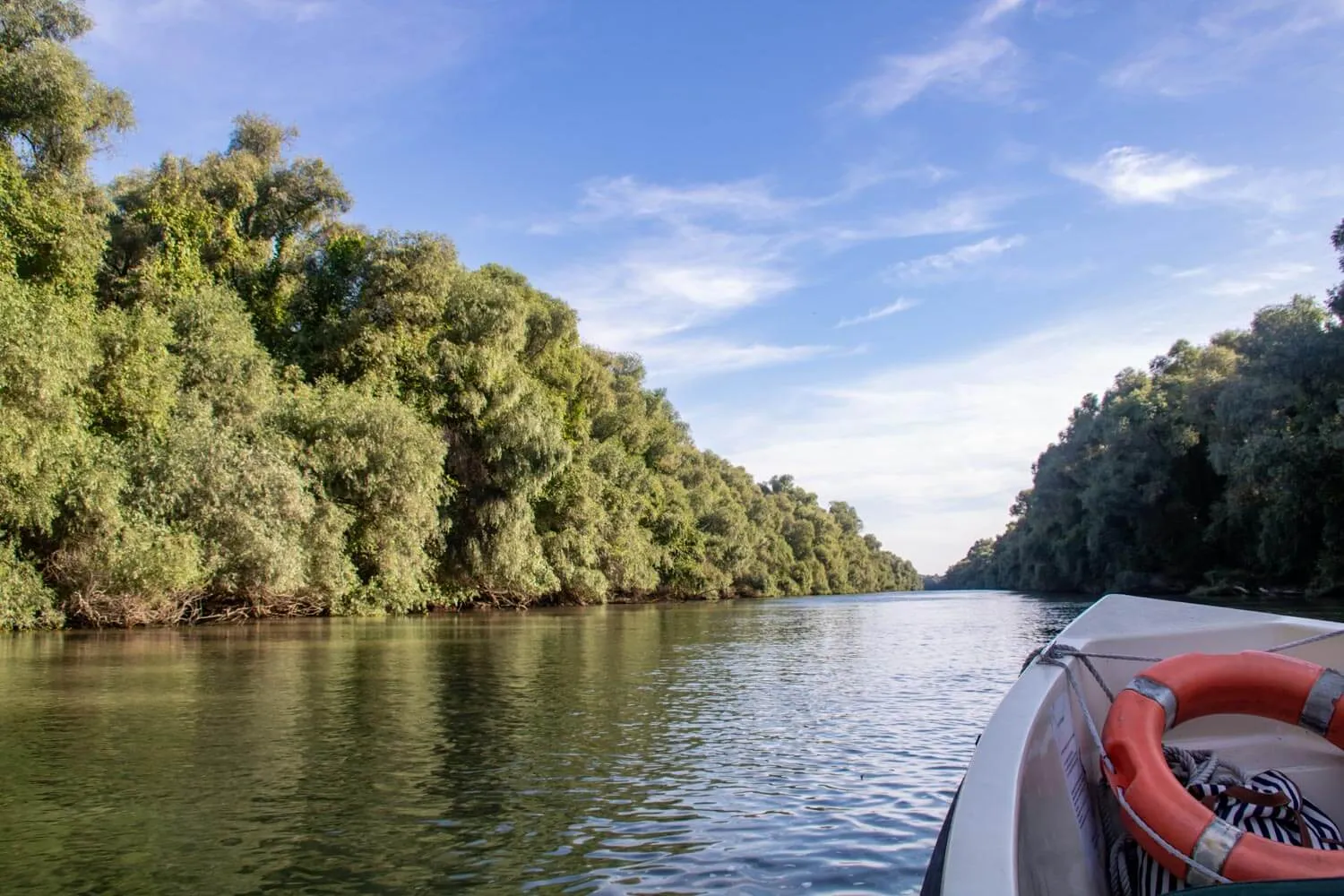
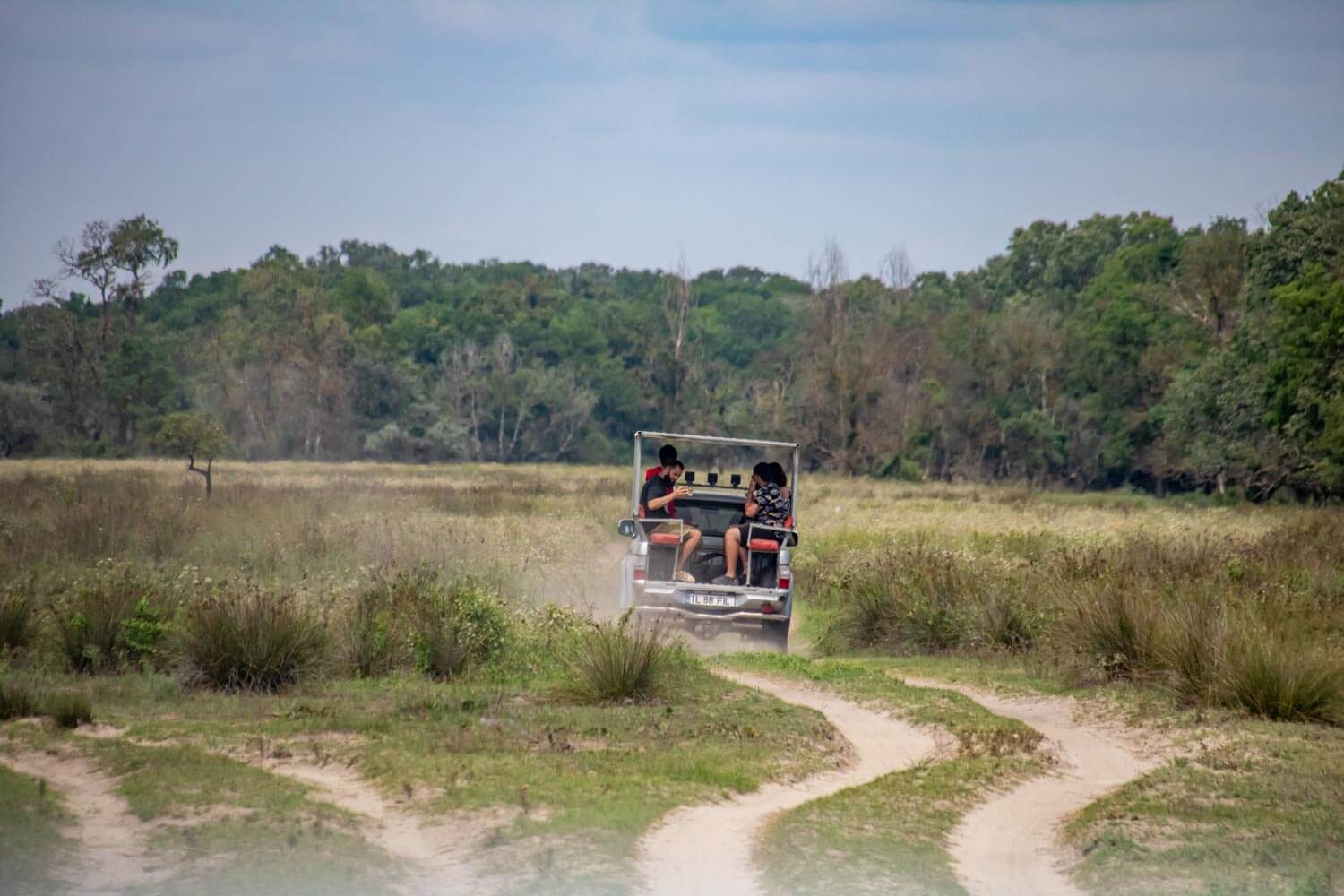
Visiting Letea is usually part of a wider excursion through the Danube Delta. Tours commonly reach the area by boat before continuing overland from Letea village or nearby settlements, using authorized vehicles, traditional carts or sections walked on foot. Access inside the protected area is restricted to designated routes, which pass through a mixture of woodland, dunes and open grassland where the horses are often seen. A Danube Delta visitor permit is also required for entry into the biosphere reserve.