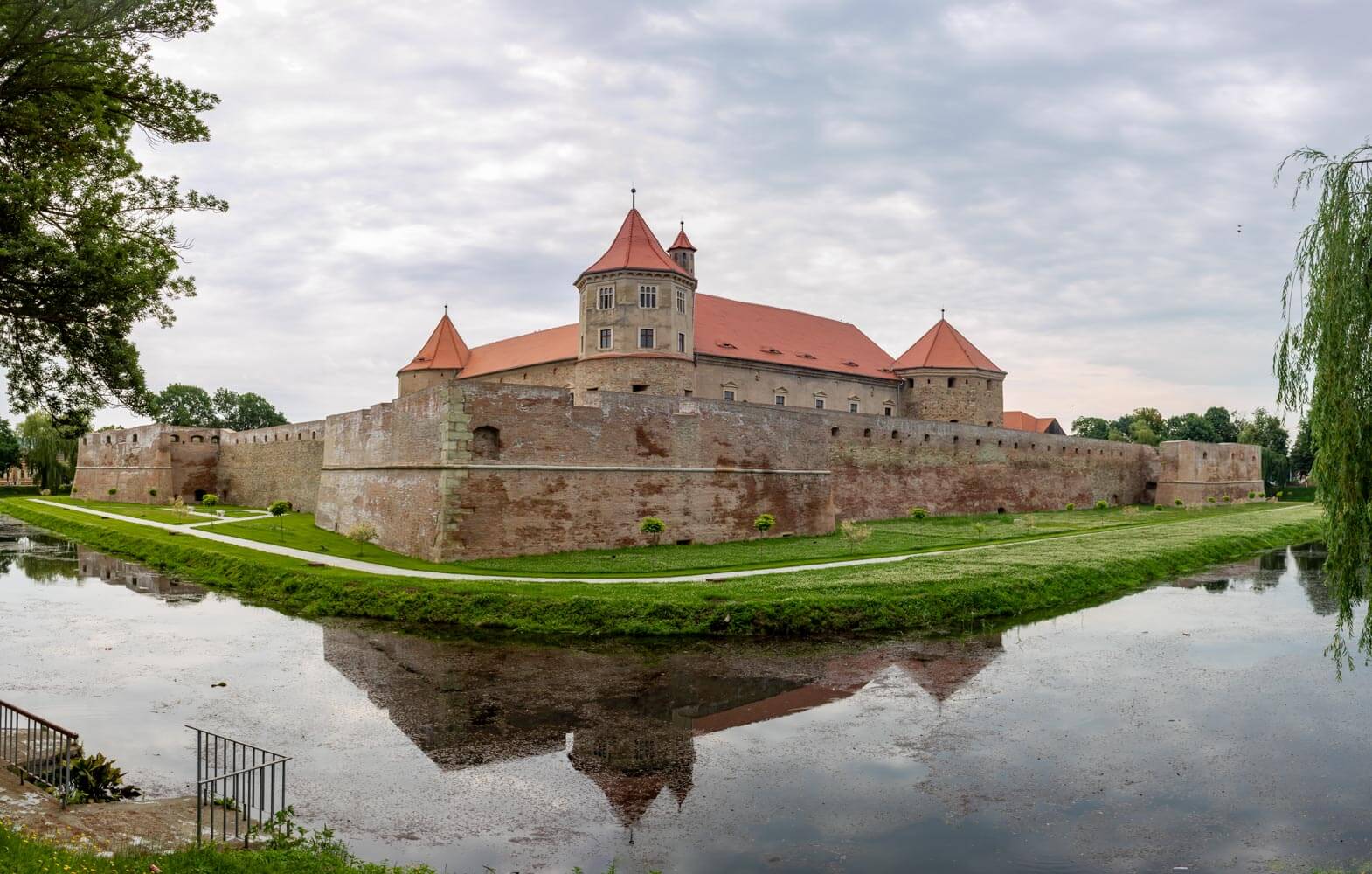
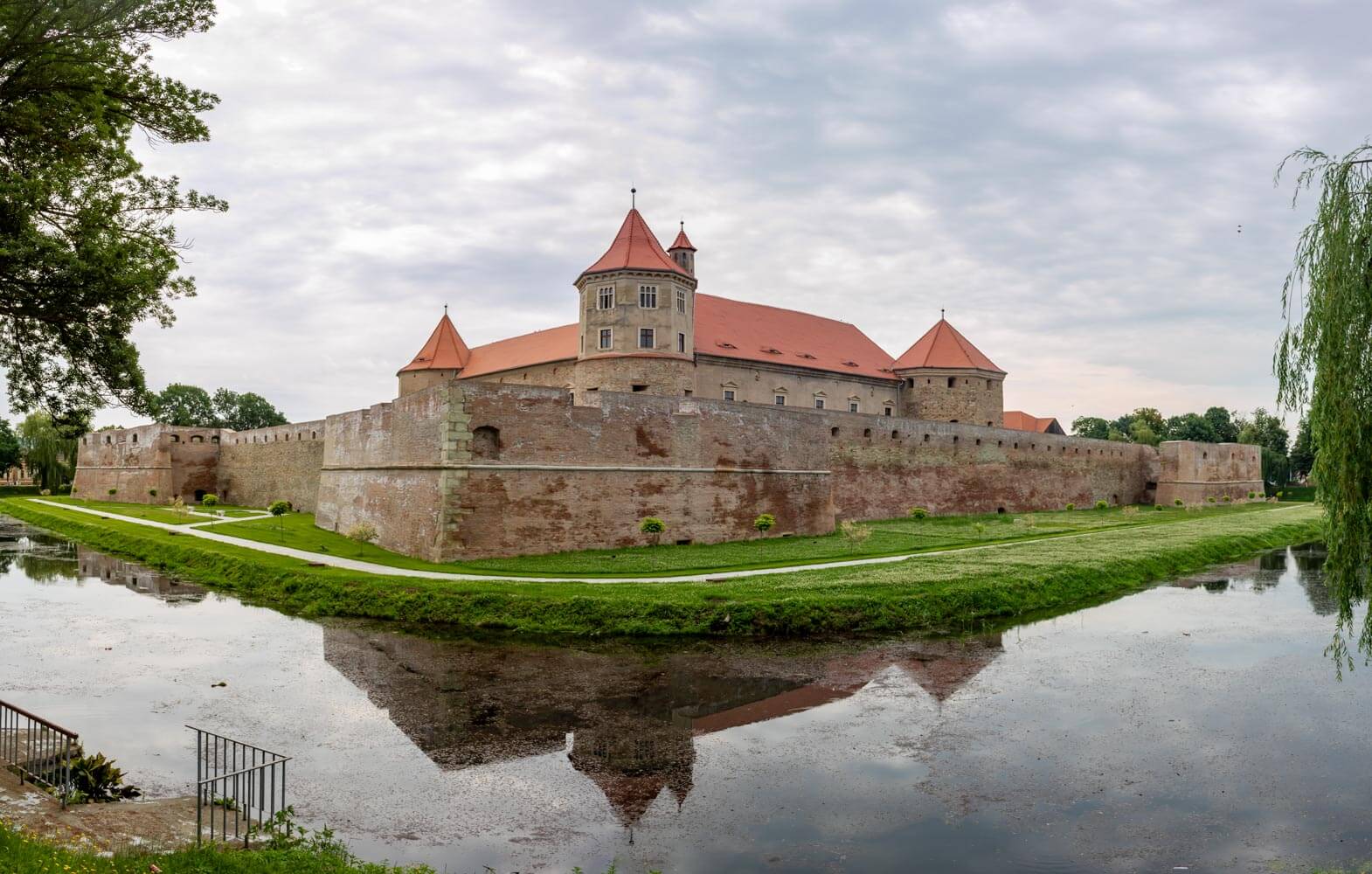
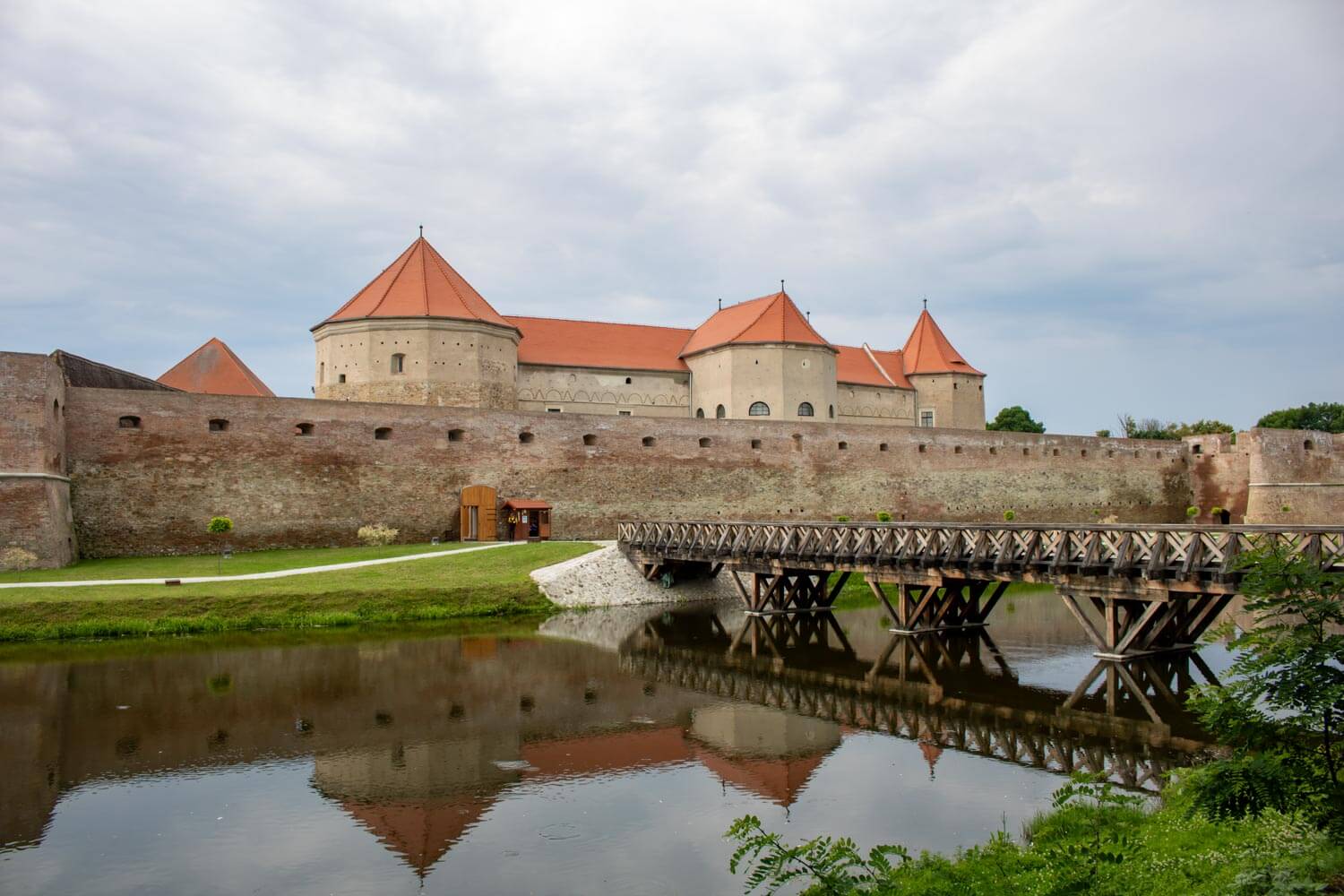
Făgăraș Fortress (Cetatea Făgărașului) is a large medieval and early modern fortress in the center of Făgăraș, surrounded by a broad water-filled moat. Developed over several centuries as a military stronghold and princely residence, it is one of the most substantial surviving fortified complexes in Transylvania.
History
The present fortress grew from an earlier wooden fortification that stood here by the 12th century. That first stronghold was destroyed by fire, and a new stone-and-brick fortress began to take shape toward the end of the 14th century. By the 15th century it had become an important defensive center, with a fortified castle, corner towers and an eastern gate protecting one of the principal strongholds of the Făgăraș region.
Its role changed significantly during the 16th century. Between 1528 and 1541, Ștefan Mailat strengthened the defenses and transformed the medieval fortress into a more substantial fortified residence. Further work under the princes of Transylvania gradually gave the complex much of its present form, especially during the late 16th and early 17th centuries.
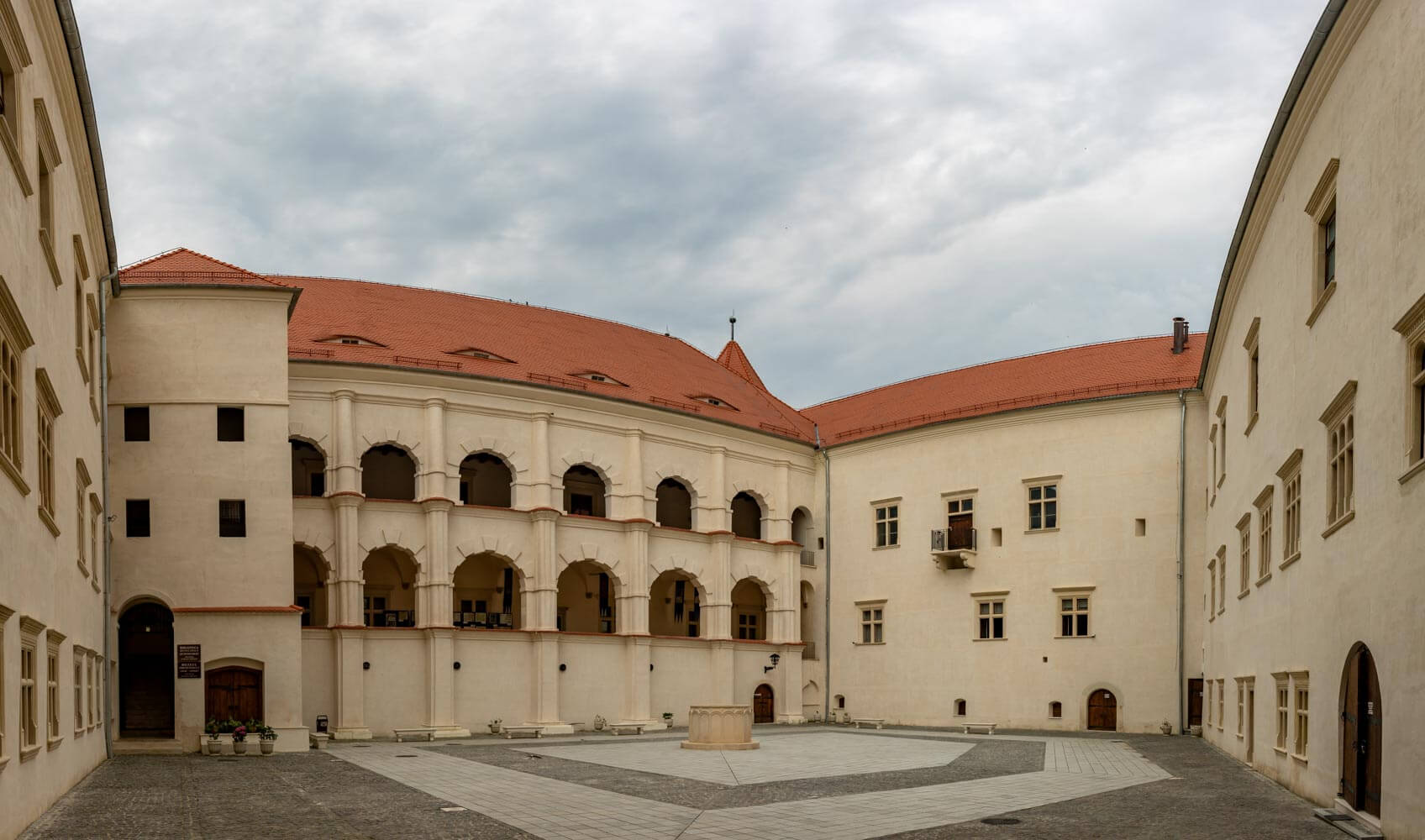
Gabriel Bethlen brought Italian architects to Făgăraș and introduced Renaissance elements to what had previously been a predominantly military building. Loggias, decorative stonework, coats of arms and more refined interiors turned the castle into a princely residence, while four large bastions strengthened the outer defenses. Under George I Rákóczi, the outer walls were reinforced further and the defensive ditch was widened and filled with water, creating the broad moat that still surrounds the fortress today.
By the 17th century, Făgăraș had become one of the important residences of the princes of Transylvania and a political and administrative center for the surrounding region. Diets and official gatherings were held here, while the castle also accommodated members of the princely court. Michael the Brave briefly controlled Făgăraș in 1599-1600, and his wife, Lady Stanca, and their children lived in the fortress during this period.
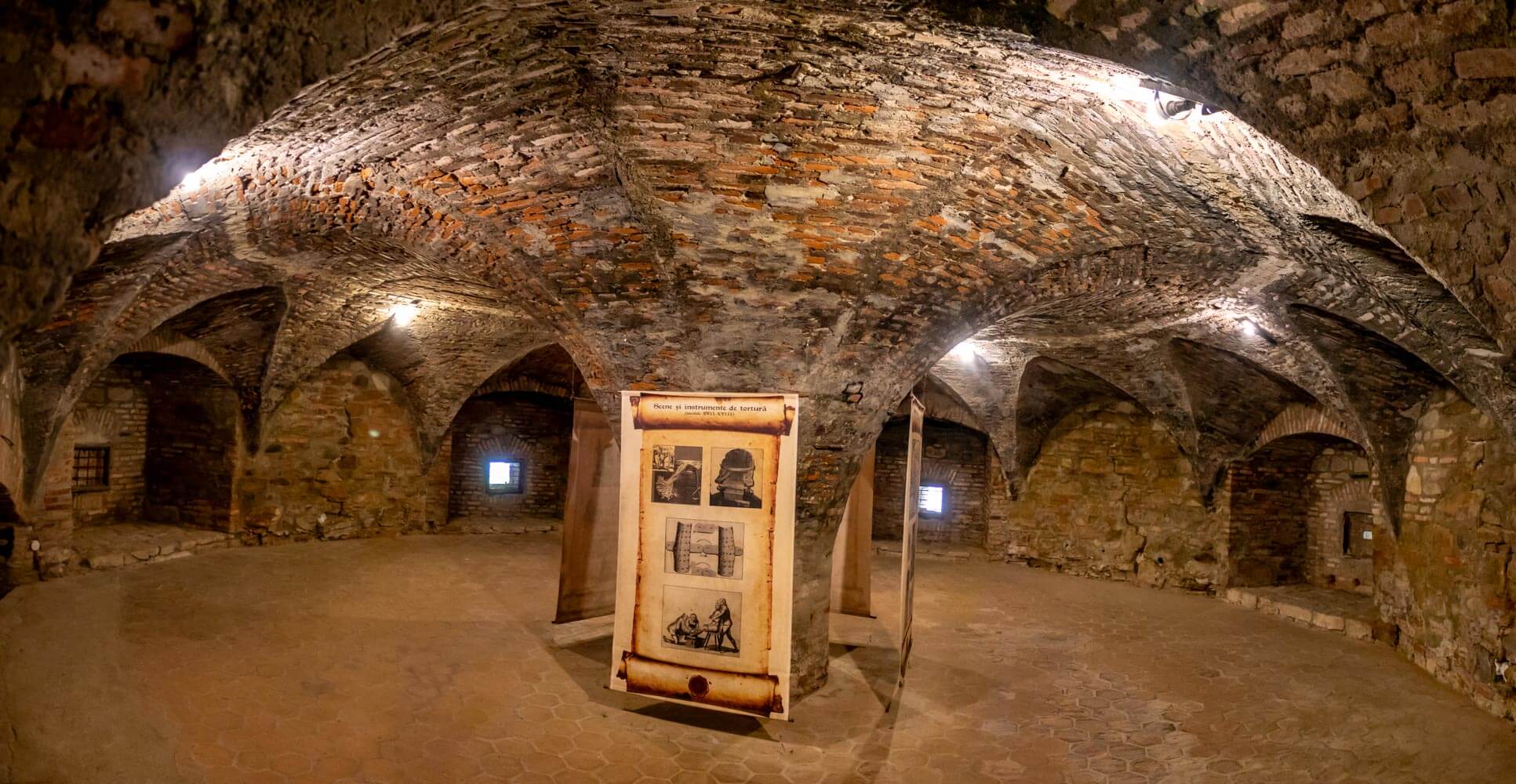
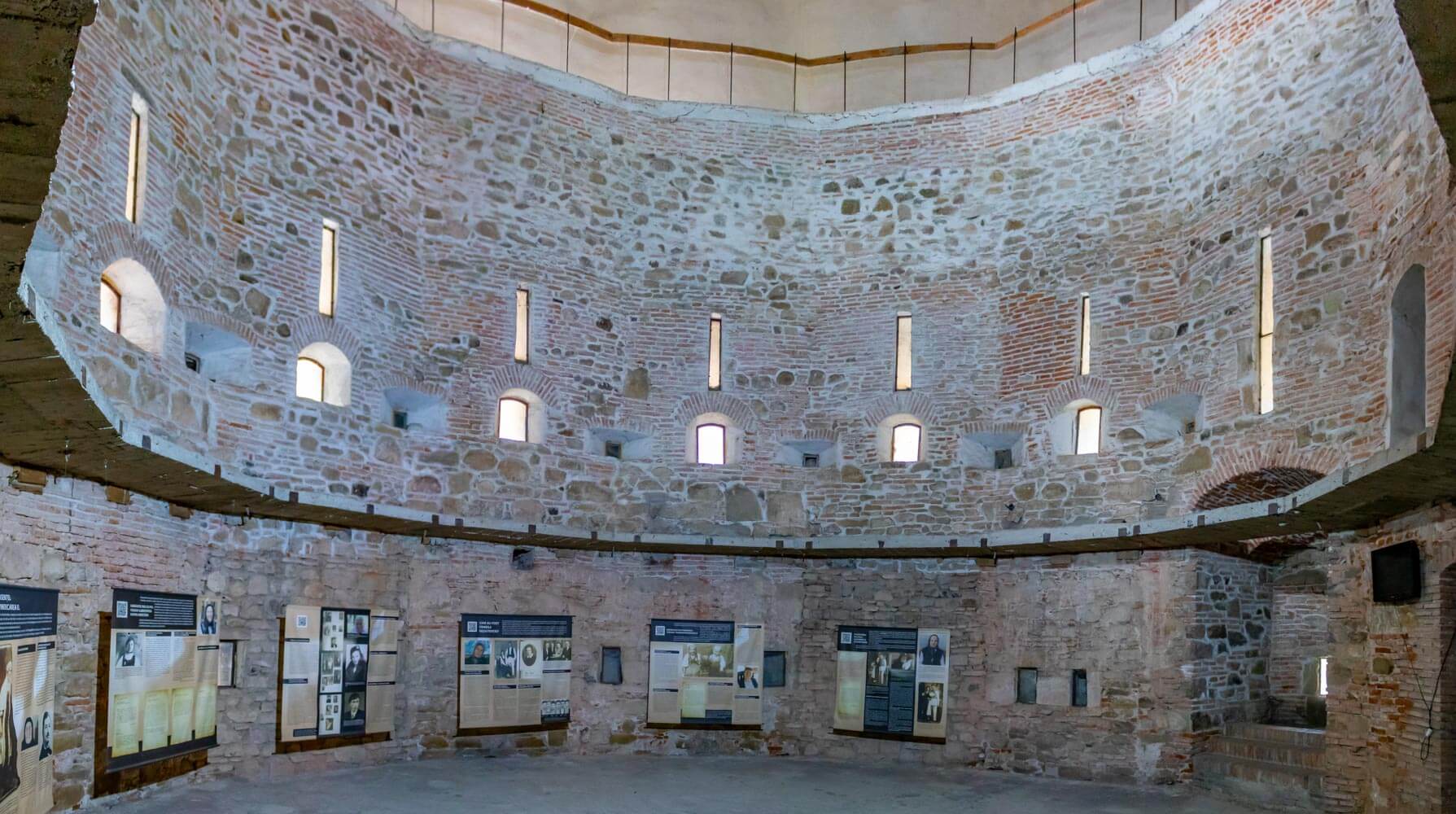
After Transylvania came under Habsburg control, the fortress gradually lost its role as a princely residence and was adapted for military use. Barracks, administrative spaces and storage replaced many of the earlier residential functions. Its darkest period came under the communist regime, when the fortress was used as a political prison between 1949 and 1960. Former police officers, gendarmes, intelligence personnel and other prisoners of the new regime were held here, and the prison period remains an important part of the site’s modern history.
What to See
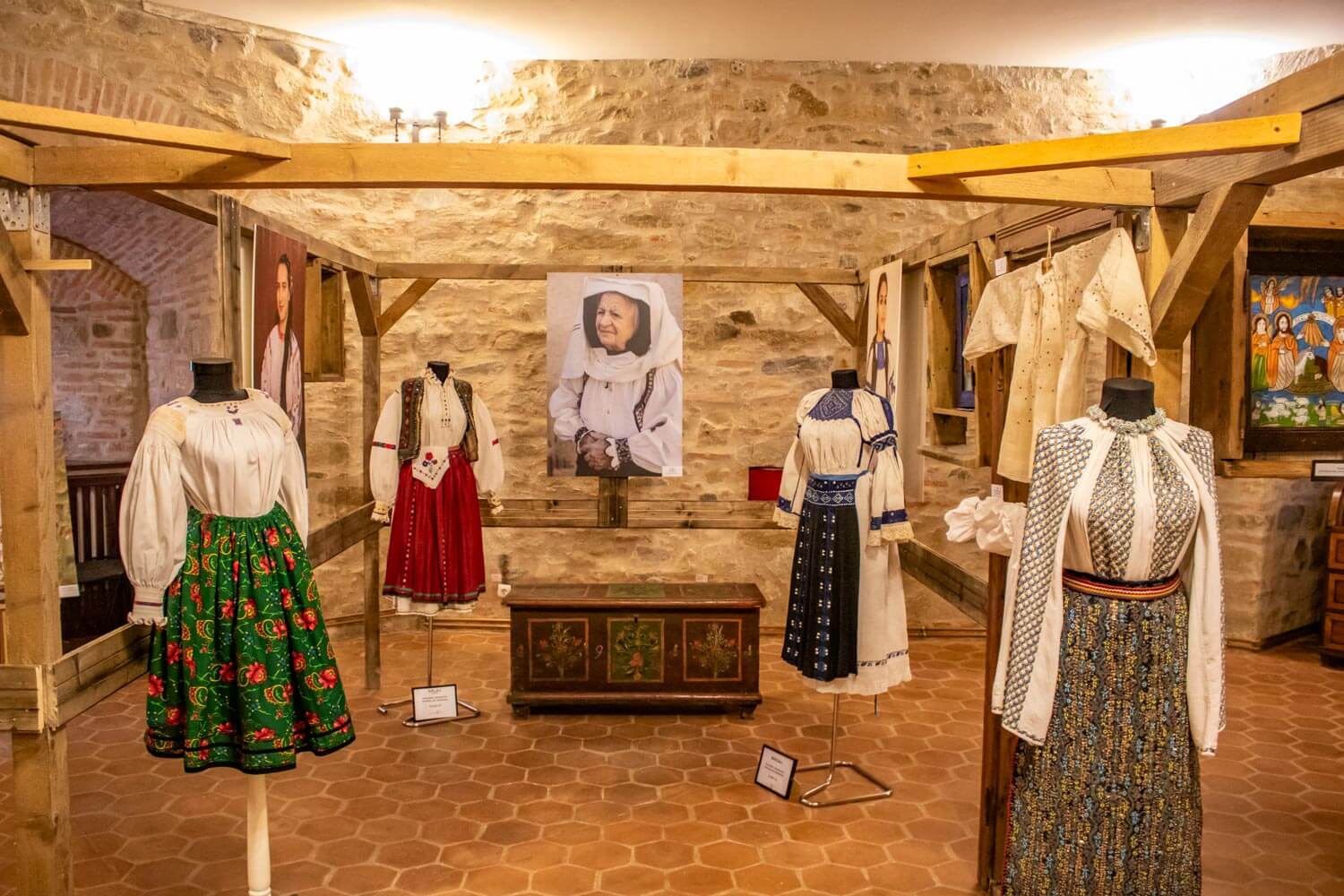
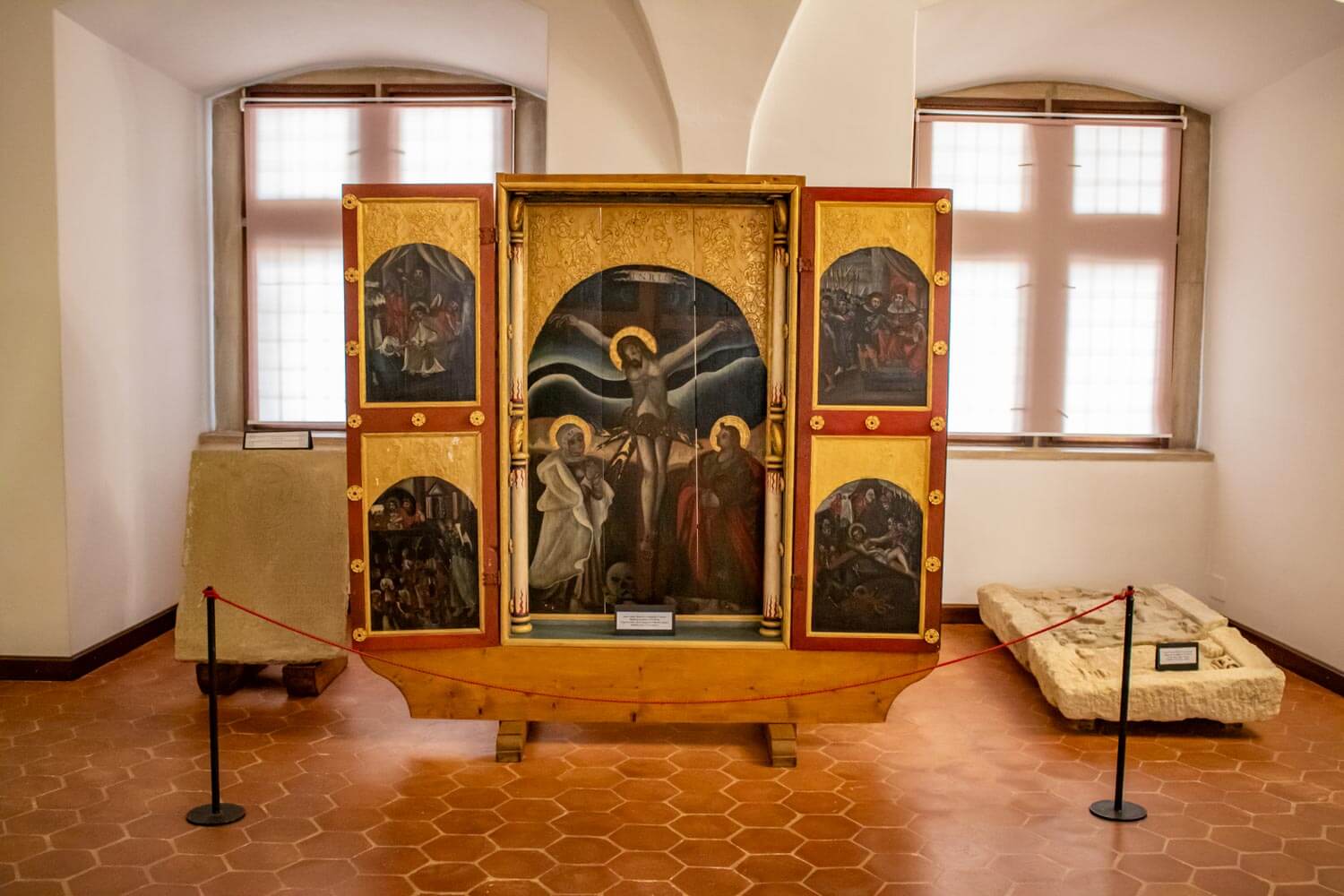
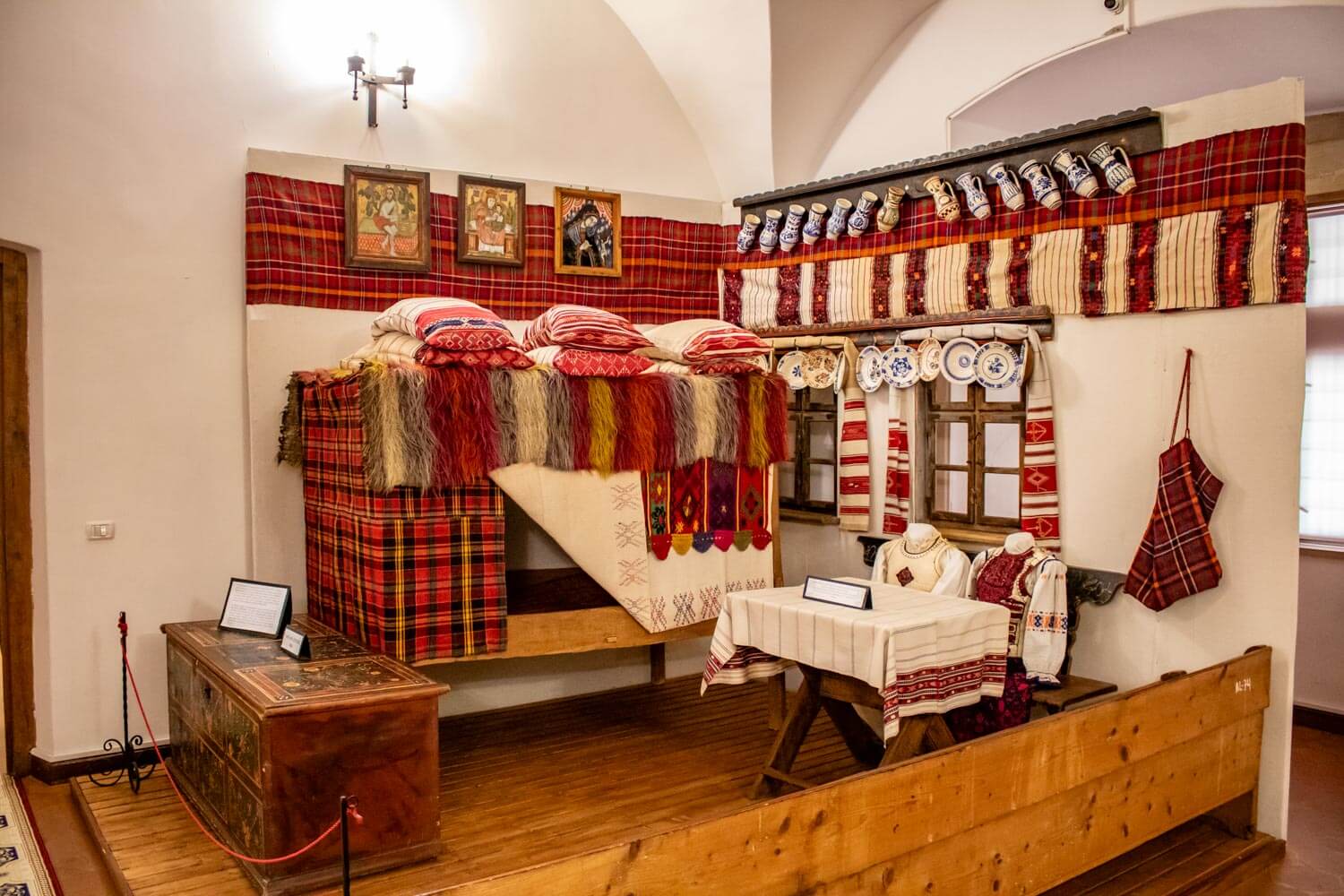
The visit combines the fortress interiors with the collections of the Făgăraș Country Museum “Valer Literat” (Muzeul Țării Făgărașului “Valer Literat”), which occupies the castle and forms an integral part of the visitor circuit. The museum traces the history and culture of the wider Făgăraș region, with displays covering archaeology, medieval and modern history, weapons, traditional crafts, religious art, ceramics, textiles and local costume.
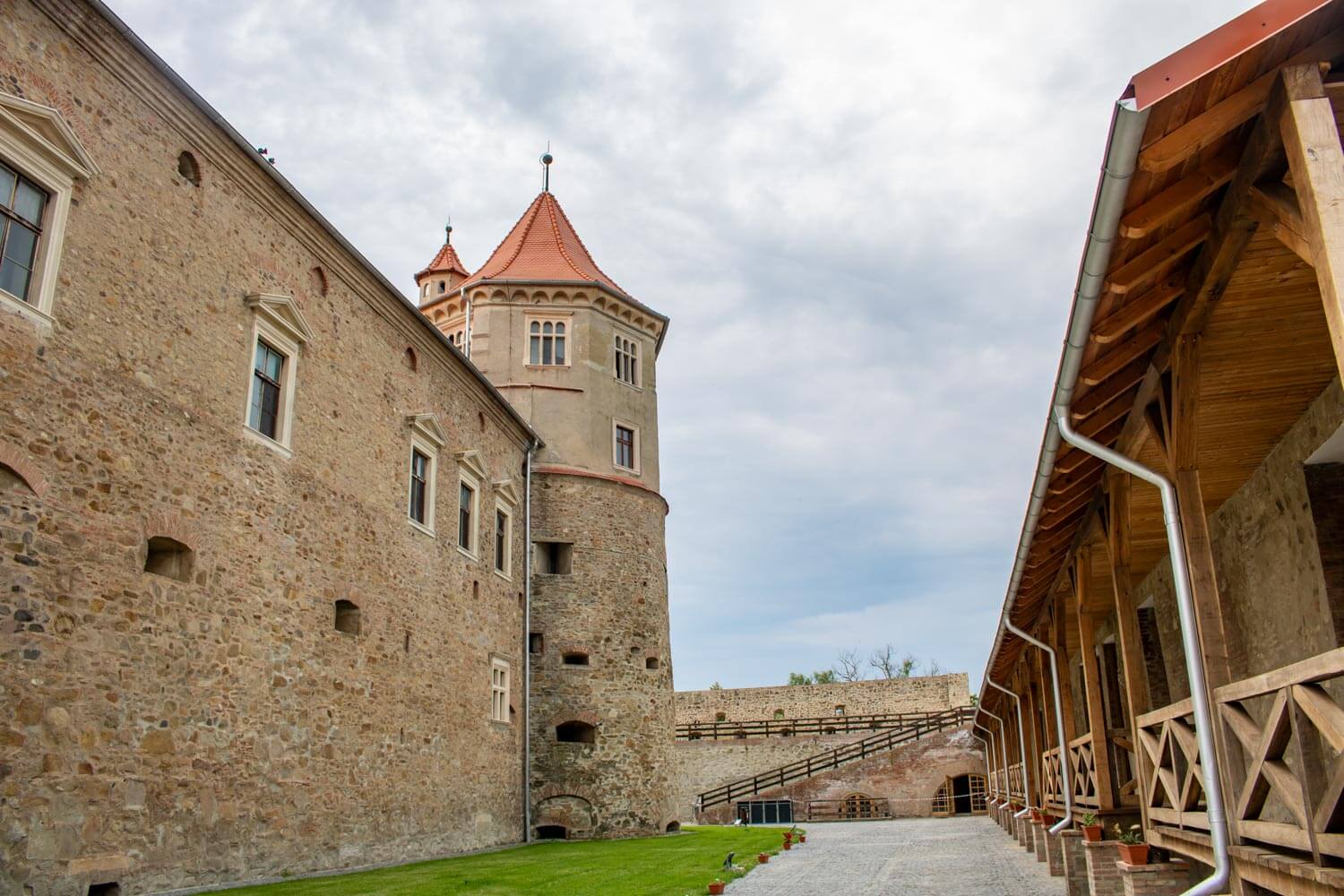
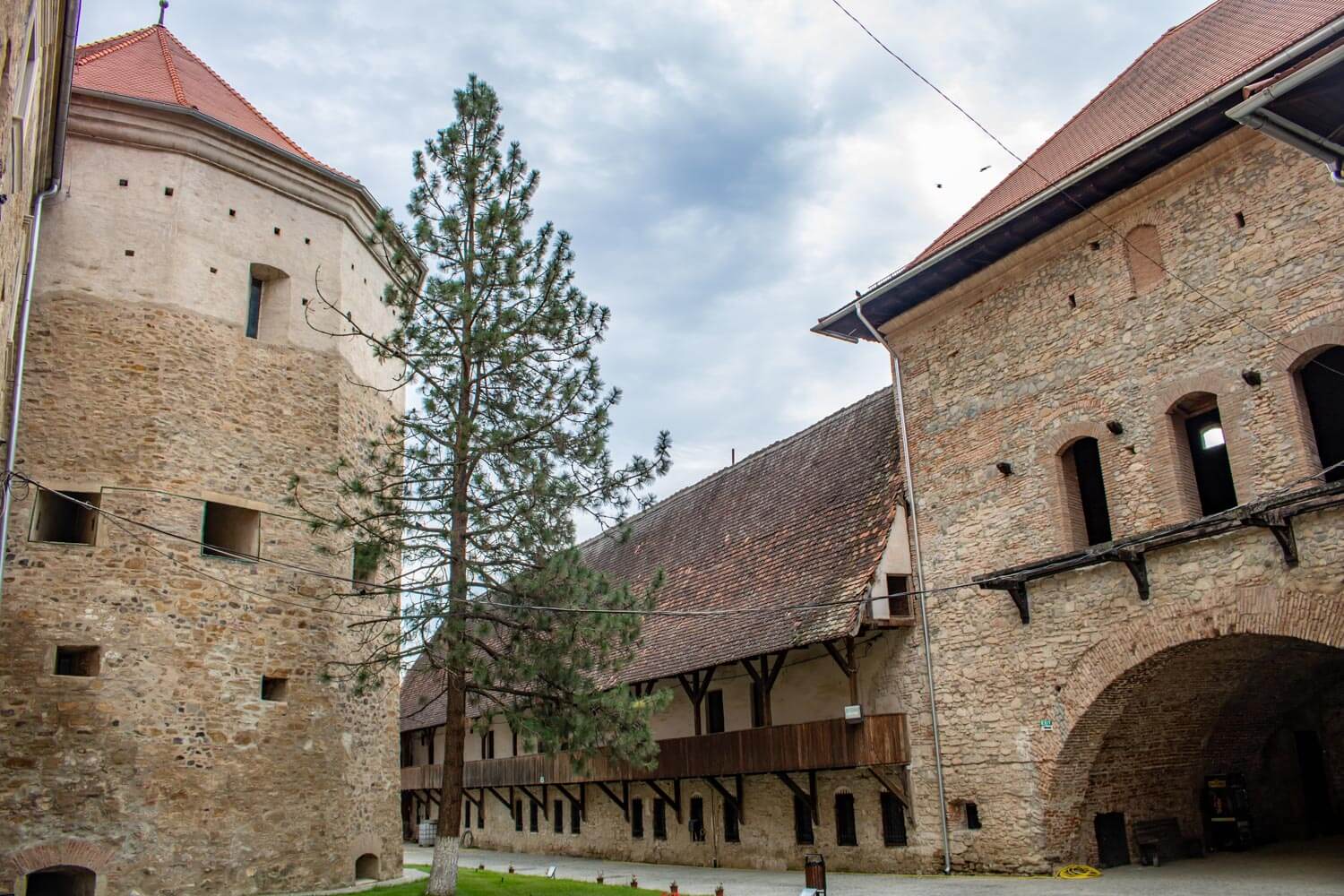
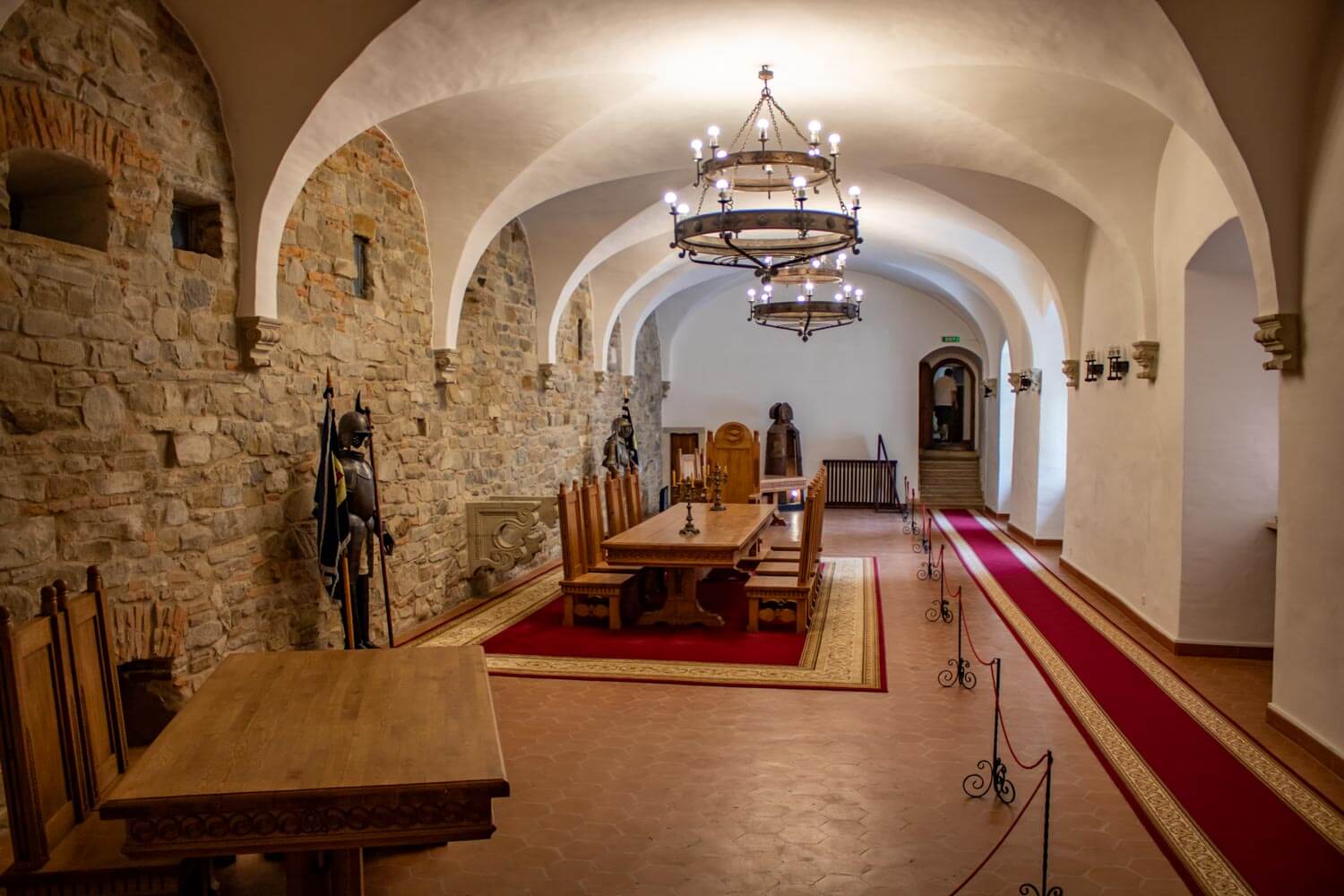
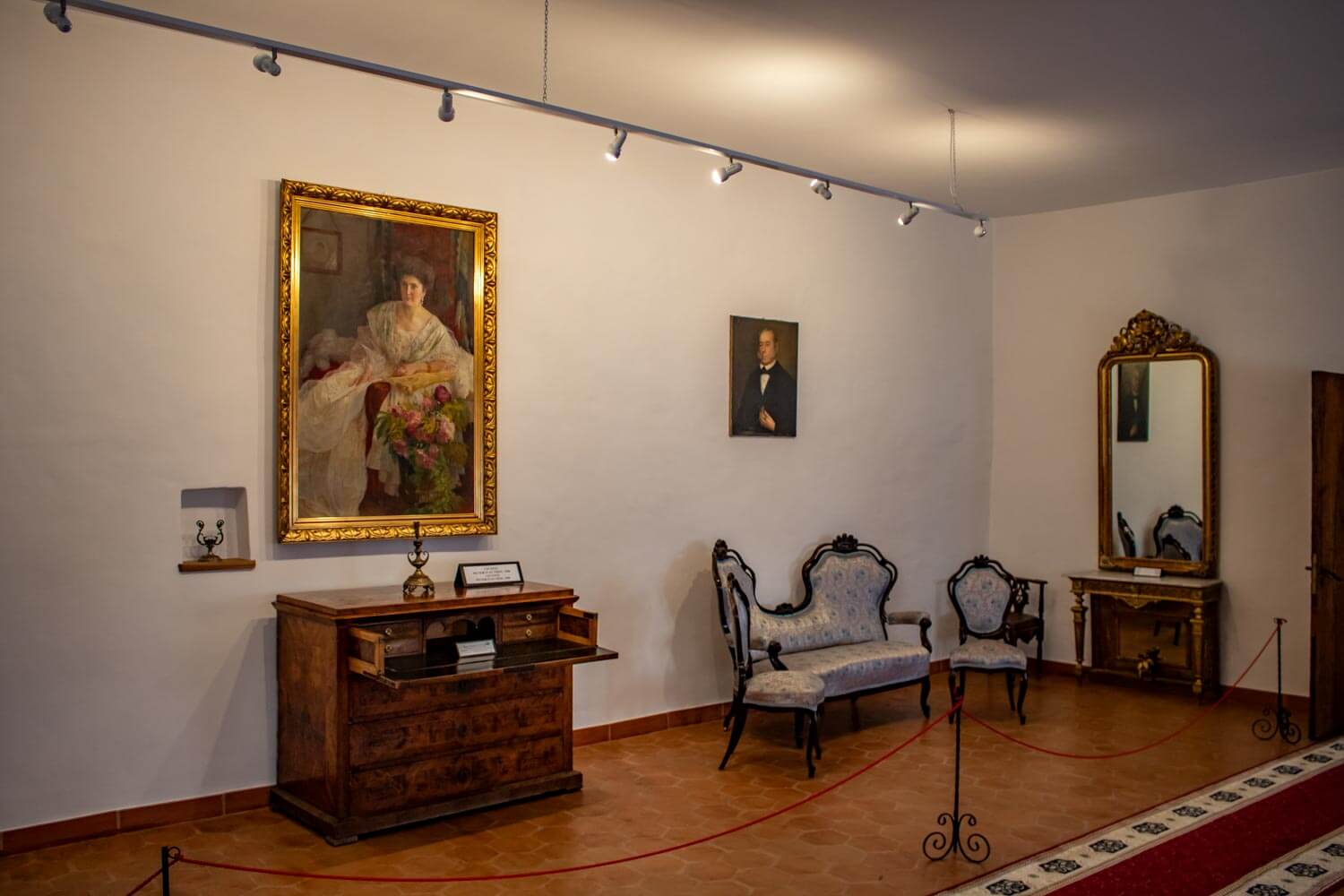
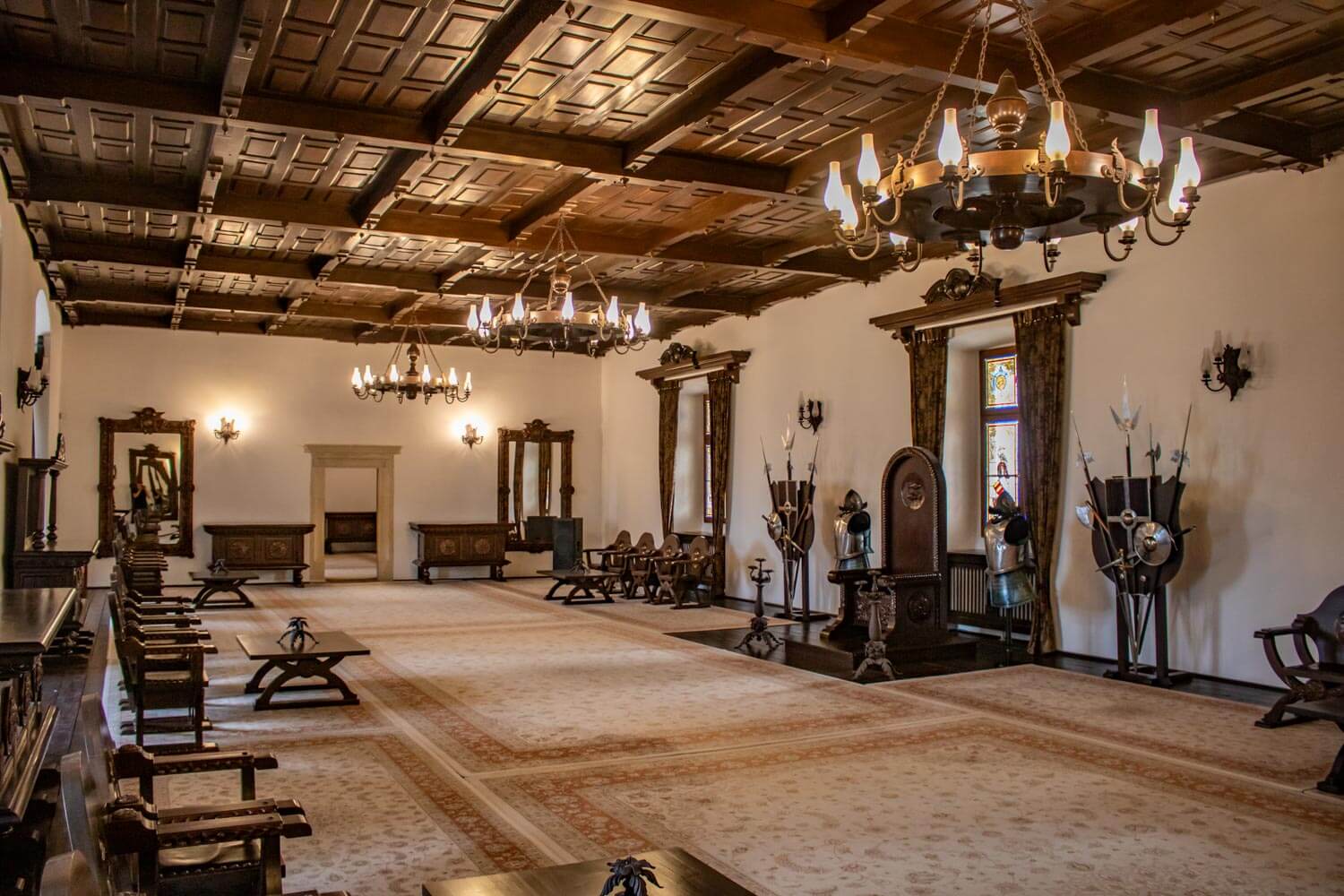
Moving through the museum also means moving through the historic castle itself. The circuit passes through different wings, towers and ceremonial rooms, allowing the building to be experienced as more than a backdrop for the exhibits. Among the most important historic spaces are the Diet Hall and other restored princely rooms, while the towers and vaulted passages retain much of the fortress atmosphere.
The museum’s collections extend well beyond the history of the fortress. Archaeological objects introduce the earlier history of the Făgăraș Country (Țara Făgărașului), while medieval weapons, documents and decorative objects illustrate the period when the region formed an important frontier and political territory. Ethnographic rooms display ceramics, woven textiles, traditional clothing, reconstructed domestic interiors and local crafts, while the religious-art collection includes icons on glass for which the Făgăraș area became particularly well known.
The museum itself developed from collections assembled by teacher and historian Valer Literat beginning in 1923. It later merged with a museum section established inside the fortress, eventually becoming the present Muzeul Țării Făgărașului “Valer Literat.” Today the museum and castle are experienced as a single visit rather than as separate attractions.
Visiting
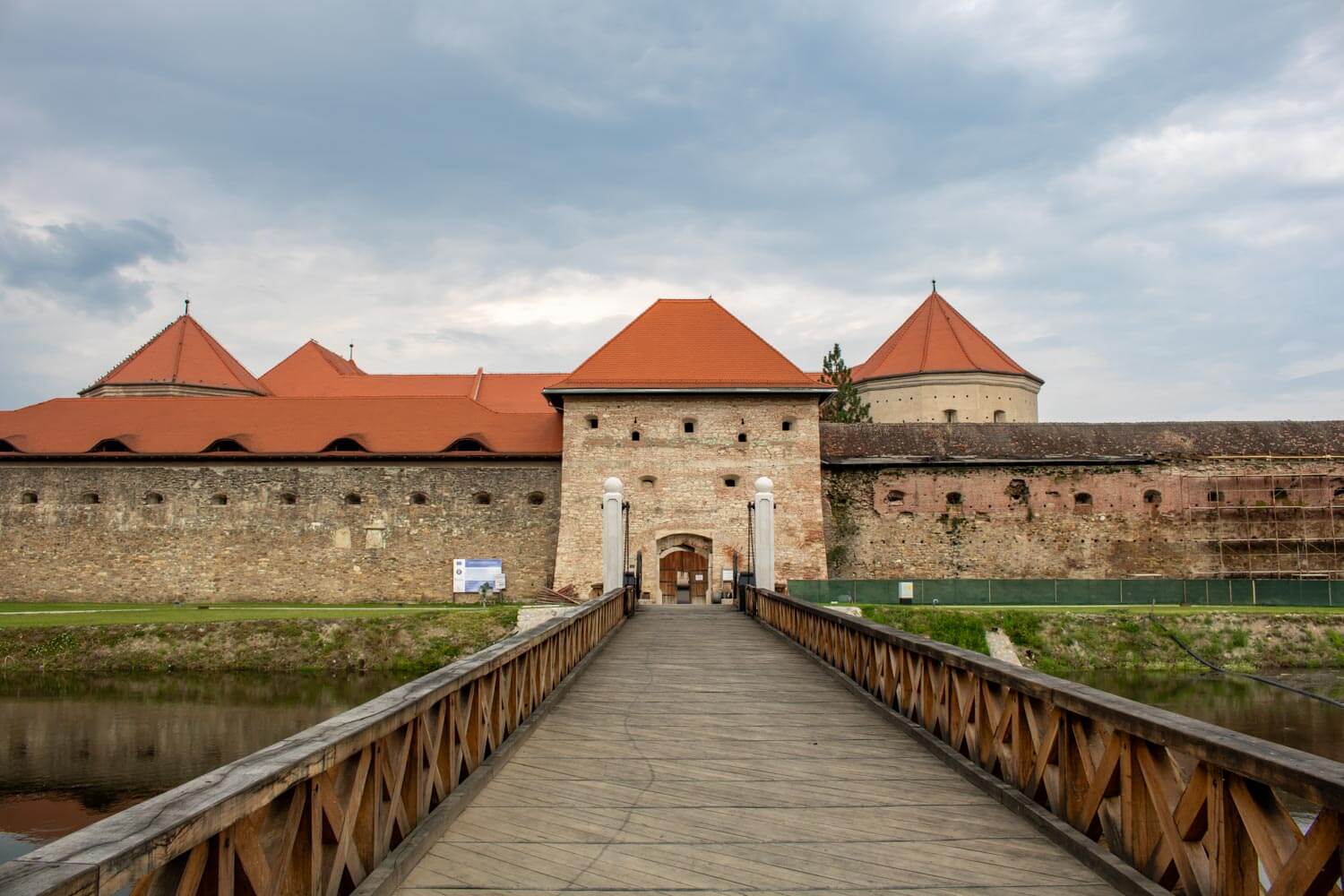
The main entrance is reached across the bridge over the moat on the eastern side of the fortress. The ticket office is located at the entrance, and one ticket covers the fortress and museum visit.
Before or after entering, it is worth walking around the outside of the complex. Public paths follow much of the moat, giving views of the bastions, defensive walls and castle from different sides and making it easier to appreciate the scale and geometric layout of the fortifications.
The fortress stands directly beside the historic center of Făgăraș and is easy to reach on foot from Piața Republicii. Parking is available on the surrounding streets and in nearby public parking areas.