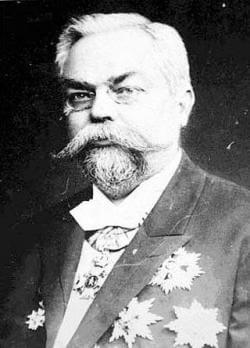
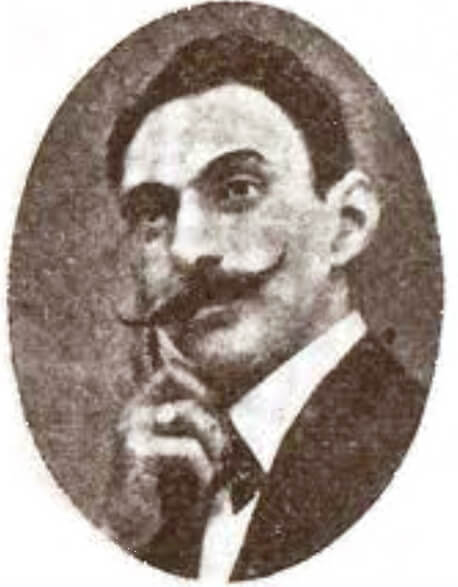
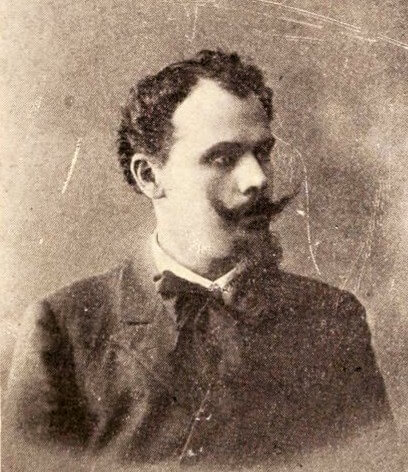
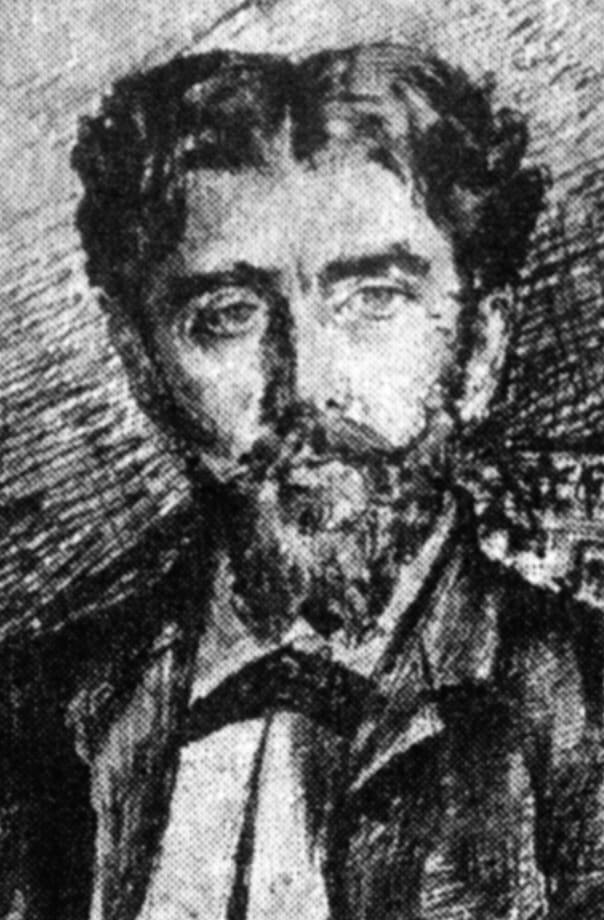
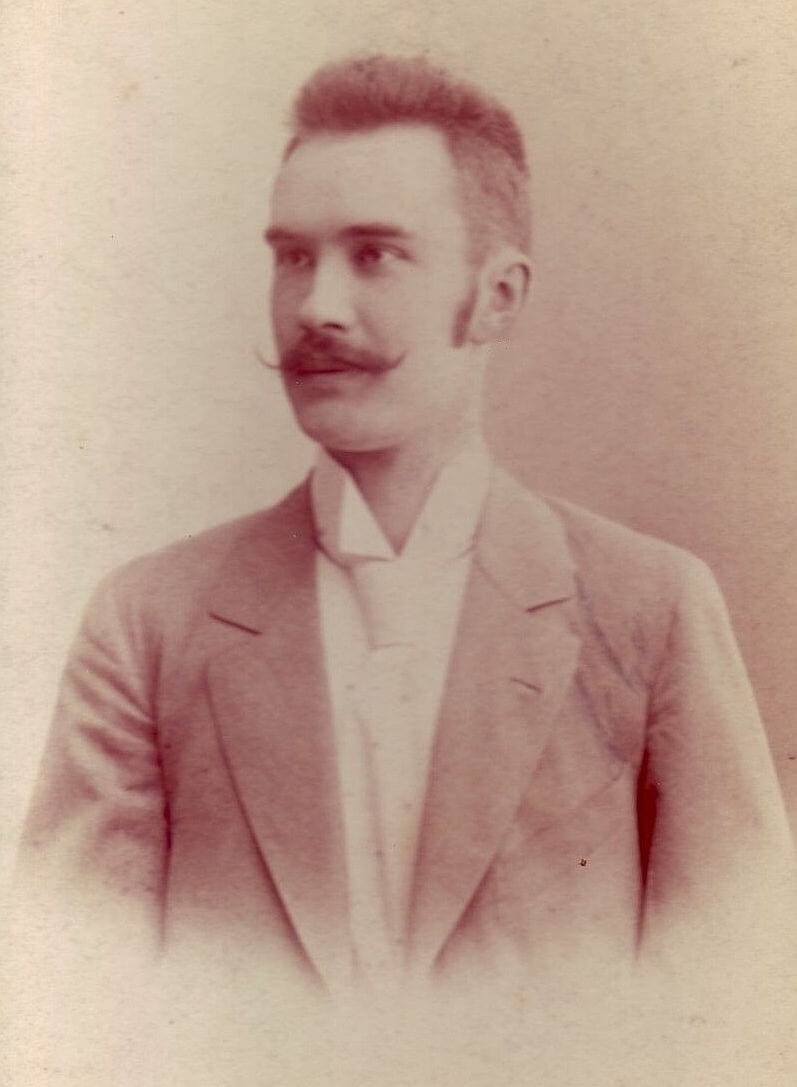
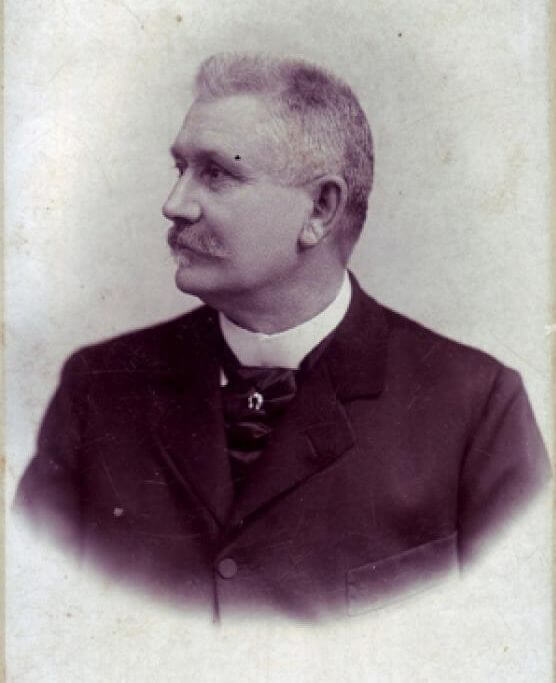
Paul Gottereau (1843-1924) was a French architect who became one of the most prolific foreign architects working in Romania during the reign of Carol I. As architect to the Romanian Royal Court, he designed and remodeled palaces, public institutions, and private residences in the academic and eclectic styles then fashionable in France, helping give late nineteenth-century Bucharest much of the monumental European character for which its historic center became known.
Born in Perpignan, Gottereau studied architecture at the École des Beaux-Arts in Paris in the mid-1860s, although he did not complete the full course. His connection with Romania came through his father, civil engineer Jean Alfred Gottereau, who moved to Bucharest while working on the city’s gas infrastructure. Paul followed him to Romania and began collaborating with him on building projects before establishing an independent architectural career.
By the 1870s Gottereau was already receiving important commissions, and his reputation soon brought him into the orbit of Carol I and the Royal Court. His work on the old Royal Palace in Bucharest during the 1880s expanded and transformed the former Golescu residence used by the king, while his position at court led to further commissions for royal residences and institutions. Although that palace was later heavily rebuilt after a fire, Gottereau’s work formed an important stage in its development.
His strongest surviving royal commission is Cotroceni Palace, begun in the 1890s as a residence for Crown Prince Ferdinand and Princess Marie. Gottereau designed the new palace in a Venetian-inspired classical style, replacing the older princely residence with a much larger and more elaborate building. Later alterations changed parts of the complex, but his design still forms the historical core of the palace.
At the same time, Gottereau was helping reshape central Bucharest through major civic buildings. The CEC Palace on Calea Victoriei, completed around 1900, became one of his best-known works, with its monumental façade and glass-and-metal dome giving the savings bank a headquarters intended to project stability and prestige. He also designed the building of the University Foundation Carol I, today the Central University Library, another prominent commission closely connected with the king’s program of cultural and institutional development.
Gottereau worked within the French academic tradition rather than searching for a specifically Romanian architectural language. Symmetrical compositions, classical detailing, richly modeled façades, and carefully staged monumental entrances gave many of his buildings the appearance of contemporary Parisian architecture. Along with architects such as Albert Galleron and Albert Ballu, he contributed strongly to the French-inspired transformation of Bucharest during the decades when the young Romanian kingdom was constructing new institutions and presenting itself as a modern European state.
After roughly three decades of work in Romania, Gottereau eventually returned to France and died at Marly-le-Roi in 1924. His surviving palaces, financial institutions, libraries, and residences preserve a substantial part of the architectural world created during Carol I’s reign, with the CEC Palace and Cotroceni Palace in particular remaining among the most recognizable buildings of late nineteenth-century Bucharest.