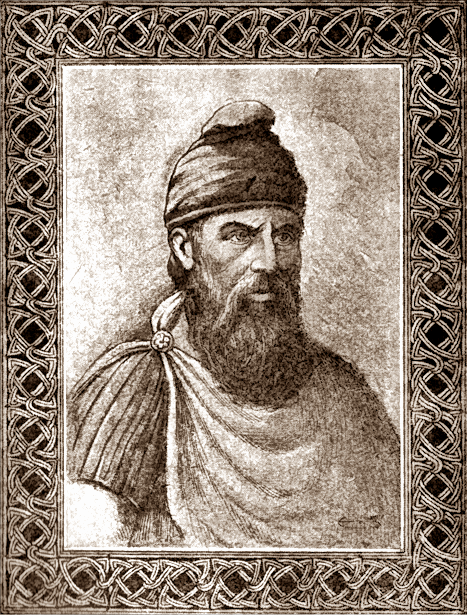
Mircea I (c. 1355-1418), commonly known as Mircea the Elder (Mircea cel Bătrân), was the Prince of Wallachia from 1386 until his death and one of the most important rulers in the principality’s early history. During a reign of more than three decades, he strengthened Wallachia internally while defending it against the rapidly expanding Ottoman Empire, establishing a reputation that would make him one of the best-known medieval rulers in Romanian history.
Mircea belonged to the Basarab dynasty and succeeded his brother Dan I at a time when Wallachia was still consolidating its position between much larger neighboring powers. His reign brought greater political stability, a stronger central administration, and expanding trade, while Wallachian influence reached across the lower Danube and at times into Dobrogea. The growing strength of the Ottoman Empire south of the river, however, increasingly became the defining challenge of his rule.
That threat brought Mircea into conflict with Sultan Bayezid I during the 1390s. The confrontation culminated in the Battle of Rovine, where Wallachian forces successfully resisted a much larger Ottoman army. Mircea used the difficult terrain to reduce the advantage of the Ottoman forces, and the battle became the defining military episode of his reign. It did not end Ottoman pressure on Wallachia, however, and Mircea continued to rely on warfare, diplomacy, and alliances to preserve his position.
He became closely involved in the wider struggle against Ottoman expansion, cooperating with King Sigismund of Hungary and participating in the Christian campaign that ended in defeat at the Battle of Nicopolis in 1396. After Bayezid was defeated by Timur at Ankara in 1402, Mircea took advantage of the subsequent Ottoman civil war by supporting rival claimants to the sultanate. His aim was to prevent the emergence of a strong hostile ruler who could once again threaten Wallachia from the south.
The Danube remained central to this struggle. Giurgiu Fortress was one of the key strongholds along the river frontier and was rebuilt during Mircea’s reign. Control of places such as Giurgiu mattered because the Danube was both a defensive barrier and one of the main routes through which Ottoman armies could enter Wallachia.
Mircea’s reign was not dominated by warfare alone. He strengthened the institutions and finances of the principality, encouraged commerce with merchants from cities including Brașov and Lviv, and supported the Orthodox Church and monastic life. His most enduring foundation was Cozia Monastery, established beside the Olt River near the beginning of his reign. The monastery became an important religious and cultural center and remains the place most closely associated with Mircea personally.
By the end of his life, Mircea had not eliminated the Ottoman threat, but he had managed to preserve Wallachia as an autonomous principality during a period when Ottoman expansion was transforming the Balkans. His successors would continue to face the same fundamental problem of balancing resistance, diplomacy and accommodation with the empire to the south, a struggle that would later define the reigns of rulers such as Vlad the Impaler.
Mircea died in 1418 and was buried at Cozia Monastery, where his tomb remains inside the monastery church. His later reputation grew around both his long reign and his resistance to the Ottomans, with the Battle of Rovine becoming particularly prominent in Romanian historical memory and literature. Mihai Eminescu‘s Scrisoarea III later helped turn the confrontation between Mircea and Bayezid into one of the most familiar episodes of medieval Romanian history.
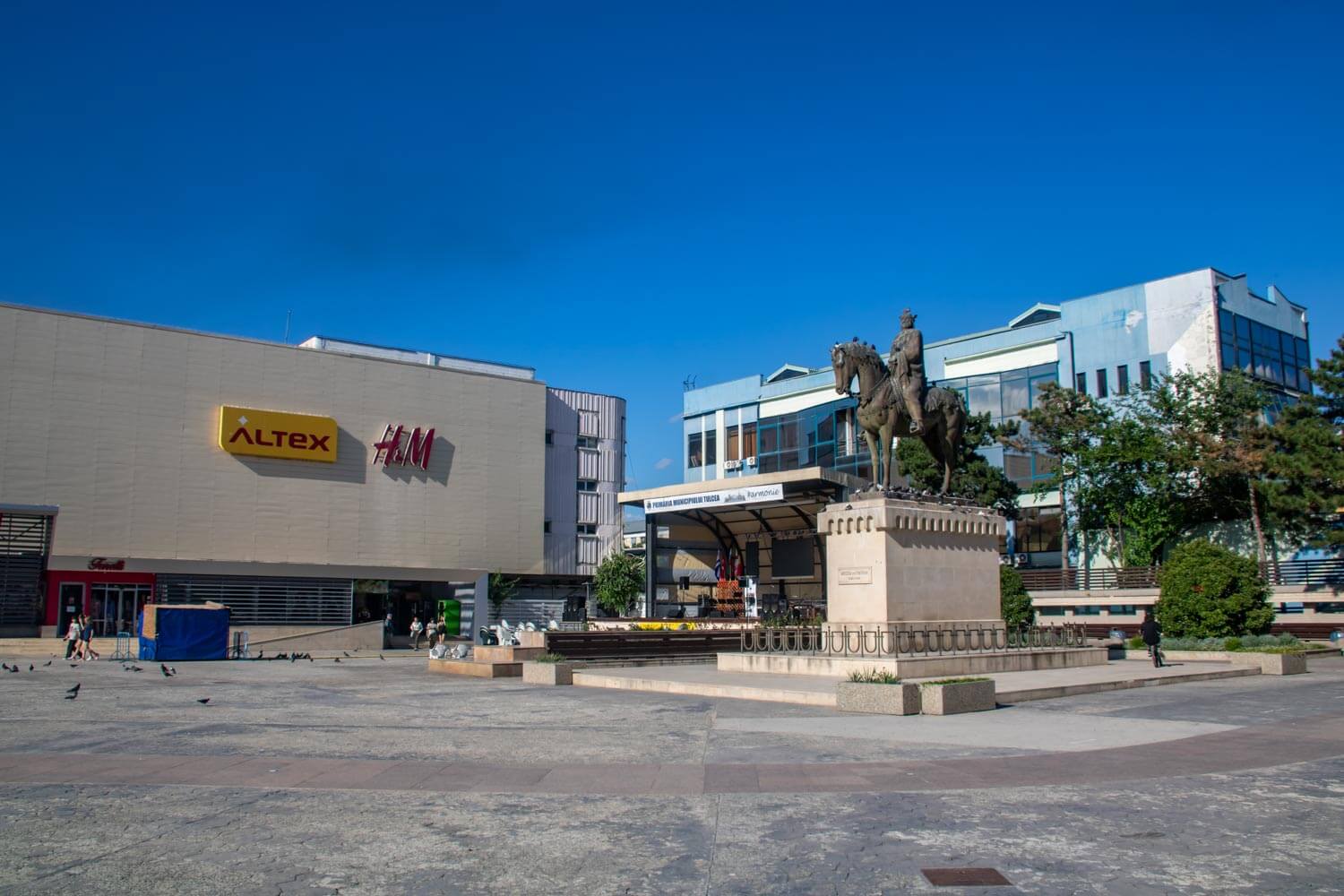
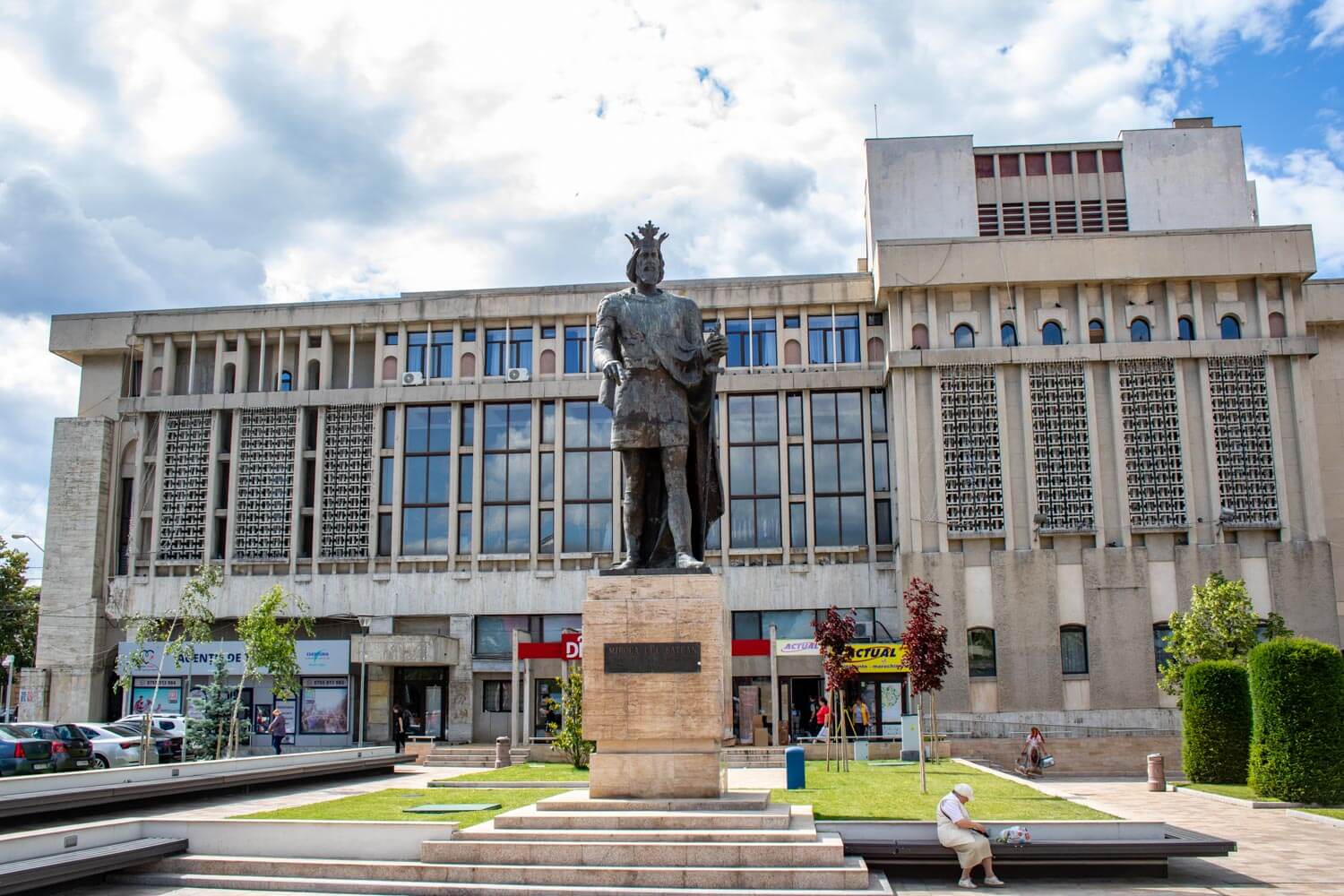
That reputation explains why Mircea’s name and image remain so visible in Romania today. Statues and monuments commemorate him in towns and cities across the country, usually presenting him as a strong medieval ruler who defended Wallachia at a time of increasing Ottoman pressure. His place in Romanian historical memory rests not only on the Battle of Rovine, but also on the length and stability of his reign and on his success in preserving a comparatively strong Wallachian state during a period of major political change in southeastern Europe.