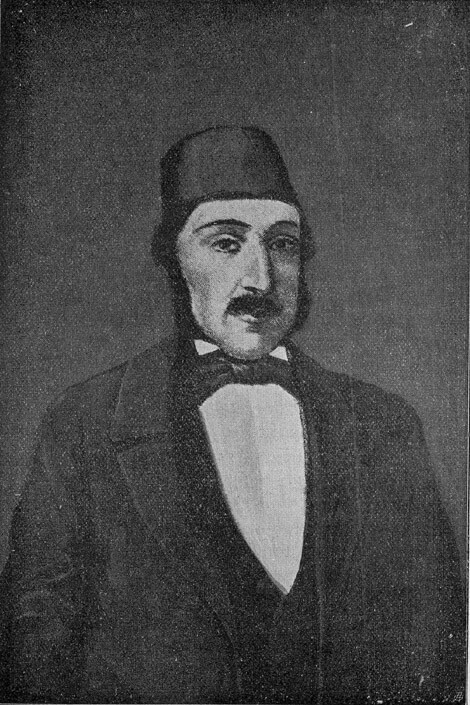
Anton Pann (c. 1796-1854) was a Romanian poet, musician, folklorist, teacher, and printer whose books and songs captured much of the popular culture of nineteenth-century Wallachia. Moving easily between church music, humorous stories, proverbs, folk songs, and publishing, he became one of the most distinctive cultural figures of his generation. He also helped give musical form to “Deșteaptă-te, române!”, the revolutionary song of 1848 that eventually became Romania’s national anthem.
Pann was born in Sliven, in present-day Bulgaria, and reached Bucharest with his family in the early nineteenth century. Music became the foundation of his career. He trained in Byzantine church singing and worked as a singer and teacher at a time when Romanian was increasingly replacing Greek and Church Slavonic in religious and cultural life. His knowledge of both traditional church music and the popular melodies circulating through the Balkans would later shape much of his published work.
During the 1820s he spent several periods in Râmnicu Vâlcea, where he taught church music at the local seminary. He also lived for a time in Brașov before returning to Bucharest, and these years exposed him to the mixture of Romanian, Balkan, and Central European traditions that fed into his writing and music. One of the houses where he stayed in Râmnicu Vâlcea survives today as the Anton Pann Memorial House of Râmnicu Vâlcea, displaying his books, musical publications, and objects illustrating the world in which he lived.
Pann increasingly combined teaching with writing and publishing. Rather than concentrating on elite literary culture, he drew heavily from the language people actually spoke and from stories, jokes, sayings, and songs already circulating orally. His collections transformed this material into printed literature without losing much of its conversational character. Works such as Povestea Vorbei, Fabule și istorioare, and his stories about Nastratin Hogea brought together proverbs, anecdotes, satire, and moral tales from Romanian and wider Balkan traditions.
This interest in everyday language made Pann an important collector as well as an author. He did not simply record folklore exactly as he encountered it, but selected, adapted, rearranged, and often rewrote material for his readers. The result was a body of work that preserves something of the humor, speech, attitudes, and urban popular culture of Wallachia before the rapid social changes of the later nineteenth century.
Music developed alongside his literary work. Pann taught Byzantine chant, composed and adapted melodies, and published books intended to make church music easier to learn and use in Romanian. He also collected secular songs and melodies heard in the towns and communities around him. Printing allowed these different parts of his career to come together: musician, writer, collector, and publisher were all part of the same activity.
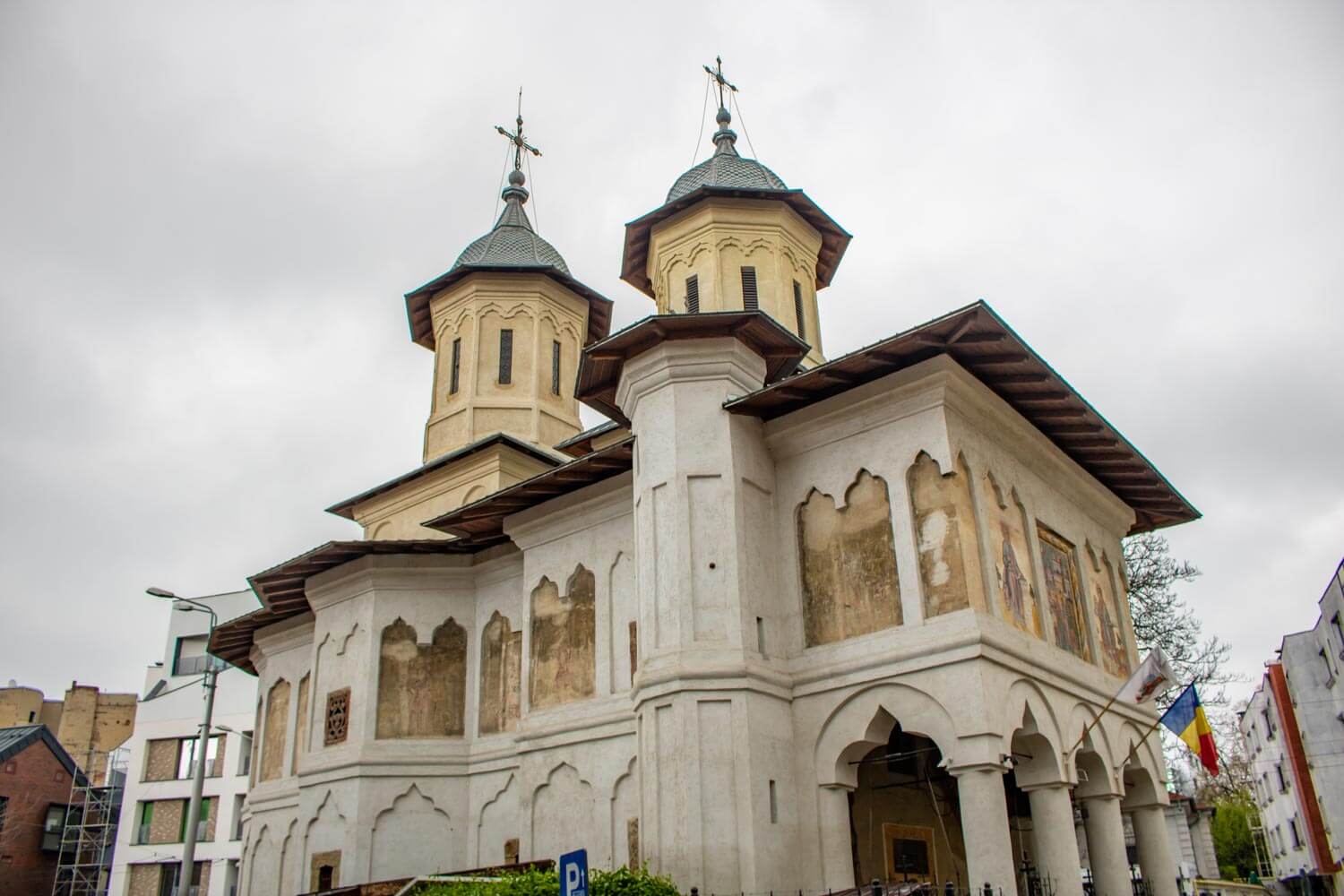
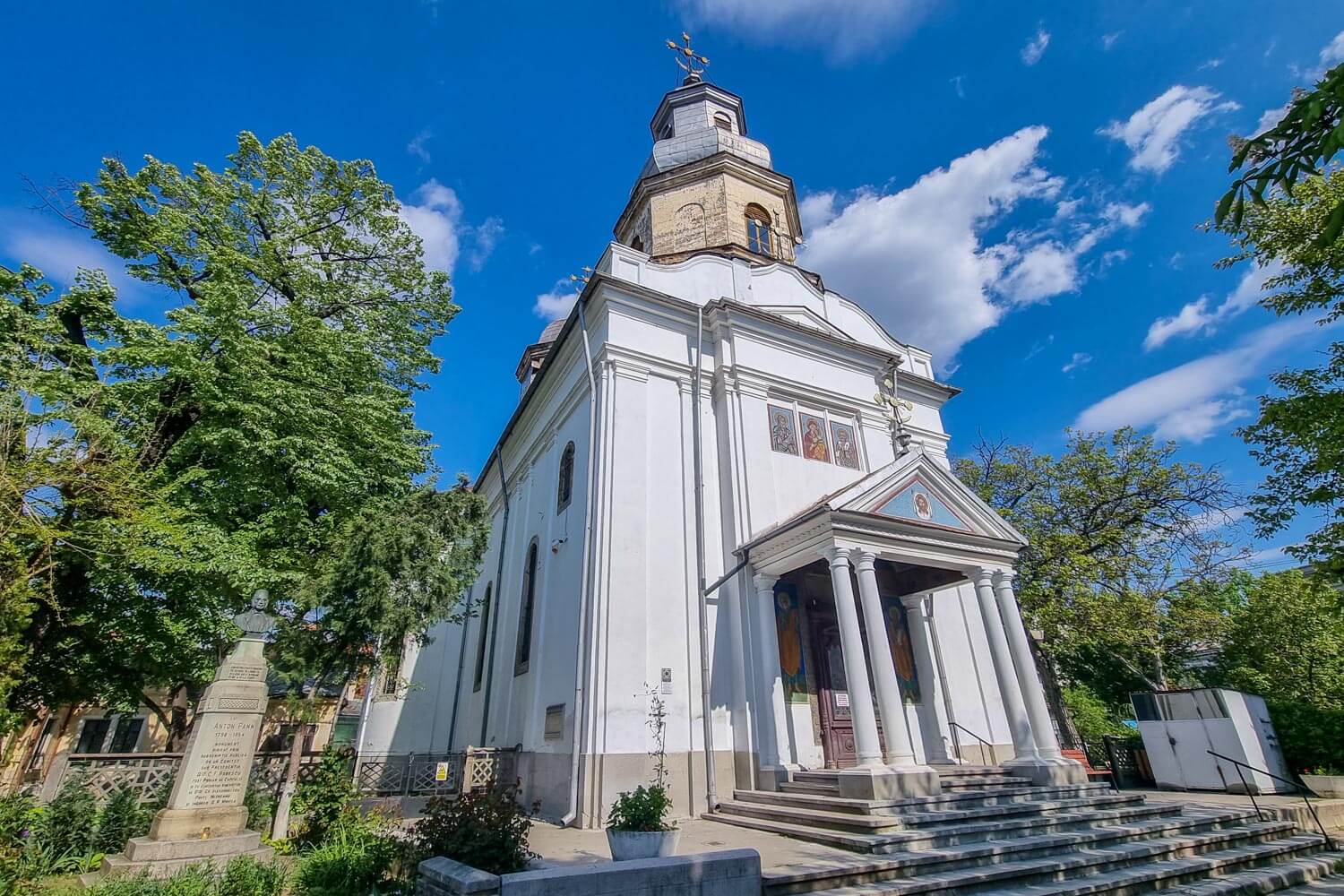
In 1848, Pann bought a house in Bucharest near the church where he sang and installed his printing press in its courtyard. It was the first and only house he owned. Here he continued publishing his own works, including later editions of Povestea Vorbei, the adventures of Nastratin Hogea, and other literary and musical books. The building now houses the Anton Pann Memorial House of Bucharest, which focuses particularly on his work as a writer, musician, and printer and preserves the setting of the most productive final years of his life.
That same year brought the event that would eventually make Pann’s name familiar to almost every Romanian. During the Revolution of 1848, Transylvanian poet Andrei Mureșanu wrote the patriotic poem Un răsunet. It was sung to a melody that Pann had adapted from the song Din sânul maicii mele, and Pann took part with other singers in its first official public performance in Zăvoi Park in Râmnicu Vâlcea on July 29, 1848, during a ceremony celebrating the new revolutionary constitution and the blessing of the national flags. The song soon became known by its opening words, “Deșteaptă-te, române!” (Awaken Thee, Romanian!).
The song outlived the revolution that produced it. It was sung during the Romanian War of Independence, World War I, and the events surrounding the Great Union of 1918. The communist regime later prohibited it, but it returned publicly during the Brașov revolt of 1987 and the Romanian Revolution of December 1989. In 1990, “Deșteaptă-te, române!” became Romania’s national anthem.
Pann continued writing, composing, teaching, and printing in Bucharest until his death in 1854. By then he had produced an unusually varied body of work that crossed boundaries which later became separate disciplines: literature, folklore, musicology, religious music, popular entertainment, and publishing.
His importance therefore reaches well beyond the melody of the national anthem. Anton Pann helped carry an enormous amount of nineteenth-century popular culture from oral performance into print, preserving songs, stories, sayings, and humor that might otherwise have disappeared or changed beyond recognition. The memorial houses in Bucharest and Râmnicu Vâlcea preserve two different chapters of that life, while Zăvoi Park recalls the 1848 performance that connected his musical work with one of Romania’s most enduring national symbols.