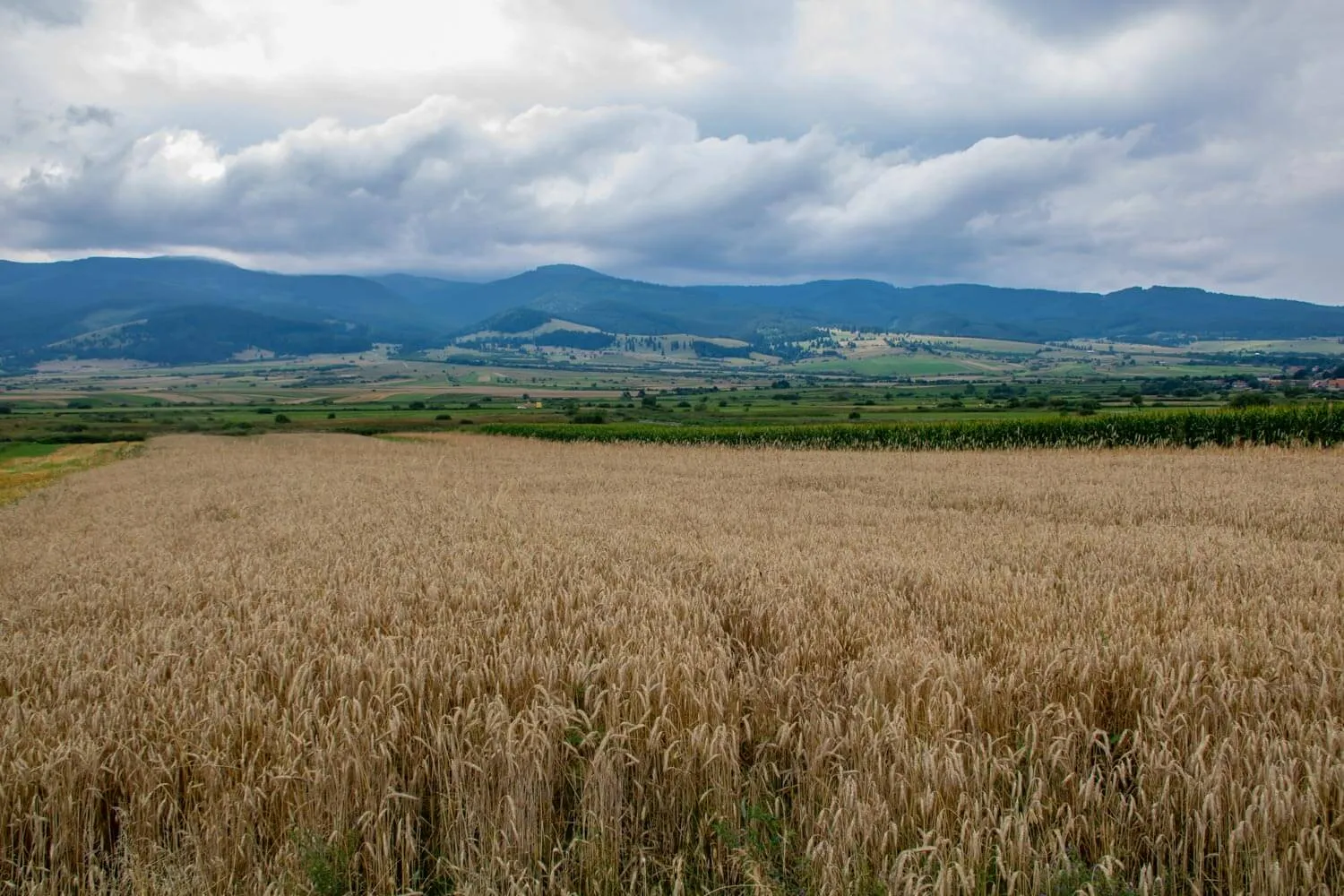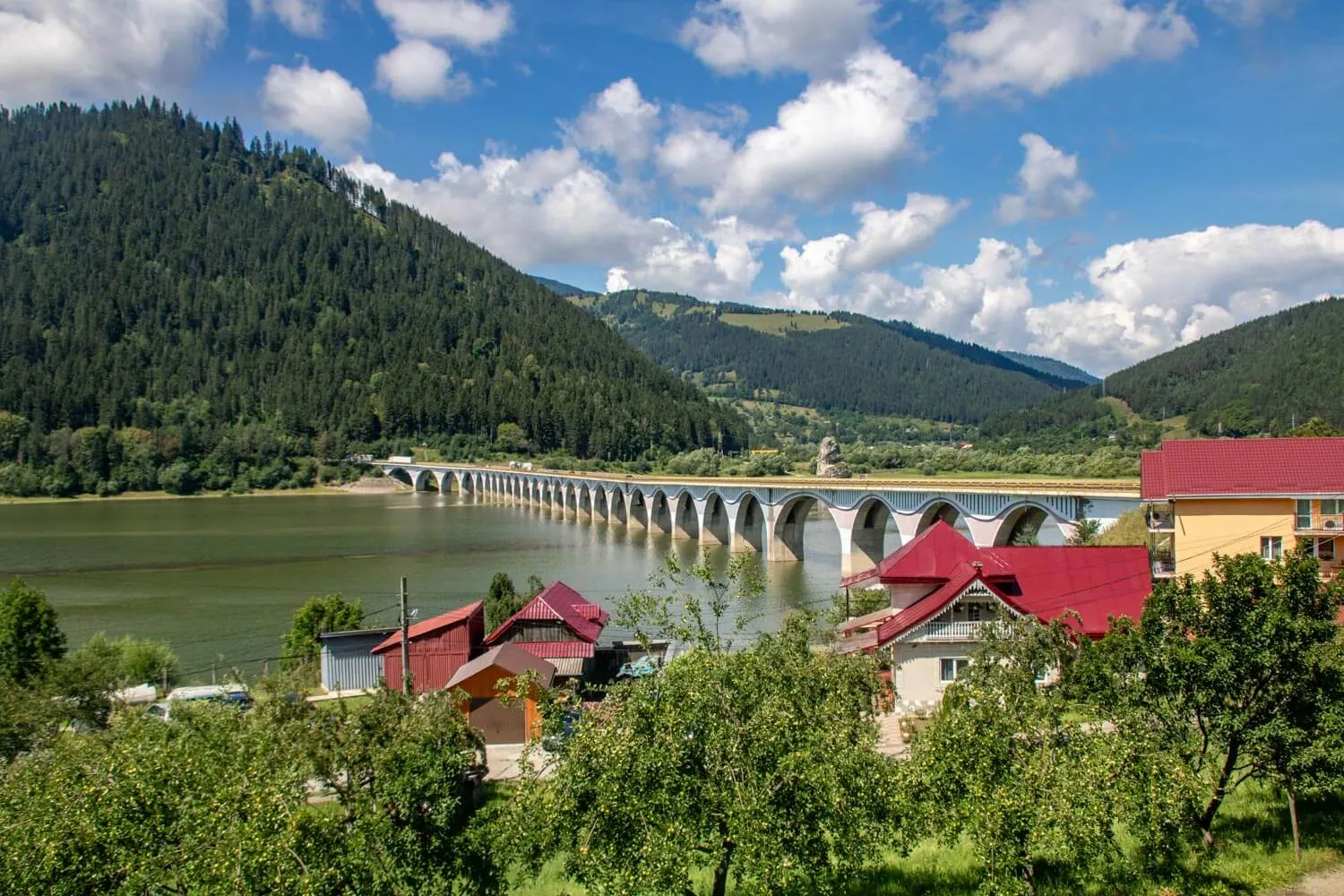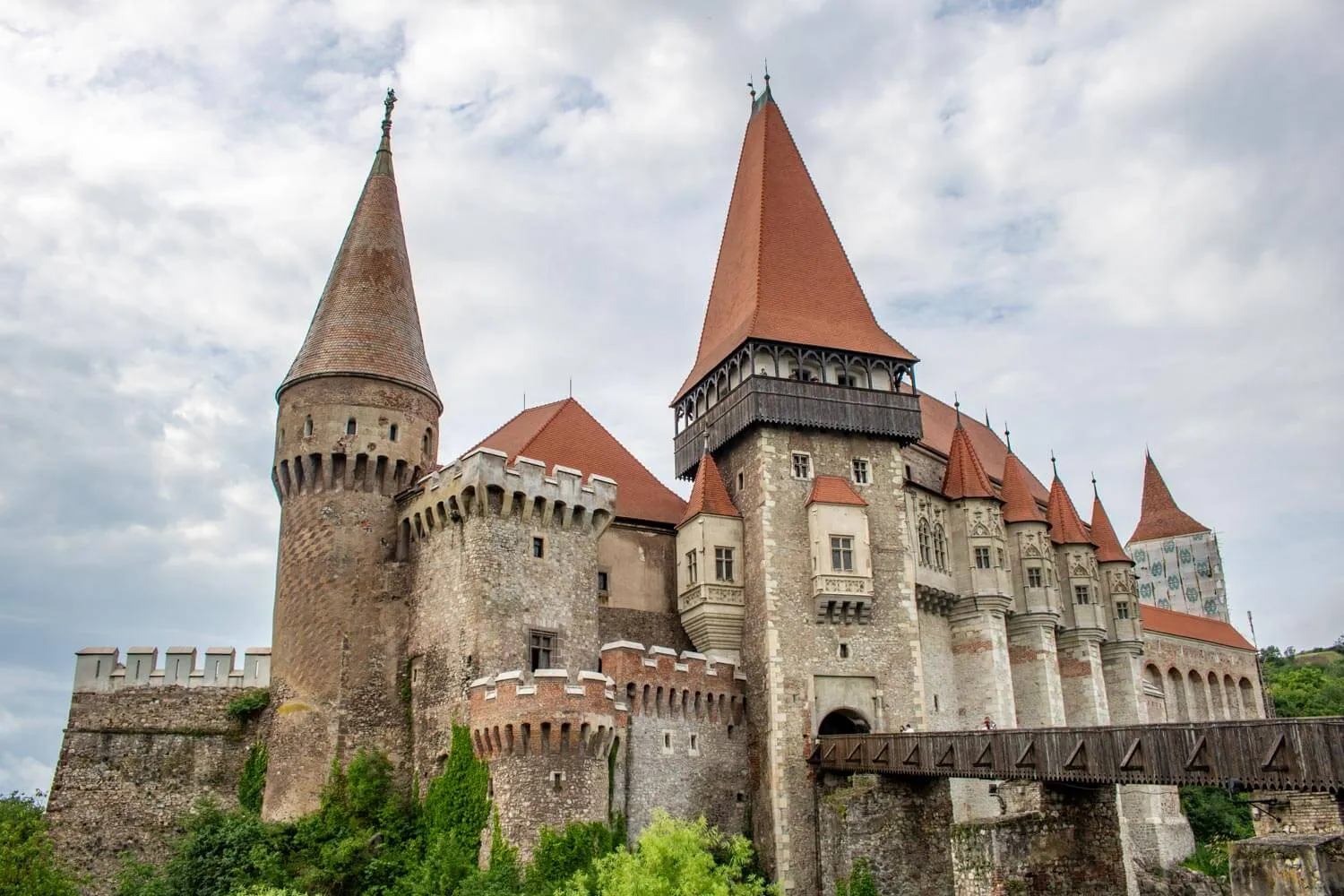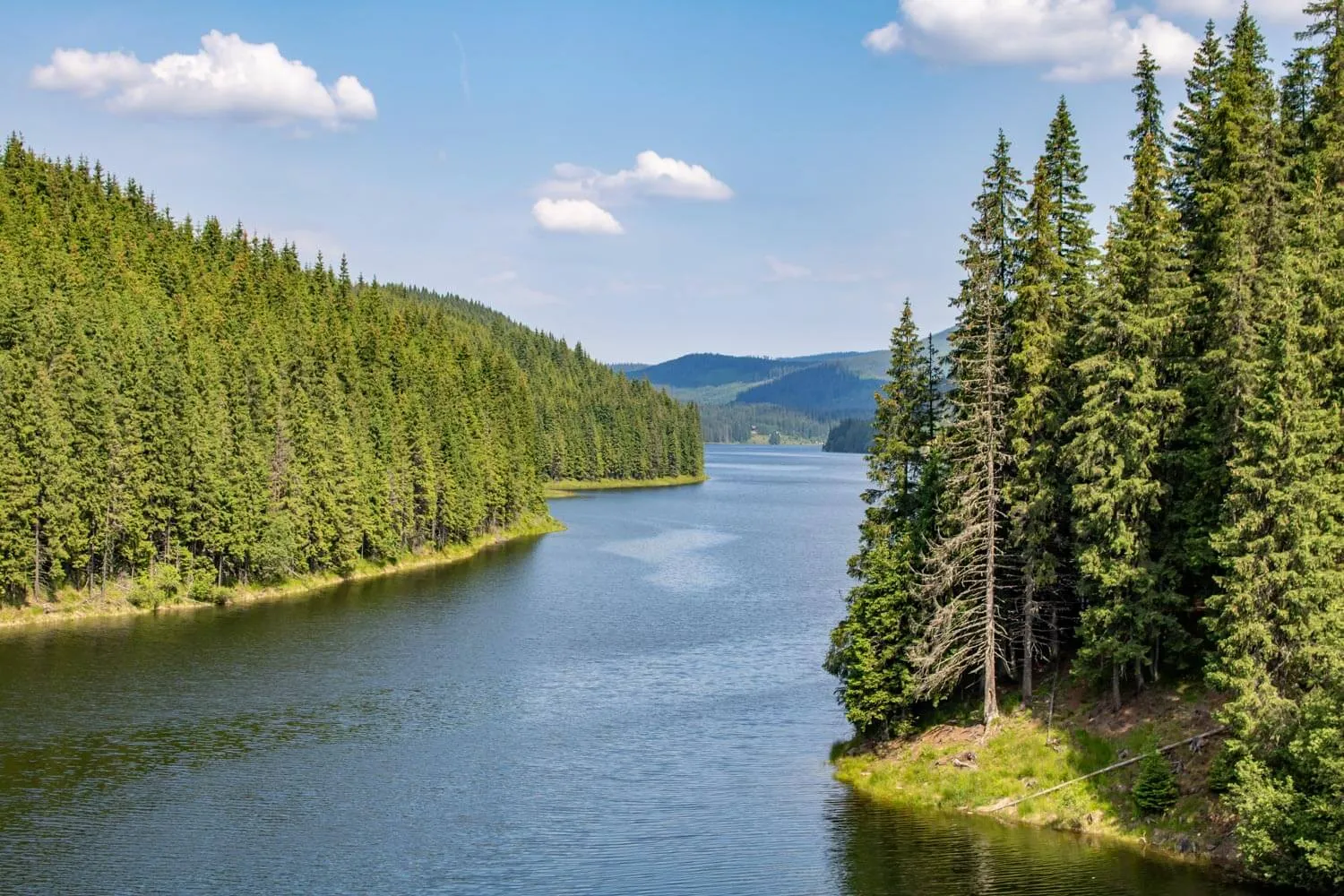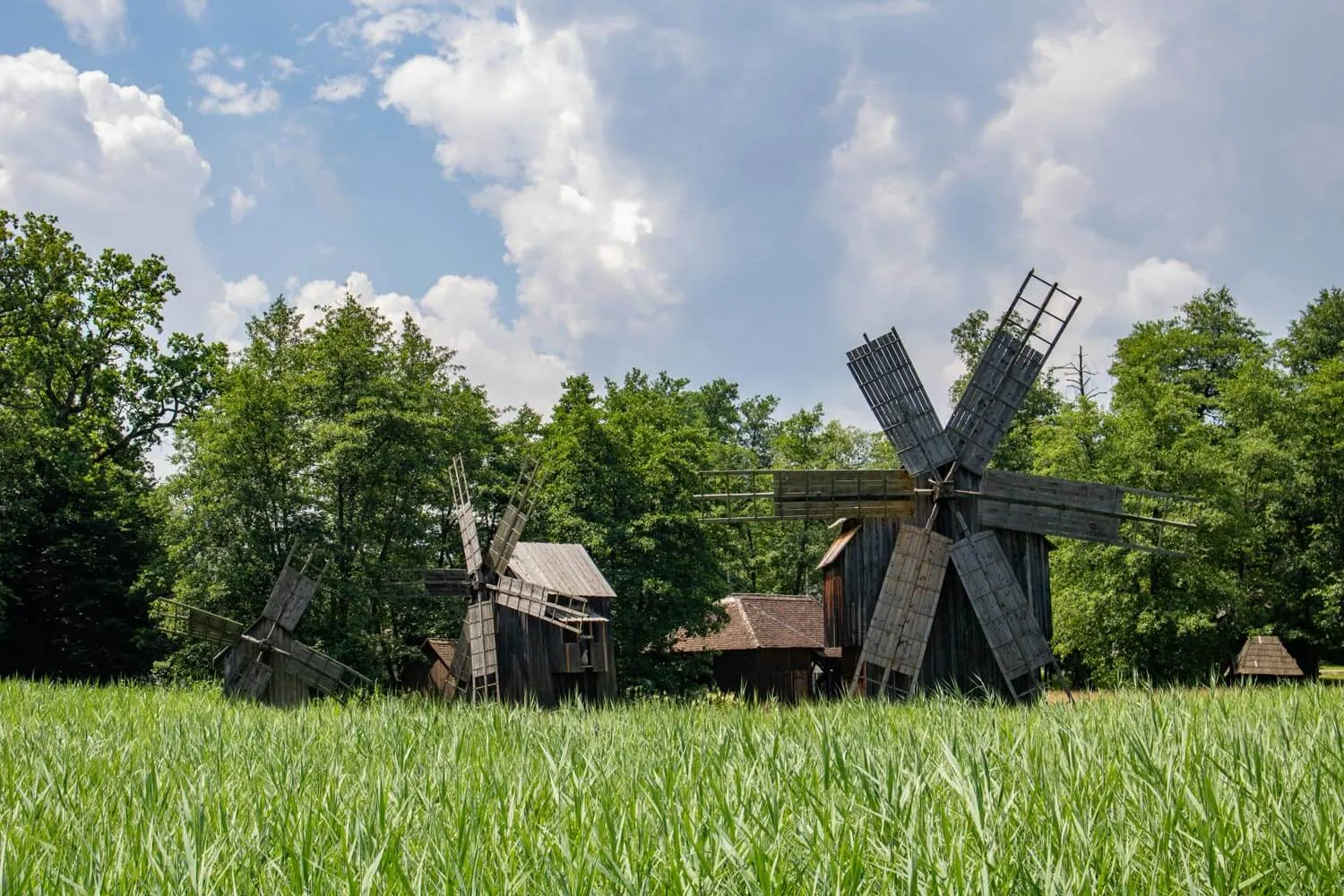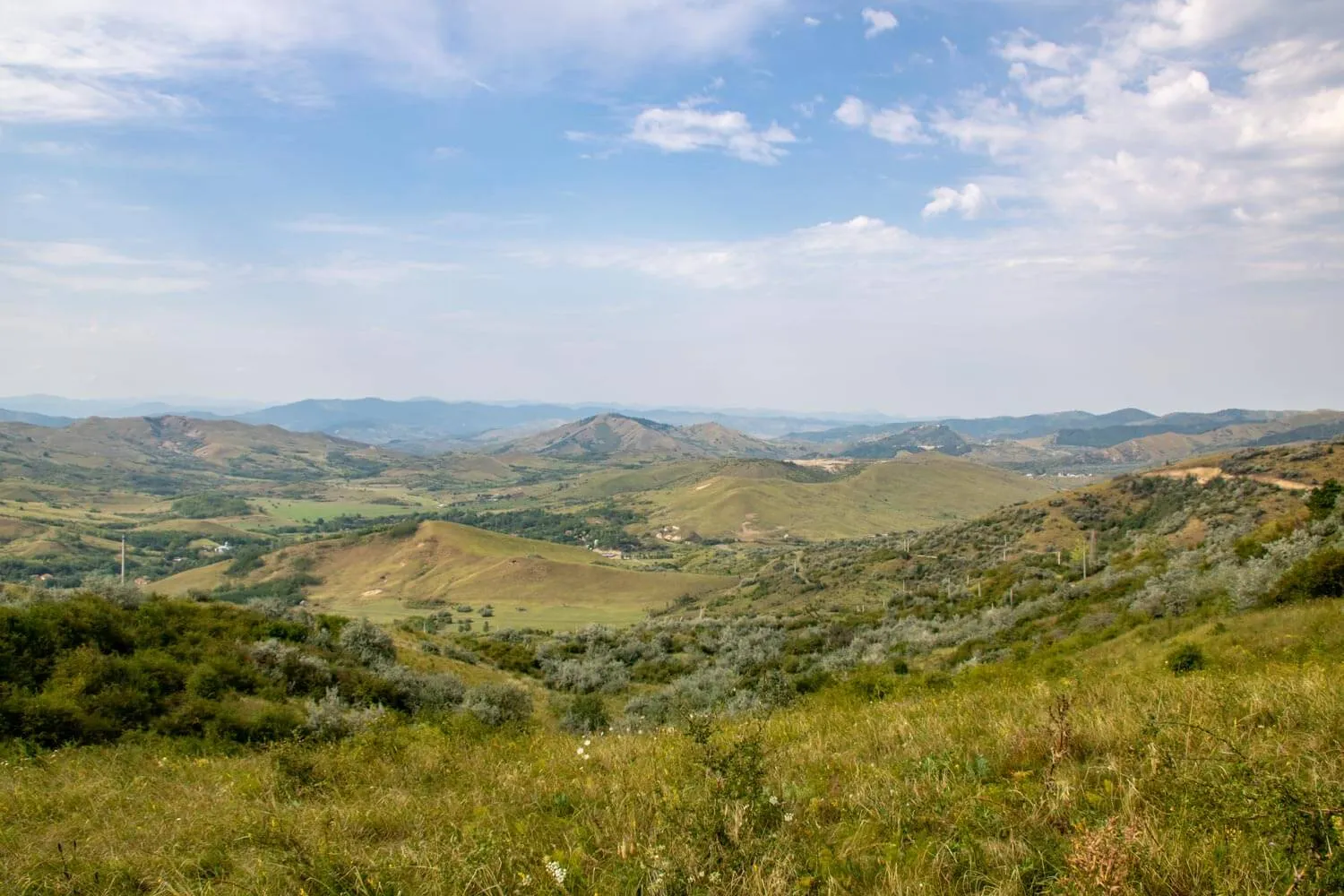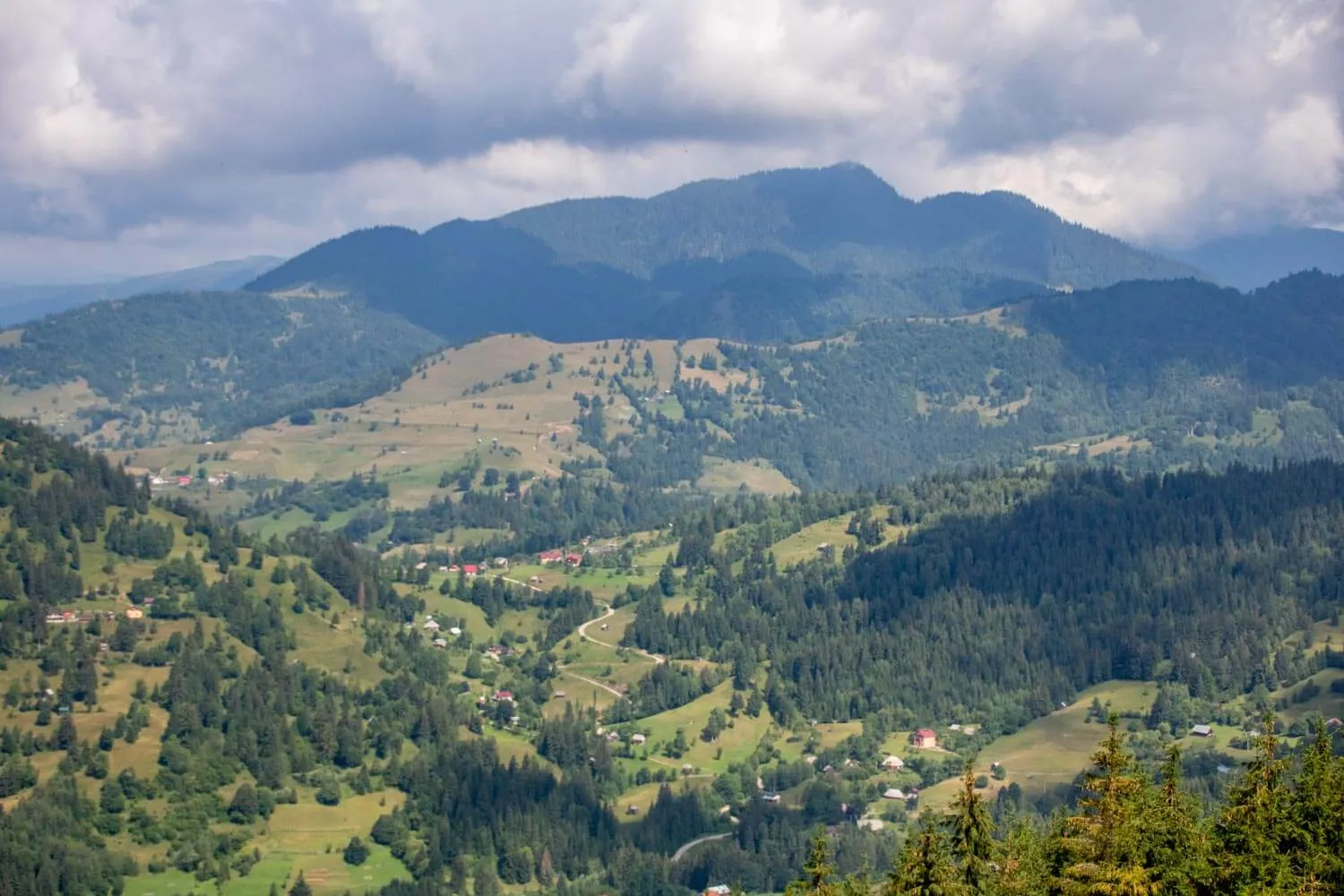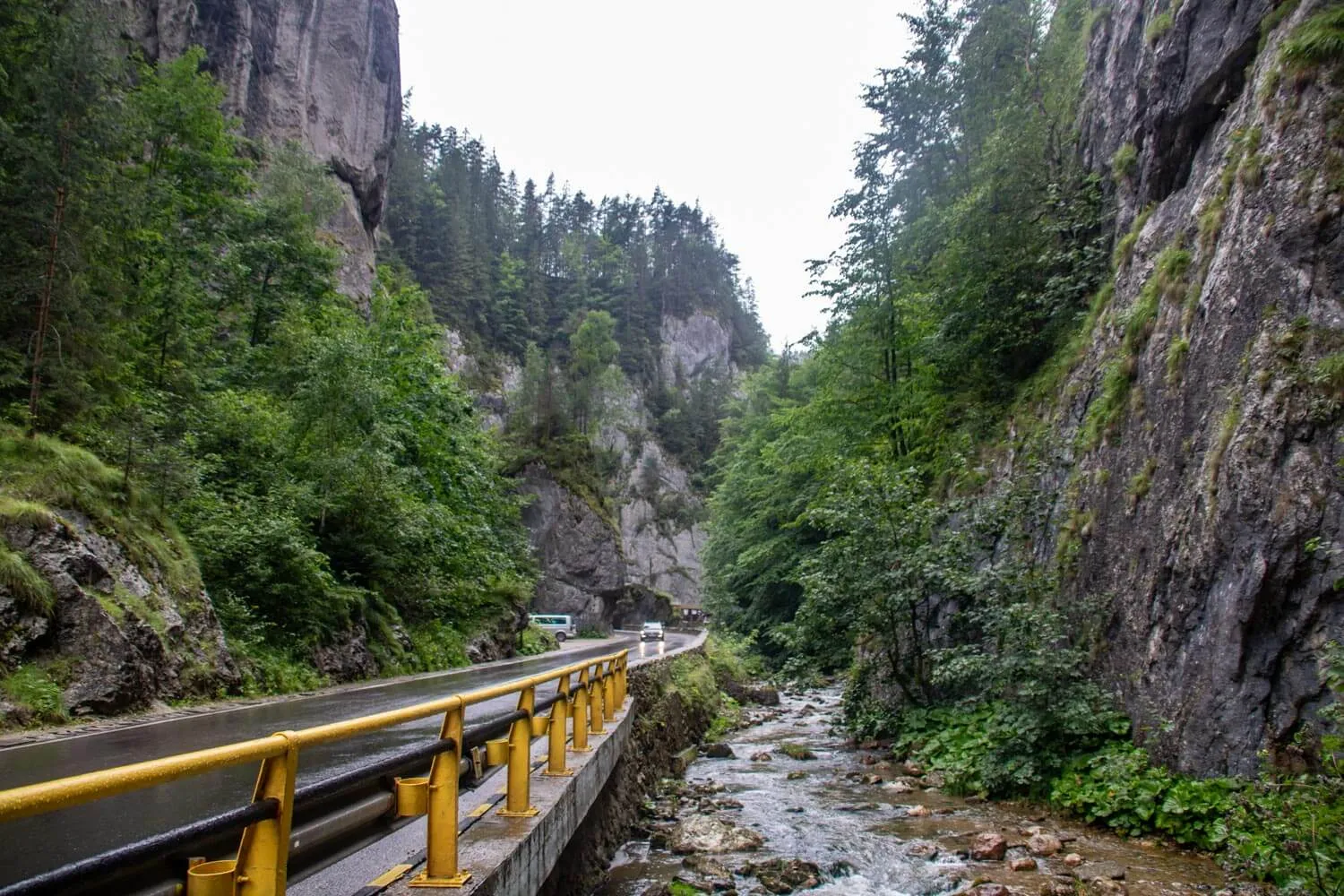
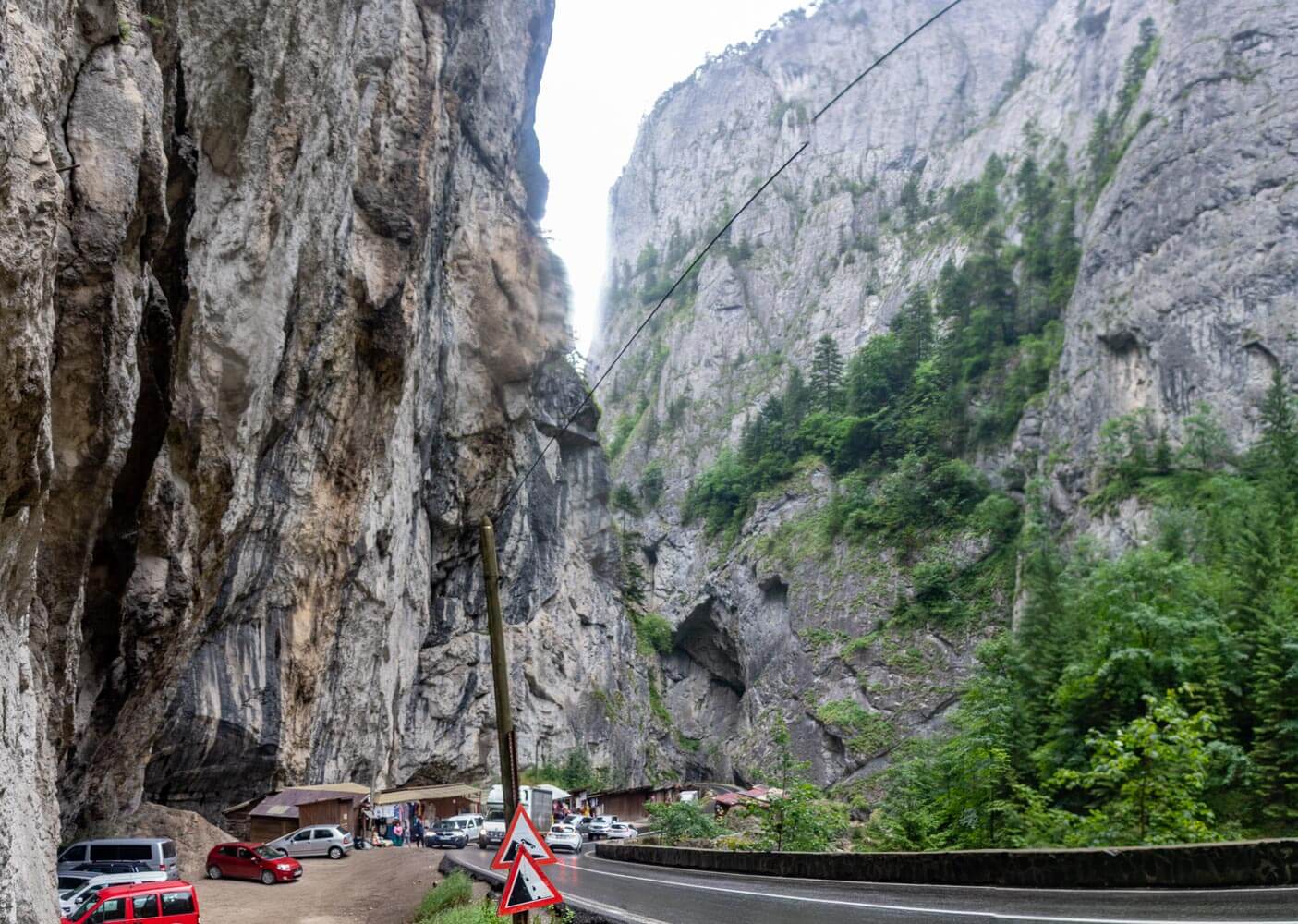
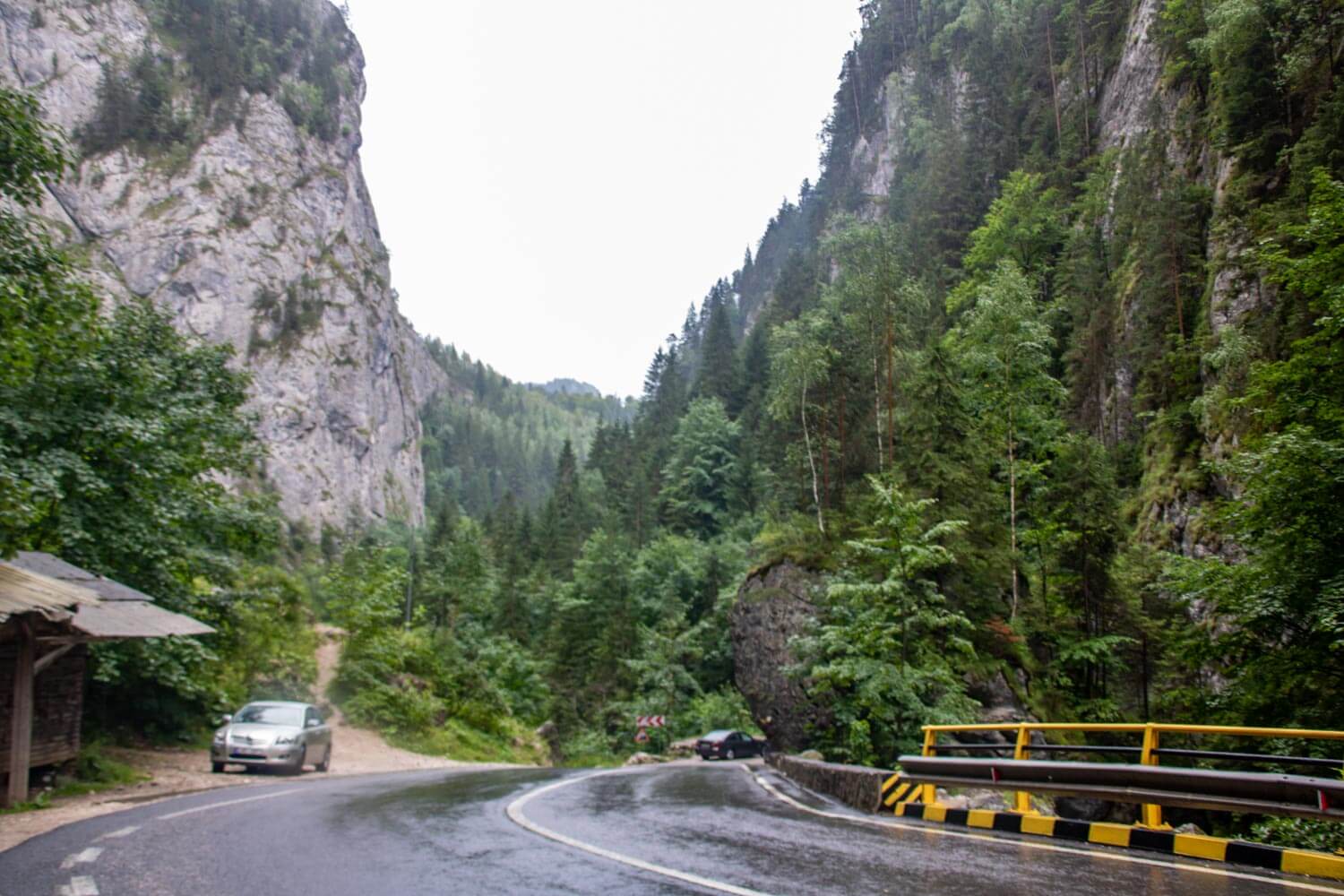
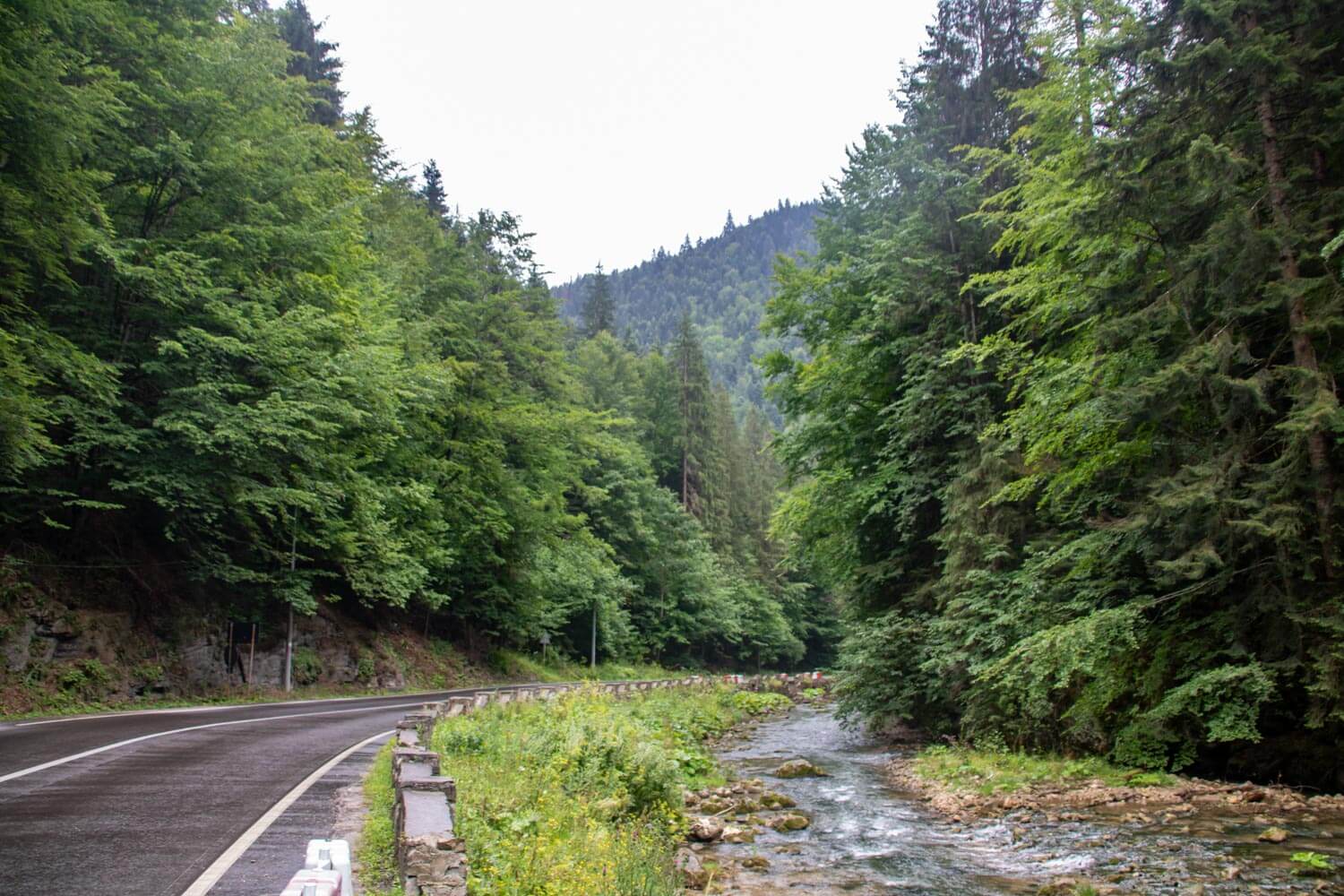
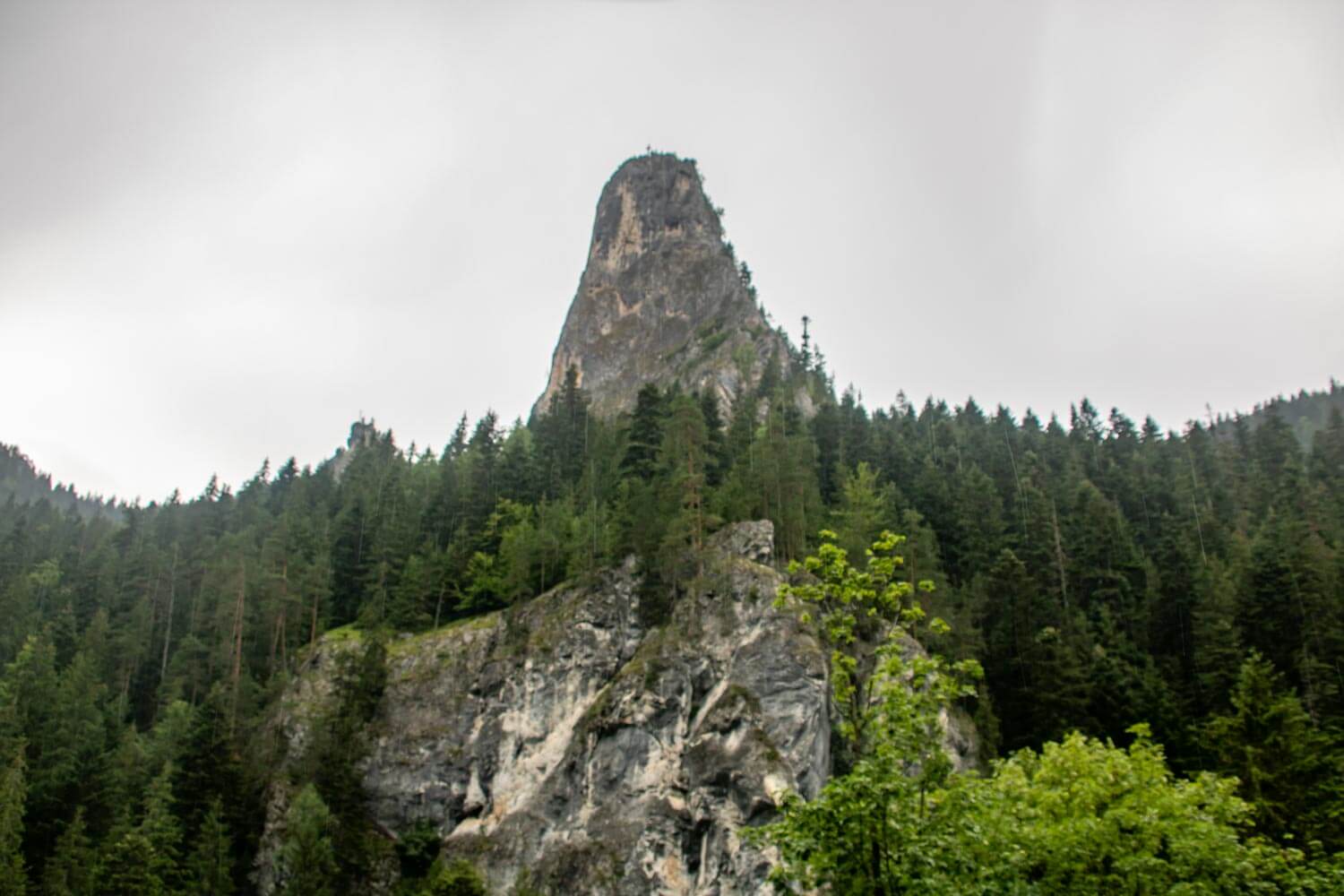
The Bicaz Gorge – Hășmaș National Park (Parcul Național Cheile Bicazului-Hășmaș) is a protected area in the Eastern Carpathians in north-eastern Romania. The park spans across the counties of Neamț and Harghita, as well as the historical regions of Moldavia and Transylvania.
Weather & Climate
Bicaz Gorge-Hășmaș National Park is defined by the dramatic, towering limestone walls of the Bicaz Gorges and the high, serene meadows of the Hășmaș Mountains. Due to the deep, canyon-like geography, sunlight levels vary significantly. The gorge floor remains cool and shadowed, while the peaks above experience much more exposure.
Summer (June-August): The gorge is a popular, refreshing escape, with temperatures on the canyon floor usually ranging from 18°C to 22°C. As you climb toward the Hășmaș plateaus, the air cools to a pleasant 14°C to 16°C. It is the prime season for scenic drives, photography, and enjoying the shade of the cliffs.
Spring and Autumn: These are seasons of striking contrasts. Spring can be cool and damp within the gorge, warming up to 12°C to 15°C by May. October is magnificent, as the fall foliage brightens the steep slopes. Daytime highs during autumn typically settle around 9°C to 12°C, making it a great time for quiet monastery visits and forest walks.
Winter (December-March): The gorge takes on a stark, dramatic beauty, though the narrow passage can trap cold air, keeping temperatures between -7°C and -2°C. While the main transit road through the gorge is usually maintained, it can become icy quickly due to lack of sun. Standard winter tires are essential. The higher trails and plateaus are heavily snow-covered and best enjoyed from the scenic viewpoints at the park’s lower, accessible edges.
Things To Do
Where To Stay
Romanian name: Parcul Național Cheile Bicazului-Hășmaș
Area: 66 sq km
Highest point: Hășmașul Mare (1,792 m)