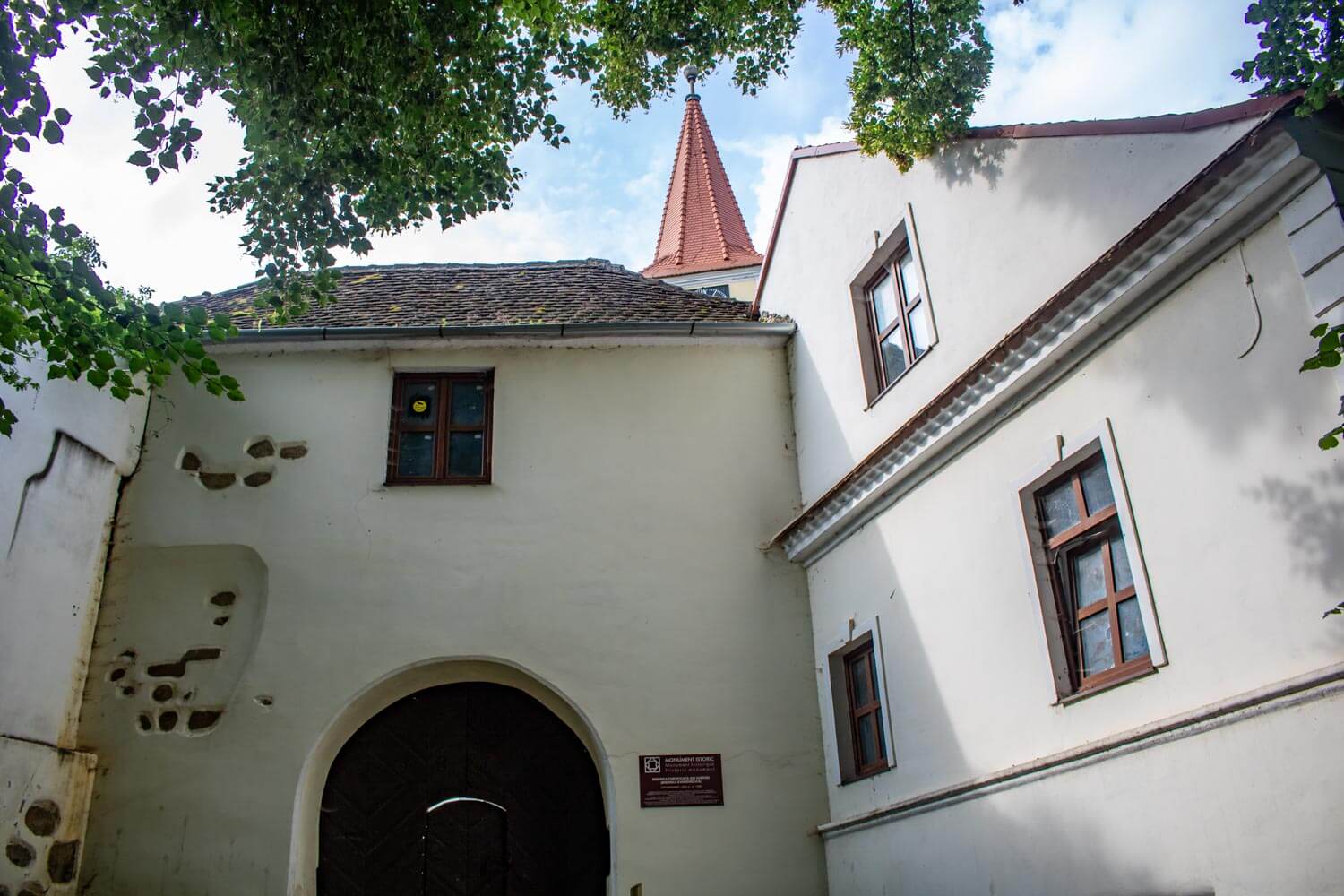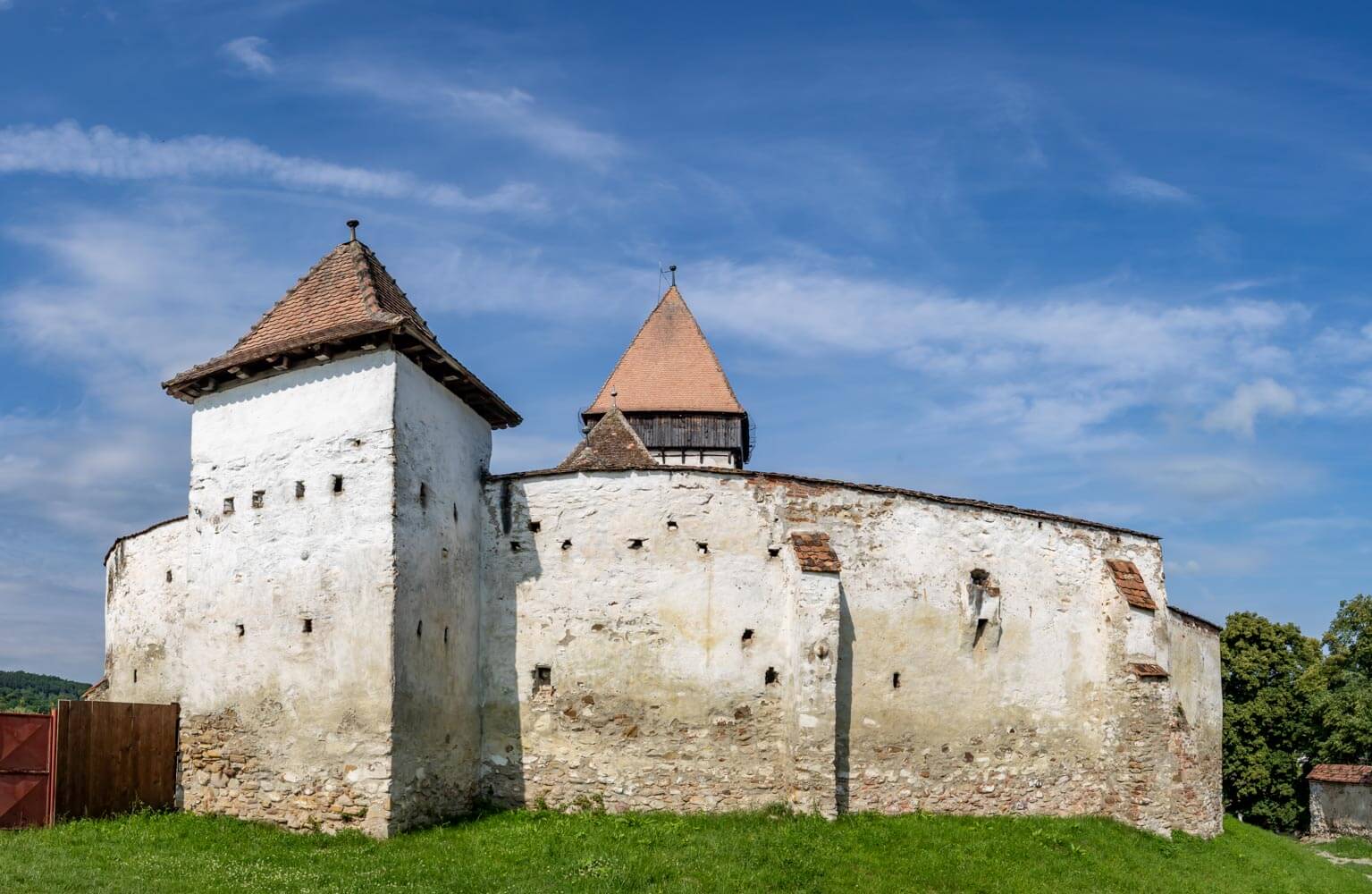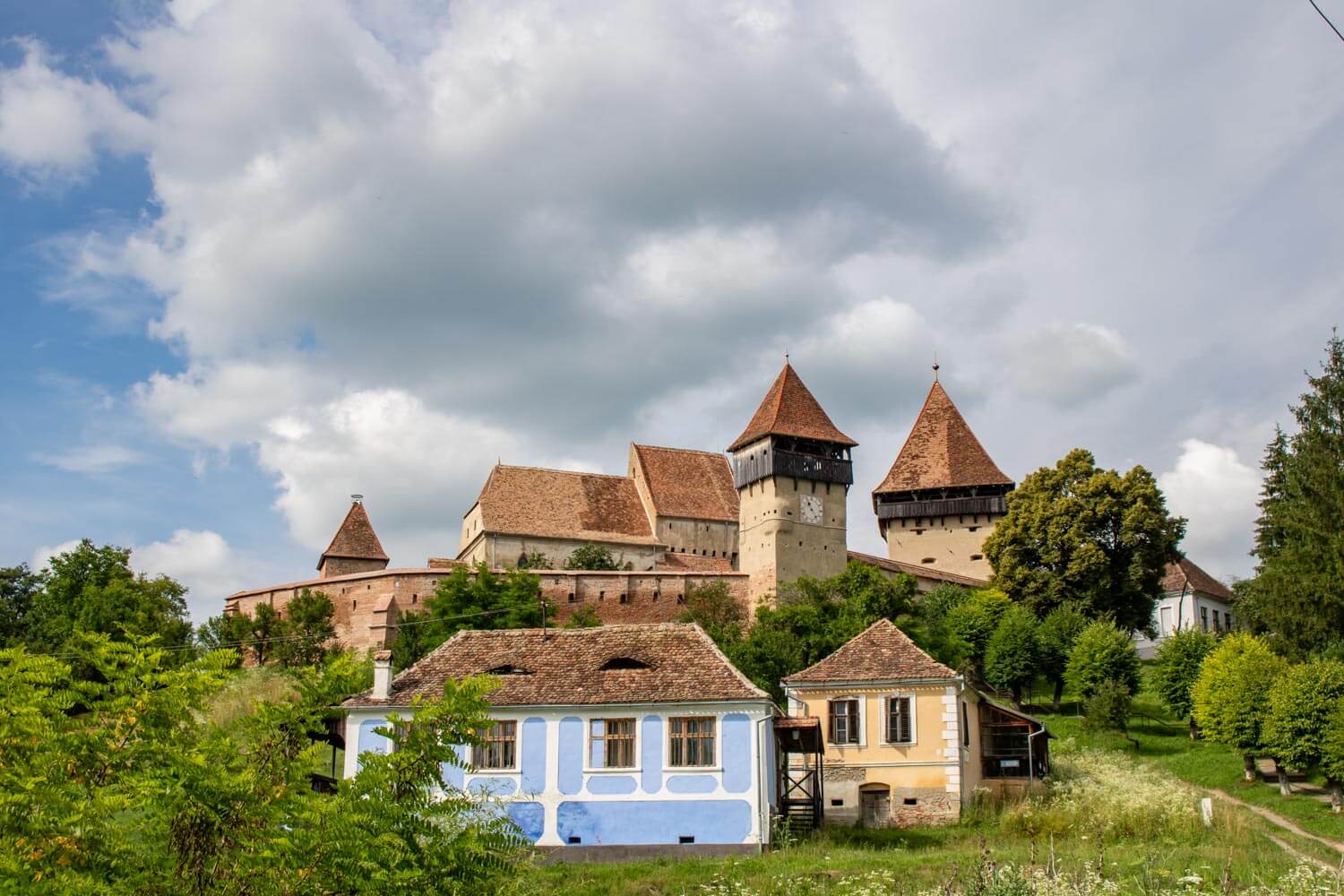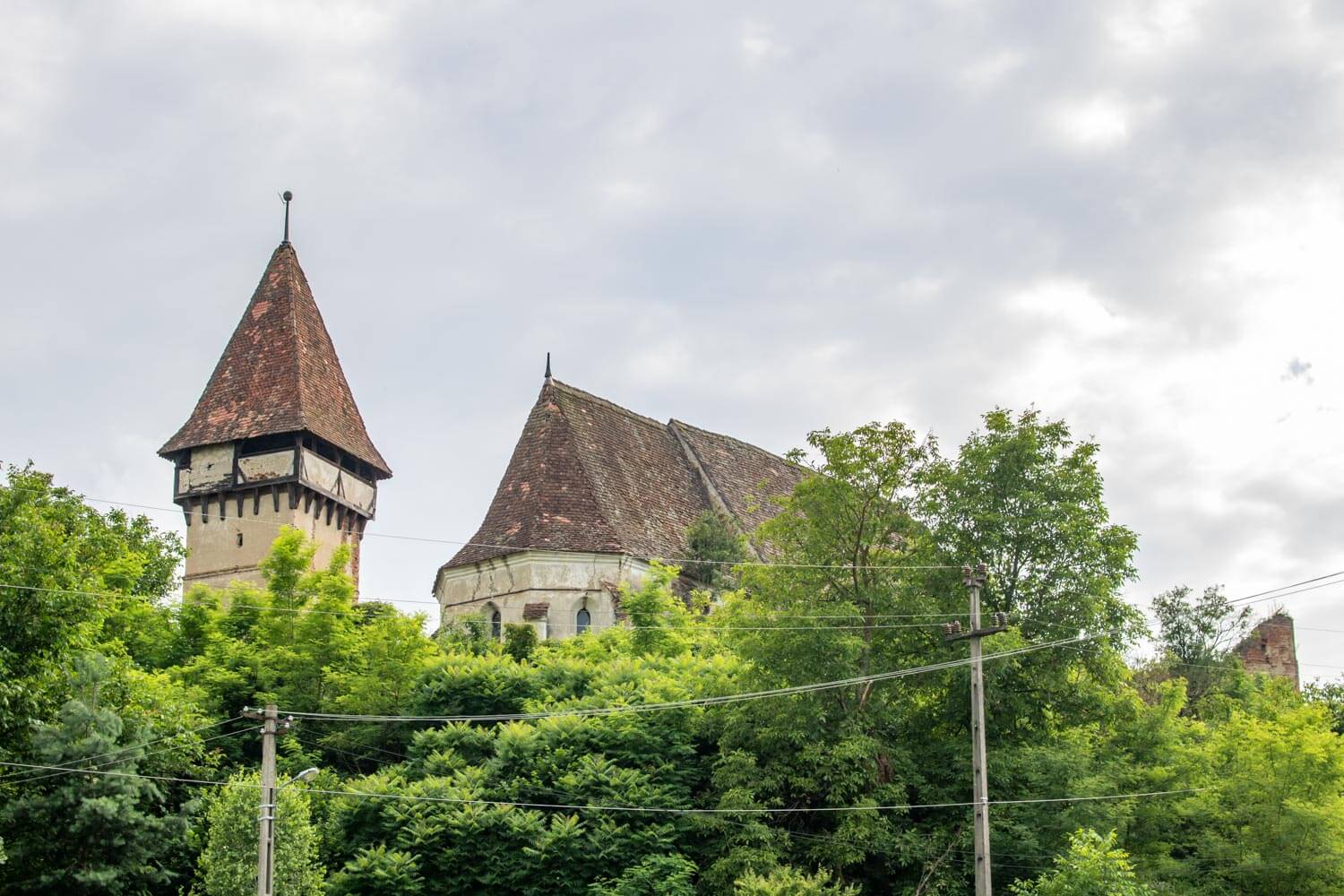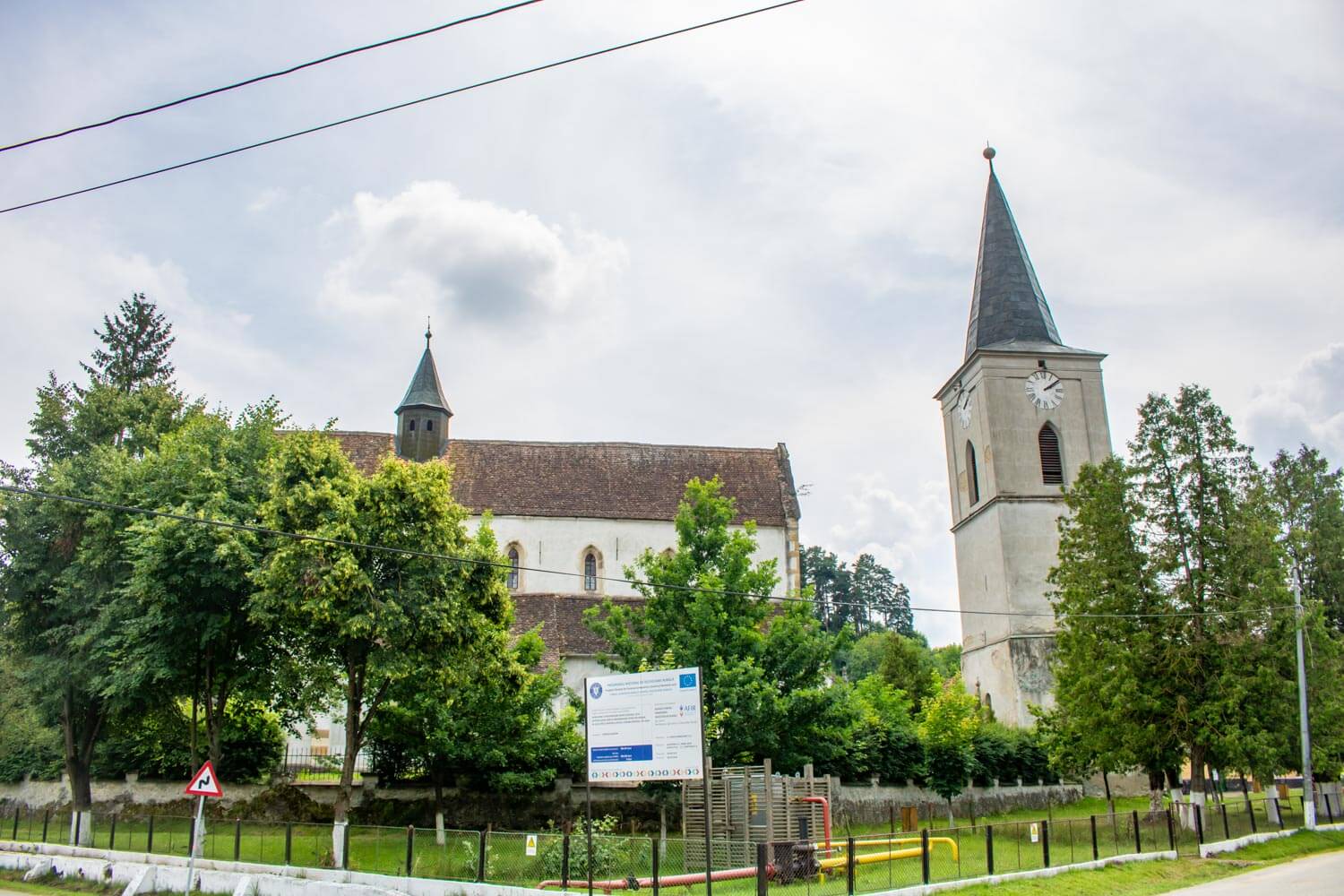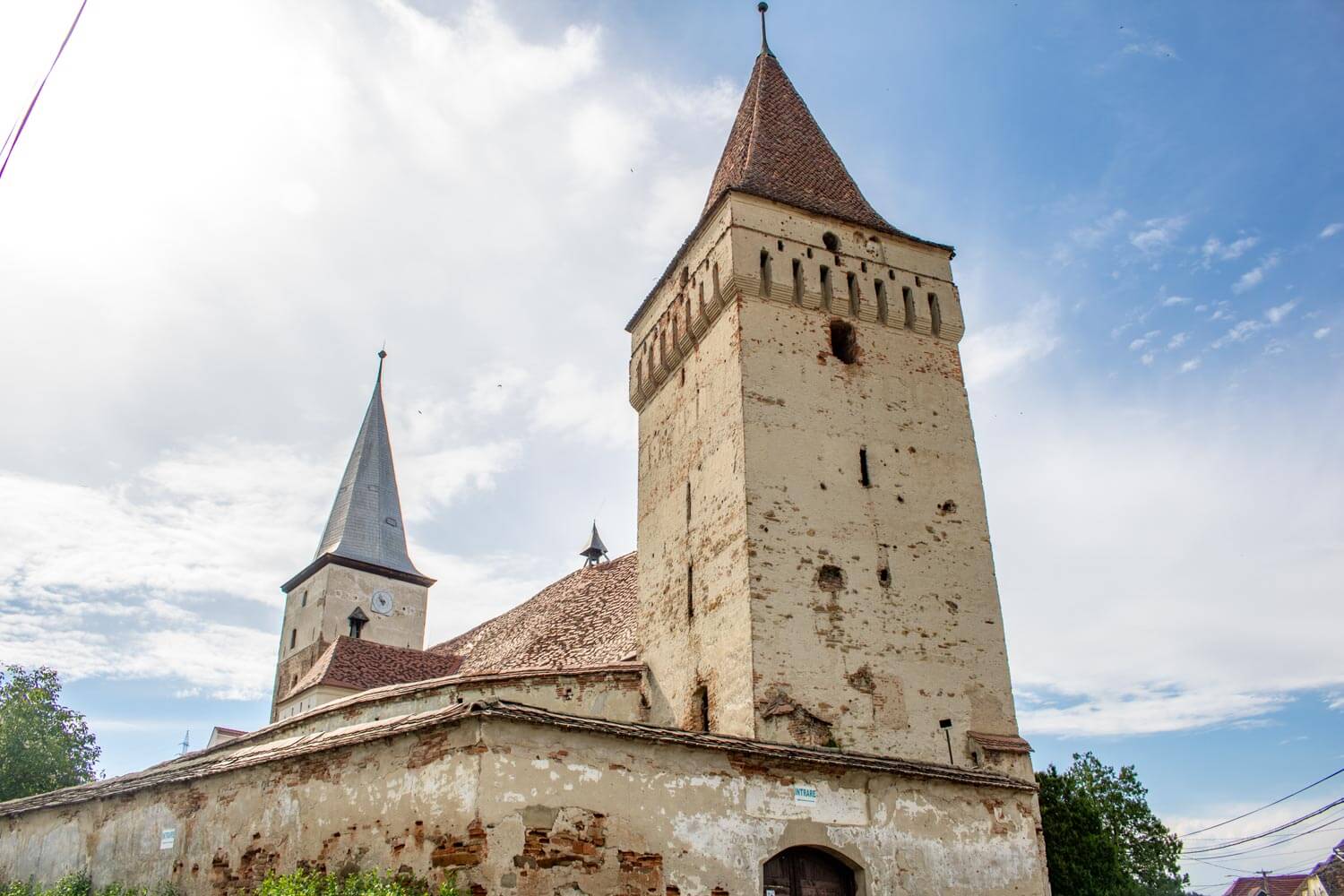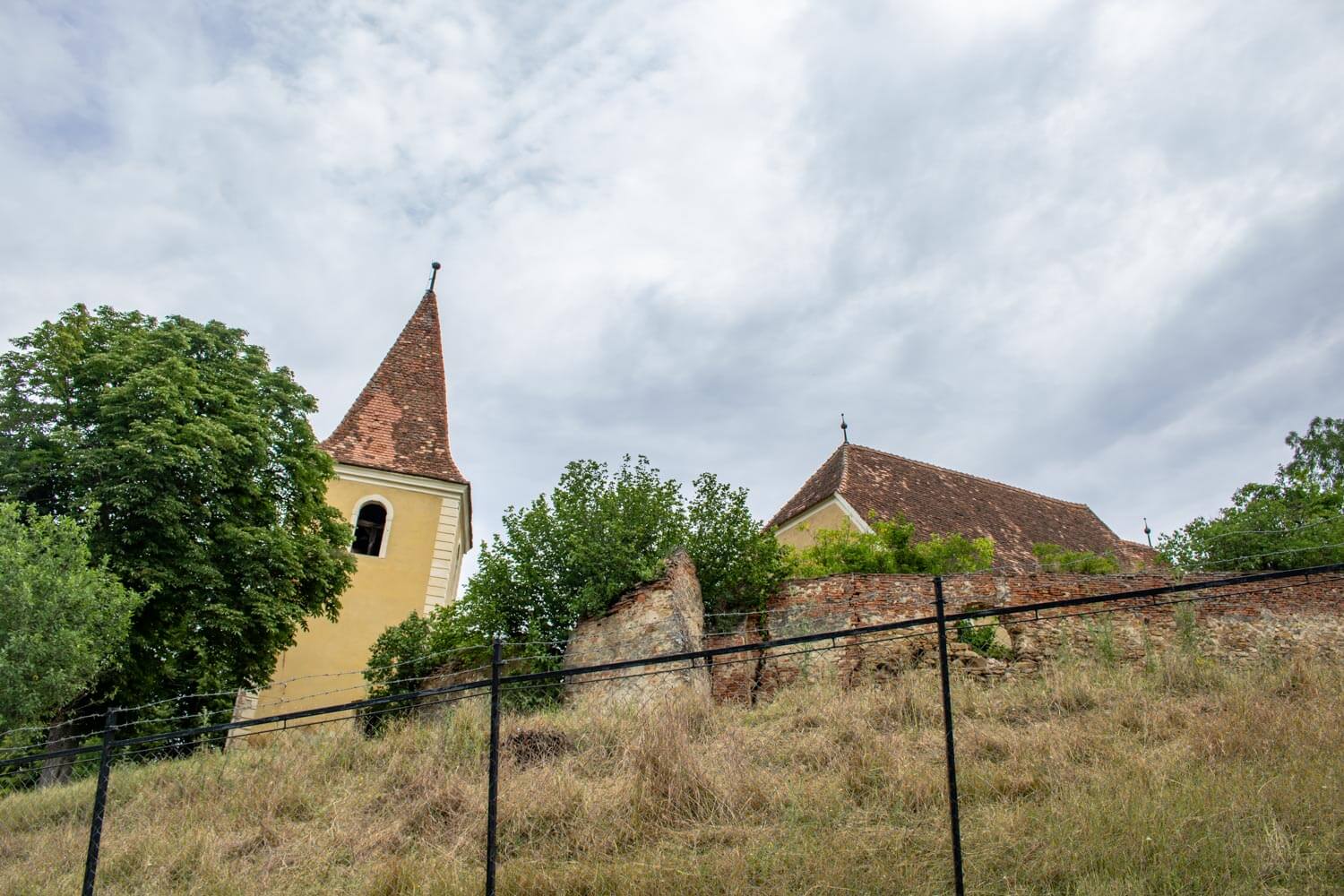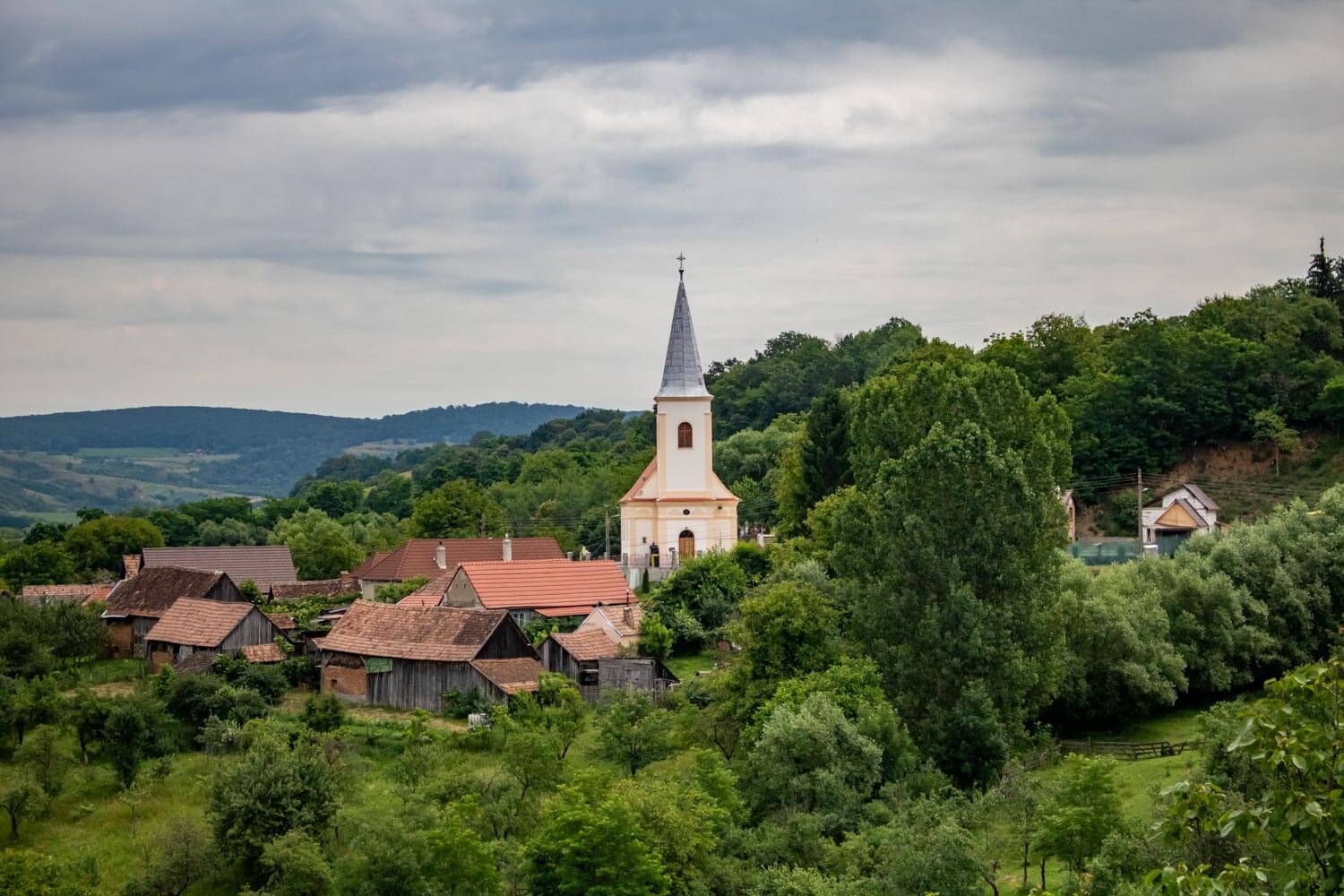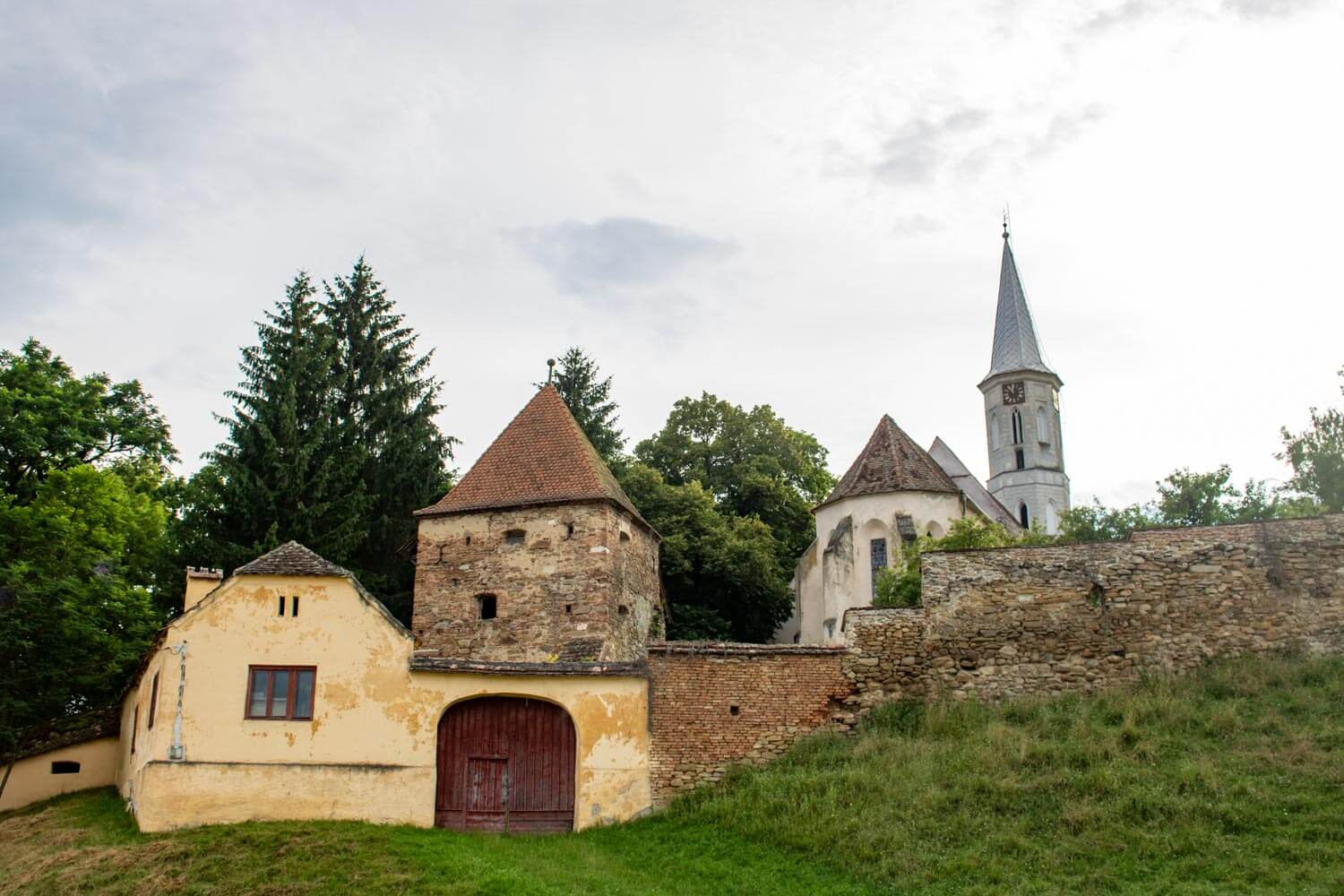
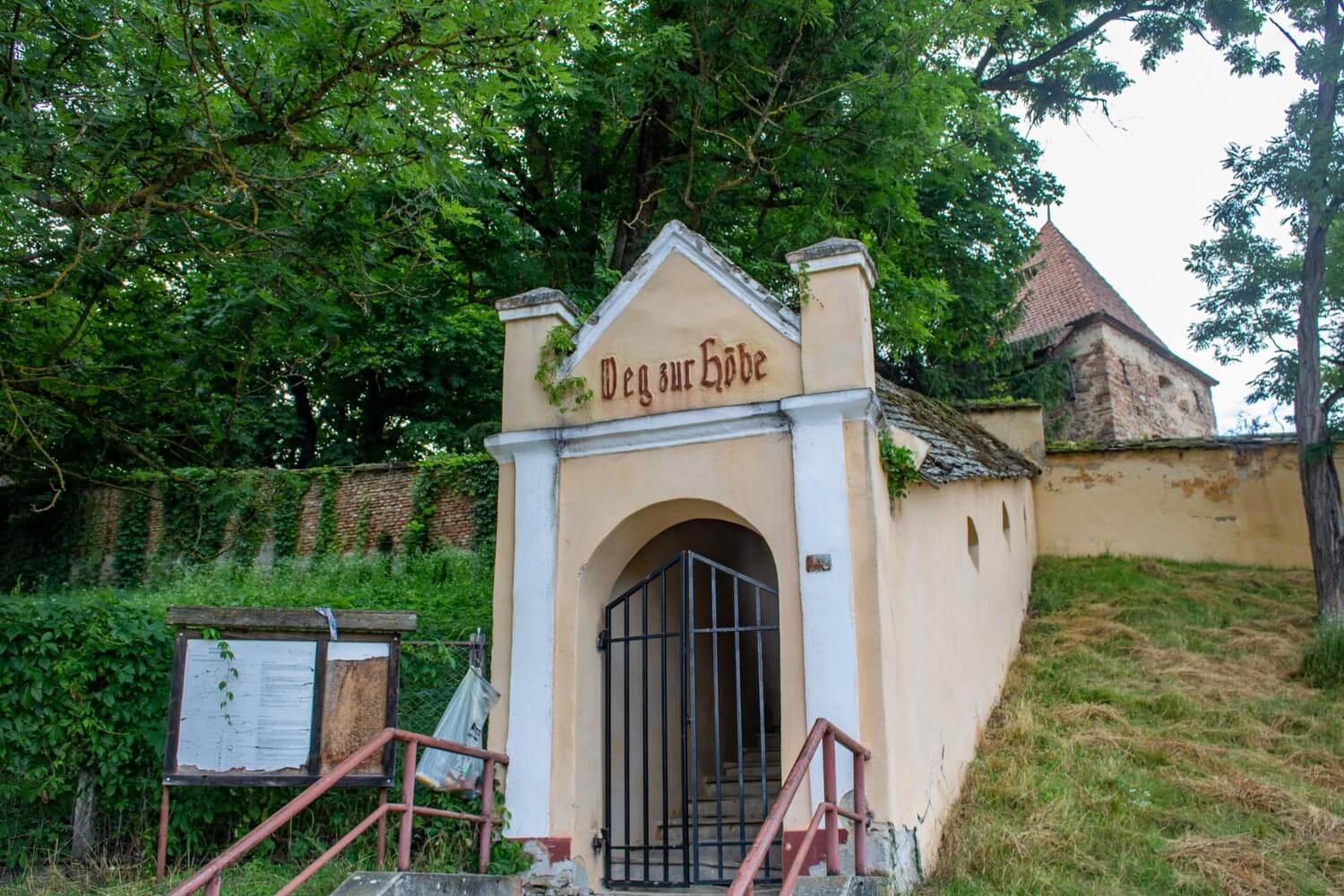
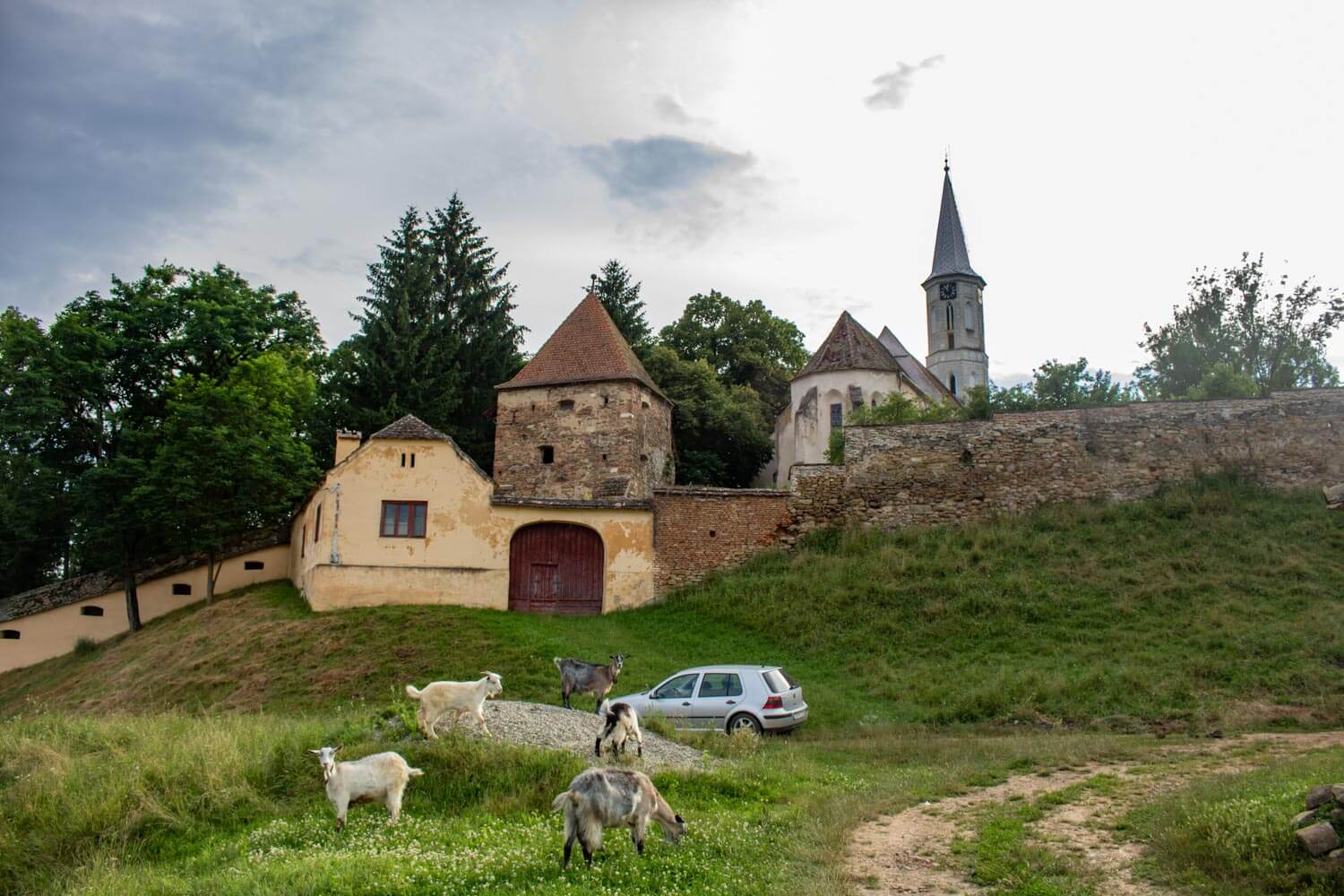
The Fortified Church of Alțâna (Biserica Fortificată din Alțâna) is a historic Lutheran church and fortified enclosure in the village of Alțâna, northeast of Sibiu. The complex grew around a 13th-century Romanesque basilica and later developed into a substantial fortified church with a double defensive enclosure, towers and storage spaces built into the walls.
Alțâna itself held an unusually important position among the Saxon settlements of the Hârtibaciu Valley. During parts of the Middle Ages it functioned as one of the Saxon Seats, and local counts repeatedly competed with nearby Nocrich for administrative prominence. By the 16th century Alțâna had become one of the largest communities in the Nocrich Seat, which helps explain the scale of both the church and its defenses.
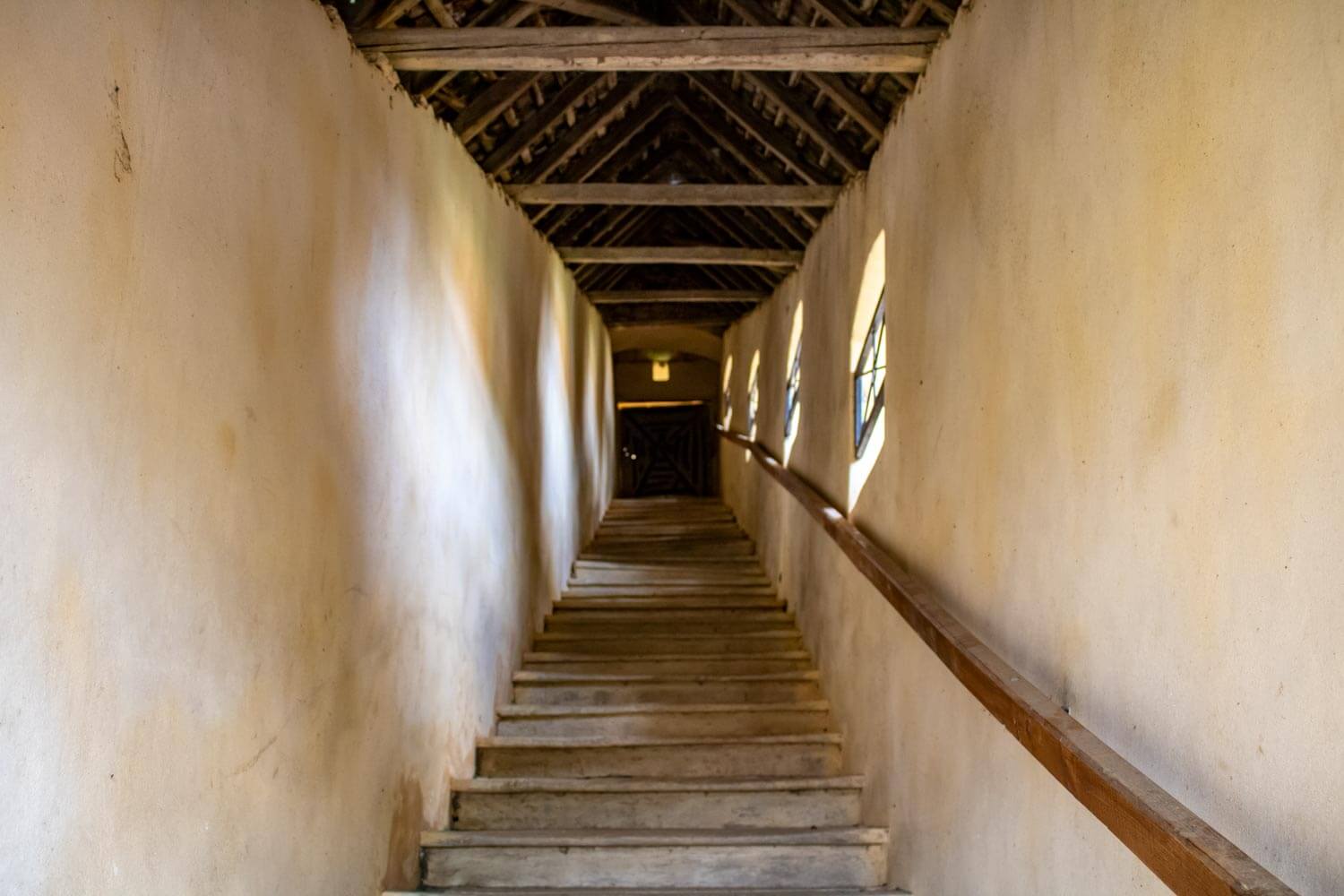
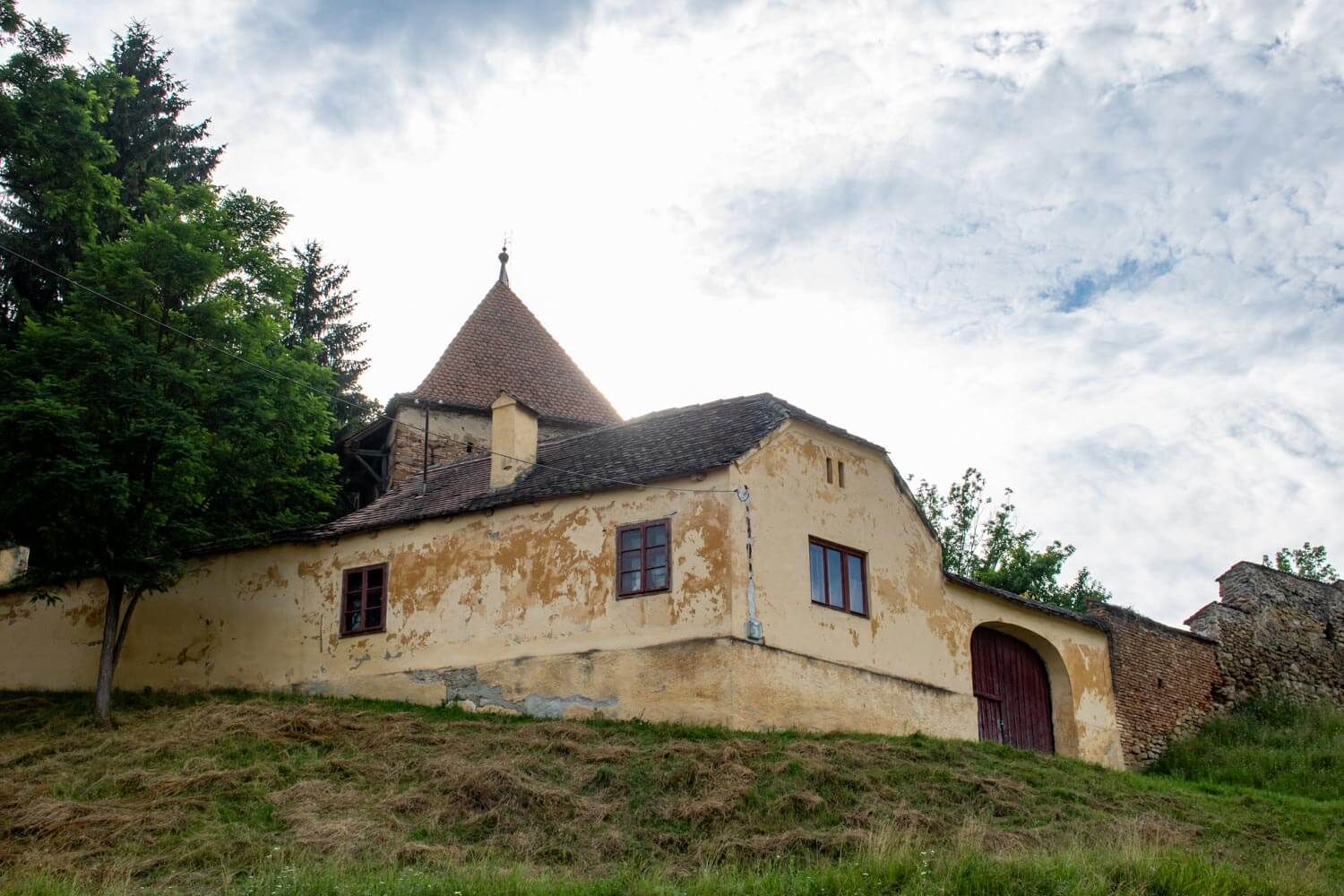
The original Romanesque basilica was heavily damaged during an Ottoman attack in 1493. Reconstruction followed soon afterward, transforming the church into a Gothic hall church and strengthening the surrounding defenses. The new fortified enclosure consisted of two rings of walls with square bastions and tall defensive towers, while storage chambers for grain were arranged along the inside of the walls beneath the guard walk.
Several important medieval objects survived within the church. Two bells predate the Lutheran Reformation, while a Gothic baptismal font cast in 1404 was once one of the most valuable furnishings of the interior. The font was stolen in 1999 and has never been recovered, although its carved wooden cover from 1725 survives separately. The church also contains an organ built around 1780 and a 19th-century Neo-Gothic altar.
The present silhouette reflects later changes as well. The old bell tower was demolished in 1853 and replaced by the current Neo-Gothic tower, while parts of the defensive walls and storage structures disappeared during the 20th century. Even so, the surviving enclosure still clearly shows the scale of a fortified complex built for a prosperous Saxon community that once played an unusually prominent role in the administration of the region.