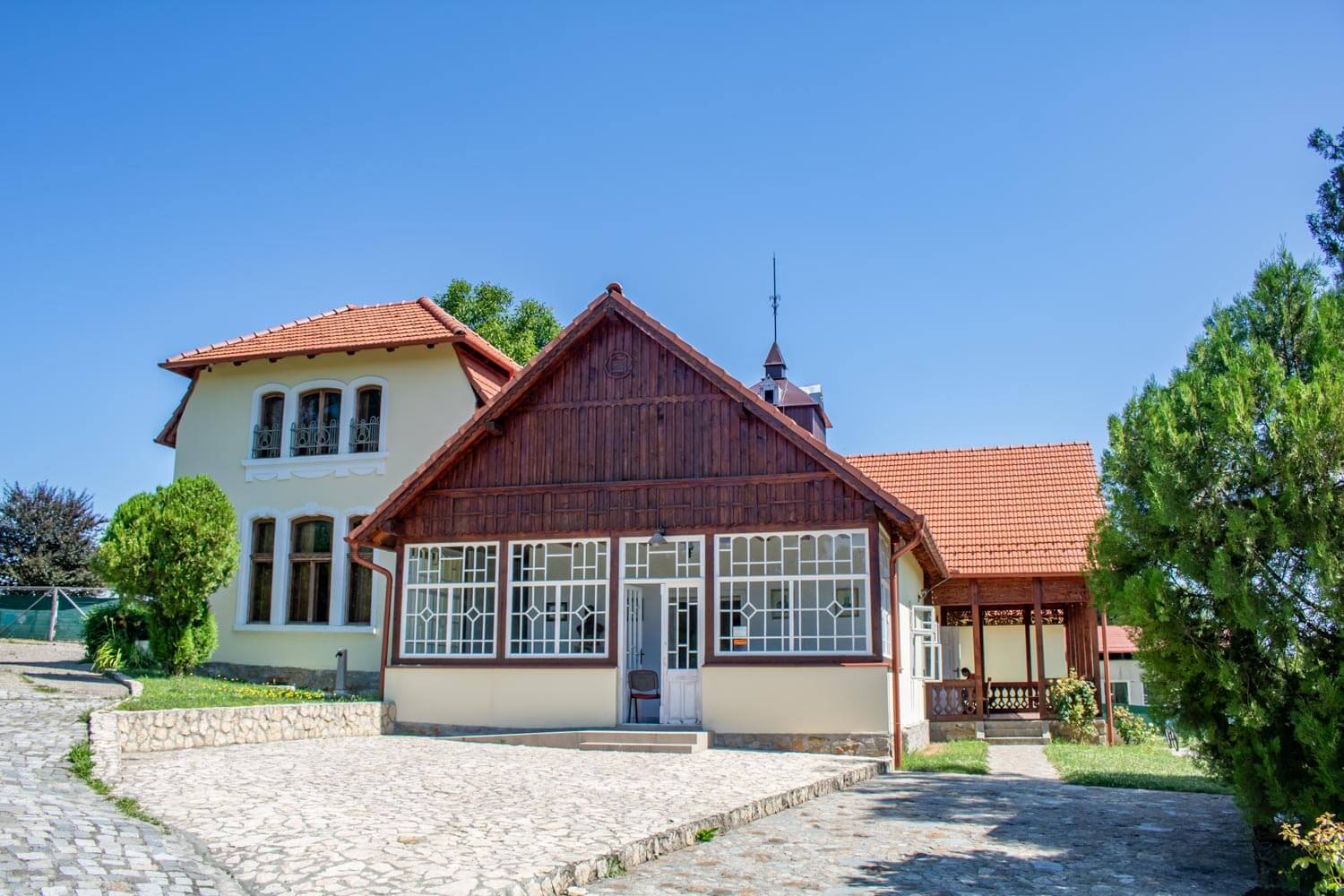
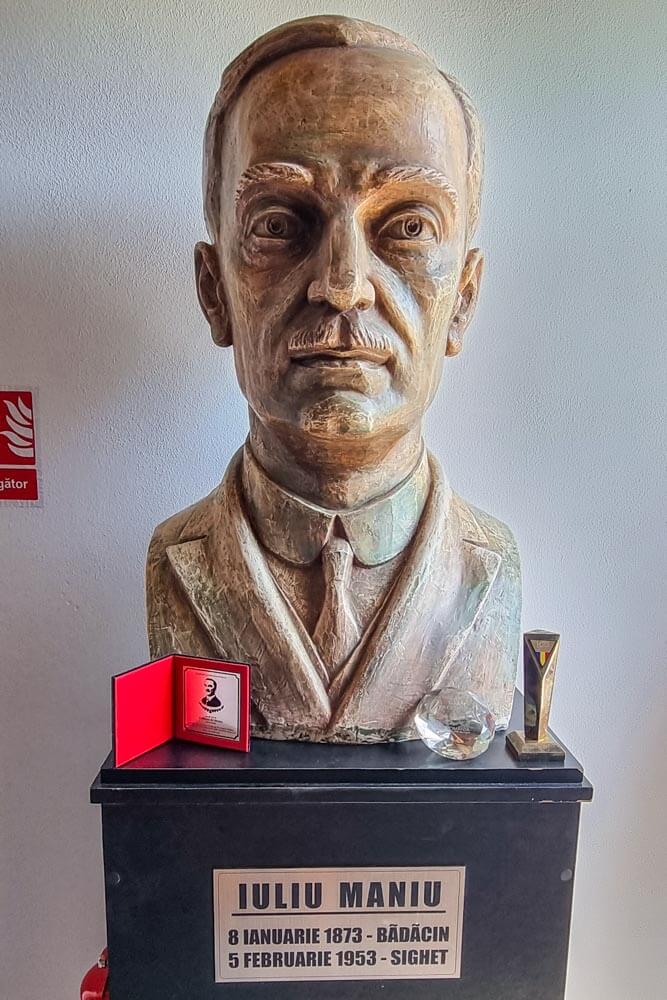
The Iuliu Maniu Memorial House (Casa Memorială Iuliu Maniu) is a historic house museum in Bădăcin, a village in the commune of Pericei. The former family residence of Romanian statesman Iuliu Maniu (1873-1953) played an important role in his personal and political life, particularly during the struggle for Transylvania‘s union with Romania. Following decades of neglect under communist rule, the house was restored and reopened as a memorial museum in 2019.
History Of The House
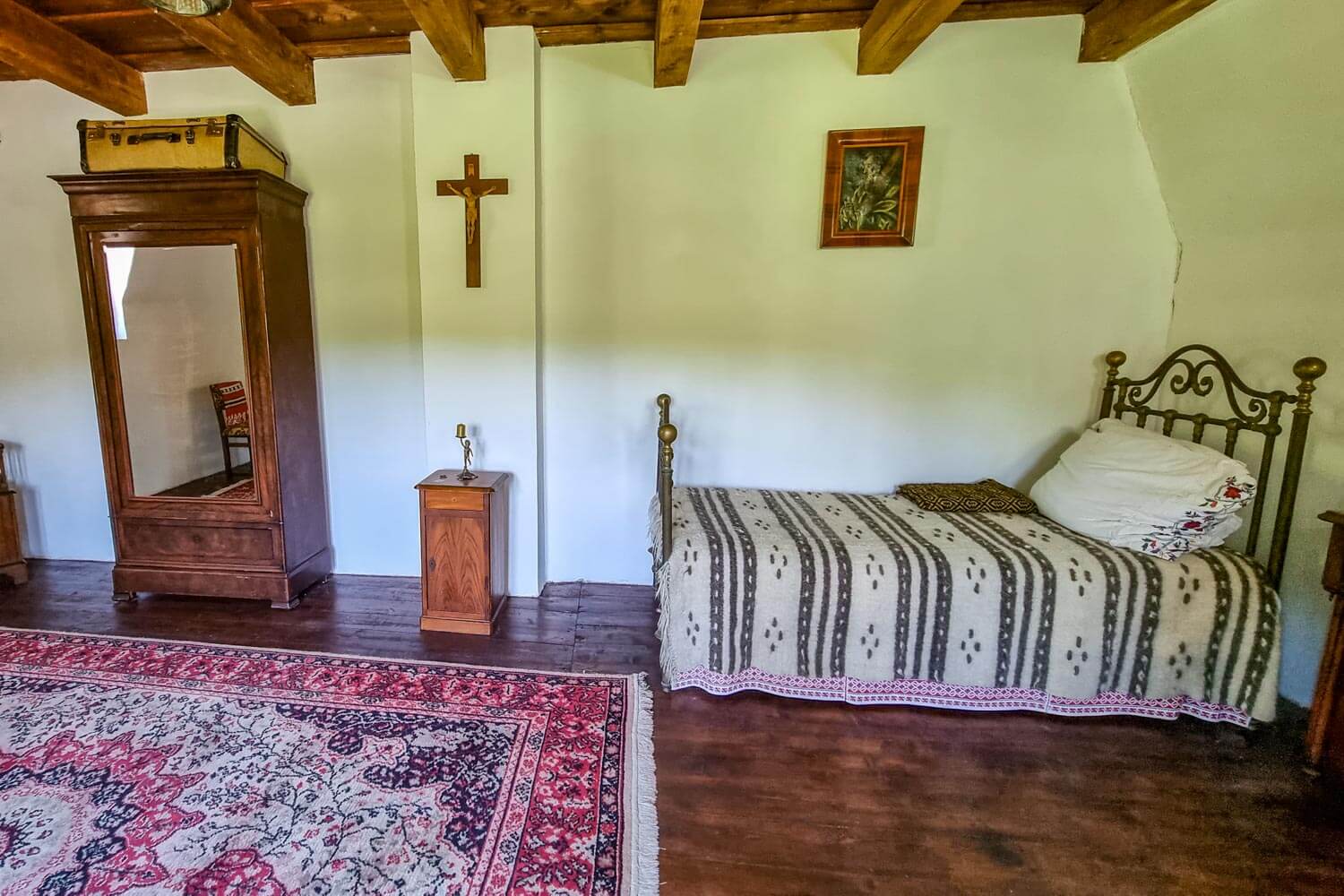
The residence was established by Maniu’s father, Ioan Maniu, on the family’s property on Țarinii Hill. Initially a modest summer house with two rooms and an open veranda, it was gradually enlarged as the family’s needs changed. Around 1900, Maniu’s mother, Clara, added several rooms and enclosed the original veranda, while further extensions around 1930 provided a separate study and bedroom for her son. The additions gave the house its characteristic arrangement of interconnected rooms, wooden verandas, and a taller section rising above the main roof.
Although Iuliu Maniu was born in Șimleu Silvaniei, the house in Bădăcin became his family home and a retreat from his political responsibilities. As a leading figure in the Romanian national movement in Transylvania, he participated in the negotiations that led to the union with Romania in 1918 and subsequently served three terms as prime minister. The residence hosted discussions with fellow politicians and members of the Romanian intellectual elite, while its private chapel reflected the family’s strong Greek Catholic faith.
Maniu’s opposition to the communist takeover of Romania brought an abrupt end to the family’s ownership of the property. Arrested in 1947, he was sentenced to life imprisonment and died in Sighet Prison in 1953. The communist authorities confiscated the house, converting it into an agricultural storage facility before using it as a Pioneer camp and later as a residential institution for children with severe disabilities. These successive uses involved substantial alterations and contributed to the building’s deterioration.
Following the fall of communism, efforts began to preserve the residence and establish a memorial museum. By 2015, however, the structure had deteriorated so severely that its survival was threatened. Greek Catholic priest Cristian Borz initiated a public fundraising campaign that brought together private donors, volunteers, and supporting institutions to finance its restoration. The project reconstructed damaged sections, restored the wooden architectural elements, and recreated the historical interiors. The memorial house was inaugurated on November 12, 2019.
Museum And Collections
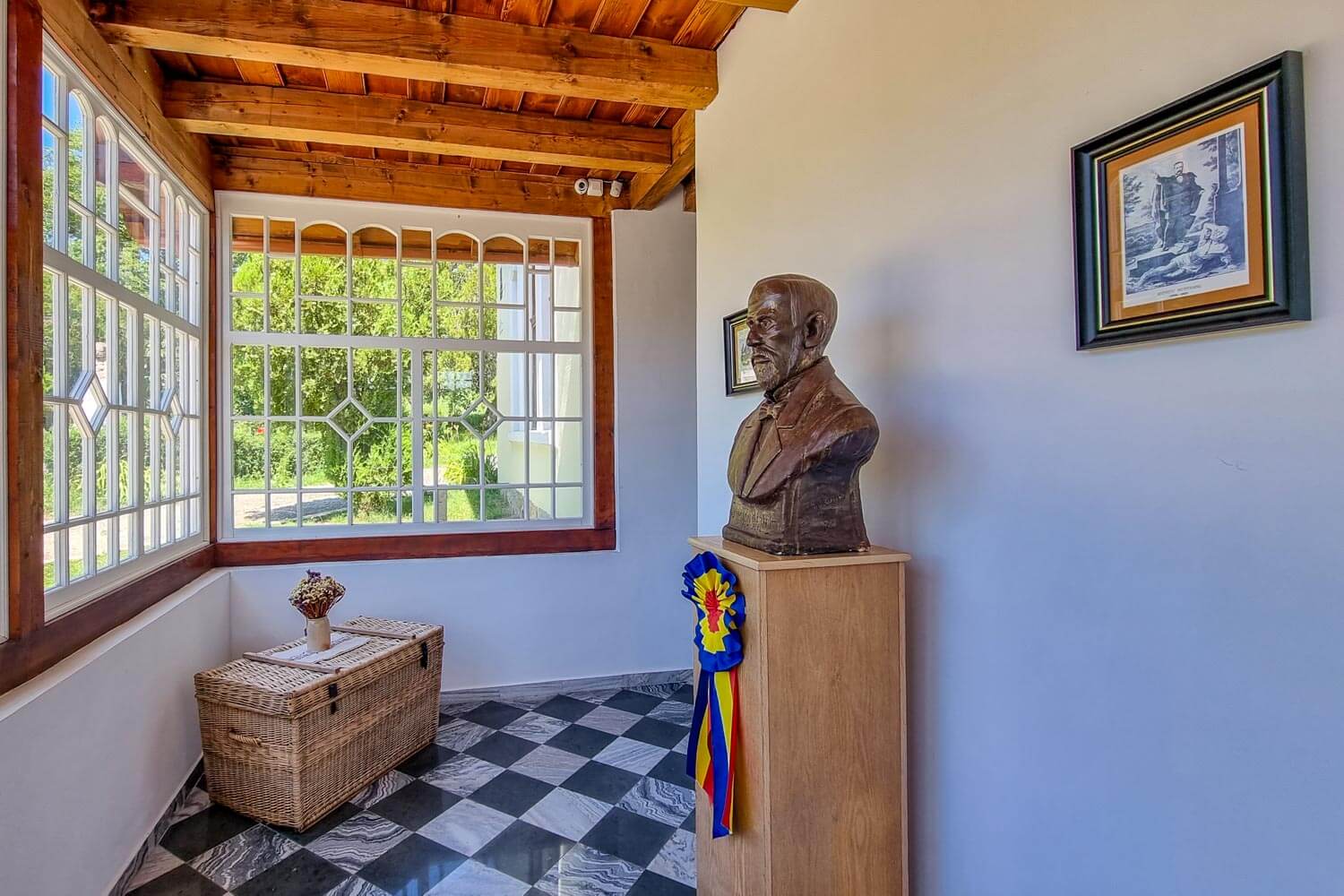
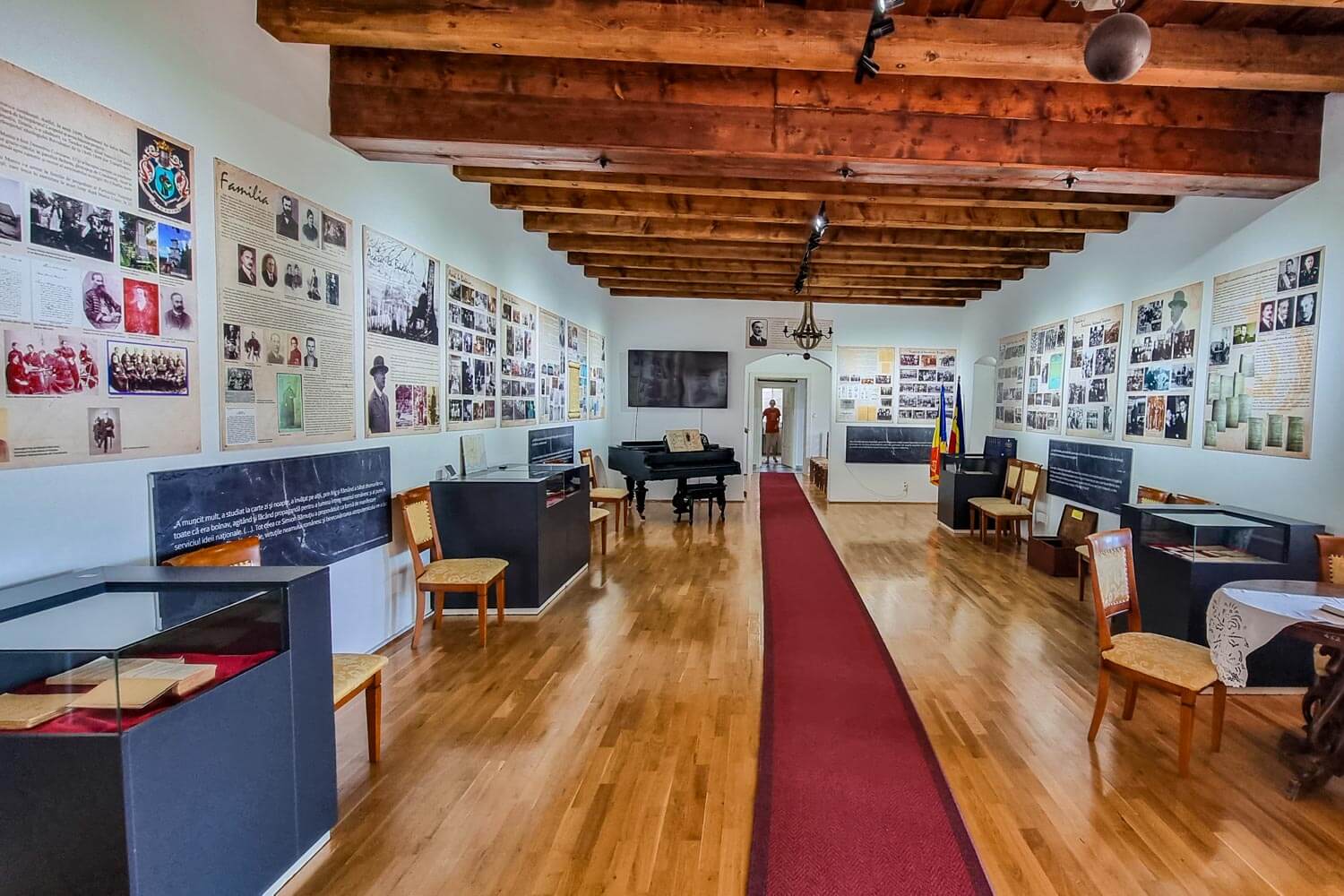
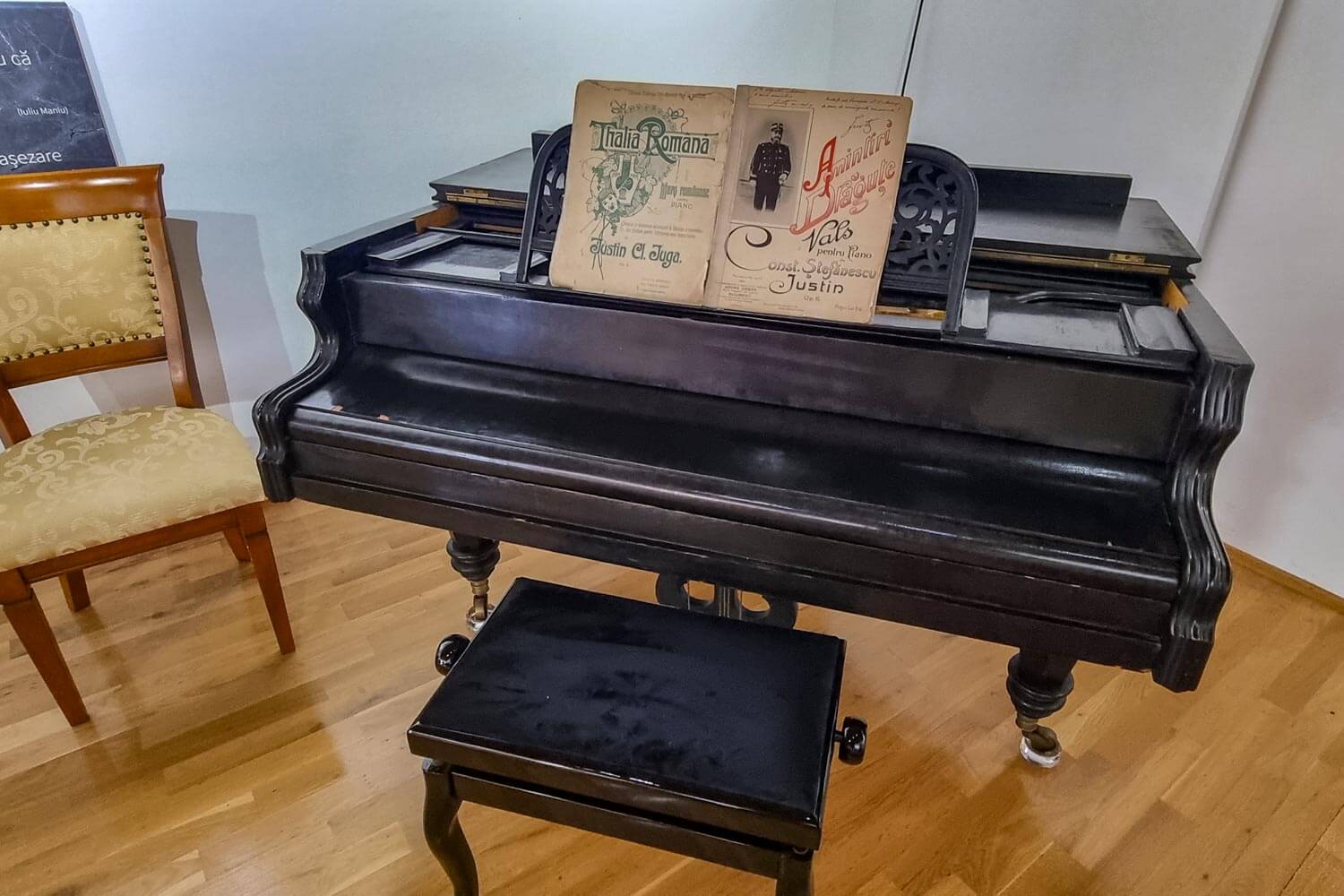
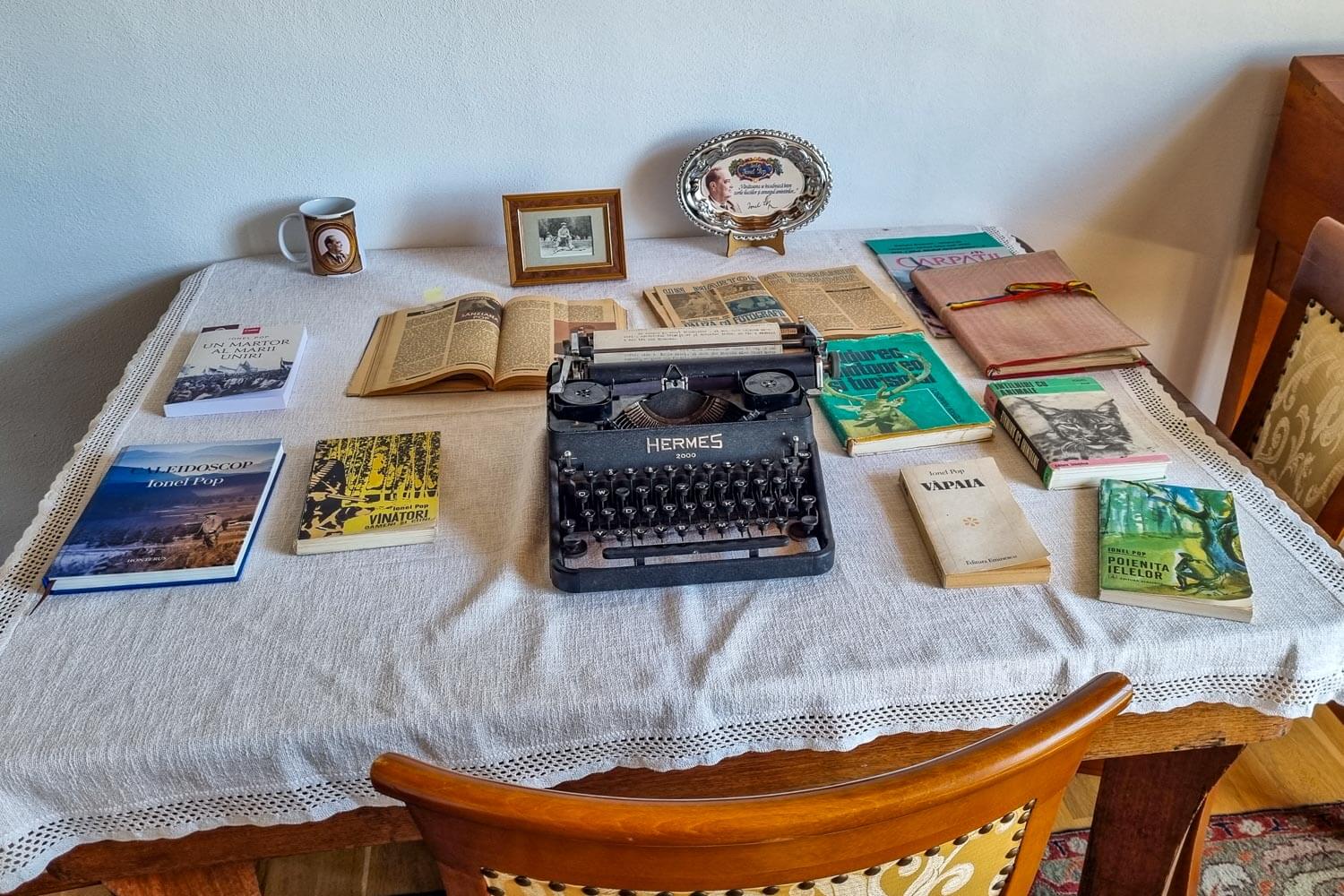
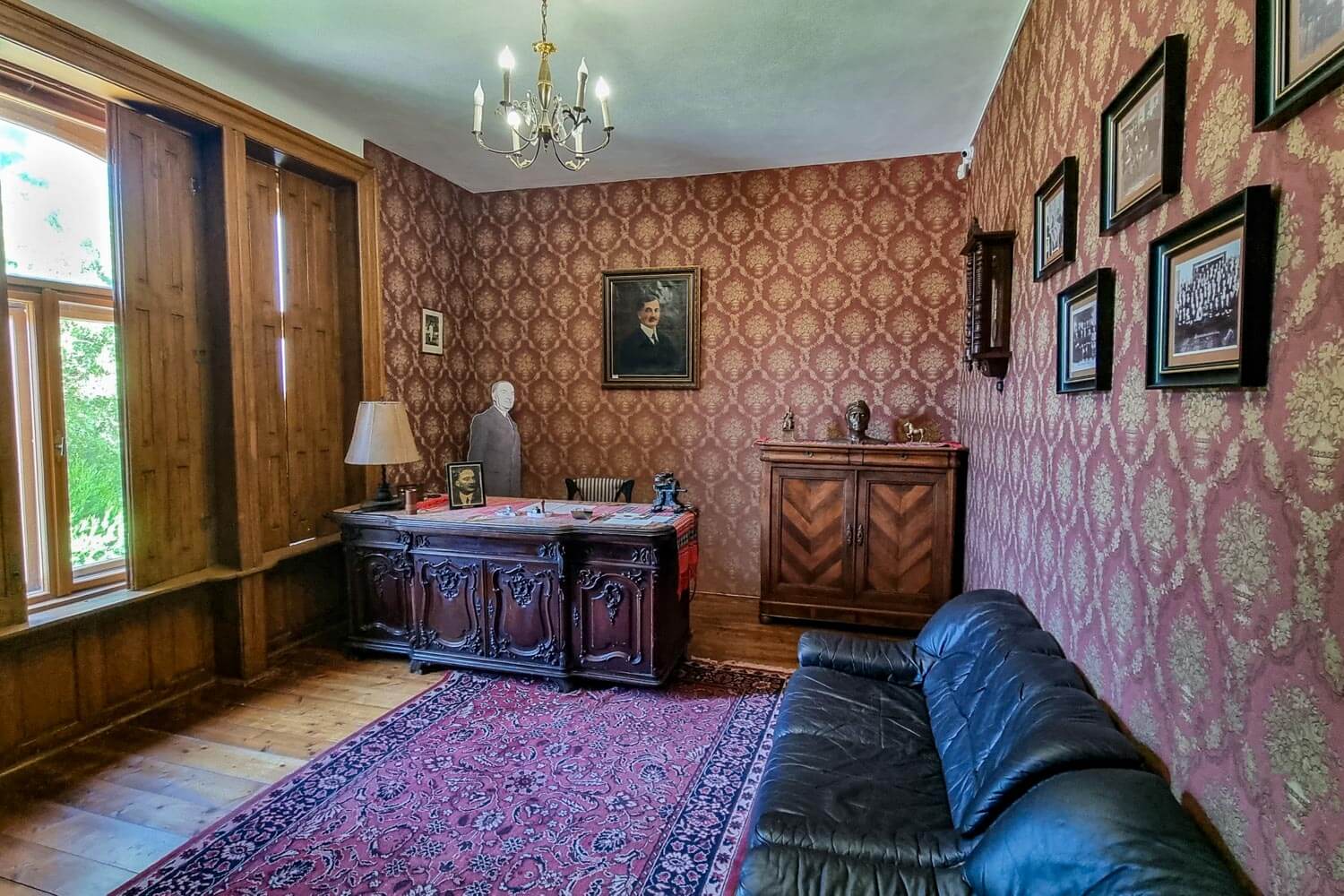
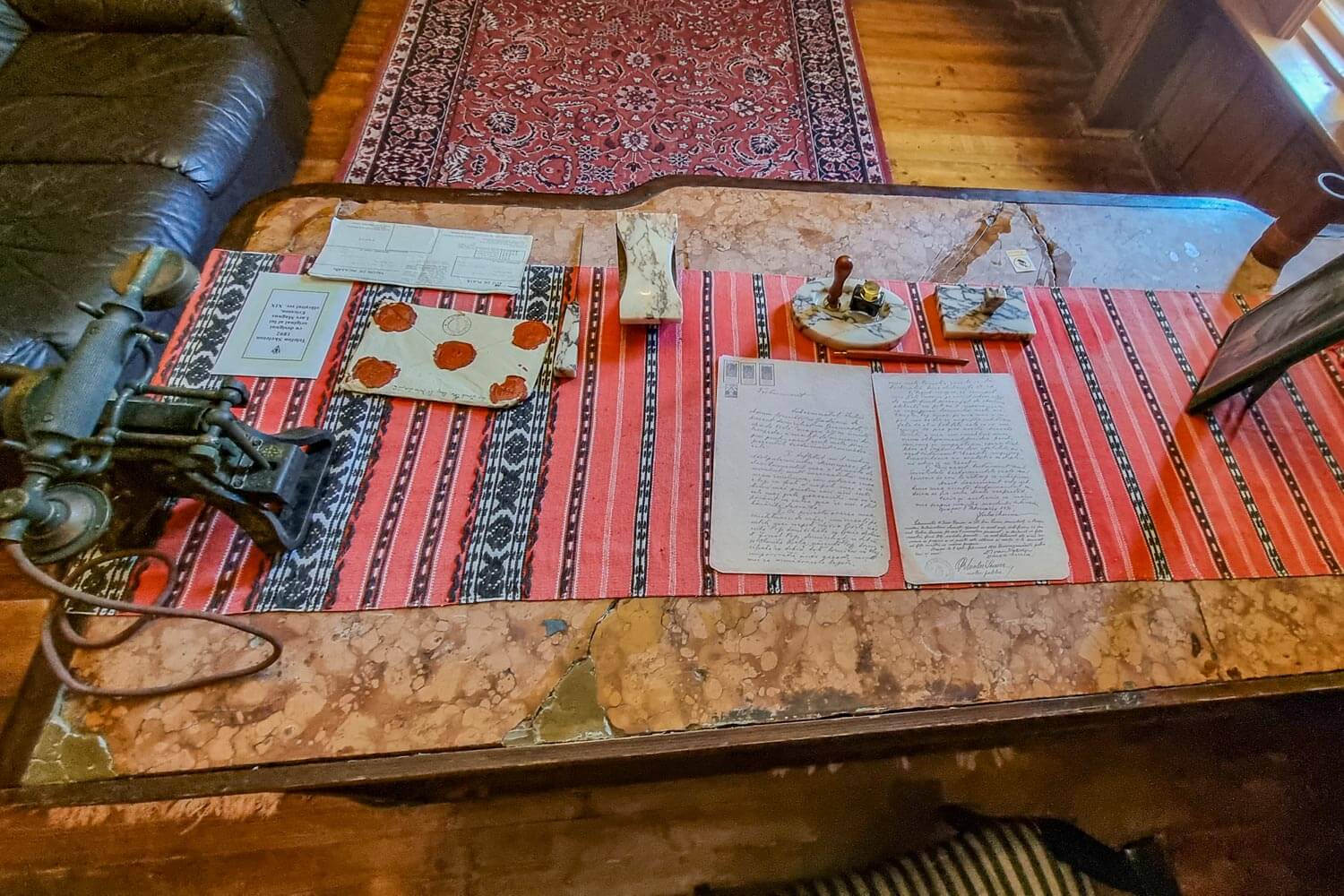
The restored rooms present the history of Iuliu Maniu and his family through original furniture, personal belongings, photographs, documents, and historical exhibits. His study has been reconstructed with period furnishings, while the displays explore his political career, his contribution to the union of Transylvania with Romania, and his persecution under the communist regime.
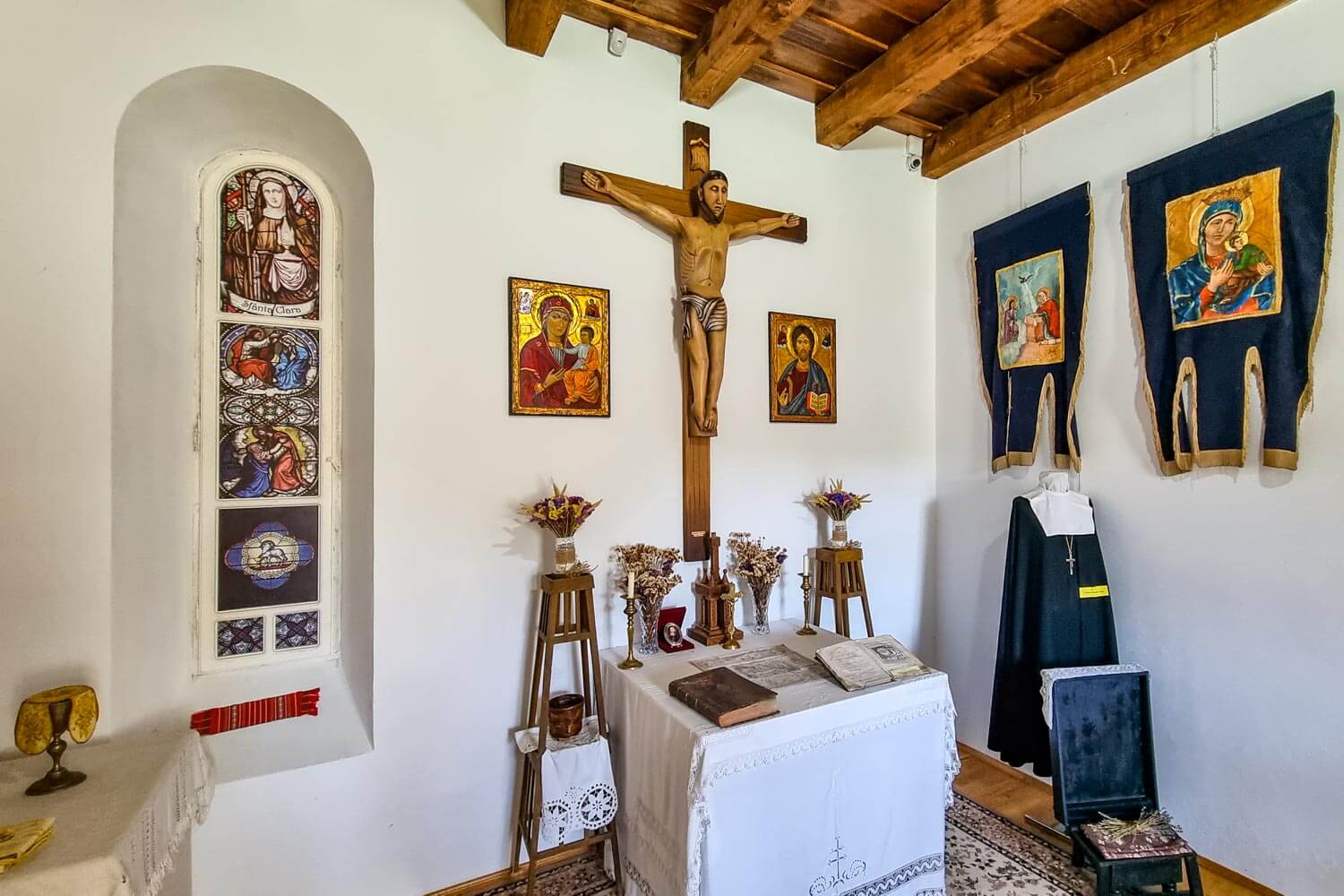
Another significant part of the museum is the restored family chapel, which preserves original religious objects, including a crucifix dating from 1906 and altar textiles bearing Clara Maniu’s monogram. The chapel was used by members of the family and visiting Greek Catholic clergy, including several bishops who later suffered persecution under communism. Other rooms document the wider Maniu family and the people who contributed to Romania’s political and cultural development during the late 19th and early 20th centuries.