The Piatra Neamț Museum of Ethnography (Muzeul de Etnografie Piatra-Neamț) is a museum of traditional rural life and folk art on Princely Court Square in Piatra Neamț. Housed in a historic Neo-Romanian building, its collections document the customs, occupations, clothing, and domestic life of the communities of Neamț County, particularly those of the Bistrița Valley and the surrounding mountain region.
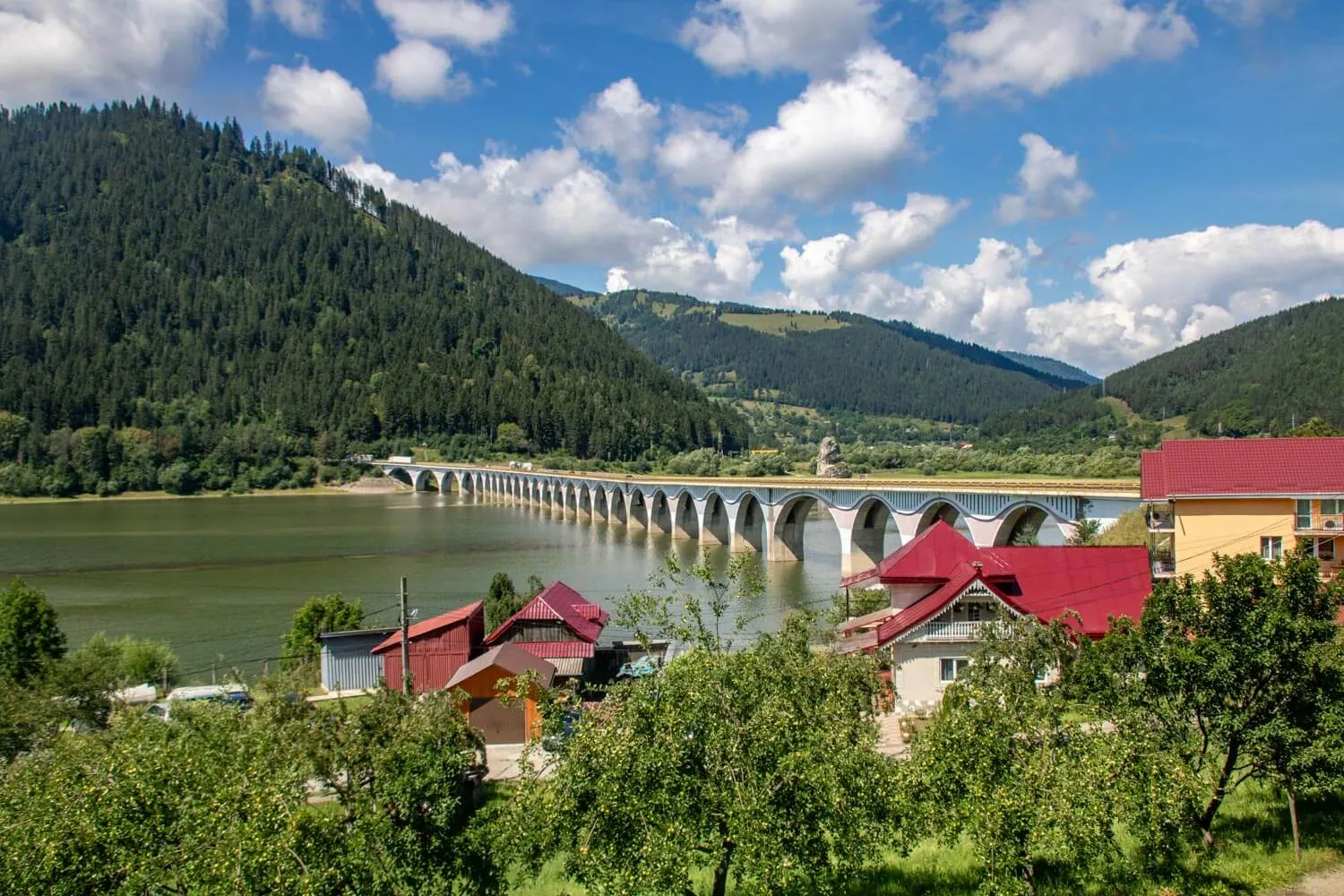
The museum’s collections originated in ethnographic research conducted during the 1950s and 1960s, when construction of the Bicaz Dam threatened to submerge several villages along the Bistrița Valley. A team of researchers led by Romulus Vuia documented rural life and collected objects from the affected communities, preserving material that would otherwise have been lost or dispersed. Some of these objects initially formed part of a collection at Durău before being transferred to Piatra Neamț. Further acquisitions, particularly through the work of ethnographer Elena Florescu, expanded the collection, leading to the establishment of a dedicated exhibition in 1974 and the opening of the museum in its present building in 1980.
The permanent exhibition, titled The Seasons of the Village (Anotimpurile satului), follows the annual cycle of agricultural work, household activities, and religious celebrations in the traditional villages of Neamț County. It begins with a reconstructed late-19th-century peasant home, furnished with wooden furniture, woven textiles, household utensils, and figures dressed in regional clothing. Other displays explore farming, sheep breeding, woodworking, weaving, and the seasonal customs that accompanied these activities. The collection includes embroidered festive costumes, decorative fabrics, carved wooden objects, and accessories used in winter celebrations. Historical photographs by Adolph Chevallier, a prominent local photographer who also worked for the Romanian royal court, illustrate rural life during the early 20th century.
The museum building was constructed in 1924 as the residence of the director of the neighboring Lascăr Catargiu Boys’ School. Designed by municipal architect Eugen Albu, it was built on land transferred from the nearby Princely Church of Saint John to accommodate the school residence. Its Neo-Romanian architecture incorporates features inspired by traditional houses, including wooden porches with carved posts, a high roof with dormer windows, decorative timberwork, and ornamental window surrounds. The building was restored in 2010-2011 as part of the wider rehabilitation of the historic Princely Court area.