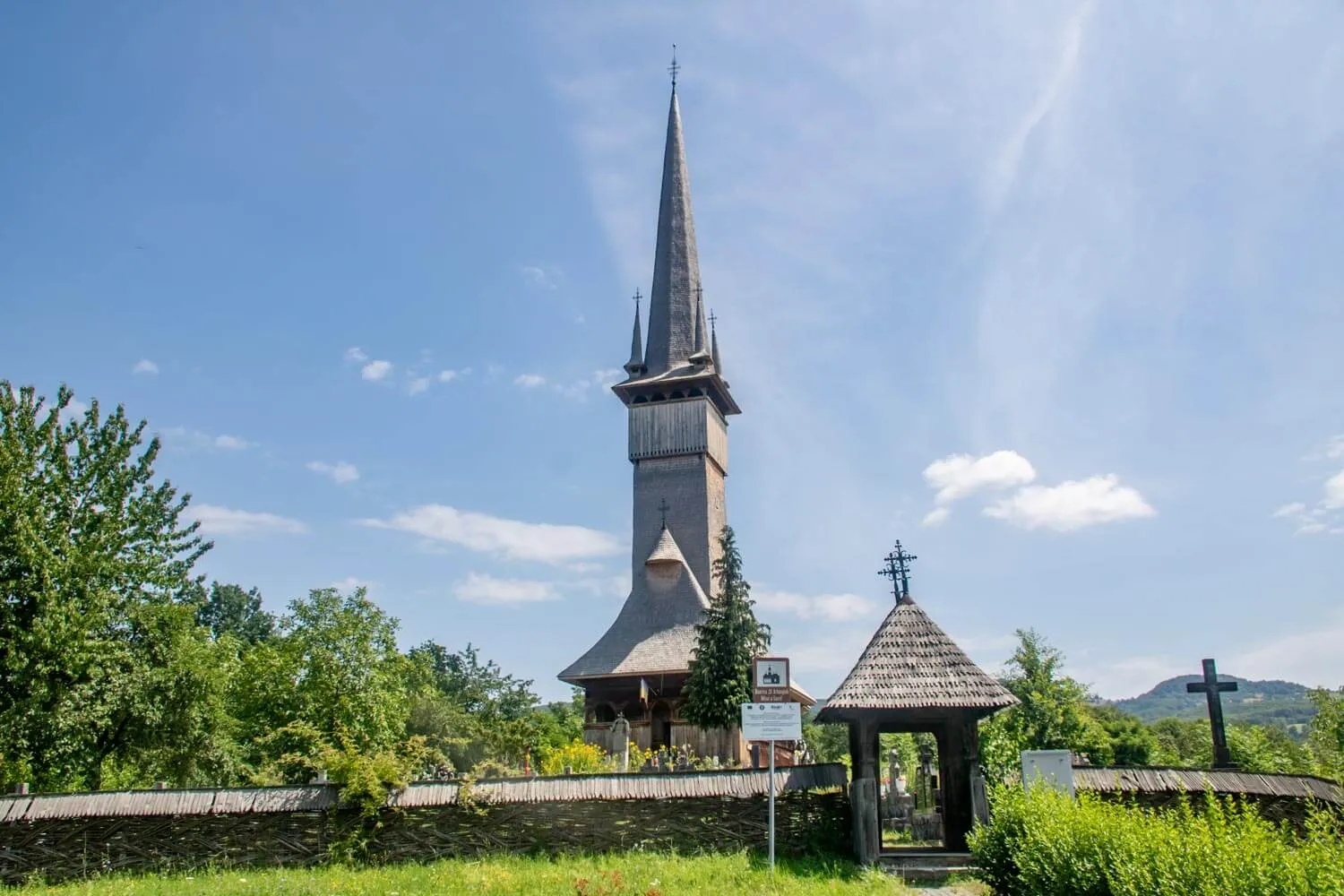
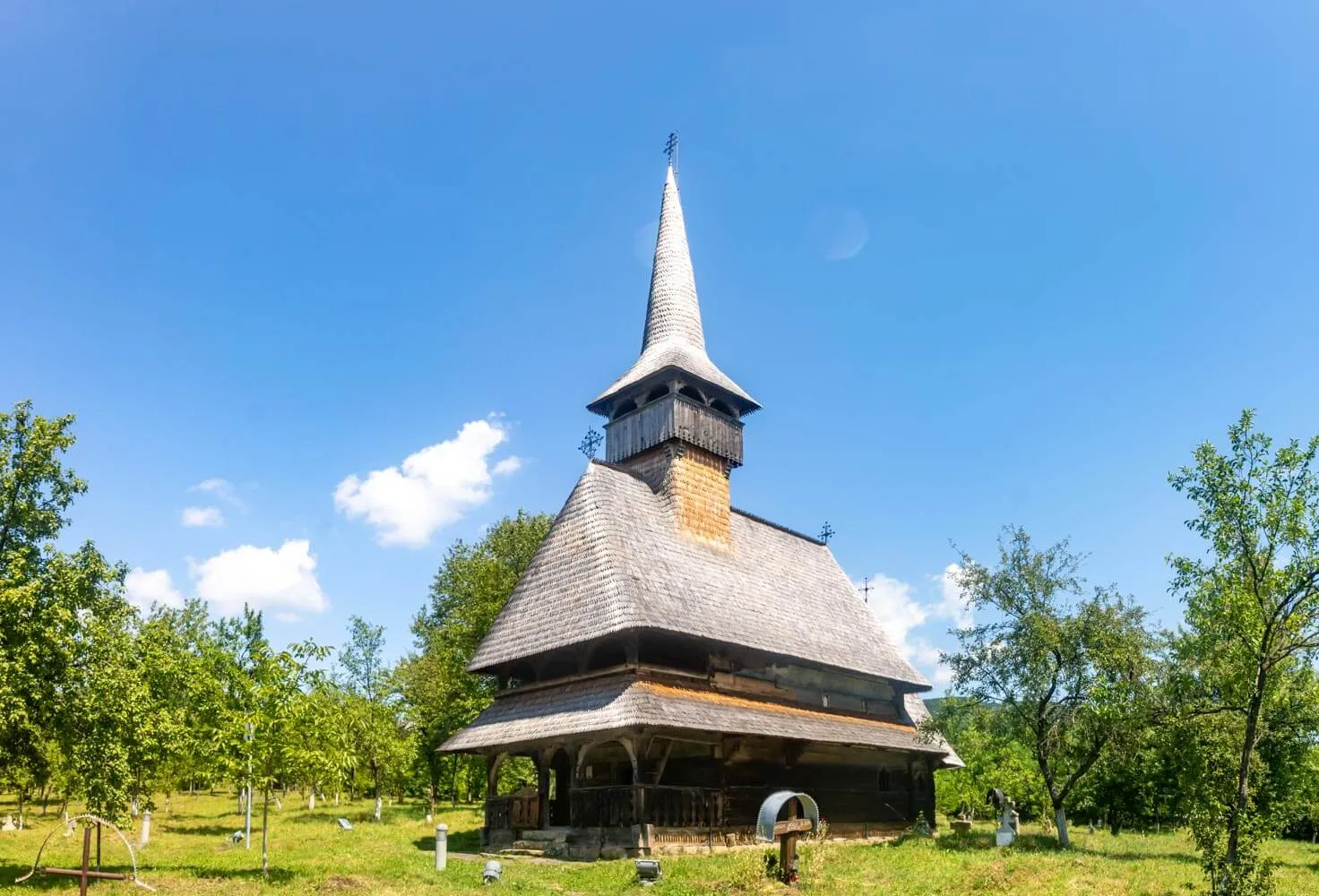
The Maramureș Museum of History and Archaeology (Muzeul de Istorie și Arheologie al Maramureșului) is a history museum in Sighetu Marmației, located in the former Piarist Monastery on Liberty Square. Part of the Maramureș Museum, it presents the history of Sighetu Marmației and the surrounding region from prehistoric times to the 20th century, with collections of archaeological artifacts, weapons, coins, historical documents, and objects illustrating the city’s political, economic, and cultural development.
History
The museum’s historical collections have roots in the work of Ioan Mihalyi de Apșa (1844-1914), a historian and member of the Romanian Academy who assembled archaeological discoveries, medieval documents, and coins in his residence in Sighetu Marmației. His efforts contributed to the establishment of an early museum association in 1901, bringing together Romanian and Hungarian intellectuals interested in preserving the region’s heritage. Its collections were transferred to the Palace of Culture in 1914, but were subsequently dispersed during the upheavals surrounding the end of the First World War.
The modern Maramureș Museum was reestablished in 1954, initially bringing together historical, archaeological, ethnographic, and natural sciences collections. As the institution developed, these were organized into specialized departments. The History and Archaeology Department was established in the early 1970s, and its first permanent exhibition opened in 1976 to commemorate the 650th anniversary of the earliest documented mention of Sighetu Marmației.
The exhibition was subsequently reorganized and expanded, with a new historical presentation entitled Sighetu Marmației – 680 inaugurated in September 2006. It traces the development of the city and historical Maramureș through archaeological discoveries, written records, and objects documenting important periods in the region’s history.
Collections And Exhibitions
The archaeological collections cover the Paleolithic, Mesolithic, and Neolithic periods, with stone tools and other objects recovered from sites across Maramureș. Particularly significant is the museum’s Bronze Age collection, comprising more than 140 bronze artifacts. These discoveries illustrate the early settlement of the region and the development of metalworking during prehistory.
The museum also preserves an extensive collection of weapons dating from the Middle Ages to the early 20th century. Among its notable exhibits are a medieval sword from the 14th or 15th century, Oriental swords and firearms, and cavalry pistols and officers’ sabers used by the Austro-Hungarian military. Some of the Oriental weapons are believed to have been captured during the Battle of Borșa in 1717, when local forces defeated a Tatar incursion into Maramureș.
The numismatic collection includes Roman and Hellenistic coins, Transylvanian, Hungarian, and Polish issues, and a hoard of 430 silver coins dating from the 15th and 16th centuries. Coins, banknotes, medals, and badges from later periods document the region’s changing political and economic circumstances.
Sighetu Marmației’s development as a trading and administrative center is illustrated through objects and documents belonging to its historic craft guilds. The collection includes guild chests, seals, insignia, and charters from the shoemakers’ and tanners’ guilds, providing insight into the organization of trades and urban economic life.
The historical exhibitions also examine the cultural and political development of Maramureș, including the Romanian cultural movement of the 19th century, the events surrounding the Great Union of 1918, and the interwar period. Documents, newspapers, books, and photographs trace the history of local education, public institutions, and prominent figures, including Ioan Mihalyi de Apșa. Later displays address the Second World War, the deportation of the region’s Jewish population, the postwar period, and the Romanian Revolution of December 1989.
An extensive photographic archive, containing glass and celluloid negatives, documents the changing appearance of Sighetu Marmației and life in historical Maramureș during the 20th century. Alongside the permanent exhibition, the museum has space for temporary exhibitions devoted to particular historical subjects and collections.