The Oltenia Museum of History and Archaeology (Muzeul Olteniei – Secția de Istorie-Arheologie) is a history museum in central Craiova, housed in a historic school building dating from the early 20th century. Its extensive collections document the development of Oltenia from prehistoric settlements and ancient civilizations to medieval Wallachia and modern Romania.
History Of The Building
The museum is housed in the former Madona Dudu School, constructed between 1905 and 1907 to designs by architect Francisc Billek. The building was established with support from the Ministry of Education and Craiova City Hall on land belonging to the Madona Dudu charitable foundation. Its architecture incorporates elements of the Neo-Romanian style, which was becoming increasingly popular for public buildings in Romania during the early 20th century.
The school opened in the autumn of 1906 during celebrations marking the 40th anniversary of King Carol I‘s reign. It provided primary education for boys and girls, including orphans and children from disadvantaged families. Students also learned practical trades, producing handicrafts that were sold to help finance meals and other necessities. These charitable activities were supported by the clergy of the Madona Dudu Church and a committee of local women.
The building suffered serious damage during the earthquake of November 1940, temporarily interrupting its educational activities. Following the communist government’s abolition of religious foundations and private schools in 1948, the property was transferred to the Oltenia Museum. Initially, it accommodated exhibitions from several branches of the museum, as well as other cultural institutions. The building was subsequently reorganized, and in 1976 its exhibition spaces were assigned entirely to history and archaeology.
History of the Museum
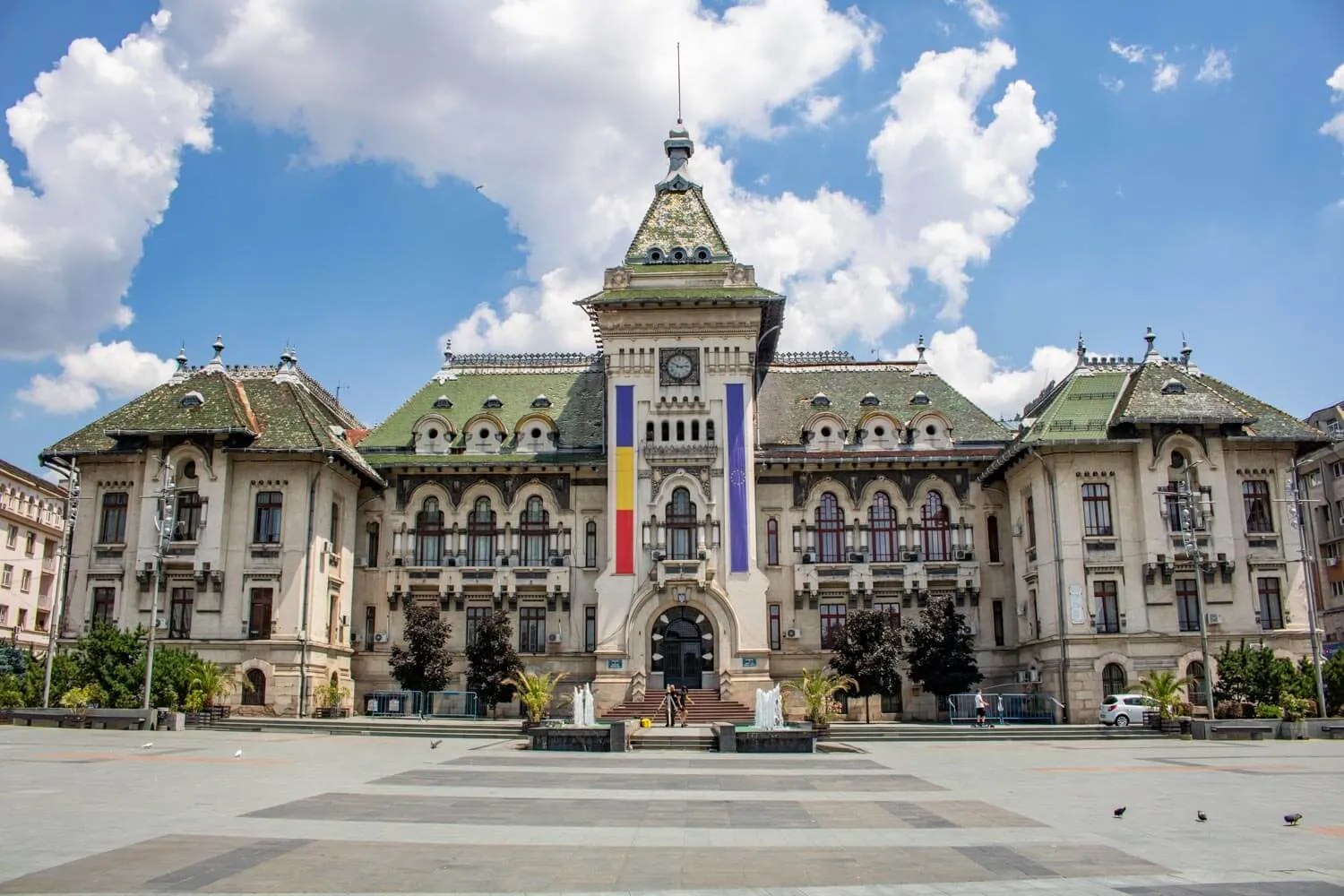
The Oltenia Museum was founded on April 1, 1915, through the efforts of professor Ștefan Ciuceanu and several prominent Craiova families interested in preserving the region’s historical and cultural heritage. Originally named the Regional Museum of Antiquities and Ethnography, it began assembling archaeological discoveries, historical objects, coins, documents, and examples of traditional material culture. Its first exhibition spaces were provided inside the Craiova Administrative Palace.
The museum’s collections expanded through donations, acquisitions, and archaeological research. In 1928, the institution merged with the Natural History Museum of Craiova, established five years earlier, creating the Regional Museum of Oltenia. The collections were subsequently accommodated in Casa Băniei before moving to the former Madona Dudu School in 1948. Archaeologist C. S. Nicolăescu-Plopșor played an important role in the museum’s development, particularly through his research into prehistoric settlement in Oltenia and his efforts to expand its archaeological collections.
As the museum grew, its different fields of study gradually acquired separate exhibition spaces. The ethnography collections moved to Casa Băniei in the 1960s, while natural sciences eventually found a permanent home in Ramuri Palace. The present History and Archaeology Museum developed into a dedicated exhibition venue covering the region’s archaeological discoveries and historical development, supported by extensive research, conservation, and restoration facilities.
Collections And Exhibitions
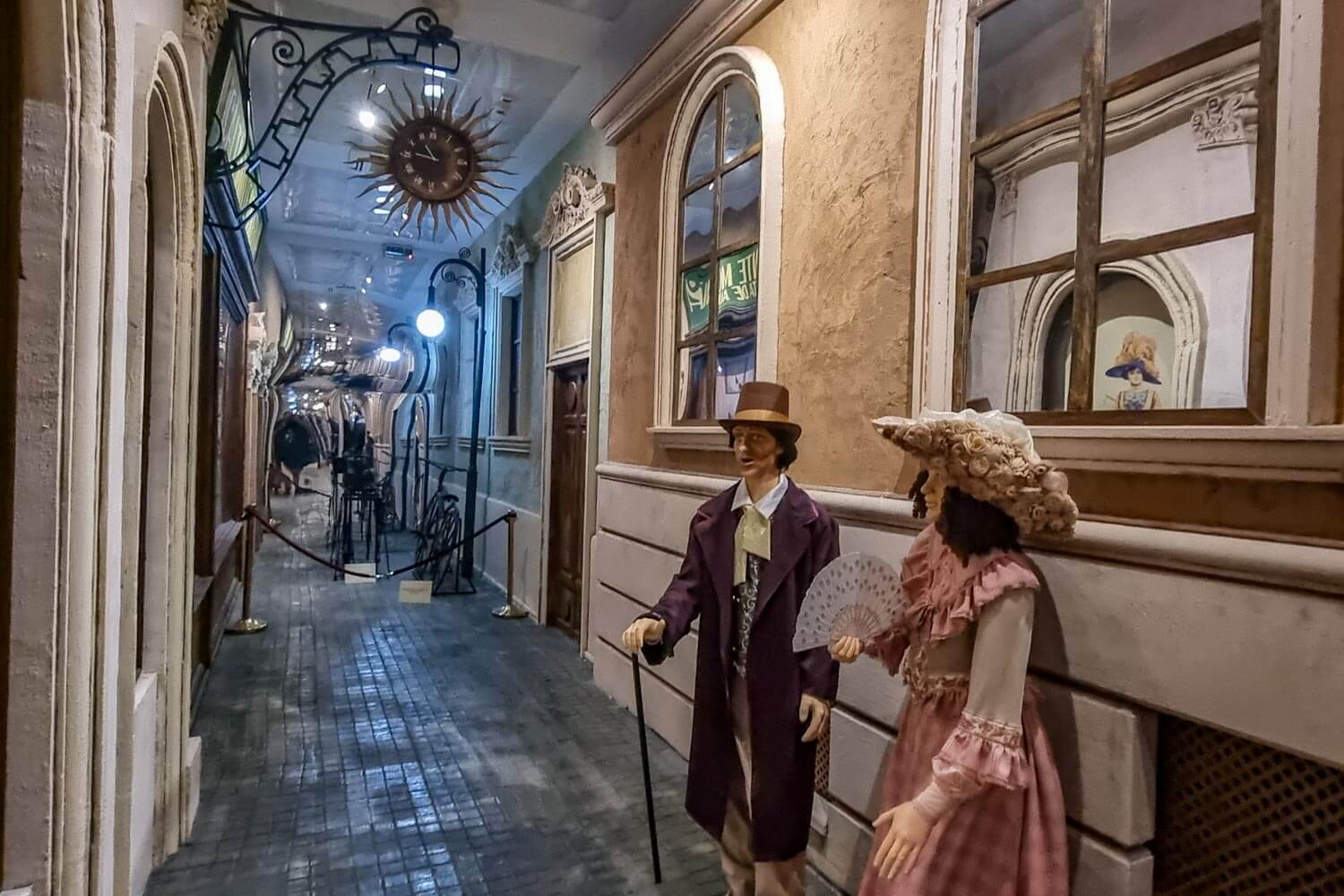
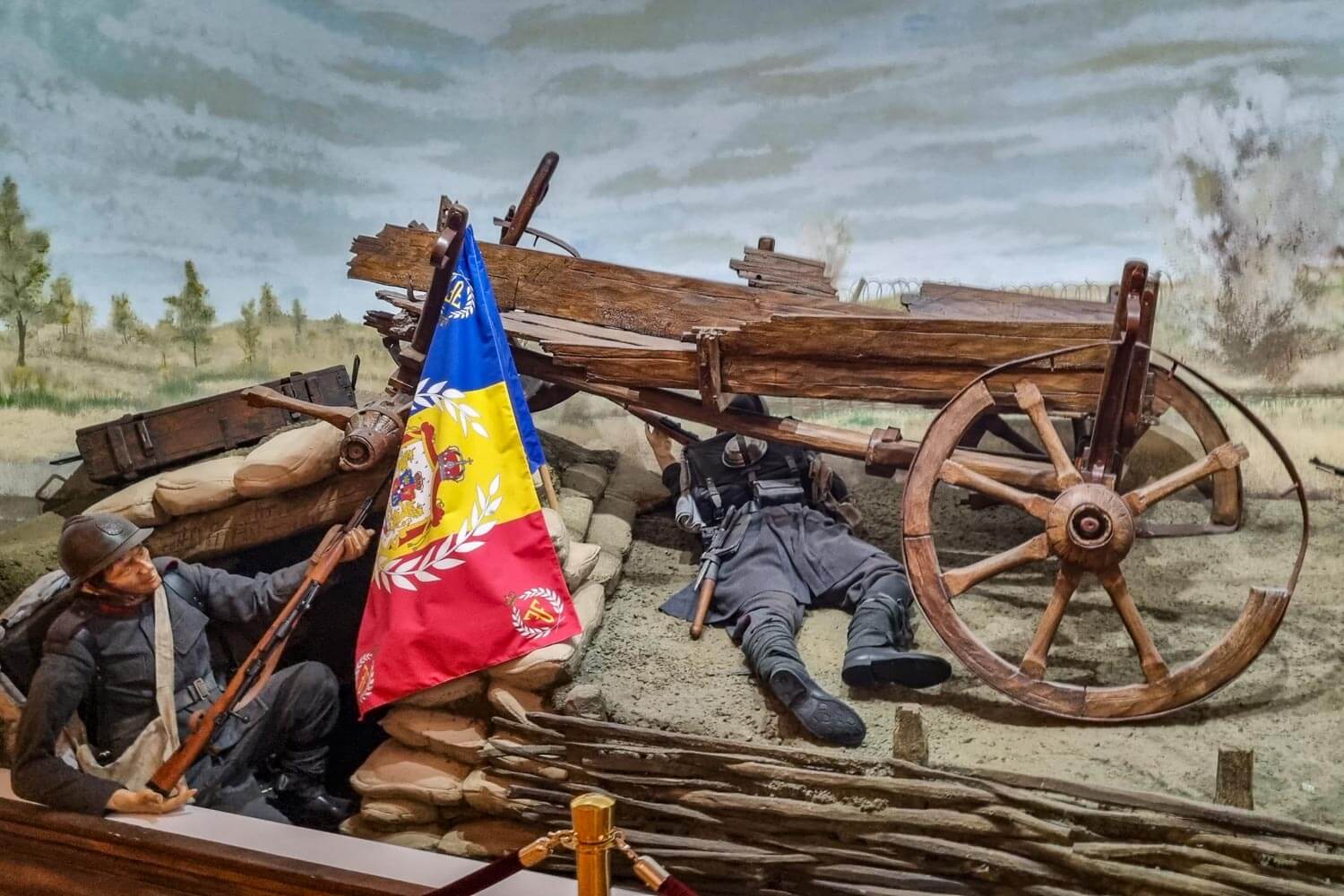
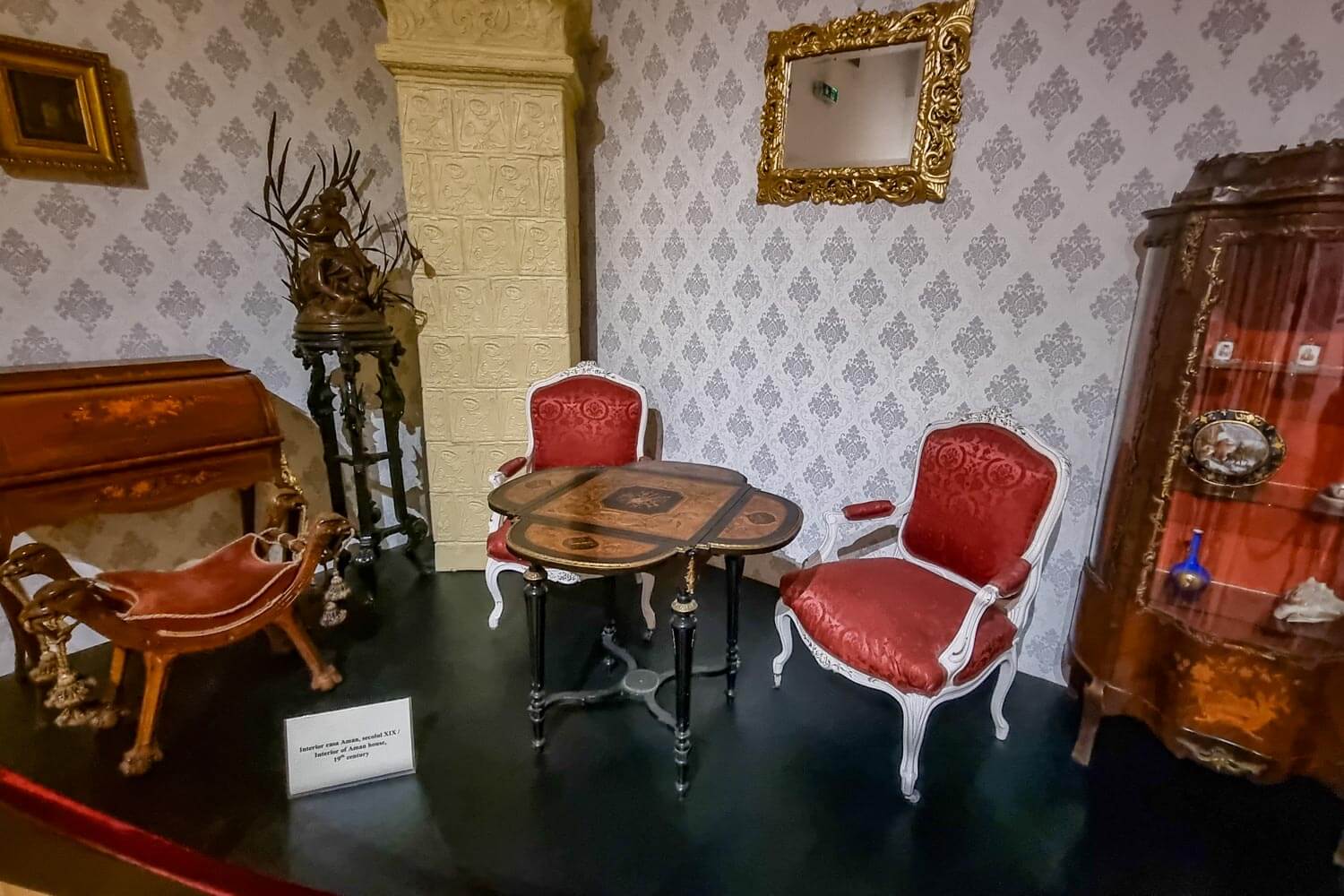
The museum’s permanent exhibitions present the history of Oltenia through archaeological objects, historical artifacts, documents, and detailed reconstructions of buildings and everyday life. The collections include prehistoric pottery and figurines, Dacian and Roman objects, medieval weapons, coins, religious art, historical costumes, furniture, and personal belongings of prominent figures from the region.
Prehistoric Oltenia (Oltenia Preistorică) explores the earliest human communities in the region, beginning with the Paleolithic period and continuing through the Neolithic and Bronze Age. The exhibition includes a reconstruction of the Women’s Cave (Peștera Muierii) and a display devoted to the approximately 30,000-year-old human skull discovered there. A reconstructed Neolithic dwelling from Cârcea introduces the region’s early farming settlements, accompanied by pottery, stone tools, and human and animal figurines. Later displays illustrate the development of metallurgy and Bronze Age burial practices, including a life-size reconstruction of an urnfield cemetery associated with the Cârna-Gârla Mare culture.
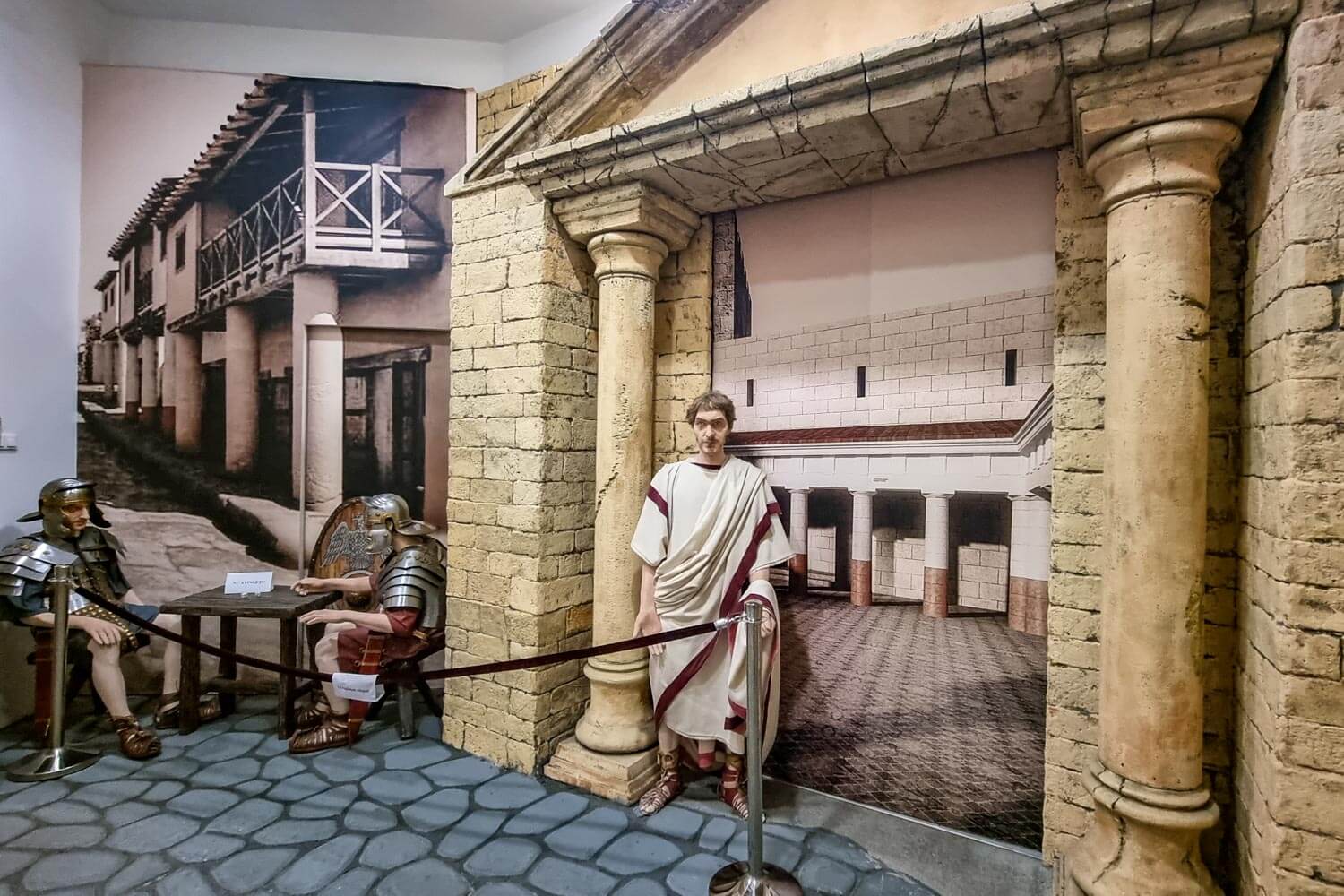
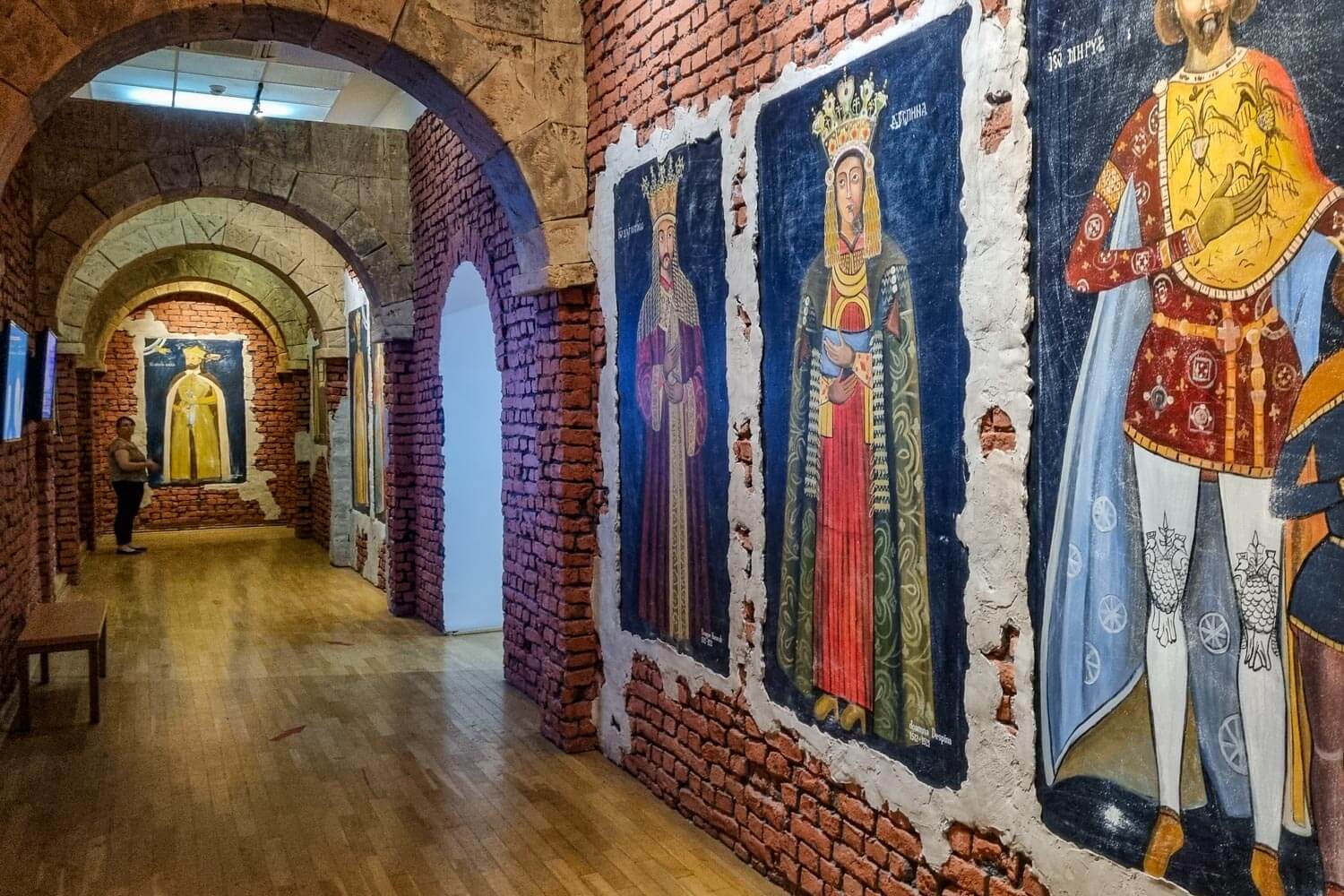
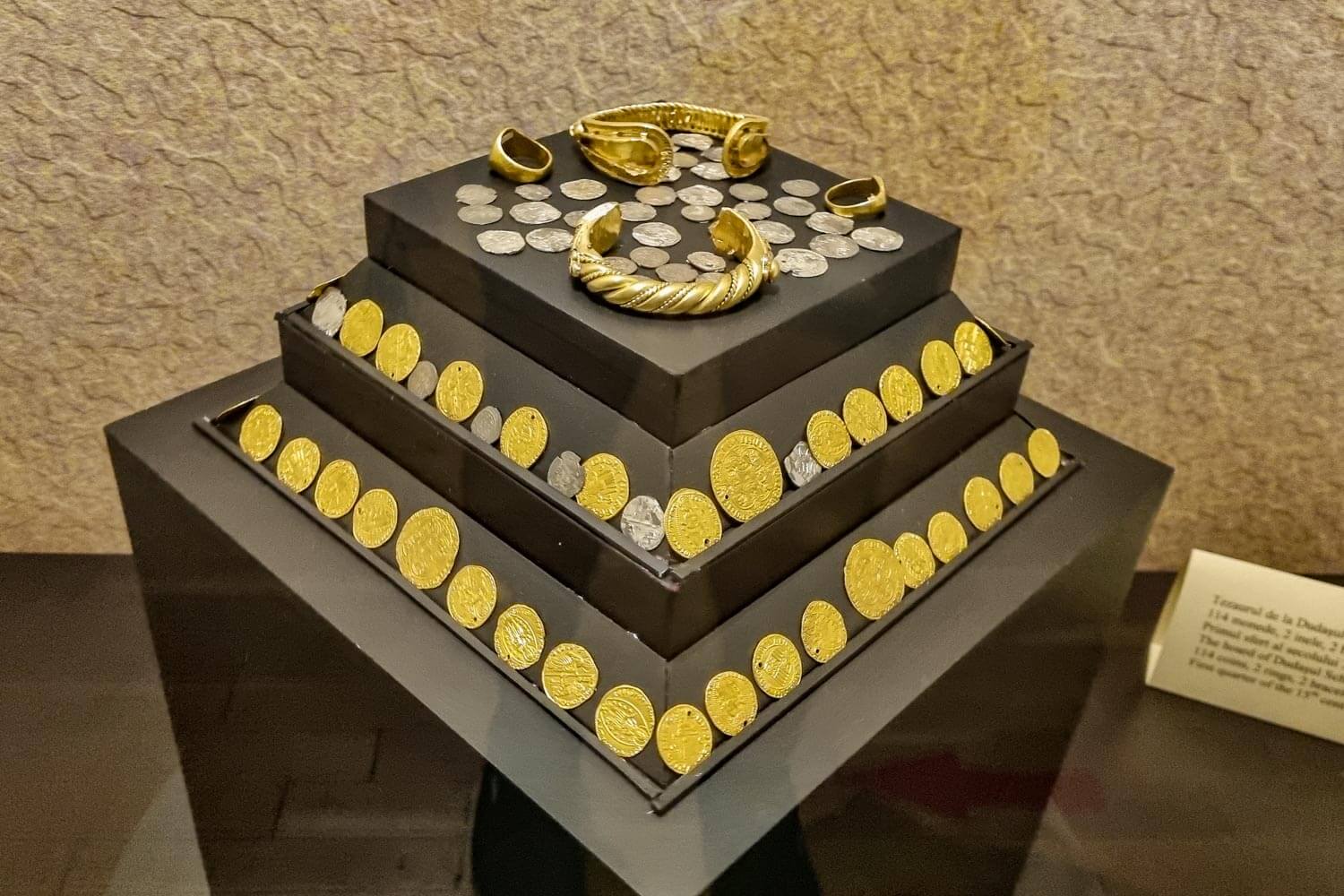
Rediscover History (Redescoperă Istoria) continues the chronological journey through the Dacian and Roman periods into the Middle Ages. Reconstructions of Dacian dwellings and fortifications introduce the society that inhabited the region before the Roman conquest, followed by displays illustrating Roman urban life and the spread of Christianity. The medieval galleries explore the formation of Wallachia, the Craiovești boyar family, and the political and military conflicts between Christian and Ottoman forces. Historical weapons, costumes, religious objects, and medieval coin hoards complement the reconstructed settings.
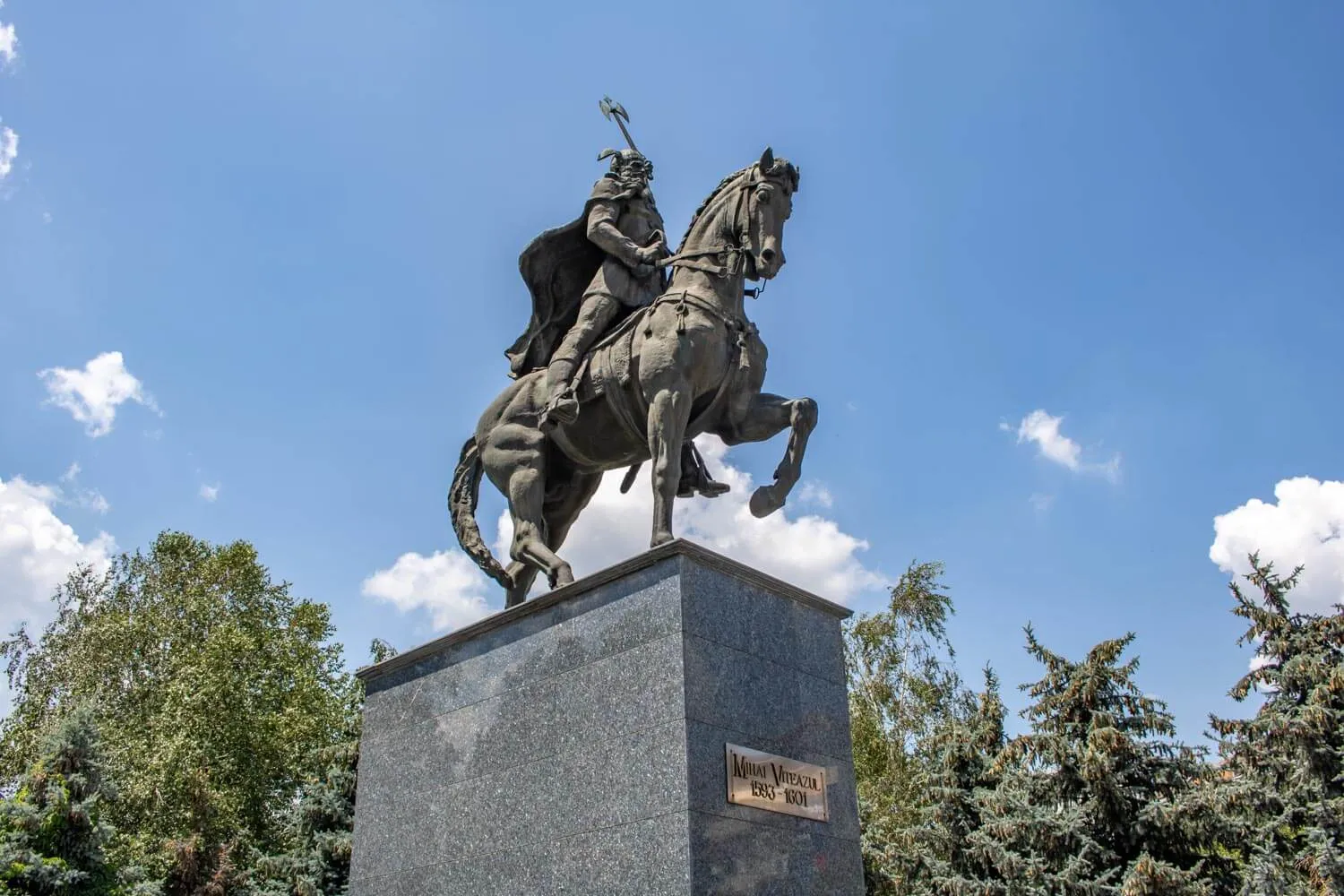
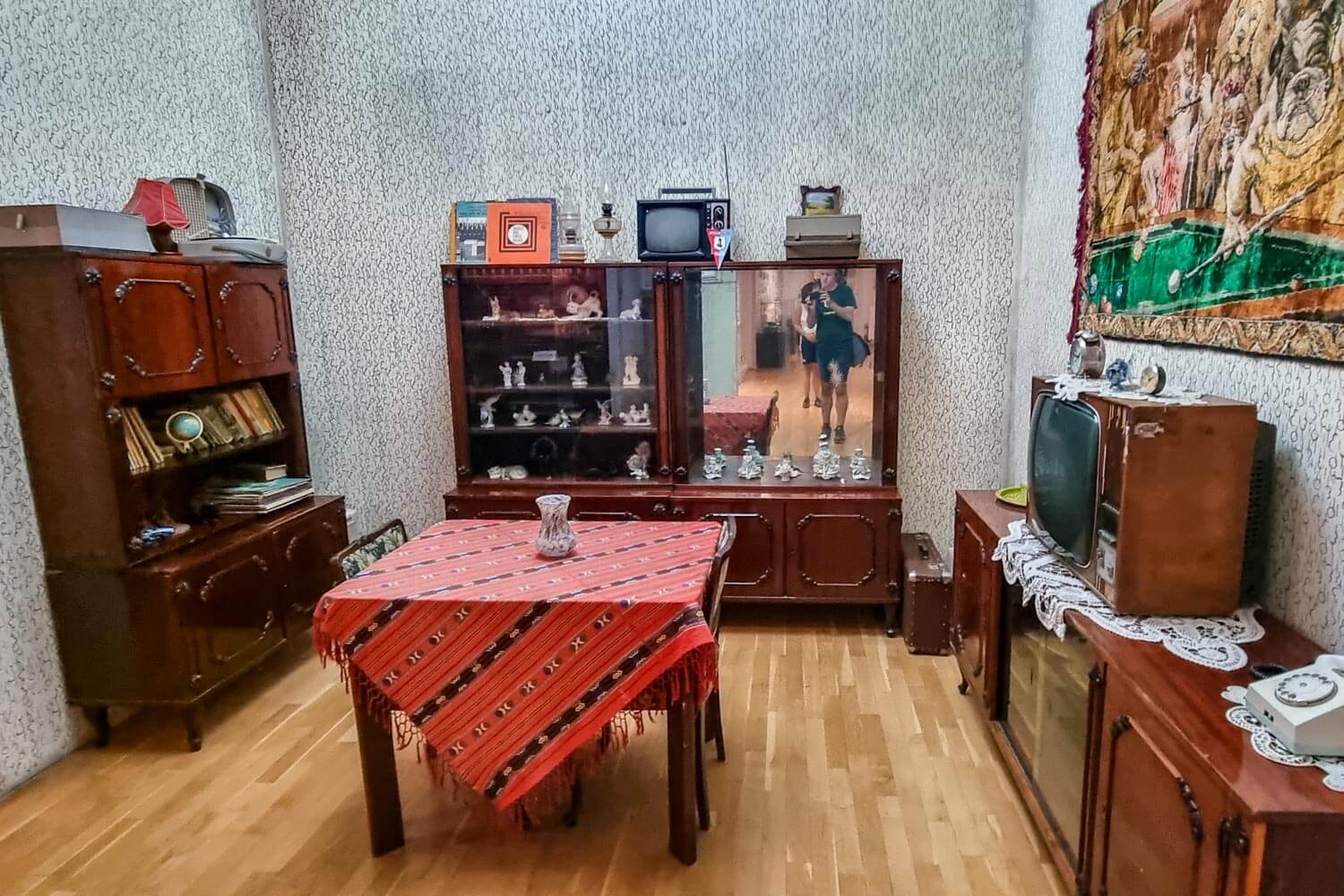
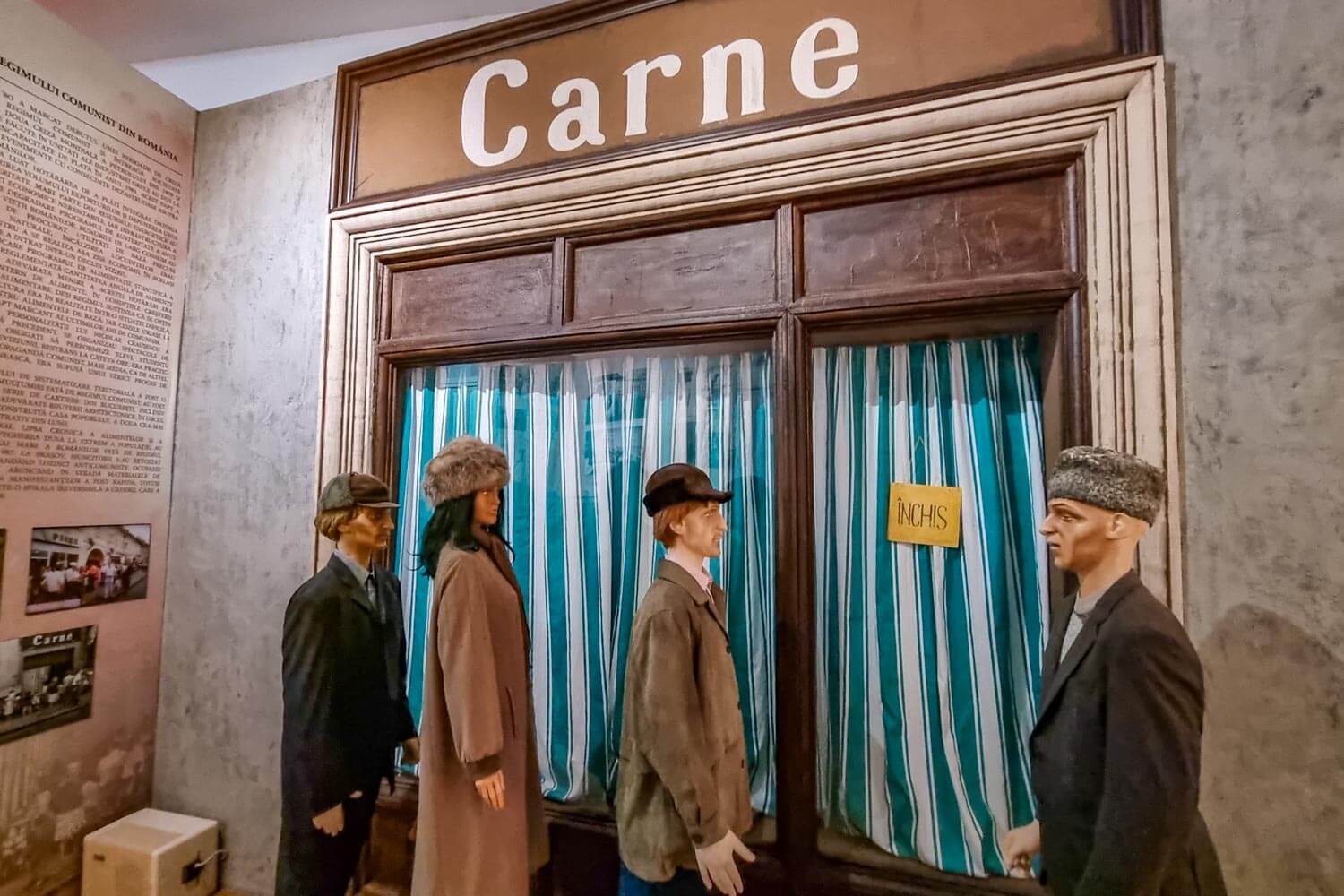
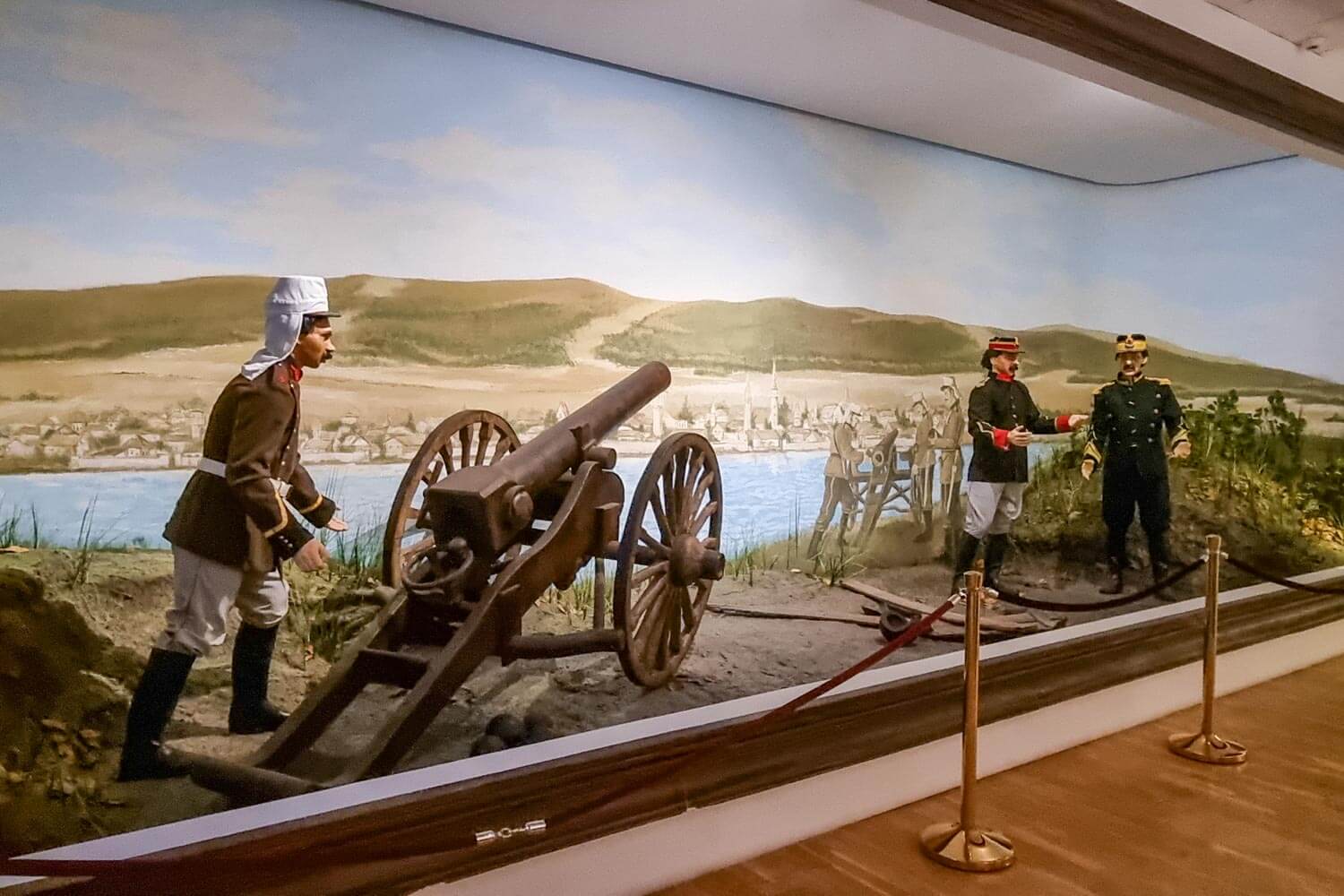
The final exhibition, Oltenia Rediviva, follows the region’s development from the late medieval period into modern times. Its galleries recreate scenes from Craiova’s history, including the residence of Michael the Brave when he served as Ban of Oltenia, the city’s neighborhoods during the 17th and 18th centuries, and the devastating fire of 1800. Other displays examine the uprising led by Tudor Vladimirescu in 1821 and the lives of important regional personalities, including diplomat Nicolae Titulescu and aviator Mariana Drăgescu. The exhibition concludes with the political and social transformations of the 20th century, including the communist period, industrialization, collectivization, and everyday life under Nicolae Ceaușescu.
In Craiova, the Oltenia Museum also operates the Museum of Ethnography and the Museum of Natural Sciences.