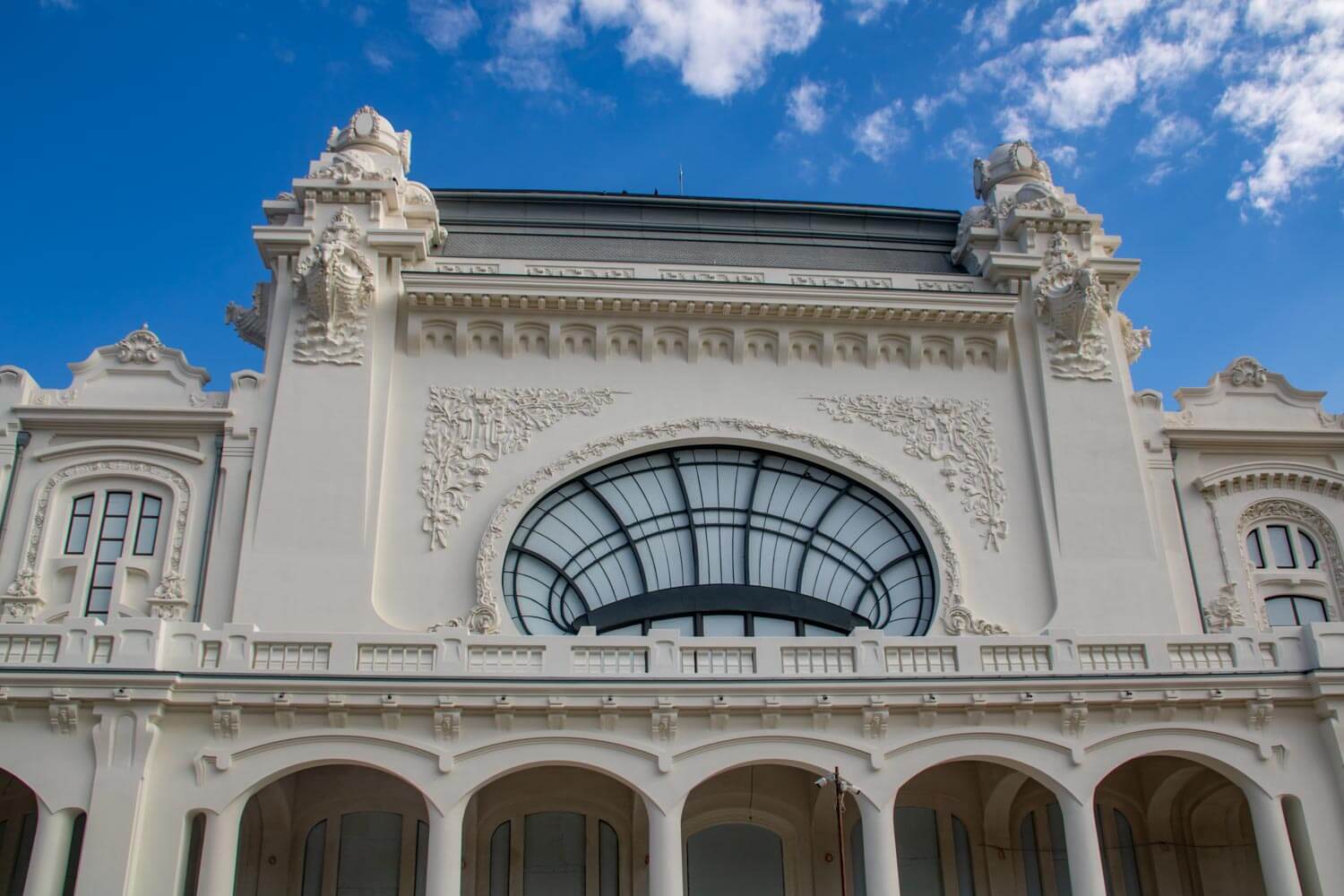
The Casino Promenade (Faleza Cazinoului) is the historic seafront promenade of Constanța, running along the southern edge of the old peninsula beside the Black Sea. Centered on the Constanța Casino, it combines waterfront views with some of the city’s best-known monuments, historic buildings and public artworks.
The seafront began to develop as a leisure area soon after Dobrogea became part of Romania in 1878. Early kiosks, terraces and the first wooden casino appeared here during the 1880s, but the shoreline was still exposed directly to storms and wave damage. The modern promenade took shape in the early 20th century, when major engineering works strengthened the seafront and created the protected platform on which the present Casino was built.
The route itself changed names several times as the city developed. It was known at different periods as Prince Nicolae Boulevard, Tsar Nicholas II Boulevard, General Alexandru Averescu Boulevard and, during the communist period, 16 Februarie Boulevard. The seafront is now pedestrianized and functions primarily as a promenade rather than a traffic route.
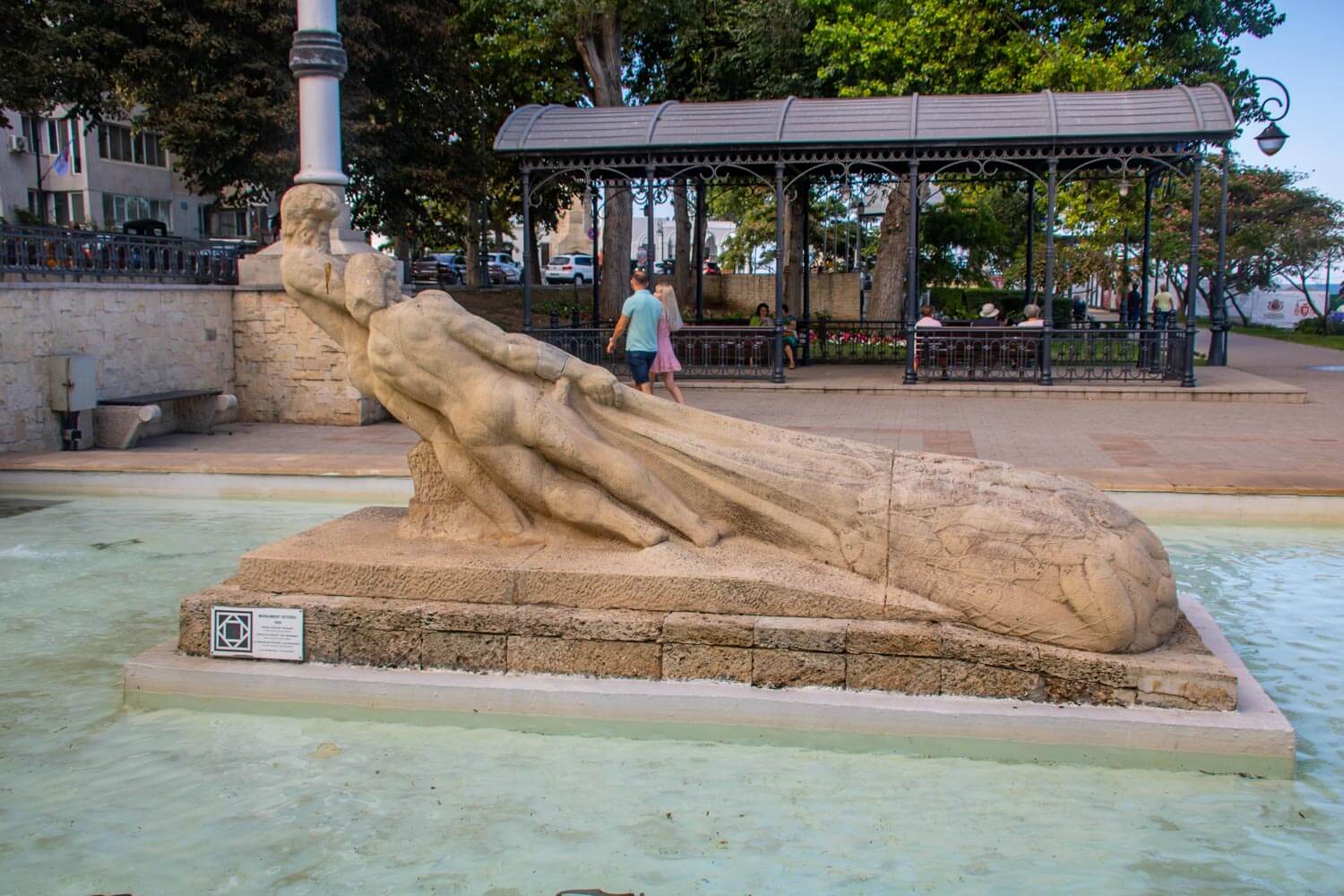
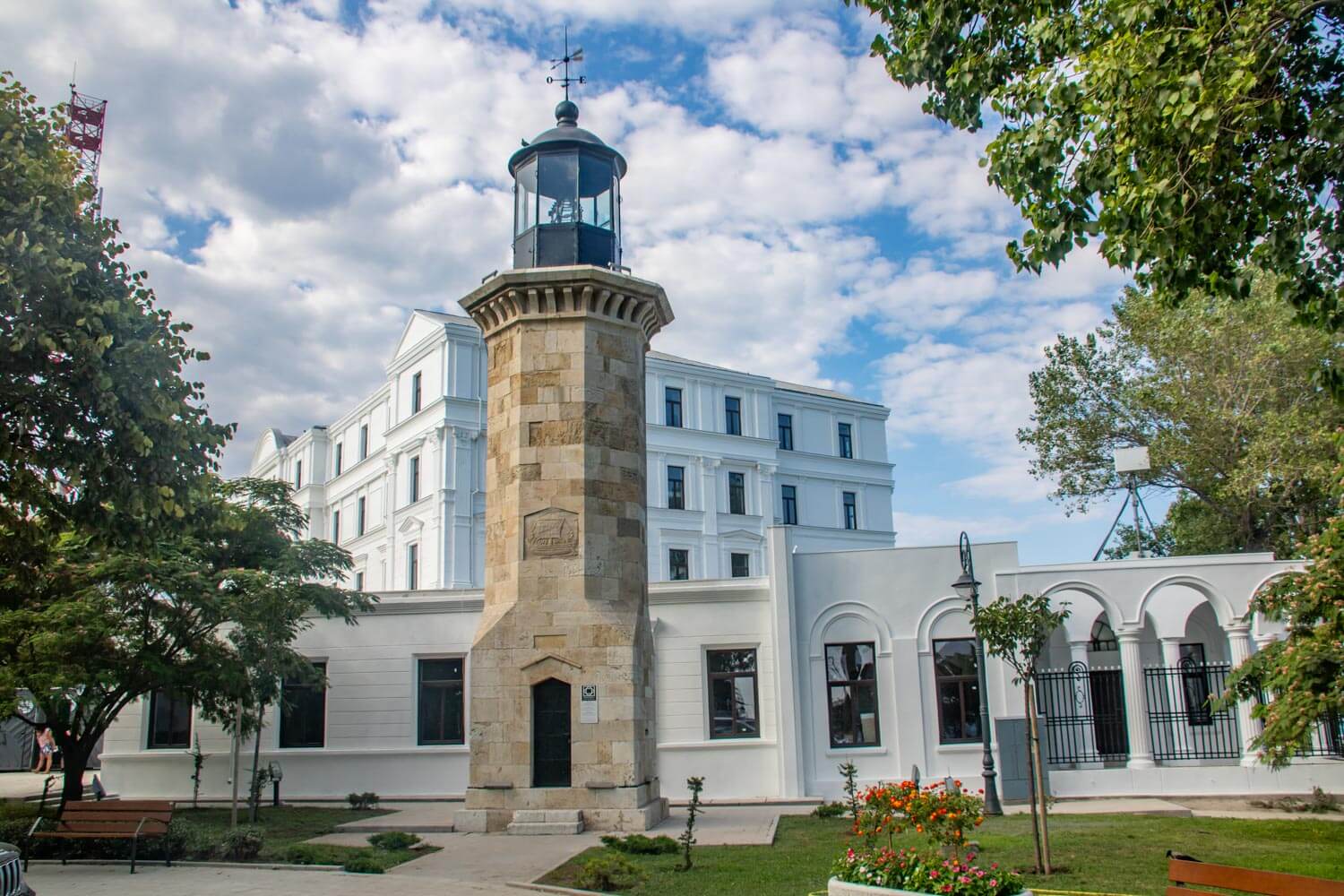
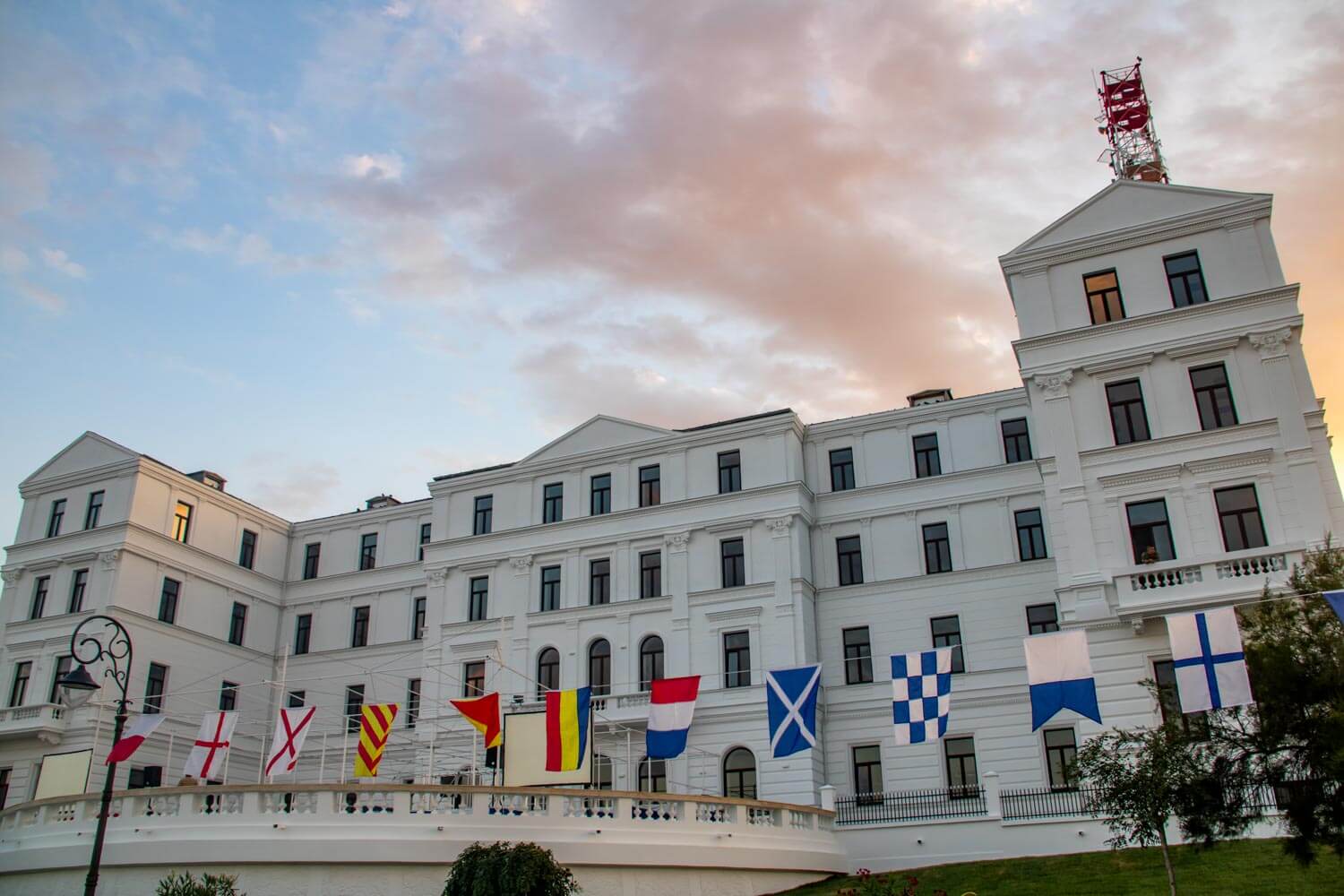
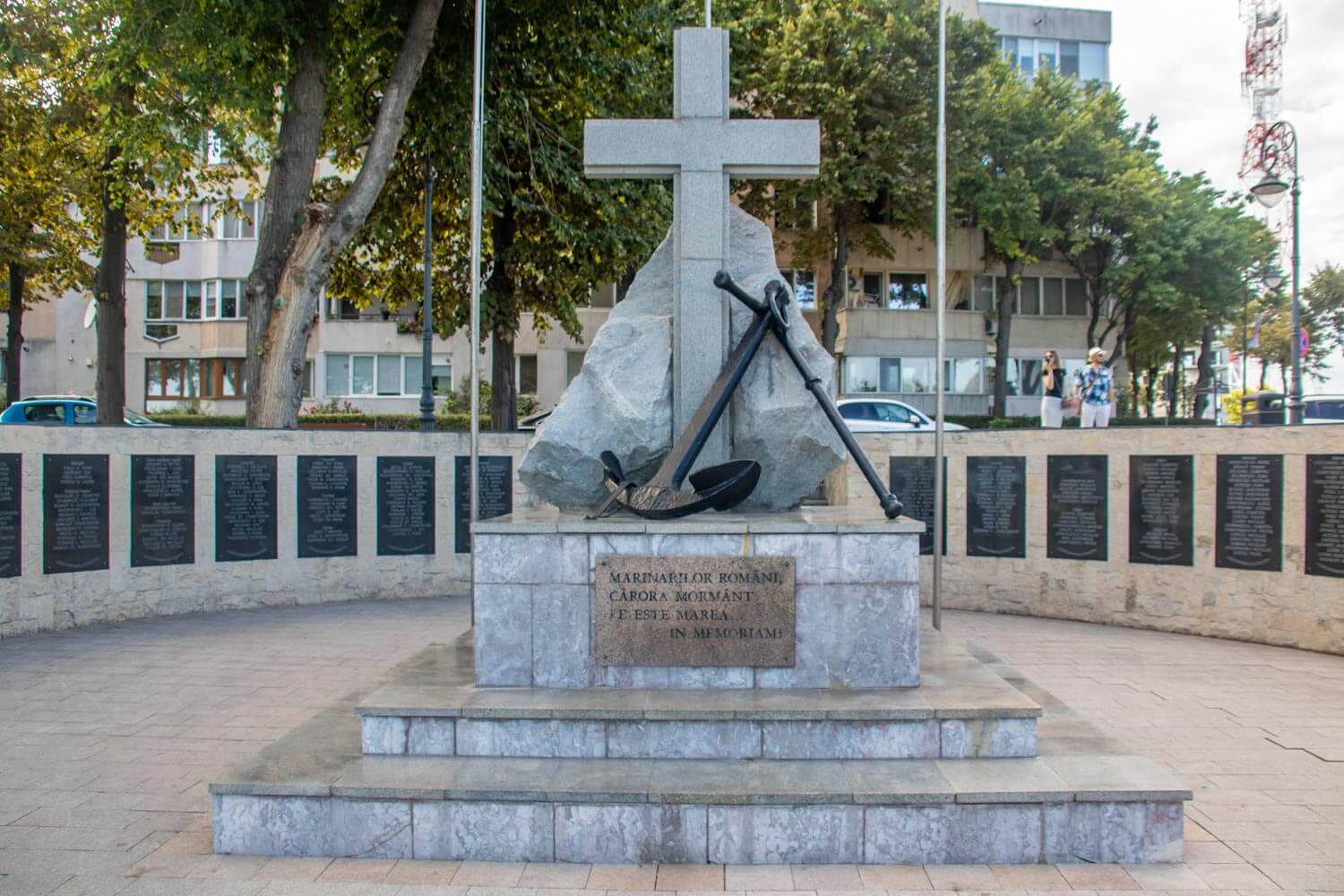
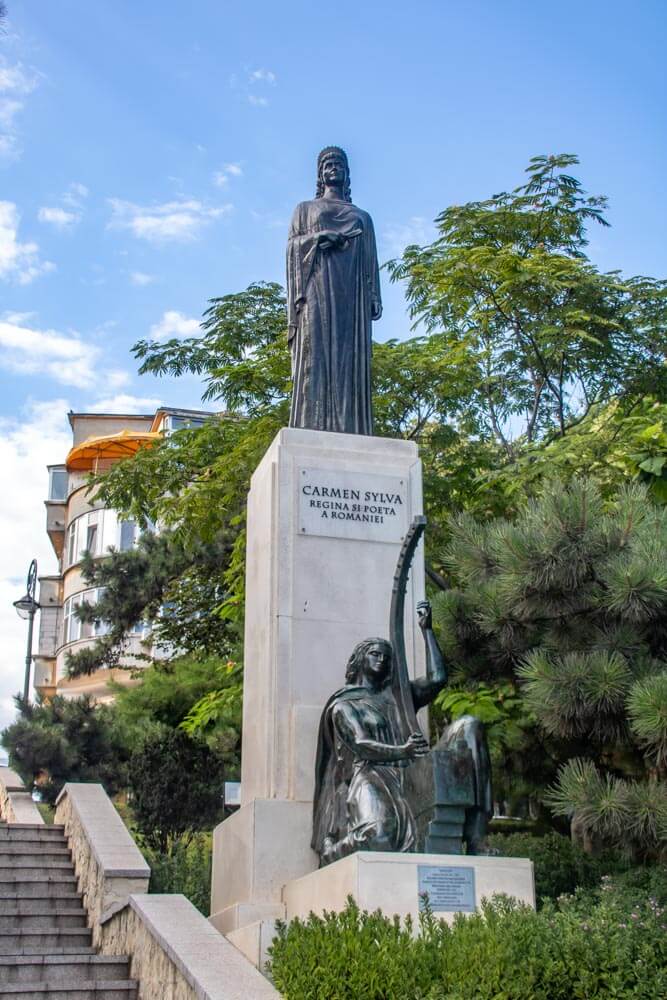
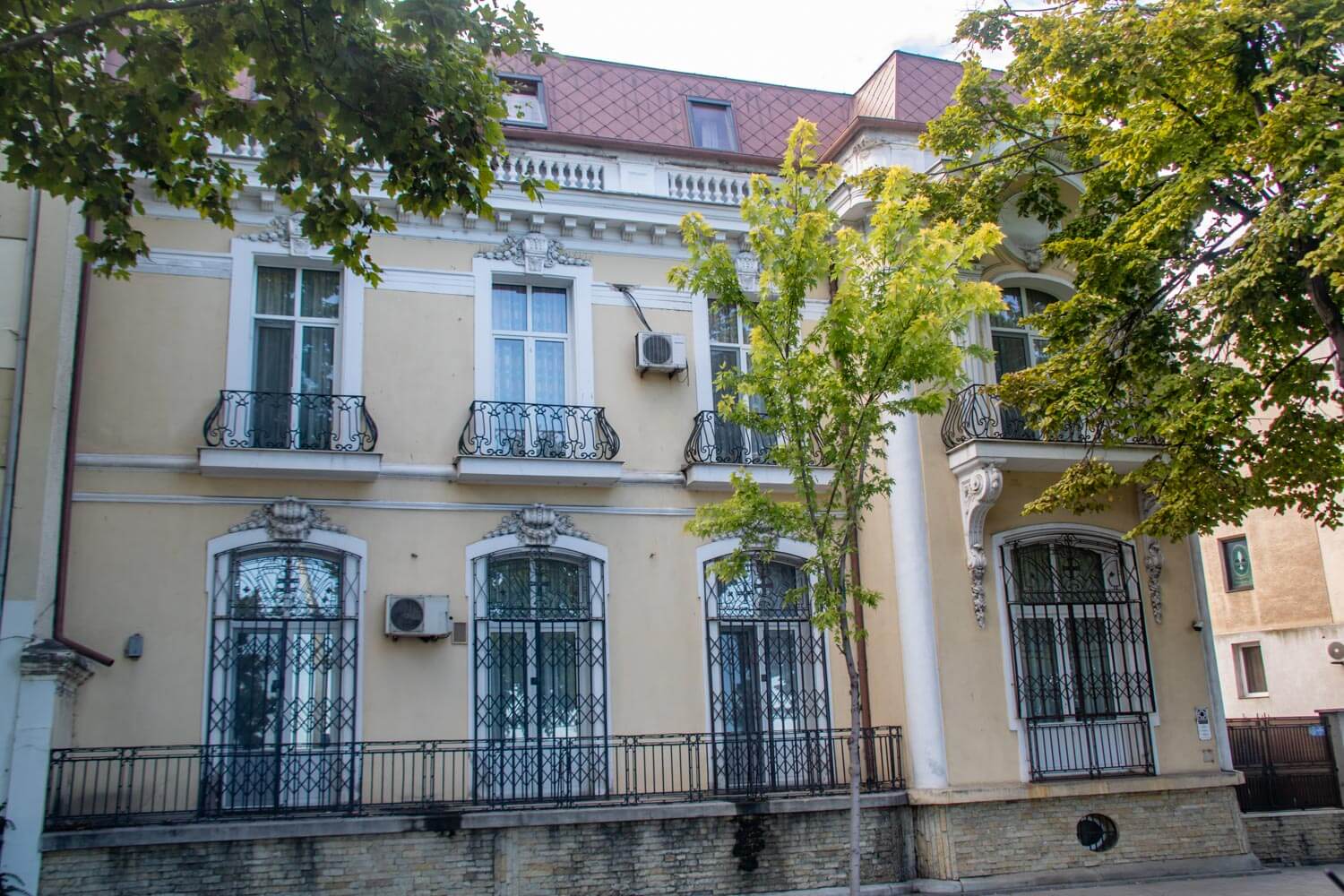
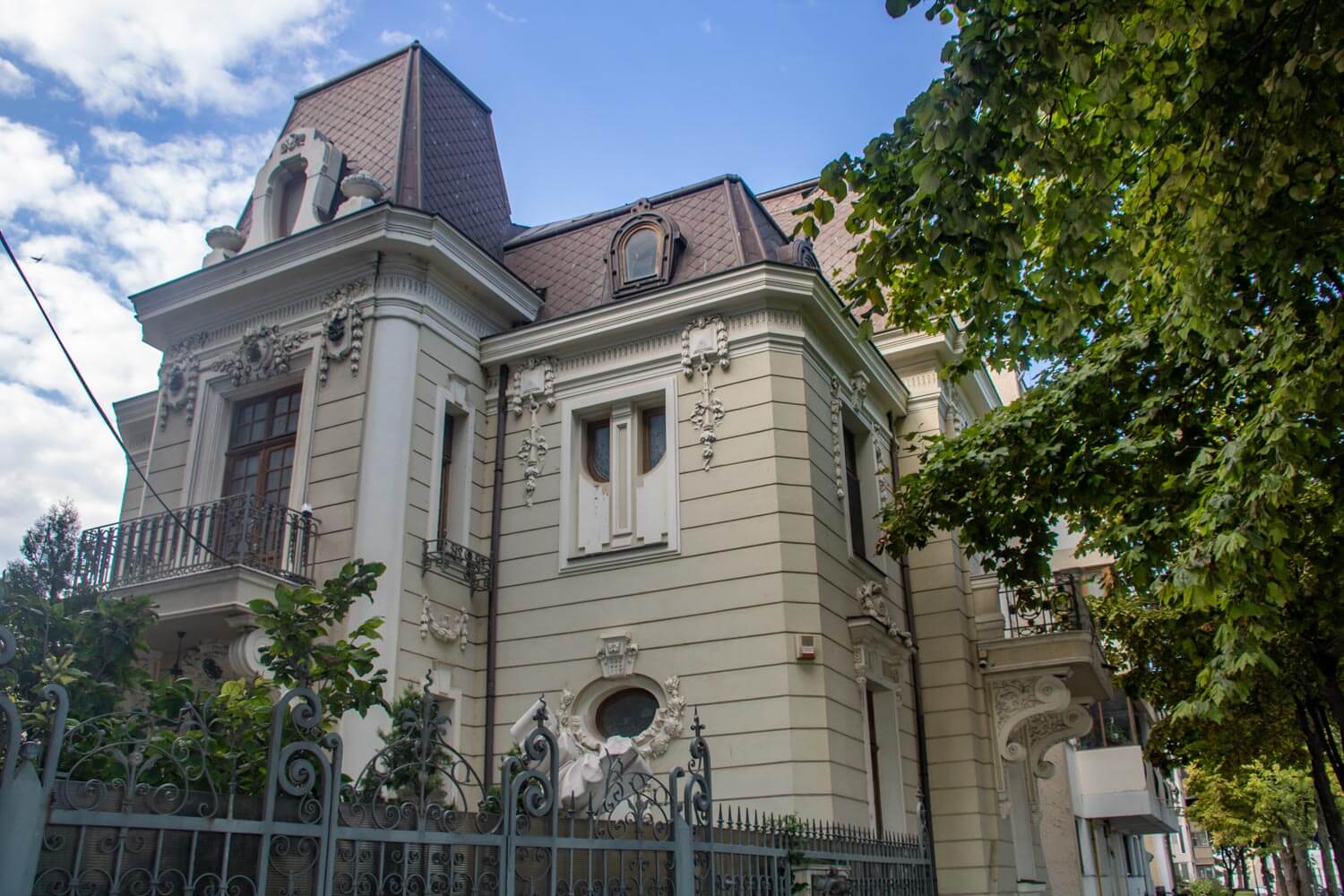
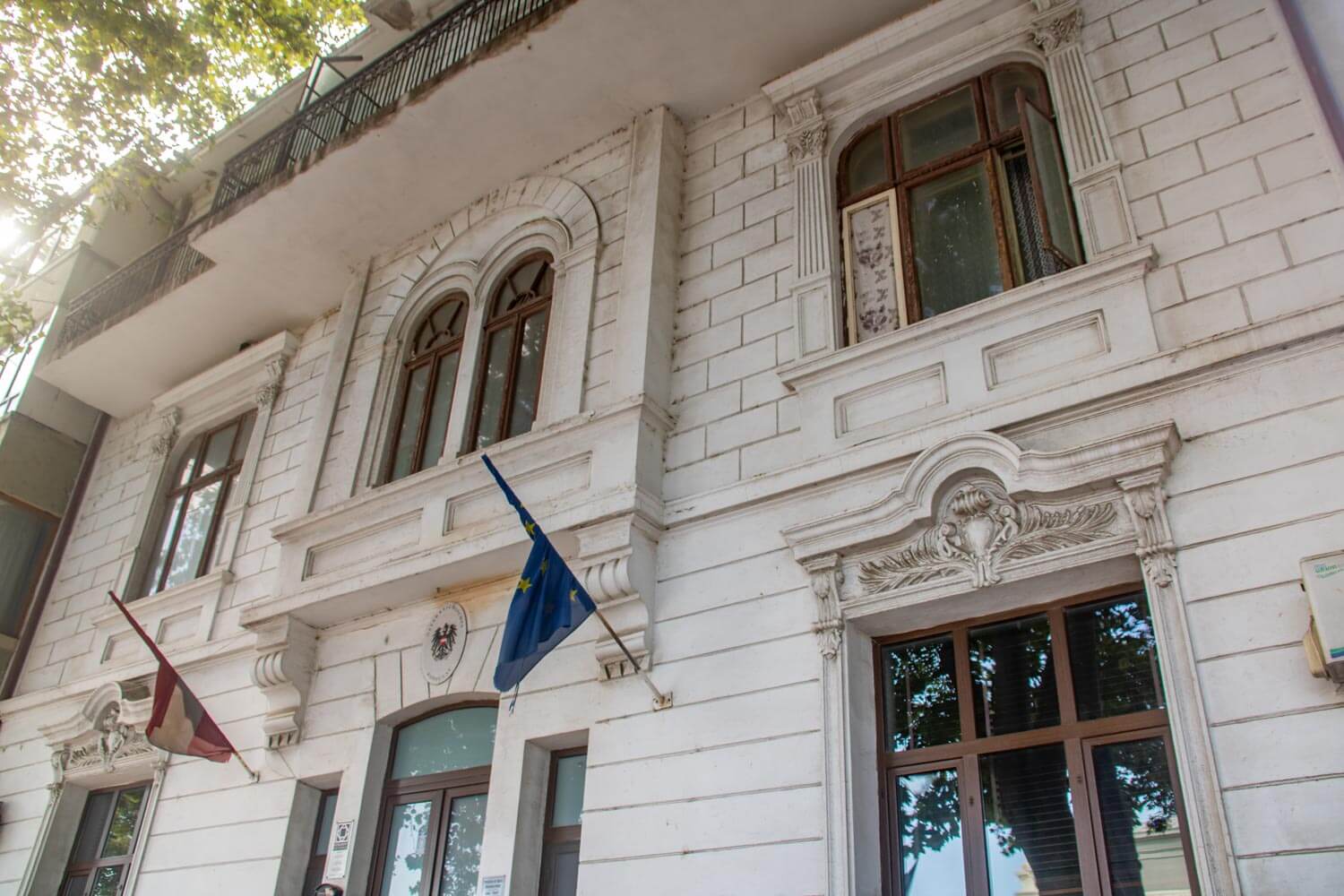
The Casino is the dominant landmark, but much of the interest comes from the sequence of smaller monuments and buildings along the waterfront. The Genoese Lighthouse stands near the bend in the promenade, while the former Hotel Carol now serves as the Headquarters of the Romanian Navy. Nearby are the Constanța Aquarium, the Fishermen Monument and the Armenian Khachkar, together with the memorial to Queen Elisabeth and her muse and the Sailor’s Cross.
Near the Genoese Lighthouse, a monument to Mihai Eminescu by sculptor Oscar Han was unveiled in 1934. It combines a bronze bust of the poet with a larger symbolic female figure on the pedestal and recalls Eminescu’s stay in Constanța in 1882.
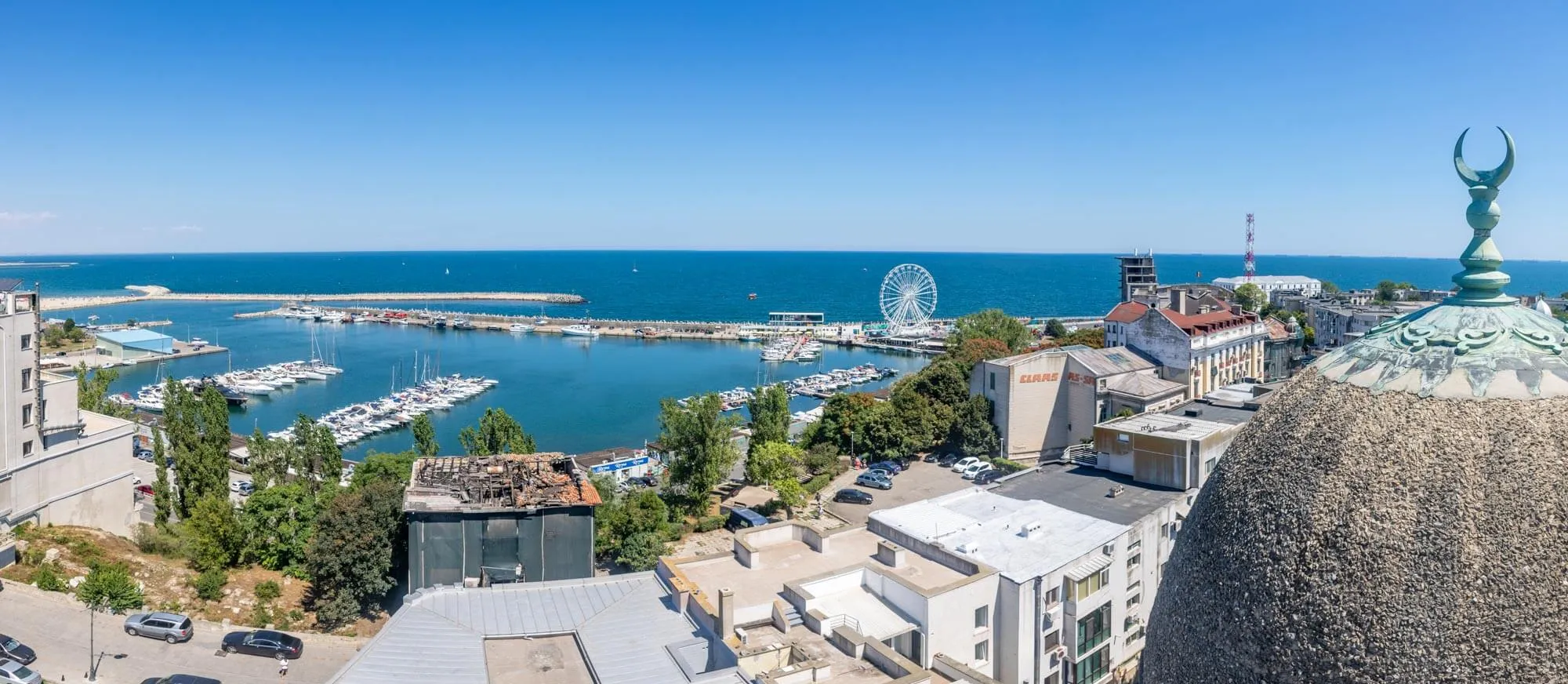
The promenade follows the edge of the sea around the southern side of the peninsula, with open views across the Black Sea for much of the route. Benches, small landscaped areas and the broad paved waterfront make it one of the main places in the historic center for walking beside the coast, while the concentration of monuments reflects the development of Constanța from an Ottoman port into a modern Romanian seaside city.