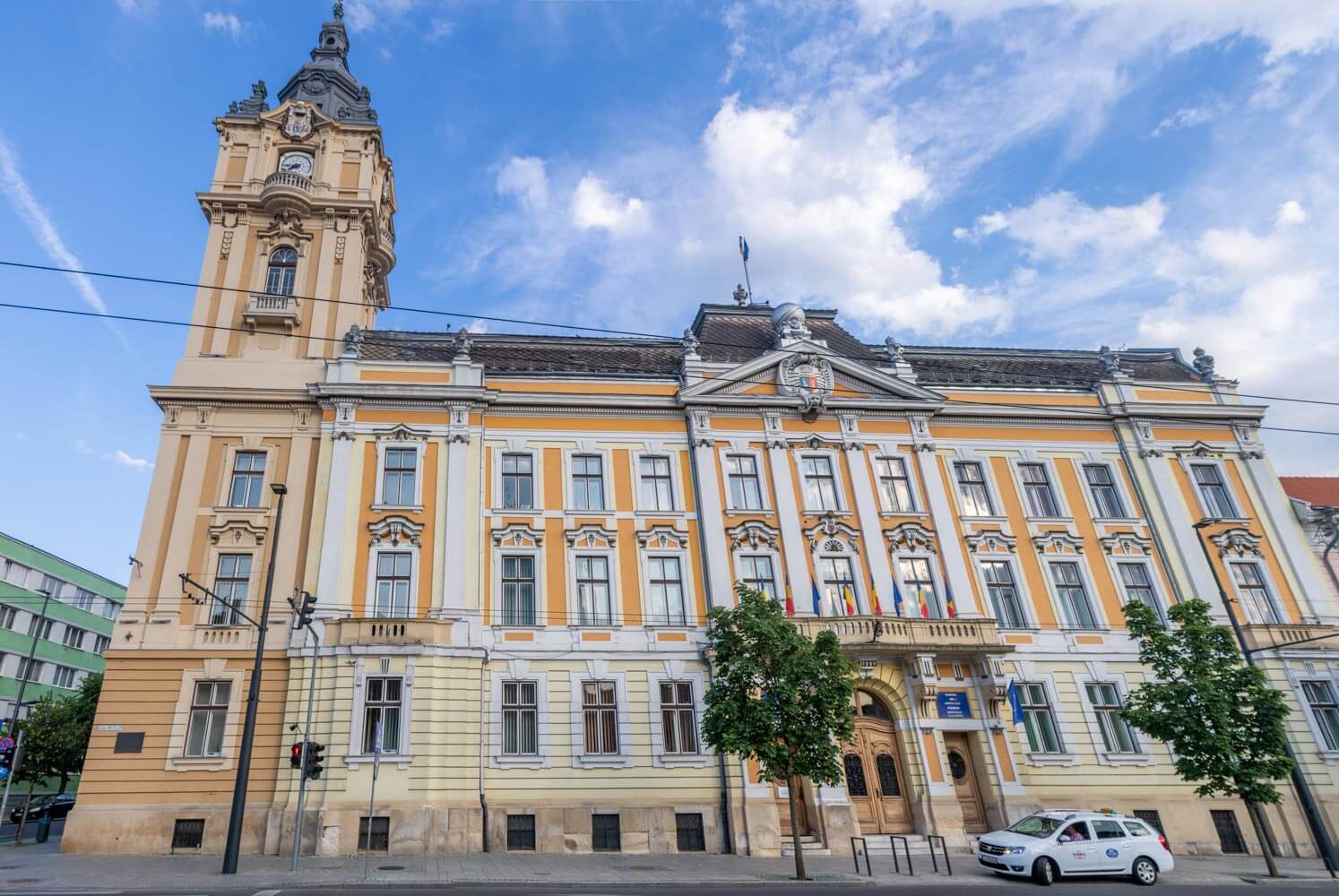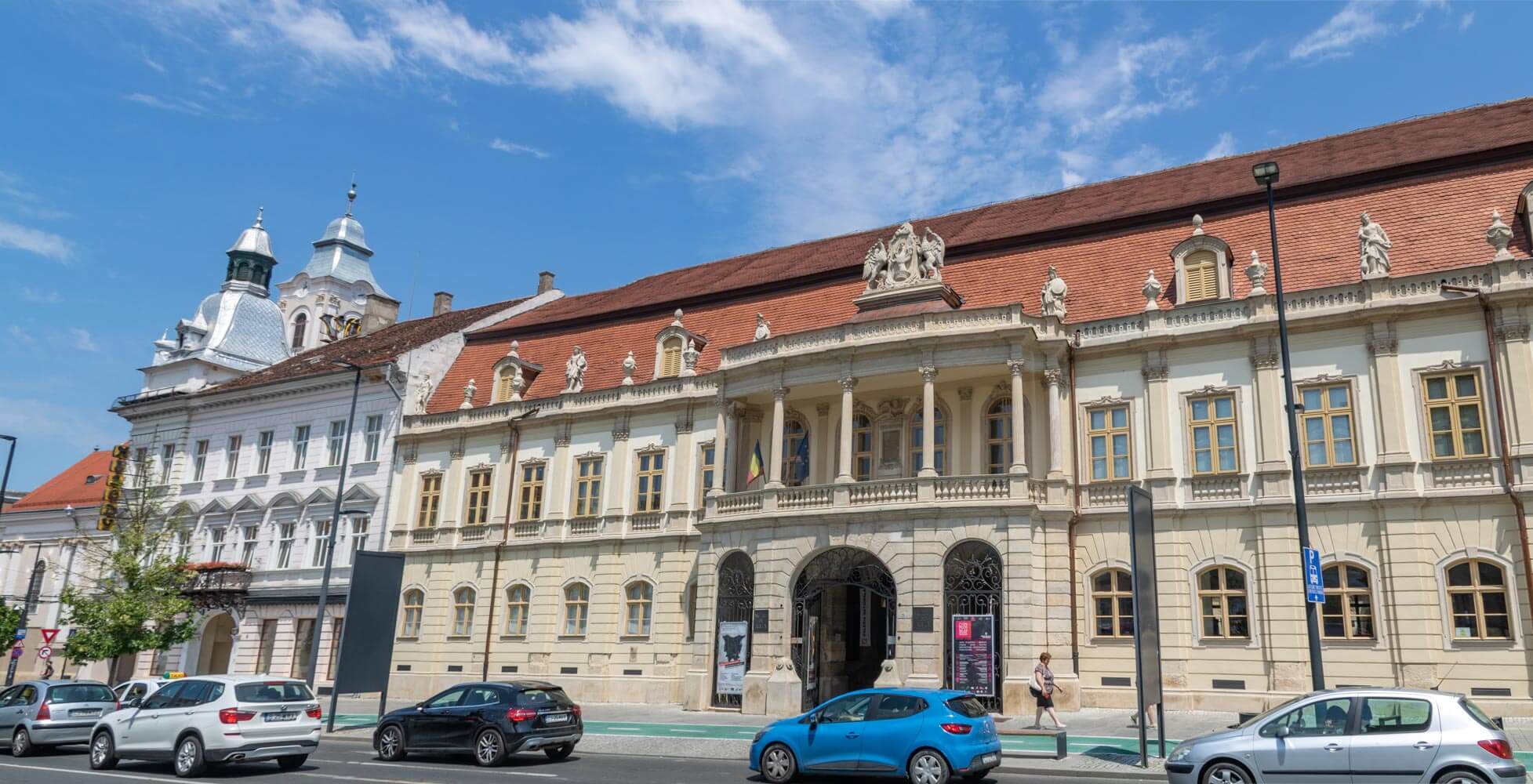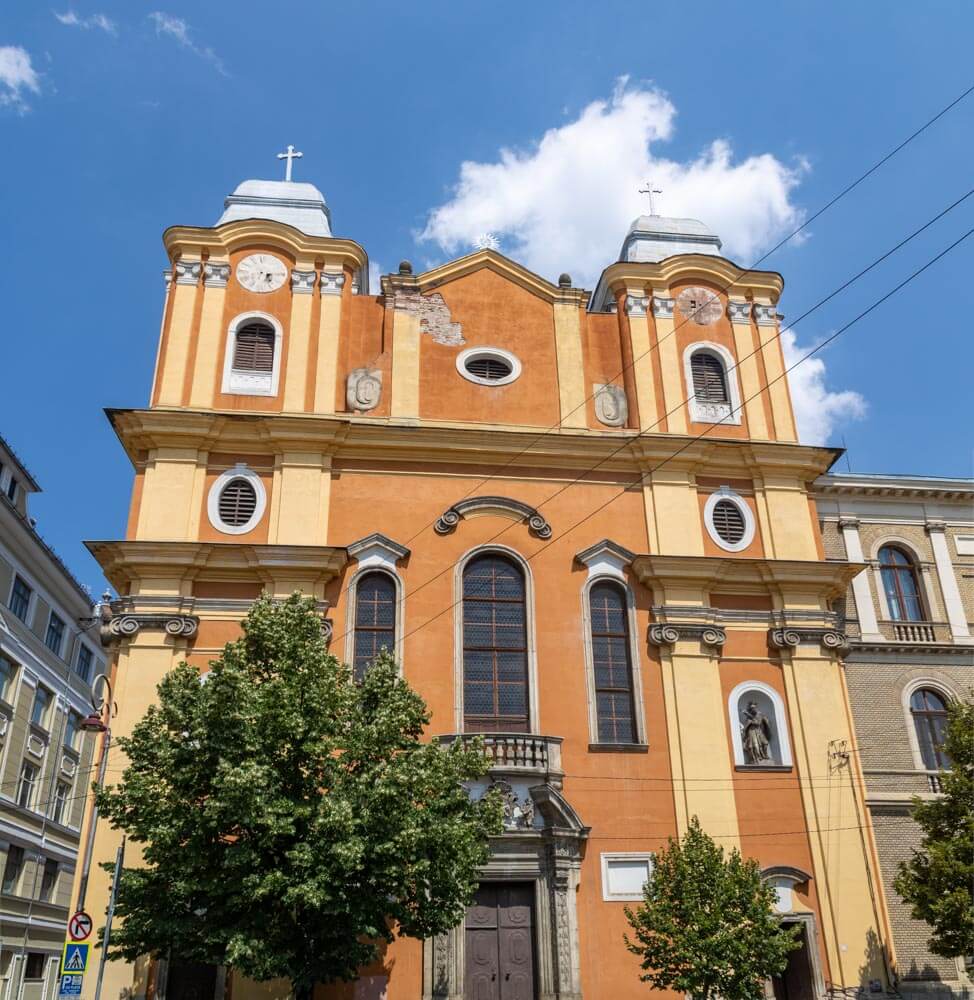
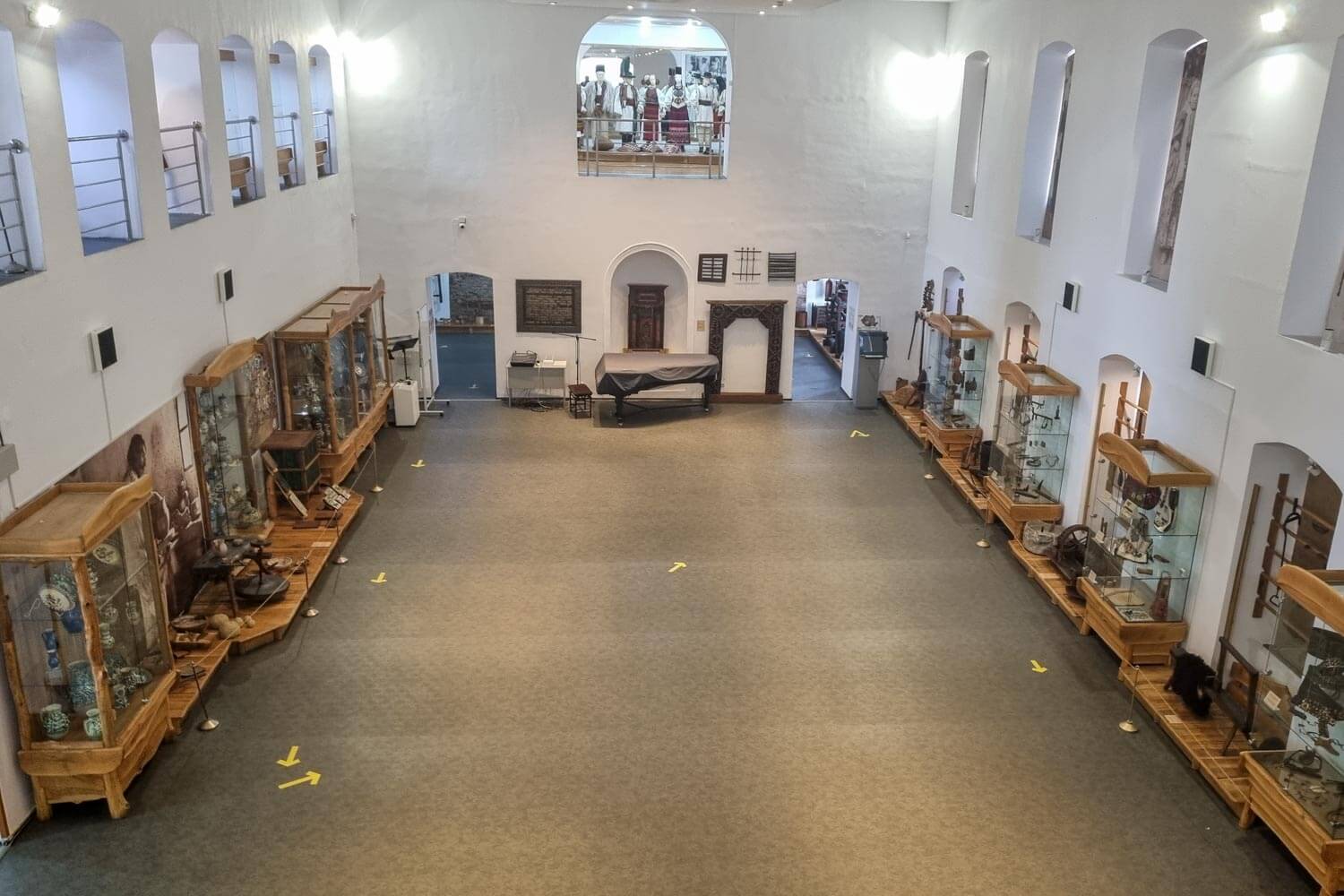
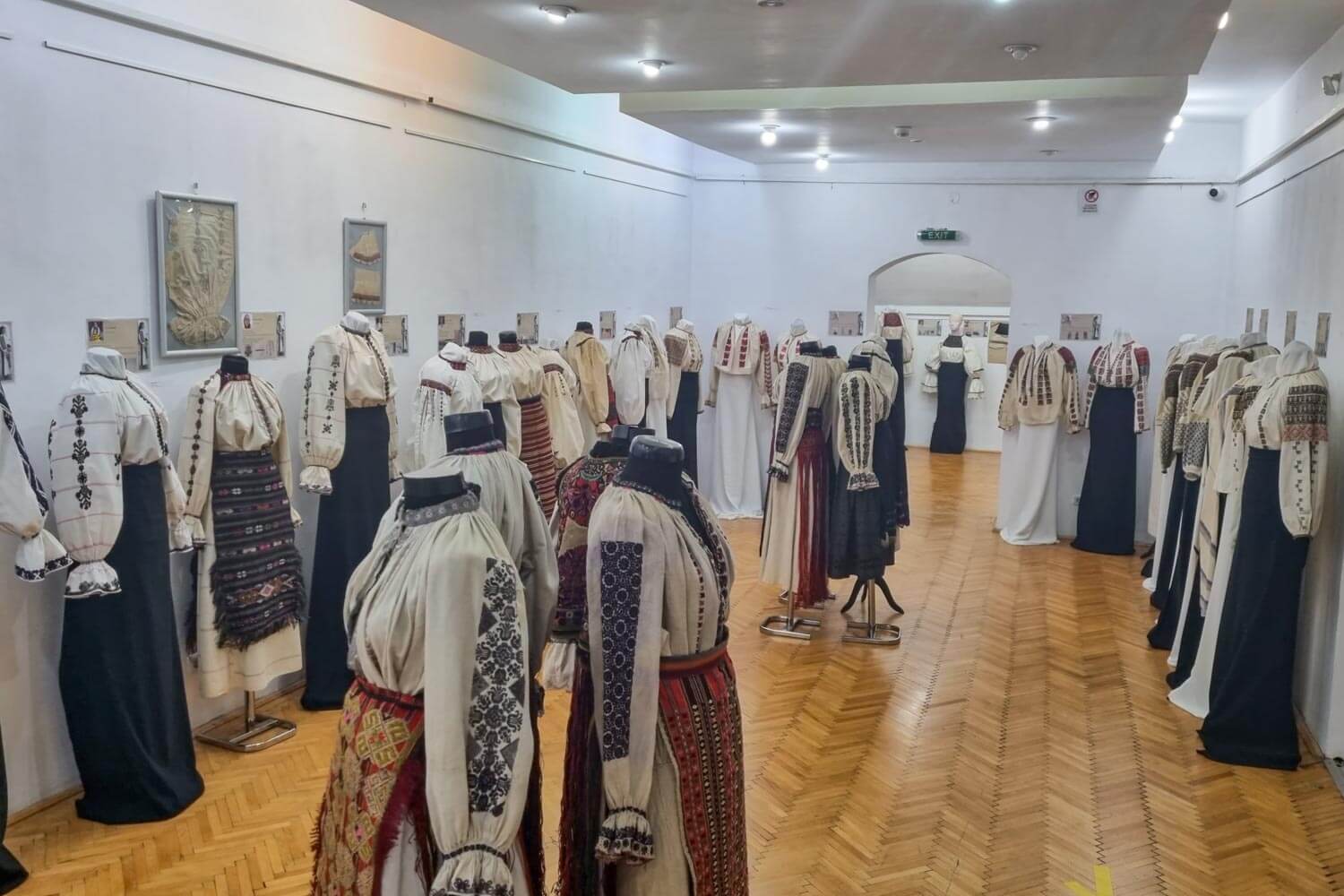
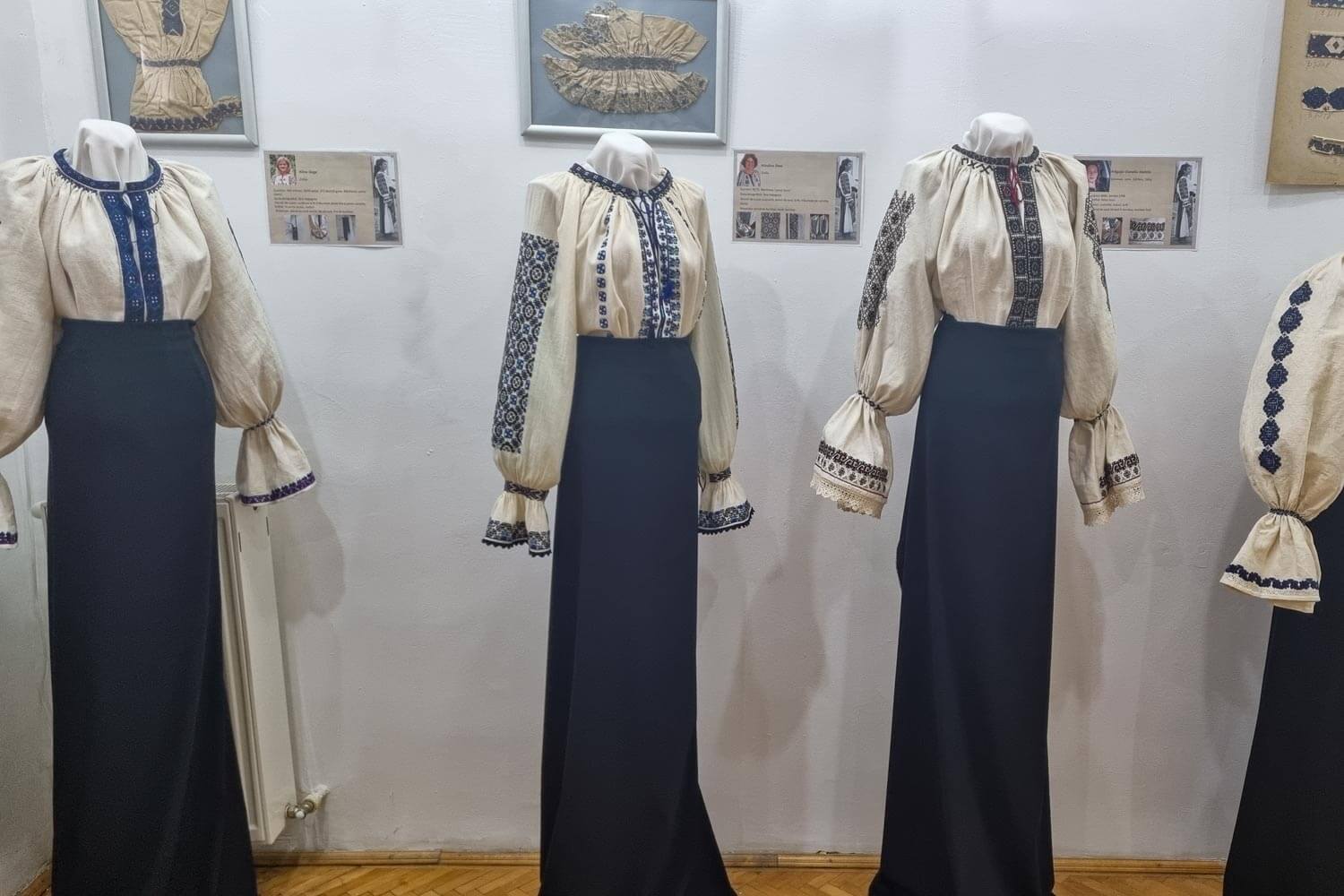
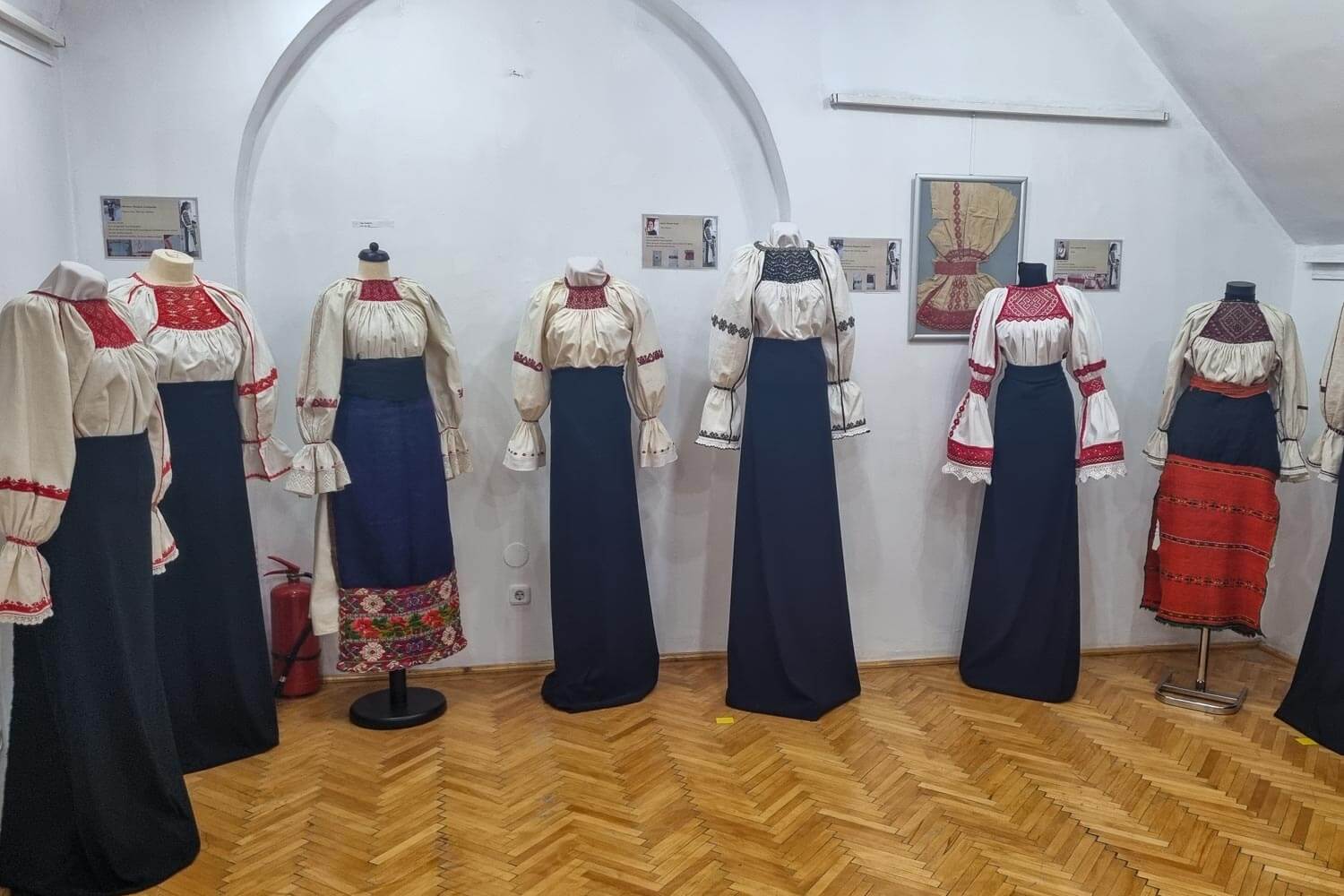
The Transylvanian Museum of Ethnography (Muzeul Etnografic al Transilvaniei) is located in the Reduta Palace, one of the oldest buildings in Cluj-Napoca. The museum is one of the first and most important ethnographic museums in Romania.
History Of Reduta Palace
The building in which the museum is located, Reduta Palace, dates back to the 16th century. In the 18th and 19th centuries, one of the most important inns of the city, called Calul Bălan, was located inside this building. From 1810 to 1812 a renovation took place in the neoclassical style and the building was named Reduta Palace. It became one of the most important political, administrative, and cultural buildings of Transylvania during the 19th century. In 1865 the union of Transylvania with Hungary was decided here and in 1894 one of the great political trials of the century took place against the so-called “Memorandists” who had requested equal rights for Romanians. A monument commemorating the Memorandists can be found on Union Square.
At the end of the 19th century Reduta Palace lost its importance when new governmental and administrative buildings were erected around the city. It was used for varying purposes for while, like a cinema, casino and art museum and in 1959 it became the new home of the Transylvanian Museum of Ethnography.
History Of The Transylvanian Museum Of Ethnography
The museum was founded in 1922 and has uninterruptedly operated for over 100 years. Since 1959 the museum has been operating from the Reduta Palace on Strada Memorandumului. Another open air section of the museum opened outside the city on April 12, 1929 as the Romulus Vuia Ethnographic Park.
Visiting The Transylvanian Museum Of Ethnography
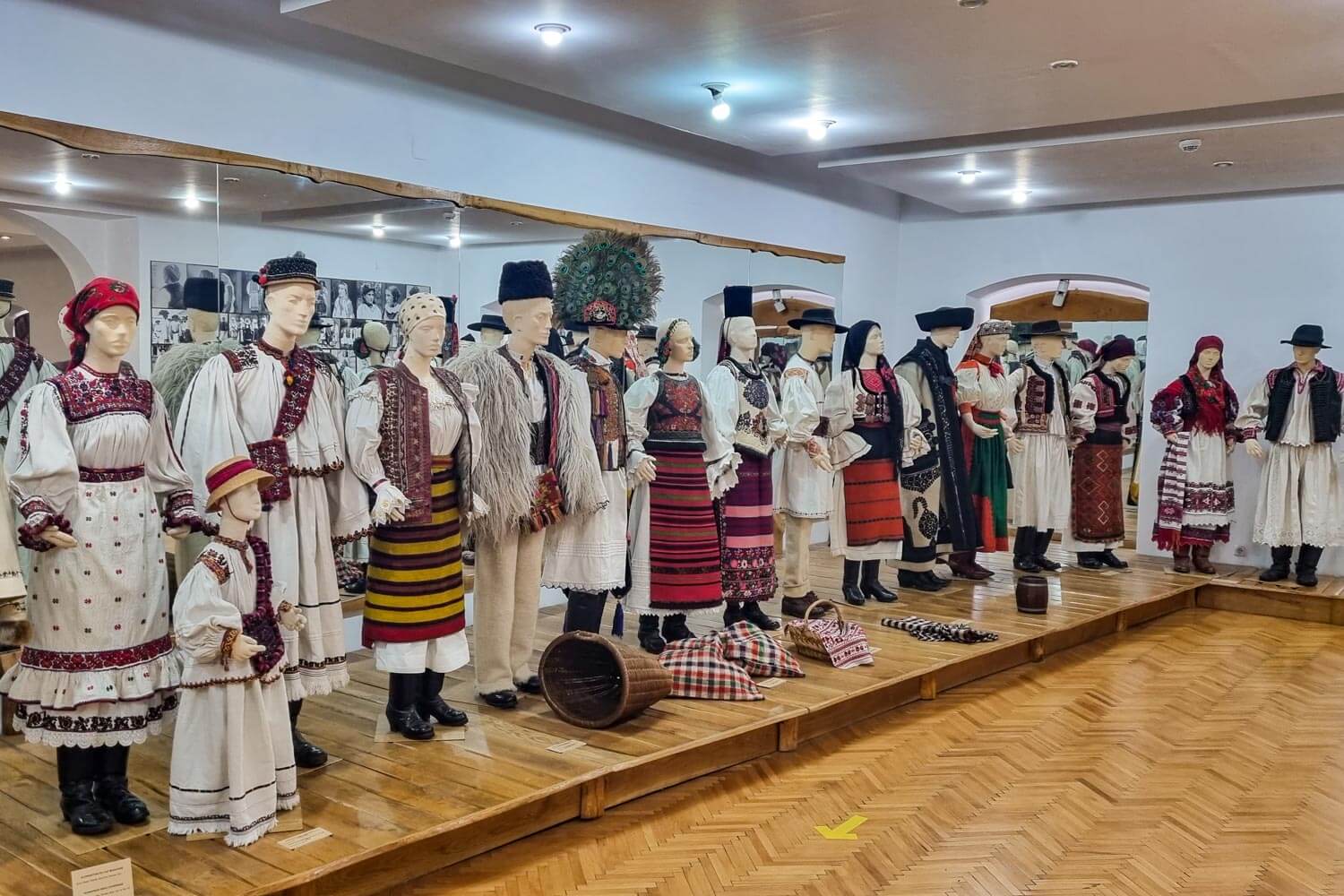
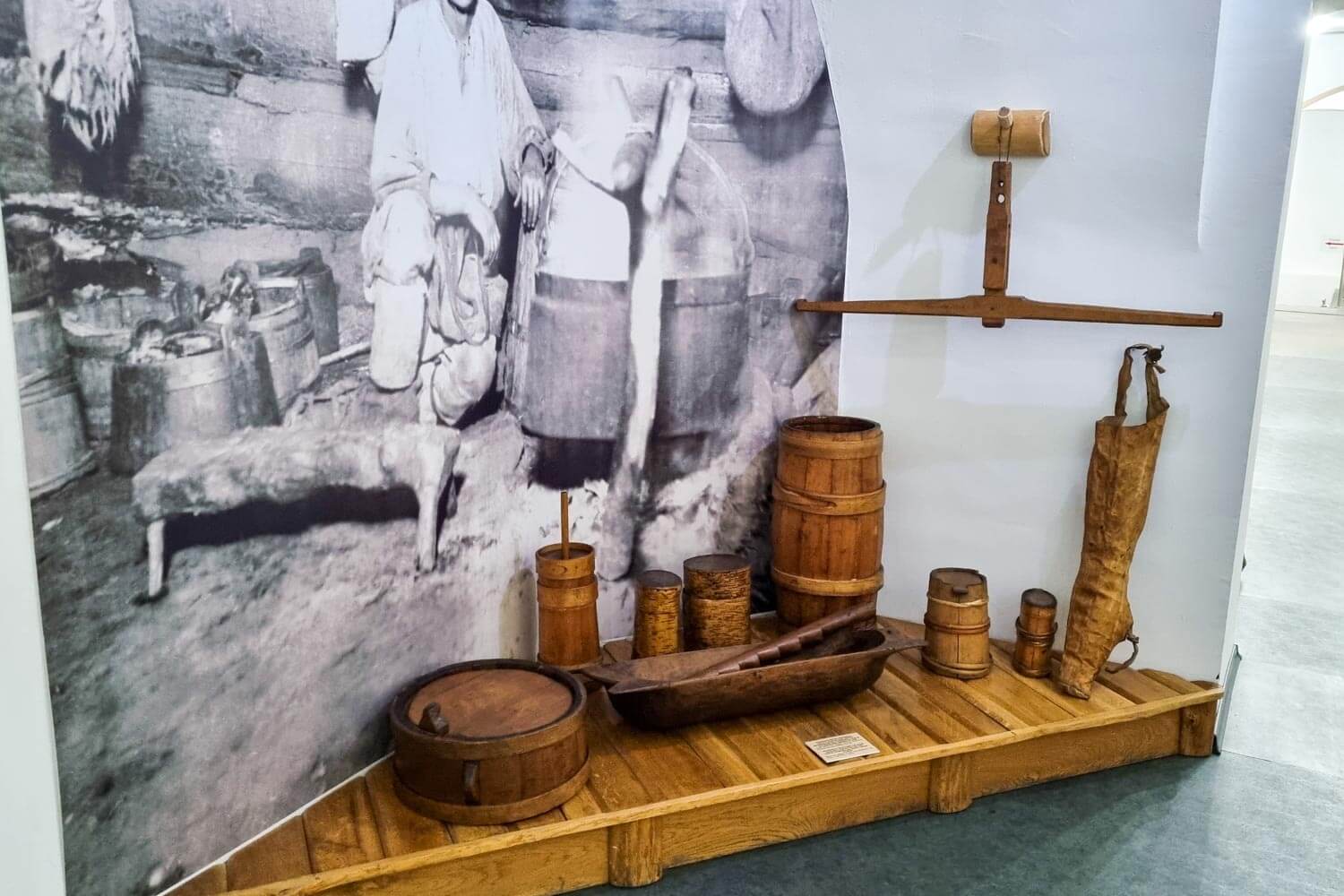
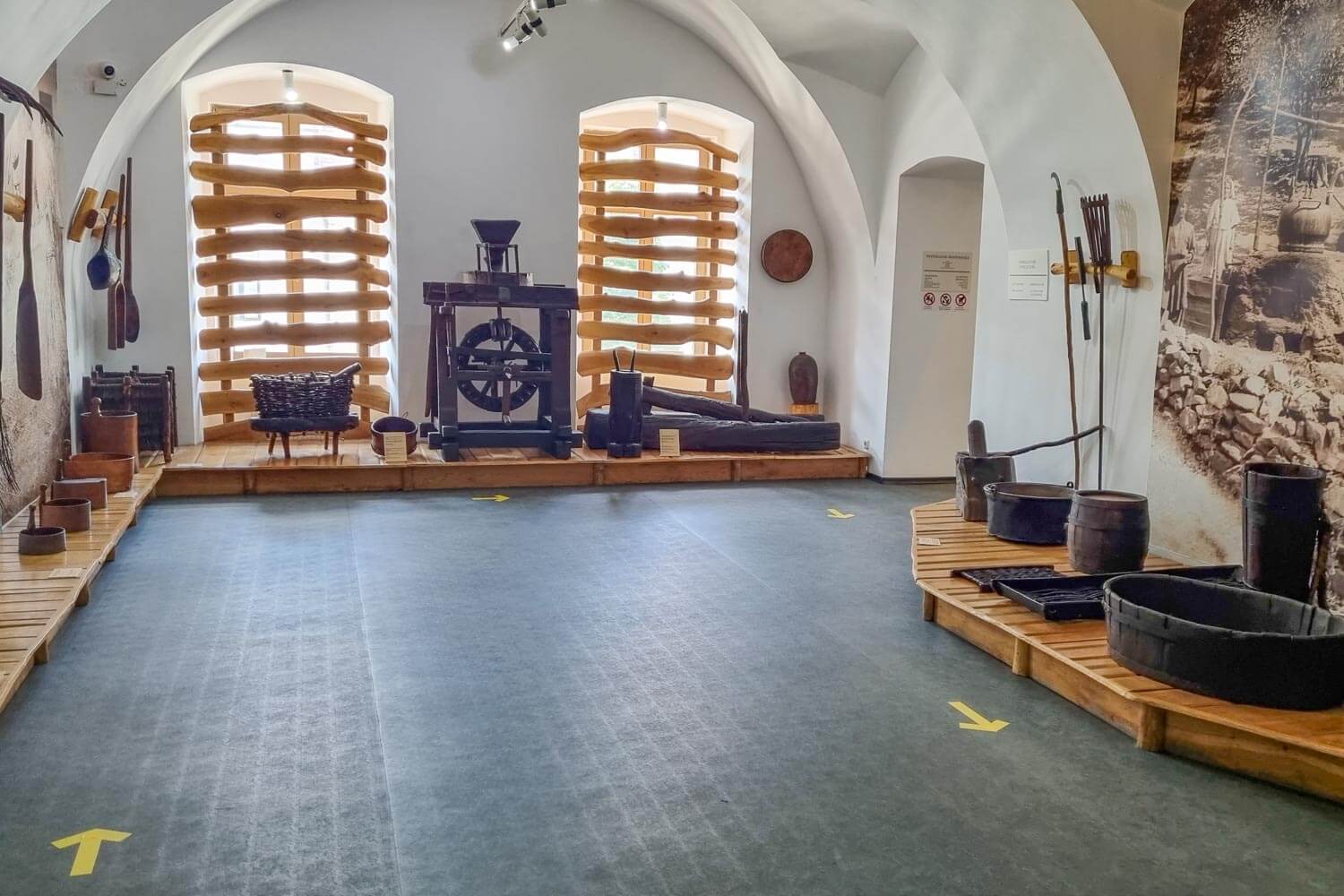
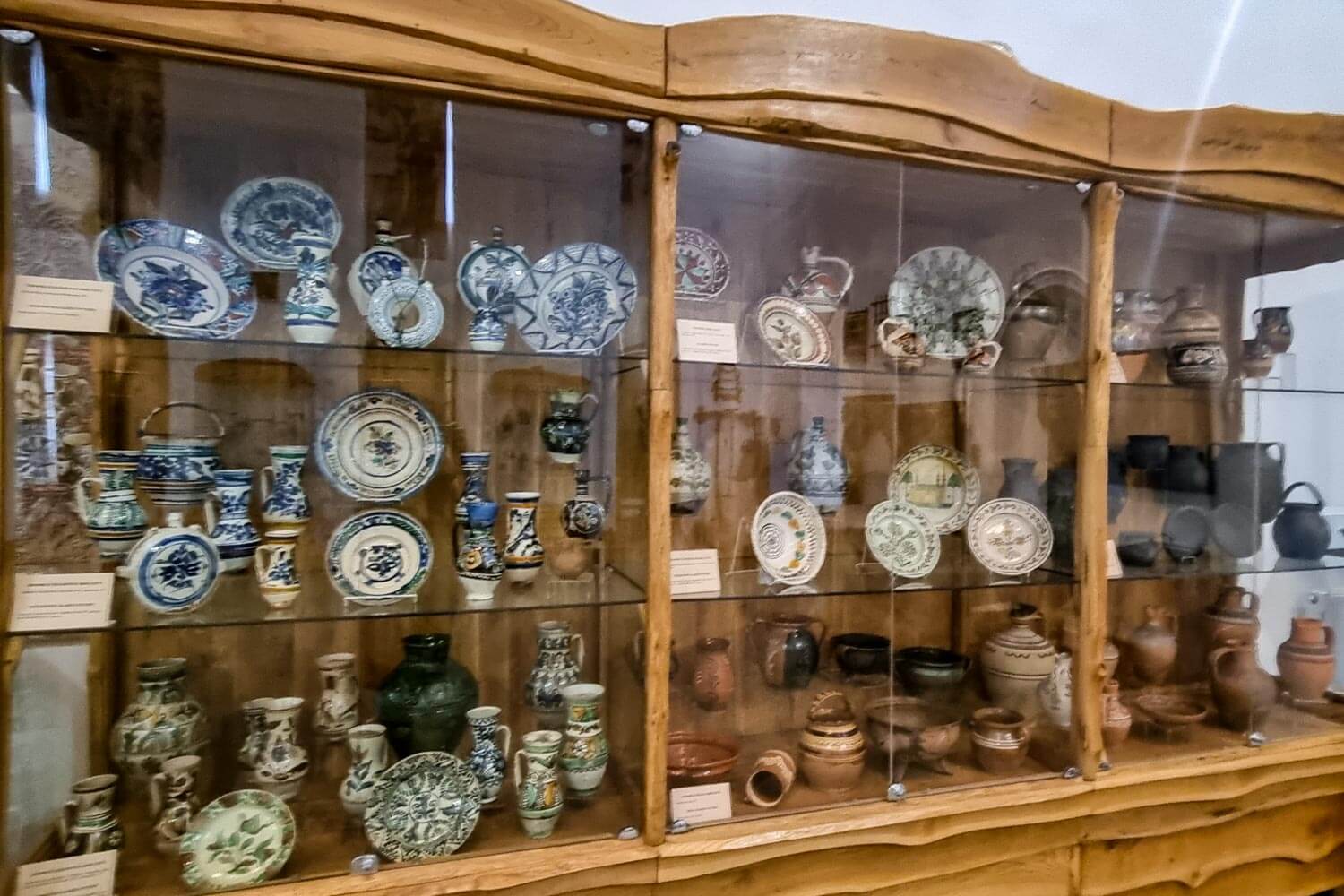
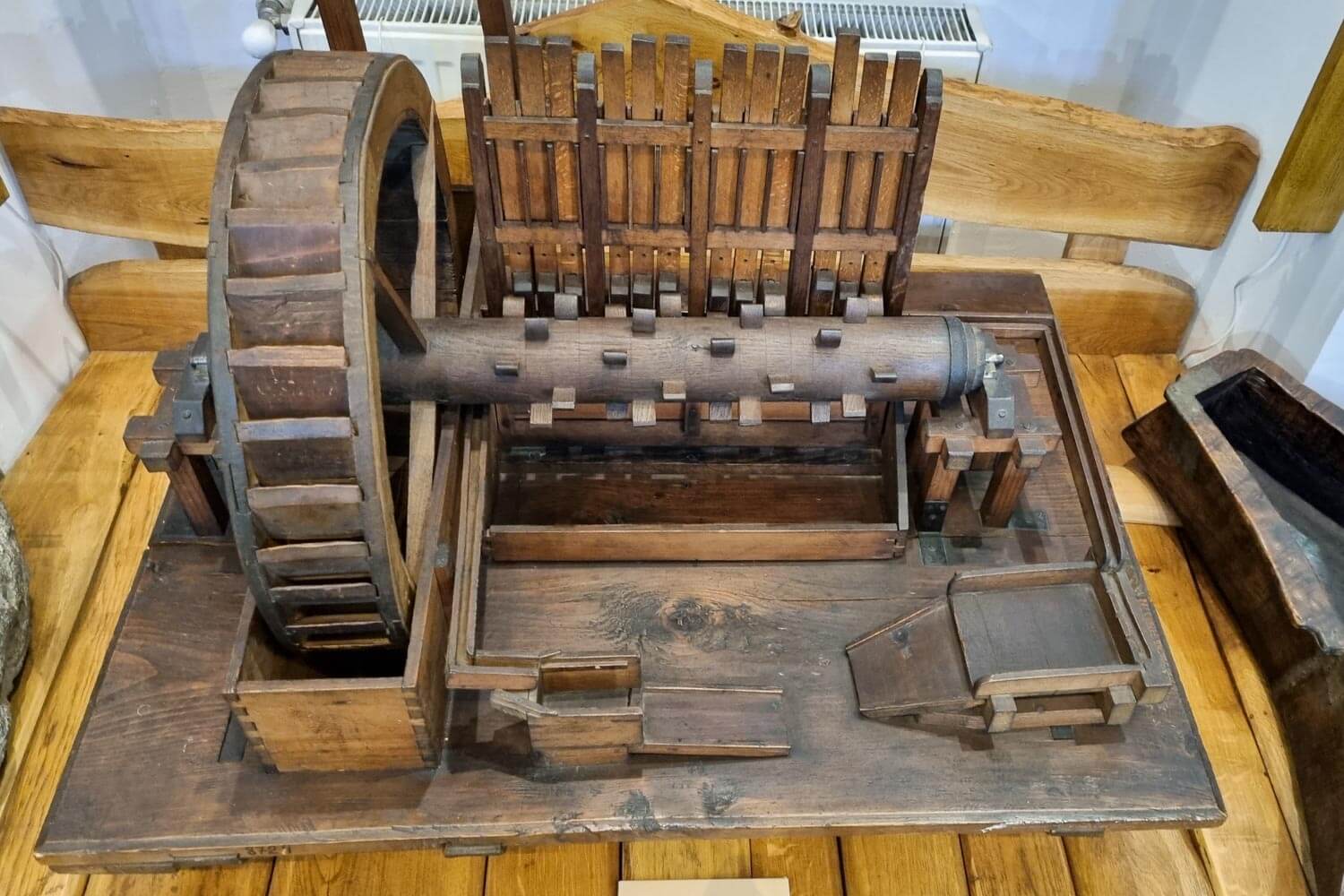
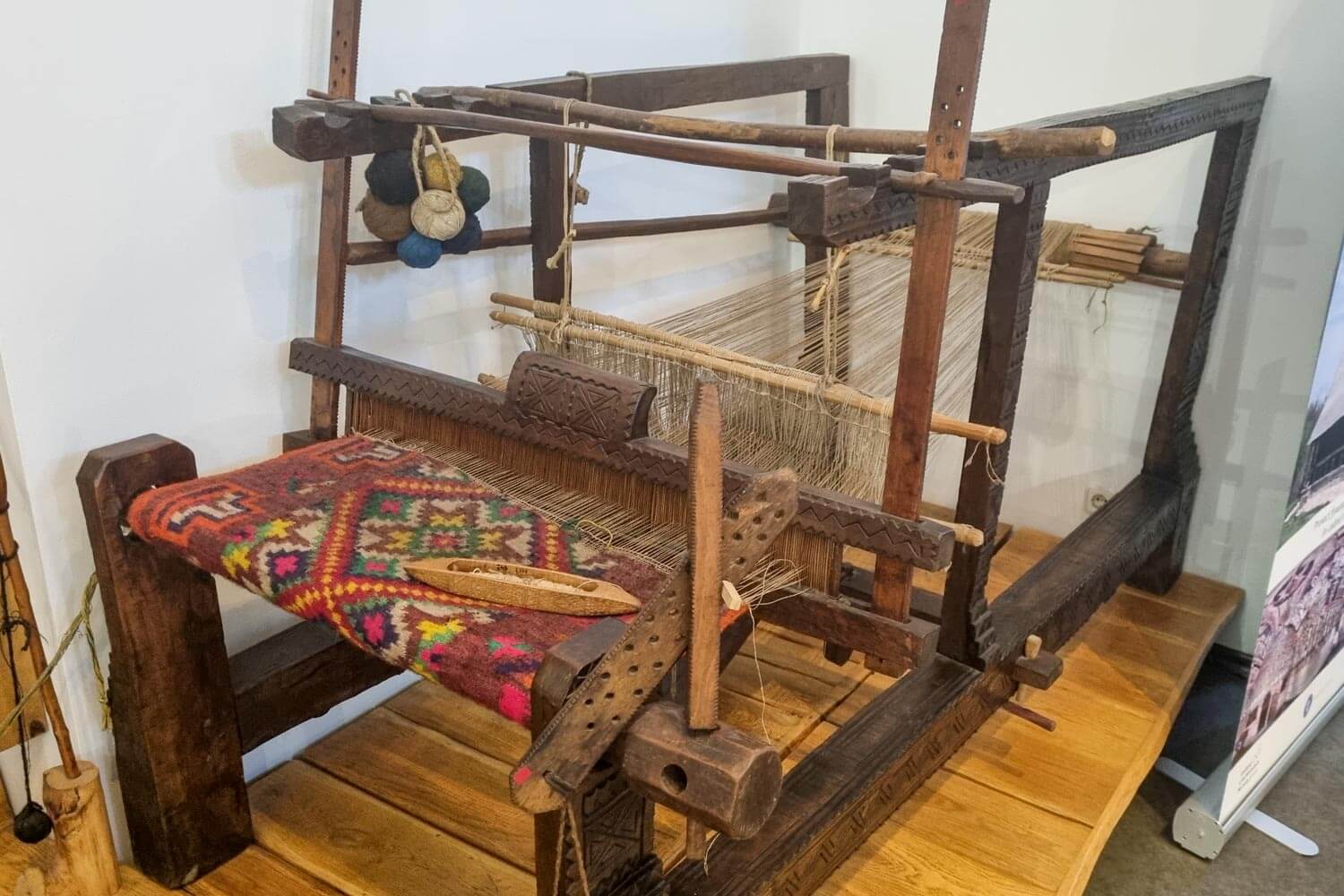
The museum has a collection of over 50,000 items and clothes from everyday rural life in Transylvania, including ceramics, textiles, traditional clothing, household and kitchen objects, hunting and farming equipment, which are displayed with desciptions of how they were used.