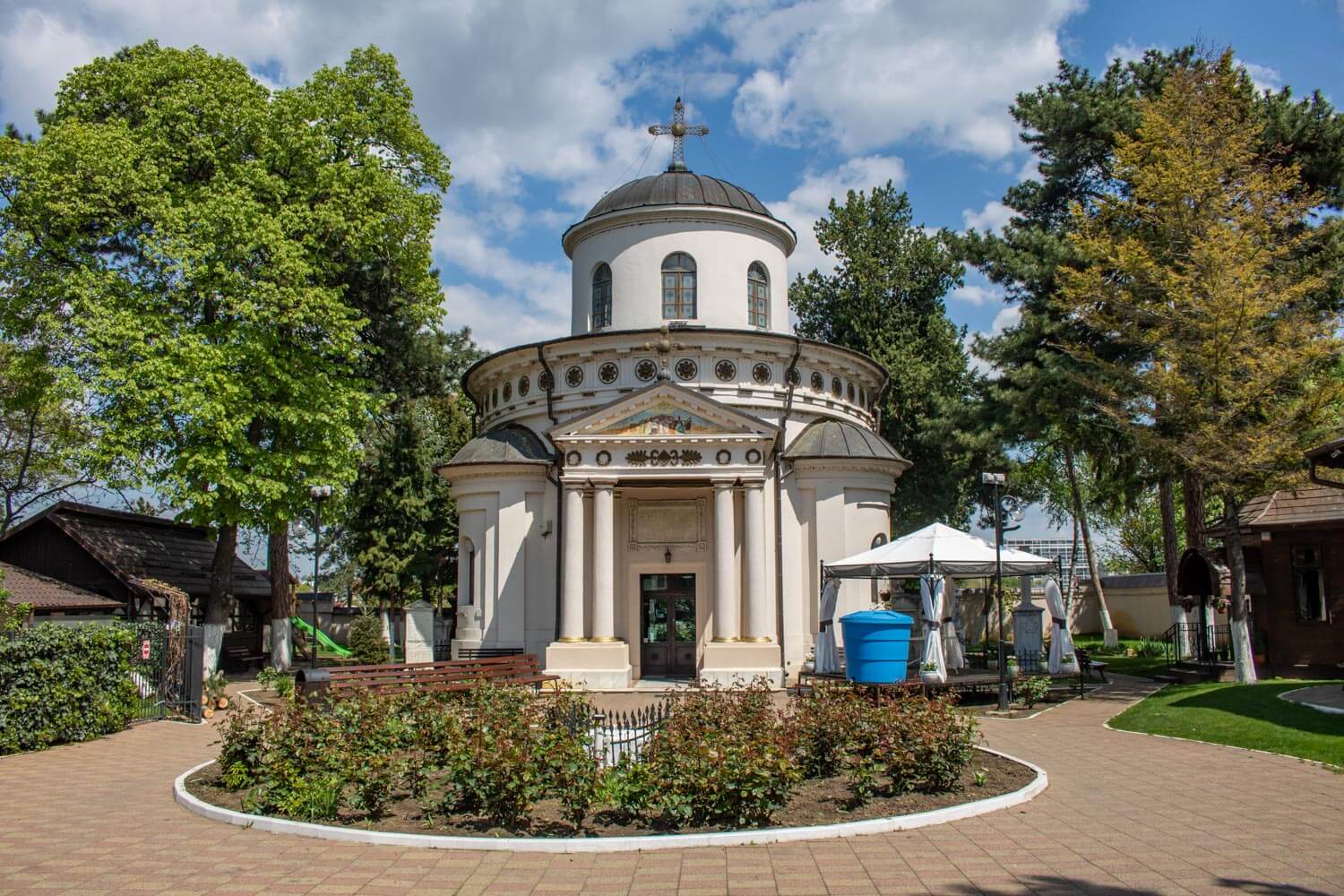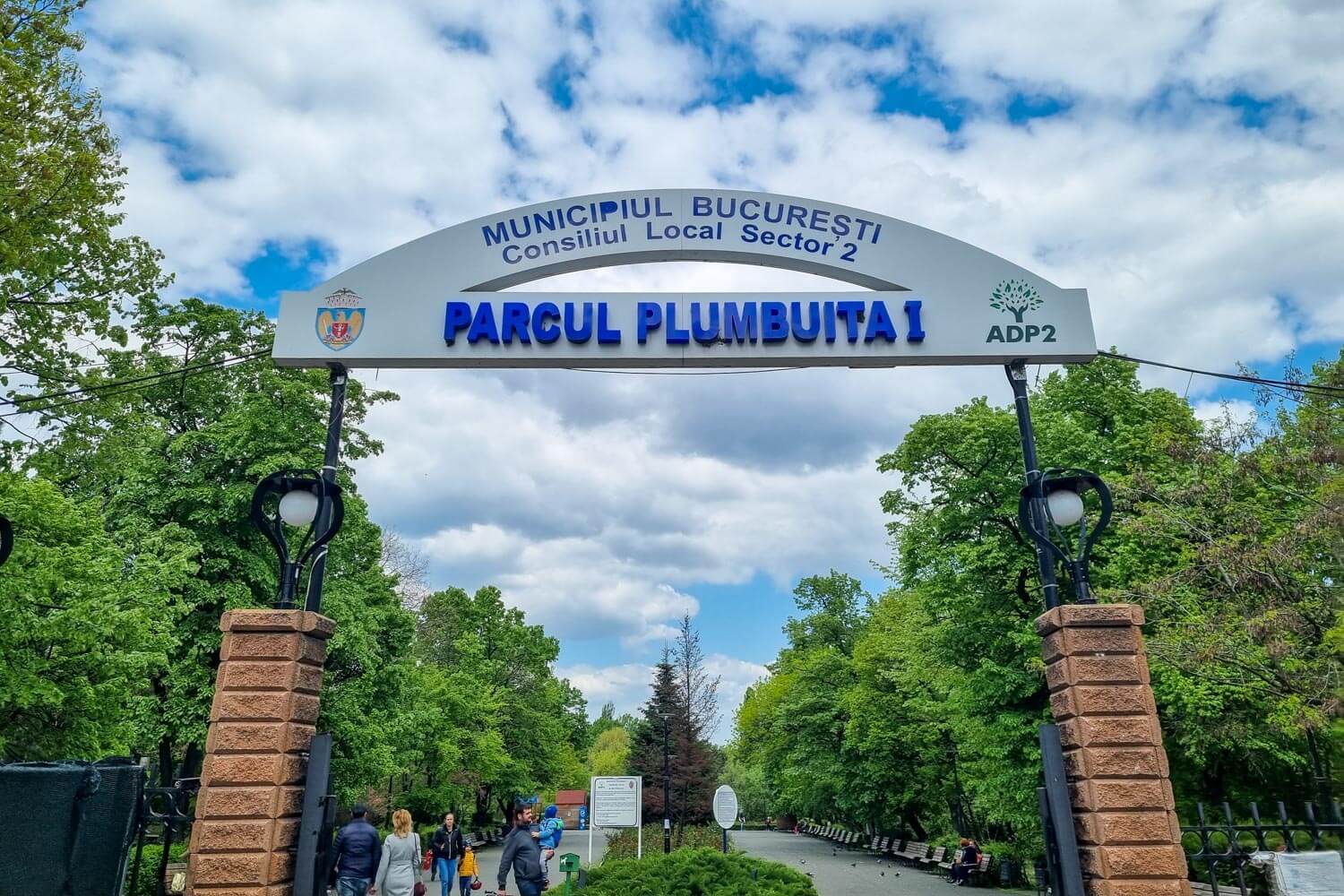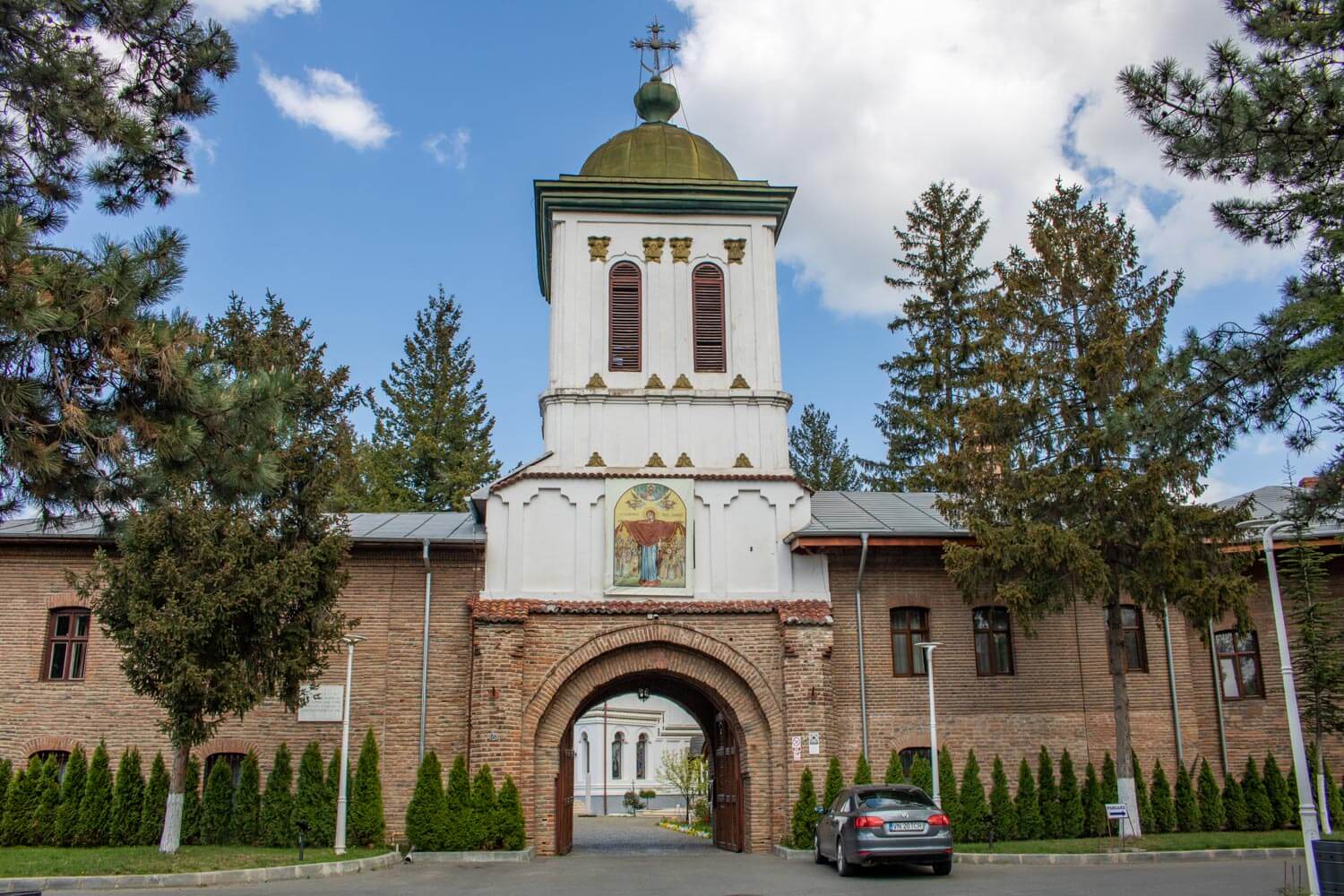


The Plumbuita Monastery (Mănăstirea Plumbuita) is a Romanian Orthodox monastery located in Plumbuita Park in the northeast of Bucharest. The church is dedicated to Saint John the Baptist.
The monastery was founded in 1560 by Petru the Younger (Petru cel Tânăr), the son of Mircea the Shepherd (Mircea Ciobanul) and Lady Chiajna. He started its construction which was finished by ruler Mihnea Turcitul who consecrated it in 1585. The first printing house in Bucharest was established in the monastery in 1572.
In 1614 the monastery was seriously damaged by a fire. In 1647, Matei Basarab rebuilt it from the ground up in its current form to commemorate the victory against the Ottomans in 1632. During this time the Princely Palace and the bell tower were added, and the monastery was fortified with large defensive walls. After an earthquake caused serious damage to the monastery, the bell tower and the Princely Palace were rebuilt by the abbot Dionisie of Ioannina between 1802 and 1806.
During the revolution of 1848, the monastery was temporarily used as a political prison to incarcerate the leaders of the revolution. When the secularization of monastic assets took place under the reign of Alexandru Ioan Cuza, the monastery was abandoned and fell into decay. The 1942 earthquake also caused severe damage, but after World War II, a project was started to restore the monastery between 1953 and 1955. On 24 June 1958, Plumbuita Monastery was reconsecrated.
There are three different stories explaining the name of the Plumbuita Monastery. One version claims that it was called ‘plumbuita’ because Matei Basarab covered the roof with lead (plumb). According to a second version, the lead of the roof of the church was melted and turned into cannonballs during the battle of 1632. A third version claims that during the same battle, the church was hit by cannonballs that were so hot that they covered the roof of the church under a layer of lead. Whichever version is true, the common claim that the church’s roof was once covered by lead explains the name of the monastery.
The church of the Plumbuita Monastery is built on a triangular plan with walls of up to a meter thick and a tower above the nave. It’s architectural style has Moldavian influences and features that were typical in the mountain areas, while certain features are also Gothic. The bell tower is incorporated into the defensive wall and forms the entrance gate to the monastery.